 Skip to content
Extend Your Balcony Garden’s Season: Techniques for Year-Round Freshness
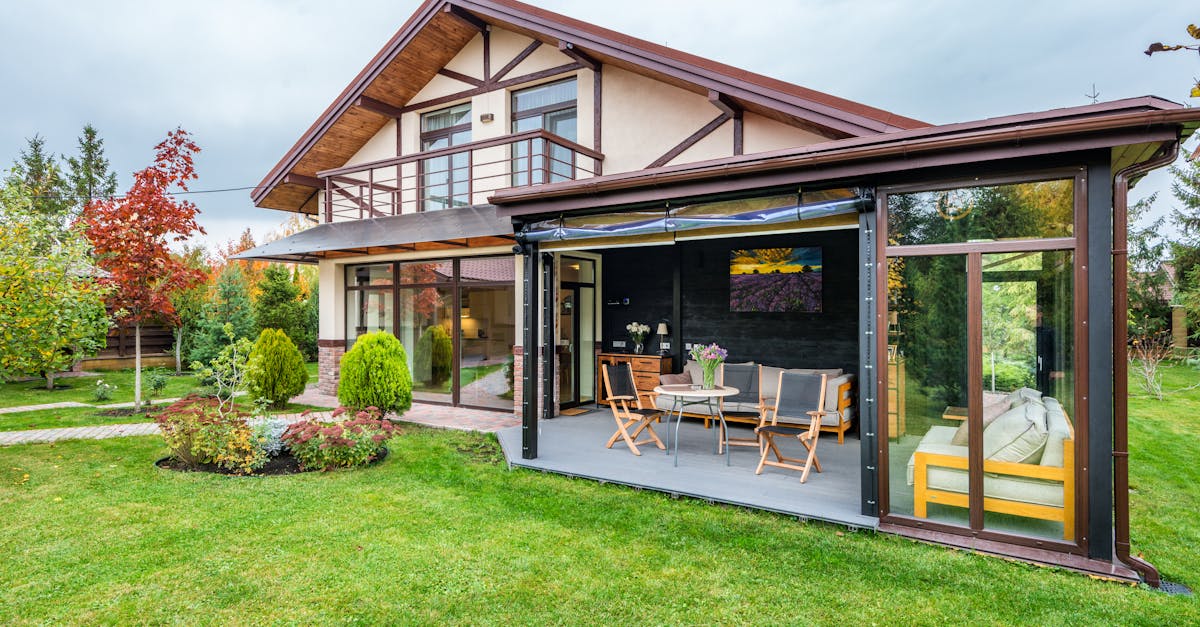
Balcony gardening, with its limited space and exposure to the elements, can pose challenges to extending the growing season. However, by harnessing clever techniques, you can transform your balcony into a thriving garden that yields fresh produce well beyond the traditional growing season.
Strategies like vertical gardening and companion planting help you maximize space and enhance plant growth. Season extenders, such as frost protection measures, cold frames, and greenhouses, protect your plants from harsh weather conditions, allowing you to enjoy a longer harvest. Hydroponics, a soil-less growing method, offers a revolutionary approach to year-round gardening on your balcony.
In this comprehensive guide, we will explore these innovative techniques, providing step-by-step instructions and expert tips to help you extend your growing season, enjoy a bountiful harvest, and create a flourishing balcony garden that thrives even in challenging conditions.
1. Harness the Power of Vertical Gardening
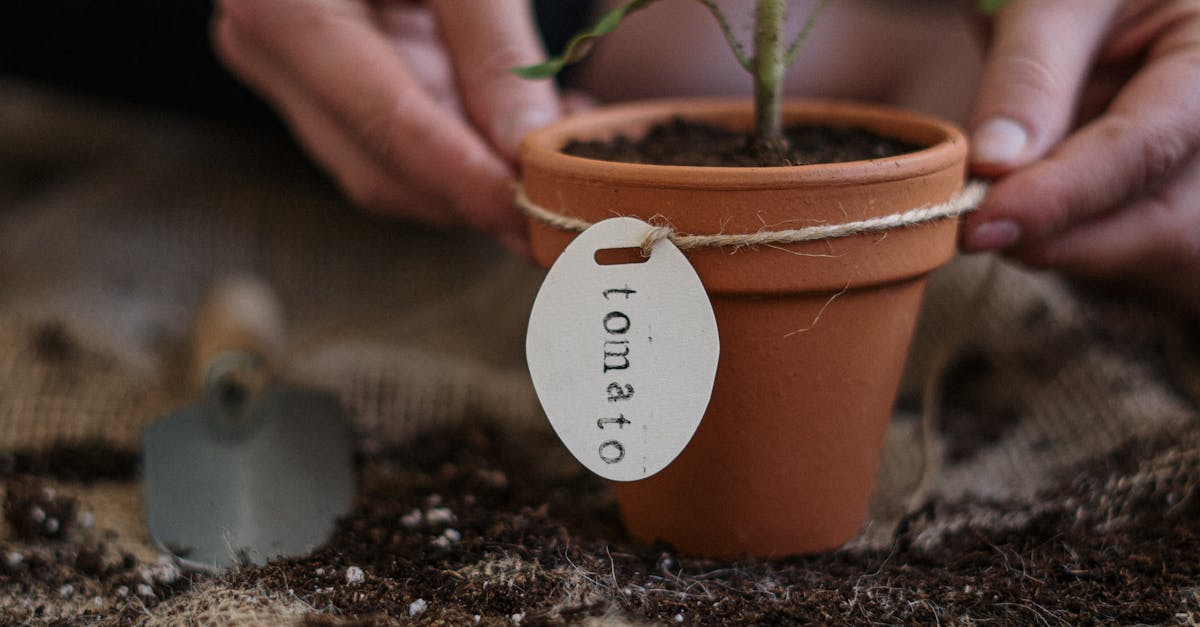
Transform your limited balcony space into a thriving vertical garden by harnessing the power of trellises, hanging baskets, and vertical planters. This ingenious approach not only maximizes space but also boosts productivity, allowing you to grow a wide variety of vegetables, herbs, and flowers in a compact area.
Vertical gardening techniques enable you to take advantage of the vertical space on your balcony, creating a lush green oasis that defies the limitations of traditional gardening. By growing vertically, you can significantly increase the number of plants you can grow without cluttering your balcony. Vegetables like cherry tomatoes, cucumbers, and strawberries thrive in vertical setups, cascading down trellises or tumbling from hanging baskets. Herbs such as basil, mint, and parsley can be grown in vertical planters, adding a touch of freshness and flavor to your balcony garden.
When choosing trellises and support structures for your vertical garden, consider the weight and growth habit of the plants you plan to grow. Sturdy trellises made of bamboo, metal, or wood can provide support for larger plants like tomatoes and cucumbers, while hanging baskets and vertical planters are ideal for smaller plants and trailing varieties. By utilizing vertical gardening techniques, you can create a thriving and productive balcony garden that brings the beauty and bounty of nature to your urban space.
Best Vegetables for Vertical Gardening
When it comes to vertical gardening on your balcony, choosing the right vegetable varieties is crucial for success. Certain vegetables thrive in vertical setups, offering both high yields and space-saving benefits.
-
Cherry tomatoes: These compact tomato varieties are ideal for vertical gardening, producing an abundance of small, flavorful tomatoes throughout the growing season. Their cascading growth habit makes them perfect for hanging baskets or trellises.
-
Cucumbers: Vertical gardening is an excellent way to grow cucumbers, as it supports their vining growth habit. Choose compact varieties like ‘Bush Champion’ or ‘Spacemaster’ that are well-suited for limited spaces. Trellises or netting can provide support for the vines as they climb upwards.
-
Strawberries: Strawberries are another great choice for vertical gardening. Plant them in hanging baskets or vertical planters, allowing their runners to cascade down. The vertical orientation promotes good air circulation, reducing the risk of diseases and pests.
In addition to these top choices, other vegetables that perform well in vertical gardens include:
- Beans: Bush beans and pole beans can be grown vertically using trellises or stakes.
- Peppers: Compact pepper varieties like ‘Lunch Box’ or ‘Sweet Bite’ can be grown in vertical planters or hanging baskets.
- Herbs: Many herbs, such as basil, mint, and parsley, thrive in vertical setups, adding flavor and fragrance to your balcony garden.
When selecting vegetables for vertical gardening, consider the amount of sunlight your balcony receives and choose varieties that are suited to those conditions. With the right plant choices and proper support structures, you can create a thriving and productive vertical garden that brings fresh, homegrown vegetables to your doorstep.
Tips for Trellis and Support Structures
When setting up trellises and support structures for vertical gardening on your balcony, careful planning and execution are key to ensuring the success and health of your plants. Here are some tips to guide you:
-
Choose the right material: Trellises and support structures can be made from various materials, including bamboo, metal, wood, and plastic. Consider the weight and growth habit of the plants you plan to grow when selecting the material. Bamboo and metal trellises are sturdy and can support heavier plants, while wood and plastic trellises are suitable for lighter plants and herbs.
-
Consider the size and shape: The size and shape of the trellis or support structure should complement the space available on your balcony and the size of the plants you intend to grow. For larger plants like tomatoes and cucumbers, taller trellises or cages are recommended. For smaller plants and herbs, shorter trellises or hanging baskets may be more appropriate.
-
Provide stability: Trellises and support structures should be securely installed to provide stability for your plants. Drive stakes deep into the ground or use sturdy bases to ensure the structures can withstand wind and the weight of the plants as they grow.
-
Train your plants: As your plants grow, gently train them to climb the trellis or support structure. Use soft ties or twine to loosely secure the stems to the supports, guiding their growth upwards. Avoid tying the stems too tightly, as this can restrict their growth and damage the plants.
By following these tips and choosing the right trellises and support structures, you can create a thriving vertical garden on your balcony, maximizing space and promoting healthy plant growth.
2. Embrace Companion Planting for Enhanced Growth
Maximize the space on your balcony and enhance the health of your plants by embracing companion planting techniques. This practice involves strategically planting certain species together to create mutually beneficial relationships that promote growth and deter pests.
Compatible pairings:
- Tomatoes and basil: Basil is a natural companion for tomatoes, as it repels insects and improves tomato flavor.
- Carrots and onions: Onions release sulfur compounds that repel carrot flies, while carrots help break up the soil, improving drainage for onions.
- Lettuce and radishes: Radishes mark the rows for slow-germinating lettuce, while lettuce provides shade for the radishes.
Incompatible neighbors:
- Corn and tomatoes: Corn attracts corn earworms, which can damage tomato plants.
- Broccoli and strawberries: Broccoli releases a chemical that inhibits strawberry growth.
- Potatoes and tomatoes: Both potatoes and tomatoes are susceptible to the same diseases, so planting them together increases the risk of disease transmission.
When planning your companion planting scheme, consider the following factors:
- Space: Companion plants should have similar space requirements to avoid overcrowding.
- Sunlight: Choose plants that have similar sunlight needs to ensure they receive the optimal amount of light.
- Water: Consider the water requirements of each plant and group them accordingly to avoid over- or under-watering.
By carefully selecting compatible pairings and avoiding incompatible neighbors, you can create a thriving balcony garden where plants support and enhance each other’s growth, maximizing your harvest and creating a healthy and vibrant outdoor space.
Benefits of Companion Planting
Companion planting offers a wealth of benefits for your balcony garden, enhancing plant growth, deterring pests, and boosting disease resistance. Here are some key advantages:
Improved growth: Certain companion plants can stimulate each other’s growth and yield. For example, planting basil next to tomatoes has been found to increase tomato yields by up to 20%.
Pest control: Companion planting can help deter pests by creating a confusing environment for them. For example, planting garlic or onions near roses can repel aphids, while marigolds planted near vegetables can deter nematodes.
Disease resistance: Some companion plants can help suppress diseases in neighboring plants. For example, planting nasturtiums near tomatoes can help prevent blight, while planting dill near cucumbers can reduce the risk of powdery mildew.
In addition to these benefits, companion planting can also:
- Improve soil health: Different plants have different nutrient needs and root systems, so planting them together can help create a more balanced and healthy soil environment.
- Attract beneficial insects: Companion planting can attract beneficial insects, such as pollinators and predatory insects, which can help control pests and improve overall garden health.
- Save space: Companion planting allows you to grow more plants in a limited space by utilizing vertical space and maximizing the benefits of compatible pairings.
By incorporating companion planting techniques into your balcony garden, you can create a thriving and resilient ecosystem that promotes healthy plant growth, reduces the need for pesticides and fertilizers, and enhances the overall beauty and productivity of your outdoor space.
Examples of Successful Companion Plantings
Discover the power of companion planting with these proven combinations that will enhance the health and productivity of your balcony garden:
-
Tomatoes and basil: This classic pairing is a staple in many gardens. Basil repels insects that can harm tomatoes, while tomatoes provide shade for the basil.
-
Peppers and marigolds: Marigolds are known for their pest-repelling properties, making them excellent companions for peppers. They help deter aphids, whiteflies, and other insects that can damage pepper plants.
-
Carrots and onions: Onions release sulfur compounds that repel carrot flies, while carrots help break up the soil, improving drainage for onions.
-
Lettuce and radishes: Radishes mark the rows for slow-germinating lettuce, while lettuce provides shade for the radishes.
-
Cucumbers and dill: Dill attracts beneficial insects that prey on pests that can harm cucumbers. It also helps deter spider mites and aphids.
-
Beans and corn: Beans fix nitrogen in the soil, which benefits corn. Corn stalks provide support for the bean vines to climb.
-
Strawberries and garlic: Garlic repels pests that can damage strawberries, such as aphids and spider mites. Strawberries, in turn, help keep the soil around the garlic weed-free.
When implementing companion planting in your balcony garden, consider the following tips:
- Choose compatible plants: Not all plants make good companions. Do your research to find the best pairings for your specific plants.
- Plan your layout: Arrange your plants strategically to maximize the benefits of companion planting. For example, plant taller plants on the north side of shorter plants to avoid shading them.
- Water and fertilize regularly: Companion planting does not eliminate the need for proper care. Water and fertilize your plants regularly to ensure they are healthy and productive.
By incorporating these successful companion planting combinations into your balcony garden, you can create a thriving and resilient ecosystem that promotes healthy plant growth, reduces the need for pesticides and fertilizers, and enhances the overall beauty and productivity of your outdoor space.
3. Prepare for Cold Weather with Frost Protection Measures
As the colder months approach, it’s essential to prepare your balcony garden for the challenges of frost and freezing temperatures. By implementing effective frost protection measures, you can extend the growing season and safeguard your plants from harsh winter conditions.
Row covers and frost blankets: Row covers and frost blankets are inexpensive and effective ways to protect your plants from frost. These lightweight fabrics allow sunlight and water to penetrate while trapping heat and creating a protective barrier against cold temperatures. Simply drape the covers over your plants or create hoops or tunnels to support the fabric.
Cold frames and mini greenhouses: Cold frames and mini greenhouses provide a more controlled environment for your plants during the winter. Cold frames are essentially boxes with transparent tops that allow sunlight to enter while insulating the plants from the cold. Mini greenhouses offer a similar level of protection but are typically larger and may include features like heating and ventilation systems.
Other frost protection methods: In addition to row covers, frost blankets, cold frames, and mini greenhouses, there are other measures you can take to protect your plants from frost:
- Choose cold-hardy plants: When selecting plants for your balcony garden, opt for varieties that are known for their cold tolerance.
- Water your plants deeply: Well-watered plants are less susceptible to frost damage. Water your plants deeply before a cold snap to help insulate their roots.
- Mulch around your plants: Mulch, such as straw, leaves, or shredded bark, helps insulate the soil and protect plant roots from freezing.
- Bring potted plants indoors: If possible, bring potted plants indoors during periods of extreme cold. Place them in a bright, cool location and water them sparingly.
By implementing these frost protection measures, you can extend the growing season on your balcony and enjoy fresh produce well into the colder months. Remember to monitor the weather forecast and take precautions whenever frost is expected to ensure the health and vitality of your plants.
Row Covers and Frost Blankets
Row covers and frost blankets are simple yet effective tools for protecting your balcony garden from cold temperatures and frost. These lightweight fabrics create a protective barrier around your plants, trapping heat and insulating them from the cold.
Row covers: Row covers are long, rectangular pieces of fabric that can be draped over rows of plants or supported by hoops or stakes to create a tunnel-like structure. They are typically made of a thin, breathable material, such as spunbonded polypropylene or polyethylene, that allows sunlight and water to penetrate while providing insulation. Row covers are ideal for protecting plants from light frost, wind, and insects.
Frost blankets: Frost blankets are similar to row covers but are typically heavier and more durable. They are made of a thicker material, such as fleece or burlap, and provide more insulation against cold temperatures. Frost blankets are best used during periods of heavy frost or when temperatures are expected to drop below freezing.
How to use row covers and frost blankets:
- Choose the right size: Select row covers or frost blankets that are large enough to cover your plants completely, with some extra fabric to tuck in around the edges.
- Support the covers: If using row covers, insert hoops or stakes into the ground to support the fabric and create a tunnel-like structure. Frost blankets can simply be draped over the plants.
- Secure the edges: Tuck the edges of the covers around the base of the plants or secure them with soil, stones, or bricks to prevent cold air from seeping in.
- Remove the covers during the day: On sunny days, remove the covers to allow your plants to receive sunlight and air circulation. Replace the covers in the evening or when temperatures drop.
By using row covers and frost blankets, you can extend the growing season on your balcony and protect your plants from the damaging effects of cold temperatures and frost. These simple and inexpensive measures can help you enjoy fresh produce from your balcony garden well into the colder months.
Cold Frames and Mini Greenhouses
Cold frames and mini greenhouses are excellent options for extending the growing season on your balcony and protecting your plants from harsh winter conditions. These structures provide a controlled environment that allows you to grow plants even when temperatures drop below freezing.
Cold frames: Cold frames are essentially boxes with transparent tops that allow sunlight to enter while insulating the plants from the cold. They are typically placed on the ground or on a raised platform and can be made from a variety of materials, such as wood, plastic, or metal. Cold frames are ideal for starting seeds, hardening off seedlings, and protecting overwintering plants.
Mini greenhouses: Mini greenhouses are similar to cold frames but are typically larger and may include features like heating and ventilation systems. They are also more expensive than cold frames but offer a more controlled environment for growing plants year-round. Mini greenhouses can be placed on a balcony, patio, or rooftop and are ideal for growing a variety of plants, including fruits, vegetables, and herbs.
Benefits of cold frames and mini greenhouses:
- Extended growing season: Cold frames and mini greenhouses allow you to start seeds earlier in the spring and extend the growing season into the fall and winter.
- Protection from cold temperatures: These structures protect your plants from frost, snow, and freezing temperatures.
- Controlled environment: Cold frames and mini greenhouses provide a controlled environment where you can regulate temperature, humidity, and light levels.
- Pest and disease protection: The enclosed environment of cold frames and mini greenhouses helps protect your plants from pests and diseases.
Setup instructions:
- Choose the right location: Place your cold frame or mini greenhouse in a sunny location on your balcony. Ensure it is level and has good drainage.
- Prepare the soil: Fill the cold frame or mini greenhouse with a well-draining potting mix.
- Plant your seedlings or plants: Carefully transplant seedlings or young plants into the soil.
- Water your plants: Water your plants regularly, especially during hot weather.
- Ventilate your cold frame or mini greenhouse: Open the vents or door of your cold frame or mini greenhouse on warm days to allow for air circulation and prevent overheating.
With proper care and maintenance, cold frames and mini greenhouses can extend your growing season and provide you with a year-round supply of fresh produce.
4. Utilize Season Extenders for an Extended Harvest
Extend the growing season on your balcony and enjoy fresh produce for longer by utilizing season extenders such as cold frames, greenhouses, and raised beds. These tools and techniques can help you protect your plants from harsh weather conditions and create a microclimate that allows you to grow plants outside of their typical growing season.
Benefits of season extenders:
- Earlier harvests: Season extenders allow you to start seeds earlier in the spring and harvest your crops sooner.
- Extended growing season: You can continue to grow plants well into the fall and even during the winter months with the protection of season extenders.
- Protection from harsh weather: Season extenders protect your plants from frost, snow, wind, and excessive heat.
- Improved growing conditions: Season extenders can create a controlled environment where you can regulate temperature, humidity, and light levels to optimize plant growth.
Types of season extenders:
- Cold frames: Cold frames are essentially boxes with transparent tops that allow sunlight to enter while insulating the plants from the cold. They are ideal for starting seeds, hardening off seedlings, and protecting overwintering plants.
- Greenhouses: Greenhouses are similar to cold frames but are typically larger and may include features like heating and ventilation systems. They offer a more controlled environment for growing plants year-round.
- Raised beds: Raised beds are elevated garden beds that are filled with soil or a growing medium. They warm up faster in the spring and drain better than in-ground gardens, allowing you to start planting earlier and extend the growing season.
How to implement season extenders:
- Choose the right season extender: Select the type of season extender that best suits your needs and the climate in your area.
- Place your season extender in a sunny location: Ensure your season extender receives plenty of sunlight throughout the day.
- Prepare the soil: Fill your season extender with a well-draining potting mix or soil.
- Plant your seedlings or plants: Carefully transplant seedlings or young plants into the soil.
- Water your plants regularly: Water your plants regularly, especially during hot weather.
- Ventilate your season extender: Open the vents or door of your season extender on warm days to allow for air circulation and prevent overheating.
By utilizing season extenders, you can extend the growing season on your balcony and enjoy fresh produce for a longer period of time.
Benefits of Season Extenders
Season extenders, such as cold frames, greenhouses, and raised beds, offer numerous benefits for balcony gardeners looking to extend their growing season and enjoy fresh produce for longer.
Earlier harvests: Season extenders allow you to start seeds earlier in the spring, giving your plants a head start on the growing season. This means you can harvest your crops sooner and enjoy fresh produce weeks or even months before you would be able to if you were growing outdoors.
Longer growing periods: Season extenders protect your plants from harsh weather conditions, such as frost, snow, and excessive heat, allowing you to extend the growing season well into the fall and even during the winter months. This means you can enjoy fresh produce for a longer period of time and grow a wider variety of plants that may not be suitable for your climate if grown outdoors.
Protection from pests: Season extenders can also help protect your plants from pests and diseases. The enclosed environment of cold frames and greenhouses creates a barrier between your plants and the outside world, reducing the risk of pests and diseases entering your garden. Additionally, the controlled environment allows you to monitor and manage temperature and humidity levels, which can help prevent the spread of pests and diseases.
Other benefits of using season extenders include:
- Improved growing conditions: Season extenders can create a controlled environment where you can regulate temperature, humidity, and light levels to optimize plant growth. This can lead to healthier plants with higher yields.
- Water conservation: Season extenders can help you conserve water by reducing evaporation and runoff. This is especially beneficial in areas with limited water resources.
- Space saving: Season extenders, such as vertical gardens and raised beds, can help you maximize space on your balcony and grow more plants in a limited area.
By utilizing season extenders, balcony gardeners can extend their growing season, enjoy earlier harvests, and protect their plants from harsh weather conditions and pests. This allows them to grow a wider variety of plants and enjoy fresh produce for a longer period of time.
Different Types of Season Extenders
Season extenders come in a variety of types and sizes, each with its own advantages and suitability for different climates and spaces. Here are some of the most common types of season extenders:
High tunnels: High tunnels are large, arched structures that are covered with a transparent material, such as polyethylene or polycarbonate. They are typically taller than hoop houses and have a more permanent structure. High tunnels provide excellent protection from the elements and can be used to extend the growing season by several months. They are ideal for growing taller crops, such as tomatoes, peppers, and cucumbers.
Hoop houses: Hoop houses are similar to high tunnels but are smaller and have a rounded shape. They are made of a series of hoops covered with a transparent material. Hoop houses are less expensive and easier to assemble than high tunnels, making them a good option for small-scale gardeners. They are suitable for growing a variety of crops, including leafy greens, vegetables, and herbs.
Low tunnels: Low tunnels are simple structures made of hoops or stakes covered with a row cover or plastic sheeting. They are the least expensive and easiest to set up of all the season extenders. Low tunnels provide protection from frost, wind, and pests, and can be used to extend the growing season by a few weeks. They are ideal for growing low-growing crops, such as lettuce, radishes, and strawberries.
When choosing a season extender, consider the following factors:
- Climate: The type of season extender you need will depend on your climate. If you live in a cold climate, you will need a more substantial structure, such as a high tunnel or greenhouse. If you live in a milder climate, you may be able to get away with a low tunnel or cold frame.
- Space: The size of your balcony will determine the type of season extender you can use. High tunnels and greenhouses require more space than hoop houses or low tunnels.
- Budget: Season extenders can range in price from a few hundred dollars to several thousand dollars. Choose a season extender that fits your budget and needs.
By choosing the right season extender, you can extend your growing season and enjoy fresh produce for a longer period of time.
5. Consider Hydroponics for Year-Round Gardening
Hydroponics is a soil-less growing method that offers numerous advantages for balcony gardeners looking to maximize their yield and extend the growing season all year round. Unlike traditional gardening, which relies on soil to provide nutrients and support for plants, hydroponics uses a nutrient-rich water solution to grow plants.
Advantages of hydroponics:
- Faster growth rates: Plants grown hydroponically have access to a constant supply of nutrients and water, which allows them to grow faster than plants grown in soil. This means you can harvest your crops sooner and enjoy fresh produce more often.
- Higher yields: Hydroponic systems are more efficient at utilizing nutrients and water than traditional soil-based gardens. This results in higher yields and more productive plants.
- Year-round gardening: Hydroponic systems can be used indoors or outdoors, allowing you to grow plants all year round, regardless of the climate. This is especially beneficial for balcony gardeners who live in areas with short growing seasons.
- Water conservation: Hydroponic systems use less water than traditional soil-based gardens. This is because the water is recirculated and reused, reducing waste.
- Pest and disease resistance: Hydroponic systems provide a sterile environment for plants, reducing the risk of pests and diseases.
Setting up a hydroponic system on a balcony:
Setting up a hydroponic system on your balcony is relatively easy and can be done with a variety of materials. Here are the basic steps:
- Choose a hydroponic system: There are many different types of hydroponic systems available, so choose one that is suitable for your needs and space. Some popular hydroponic systems include the deep water culture (DWC) system, the nutrient film technique (NFT) system, and the aeroponic system.
- Purchase the necessary materials: In addition to the hydroponic system, you will need to purchase a grow light, a water pump, an air pump, and nutrient solution.
- Assemble the system: Follow the instructions that came with your hydroponic system to assemble it.
- Add your plants: Once the system is assembled, you can add your plants. Be sure to use seedlings or clones that are specifically suited for hydroponic growing.
- Monitor and maintain the system: Hydroponic systems require regular monitoring and maintenance to ensure that the plants are getting the nutrients they need. Check the pH and nutrient levels of the water solution regularly and adjust as needed.
By following these steps, you can set up a hydroponic system on your balcony and enjoy the benefits of year-round gardening.
Advantages of Hydroponics
Hydroponics offers numerous advantages over traditional soil-based gardening, making it an attractive option for balcony gardeners looking to maximize their yield and extend the growing season. Here are some of the key benefits of hydroponics:
Faster growth rates: Hydroponically grown plants have access to a constant supply of nutrients and water, which allows them to grow faster than plants grown in soil. This means you can harvest your crops sooner and enjoy fresh produce more often.
Controlled environment: Hydroponic systems allow you to control the environment in which your plants grow. This includes factors such as temperature, humidity, and light levels. By controlling the environment, you can optimize growing conditions for your plants and achieve higher yields.
Efficient water and nutrient utilization: Hydroponic systems use less water and nutrients than traditional soil-based gardens. This is because the water and nutrients are recirculated and reused, reducing waste. This makes hydroponics a more sustainable and environmentally friendly option for growing plants.
Other advantages of hydroponics include:
- Year-round gardening: Hydroponic systems can be used indoors or outdoors, allowing you to grow plants all year round, regardless of the climate. This is especially beneficial for balcony gardeners who live in areas with short growing seasons.
- Pest and disease resistance: Hydroponic systems provide a sterile environment for plants, reducing the risk of pests and diseases. This is because the plants are not grown in soil, which can harbor pests and diseases.
- Space saving: Hydroponic systems can be stacked vertically, making them a good option for small spaces, such as balconies.
Overall, hydroponics offers numerous advantages for balcony gardeners looking to maximize their yield and extend the growing season. By providing plants with a constant supply of nutrients and water, controlling the environment, and using water and nutrients efficiently, hydroponics can help you grow more food in a smaller space, all year round.
Setting Up a Hydroponic System on a Balcony
Quiz
1. True or False: Vertical gardening is a technique that can be used to maximize space on a balcony. 2. Which of the following is NOT a benefit of companion planting? (a) Improved growth (b) Pest control (c) Reduced need for water 3. What is the main advantage of using season extenders? (a) Earlier harvests (b) Protection from harsh weather (c) Increased yield 4. Hydroponics is a soil-less growing method that offers which of the following advantages? (a) Faster growth rates (b) Higher yields (c) Year-round gardening 5. What is the first step in setting up a hydroponic system on a balcony? (a) Adding plants (b) Choosing the right equipment (c) Monitoring the system
Answer Key
- True
- (c) Reduced need for water
- (a) Earlier harvests
- All of the above
- (b) Choosing the right equipment
Answer Key
- True
- (c) Reduced need for water
- (a) Earlier harvests
- All of the above
- (b) Choosing the right equipment
Vertical Gardens and Culinary Delights: Maximizing Yield in Limited Spaces Unlocking the Bounty in Small Spaces: Embracing Container Gardening Imagine Read more
Edible Delights on Your Balcony: A Guide to Growing and Enjoying Edible Flowers In recent years, edible flower gardening has Read more
Balcony Tomato Gardening: A Guide to Growing a Plentiful Harvest in Limited Space Growing tomatoes on a balcony can be Read more
Water-Wise Balcony Gardening: A Path to Sustainable Urban Agriculture Mastering the Art of Water Conservation: A Comprehensive Guide to Optimizing Read more
