
Balcony Tomato Gardening: A Guide to Growing a Plentiful Harvest in Limited Space
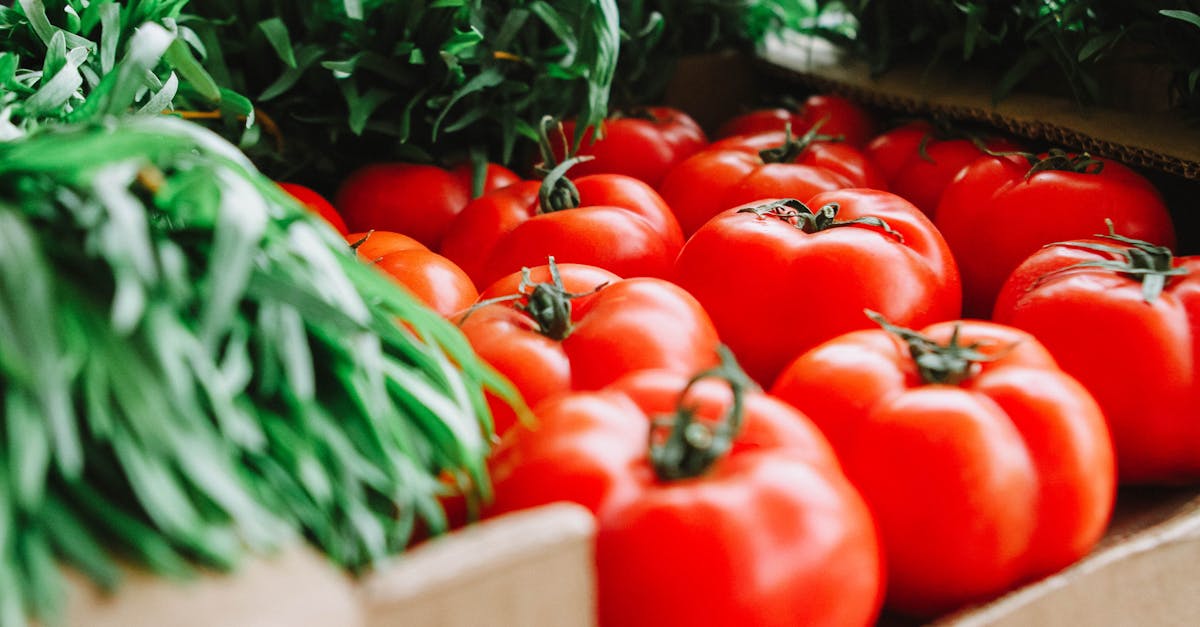
Growing tomatoes on a balcony can be a rewarding and enjoyable experience, even with limited space. By selecting the right varieties, creating the perfect environment, and providing essential care, balcony gardeners can cultivate a bountiful harvest of fresh, homegrown tomatoes. This comprehensive guide will provide all the necessary steps and tips to help you achieve tomato-growing success on your balcony.
From choosing compact determinate varieties to utilizing vertical gardening techniques, we’ll cover everything you need to know to maximize space and optimize plant growth. We’ll delve into the importance of providing adequate sunlight, proper drainage, and nutrient-rich soil to create the ideal conditions for your balcony tomatoes.
Regular watering, fertilization, and pest management are also essential for maintaining healthy and productive plants. We’ll guide you through the best watering practices, recommend organic fertilization options, and discuss common pests and diseases to watch out for. By following these expert tips and techniques, you’ll be well on your way to cultivating a flourishing tomato garden on your balcony.
1. Selecting the Ideal Tomato Varieties for Balcony Gardening
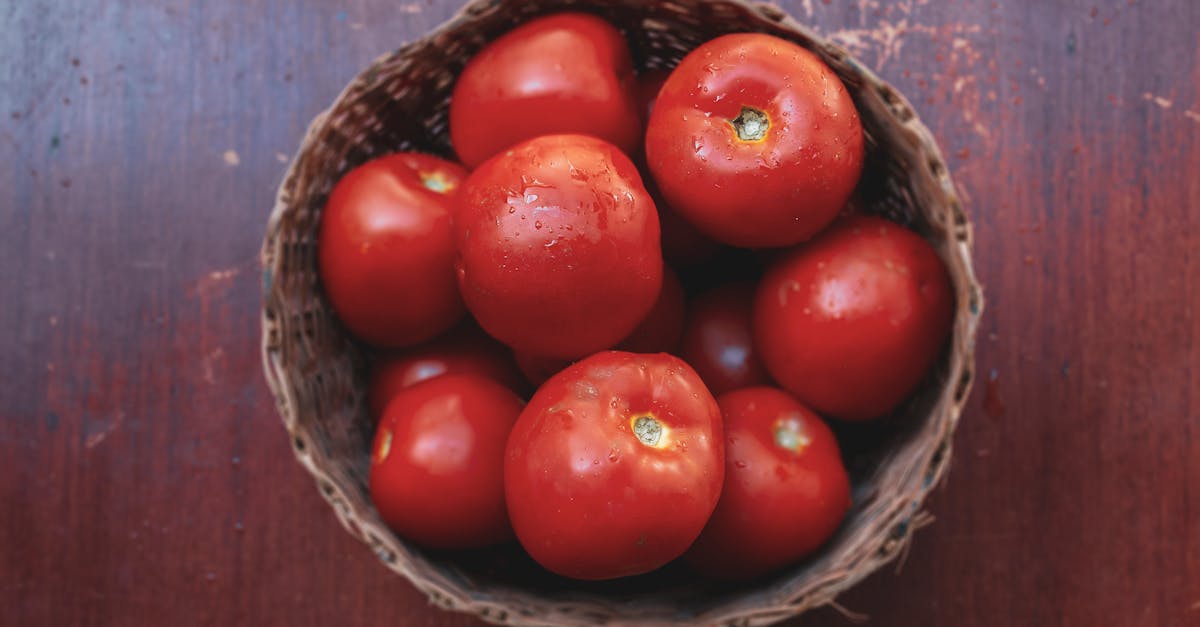
When selecting tomato varieties for balcony gardening, it’s crucial to choose determinate varieties. Determinate tomatoes are compact and have a bushy growth habit, making them well-suited for containers. They also tend to produce fruit earlier than indeterminate varieties, which is ideal for balcony gardeners with a limited growing season.
Some popular determinate tomato varieties for balcony gardening include:
- Patio: A compact variety that produces small, flavorful tomatoes.
- Tumbling Tom: A cascading variety that is perfect for hanging baskets or containers.
- Tiny Tim: A miniature variety that is great for small spaces.
In addition to determinate varieties, you may also want to consider choosing disease-resistant varieties. This will help to reduce the risk of your plants succumbing to common tomato diseases, such as blight and wilt.
When selecting tomato varieties for your balcony garden, be sure to read the seed packets carefully. The seed packet will provide information on the plant’s size, maturity date, and disease resistance. By choosing the right varieties, you can set yourself up for success in growing a bountiful harvest of tomatoes on your balcony.
Recommended Determinate Tomato Varieties
Among the most popular determinate tomato varieties for balcony gardening are ‘Patio’, ‘Tumbling Tom’, and ‘Tiny Tim’. These varieties are known for their compact size, early maturity, and adaptability to container gardening.
‘Patio’ is a compact variety that produces small, flavorful tomatoes. It is a great choice for small balconies or for gardeners who want to grow tomatoes in hanging baskets.
‘Tumbling Tom’ is a cascading variety that is perfect for hanging baskets or containers. It produces clusters of small, sweet tomatoes that are great for snacking or salads.
‘Tiny Tim’ is a miniature variety that is great for small spaces. It produces tiny, flavorful tomatoes that are perfect for adding a pop of color to salads or as a garnish.
In addition to these three varieties, there are many other determinate tomato varieties that are suitable for balcony gardening. When selecting a variety, be sure to read the seed packet carefully to determine the plant’s size, maturity date, and disease resistance.
Here are some additional tips for growing determinate tomatoes in containers:
- Choose a pot that is at least 12 inches in diameter and has drainage holes.
- Use a potting mix that is specifically designed for container gardening.
- Water your plants regularly, especially during hot and dry weather.
- Fertilize your plants every few weeks with a balanced fertilizer.
- Protect your plants from pests and diseases by using organic methods, such as companion planting and insecticidal soap.
By following these tips, you can grow a bountiful harvest of tomatoes on your balcony, even if you have limited space.
Vertical Gardening Techniques for Balcony Tomatoes
Vertical gardening techniques are a great way to maximize space on a balcony and optimize sunlight exposure for your tomato plants. By using trellises, hanging baskets, or tomato cages, you can train your plants to grow upwards, which will allow them to receive more sunlight and produce more fruit.
Trellises
Trellises are a great way to support climbing tomato plants. You can purchase a trellis or make your own using stakes and twine. To train your tomato plants to grow on a trellis, simply tie the stems to the trellis as they grow.
Hanging baskets
Hanging baskets are another great option for growing tomatoes vertically. Hanging baskets are ideal for small balconies or for gardeners who want to grow tomatoes in a limited space. To grow tomatoes in hanging baskets, simply fill the basket with potting mix and plant your tomato seedlings. As the plants grow, you can train them to climb up the sides of the basket by tying the stems to the basket’s frame.
Tomato cages
Tomato cages are a classic way to support tomato plants. Tomato cages are available in a variety of sizes and shapes, so you can choose the one that best fits your needs. To use a tomato cage, simply place it around your tomato plant and secure the cage to the ground with stakes. As the plant grows, it will climb up the cage.
No matter which vertical gardening technique you choose, be sure to provide your plants with plenty of sunlight and water. With proper care, your tomato plants will thrive and produce a bountiful harvest of tomatoes.
Here are some additional tips for using vertical gardening techniques for balcony tomatoes:
- Choose a vertical gardening technique that is appropriate for the size and shape of your balcony.
- Make sure that your vertical gardening structure is sturdy enough to support your tomato plants.
- Water your plants regularly, especially during hot and dry weather.
- Fertilize your plants every few weeks with a balanced fertilizer.
2. Creating the Perfect Environment for Balcony Tomato Plants
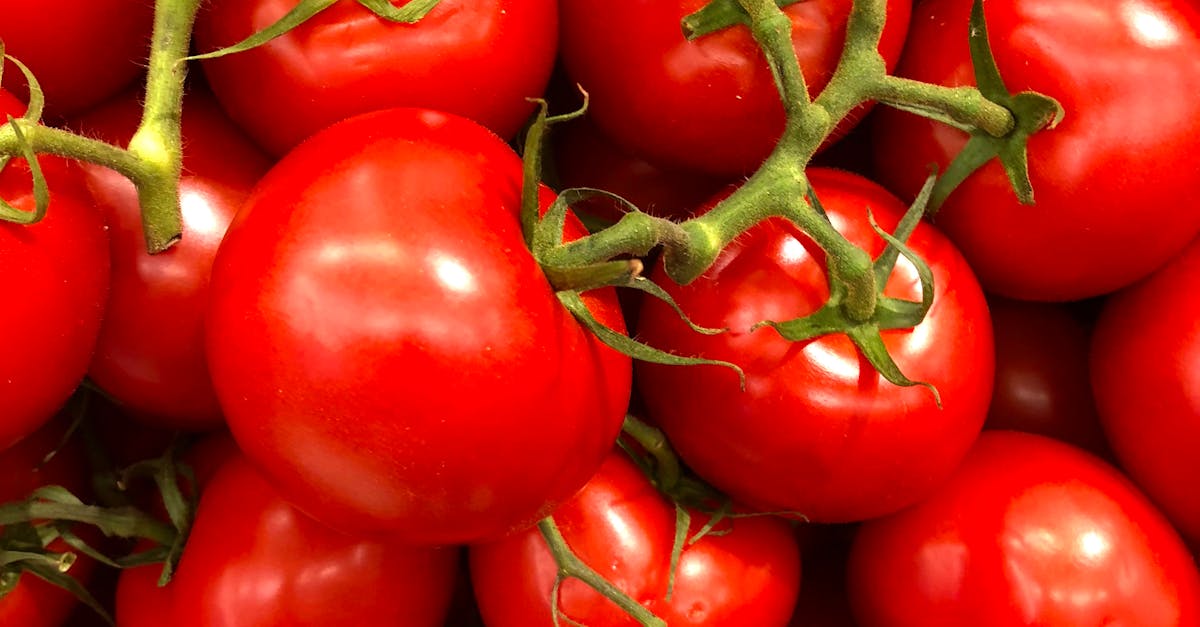
To create the perfect environment for your balcony tomato plants, you need to ensure that they have adequate sunlight, proper drainage, and nutrient-rich soil.
Sunlight
Tomato plants need at least six hours of direct sunlight per day to produce fruit. If your balcony does not receive enough sunlight, you may need to supplement with grow lights.
Drainage
Tomato plants do not like to sit in wet soil, so it is important to make sure that your containers have drainage holes. If your containers do not have drainage holes, you can drill some yourself.
Soil
Tomato plants need well-drained, nutrient-rich soil to thrive. You can purchase a potting mix that is specifically designed for tomatoes, or you can make your own by mixing together equal parts compost, peat moss, and perlite.
In addition to these three essential elements, there are a few other things you can do to create the perfect environment for your balcony tomato plants:
- Choose a container that is the right size for your plants. Tomato plants need at least 5 gallons of soil per plant.
- Water your plants regularly, especially during hot and dry weather.
- Fertilize your plants every few weeks with a balanced fertilizer.
- Protect your plants from pests and diseases by using organic methods, such as companion planting and insecticidal soap.
By following these tips, you can create the perfect environment for your balcony tomato plants to thrive and produce a bountiful harvest of tomatoes.
Sunlight Requirements for Balcony Tomatoes
Tomato plants thrive in at least six hours of direct sunlight per day. If your balcony does not receive enough sunlight, you may need to supplement with grow lights.
Positioning your balcony pots
When positioning your balcony pots, choose a location that receives the most sunlight. If possible, place your pots on a south-facing balcony. If your balcony does not receive enough sunlight, you may need to move your pots to a different location or use grow lights.
Using grow lights
Grow lights can be used to supplement natural light and provide your tomato plants with the sunlight they need to thrive. When choosing grow lights, look for lights that emit a full spectrum of light, including both blue and red light.
Here are some additional tips for providing your balcony tomatoes with adequate sunlight:
- Start your tomato plants indoors 6-8 weeks before the last frost. This will give your plants a head start and allow them to get the sunlight they need to grow strong and healthy.
- Harden off your tomato plants before transplanting them outdoors. This will help them to adjust to the stronger sunlight and prevent them from getting sunburned.
- Water your tomato plants regularly, especially during hot and dry weather.
- Fertilize your tomato plants every few weeks with a balanced fertilizer.
- Protect your tomato plants from pests and diseases by using organic methods, such as companion planting and insecticidal soap.
By following these tips, you can provide your balcony tomatoes with the sunlight they need to thrive and produce a bountiful harvest of tomatoes.
Drainage and Soil Preparation for Balcony Tomatoes
Well-draining soil is essential to prevent root rot in balcony tomatoes. Root rot is a fungal disease that can occur when the soil is too wet and the roots do not have enough oxygen. To prevent root rot, use a potting mix that is specifically designed for containers and amend it with compost or manure to enhance fertility.
Potting mix for balcony tomatoes
When choosing a potting mix for balcony tomatoes, look for a mix that is well-draining and contains a combination of organic and inorganic materials. Organic materials, such as compost and peat moss, help to retain water and nutrients, while inorganic materials, such as perlite and vermiculite, help to improve drainage.
Amending the potting mix
To enhance the fertility of the potting mix, you can amend it with compost or manure. Compost is a decomposed organic matter that is rich in nutrients. Manure is also a good source of nutrients, but it should be composted before using it to avoid burning the roots of your plants.
Here are some additional tips for preparing the soil for balcony tomatoes:
- Make sure that your containers have drainage holes. If your containers do not have drainage holes, you can drill some yourself.
- Fill your containers with the potting mix and amend it with compost or manure.
- Water the potting mix thoroughly and allow it to drain before planting your tomato seedlings.
By following these tips, you can prepare the soil for your balcony tomatoes to ensure that they have the best possible chance of thriving and producing a bountiful harvest.
3. Essential Care Tips for Balcony Tomato Plants
Regular watering, proper fertilization, and pest management are vital for maintaining healthy and productive tomato plants on your balcony.
Watering
Tomato plants need to be watered regularly, especially during hot and dry weather. The best way to water tomato plants is to water them deeply and infrequently. This will encourage the roots to grow deep and strong. Avoid overwatering, as this can lead to root rot.
Fertilization
Tomato plants need to be fertilized regularly to provide them with the nutrients they need to grow and produce fruit. You can fertilize your tomato plants every few weeks with a balanced fertilizer. Organic fertilizers, such as compost tea or fish emulsion, are a good option for balcony tomatoes.
Pest management
Tomato plants are susceptible to a variety of pests, including aphids, whiteflies, and spider mites. To prevent pests from damaging your plants, you can use organic methods, such as companion planting and insecticidal soap.
Here are some additional tips for providing essential care for balcony tomato plants:
- Mulch around your tomato plants to help retain moisture and suppress weeds.
- Prune your tomato plants regularly to remove any dead or diseased leaves or stems.
- Stake or cage your tomato plants to help them grow upright and support their fruit.
- Protect your tomato plants from the elements, such as wind and rain, by using a cold frame or row cover.
By following these tips, you can provide your balcony tomato plants with the care they need to thrive and produce a bountiful harvest of tomatoes.
Watering Techniques for Balcony Tomatoes
Watering your balcony tomatoes deeply and consistently is essential for their growth and productivity. However, it’s equally important to avoid overwatering, as this can lead to root rot and other problems. Here’s a closer look at effective watering techniques for balcony tomatoes:
Deep and infrequent watering: The best way to water tomato plants is to water them deeply and infrequently. This encourages the roots to grow deep and strong, making the plants more resilient to drought and heat stress. Avoid shallow watering, as it only moistens the surface of the soil and encourages shallow root growth.
Check the soil moisture: Before watering your tomato plants, always check the soil moisture. Stick your finger about 2 inches into the soil; if it feels dry, it’s time to water. Overwatering can be detrimental to tomato plants, so it’s better to err on the side of caution.
Water at the base of the plant: When watering your tomato plants, focus on the base of the plant, avoiding the leaves and stems. Watering the foliage can promote disease and make the plants more susceptible to sunburn.
Water early in the day: The best time to water your tomato plants is early in the morning. This gives the leaves time to dry before nightfall, reducing the risk of disease. Watering in the evening can keep the leaves wet for too long, creating a favorable environment for fungal growth.
Use mulch: Mulching around your tomato plants is a great way to conserve soil moisture and reduce the frequency of watering. Mulch helps to create a barrier that prevents water from evaporating from the soil surface.
By following these watering techniques, you can provide your balcony tomatoes with the moisture they need to thrive without overwatering and causing problems.
Fertilization Regimen for Balcony Tomatoes
Fertilizing your balcony tomatoes every few weeks is crucial for their growth and productivity. Tomatoes are heavy feeders, and they require a steady supply of nutrients to produce an abundant harvest. Here’s a closer look at an effective fertilization regimen for balcony tomatoes:
Balanced fertilizer: Choose a balanced fertilizer that contains the three essential macronutrients: nitrogen, phosphorus, and potassium. These nutrients are essential for plant growth, flowering, and fruiting.
Organic options: Organic fertilizers, such as compost tea or fish emulsion, are excellent options for balcony tomatoes. They provide a slow release of nutrients, which is beneficial for container-grown plants. Organic fertilizers also help to improve the soil structure and promote beneficial microbial activity.
Frequency: Fertilize your tomato plants every 2-3 weeks during the growing season. This will provide them with a consistent supply of nutrients and support their growth and fruiting.
Foliar feeding: In addition to fertilizing the soil, you can also consider foliar feeding your tomato plants. Foliar feeding involves spraying a diluted fertilizer solution directly onto the leaves. This allows the plant to absorb nutrients quickly, which can be beneficial during periods of rapid growth or when the soil is not providing adequate nutrition.
Signs of nutrient deficiency: Monitor your tomato plants for signs of nutrient deficiency. Yellowing leaves, stunted growth, and poor fruit production can all indicate a lack of nutrients. If you notice any of these symptoms, adjust your fertilization regimen accordingly.
By following these guidelines, you can provide your balcony tomatoes with the nutrients they need to thrive and produce a bountiful harvest.
Common Pests and Diseases in Balcony Tomatoes
Monitoring your balcony tomatoes for pests and diseases is essential for maintaining their health and productivity. Taking preventive measures, such as companion planting and using organic pest control methods, can minimize infestations and keep your plants thriving.
Common Pests:
- Aphids: These tiny, soft-bodied insects cluster on嫩梢 (tender shoots) and叶背 (undersides of leaves), sucking the sap from the plant. They can cause叶片黄化 (yellowing of leaves) and卷曲 (curling).
- Whiteflies: Both adult whiteflies and their nymphs feed on the underside of leaves, sucking the sap and leaving behind a sticky residue. This can cause叶片发黄 (yellowing of leaves) and叶片枯萎 (wilting).
- Spider mites: These tiny pests are hard to spot with the naked eye, but their presence can be detected by the fine webbing they spin on the leaves. Spider mites suck the sap from leaves, causing them to turn yellow and eventually枯萎 (wither).
Common Diseases:
- Blight: This fungal disease causes brown or black spots on leaves, stems, and fruit. In severe cases, blight can lead to defoliation and plant death.
- Powdery mildew: This fungal disease creates a white or gray powdery substance on the leaves. It can reduce photosynthesis and stunt plant growth.
- Fusarium wilt: This fungal disease causes the plant to wilt and die, starting from the lower leaves. It is a soil-borne disease that can be difficult to control.
Preventive Measures:
- Companion planting: Planting certain plants near your tomatoes can help deter pests and diseases. For example, planting basil or marigolds around your tomatoes can help repel aphids and whiteflies.
- Organic pest control: Using organic pest control methods can help to minimize the use of harsh chemicals in your garden. Some effective organic pest control methods include using insecticidal soap, neem oil, or garlic spray.
By monitoring your balcony tomatoes for pests and diseases and taking preventive measures, you can help to keep your plants healthy and productive throughout the growing season.
4. Companion Planting for Enhanced Balcony Tomato Growth
Companion planting is a gardening technique that involves planting different species of plants together to create a mutually beneficial relationship. When it comes to balcony tomatoes, companion planting can provide several advantages, including attracting beneficial insects, improving soil health, and deterring pests.
Attracting beneficial insects: Certain plants, such as basil, oregano, and marigolds, are known to attract beneficial insects like ladybugs, lacewings, and parasitic wasps. These insects feed on common tomato pests, such as aphids, whiteflies, and spider mites, helping to keep your plants free from infestations.
Improving soil health: Some companion plants, such as legumes (e.g., beans, peas) and clover, can help improve the soil health in your balcony containers. Legumes have the ability to fix nitrogen from the air and convert it into a form that can be used by other plants, including tomatoes.
Deterring pests: Other companion plants, such as garlic, onions, and chives, have natural pest-repellent properties. Their strong scents can help to deter pests from approaching your tomato plants.
Here are some specific companion planting combinations that can benefit your balcony tomatoes:
- Tomatoes and basil: Basil is a classic companion plant for tomatoes. It attracts beneficial insects and improves the flavor of tomatoes.
- Tomatoes and carrots: Carrots can help to break up compacted soil and improve drainage, which benefits tomatoes.
- Tomatoes and marigolds: Marigolds are known to repel pests, including aphids, whiteflies, and nematodes.
By incorporating companion planting into your balcony tomato garden, you can create a more balanced and productive ecosystem that supports the growth and health of your plants.
Beneficial Companion Plants for Balcony Tomatoes
When choosing companion plants for your balcony tomatoes, there are several beneficial options to consider. These plants can help to enhance pollination, repel pests, and improve the overall growth and health of your tomato plants.
Basil: Basil is a classic companion plant for tomatoes, and for good reason. It attracts beneficial insects, such as bees and parasitic wasps, which help to pollinate tomatoes and control pests. Basil also improves the flavor of tomatoes and can help to deter certain pests, such as aphids and mosquitoes.
Marigolds: Marigolds are another excellent companion plant for tomatoes. Their strong scent helps to repel a wide range of pests, including aphids, whiteflies, and nematodes. Marigolds also attract beneficial insects, such as ladybugs and lacewings, which feed on pests.
Nasturtiums: Nasturtiums are a beautiful and edible companion plant for tomatoes. They attract beneficial insects, such as bees and hoverflies, which help to pollinate tomatoes. Nasturtiums also act as a trap crop, attracting pests away from your tomato plants.
Other beneficial companion plants for balcony tomatoes include:
- Carrots: Carrots help to break up compacted soil and improve drainage, which benefits tomatoes.
- Chives: Chives have a strong scent that repels pests, including aphids and thrips.
- Garlic: Garlic is a natural pest repellent and can help to deter pests from approaching your tomato plants.
- Oregano: Oregano attracts beneficial insects, such as ladybugs and parasitic wasps, which help to control pests.
By incorporating these beneficial companion plants into your balcony tomato garden, you can create a more balanced and productive ecosystem that supports the growth and health of your plants.
Creating a Thriving Ecosystem on Your Balcony
Creating a thriving ecosystem on your balcony is essential for the success of your tomato plants. A diverse and balanced ecosystem provides numerous benefits, including:
- Improved pollination: A variety of flowering plants attracts pollinators, such as bees and butterflies, which are essential for fruit production in tomatoes.
- Enhanced pest control: Beneficial insects, such as ladybugs and lacewings, feed on common tomato pests, helping to keep your plants healthy and free from infestations.
- Improved soil health: Companion planting with legumes, such as beans or peas, helps to fix nitrogen in the soil, making it more fertile for your tomatoes.
- Reduced water usage: A diverse ecosystem helps to retain moisture in the soil, reducing the need for frequent watering.
To create a thriving ecosystem on your balcony, consider the following tips:
- Choose a variety of plants: Include a mix of flowering plants, herbs, and vegetables to attract a wide range of beneficial insects and pollinators.
- Plant in layers: Utilize vertical space by planting tall plants in the back and shorter plants in the front. This creates a more diverse ecosystem and encourages beneficial insects to visit your plants.
- Provide water and shelter: Place a shallow dish of water on your balcony to attract pollinators and other beneficial insects. You can also provide shelter for insects by creating a small insect hotel or planting native plants that offer hiding places.
- Avoid using pesticides: Pesticides can harm beneficial insects and disrupt the balance of your ecosystem. Instead, opt for organic pest control methods, such as companion planting and insecticidal soap.
By fostering a diverse and balanced ecosystem on your balcony, you create a healthy environment for your tomato plants to flourish and produce abundant fruit throughout the growing season.
5. Harvesting and Enjoying the Fruits of Your Balcony Tomato Garden
Harvesting your homegrown balcony tomatoes is an exciting and rewarding experience. To ensure that your tomatoes are at their peak flavor and freshness, follow these proper harvesting techniques:
- Check for ripeness: Tomatoes are ripe when they are fully colored and slightly soft to the touch. Avoid harvesting tomatoes that are still green or hard, as they will not ripen fully and will have a sour taste.
- Harvest in the morning: The best time to harvest tomatoes is in the morning, after the dew has dried but before the sun gets too hot. This will help to preserve the flavor and texture of your tomatoes.
- Use sharp shears or a knife: Carefully cut the tomatoes from the vine, leaving a small stem attached. Avoid pulling or twisting the tomatoes, as this can damage the fruit.
Once your tomatoes are harvested, it is important to store them properly to maintain their freshness and flavor:
- Store at room temperature: For short-term storage (up to a few days), store your tomatoes at room temperature in a cool, shaded area. This will allow them to continue ripening and develop their full flavor.
- Refrigerate for longer storage: For longer storage (up to a few weeks), refrigerate your tomatoes. Place them in a single layer in a plastic container or wrap them individually in paper towels. Avoid storing tomatoes in plastic bags, as this can trap moisture and cause them to spoil more quickly.
Enjoy the delicious flavor of your homegrown balcony tomatoes in a variety of ways. Use them in salads, sandwiches, pasta dishes, or simply eat them fresh. Savor the taste of your hard work and the satisfaction of growing your own food.
Recognizing Ripe Tomatoes and Harvesting Techniques
Recognizing ripe tomatoes is essential for harvesting them at their peak flavor and quality. Here are some key indicators of ripeness:
- Color: The most obvious sign of ripeness is color. Tomatoes will turn from green to their characteristic red, yellow, or orange color as they mature. However, some varieties of tomatoes may have different colors when ripe, so it’s important to research the specific variety you are growing.
- Aroma: Ripe tomatoes have a distinctive, sweet aroma. Sniff the tomatoes and if you can smell a pleasant, fruity scent, it’s a good indication that they are ripe.
- Touch: Gently squeeze the tomato. It should be slightly soft to the touch, but not mushy. Avoid picking tomatoes that are hard or have any soft spots or bruises.
Once you have identified ripe tomatoes, it’s important to harvest them carefully to avoid bruising or damaging the fruit:
- Use sharp shears or a knife: Carefully cut the tomatoes from the vine, leaving a small stem attached. Avoid pulling or twisting the tomatoes, as this can damage the fruit and make it more susceptible to spoilage.
- Handle gently: Place the harvested tomatoes in a basket or container lined with a soft material, such as a towel or newspaper. Avoid piling the tomatoes on top of each other, as this can bruise the fruit.
- Harvest regularly: To encourage continued production, harvest your tomatoes regularly. This will prevent the plant from putting its energy into ripening existing tomatoes and will promote the growth of new fruit.
By recognizing ripe tomatoes and harvesting them using proper techniques, you can ensure that you enjoy the best flavor and quality from your homegrown tomatoes.
Storing Balcony Tomatoes for Optimal Freshness
Storing your harvested balcony tomatoes properly will help to maintain their freshness and flavor for longer. Here are some tips for optimal storage:
- Room temperature storage: For short-term storage (up to a few days), store your tomatoes at room temperature in a cool, shaded area. This will allow them to continue ripening and develop their full flavor. Place the tomatoes in a single layer in a basket or on a plate, and avoid storing them in plastic bags, as this can trap moisture and cause them to spoil more quickly.
- Refrigerator storage: For longer storage (up to a few weeks), refrigerate your tomatoes. Place them in a single layer in a plastic container or wrap them individually in paper towels. Avoid storing tomatoes in plastic bags, as this can trap moisture and cause them to spoil more quickly. Refrigerated tomatoes will have a slightly less intense flavor than tomatoes stored at room temperature, but they will retain their freshness and quality for a longer period.
To further extend the shelf life of your balcony tomatoes, consider using airtight containers. Airtight containers help to maintain the humidity around the tomatoes, which prevents them from drying out and shriveling. You can store tomatoes in airtight containers in the refrigerator or at room temperature, depending on the desired storage time.
By following these storage tips, you can enjoy the delicious flavor of your homegrown balcony tomatoes for a longer period.
Quiz
1. Which of the following is NOT a recommendation for selecting tomato varieties for balcony gardening?
(a) Choose determinate varieties. (b) Choose disease-resistant varieties. (c) Choose indeterminate varieties. (d) Read the seed packet information.
2. True or False: Vertical gardening techniques can help optimize sunlight exposure for balcony tomatoes.
(a) True (b) False
3. What is an essential element for creating the perfect environment for balcony tomato plants?
(a) Sunlight (b) Drainage (c) Nutrient-rich soil (d) All of the above
4. Which of the following is a common pest that affects balcony tomato plants?
(a) Aphids (b) Whiteflies (c) Spider mites (d) All of the above
5. True or False: It is recommended to overwater balcony tomato plants, especially during hot and dry weather.
(a) True (b) False
Answer Key
- c
- a
- d
- d
- b
Answer Key
- c
- a
- d
- d
- b
Vertical Gardens and Culinary Delights: Maximizing Yield in Limited Spaces Unlocking the Bounty in Small Spaces: Embracing Container Gardening Imagine Read more
Edible Delights on Your Balcony: A Guide to Growing and Enjoying Edible Flowers In recent years, edible flower gardening has Read more
Water-Wise Balcony Gardening: A Path to Sustainable Urban Agriculture Mastering the Art of Water Conservation: A Comprehensive Guide to Optimizing Read more
Vertical Gardening: A Guide to Growing Strawberries in Vertical Planters Strawberries are a delicious and nutritious fruit that can be Read more