
Vertical Gardens and Culinary Delights: Maximizing Yield in Limited Spaces
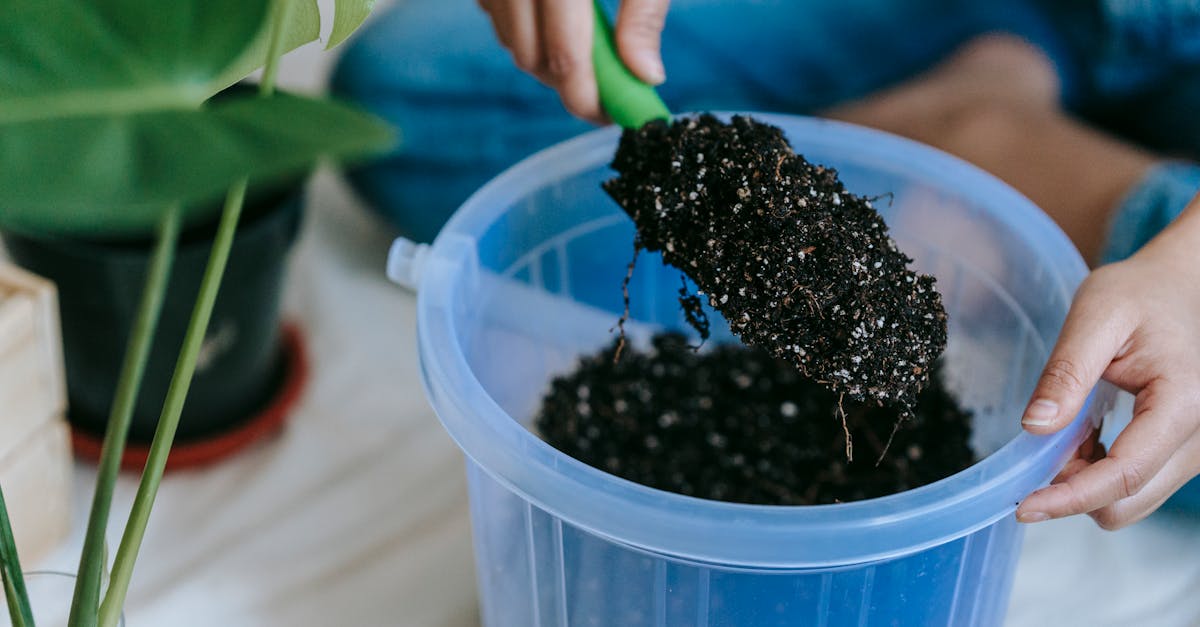
Unlocking the Bounty in Small Spaces: Embracing Container Gardening
Imagine stepping onto your balcony or windowsill and harvesting fresh, homegrown vegetables. Container gardening offers a remarkable solution for those eager to cultivate their own culinary delights in limited spaces. With the right varieties and some savvy techniques, you can transform even the smallest of spaces into a verdant culinary haven. From space-saving leafy greens to delectable fruiting vegetables, discover the secrets of successful container gardening.
In this comprehensive guide, we will delve into the best vegetable varieties for thriving in small containers. We’ll explore the leafy powerhouses that pack a nutritional punch, discover the compact root vegetables that produce underground delights, and highlight the fruiting varieties that bring vertical gardening to life. With each step, we’ll uncover essential tips and tricks to ensure your container garden flourishes. Embrace the adventure of growing your own vegetables in limited spaces and witness the bountiful harvest that awaits.
1. Space-Saving Solutions: Ideal Vegetables for Small Containers
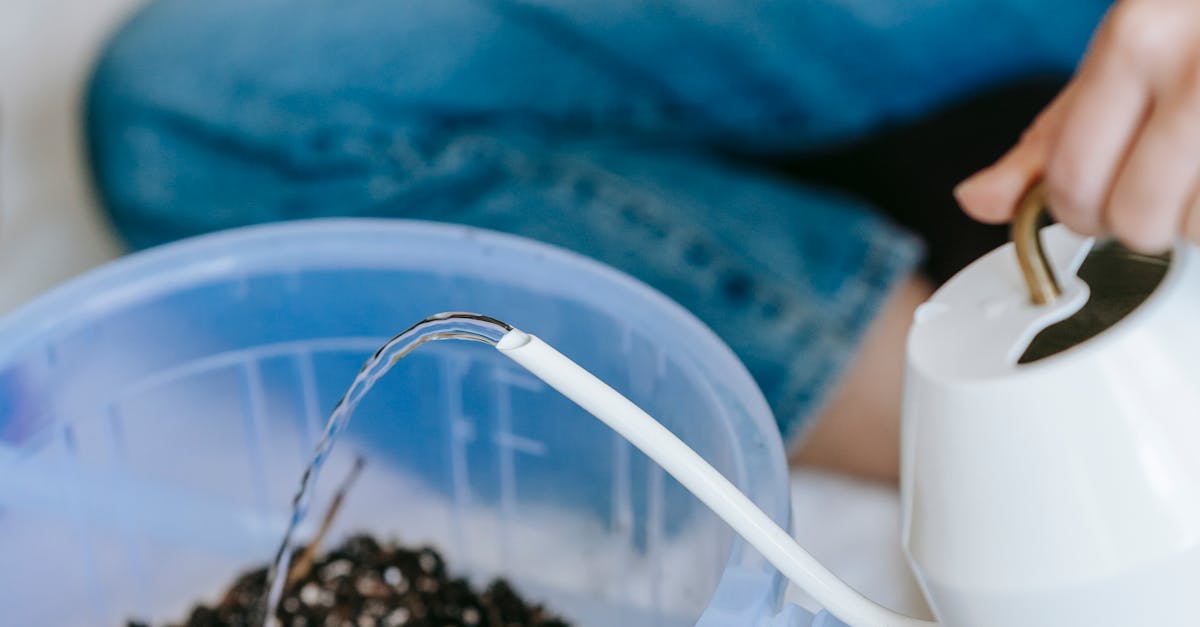
Space-Saving Solutions: Ideal Vegetables for Small Containers
Embarking on a culinary adventure in limited spaces requires strategic plant selection. Explore a curated list of the top vegetable varieties that flourish in small containers:
-
Leafy Greens: These nutritional powerhouses, such as lettuce, spinach, and kale, are easy to grow and pack a punch of vitamins and minerals. Their compact growth habit makes them ideal for containers, and they can be harvested repeatedly throughout the growing season.
-
Root Vegetables: Who says root vegetables need expansive gardens? Compact varieties like carrots, radishes, and beets thrive in containers. They offer a sweet and earthy harvest that can be enjoyed fresh or stored for later use.
-
Fruiting Vegetables: Vertical gardening techniques allow fruiting vegetables to flourish in small containers. Tomatoes, peppers, and strawberries are excellent choices, producing a bountiful harvest that adds color and flavor to your culinary creations.
With these space-saving solutions, you can transform even the smallest of spaces into a thriving vegetable garden. So, embrace the challenge of container gardening and enjoy the fresh, homegrown produce that awaits.
2. Leafy Greens: Nature’s Bountiful Harvest
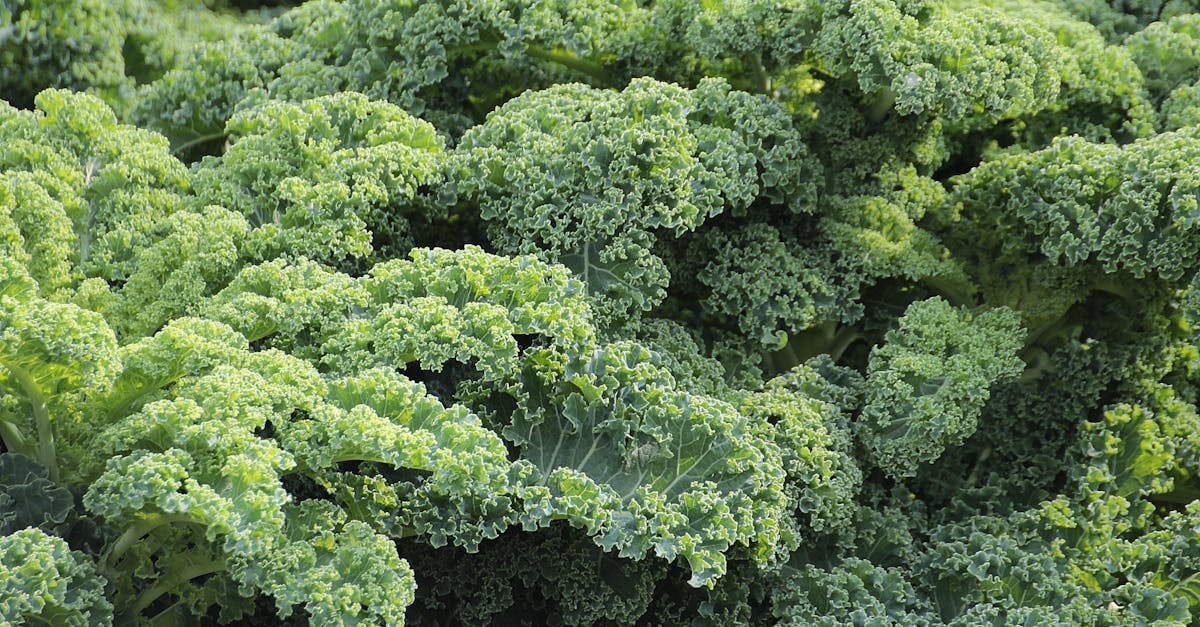
Leafy Greens: Nature’s Bountiful Harvest
Leafy greens provide a nutritional punch and easily adapt to container gardening. Discover the best varieties for maximizing your harvest in limited space:
-
Lettuce: A classic choice for containers, lettuce comes in a range of varieties, from crisphead to looseleaf. It is fast-growing and can be harvested multiple times.
-
Spinach: This nutrient-rich leafy green is perfect for salads, smoothies, and stir-fries. It prefers cooler temperatures and can be grown in containers throughout the year in many climates.
-
Kale: A hearty and cold-tolerant green, kale is packed with vitamins and antioxidants. It can withstand cooler temperatures and can be harvested throughout the winter in many areas.
-
Swiss Chard: This colorful and versatile green offers a mild flavor and is rich in vitamins and minerals. It can be harvested repeatedly and can tolerate both heat and cold.
By incorporating these leafy greens into your container garden, you can enjoy a continuous supply of fresh, nutrient-packed produce all season long.
3. Root Vegetables: Growing Underground Delights
Root Vegetables: Growing Underground Delights
Who says root vegetables need expansive gardens? Learn about the compact varieties that produce delicious yields in containers:
-
Carrots: Choose short or round varieties like ‘Thumbelina’ or ‘Little Finger’ for container gardening. They are easy to grow and can be harvested when they reach maturity.
-
Radishes: Fast-growing and versatile, radishes come in a range of colors and shapes. ‘Cherry Belle’ and ‘French Breakfast’ are excellent choices for containers.
-
Beets: Opt for compact varieties like ‘Boltardy’ or ‘Little Ball’ for container gardening. Beets prefer well-drained soil and regular watering.
-
Turnips: ‘Purple Top White Globe’ and ‘Just Right’ are space-saving turnip varieties that are well-suited to containers. They provide a sweet and mild flavor.
By incorporating these root vegetables into your container garden, you can enjoy homegrown, nutrient-rich produce without the need for a large garden space.
4. Fruiting Vegetables: Harvesting Vertical Delicacies
Fruiting Vegetables: Harvesting Vertical Delicacies
Vertical gardening techniques allow fruiting vegetables to thrive in small containers. Explore the most suitable varieties for balconies and windowsills:
-
Tomatoes: Choose compact or tumbling varieties like ‘Tumbling Tom’ or ‘Patio’ for container gardening. They produce a bountiful harvest of juicy tomatoes throughout the growing season.
-
Peppers: Sweet or hot pepper varieties, such as ‘Sweet Mini Bells’ or ‘Cayenne’, can be successfully grown in containers. They require ample sunlight and regular watering.
-
Strawberries: Everbearing strawberry varieties like ‘Albion’ or ‘Seascape’ are ideal for vertical gardening. They produce a continuous supply of sweet berries from spring to fall.
-
Cucumbers: Trellis or bush varieties of cucumbers, such as ‘Spacemaster’ or ‘Patio Snacker’, are well-suited to containers. They require regular watering and support for their vines.
By incorporating these fruiting vegetables into your vertical garden, you can enjoy fresh, homegrown produce while maximizing space on your balcony or windowsill.
5. Tips for Thriving Container Gardens
Tips for Thriving Container Gardens
Unveiling the secrets to success in container gardening:
-
Choose the Right Containers: Select containers with drainage holes to prevent waterlogging. Consider the size and shape of the vegetables you plan to grow.
-
Use High-Quality Soil: Fill your containers with a well-draining potting mix specifically designed for container gardening. Avoid using garden soil, as it can become compacted and restrict root growth.
-
Water Wisely: Water your container garden regularly, especially during hot and dry weather. Allow the top inch of soil to dry out before watering again. Overwatering can lead to root rot.
-
Fertilize Regularly: Fertilize your container garden every few weeks with a balanced liquid fertilizer. This will provide essential nutrients for healthy plant growth.
-
Provide Support: For climbing vegetables like tomatoes and cucumbers, provide a trellis or support structure to encourage vertical growth and prevent sprawling.
-
Control Pests and Diseases: Regularly inspect your container garden for pests and diseases. Treat any problems promptly to prevent them from spreading.
-
Rotate Crops: Each season, rotate the types of vegetables you grow in your containers. This helps prevent soil depletion and disease buildup.
Quiz: Test Your Container Gardening Knowledge
- Which of the following leafy greens is known for its cold tolerance and high nutritional value?
(a) Lettuce (b) Spinach (c) Kale (d) Swiss chard
- Which root vegetable is a good choice for compact containers and produces a sweet, mild flavor?
(a) Carrot (b) Radish (c) Beet (d) Turnip
- What is an important factor to consider when choosing containers for a vertical garden?
(a) Size and shape (b) Color and design (c) Material and durability (d) Drainage holes
- How often should you fertilize your container garden?
(a) Weekly (b) Every few weeks (c) Monthly (d) As needed
- Which of the following is a recommended pest control method for container gardens?
(a) Using chemical pesticides (b) Regularly inspecting plants (c) Planting companion plants (d) Overwatering
Answer Key:
-
(c) Kale
-
(d) Turnip
-
(a) Size and shape
-
(b) Every few weeks
-
(b) Regularly inspecting plants
-
(c) Kale
-
(d) Turnip
-
(a) Size and shape
-
(b) Every few weeks
-
(b) Regularly inspecting plants
Edible Delights on Your Balcony: A Guide to Growing and Enjoying Edible Flowers In recent years, edible flower gardening has Read more
Balcony Tomato Gardening: A Guide to Growing a Plentiful Harvest in Limited Space Growing tomatoes on a balcony can be Read more
Water-Wise Balcony Gardening: A Path to Sustainable Urban Agriculture Mastering the Art of Water Conservation: A Comprehensive Guide to Optimizing Read more
Vertical Gardening: A Guide to Growing Strawberries in Vertical Planters Strawberries are a delicious and nutritious fruit that can be Read more