
Essential Winter Care for Your Balcony Oasis

As the days shorten and winter’s icy grip descends, it’s crucial to prepare your precious balcony garden for the challenging months ahead. With careful planning and protective measures, you can safeguard your plants from harsh winter conditions and ensure their survival until spring’s renewal.
Before taking any winterizing actions, a thorough assessment of your balcony is essential. Note its orientation to determine wind, sunlight, and precipitation patterns. Evaluate your plants’ hardiness zones to identify species that require specific protection. With this information, you can tailor your winterizing strategy to match your balcony’s unique characteristics and plant needs.
Protecting containers is paramount to prevent root damage from freezing temperatures. Wrap them snugly in insulating materials, such as bubble wrap, foam, or cardboard. Elevating pots on bricks or blocks improves drainage and minimizes contact with cold surfaces.
1. Assess Your Balcony and Plants
Before embarking on winterizing your balcony garden, a comprehensive assessment of your balcony’s microclimate and your plants’ needs is essential. Here’s a detailed guide to help you evaluate these factors:
Assess Your Balcony’s Exposure:
Carefully observe your balcony’s orientation to the sun, wind, and precipitation. Note which areas receive the most sunlight and protection from the elements. This will help you determine the best placement for your plants during winter. Balconies facing south or west typically receive more sunlight, while those facing north or east get less. Consider installing windbreaks or shade cloths if your balcony is exposed to strong winds or excessive sunlight.
Evaluate Plant Hardiness Zones:
Research and identify the hardiness zones for your specific plant varieties. Hardiness zones indicate the minimum температуры that a plant can withstand without damage. Choose plants that are suited to your local hardiness zone or select varieties that can tolerate colder temperatures. Plants that are not winter-hardy in your area may require special protection or may not survive the winter outdoors.
Identify Plants with Special Needs:
Some plants require additional care and protection during winter. Identify any tender plants, such as tropicals or succulents, that may be susceptible to cold temperatures. These plants may need to be brought indoors or given extra protection, such as frost blankets or cold frames.
2. Prepare and Protect Containers
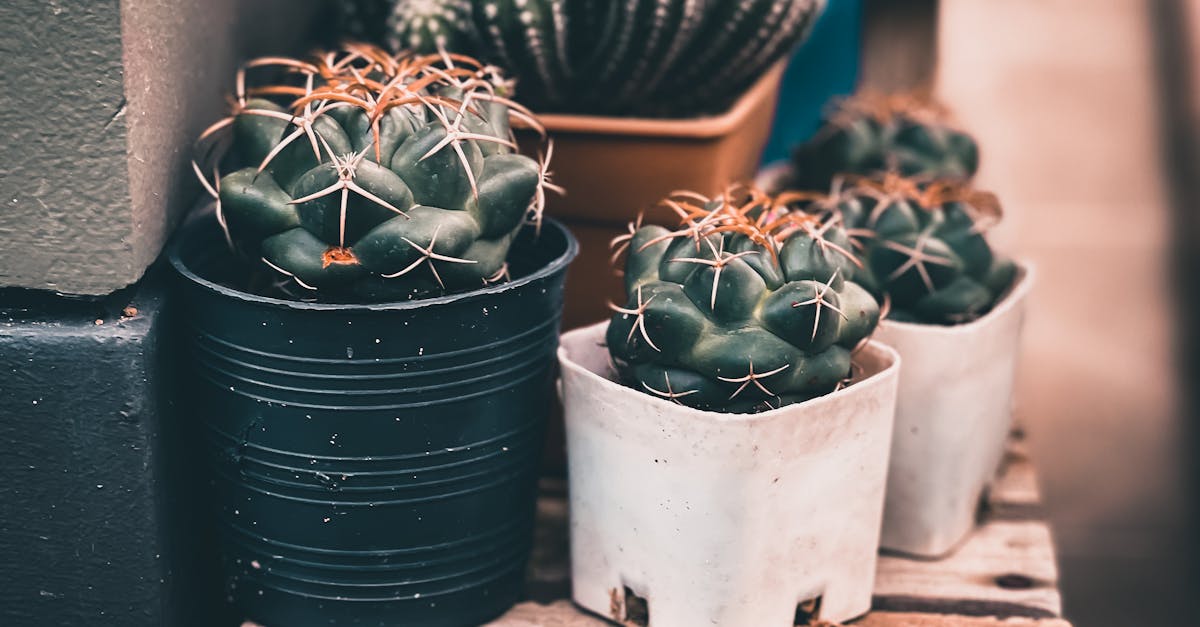
Protecting your plant containers from the cold is crucial for preventing root damage and ensuring plant survival during winter. Here are some effective methods:
Insulate Containers:
Insulating containers helps to trap warm air and prevent the soil from freezing. Wrap containers snugly in insulating materials such as bubble wrap, foam, or cardboard. Multiple layers of insulation provide better protection. Secure the insulation with twine or tape to prevent it from coming loose. Avoid using materials that absorb moisture, such as cloth or newspaper, as they can promote rot.
Elevate Pots:
Elevating pots on bricks, blocks, or pot feet improves drainage and reduces contact with cold surfaces. This allows excess water to drain away from the roots, preventing waterlogging and root rot. Good drainage is especially important during winter when evaporation is reduced. Additionally, elevating pots helps to create an air pocket beneath the container, providing further insulation from the cold ground.
Additional Tips:
- For added protection, consider placing a layer of mulch or straw around the base of plants. Mulch helps to insulate the soil and retain moisture.
- If you have plants in terracotta pots, which are porous and can wick away moisture, consider placing them inside plastic or glazed pots for better insulation.
- Check the insulation regularly and make adjustments as needed, especially after heavy rain or snowfall.
3. Shelter Plants from the Elements
As winter’s harsh elements descend upon your balcony garden, providing physical barriers to protect your plants from wind, snow, and frost is essential. Here are some effective sheltering methods:
Physical Barriers:
Create physical barriers around your plants to shield them from strong winds and snow accumulation. Row covers, tarps, and windbreaks can be used to deflect wind and snow, preventing damage to delicate stems and foliage. Choose breathable materials that allow air circulation to prevent moisture buildup and disease. Secure the barriers firmly to ensure they stay in place during windy conditions.
Frost Protection:
For tender plants that are particularly susceptible to frost damage, consider using frost blankets or horticultural fleece. These covers provide an extra layer of insulation and protection from freezing temperatures. Cover plants loosely, allowing for some air circulation, and secure the covers securely. Avoid using plastic sheets, as they can trap moisture and promote disease.
Additional Tips:
- When using row covers or tarps, leave some space between the cover and the plants to allow for air circulation and prevent overheating during sunny periods.
- Check the shelters regularly for tears or damage, especially after strong winds or heavy snow. Repair any damage promptly to maintain protection.
- Remove snow from covers gently to prevent damage to plants.
Wind Protection
Protecting your balcony plants from strong winds is crucial for preventing damage and desiccation. Installing windbreaks or trellises is an effective way to deflect gusts and provide shelter for your plants.
Windbreaks:
Windbreaks are physical barriers placed strategically to disrupt the flow of wind and reduce its force. They can be made from a variety of materials, such as fabric, wood, or bamboo screens. Position windbreaks perpendicular to the prevailing wind direction to provide maximum protection. Ensure that the windbreak is tall enough to extend above the height of your plants.
Trellises:
Trellises can also be used to provide wind protection, especially for climbing plants. Place trellises close to the plants and train the stems to grow up the trellis. The dense growth of vines and foliage will help to deflect wind and create a more sheltered microclimate for your plants.
Additional Tips:
- Choose windbreak materials that are porous enough to allow some air circulation to prevent moisture buildup.
- Secure windbreaks and trellises firmly to ensure they can withstand strong gusts.
- Monitor your plants regularly for wind damage and adjust the windbreaks or trellises as needed.
Snow Protection
Preventing snow accumulation on your balcony plants is essential to protect them from breakage and bending. Snow stakes and cages are effective tools for keeping snow off your plants and ensuring their survival during winter.
Snow Stakes:
Snow stakes are vertical supports placed around individual plants or small groups of plants. They help to hold the plants upright and prevent them from being weighed down or snapped by heavy snow. Choose stakes that are tall enough to extend above the expected snow depth and insert them securely into the soil around the plants.
Cages:
Cages are larger structures that can be placed over entire plants or groups of plants. They are typically made of wire mesh or other lightweight materials that allow air and light to penetrate while preventing snow from accumulating on the plants. Cages can be purchased or constructed using simple materials such as stakes and netting.
Additional Tips:
- Check snow stakes and cages regularly for damage or dislodgement, especially after heavy snowfalls.
- Remove snow from cages gently to prevent damage to plants.
- Consider using snow melt products around the base of plants to help prevent ice buildup and make it easier to remove snow.
4. Water Wisely and Fertilize Sparingly

Adjusting your watering and fertilizing practices is crucial during winter to prevent root rot and ensure the health of your balcony plants.
Water Wisely:
Reduce watering frequency during winter as plants enter a period of dormancy and their water needs decrease. Allow the soil to dry out slightly between waterings. Overwatering can lead to root rot, especially in cold temperatures. Monitor the weather forecast and adjust watering accordingly. Water more frequently during warm, dry spells and less frequently during cold, wet periods.
Fertilize Sparingly:
Fertilizing your plants once during winter is generally sufficient. Use a balanced, slow-release fertilizer that will provide nutrients gradually over time. Avoid over-fertilizing, as this can damage plant roots and promote excessive growth that is susceptible to cold damage.
Additional Tips:
- Check the soil moisture regularly by inserting your finger into the soil. Water only when the soil feels dry to the touch.
- If you are unsure about the watering needs of your specific plants, consult a gardening expert or refer to online resources.
- Consider using a rain gauge to monitor precipitation and adjust watering accordingly.
5. Monitor and Maintain
Regular monitoring and maintenance are essential to keep your balcony plants healthy and thriving during winter. Here’s a detailed guide to help you care for your plants:
Monitor for Distress:
Check your plants regularly for any signs of distress, such as frost damage, wilting, or yellowing leaves. Frost damage can occur when temperatures drop below freezing and cause ice crystals to form in plant tissues. Wilting can be a sign of underwatering or root damage. Yellowing leaves can indicate nutrient deficiencies or other problems. Promptly address any issues to prevent further damage.
Remove Dead or Damaged Foliage:
Remove any dead or damaged foliage from your plants. Dead leaves can harbor diseases and pests, and removing them promotes air circulation and reduces the risk of infection. Use clean, sharp shears to make precise cuts and avoid tearing the plant tissues.
Monitor Soil Moisture:
Keep an eye on soil moisture and adjust watering as needed. Overwatering can lead to root rot, especially in cold temperatures, while underwatering can cause plants to wilt and become stressed. Check the soil moisture by inserting your finger into the soil. Water only when the soil feels dry to the touch.
Additional Tips:
- Inspect the undersides of leaves for pests or signs of disease.
- Clean any debris or fallen leaves from the balcony to prevent disease spread.
- Provide support to tall or heavy plants to prevent them from falling over in strong winds.
Quiz to Test Your Understanding of Winterizing Your Balcony Garden:
Multiple Choice:
- What is the most important factor to consider when assessing your balcony for winterizing?
(a) Sunlight exposure (b) Wind exposure (c) Precipitation (d) All of the above
- Which of the following is NOT a recommended method for protecting plant containers from cold temperatures?
(a) Insulating with bubble wrap (b) Elevating pots on bricks (c) Using plastic wrap (d) Covering with frost blankets
- What type of plant protection is most effective against strong winds?
(a) Row covers (b) Windbreaks (c) Frost blankets (d) Snow cages
True/False:
-
Overwatering plants during winter is generally recommended to prevent wilting.
-
Removing dead or damaged foliage can help prevent disease spread.
-
It is unnecessary to monitor soil moisture during winter since plants are dormant.
Answer Key:
Multiple Choice:
- (d) All of the above
- (c) Using plastic wrap
- (b) Windbreaks
True/False:
- False
- True
- False
Unlock the Greenery Potential of Your Balcony: A Guide to Thriving Plants in Compact Spaces Attention all balcony-dwelling plant enthusiasts! Read more
Transform Your Balcony into a Flourishing Garden Oasis: A Step-by-Step Guide Beginning a balcony garden can be a fulfilling endeavor, Read more
Unlocking the Potential of Vertical Gardening on Balconies Are you tired of your cramped balcony but still longing for a Read more
Aromatic Delights: Cultivating Herbs on Your Balcony Oasis Whether you're a seasoned gardener or just starting out, growing herbs on Read more