
The Ultimate Guide to Watering Balcony Gardens: Ensuring Plant Health and Vibrance
Having a balcony garden is a great way to enjoy fresh air, nature, and delicious homegrown produce. However, one of the most important aspects of balcony gardening is watering. Getting it right can mean the difference between thriving plants and a wilted, brown mess. But don’t worry, watering balcony plants is not as tricky as it seems. This comprehensive guide will provide you with everything you need to know to keep your balcony garden flourishing.
Balcony gardens present unique watering challenges compared to traditional in-ground gardens. The limited space and containerized environment can lead to rapid soil drying, making it crucial to understand the specific watering needs of your plants and balcony conditions. In this article, we will delve into the factors influencing watering requirements, effective watering techniques, and troubleshooting common watering issues to ensure your balcony garden thrives with healthy, vibrant plants.
1. Understanding Watering Needs for Balcony Gardens
Understanding Watering Needs for Balcony Gardens: Factors influencing watering requirements, including container size, plant type, and sunlight exposure.
The success of your balcony garden depends on providing the right amount of water to your plants. Several factors influence watering needs, including:
-
Container Size and Drainage: Smaller containers require more frequent watering due to limited soil volume and faster drainage. Choose containers with drainage holes to prevent waterlogging, which can lead to root rot.
-
Plant Type and Water Requirements: Different plant species have varying water needs. Research the specific requirements of your plants to ensure optimal growth. For example, succulents require less water than leafy greens.
-
Sunlight Exposure and Evaporation: Plants in direct sunlight require more frequent watering as sunlight promotes moisture evaporation from the soil. Consider providing shade for plants that are sensitive to excessive sunlight and heat.
By considering these factors, you can tailor your watering schedule to meet the specific needs of your balcony garden.
Container Size and Drainage
Container Size and Drainage: Smaller containers require more frequent watering due to limited soil volume and faster drainage.
When choosing containers for your balcony garden, it’s important to consider their size and drainage capabilities. Smaller containers hold less soil, which means they dry out more quickly and require more frequent watering. Additionally, smaller containers often have smaller drainage holes, which can lead to waterlogging and root rot.
To ensure proper drainage, choose containers with multiple drainage holes at the bottom. You can also place a layer of gravel or pebbles at the bottom of the container to improve drainage.
Here are some additional tips for watering plants in smaller containers:
- Water more frequently, especially during hot and dry weather.
- Check the soil moisture regularly by inserting your finger into the soil. Water when the soil feels dry to the touch.
- Avoid overwatering, as this can lead to root rot.
- Use a watering can with a narrow spout to deliver water directly to the soil, avoiding the foliage.
By following these tips, you can ensure that your plants in smaller containers receive the right amount of water and thrive in your balcony garden.
Plant Type and Water Requirements
Plant Type and Water Requirements: Different plant species have varying water needs; research specific requirements for optimal growth.
Different plant species have evolved to adapt to specific moisture conditions, resulting in varying water requirements. Understanding these requirements is crucial for the success of your balcony garden.
Some plants, such as succulents and cacti, are adapted to arid environments and require minimal watering. Overwatering these plants can lead to root rot and other problems.
Other plants, such as leafy greens and vegetables, require more frequent watering to maintain their lush growth. Underwatering these plants can lead to wilting, yellowing leaves, and stunted growth.
To ensure your plants receive the right amount of water, it’s important to research their specific water requirements. This information can be found on plant labels, in gardening books, or from online resources.
Here are some additional tips for watering different types of plants:
- Group plants with similar water needs together to simplify watering.
- Observe your plants regularly to identify any signs of overwatering or underwatering.
- Adjust your watering schedule based on the weather conditions and the maturity of your plants.
By understanding the water requirements of your plants, you can provide them with the optimal growing conditions and enjoy a thriving balcony garden.
Sun Exposure and Evaporation
Sun Exposure and Evaporation: Plants in direct sunlight require more frequent watering as sunlight promotes moisture evaporation from soil.
The amount of sunlight your plants receive also plays a role in their watering needs. Plants in direct sunlight require more frequent watering than plants in shady areas. This is because sunlight promotes moisture evaporation from the soil, leaving the roots of the plants drier.
The intensity and duration of sunlight can vary depending on the time of day, season, and geographical location. In hot, dry climates, plants may need to be watered daily or even multiple times a day during the summer months.
To reduce water evaporation, consider providing shade for your plants during the hottest part of the day. You can use shade cloths, umbrellas, or even other taller plants to create shade.
Here are some additional tips for watering plants in direct sunlight:
- Water in the morning or evening when the temperatures are cooler and evaporation is less.
- Use a watering can with a narrow spout to deliver water directly to the soil, avoiding the foliage.
- Mulch around your plants to help retain moisture in the soil.
By understanding the impact of sun exposure on water evaporation, you can adjust your watering schedule to ensure your plants receive the right amount of water and thrive in your balcony garden.
2. Watering Techniques for Balcony Gardens
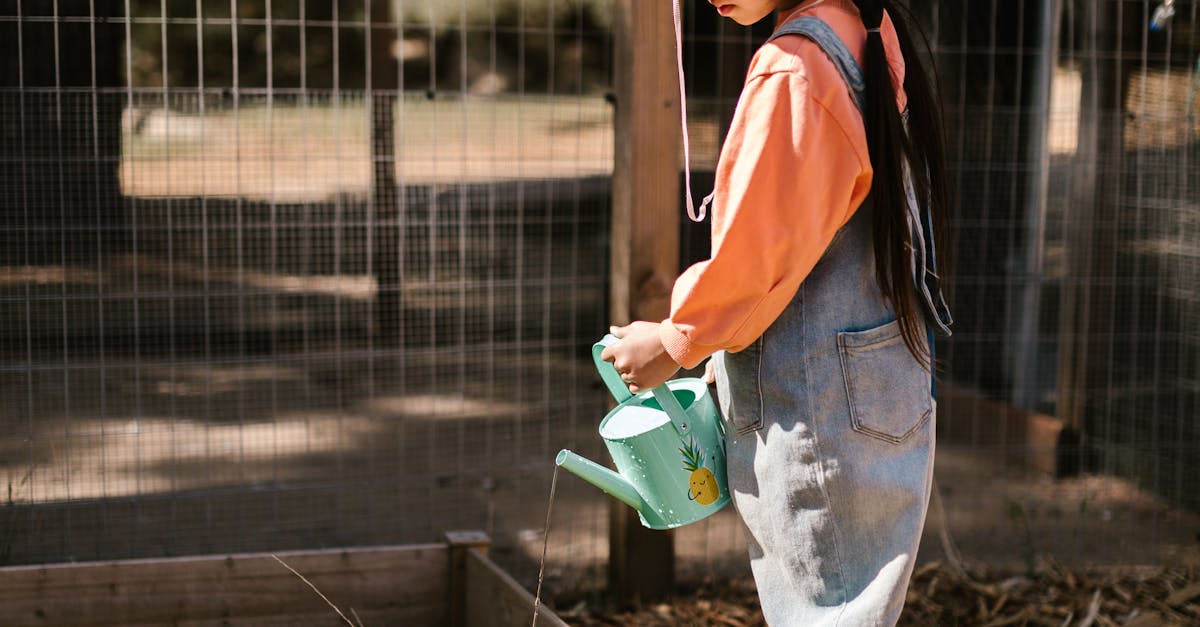
Watering Techniques for Balcony Gardens: Effective watering methods, including frequency, timing, and proper application.
Once you understand the watering needs of your balcony garden, it’s time to put effective watering techniques into practice. Here are some key tips to ensure your plants receive the right amount of water and thrive:
1. Frequency and Amount:
Water your plants when the soil feels dry to the touch. Avoid overwatering, as this can lead to root rot and other problems. The frequency of watering will vary depending on the factors discussed earlier, such as container size, plant type, and sunlight exposure.
2. Timing and Temperature:
Water your plants in the morning or evening when the temperatures are cooler. This will minimize water evaporation and allow the water to soak into the soil more effectively. Avoid watering during the hottest part of the day, as this can lead to rapid evaporation and sunburn on the leaves.
3. Application Methods:
Use a watering can with a narrow spout to deliver water directly to the soil, avoiding the foliage. This will help prevent fungal diseases and keep the leaves dry. You can also use a drip irrigation system, which is a great way to water plants evenly and efficiently.
By following these watering techniques, you can ensure that your balcony garden receives the right amount of water and flourishes throughout the growing season.
Frequency and Amount
Frequency and Amount: Water when soil feels dry to the touch, avoiding overwatering which can lead to root rot.
One of the most important aspects of watering your balcony garden is determining how often and how much to water. The best way to gauge watering needs is to check the soil moisture. Insert your finger into the soil to a depth of about 2 inches. If the soil feels dry to the touch, it’s time to water.
It’s important to avoid overwatering, as this can lead to root rot and other problems. Overwatering occurs when the soil is saturated with water for an extended period of time, depriving the roots of oxygen. This can lead to root damage, wilting, yellowing leaves, and eventually plant death.
To avoid overwatering, it’s best to water deeply and infrequently. This encourages the roots to grow deep into the soil, making the plants more drought-tolerant. Water until water begins to drain from the drainage holes in the bottom of the container. Then, allow the soil to dry out completely before watering again.
The frequency of watering will vary depending on a number of factors, including the size of the container, the type of plant, the amount of sunlight the plants receive, and the temperature and humidity. Smaller containers, plants with high water needs, and plants in direct sunlight will need to be watered more frequently than larger containers, drought-tolerant plants, and plants in shady areas.
By checking the soil moisture and watering deeply and infrequently, you can avoid overwatering and promote healthy root growth in your balcony garden.
Timing and Temperature
Timing and Temperature: Water in the morning or evening when temperatures are cooler to minimize water evaporation.
The timing of watering can also affect the health of your balcony garden. It’s best to water your plants in the morning or evening when the temperatures are cooler. This will minimize water evaporation and allow the water to soak into the soil more effectively.
Watering during the hottest part of the day can lead to rapid evaporation, which can prevent the water from reaching the roots of the plants. It can also cause the leaves to sunburn, especially if the water droplets act as magnifying glasses and focus the sunlight on the leaves.
In addition to watering at the right time of day, it’s also important to consider the temperature of the water. Cold water can shock the roots of the plants, especially if the plants are in direct sunlight. It’s best to use lukewarm water or room temperature water for watering.
By watering your plants in the morning or evening when the temperatures are cooler, you can minimize water evaporation and promote healthy root growth in your balcony garden.
Application Methods
Application Methods: Use a watering can or drip irrigation system to deliver water directly to the soil, avoiding foliage.
There are several different methods for watering your balcony garden, but the most effective methods are those that deliver water directly to the soil, avoiding the foliage. This helps to prevent fungal diseases and keep the leaves dry.
One of the best ways to water your plants is to use a watering can with a narrow spout. This allows you to control the flow of water and deliver it precisely to the base of the plants. Avoid using a hose with a nozzle that sprays water, as this can damage the leaves and promote disease.
Another effective watering method is to use a drip irrigation system. Drip irrigation systems deliver water slowly and directly to the roots of the plants, which helps to conserve water and prevent overwatering. Drip irrigation systems can be purchased at most hardware stores and garden centers.
No matter which watering method you choose, it’s important to avoid getting the leaves of the plants wet. Wet leaves can promote the growth of fungi and other diseases. If you do get the leaves wet, be sure to shake them off or gently blot them dry with a paper towel.
By using the correct watering methods, you can help your balcony garden thrive and stay healthy.
3. Troubleshooting Watering Issues in Balcony Gardens
Troubleshooting Watering Issues in Balcony Gardens: Identifying and resolving common watering problems like overwatering and underwatering.
Even the most experienced gardeners can have trouble watering their balcony gardens properly. Overwatering and underwatering are two of the most common watering problems, and they can both lead to serious plant health issues.
Overwatering
Overwatering occurs when the soil is saturated with water for an extended period of time, depriving the roots of oxygen. This can lead to root rot, wilting, yellowing leaves, and eventually plant death.
Signs of overwatering include:
- Yellowing leaves
- Wilting
- Root rot
- Stunted growth
If you think your plants are being overwatered, reduce the frequency and amount of watering. You may also need to repot the plants in fresh soil.
Underwatering
Underwatering occurs when the soil is not sufficiently moist, causing the plants to wilt and eventually die.
Signs of underwatering include:
- Drooping leaves
- Crispy edges on leaves
- Stunted growth
- Dry soil
If you think your plants are being underwatered, increase the frequency and amount of watering. You may also need to improve the soil moisture retention by adding organic matter, such as compost or mulch.
By understanding the signs and symptoms of overwatering and underwatering, you can quickly identify and resolve these common watering problems and keep your balcony garden healthy and thriving.
Signs of Overwatering
Signs of Overwatering: Yellowing leaves, wilting, and root rot are indicators of excessive watering.
Overwatering is one of the most common mistakes that gardeners make, and it can be a serious problem for balcony gardens. When plants are overwatered, the soil becomes saturated with water and the roots are deprived of oxygen. This can lead to a number of problems, including:
- Yellowing leaves: Overwatering can cause the leaves of plants to turn yellow. This is because the roots are unable to absorb enough oxygen and nutrients from the soil.
- Wilting: Overwatered plants may also wilt, as the roots are unable to absorb enough water to support the plant.
- Root rot: Overwatering can also lead to root rot, which is a fungal infection that can damage or kill the roots of the plant.
If you think your plants may be overwatered, it’s important to take action to correct the problem. Here are a few tips:
- Reduce the frequency and amount of watering: The first step is to reduce the frequency and amount of watering. Allow the soil to dry out completely before watering again.
- Improve drainage: If the soil in your containers is not draining properly, this can contribute to overwatering. Make sure that the containers have drainage holes and that the soil is not compacted.
- Repot the plants: If the roots of the plants have been damaged by overwatering, you may need to repot the plants in fresh soil.
By taking these steps, you can help to correct the problem of overwatering and keep your balcony garden healthy and thriving.
Addressing Overwatering
Addressing Overwatering: Reduce watering frequency, improve drainage, and consider repotting in fresh soil.
If you think your balcony plants are being overwatered, there are a few things you can do to address the problem:
- Reduce watering frequency and amount: The first step is to reduce the frequency and amount of watering. Allow the soil to dry out completely before watering again. This will give the roots a chance to breathe and will help to prevent further damage.
- Improve drainage: If the soil in your containers is not draining properly, this can contribute to overwatering. Make sure that the containers have drainage holes and that the soil is not compacted. You can also improve drainage by adding perlite or vermiculite to the soil.
- Repot the plants: If the roots of the plants have been damaged by overwatering, you may need to repot the plants in fresh soil. When you repot the plants, be sure to use a pot with drainage holes and to use fresh potting mix.
By following these steps, you can help to correct the problem of overwatering and keep your balcony garden healthy and thriving.
Signs of Underwatering
Signs of Underwatering: Drooping leaves, crispy edges, and stunted growth suggest underwatering.
Underwatering is another common problem that can affect balcony gardens. When plants are underwatered, they do not receive enough water to meet their needs. This can lead to a number of problems, including:
- Drooping leaves: Underwatering can cause the leaves of plants to droop. This is because the plant is not able to absorb enough water to support the leaves.
- Crispy edges on leaves: Underwatering can also cause the edges of leaves to become crispy and brown. This is because the plant is not able to transport enough water to the leaves.
- Stunted growth: Underwatering can also stunt the growth of plants. This is because the plant is not able to produce enough new cells and tissues.
If you think your plants may be underwatered, it’s important to take action to correct the problem. Here are a few tips:
- Increase the frequency and amount of watering: The first step is to increase the frequency and amount of watering. Water the plants deeply and thoroughly, allowing the water to soak into the soil.
- Improve soil moisture retention: You can also improve the soil moisture retention by adding organic matter, such as compost or mulch. This will help the soil to hold more water and make it available to the plants.
- Provide shade: If your plants are in direct sunlight, they may be more likely to dry out. Consider providing shade for your plants during the hottest part of the day.
By following these steps, you can help to correct the problem of underwatering and keep your balcony garden healthy and thriving.
Addressing Underwatering
Addressing Underwatering: Increase watering frequency and duration, and improve soil moisture retention.
If you think your balcony plants are being underwatered, there are a few things you can do to address the problem:
- Increase watering frequency and duration: The first step is to increase the frequency and duration of watering. Water the plants deeply and thoroughly, allowing the water to soak into the soil. Avoid watering the plants too often, as this can lead to overwatering.
- Improve soil moisture retention: You can also improve the soil moisture retention by adding organic matter, such as compost or mulch. This will help the soil to hold more water and make it available to the plants.
- Provide shade: If your plants are in direct sunlight, they may be more likely to dry out. Consider providing shade for your plants during the hottest part of the day.
By following these steps, you can help to correct the problem of underwatering and keep your balcony garden healthy and thriving.
Quiz
- Which of the following factors influences the watering requirements of balcony plants?
(a) Container size (b) Plant type (c) Sunlight exposure (d) All of the above
-
True or False: Smaller containers require more frequent watering than larger containers.
-
Which of the following is a sign of underwatering?
(a) Yellowing leaves (b) Drooping leaves (c) Stunted growth (d) Root rot
- To avoid overwatering, it’s best to water your plants:
(a) In the morning or evening (b) In the middle of the day (c) Whenever the soil feels dry (d) Only when the leaves start to wilt
- True or False: Drip irrigation systems are an effective way to water balcony plants because they deliver water directly to the roots.
Answer Key
- (d) All of the above
- True
- (b) Drooping leaves
- (a) In the morning or evening
- True
Unlock the Greenery Potential of Your Balcony: A Guide to Thriving Plants in Compact Spaces Attention all balcony-dwelling plant enthusiasts! Read more
Transform Your Balcony into a Flourishing Garden Oasis: A Step-by-Step Guide Beginning a balcony garden can be a fulfilling endeavor, Read more
Unlocking the Potential of Vertical Gardening on Balconies Are you tired of your cramped balcony but still longing for a Read more
Aromatic Delights: Cultivating Herbs on Your Balcony Oasis Whether you're a seasoned gardener or just starting out, growing herbs on Read more