
Repurposing Discarded Treasures: A Guide to Creative and Sustainable Recycled Garden Containers
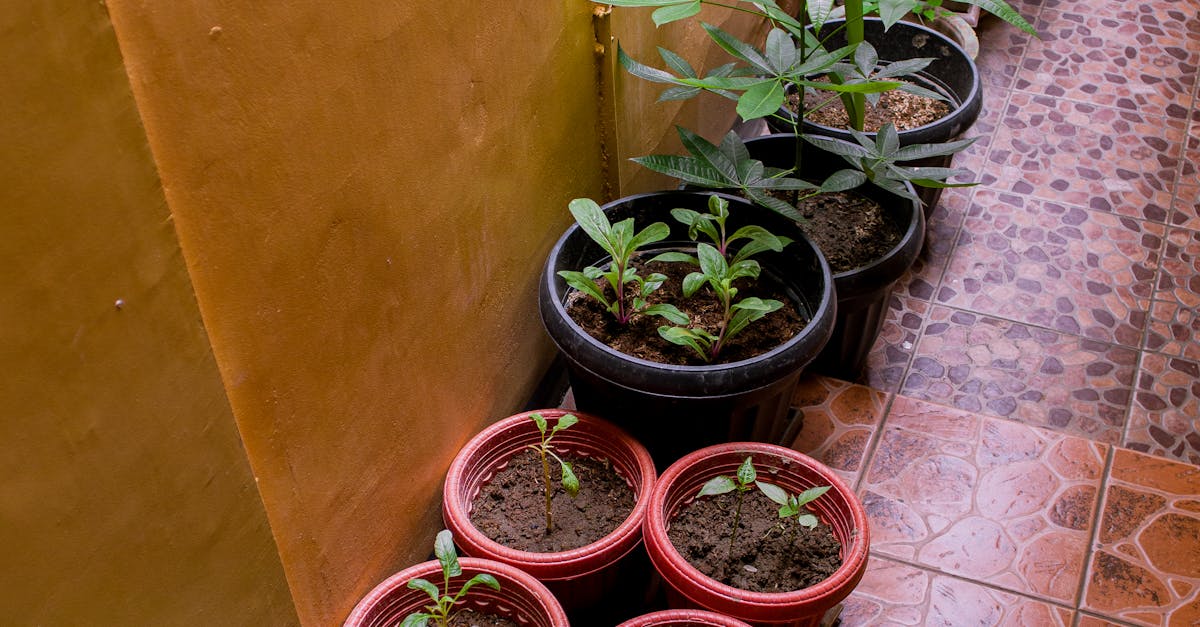
Imagine transforming everyday discarded items into vibrant and sustainable garden containers. By embracing the art of recycling, you not only save money and reduce environmental impact but also add a touch of unique charm to your outdoor space. Discover the endless creative possibilities that recycled materials offer, from repurposing old furniture to utilizing natural elements like logs and bamboo. In this comprehensive guide, we’ll explore the benefits of recycled garden containers, provide tips on finding suitable materials, and guide you through the process of preparing and maintaining these eco-friendly creations. Get ready to breathe new life into discarded items and cultivate a thriving garden that’s both aesthetically pleasing and environmentally conscious.
1. Benefits of Recycled Garden Containers
Embracing recycled materials for your garden containers offers a multitude of benefits that extend beyond aesthetics. Not only can you significantly reduce gardening expenses compared to traditional containers, but you’ll also contribute to environmental sustainability and add a touch of unique charm to your outdoor space.
Upcycling discarded items into garden containers is an economical choice that can save you a substantial amount of money. Instead of purchasing new containers, you can repurpose items you already have around the house or source them for free from local businesses or community groups. This cost-effective approach allows you to create a beautiful and functional garden without breaking the bank.
By choosing recycled materials for your garden containers, you’re actively diverting waste from landfills and reducing your plastic consumption. This eco-friendly practice helps preserve natural resources, minimize pollution, and promotes a more sustainable lifestyle. Embrace the beauty of repurposing and contribute to a greener planet by incorporating recycled materials into your garden designs.
Cost-Effective Solution
Embracing recycled materials for your garden containers offers a multitude of benefits, including significant cost savings compared to traditional containers. By repurposing discarded items or sourcing them for free, you can create a beautiful and functional garden without breaking the bank.
Traditional garden containers, such as ceramic pots or plastic planters, can put a dent in your gardening budget. On the other hand, recycled materials are often free or very affordable. You can find suitable items around your home, such as empty cans, bottles, jugs, or old furniture. Local businesses or community groups may also have discarded materials that they are willing to give away.
The cost-effectiveness of recycled garden containers extends beyond the initial purchase. Many recycled materials are durable and can withstand the elements, eliminating the need for frequent replacements. Additionally, you can repurpose or upcycle your recycled containers as your gardening needs change, further extending their lifespan and saving you money.
Environmental Sustainability
Choosing recycled materials for your garden containers is an environmentally conscious decision that contributes to a more sustainable planet. By diverting waste from landfills and reducing plastic consumption, you’re actively promoting a greener future.
Landfills are overflowing with discarded materials, including plastic containers that can take hundreds of years to decompose. By repurposing these discarded items into garden containers, you’re helping to reduce the strain on our waste management systems and conserve precious natural resources.
Plastic production also contributes to environmental pollution, as it relies on fossil fuels and releases harmful chemicals into the air. By choosing recycled materials, you’re reducing the demand for new plastic products and minimizing your carbon footprint. Embrace the beauty of upcycling and make a positive impact on the environment, one recycled garden container at a time.
Unique and Artistic Appeal
Embracing recycled materials for your garden containers opens up a world of limitless creative possibilities and unique charm. Unlike mass-produced containers, recycled materials possess a distinct character and history, adding a touch of individuality to your garden design.
By repurposing everyday household items, construction materials, or natural elements, you can create one-of-a-kind containers that reflect your personal style. Transform old tires into whimsical planters, paint tin cans in vibrant hues, or build raised garden beds from reclaimed wood. The possibilities are endless.
The unique aesthetic appeal of recycled garden containers extends beyond their visual charm. They often carry stories and memories, adding a layer of sentimental value to your garden. Repurposing an old family heirloom or using materials from a special place can create a meaningful connection between your garden and your life experiences.
2. Finding Suitable Recycled Materials
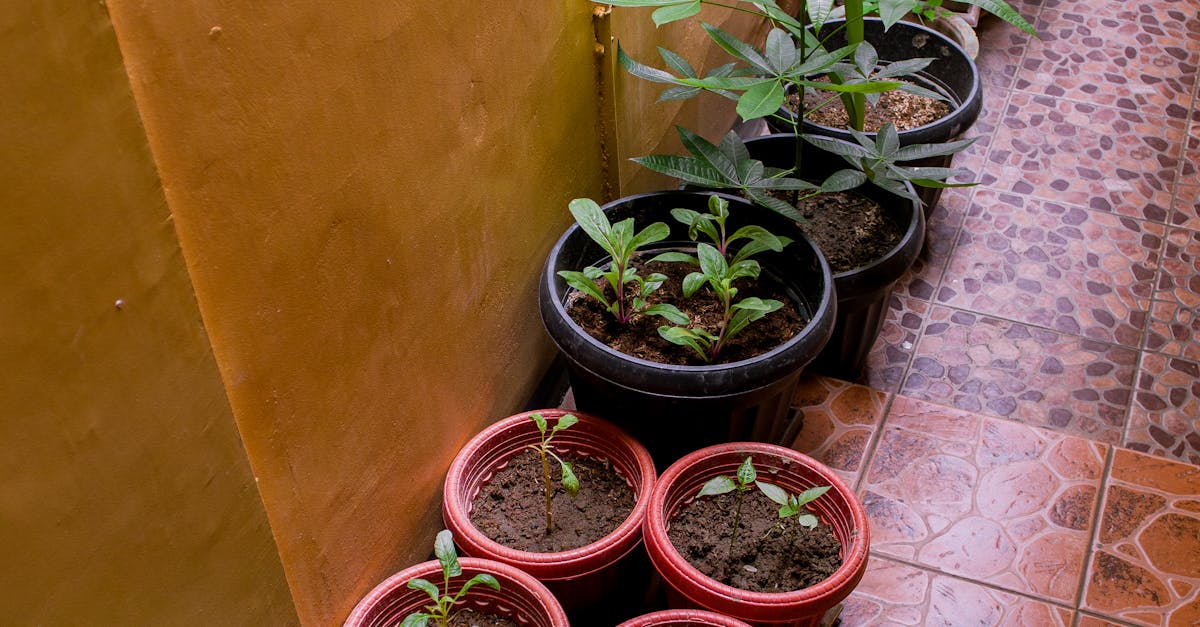
Finding suitable recycled materials for your garden containers is a treasure hunt that can yield unique and practical finds. By looking beyond traditional gardening supplies, you’ll discover a vast array of discarded items that can be transformed into visually appealing and functional containers.
Everyday household items, such as cans, bottles, jugs, and old furniture, offer a wealth of possibilities. For instance, empty food cans can be painted and decorated to create charming herb planters, while old tires can be repurposed into whimsical hanging baskets. With a little creativity, you can turn discarded items into unexpected and eye-catching garden accents.
Construction and industrial materials, like pallets, cinder blocks, and scrap wood, provide durability and ample space for larger plants. Pallets can be stacked and arranged to create raised garden beds, while cinder blocks can be used to build sturdy and weather-resistant containers. Repurposing these materials not only reduces waste but also adds an industrial chic aesthetic to your garden.
Everyday Household Items
Everyday household items, often destined for the trash, hold a wealth of potential as unique plant holders. With a little creativity and some basic DIY skills, you can transform these discarded items into charming and functional garden containers.
Empty food cans, for instance, can be cleaned, painted, and decorated to create colorful and space-saving herb planters. Simply poke a few drainage holes in the bottom of the can, add soil, and plant your favorite herbs. You can also group several cans together to create a vertical herb garden or use them to line a windowsill.
Plastic bottles, jugs, and milk cartons can be repurposed into hanging planters. Cut the bottle in half, create drainage holes, and suspend it upside down using twine or wire. You can paint or decorate the bottles to match your garden decor and plant a variety of flowers, succulents, or trailing plants.
Old furniture, such as chairs, drawers, and dressers, can be given a new life as unique and eye-catching garden containers. Remove the cushions or drawers, line the bottom with plastic or landscape fabric, and fill with soil. You can create a charming寄せ植え(寄せ植え) arrangement by planting a combination of flowers, herbs, and trailing plants in the different compartments.
Construction and Industrial Materials
Construction and industrial materials, often overlooked for gardening purposes, offer durability and ample space for larger plants. By repurposing these materials, you can create sturdy and visually striking garden containers that will withstand the elements and provide a thriving environment for your plants.
Wooden pallets, commonly used for transporting goods, can be easily transformed into raised garden beds. Simply stack and arrange the pallets to create the desired size and height, and line the bottom with landscape fabric or plastic to prevent soil loss. Pallets provide good drainage and allow for easy access to plants, making them an excellent choice for growing vegetables, herbs, and flowers.
Cinder blocks, known for their strength and durability, can be used to build sturdy and weather-resistant containers. Stack the blocks to create the desired shape and size, and fill the gaps with soil. Cinder block containers are ideal for growing larger plants, such as shrubs, small trees, or climbing vines. You can also paint or decorate the blocks to add a touch of color and personality to your garden.
Scrap wood, often discarded during construction projects, can be repurposed into charming and rustic garden containers. Build boxes or planters of various sizes and shapes using scrap wood, and line them with plastic or landscape fabric for moisture retention. Scrap wood containers are perfect for growing a variety of plants, from flowers and herbs to vegetables and small shrubs.
Natural and Organic Materials
Incorporating natural and organic materials into your recycled garden containers adds an earthy and sustainable touch to your outdoor space. These materials, such as logs, bamboo, and coconut husks, not only provide a unique aesthetic but also offer environmental benefits.
Hollowed-out logs, with their rustic charm and natural drainage, make excellent planters for ferns, mosses, and other shade-loving plants. Simply remove the inner wood, leaving a shell that can be placed on the ground or suspended using wires or chains. Logs provide a natural habitat for plants that thrive in moist, shady environments.
Bamboo, a fast-growing and renewable resource, can be used to create durable and attractive garden containers. Cut bamboo poles into desired lengths and arrange them vertically or horizontally, securing them with wire or twine. Bamboo containers are lightweight, well-draining, and add a touch of tropical flair to your garden. They are perfect for growing a variety of plants, including flowers, herbs, and small shrubs.
Coconut husks, a byproduct of coconut harvesting, can be repurposed into unique and eco-friendly hanging baskets. Cut the husk in half, remove the coconut meat, and create drainage holes. Fill the husk with soil and plant your favorite flowers or trailing plants. Coconut husk baskets add a natural and bohemian touch to your garden and provide good drainage for plants that prefer drier conditions.
3. Preparing Recycled Materials for Planting
Preparing recycled materials for planting is an essential step to ensure successful plant growth and longevity. By following these simple steps, you can create a thriving environment for your plants in their new repurposed containers.
Before using recycled materials as planters, it is crucial to clean and sanitize them thoroughly. Remove any dirt, debris, or contaminants to prevent the spread of diseases or pests to your plants. Wash the materials with a mild soap solution and rinse them well with clean water. For non-porous materials like plastic or metal, you can also use a disinfectant to ensure proper sterilization.
Adequate drainage is vital for preventing waterlogging and root rot. Create drainage holes in the bottom of your recycled containers if they do not have any. Use a drill or a sharp object to make several holes, ensuring they are large enough to allow excess water to drain freely. If using porous materials like wood or fabric, consider lining the container with plastic or landscape fabric to retain moisture while still allowing drainage.
Prepare the soil to suit the specific plant requirements and ensure proper drainage and aeration. Amend the soil with organic matter such as compost or manure to improve fertility and water retention. For plants that prefer well-draining soil, add perlite or vermiculite to the mix. Adjust the pH level of the soil to match the needs of your chosen plants using soil amendments like lime or sulfur.
Cleaning and Sanitizing
Cleaning and sanitizing recycled materials before using them as garden containers is essential for ensuring the health of your plants and preventing the spread of diseases. Contaminants such as dirt, debris, chemicals, or bacteria can lurk on these materials, posing a risk to plant growth and soil health.
To effectively clean and sanitize recycled materials, follow these steps:
-
Remove loose dirt and debris: Use a brush or compressed air to remove any loose dirt, dust, or debris from the surface of the materials. Pay attention to crevices and corners where dirt might accumulate.
-
Wash with soap and water: Prepare a mild soap solution using a pH-neutral dish soap or a horticultural soap specifically designed for cleaning garden containers. Submerge the materials in the solution and gently scrub them with a soft brush or sponge. Rinse thoroughly with clean water to remove any soap residue.
-
Sanitize with a disinfectant: For non-porous materials like plastic, metal, or glass, use a disinfectant to kill any remaining bacteria or pathogens. Mix a solution of one part household bleach to nine parts water and soak the materials in the solution for 30 minutes. Rinse thoroughly with clean water afterward.
-
Dry completely: Allow the materials to dry completely before using them for planting. This step is crucial to prevent moisture buildup and the growth of mold or mildew.
Drainage Holes
Creating adequate drainage holes in recycled materials is essential for preventing waterlogging and root rot, which can damage or even kill your plants. Excess water can accumulate in the bottom of containers without proper drainage, leading to soggy soil conditions that suffocate roots and create a breeding ground for harmful bacteria and fungi.
To ensure proper drainage, follow these steps:
-
Determine the number of holes: The number of drainage holes you need depends on the size of the container and the type of material. As a general guideline, create at least three to five holes for small containers and more for larger ones.
-
Choose the right size: The size of the drainage holes should be large enough to allow excess water to drain freely but not so large that soil washes out. A diameter of 1/4 to 1/2 inch is usually sufficient.
-
Position the holes: Place the drainage holes in the bottom of the container, evenly spaced around the circumference. Avoid placing holes too close to the edges, as this can weaken the material.
-
Create the holes: Use a drill, a sharp object, or a hole punch to create the drainage holes. If using a drill, choose a drill bit that is slightly smaller than the desired hole size to prevent ragged edges.
-
Test the drainage: Once you have created the drainage holes, fill the container with water and check if the water drains freely. If the water does not drain quickly enough, create additional holes or enlarge the existing ones.
Soil Preparation
Preparing the soil for your recycled garden containers is crucial for ensuring the health and growth of your plants. Different plants have specific soil requirements, and modifying the soil to suit those needs is essential for optimal performance. Additionally, proper drainage and aeration are vital for healthy root development and to prevent waterlogging.
To prepare the soil for your recycled containers, follow these steps:
-
Choose the right soil base: Select a high-quality potting mix or garden soil as the base for your soil preparation. Look for mixes that are well-draining and contain organic matter such as compost or peat moss.
-
Amend the soil: Depending on the specific plant requirements, you may need to amend the soil to adjust its pH level, fertility, or drainage. For example, if you are growing acid-loving plants like azaleas or rhododendrons, you will need to add sulfur or other acidifying amendments to lower the soil pH. If the soil is too heavy or compacted, you can add perlite or vermiculite to improve drainage and aeration.
-
Mix thoroughly: Once you have selected and measured the appropriate amendments, mix them thoroughly with the soil base. Use a shovel or a trowel to combine the ingredients until they are evenly distributed.
-
Fill the containers: Fill the recycled containers with the prepared soil, leaving about an inch of space at the top for watering. Gently tamp down the soil to remove any air pockets and ensure good contact with the plant roots.
4. Creative Ideas for Recycled Garden Containers
Upcycling and repurposing discarded materials into creative garden containers not only reduces waste but also adds a touch of unique charm to your outdoor space. Here are a few innovative and visually appealing ideas to inspire you:
-
Vertical gardens: Transform old pallets, wooden crates, or even plastic bottles into vertical gardens. Arrange the containers vertically, creating a living wall that saves space and adds greenery to small areas. You can grow a variety of plants in vertical gardens, including herbs, strawberries, and trailing flowers.
-
Hanging planters: Suspend recycled materials like baskets, tires, or macrame hangers to create unique hanging planters. This is a great way to display trailing plants, succulents, or air plants. You can paint or decorate the hanging planters to match your garden decor.
-
Raised garden beds: Build raised garden beds using recycled materials like pallets, cinder blocks, or scrap wood. Raised beds provide better drainage and aeration for plants, and they are ideal for growing vegetables, herbs, and flowers. You can customize the size and shape of the raised beds to fit your space and needs.
Vertical Gardens
Vertical gardens are a creative and space-saving way to add greenery to your home or outdoor space. By repurposing recycled materials like bottles, cans, or fabric scraps, you can create a unique and eco-friendly living wall. Here’s how:
-
Choose your materials: Gather a variety of recycled materials that can be used to create pockets for plants. Plastic bottles, tin cans, and fabric scraps are all suitable options. You can also use wooden pallets or crates to create a larger vertical garden.
-
Prepare the materials: Clean and prepare the recycled materials before assembling your vertical garden. Remove any labels or residue from plastic bottles and cans. Cut fabric scraps into squares or rectangles and sew them together to create pockets.
-
Assemble the vertical garden: Arrange the recycled materials on a wall or fence, creating a vertical grid. You can use nails, screws, or glue to secure the materials in place. Leave enough space between the pockets for the plants to grow and breathe.
Hanging Planters
Hanging planters are a great way to add a touch of greenery to your home or outdoor space without taking up valuable floor space. By repurposing old baskets, tires, or fabric scraps, you can create unique and stylish hanging planters that will add character to your decor.
-
Choose your materials: Gather a variety of recycled materials that can be used to create your hanging planters. Old baskets, tires, and fabric scraps are all suitable options. You can also use macrame cord or twine to create a more bohemian look.
-
Prepare the materials: Clean and prepare the recycled materials before assembling your hanging planters. Remove any dirt or debris from baskets and tires. Cut fabric scraps into squares or rectangles and sew them together to create a sturdy fabric container.
-
Assemble the hanging planters: Decide how you want to hang your planters and gather the necessary materials. You can use wire, rope, or chains to suspend the planters from a ceiling, wall, or tree branch.
Raised Garden Beds
Raised garden beds are a great way to improve drainage and accessibility in your garden. By elevating your plants off the ground, you can reduce the risk of root rot and make it easier to tend to your plants. Raised beds can be built from a variety of recycled materials, such as pallets, cinder blocks, or scrap wood.
-
Choose your materials: Gather the necessary materials to build your raised garden beds. Pallets, cinder blocks, and scrap wood are all suitable options. You will also need soil, compost, and mulch to fill the beds.
-
Prepare the materials: If using pallets or scrap wood, cut the materials to the desired size and shape of your raised beds. Cinder blocks can be stacked without any cutting. Make sure to level the ground before placing the materials in place.
-
Assemble the raised garden beds: Assemble the raised garden beds according to the manufacturer’s instructions or your own design. Secure the materials together using nails, screws, or bolts. Line the bottom of the beds with landscape fabric to help prevent weeds and retain moisture.
5. Tips for Maintaining Recycled Garden Containers
To extend the lifespan and preserve the beauty of your recycled garden containers, it is important to maintain them properly. Here are a few tips:
-
Regular cleaning: Regularly clean your recycled garden containers to remove dirt, debris, and algae buildup. Use a mild soap solution and a soft brush to gently scrub the containers. Rinse them thoroughly with clean water and allow them to dry completely before reusing them.
-
Repurposing and upcycling: If a recycled container becomes damaged or worn, consider repurposing it for a different use. For example, a leaky plastic bottle can be turned into a watering can, or an old tire can be transformed into a planter. You can also upcycle recycled containers by painting them or adding embellishments to give them a fresh look.
Regular Cleaning
Regular cleaning is essential for maintaining the appearance and longevity of your recycled garden containers. Dirt, debris, and algae can accumulate over time, making the containers look unsightly and providing a breeding ground for pests and diseases. To prevent this, clean your containers periodically following these steps:
-
Frequency of cleaning: The frequency of cleaning will depend on the type of material used for the containers and the environment in which they are placed. As a general rule, clean the containers at least once a season, or more often if they are exposed to harsh weather conditions or heavy use.
-
Cleaning solution: Use a mild soap solution to clean the containers. Avoid using harsh chemicals or detergents, as these can damage the material.
-
Cleaning method: Use a soft brush or sponge to gently scrub the containers, paying attention to areas where dirt and debris tend to accumulate. Rinse the containers thoroughly with clean water to remove any soap residue.
Repurposing and Upcycling
Repurposing and upcycling are creative ways to extend the lifespan of your recycled garden containers and give them a new lease on life. Here are some ideas to inspire you:
-
Repurposing: If a recycled container becomes damaged or worn, don’t discard it. Consider repurposing it for a different use. For example, a leaky plastic bottle can be transformed into a watering can, an old tire can be turned into a planter, or a broken ceramic pot can be used as a decorative accent in your garden.
-
Upcycling: Upcycling involves transforming a recycled container into a more stylish or functional item. You can paint the containers in bright colors or add embellishments like beads, fabric, or mosaic tiles. Upcycled containers can be used as planters, storage containers, or even pieces of outdoor art.
Preventing Deterioration
Protecting your recycled garden containers from harsh weather conditions and applying sealants or coatings can significantly enhance their durability and lifespan. Here are some tips to help you prevent deterioration:
-
Protection from elements: Place your recycled garden containers in a sheltered area, away from direct sunlight, rain, and wind. If possible, store the containers indoors during harsh weather conditions to prevent damage from freezing temperatures, strong winds, or excessive moisture.
-
Sealants and coatings: Apply sealants or coatings to the containers to create a protective barrier against moisture, UV rays, and other environmental factors. Sealants can be brushed, sprayed, or rolled onto the surface of the containers, while coatings are typically applied by dipping or soaking the containers in the solution. Choose sealants and coatings that are specifically designed for the type of material used in your containers.
Quiz
1. True or False: Using recycled materials for garden containers can save money compared to traditional containers.
2. Which of the following is NOT a benefit of using recycled materials for garden containers? (a) Cost-effectiveness (b) Environmental sustainability (c) Increased durability (d) Unique aesthetic appeal
3. What is the main purpose of creating drainage holes in recycled containers? (a) To improve water retention (b) To prevent waterlogging and root rot (c) To provide ventilation for the soil (d) To make the containers easier to move
4. True or False: It is important to clean and sanitize recycled materials before using them for planting.
5. Which of the following materials is NOT suitable for creating raised garden beds? (a) Pallets (b) Cinder blocks (c) Scrap wood (d) Cardboard
Answer Key
- True
- (c) Increased durability
- (b) To prevent waterlogging and root rot
- True
- (d) Cardboard
Unlock the Greenery Potential of Your Balcony: A Guide to Thriving Plants in Compact Spaces Attention all balcony-dwelling plant enthusiasts! Read more
Transform Your Balcony into a Flourishing Garden Oasis: A Step-by-Step Guide Beginning a balcony garden can be a fulfilling endeavor, Read more
Unlocking the Potential of Vertical Gardening on Balconies Are you tired of your cramped balcony but still longing for a Read more
Aromatic Delights: Cultivating Herbs on Your Balcony Oasis Whether you're a seasoned gardener or just starting out, growing herbs on Read more