
Vertical Gardens, Privacy Screens, and Edible Oases: The Enchanting World of Climbing Plants on Balconies
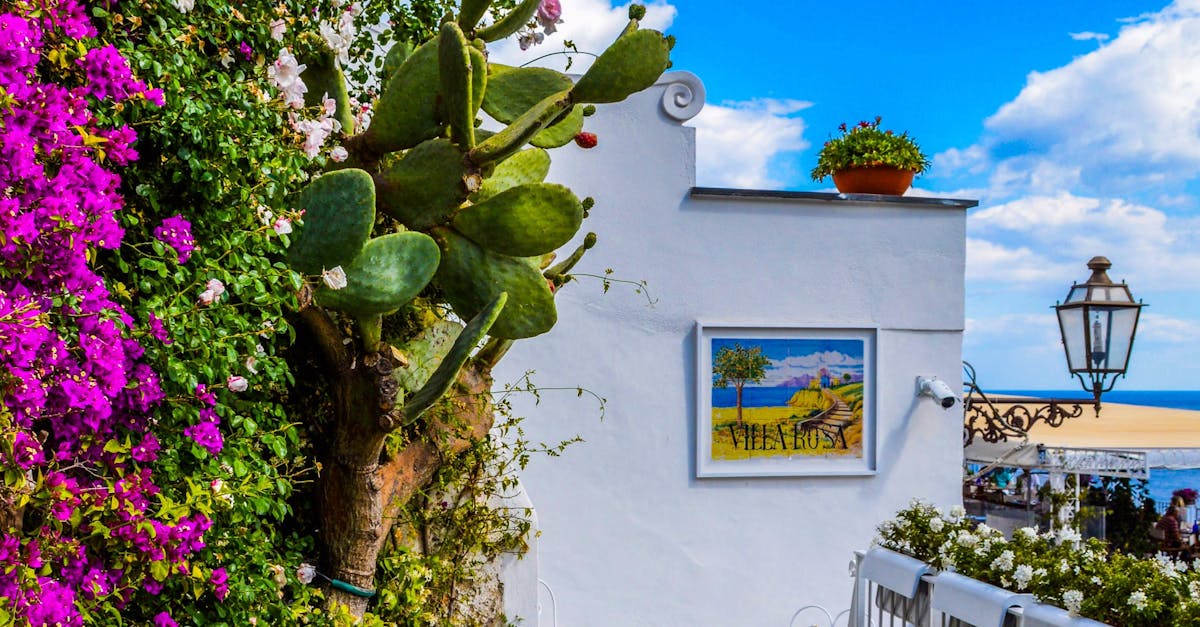
Transform Your Balcony with Climbing Plants: A Guide to Vertical Gardens, Privacy Screens, and Edible Oases
Harness the transformative power of climbing plants to create enchanting balcony gardens. From lush vertical gardens that save space to secluded privacy screens and bountiful edible oases, discover the endless possibilities these versatile plants offer. Let’s embark on a journey to unleash the charm and functionality of climbing plants in your own urban oasis.
With careful planning and a touch of creativity, you can transform your balcony into a verdant escape that not only beautifies your surroundings but also provides practical benefits. Whether you’re seeking to maximize space, create a secluded sanctuary, grow your own food, or simply add a touch of whimsy to your balcony, climbing plants hold the key to unlocking your gardening dreams.
1. Vertical Gardens: A Space-Saving Solution
Vertical Gardens: A Space-Saving Solution
Vertical gardens are a brilliant way to maximize space on balconies, transforming them into lush oases. By utilizing climbing plants, you can create living walls that not only add a touch of greenery but also provide privacy and improve air quality. These gardens are especially beneficial for those with limited outdoor space, allowing them to enjoy the beauty and benefits of nature in a compact setting.
To create a vertical garden on your balcony, you can use trellises, wall-mounted structures, hanging baskets, or macrame planters. Climbing plants such as ivy, jasmine, and clematis are excellent choices for these vertical gardens as they readily cling to supports and quickly cover the available space. You can mix and match different species to create a visually appealing display with varying colors, textures, and growth habits.
Vertical gardens not only save space but also offer a range of environmental benefits. They help reduce noise pollution, provide insulation, and improve air quality by absorbing pollutants and releasing oxygen. By incorporating climbing plants into your vertical garden, you can create a microclimate that is both visually appealing and beneficial for your well-being.
Trellises and Wall-Mounted Structures
Trellises and Wall-Mounted Structures
Trellises and wall-mounted structures provide essential support for climbing plants in vertical gardens, helping them reach their full potential and creating a visually appealing display. These structures not only provide structural support but also serve as a framework for training and guiding the growth of climbing plants.
When choosing trellises or wall-mounted structures for your vertical garden, consider the size and growth habit of the climbing plants you intend to use. Trellises come in various materials such as wood, metal, and plastic, and can be freestanding or wall-mounted. Wall-mounted structures, such as wires or cables, bieten a more minimalist look and can be customized to fit any space.
To create a visually appealing display, arrange the trellises or wall-mounted structures in a way that complements the overall design of your balcony. You can create a focal point by placing a trellis in the center or use multiple structures to create a layered effect. Train the climbing plants to grow up and around the structures, encouraging them to cover the available space and create a lush, green tapestry.
Hanging Baskets and Macrame Planters
Hanging Baskets and Macrame Planters
Hanging baskets and macrame planters offer creative and versatile ways to display climbing plants on balconies, adding a touch of whimsy and charm. These suspended containers allow you to maximize vertical space and create a lush, cascading effect.
Hanging baskets come in a variety of materials, including plastic, metal, and natural fibers. They can be hung from the ceiling, walls, or railings of your balcony, providing ample space for climbing plants to grow and trail downwards. Macrame planters, on the other hand, are a unique and stylish way to showcase your plants. Made from knotted cords or ropes, these planters provide both support and a decorative element to your balcony.
To create a visually appealing display, choose hanging baskets or macrame planters that complement the style of your balcony and the plants you intend to grow. Mix and match different sizes and shapes to add interest and create a dynamic display. Train the climbing plants to cascade over the edges of the containers, creating a lush and flowing effect that adds a touch of whimsy to your outdoor space.
2. Privacy Screens: Creating a Secluded Oasis
Privacy Screens: Creating a Secluded Oasis
Climbing plants can be effectively utilized to create privacy screens on balconies, offering a sense of seclusion and reducing noise pollution. By training climbing plants to grow on trellises or other structures, you can create a living wall that blocks unwanted views and provides a buffer from noisy surroundings.
Fast-growing climbing vines, such as morning glory, clematis, and honeysuckle, are excellent choices for creating privacy screens. These plants quickly cover large areas, providing dense foliage that effectively blocks out prying eyes. Strategically placing trellises or wires along the perimeter of your balcony will guide the growth of these vines, ensuring optimal coverage and creating a cohesive privacy screen.
In addition to providing privacy, climbing plants also help reduce noise pollution. The dense foliage of these plants acts as a natural sound barrier, absorbing and deflecting sound waves. This can significantly reduce the noise levels on your balcony, creating a more peaceful and relaxing outdoor space.
Fast-Growing Climbing Vines
Fast-Growing Climbing Vines
To quickly establish privacy screens on your balcony, fast-growing climbing vines such as morning glory, clematis, and honeysuckle are excellent choices. These vigorous growers rapidly cover large areas, providing dense foliage that effectively blocks out unwanted views and reduces noise pollution.
Morning glory is an annual vine known for its vibrant, trumpet-shaped flowers that bloom in a range of colors. It readily climbs trellises and wires, quickly creating a lush tapestry of foliage. Clematis is a perennial vine that produces an abundance of showy flowers in spring or summer. Available in a wide variety of colors and flower shapes, clematis adds both beauty and privacy to your balcony.
Honeysuckle is another fast-growing climbing vine that is valued for its fragrant flowers and attractive foliage. Its twining stems can quickly cover trellises and other structures, providing dense coverage and a sweet fragrance that permeates the air. By choosing a combination of these fast-growing climbing vines, you can create a privacy screen that is both visually appealing and functionally effective.
Strategically Placed Trellises
Strategically Placed Trellises
Strategically placing trellises is crucial for ensuring optimal coverage and creating a cohesive privacy screen using climbing plants. Trellises provide support and guidance for the vines to grow upwards, maximizing their coverage and creating a dense, effective barrier.
When placing trellises, consider the growth habit of the climbing plants you choose. Some vines, such as morning glory and clematis, readily climb on wires or strings, while others, like honeysuckle and ivy, require more substantial support. Choose trellises that are sturdy enough to support the weight of the vines and their foliage.
Position the trellises along the perimeter of your balcony where you desire privacy. For complete coverage, place the trellises close together, ensuring that the vines can easily reach and cover the entire area. By strategically placing trellises and guiding the growth of climbing plants, you can create a cohesive and effective privacy screen that transforms your balcony into a secluded oasis.
3. Edible Gardens: Growing Food Vertically
Edible Gardens: Growing Food Vertically
Climbing plants offer a practical solution for growing edible crops in balcony gardens, maximizing space and promoting sustainability. By utilizing vertical gardening techniques, you can cultivate a variety of fruits, vegetables, and herbs, transforming your balcony into a productive food source.
Vertical vegetable gardening systems, such as trellises, hanging planters, and wall-mounted grow bags, provide support for climbing plants to grow upwards, saving valuable floor space. This vertical approach allows you to maximize the growing area on your balcony, enabling you to grow a greater variety and quantity of food.
In addition to vegetables, climbing plants can also be used to grow edible flowers and herbs. These plants not only add color and beauty to your balcony garden but also provide culinary delights. Edible flowers, such as nasturtiums and pansies, can be used to garnish salads and desserts, while herbs like basil, thyme, and rosemary can be incorporated into various dishes to enhance their flavor.
Vertical Vegetable Gardening Systems
Vertical Vegetable Gardening Systems
Vertical vegetable gardening systems are designed to maximize growing space by utilizing climbing plants and vertical structures. These systems can be easily implemented on balconies, allowing you to grow a variety of vegetables in a limited area.
When choosing vegetables for vertical gardening, opt for climbing varieties such as tomatoes, cucumbers, beans, and peas. These plants naturally grow upwards, readily clinging to trellises or other support structures. To maximize yields, provide ample support for the vines to climb and ensure they receive adequate sunlight and water.
Vertical vegetable gardening systems offer several advantages. They save space, allowing you to grow more food in a smaller area. Additionally, by keeping the plants off the ground, you reduce the risk of pests and diseases, promoting healthier growth and higher yields.
Edible Flowers and Herbs
Edible Flowers and Herbs
Incorporating edible flowers and herbs into climbing plant displays on your balcony not only adds aesthetic value but also provides culinary delights. Edible flowers, such as nasturtiums, pansies, and violas, offer a vibrant splash of color and can be used to garnish salads, desserts, and beverages.
Herbs like basil, thyme, rosemary, and oregano can be trained to climb trellises or walls, creating a fragrant and flavorful vertical garden. These herbs can be easily incorporated into various dishes to enhance their taste and aroma.
By integrating edible flowers and herbs into your climbing plant displays, you can create a visually stunning and highly functional balcony garden that provides both beauty and culinary inspiration.
4. Aesthetic Enhancements: Adding Color and Texture

Aesthetic Enhancements: Adding Color and Texture
Climbing plants offer a multitude of aesthetic benefits for balcony gardens, transforming them into vibrant and visually appealing spaces. Their ability to add color and texture creates a dynamic and captivating display.
The diverse range of climbing plants provides a wide spectrum of colors, from the delicate pastels of morning glory to the bold hues of bougainvillea. By incorporating a variety of species, you can create a colorful tapestry that adds life and cheer to your balcony. The varying leaf shapes and textures of climbing plants further enhance the visual interest, creating a layered and captivating display that invites exploration.
Climbing plants can be trained to grow in specific patterns or allowed to cascade freely, adding a touch of whimsy and movement to your balcony garden. Their ability to soften sharp edges and create a sense of enclosure makes them ideal for enhancing the overall ambiance and creating a welcoming outdoor space.
Colorful Blooms and Foliage
Colorful Blooms and Foliage
Climbing plants offer a diverse array of colors and textures, providing endless inspiration for creating visually stunning balcony displays. From the delicate pastel hues of morning glory to the vibrant crimson blooms of bougainvillea, the spectrum of colors is vast.
The foliage of climbing plants is equally diverse, ranging from glossy green leaves to variegated patterns and silvery undersides. Some species, such as the grape vine, even display vibrant fall colors, adding a touch of seasonal charm to your balcony.
By carefully selecting and combining different climbing plants, you can create a cohesive and visually appealing display that reflects your personal style. Whether you prefer a riot of colors or a more subdued palette, there are climbing plants to suit every taste and create a balcony garden that is both beautiful and unique.
Mixing and Matching Species
Mixing and Matching Species
Don’t be afraid to experiment with mixing and matching different climbing plant species to create unique and eye-catching displays on your balcony. By combining plants with contrasting colors, textures, and growth habits, you can achieve a dynamic and visually appealing effect.
For example, pair the vibrant blooms of clematis with the delicate foliage of ivy, or combine the fast-growing passion flower with the slower-growing honeysuckle. You can also create a layered effect by training climbing plants of different heights to grow together, such as the tall morning glory with the shorter nasturtium.
Mixing and matching species not only adds visual interest but also provides practical benefits. By selecting plants with different flowering periods, you can ensure a continuous display of color throughout the growing season. Additionally, combining plants with varying growth habits can help maximize space and create a more diverse and resilient ecosystem on your balcony.
5. Care and Maintenance: Ensuring Healthy Climbing Plants
Care and Maintenance: Ensuring Healthy Climbing Plants
To ensure your climbing plants thrive and continue to enhance your balcony garden, proper care and maintenance are essential. Here are some practical tips to keep your plants healthy and flourishing:
Watering: Climbing plants generally require regular watering, especially during hot and dry weather. Water deeply and consistently, allowing the soil to dry out slightly between waterings. Avoid overwatering, as this can lead to root rot.
Fertilizing: Fertilize your climbing plants monthly during the growing season using a balanced liquid fertilizer. This will provide them with the essential nutrients they need to produce lush foliage and vibrant blooms.
Pest Control: Climbing plants can be susceptible to pests such as aphids, spider mites, and whiteflies. Regularly inspect your plants for signs of infestation and treat promptly with an appropriate pesticide. If possible, opt for organic pest control methods to minimize the use of harmful chemicals.
Watering and Fertilizing
Watering and Fertilizing
Climbing plants generally require regular watering, especially during hot and dry weather. The frequency of watering will depend on factors such as the size and type of plant, the climate, and the amount of sunlight it receives.
To determine if your climbing plant needs watering, check the soil moisture by inserting your finger about an inch deep into the soil. If the soil feels dry to the touch, it’s time to water. Water deeply, allowing the water to penetrate to the roots. Avoid overwatering, as this can lead to root rot.
Fertilizing your climbing plants monthly during the growing season will provide them with the essential nutrients they need to produce lush foliage and vibrant blooms. Use a balanced liquid fertilizer and follow the instructions on the label for proper dilution and application.
Pest and Disease Control
Pest and Disease Control
Climbing plants in balcony gardens are susceptible to a range of pests and diseases, just like other plants. Regular inspection and early detection are key to maintaining plant health and preventing significant damage.
Common pests that may affect climbing plants include aphids, spider mites, and whiteflies. Aphids are small, soft-bodied insects that feed on plant sap, causing yellowing and stunted growth. Spider mites are tiny, spider-like creatures that spin webs on the undersides of leaves, leading to discoloration and leaf drop. Whiteflies are small, flying insects that feed on plant sap, leaving behind a sticky residue on leaves.
To control pests, start by removing infected leaves or stems. You can also use insecticidal soap or neem oil to kill pests without harming beneficial insects. For severe infestations, consider using chemical pesticides as a last resort, following the instructions on the label carefully.
Quiz: Test Your Climbing Plant Knowledge
-
True or False: Climbing plants can be used to create privacy screens on balconies.
-
Which of the following is NOT a benefit of using climbing plants in vertical gardens?
(a) Space saving (b) Improved air quality (c) Reduced noise pollution (d) Increased water consumption
- What type of climbing plant is known for its fast growth and dense foliage?
(a) Morning glory (b) Ivy (c) Honeysuckle (d) Rose
- Which of the following is a recommended method for controlling pests on climbing plants?
(a) Using chemical pesticides (b) Removing infected leaves or stems (c) Overwatering (d) Ignoring the infestation
- True or False: Climbing plants require more frequent watering than other types of plants.
Answer Key:
- True
- (d)
- (a)
- (b)
- False
Answer Key:
- True
- (d)
- (a)
- (b)
- False
Unlock the Greenery Potential of Your Balcony: A Guide to Thriving Plants in Compact Spaces Attention all balcony-dwelling plant enthusiasts! Read more
Transform Your Balcony into a Flourishing Garden Oasis: A Step-by-Step Guide Beginning a balcony garden can be a fulfilling endeavor, Read more
Unlocking the Potential of Vertical Gardening on Balconies Are you tired of your cramped balcony but still longing for a Read more
Aromatic Delights: Cultivating Herbs on Your Balcony Oasis Whether you're a seasoned gardener or just starting out, growing herbs on Read more