
The Art of Arid Horticulture: Cultivating a Lush Balcony Garden in Dry Climates

Balcony Gardens for the Arid: A Lush Oasis in the Desert
Dry climates offer a unique challenge for gardeners longing for a thriving outdoor haven. The scorching sun, limited rainfall, and water scarcity put a strain on plant life. However, with clever techniques and careful plant selection, it is possible to cultivate a verdant balcony garden that will flourish even in the most arid conditions.
In this comprehensive guide, we will explore innovative approaches to water conservation and introduce you to drought-tolerant plant species that thrive with minimal nurturing. We’ll delve into the art of vertical gardening, maximizing space and minimizing water evaporation. By creating a sustainable ecosystem that encourages wildlife and beneficial insects, you can ensure the health and vitality of your balcony garden.
With expert advice on soil maintenance, fertilization, and amendment techniques, we will equip you with the knowledge and skills necessary to cultivate a flourishing sanctuary amidst the dry climate. Together, we will transform your balcony into a lush oasis, a vibrant testament to the indomitable spirit of nature.
1. Water Conservation: The Importance of Efficient Irrigation
Water Conservation: The Importance of Efficient Irrigation
In dry climates, water scarcity is a constant concern for gardeners. To ensure the survival and prosperity of your balcony garden, it is essential to adopt water-saving irrigation methods. Drip irrigation is a highly efficient technique that delivers water directly to the roots of plants, minimizing evaporation and ensuring that every drop is utilized. Mulching, the application of organic materials such as bark chips or compost to the soil surface, plays a crucial role in retaining moisture, regulating soil temperature, and suppressing weeds, further reducing water loss.
Rainwater harvesting is another sustainable approach to water conservation. By collecting and storing rainwater from rooftops or other surfaces, you can utilize this natural resource for irrigation purposes, reducing reliance on municipal water supplies. These techniques not only conserve water but also promote healthier plant growth by providing consistent moisture levels and preventing drought stress.
By implementing these water-saving irrigation methods, you can create a thriving balcony garden while minimizing your water footprint and contributing to environmental sustainability.
Drip Irrigation: Targeted Water Delivery
Drip Irrigation: Targeted Water Delivery
Drip irrigation is a highly efficient irrigation method that delivers water directly to the roots of plants through a network of tubes or hoses. This targeted approach offers numerous benefits for balcony gardens in dry climates.
Firstly, drip irrigation ensures that water is delivered precisely where it is needed, minimizing evaporation and water waste. Traditional irrigation methods, such as sprinklers, often result in water being lost to evaporation before it reaches the roots of plants. Drip irrigation eliminates this problem by delivering water directly to the soil, ensuring that every drop is utilized.
Secondly, drip irrigation promotes healthier plant growth by providing consistent moisture levels. Traditional irrigation methods can lead to fluctuations in soil moisture, which can stress plants and make them more susceptible to pests and diseases. Drip irrigation, on the other hand, maintains a constant supply of water to the roots, promoting steady growth and preventing drought stress.
Overall, drip irrigation is a highly effective and water-saving irrigation method that is ideally suited for balcony gardens in dry climates. By delivering water directly to the roots of plants, drip irrigation minimizes evaporation, promotes healthier plant growth, and conserves water, making it an essential technique for sustainable gardening.
Mulching: Retaining Moisture and Regulating Soil Temperature
Mulching: Retaining Moisture and Regulating Soil Temperature
Mulching is a versatile gardening technique that involves applying a layer of organic material to the soil surface. In dry climates, mulching plays a crucial role in conserving moisture, moderating soil temperature, and suppressing weeds.
Organic mulch, such as bark chips, wood shavings, or compost, acts as a barrier between the soil and the sun, reducing evaporation and keeping the soil moist for longer periods. This is particularly important in dry climates, where water scarcity is a constant concern. Mulch also helps regulate soil temperature, keeping the soil cooler in hot weather and warmer in cold weather, which benefits plant growth.
In addition to conserving moisture and regulating soil temperature, mulch also suppresses weeds by blocking sunlight and creating a physical barrier. Weeds compete with plants for water and nutrients, so suppressing their growth is essential for healthy plant development. Mulch also improves soil structure by adding organic matter, which helps retain moisture and nutrients, making them more readily available to plants.
Rainwater Harvesting: Utilizing Natural Resources
Rainwater Harvesting: Utilizing Natural Resources
Rainwater harvesting is a sustainable practice that involves collecting and storing rainwater for later use. In dry climates, rainwater harvesting is an essential technique for conserving water and reducing reliance on municipal water supplies.
Rainwater can be collected from rooftops, patios, or other surfaces using rain barrels or cisterns. Rain barrels are simple and inexpensive containers that can be attached to downspouts to collect rainwater from roofs. Cisterns are larger, underground storage tanks that can hold larger volumes of water.
Rainwater harvesting systems can be used to irrigate plants, wash cars, or even flush toilets. Using rainwater for irrigation is particularly beneficial for balcony gardens in dry climates, as it reduces the need for potable water and helps conserve this precious resource.
In addition to saving water, rainwater harvesting also has environmental benefits. Rainwater is naturally soft and free of chemicals, making it ideal for plants and beneficial insects. It also reduces runoff and flooding by capturing rainwater before it enters storm drains.
2. Drought-Tolerant Plants: Selecting Resilient Species
Drought-Tolerant Plants: Selecting Resilient Species
Drought-tolerant plants are essential for thriving balcony gardens in dry climates. These plants have evolved to withstand periods of water scarcity and can survive with minimal watering.
When selecting drought-tolerant plants for your balcony garden, consider the following factors:
- Sun exposure: Choose plants that are adapted to the amount of sunlight your balcony receives.
- Soil conditions: Some drought-tolerant plants prefer well-drained soil, while others can tolerate clay or sandy soil.
- Hardiness zone: Make sure to select plants that are hardy in your climate zone.
Here is a list of recommended drought-tolerant plant species for balcony gardens in dry climates:
- Succulents: Succulents, such as aloe, sedum, and echeveria, store water in their thick, fleshy leaves and stems, making them highly drought-tolerant.
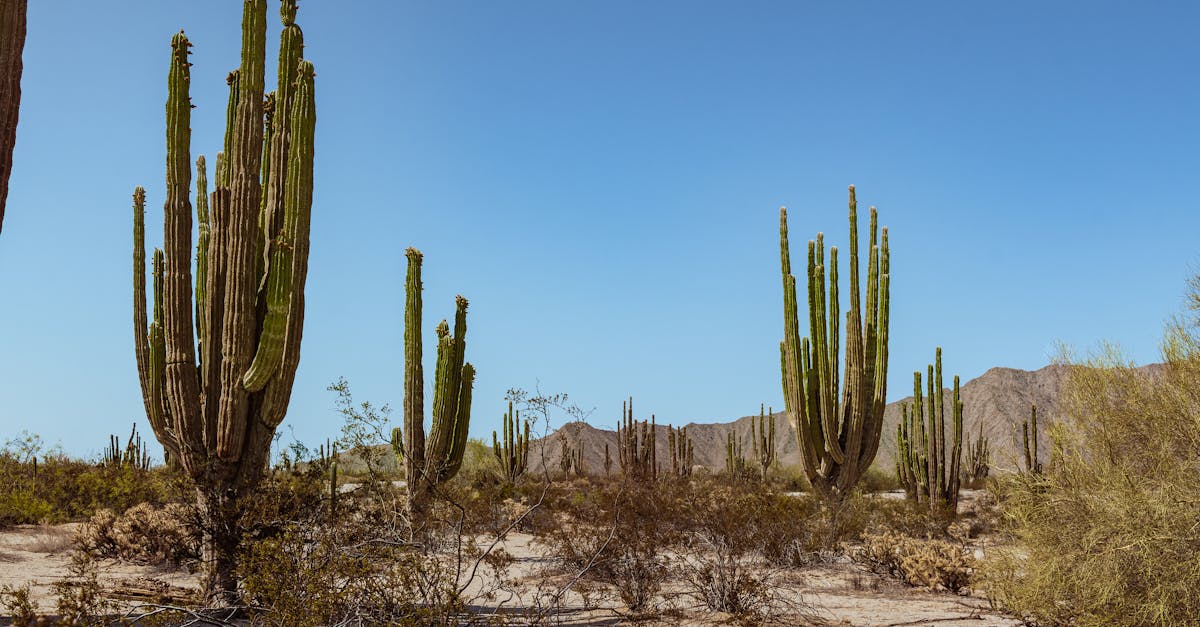
- Cacti: Cacti, such as prickly pear and barrel cactus, are also highly drought-tolerant and can survive with very little water.
- Herbs: Many herbs, such as thyme, rosemary, and oregano, are drought-tolerant and can add flavor and fragrance to your balcony garden.
- Perennials: Some perennials, such as lavender, salvia, and yarrow, are drought-tolerant and can provide color and interest to your balcony garden all season long.
- Grasses: Ornamental grasses, such as blue fescue and feather reed grass, are drought-tolerant and can add texture and movement to your balcony garden.
Succulents and Cacti: Adapting to Arid Conditions
Succulents and Cacti: Adapting to Arid Conditions
Succulents and cacti are two types of drought-tolerant plants that are ideally suited for balcony gardens in dry climates. These plants have evolved unique characteristics that allow them to survive in arid environments with minimal water.
Succulents are characterized by their thick, fleshy leaves and stems, which store water. They also have a reduced leaf surface area, which helps to minimize water loss through evaporation. Cacti are a type of succulent that have evolved even further to survive in extremely dry conditions. Cacti have thick, spiny stems and no leaves, which helps to reduce water loss even further.
Both succulents and cacti have shallow root systems that allow them to absorb water quickly from the soil surface. They also have a waxy cuticle on their leaves and stems, which helps to prevent water loss. These adaptations make succulents and cacti ideal for balcony gardens in dry climates, where water conservation is essential.
Native Plants: Embracing Local Adaptations
Native Plants: Embracing Local Adaptations
Native plants are those that are indigenous to a particular region. They have evolved to thrive in the local climate and soil conditions, making them ideal for balcony gardens in dry climates.
There are many advantages to choosing native plants for your balcony garden:
- Drought tolerance: Native plants are adapted to the local climate and have evolved to survive with minimal water.
- Disease resistance: Native plants are also resistant to the pests and diseases that are common in the local area.
- Low maintenance: Native plants require less maintenance than non-native plants, as they are adapted to the local growing conditions.
- Wildlife benefits: Native plants provide food and habitat for local wildlife, such as birds, butterflies, and bees.
When selecting native plants for your balcony garden, consider the following factors:
- Sun exposure: Choose plants that are adapted to the amount of sunlight your balcony receives.
- Soil conditions: Some native plants prefer well-drained soil, while others can tolerate clay or sandy soil.
- Hardiness zone: Make sure to select plants that are hardy in your climate zone.
Low-Water Groundcovers: Creating a Lush Carpet
Low-Water Groundcovers: Creating a Lush Carpet
Low-water groundcovers are a great way to add color and texture to your balcony garden while conserving water. These plants spread quickly to form a dense mat that suppresses weeds and helps retain soil moisture.
Some popular low-water groundcovers for balcony gardens in dry climates include:
- Creeping thyme: Creeping thyme is a low-growing, evergreen herb that forms a dense mat of small, green leaves. It is drought-tolerant and can tolerate full sun or partial shade.
- Sedum: Sedum is a genus of succulent plants that are known for their drought tolerance and low-maintenance requirements. Sedums come in a variety of colors and textures, making them a versatile choice for groundcovers.
- Ice plant: Ice plant is a succulent groundcover that is known for its thick, fleshy leaves and bright pink flowers. It is drought-tolerant and can tolerate full sun or partial shade.
When planting low-water groundcovers, be sure to prepare the soil by removing any weeds or debris. Dig a hole that is twice as wide as the root ball of the plant and just as deep. Place the plant in the hole and backfill with soil, tamping down gently to remove any air pockets. Water the plant deeply and then spread a layer of mulch around the base of the plant to help retain moisture.
3. Vertical Gardening: Optimizing Space and Resources
Vertical Gardening: Optimizing Space and Resources
Vertical gardening is a great way to maximize space and resources on your balcony, especially in dry climates. Vertical gardens can be used to grow a variety of plants, including vegetables, herbs, and flowers.
There are many benefits to vertical gardening in dry climates:
- Space saving: Vertical gardens make efficient use of space, allowing you to grow more plants in a smaller area.
- Water conservation: Vertical gardens reduce water evaporation, as the plants are closer to the ground and there is less wind exposure.
- Improved air circulation: Vertical gardens allow for better air circulation, which can help to prevent pests and diseases.
When choosing plants for your vertical garden, be sure to select drought-tolerant varieties. Some good options include succulents, cacti, herbs, and leafy greens. You should also choose plants that are well-suited to the amount of sunlight your balcony receives.
There are a variety of trellising systems available for vertical gardens. You can choose a system that is made of wood, metal, or plastic. When choosing a trellising system, be sure to consider the size and weight of the plants you will be growing.
Trellising Techniques for Vertical Growth
Trellising Techniques for Vertical Growth
Trellising is a great way to support climbing plants and encourage them to grow vertically. This can save space on your balcony and create a more visually appealing display.
There are a variety of trellising methods available, each with its own advantages and disadvantages. Some of the most common trellising methods include:
- Wall-mounted trellises: Wall-mounted trellises are attached to a wall or fence. They are a good option for small spaces, as they do not take up any floor space.
- A-frames: A-frames are freestanding trellises that are shaped like the letter A. They are a good option for larger plants, as they provide more support.
- Teepees: Teepees are conical trellises that are made of three or more poles tied together at the top. They are a good option for plants that need a lot of support, such as cucumbers and tomatoes.
When choosing a trellising method, be sure to consider the size and weight of the plants you will be growing. You should also consider the amount of sunlight your balcony receives, as some trellising methods can block sunlight from reaching the plants.
Selecting Plants for Vertical Gardens
Selecting Plants for Vertical Gardens
When selecting plants for your vertical garden, be sure to choose varieties that are well-suited to the climate and amount of sunlight your balcony receives. Some good options for vertical gardens in dry climates include:
- Climbing roses: Climbing roses are a beautiful and fragrant addition to any vertical garden. They come in a variety of colors and bloom repeatedly throughout the summer.
- Clematis: Clematis is another popular choice for vertical gardens. These vines produce large, showy flowers in a variety of colors.
- Trailing petunias: Trailing petunias are a great choice for adding color and interest to your vertical garden. They produce a profusion of small, trumpet-shaped flowers in a variety of colors.
- Trailing nasturtiums: Trailing nasturtiums are a fast-growing vine that produces edible flowers and leaves. They are a good choice for vertical gardens in dry climates, as they are drought-tolerant and heat-resistant.
Irrigation Systems for Vertical Gardens
Irrigation Systems for Vertical Gardens
There are a variety of irrigation systems available for vertical gardens. The best system for you will depend on the size and type of your garden, as well as your budget and lifestyle.
- Drip irrigation systems: Drip irrigation systems deliver water directly to the roots of plants through a network of tubes or hoses. This is a very efficient way to water plants, as it reduces water evaporation and runoff.
- Self-watering containers: Self-watering containers have a built-in reservoir that supplies water to the plants. This type of container is ideal for busy people or those who travel frequently, as it does not require daily watering.
When choosing an irrigation system for your vertical garden, be sure to consider the following factors:
- The size of your garden: The size of your garden will determine the number of emitters or watering stakes you need.
- The type of plants you are growing: Some plants require more water than others. Be sure to choose an irrigation system that can meet the water needs of your plants.
- Your budget: Irrigation systems can range in price from a few dollars to hundreds of dollars. Be sure to choose a system that fits your budget.
4. Creating a Sustainable Ecosystem: Encouraging Wildlife and Beneficial Insects

Creating a Sustainable Ecosystem: Encouraging Wildlife and Beneficial Insects
Creating a diverse and sustainable ecosystem on your balcony is essential for the health of your plants and the environment. By attracting beneficial insects and wildlife, you can reduce the need for pesticides and fertilizers, and promote a healthy balance in your garden.
Here are a few tips on how to attract beneficial insects and wildlife to your balcony garden:
- Provide a variety of plants: A diverse range of plants will attract a variety of insects and wildlife. Choose plants that bloom at different times of the year to provide a continuous source of food.
- Include native plants: Native plants are adapted to the local climate and soil conditions, and they will attract the native insects and wildlife that have evolved to depend on them.
- Avoid using pesticides: Pesticides can kill beneficial insects as well as pests. If you must use pesticides, choose selective pesticides that target specific pests without harming beneficial insects.
- Provide water: A shallow dish of water will attract birds, butterflies, and other wildlife to your balcony garden. Be sure to change the water regularly to prevent it from becoming a breeding ground for mosquitoes.
Pollinator-Friendly Plants: Inviting Beneficial Insects
Pollinator-Friendly Plants: Inviting Beneficial Insects
Pollinator-friendly plants are those that attract bees, butterflies, and other pollinating insects. These insects are essential for the reproduction of many plants, including fruits, vegetables, and flowers.
Here are a few examples of pollinator-friendly plants that are well-suited for balcony gardens:
- Lavender: Lavender is a fragrant herb that attracts bees and butterflies. It is also a drought-tolerant plant, making it a good choice for dry climates.
- Sunflowers: Sunflowers are a tall, showy plant that produces large, yellow flowers. They are a favorite of bees and other pollinators.
- Daisies: Daisies are a cheerful and easy-to-grow flower that attracts a variety of pollinators. They come in a wide range of colors, including white, pink, yellow, and red.
When choosing pollinator-friendly plants for your balcony garden, be sure to select a variety of species that bloom at different times of the year. This will ensure that there is always a source of food for pollinators throughout the growing season.
Beneficial Insects for Pest Control
Beneficial Insects for Pest Control
Beneficial insects are insects that help to control pests in your garden without the use of harmful chemicals. These insects prey on pests or their eggs, or they parasitize them.
Here are a few examples of beneficial insects that are commonly found in balcony gardens:
- Ladybugs: Ladybugs are voracious predators of aphids. They can eat up to 50 aphids per day.
- Lacewings: Lacewings are delicate insects with long, lacy wings. Their larvae are voracious predators of aphids and other small insects.
- Parasitic wasps: Parasitic wasps lay their eggs inside the bodies of pests. The wasp larvae then hatch and feed on the pest, eventually killing it.
Attracting beneficial insects to your balcony garden is easy. Simply provide them with food and shelter. Food sources for beneficial insects include aphids, mealybugs, and other pests. Shelter can be provided in the form of flowers, shrubs, and other plants. You can also purchase ladybugs and lacewings online or at your local garden center and release them in your garden.
Composting: Creating Nutrient-Rich Soil
Composting: Creating Nutrient-Rich Soil
Composting is the process of breaking down organic waste to create nutrient-rich soil amendments. Compost can be used to improve the soil structure, fertility, and water retention in your balcony garden containers.
To start a compost bin, you will need a container that is at least 3 feet wide and 3 feet tall. The container should have holes in the bottom to allow air to circulate. You can use a plastic bin, a wooden bin, or even a large trash can.
Once you have a container, you can start adding organic waste to it. Organic waste includes things like fruit and vegetable scraps, coffee grounds, tea bags, and grass clippings. Avoid adding meat, dairy, or pet waste to your compost bin.
Once you have added organic waste to your compost bin, you need to turn it regularly to aerate it. This will help the compost to break down more quickly. You should turn your compost bin every few days, or more often if it is very hot and dry.
After a few months, your compost will be ready to use. It should be dark brown or black in color and have a crumbly texture. You can use compost to amend the soil in your balcony garden containers, or you can spread it on top of the soil as a mulch.
5. Maintaining Healthy Soil: Fertilizing and Amending
Maintaining Healthy Soil: Fertilizing and Amending
Maintaining healthy soil is essential for the success of your balcony garden. Fertilizing and amending the soil will help to ensure that your plants have the nutrients they need to thrive.
Fertilizing
Fertilizers provide plants with the nutrients they need to grow and produce flowers and fruits. There are two main types of fertilizers: organic and inorganic.
- Organic fertilizers are made from natural materials, such as compost, manure, and seaweed. They release nutrients slowly over time, which is beneficial for plants.
- Inorganic fertilizers are made from synthetic materials. They release nutrients quickly, which can be helpful for plants that need a boost of nutrients.
When choosing a fertilizer, be sure to select one that is appropriate for the type of plants you are growing. You should also follow the directions on the fertilizer label carefully.
Amending
Soil amendments are materials that are added to the soil to improve its structure or fertility. Some common soil amendments include:
- Compost: Compost is a nutrient-rich material that can be used to improve the soil structure and fertility.
- Peat moss: Peat moss is a spongy material that can be used to improve the soil’s water retention.
- Vermiculite: Vermiculite is a mineral that can be used to improve the soil’s drainage.
When amending the soil, be sure to mix the amendment thoroughly into the soil. You should also follow the directions on the amendment label carefully.
Fertilizing for Nutrient Replenishment
Fertilizing for Nutrient Replenishment
Fertilizing is essential for maintaining healthy soil and ensuring that your plants have the nutrients they need to thrive. Plants absorb nutrients from the soil through their roots, and over time, these nutrients are depleted by plant growth and leaching. Regular fertilization is necessary to replenish these nutrients and keep your plants healthy.
In dry climates, it is especially important to fertilize regularly, as the lack of rain can lead to the leaching of nutrients from the soil. When choosing a fertilizer for a dry climate, look for one that is slow-release. This will help to prevent the nutrients from being leached away too quickly.
There are two main types of fertilizers: organic and inorganic.
- Organic fertilizers are made from natural materials, such as compost, manure, and seaweed. They release nutrients slowly over time, which is beneficial for plants in dry climates.
- Inorganic fertilizers are made from synthetic materials. They release nutrients quickly, which can be helpful for plants that need a boost of nutrients.
When choosing a fertilizer, be sure to select one that is appropriate for the type of plants you are growing. You should also follow the directions on the fertilizer label carefully.
Amending Soil for Water Retention
Amending Soil for Water Retention
Amending soil with organic matter is a great way to improve its water retention and structure. Organic matter, such as compost, peat moss, or vermiculite, helps to absorb and hold water, making it available to plants for longer periods of time. This is especially beneficial in dry climates, where water is scarce.
In addition to improving water retention, organic matter also helps to improve soil structure. It loosens compacted soil and helps to aerate it, which allows roots to grow more easily and plants to absorb nutrients more efficiently.
Here are some of the benefits of amending soil with organic matter:
- Improved water retention
- Improved soil structure
- Increased aeration
- Enhanced nutrient availability
- Reduced compaction
When amending soil with organic matter, it is important to mix it in thoroughly. You can do this by using a shovel or a tiller. You should also add organic matter regularly, as it will decompose over time and lose its effectiveness.
Soil Testing for Informed Decisions
Soil Testing for Informed Decisions
Soil testing is an important part of maintaining a healthy balcony garden. It allows you to determine the nutrient levels and pH of your soil, which can help you make informed decisions about fertilization and amendment.
The nutrient levels in your soil will affect the growth and health of your plants. If your soil is deficient in a particular nutrient, your plants may not be able to grow properly or may be more susceptible to pests and diseases. Soil testing can help you identify any nutrient deficiencies so that you can add the appropriate fertilizer.
The pH of your soil is also important, as it affects the availability of nutrients to plants. Most plants prefer a slightly acidic soil, with a pH between 6.0 and 7.0. If your soil is too acidic or too alkaline, your plants may not be able to absorb the nutrients they need. Soil testing can help you determine the pH of your soil so that you can adjust it accordingly.
There are a number of different ways to test your soil. You can purchase a soil test kit from your local garden center or online. You can also send a soil sample to a soil testing laboratory for a more detailed analysis.
Once you have your soil test results, you can use them to make informed decisions about fertilization and amendment. If your soil is deficient in a particular nutrient, you can add the appropriate fertilizer. If your soil is too acidic or too alkaline, you can add lime or sulfur to adjust the pH.
Quiz
1. True or False: Drip irrigation is a water-saving irrigation method that delivers water directly to the roots of plants. 2. Which of the following is NOT a benefit of mulching? (a) Conserving moisture (b) Regulating soil temperature (c) Improving drainage 3. What type of plants are well-suited for dry climates and require minimal watering? (a) Succulents (b) Ferns (c) Tropical plants 4. Which of the following is an advantage of vertical gardening? (a) Space saving (b) Improved air circulation (c) All of the above 5. True or False: Soil testing is important for determining the nutrient levels and pH of your soil, which can help you make informed fertilization and amendment decisions.
- True
- (c) Improving drainage
- (a) Succulents
- (c) All of the above
- True
Unlock the Greenery Potential of Your Balcony: A Guide to Thriving Plants in Compact Spaces Attention all balcony-dwelling plant enthusiasts! Read more
Transform Your Balcony into a Flourishing Garden Oasis: A Step-by-Step Guide Beginning a balcony garden can be a fulfilling endeavor, Read more
Unlocking the Potential of Vertical Gardening on Balconies Are you tired of your cramped balcony but still longing for a Read more
Aromatic Delights: Cultivating Herbs on Your Balcony Oasis Whether you're a seasoned gardener or just starting out, growing herbs on Read more