
Unveiling the Secrets to Cultivating Exotic Fruits in Temperate Climates
Are you eager to expand your gardening horizons and cultivate exotic fruits in your temperate climate? While it may seem like a daunting task, it is entirely possible with the right knowledge and techniques. This comprehensive guide will provide you with all the essential tips and tricks to successfully grow exotic fruits in your own backyard.
From understanding the unique challenges of temperate climates to selecting the most suitable varieties and creating an optimal growing environment, we will cover everything you need to know. We will also delve into overwintering techniques, troubleshooting common challenges, and strategies for ensuring a bountiful harvest. So, get ready to embark on an exciting journey of growing exotic fruits in your temperate climate!
1. Understanding the Challenges of Temperate Climates
Cultivating exotic fruits in temperate climates presents unique challenges that require careful consideration and tailored gardening practices. One of the primary challenges is the fluctuation in temperatures. Unlike tropical regions with relatively stable temperatures, temperate climates experience significant variations between seasons, including cold winters and hot summers. These extreme temperatures can be detrimental to exotic fruits, which are often adapted to warmer, more consistent climates.
Another challenge is the shorter growing season in temperate climates. The period between the last frost in spring and the first frost in fall is often too short for many exotic fruits to fully ripen and produce fruit. This means that selecting varieties with shorter maturity periods and implementing techniques to extend the growing season, such as using greenhouses or grow lights, becomes essential.
Limited sunlight is another obstacle in temperate climates. Exotic fruits, hailing from tropical regions, are adapted to receive ample sunlight throughout the year. In temperate climates, however, the amount of sunlight varies significantly, especially during winter months. To overcome this challenge, choosing a sunny planting location and providing supplemental lighting, if necessary, can help ensure that your exotic fruits receive the light they need to thrive.
Temperature Variations and Frost Protection
Understanding temperature ranges and implementing frost protection measures are crucial for safeguarding exotic fruits in temperate climates. Exotic fruits, originating from tropical regions, are adapted to warm, stable temperatures and are vulnerable to damage or death when exposed to frost or freezing temperatures. Therefore, it is essential to select exotic fruit varieties that are cold-hardy and can withstand the temperature fluctuations experienced in temperate climates.
Mulching is a highly effective frost protection measure. Applying a thick layer of organic matter, such as straw, leaves, or compost, around the base of your exotic fruit plants helps to insulate the roots and protect them from cold temperatures. Mulch also helps retain moisture, which is beneficial during both hot and cold weather.
Covering your exotic fruit plants is another important frost protection technique. You can use burlap, fleece, or other breathable materials to wrap or cover your plants, providing insulation and protection from wind and cold temperatures. It is important to ensure that the covering material does not come into direct contact with the leaves of your plants, as this can cause damage.
Short Growing Seasons and Extended Daylighting
In temperate climates with shorter growing seasons, selecting exotic fruit varieties that are adapted to these conditions is essential. Look for varieties with shorter maturity periods, ensuring they have sufficient time to produce fruit before the first frost. Additionally, consider techniques like extending daylight hours with grow lights to provide your plants with the necessary light they need to thrive.
Grow lights can be used to supplement natural sunlight, particularly during winter months or in areas with limited sunlight. By providing additional light, you can extend the growing season and increase the chances of your exotic fruit plants producing ripe fruit.
When choosing grow lights, consider the specific light requirements of your exotic fruit plants. Different plants have different light intensity and duration needs. Research the specific requirements of the varieties you are growing to ensure you provide the optimal lighting conditions for successful fruit production.
Limited Sunlight and Shading
Sunlight plays a vital role in fruit production, providing energy for photosynthesis and influencing fruit quality and ripening. When growing exotic fruits in temperate climates with limited sunlight, maximizing sunlight exposure is crucial.
Choosing a planting location with a southern exposure is an effective strategy to increase sunlight exposure. South-facing slopes receive the most sunlight throughout the day, providing your exotic fruit plants with optimal light conditions for growth and fruit production.
In areas with limited sunlight, providing partial shade can be beneficial for certain exotic fruit varieties. Some exotic fruits, such as passion fruit and certain citrus varieties, prefer filtered sunlight and may produce better yields when grown in semi-shaded areas. Providing partial shade can also help protect your plants from sunburn and excessive heat during hot summer months.
2. Selecting the Right Exotic Fruit Varieties
When selecting exotic fruit varieties for temperate climates, consider factors like cold hardiness, fruit size, and ripening time. Cold hardiness refers to a plant’s ability to withstand low temperatures, which is crucial for surviving winter in temperate regions. Choose varieties known for their cold tolerance, ensuring they can endure the specific climate conditions in your area.
Consider the desired fruit size when making your selection. Some exotic fruits, like dragon fruit and cherimoya, produce large fruits, while others, like passion fruit and tamarillos, have smaller yields. Select varieties that suit your space and consumption needs.
Ripening time is another important factor to consider. Match the ripening period of your chosen varieties with your local climate to ensure they have sufficient time to ripen before the end of the growing season. Opt for early-ripening cultivars in areas with shorter growing seasons or late-ripening varieties if you have a longer growing season.
Cold Hardy Options
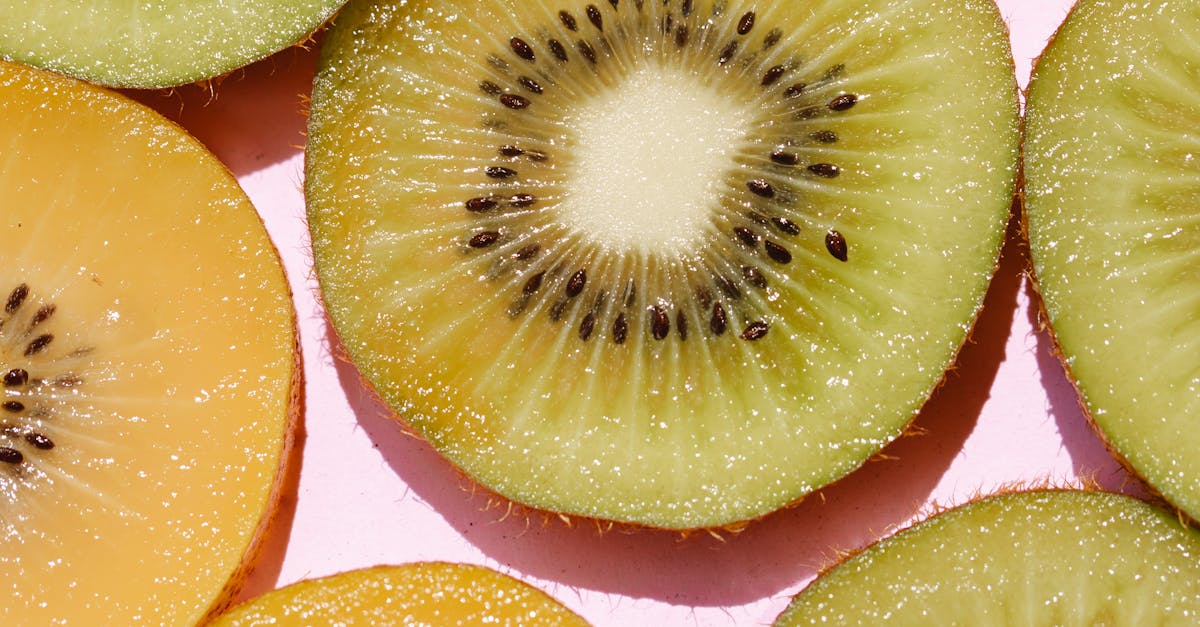
For temperate climates, consider cold-hardy exotic fruit varieties like kiwi, hardy fig, and certain citrus varieties. Kiwi, known for its fuzzy brown skin and vibrant green flesh, is a hardy variety that can withstand cold temperatures. Hardy fig, with its sweet, juicy fruit, is another cold-tolerant option. Several citrus varieties, such as Satsuma mandarin and kumquat, have also shown good cold hardiness and can thrive in temperate climates.
Dwarf and Compact Varieties
In space-limited areas or for container gardening, dwarf or compact varieties of exotic fruits are ideal. Dwarf citrus trees, such as Meyer lemon and Calamondin orange, produce abundant fruit while remaining relatively small in size. Mini pineapples, with their compact stature and ornamental appeal, are another excellent choice for small spaces. These varieties allow you to enjoy exotic fruits even with limited growing space.
Early-Ripening Cultivars
To ensure fruit maturation before the end of the growing season in temperate climates, select early-ripening cultivars of exotic fruits. Early-ripening varieties, such as ‘Earliglow’ strawberry guava and ‘Precoce’ persimmon, produce fruit that ripens earlier in the season. By choosing these cultivars, you increase the chances of harvesting ripe fruit before colder temperatures arrive.
3. Creating a Suitable Growing Environment
Creating a suitable growing environment is essential for the success of exotic fruits in temperate climates. Begin by preparing the soil to ensure proper drainage and fertility. Exotic fruits generally prefer well-drained, slightly acidic soil. Amend the soil with organic matter like compost or manure to improve its structure and fertility.
Choosing the appropriate location is crucial. Select a site that receives ample sunlight, as most exotic fruits require at least 6 hours of direct sunlight per day. Protection from strong winds is also important, as wind can damage plants and inhibit fruit production.
Provide adequate water and nutrients for optimal growth. Water regularly, especially during hot, dry weather. Fertilize your exotic fruit plants monthly during the growing season with a balanced fertilizer. Avoid overwatering, as soggy soil can lead to root rot.
Soil Preparation and pH
Proper soil preparation is crucial for the successful cultivation of exotic fruits in temperate climates. These fruits generally prefer well-drained, slightly acidic soil with a pH between 5.5 and 6.5. Well-drained soil allows excess water to drain freely, preventing waterlogging, which can lead to root rot and other issues. Slightly acidic soil provides optimal conditions for nutrient uptake by the plants.
To amend the soil and improve its drainage, incorporate organic matter such as compost or manure. These materials help to loosen the soil structure, increase its water-holding capacity, and provide essential nutrients to the plants. You can also add elements like peat moss or perlite to further improve drainage.
If your soil is too alkaline, you can lower the pH by adding sulfur or aluminum sulfate. Conversely, if the soil is too acidic, you can raise the pH by adding lime. It’s important to test your soil’s pH regularly and adjust it as needed to maintain the slightly acidic range that exotic fruits prefer.
Site Selection and Sunlight Exposure
Site selection and sunlight exposure play a pivotal role in the successful cultivation of exotic fruits in temperate climates. Choose a sheltered, sunny location that receives ample sunlight throughout the day, as most exotic fruits require at least 6 hours of direct sunlight per day. A sheltered location protects your plants from strong winds, which can damage plants and reduce fruit production.
To maximize sunlight exposure, consider planting your exotic fruits on a south-facing slope or in an area that is not shaded by trees or buildings. You can also use reflective materials, such as white mulch or aluminum foil, to bounce additional light onto your plants.
If you have limited sunlight in your growing area, consider growing exotic fruits in containers that can be moved to sunnier locations during the day. You can also provide supplemental lighting using grow lights to extend the amount of light your plants receive.
Watering and Fertilization
Watering and fertilization are essential aspects of caring for exotic fruits in temperate climates. Water your plants regularly, especially during hot, dry weather. Allow the soil to dry out slightly between waterings to prevent overwatering, which can lead to root rot. The frequency of watering will vary depending on factors such as the climate, soil type, and plant size.
Fertilize your exotic fruit plants monthly during the growing season with a balanced organic fertilizer. Organic fertilizers provide nutrients to the plants slowly over time and help to improve the soil structure. Some good organic fertilizer options for exotic fruits include compost, manure, and fish emulsion.
Avoid over-fertilizing your plants, as this can lead to nutrient burn and other problems. It’s always better to err on the side of caution and fertilize less frequently than too often. Monitor your plants for signs of nutrient deficiency or excess, and adjust your fertilization schedule accordingly.
4. Overwintering and Protecting Exotic Fruits
Protecting your exotic fruit plants from cold temperatures during winter is crucial for their survival in temperate climates. Several methods can be employed to provide adequate protection, including mulching, wrapping, and providing heated greenhouses.
Mulching involves spreading a thick layer of organic material, such as straw, leaves, or compost, around the base of your plants. Mulch helps to insulate the roots and protect them from freezing temperatures. It also helps to retain moisture in the soil and suppress weeds.
Wrapping your exotic fruit plants in burlap, fleece, or other breathable materials can provide additional insulation and protection from wind and cold. When wrapping, avoid using plastic, as it can trap moisture and create an environment conducive to disease.
Providing heated greenhouses is the most effective way to protect your exotic fruit plants from extreme cold. Greenhouses allow you to control the temperature and humidity levels, creating an optimal growing environment for your plants. However, greenhouses can be expensive to build and maintain, so they may not be a feasible option for everyone.
Mulching and Insulation
Mulching is a highly effective method for protecting exotic fruit plants from cold temperatures during winter. It involves spreading a thick layer of organic material, such as straw, leaves, or compost, around the base of your plants. Mulch acts as an insulator, helping to maintain a consistent soil temperature and protect the roots from freezing. It also helps to retain moisture in the soil, which is important for preventing the roots from drying out.
When choosing a material for mulching, opt for organic materials that will decompose over time and add nutrients to the soil. Straw, leaves, and compost are all good options. Avoid using materials like plastic or rubber, as they can prevent water and air from reaching the roots.
To apply mulch, spread it around the base of your plants in a layer that is 2-3 inches thick. Be sure to keep the mulch away from the stems of your plants to prevent rot. Mulch can be applied in the fall, after the first hard frost, and removed in the spring, once the danger of frost has passed.
Wrapping and Covering
Wrapping and covering your exotic fruit plants during winter provides additional protection from cold temperatures, wind, and excessive moisture. Burlap, fleece, and other breathable materials can be used to create a protective barrier around your plants, helping to maintain a consistent temperature and prevent damage.
To wrap your plants, start by gathering your materials. You will need a breathable fabric, such as burlap or fleece, and some twine or rope. Wrap the fabric around the plant, starting at the base and working your way up. Secure the fabric with twine or rope, but avoid wrapping it too tightly, as this can restrict the plant’s growth.
You can also cover your wrapped plants with a tarp or plastic sheeting to provide additional protection from rain and snow. Be sure to leave some ventilation holes in the covering to prevent moisture from building up inside. Remove the covering during the day on sunny days to allow the plants to get some sunlight.
Heated Greenhouses and Indoor Protection
Heated greenhouses and indoor protection offer the most comprehensive protection for exotic fruit plants during extreme cold. Greenhouses allow you to control the temperature and humidity levels, creating an optimal growing environment for your plants. Indoor protection, such as bringing your plants into a garage or shed, can also provide adequate protection from the cold, but it is important to ensure that the space is well-ventilated and receives some natural light.
Heated greenhouses are the ideal solution for protecting exotic fruit plants from cold temperatures, but they can be expensive to build and maintain. If you are considering building a greenhouse, be sure to factor in the cost of heating and cooling, as well as the cost of the structure itself.
Indoor protection is a more affordable option, but it is important to ensure that the space you choose is suitable for your plants. The space should be well-ventilated to prevent moisture from building up and causing disease. It should also receive some natural light, as plants need sunlight to photosynthesize and produce food.
5. Troubleshooting Common Challenges
Growing exotic fruits in temperate climates can be challenging, and there are several common issues that you may encounter. Pests, diseases, and nutrient deficiencies are all potential problems that can affect your plants. However, with proper care and attention, you can overcome these challenges and enjoy a bountiful harvest.
One of the most common challenges is pests. Insects and other pests can damage your plants and reduce your yields. To prevent and control pests, use organic methods such as companion planting, insecticidal soap, and neem oil. If necessary, you can also use chemical pesticides, but be sure to follow the directions carefully.
Diseases are another common challenge when growing exotic fruits in temperate climates. Fungal and bacterial diseases can cause a variety of problems, including leaf spots, fruit rot, and wilting. To prevent and control diseases, keep your plants clean and free of debris. Water your plants at the base to avoid getting the leaves wet, and provide good air circulation around your plants.
Pest and Disease Management
Preventing and controlling pests and diseases is essential for successful exotic fruit cultivation in temperate climates. Prioritize organic methods like companion planting, crop rotation, and encouraging beneficial insects to maintain a balanced ecosystem in your garden. Regularly inspect your plants for signs of infestation or infection, and take swift action to prevent outbreaks.
For pest management, insecticidal soap, neem oil, and horticultural oils offer effective and less toxic alternatives to chemical pesticides. Bacillus thuringiensis (Bt) can also be employed for targeted pest control. If chemical pesticides become necessary, strictly adhere to the instructions and safety precautions. Always prioritize selective pesticides that minimize harm to beneficial insects.
Disease management centers around preventive measures like avoiding overhead watering, maintaining proper spacing between plants, and ensuring good air circulation. Fungicides derived from copper, sulfur, or neem can be used to combat fungal diseases. Bacterial diseases often require the removal of infected plant parts and the application of bactericides containing copper or streptomycin.
Nutrient Deficiencies and Soil pH
Identifying nutrient deficiencies in exotic fruit plants is crucial for maintaining their health and productivity. Observe your plants for symptoms such as yellowing leaves, stunted growth, or poor fruit production. Conduct soil tests to determine the specific nutrient levels and pH balance of your soil. This information will guide you in applying appropriate fertilizers and amendments to correct any deficiencies.
Maintaining optimal soil pH levels is equally important, as it influences nutrient availability and plant growth. Most exotic fruits thrive in slightly acidic to neutral soil (pH 5.5-7.0). If your soil pH is too high or too low, it can hinder nutrient uptake by the plants. Adjust the pH using sulfur to lower it or lime to raise it, but always follow the recommended rates and methods for application.
Regular monitoring of soil pH and nutrient levels, along with timely amendments, helps prevent deficiencies and ensures a favorable growing environment for your exotic fruit plants, maximizing their growth and yield.
Pollination Issues and Hand Pollination
Pollination is essential for fruit production in exotic fruit trees. Many exotic fruit varieties rely on insects, birds, or wind for natural pollination. However, in certain cases, such as unfavorable weather conditions or limited pollinator populations, hand pollination may become necessary to ensure fruit set.
Hand pollination involves manually transferring pollen from the male anthers to the female stigma of the flower. This can be done using a small paintbrush or cotton swab. It’s important to identify the receptive stage of the flower, which varies among different species. Some flowers may require multiple pollinations to increase the chances of fruit development.
Hand pollination can be a delicate process, but it is a valuable technique to assist in fruit production when natural pollination is insufficient. By understanding the pollination requirements of your exotic fruit trees and employing hand pollination when necessary, you can promote successful fruit set and maximize your harvest.
Quiz
- Which of the following is NOT a challenge of growing exotic fruits in temperate climates?
(a) Fluctuating temperatures (b) Long growing seasons (c) Limited sunlight
-
True or False: Mulching is an effective way to protect exotic fruit plants from frost.
-
Which of the following is an example of a cold-hardy exotic fruit?
(a) Mango (b) Kiwi (c) Pineapple
-
True or False: Overwatering is a common issue when growing exotic fruits in temperate climates.
-
Which of the following methods can be used for hand pollination?
(a) Using a paintbrush (b) Releasing bees into the garden (c) Waiting for natural pollinators
Answer Key
- (b) Long growing seasons
- True
- (b) Kiwi
- True
- (a) Using a paintbrush
Unlock the Greenery Potential of Your Balcony: A Guide to Thriving Plants in Compact Spaces Attention all balcony-dwelling plant enthusiasts! Read more
Transform Your Balcony into a Flourishing Garden Oasis: A Step-by-Step Guide Beginning a balcony garden can be a fulfilling endeavor, Read more
Unlocking the Potential of Vertical Gardening on Balconies Are you tired of your cramped balcony but still longing for a Read more
Aromatic Delights: Cultivating Herbs on Your Balcony Oasis Whether you're a seasoned gardener or just starting out, growing herbs on Read more