
Unveiling the Secrets of Balcony Shade Gardens: A Guide to Cultivating Vibrance in Limited Sunlight
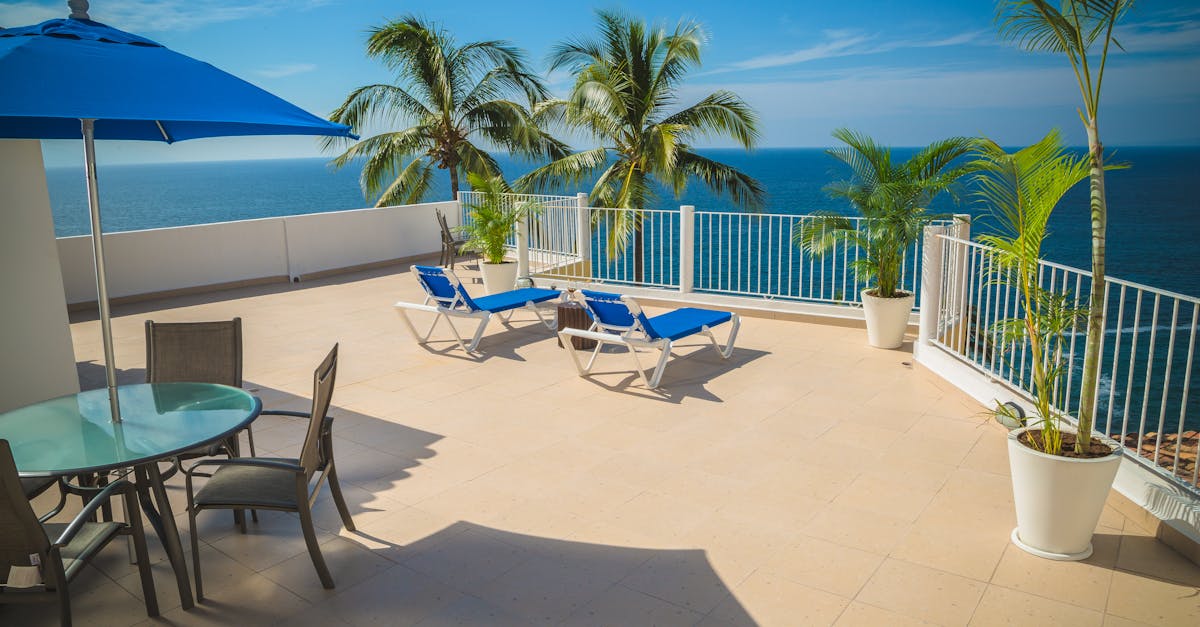
Don’t let limited sunlight deter you from creating a lush and vibrant garden on your balcony. Embrace the beauty of shade by selecting plants that thrive in low-light conditions. Utilize techniques like harnessing natural light, choosing the right soil and containers, and providing proper care to cultivate a thriving ecosystem. With some planning and creativity, you can transform your shaded balcony into a flourishing garden oasis.
In this comprehensive guide, we’ll delve into the art of growing a vibrant shade garden in balcony spaces, covering essential aspects such as plant selection, creating a thriving ecosystem, container gardening techniques, ongoing care and maintenance, and inspiring design ideas. By following these tips and recommendations, you’ll be well-equipped to create a beautiful and thriving garden that enhances your outdoor space and brings a touch of nature to your urban living.
1. Embracing the Beauty of Shade
When creating a shade garden on your balcony, it’s essential to embrace the unique characteristics of this environment. Unlike gardens with ample sunlight, shade gardens require careful plant selection and strategic use of available light.
Begin by understanding the amount of shade your balcony receives throughout the day. Observe the sun’s path and identify areas that receive dappled or indirect light for most of the day. These areas are ideal for shade-loving plants.
Next, choose plants that are well-suited to low-light conditions. Look for plants with dark green or variegated leaves, as they are more efficient at capturing available light. Some popular shade-tolerant plants for balconies include hostas, ferns, begonias, impatiens, and coleus.
Finally, make the most of the available light by positioning your plants strategically. Place taller plants in areas with more shade, and shorter plants in areas with brighter light. You can also use reflective surfaces, such as white walls or mirrors, to bounce light onto your plants.
Plant Selection for Shade Lovers
When selecting plants for your balcony shade garden, it’s important to choose varieties that are well-suited to low-light conditions. Some popular shade-tolerant plants include:
-
Hostas: Hostas are known for their large, variegated leaves that come in a variety of colors, from deep green to bright gold. They are relatively low-maintenance and can tolerate a wide range of soil conditions.
-
Ferns: Ferns are another great option for shade gardens. They come in a wide variety of shapes and sizes, from delicate maidenhair ferns to large, arching sword ferns. Ferns prefer moist, well-drained soil.
-
Begonias: Begonias are popular for their colorful flowers and foliage. They come in a wide variety of colors, from bright reds and pinks to soft whites and yellows. Begonias prefer well-drained soil and regular watering.
-
Impatiens: Impatiens are known for their prolific blooming habit. They produce masses of colorful flowers in a wide range of colors, including red, pink, white, and purple. Impatiens prefer moist, well-drained soil and regular watering.
-
Coleus: Coleus is grown for its colorful foliage. The leaves come in a wide variety of colors and patterns, from deep reds and purples to bright greens and yellows. Coleus prefers well-drained soil and regular watering.
Harnessing Natural Light
Once you have selected plants that are well-suited to low-light conditions, you can take steps to maximize the amount of natural light that reaches them. Here are a few tips:
-
Choose the right balcony orientation: If possible, choose a balcony that faces north or east. These orientations receive more indirect light than balconies that face south or west.
-
Utilize reflective surfaces: You can use reflective surfaces, such as white walls or mirrors, to bounce light onto your plants. This is a great way to brighten up shady areas and give your plants a boost of light.
-
Employ grow lights: If your balcony does not receive enough natural light, you can supplement with grow lights. Grow lights are artificial lights that provide plants with the specific wavelengths of light they need to photosynthesize and grow.
By following these tips, you can help your shade-loving plants thrive on your balcony.
2. Creating a Thriving Ecosystem
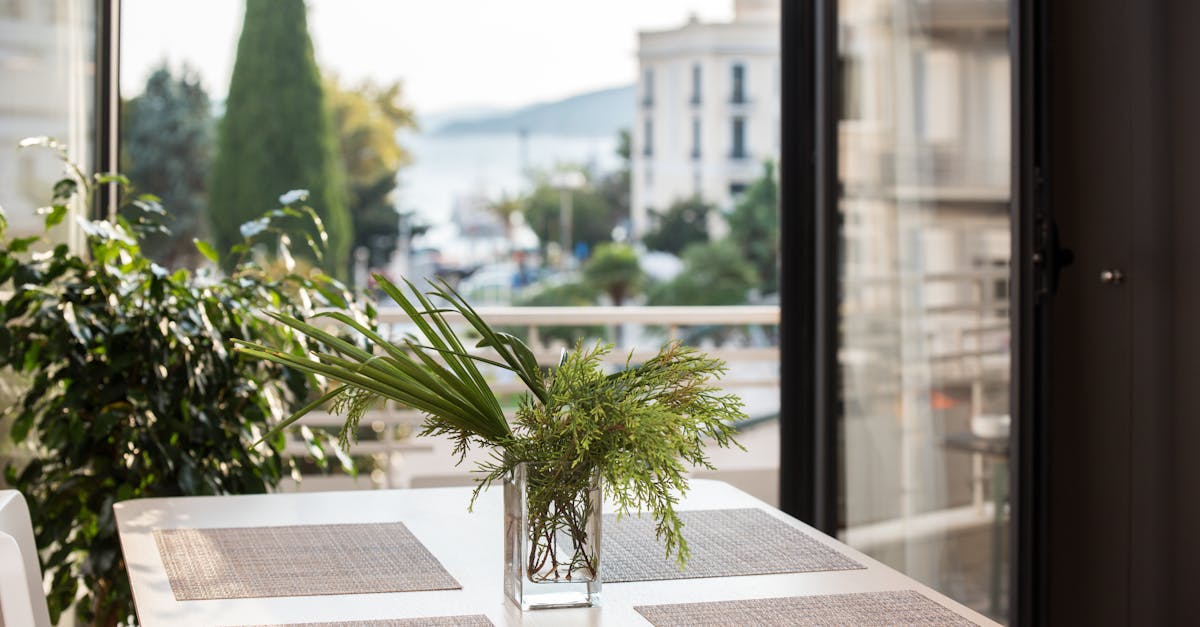
In addition to providing adequate light, it is also important to create a thriving ecosystem for your shade-loving plants. This means providing them with the right soil, drainage, and nutrients.
Soil: The best soil for shade gardens is well-drained and rich in organic matter. Organic matter helps to retain moisture and nutrients, and it also improves soil structure. You can add organic matter to your soil by mixing in compost or peat moss.
Drainage: Good drainage is essential for preventing root rot. Make sure your containers have drainage holes, and that the soil is not too compacted. If your soil is compacted, you can improve drainage by adding perlite or vermiculite.
Nutrients: Shade-loving plants need regular fertilization to provide them with the nutrients they need to grow and thrive. You can fertilize your plants with a balanced fertilizer, or with a fertilizer that is specifically designed for shade gardens.
By following these tips, you can create a thriving ecosystem for your shade-loving plants.
Choosing the Right Soil
When choosing soil for your shade garden, it is important to select a well-draining and nutrient-rich mix. This will help to ensure that your plants have the best possible start and that they are able to thrive in their environment.
Well-draining soil is essential for preventing root rot. When soil is too compacted, it can prevent water from draining away properly, which can lead to waterlogged roots. This can create an ideal environment for harmful bacteria and fungi to grow, which can damage or even kill your plants.
Nutrient-rich soil is important for providing your plants with the nutrients they need to grow and thrive. Shade-loving plants typically have lower nutrient needs than sun-loving plants, but they still need to be fertilized regularly to ensure that they are getting the nutrients they need.
There are a number of different potting mixes available that are specifically formulated for shade gardens. These mixes typically contain a blend of peat moss, compost, and perlite or vermiculite. These ingredients help to create a well-draining and nutrient-rich environment that is ideal for shade-loving plants.
When choosing a potting mix, be sure to read the label carefully to make sure that it is appropriate for the type of plants you are growing. You should also make sure that the mix is well-draining and that it contains a sufficient amount of organic matter.
Drainage and Watering Practices
Proper drainage is essential for preventing root rot, a common problem in shade gardens. Root rot occurs when the roots of a plant are constantly wet, which can lead to the development of harmful bacteria and fungi. These organisms can damage or even kill the plant.
To prevent root rot, it is important to make sure that your containers have drainage holes. These holes allow excess water to drain away from the roots, preventing them from becoming waterlogged. You can also improve drainage by adding perlite or vermiculite to your potting mix. These materials help to create a well-drained environment that is ideal for shade-loving plants.
In addition to providing proper drainage, it is also important to establish a regular watering schedule. Shade-loving plants typically need less water than sun-loving plants, but they still need to be watered regularly to maintain moisture levels. The best way to water your plants is to water them deeply and infrequently. This allows the water to penetrate deep into the soil, where it can be absorbed by the roots.
Avoid overwatering your plants, as this can lead to root rot. A good rule of thumb is to water your plants when the top inch of soil is dry to the touch. You can also check the moisture level of the soil by inserting your finger into the soil. If the soil feels dry up to your first knuckle, it is time to water your plants.
Fertilizing for Success
Regular fertilization is essential for promoting healthy growth and vibrant foliage in shade-loving plants. Shade-loving plants typically have lower nutrient needs than sun-loving plants, but they still need to be fertilized regularly to ensure that they are getting the nutrients they need.
When choosing a fertilizer for your shade garden, it is important to select a balanced fertilizer that contains nitrogen, phosphorus, and potassium. Nitrogen is essential for leaf growth, phosphorus is essential for root growth, and potassium is essential for overall plant health.
It is also important to consider the release rate of the fertilizer. Slow-release fertilizers release nutrients over a period of time, which can help to prevent nutrient burn. Fast-release fertilizers release nutrients quickly, which can be beneficial for plants that are actively growing.
The specific fertilizer needs of your plants will vary depending on the type of plants you are growing. Some plants, such as ferns, have low nutrient needs, while other plants, such as hostas, have higher nutrient needs. Be sure to read the label of the fertilizer carefully to determine the appropriate application rate for your plants.
As a general rule, it is best to fertilize your shade-loving plants once a month during the growing season. However, you may need to fertilize more frequently if your plants are showing signs of nutrient deficiency. Signs of nutrient deficiency include yellowing leaves, stunted growth, and poor flowering.
3. Container Gardening Techniques
When container gardening in shade, it is important to select appropriate containers, ensure proper drainage, and maximize space utilization.
Selecting appropriate containers: When choosing containers for your shade garden, it is important to consider the size, shape, and material of the container. The size of the container should be appropriate for the size of the plant you are growing. The shape of the container should be such that it allows for good drainage. And the material of the container should be durable and able to withstand the elements.
Ensuring proper drainage: Good drainage is essential for preventing root rot, a common problem in container gardening. Make sure that your containers have drainage holes. You can also improve drainage by adding a layer of gravel or broken pottery to the bottom of the container.
Maximizing space utilization: Space is often limited when container gardening on a balcony. To maximize space utilization, you can use vertical gardening techniques, such as trellises or hanging baskets. You can also use containers that are stackable or that can be hung on walls.
By following these tips, you can create a beautiful and thriving container garden on your balcony, even in shady conditions.
Choosing the Perfect Pots
When choosing pots for your shade garden, there are a few factors to consider: size, drainage holes, and material.
Size: The size of the pot should be appropriate for the size of the plant you are growing. A good rule of thumb is to choose a pot that is about one-third the size of the plant. This will give the plant enough room to grow without becoming rootbound.
Drainage holes: Drainage holes are essential for preventing root rot. Make sure that the pots you choose have drainage holes in the bottom. You can also improve drainage by adding a layer of gravel or broken pottery to the bottom of the pot.
Material: The material of the pot is also important to consider. Some materials, such as terracotta, are porous and allow water to evaporate easily. This can be beneficial in hot, dry climates. Other materials, such as plastic, are non-porous and retain moisture well. This can be beneficial in cold, wet climates.
Aesthetics: In addition to the practical considerations, you should also consider the aesthetics of the pots you choose. The pots should complement the plants you are growing and the overall design of your shade garden.
By following these tips, you can choose the perfect pots for your shade garden.
Drainage Essentials
Ensuring adequate drainage is essential for preventing waterlogging, which can lead to root rot and other problems. There are two main ways to ensure adequate drainage: drilling drainage holes or using specialized containers with built-in drainage systems.
Drilling drainage holes: If you are using pots without drainage holes, you can drill your own holes using a drill or a hole punch. Make sure to drill the holes near the bottom of the pot, and make them large enough to allow excess water to drain away easily.
Using specialized containers with built-in drainage systems: There are a number of specialized containers available that have built-in drainage systems. These systems typically use a false bottom or a reservoir to collect excess water, which allows the roots of the plant to stay dry.
No matter which method you choose, it is important to make sure that your containers have adequate drainage. This will help to prevent waterlogging and ensure that your plants stay healthy and thriving.
Vertical Gardening and Space Optimization
Vertical gardening techniques can be used to maximize space and create visual interest in a shade garden. Some popular vertical gardening techniques include:
Trellises: Trellises are a great way to support climbing plants, such as ivy or clematis. They can be made from a variety of materials, such as wood, metal, or plastic.
Hanging baskets: Hanging baskets are a great way to add color and interest to a shade garden. They can be used to grow a variety of plants, such as flowers, herbs, or vegetables.
Cascading planters: Cascading planters are a great way to create a dramatic effect in a shade garden. They can be used to grow a variety of plants, such as ferns, succulents, or trailing flowers.
Vertical gardening techniques can be used to create a beautiful and thriving shade garden, even in a small space. By using a variety of techniques, you can create a garden that is both functional and visually appealing.
4. Care and Maintenance
Ongoing care and maintenance are essential for keeping a shade garden healthy and thriving. This includes pruning, pest management, and seasonal adjustments.
Pruning: Pruning is an important part of shade garden care. It helps to remove dead or diseased leaves and stems, and it can also encourage new growth. Pruning can also be used to shape plants and control their size.
Pest management: Pests can be a problem in any garden, but they can be especially damaging to shade gardens. This is because the lack of sunlight can make it difficult for plants to recover from pest damage. There are a number of different ways to manage pests in a shade garden, including using pesticides, traps, and barriers.
Seasonal adjustments: Shade gardens require some seasonal adjustments to keep them healthy and thriving. In the spring, it is important to fertilize your plants and to remove any dead or diseased leaves. In the summer, it is important to water your plants regularly and to protect them from the sun. In the fall, it is important to remove any fallen leaves and to mulch your plants. In the winter, it is important to protect your plants from the cold.
By following these care and maintenance tips, you can keep your shade garden healthy and thriving for years to come.
Pruning for Health and Aesthetics
Regular pruning is essential for maintaining the health and aesthetics of shade-loving plants. Pruning removes dead or diseased foliage, encourages bushier growth, and enhances the overall shape of the plants.
Remove dead or diseased foliage: Dead or diseased foliage can harbor pests and diseases, so it is important to remove it as soon as possible. Pruning can also help to improve the appearance of your plants by removing any unsightly or damaged leaves.
Encourage bushier growth: Pruning can encourage bushier growth by removing the tips of stems. This stimulates the growth of new shoots, which can help to create a fuller and more attractive plant.
Enhance the overall shape of the plants: Pruning can be used to shape plants and control their size. This is especially important for shade-loving plants, which can often become leggy and overgrown if they are not pruned regularly.
By following these pruning tips, you can keep your shade-loving plants healthy and looking their best.
Managing Pests and Diseases
Monitoring your plants for pests and diseases is an important part of keeping your shade garden healthy. Pests and diseases can quickly spread and damage your plants, so it is important to catch them early and take steps to control them.
Preventive measures: There are a number of preventive measures you can take to reduce the risk of pests and diseases in your shade garden. These include:
- Choosing resistant plants: Some plants are more resistant to pests and diseases than others. When choosing plants for your shade garden, look for varieties that are known to be resistant to common pests and diseases.
- Keeping your garden clean: Remove any dead or diseased plant material from your garden, as this can attract pests and diseases.
- Watering your plants properly: Water your plants at the base of the plant, and avoid getting the leaves wet. Wet leaves can create an environment that is conducive to fungal diseases.
- Fertilizing your plants regularly: Healthy plants are more resistant to pests and diseases. Fertilize your plants regularly to help them stay healthy and strong.
Control methods: If you do find pests or diseases in your shade garden, there are a number of control methods you can use. These include:
- Organic control methods: Organic control methods involve using natural products to control pests and diseases. Some common organic control methods include using insecticidal soap, neem oil, and garlic spray.
- Chemical control methods: Chemical control methods involve using synthetic pesticides to control pests and diseases. Chemical control methods should only be used as a last resort, as they can be harmful to the environment and to beneficial insects.
By following these tips, you can help to keep your shade garden free of pests and diseases.
Seasonal Adjustments
Shade gardens require some seasonal adjustments to keep them healthy and thriving. These adjustments include protecting plants from extreme temperatures, reducing watering during winter, and providing additional light as needed.
Protecting plants from extreme temperatures: In the summer, it is important to protect your plants from the sun and heat. You can do this by providing shade for your plants, or by moving them to a cooler location. In the winter, it is important to protect your plants from the cold. You can do this by mulching around your plants, or by covering them with a blanket or tarp.
Reducing watering during winter: During the winter, your plants will need less water. This is because the plants are not actively growing during this time. Overwatering your plants during the winter can lead to root rot.
Providing additional light as needed: If your shade garden does not receive enough natural light, you may need to provide additional light for your plants. You can do this by using grow lights or by moving your plants to a brighter location.
By following these seasonal adjustments, you can help your shade garden thrive all year round.
5. Shaded Balcony Inspiration
Shade gardens can be just as beautiful and vibrant as sun gardens, even in the limited space of a balcony. With the right plant combinations, design ideas, and care tips, you can create a stunning shaded oasis on your balcony that you can enjoy all year round.
Plant combinations: When choosing plants for your shaded balcony garden, it is important to select varieties that are tolerant of low light conditions. Some good choices include hostas, ferns, begonias, impatiens, and coleus. You can also add some colorful annuals, such as petunias or lobelia, to brighten up your garden.
Design ideas: When designing your shaded balcony garden, it is important to make the most of the available space. You can use vertical gardening techniques, such as trellises or hanging baskets, to maximize space and create a lush and layered look. You can also use different colors and textures to create visual interest.
Care tips: Shade gardens require some special care to keep them healthy and thriving. Be sure to water your plants regularly, especially during hot and dry weather. You should also fertilize your plants every few weeks to provide them with the nutrients they need. And be sure to protect your plants from pests and diseases.
Showcasing Successful Shade Gardens
There are many beautiful examples of flourishing shade gardens on balconies around the world. Here are a few to inspire you:
1. A lush and layered shade garden on a small balcony: This garden makes the most of vertical space by using trellises and hanging baskets. A variety of plants, including ferns, hostas, and begonias, create a lush and layered look.
2. A colorful and inviting shade garden on a larger balcony: This garden features a mix of annuals and perennials, creating a colorful and inviting space. The use of different colors and textures adds visual interest.
3. A tranquil and serene shade garden on a balcony with a view: This garden features a mix of Japanese maples, ferns, and bamboo. The use of natural materials and calming colors creates a tranquil and serene space.
These are just a few examples of the many beautiful shade gardens that can be created on balconies. With the right plant choices, container arrangements, and design elements, you can create a stunning and inviting outdoor space that you can enjoy all year round.
Expert Tips and Design Inspiration
In addition to the practical tips and design ideas provided in this article, here are some insights and recommendations from gardening experts:
1. Choose the right plants: When choosing plants for your shade garden, it is important to select varieties that are tolerant of low light conditions. Some good choices include hostas, ferns, begonias, impatiens, and coleus. You can also add some colorful annuals, such as petunias or lobelia, to brighten up your garden.
2. Create a focal point: Every garden needs a focal point. This could be a large plant, a water feature, or even a piece of art. The focal point will draw the eye and create a sense of interest.
3. Use vertical space: Shade gardens can often feel cramped, so it is important to make the most of vertical space. You can use trellises, hanging baskets, and wall-mounted planters to create a lush and layered look.
4. Add some color: Even though shade gardens don’t receive a lot of sunlight, that doesn’t mean they have to be drab. You can add some color to your garden with colorful foliage, flowers, and accessories.
5. Don’t forget about drainage: Drainage is important for all gardens, but it is especially important for shade gardens. Make sure your containers have drainage holes and that the soil is well-draining.
Quiz
1. True or False: Shade gardens require more sunlight than sun gardens.
2. Which of the following is NOT a good choice for a shade garden plant? (a) Hostas (b) Ferns (c) Begonias (d) Sunflowers
3. What is the most important thing to consider when choosing soil for a shade garden? (a) Drainage (b) pH level (c) Nutrient content (d) All of the above
4. True or False: Shade gardens should be fertilized more frequently than sun gardens.
5. Which of the following is a good way to maximize space in a shade garden? (a) Using vertical gardening techniques (b) Planting tall plants in the front (c) Avoiding the use of containers (d) None of the above
Answer Key
- False
- (d) Sunflowers
- (a) Drainage
- False
- (a) Using vertical gardening techniques
Unlock the Greenery Potential of Your Balcony: A Guide to Thriving Plants in Compact Spaces Attention all balcony-dwelling plant enthusiasts! Read more
Transform Your Balcony into a Flourishing Garden Oasis: A Step-by-Step Guide Beginning a balcony garden can be a fulfilling endeavor, Read more
Unlocking the Potential of Vertical Gardening on Balconies Are you tired of your cramped balcony but still longing for a Read more
Aromatic Delights: Cultivating Herbs on Your Balcony Oasis Whether you're a seasoned gardener or just starting out, growing herbs on Read more