
Savor the Freshness: A Culinary Paradise on Your Balcony
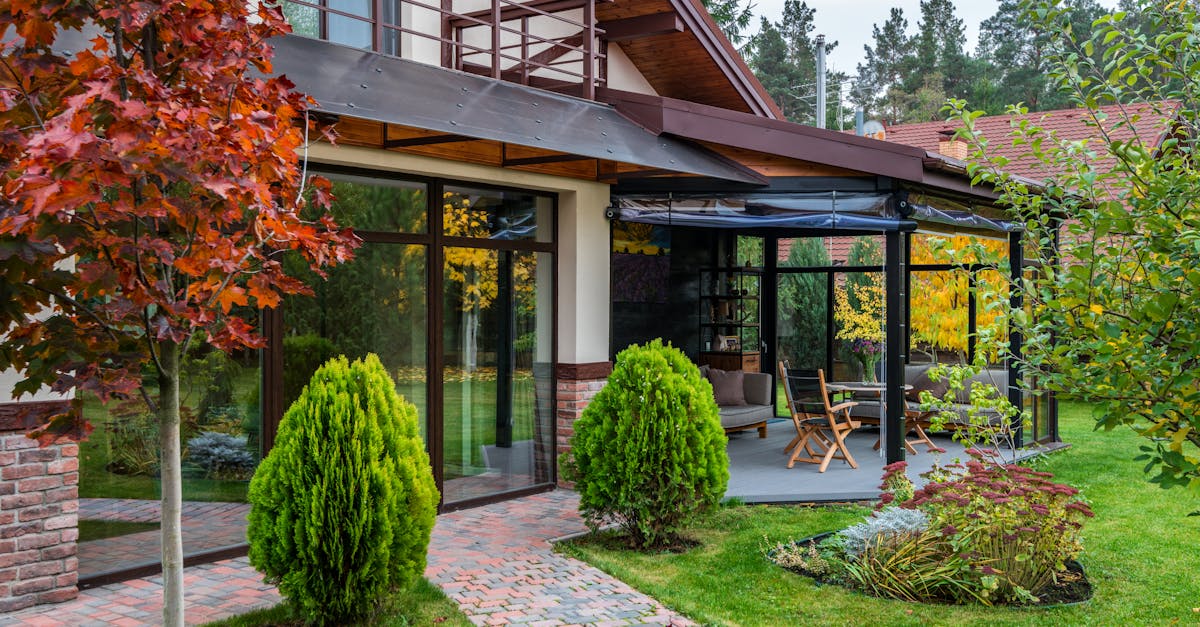
Transform Your Balcony into a Lush Oasis: A Balcony Garden Bursting with Kitchen Staples
Balcony gardening offers a unique opportunity to cultivate a verdant oasis while enjoying the convenience of urban living. This article provides a comprehensive guide to help you create a thriving balcony garden brimming with culinary delights. Learn the secrets of selecting the ideal plants, mastering container gardening, embracing vertical gardening techniques, and harvesting your homegrown produce. Whether you’re a seasoned gardener or an aspiring green thumb, this guide will empower you to unlock the potential of your balcony and transform it into a vibrant and productive space.
Eager to elevate your culinary creations and relish the unparalleled freshness of homegrown ingredients? Balcony gardening empowers you to do just that. By carefully selecting plants, mastering container gardening techniques, embracing vertical space, and employing organic pest control measures, you can cultivate a thriving oasis that will not only beautify your surroundings but also provide you with an abundance of fresh, flavorful produce. This comprehensive guide will equip you with the knowledge and inspiration to transform your balcony into a vibrant kitchen garden that will delight your senses and nourish your well-being.
1. Creating the Ideal Environment
Creating the Ideal Environment: The Foundation of a Flourishing Balcony Garden
Establishing the ideal environment is the cornerstone of a flourishing balcony garden. Begin by selecting a balcony that receives ample sunlight, ensuring at least six hours of direct sunlight per day. This is essential for photosynthesis, the process by which plants convert sunlight into energy. If your balcony doesn’t receive enough natural light, consider supplementing with grow lights.
Next, prepare the soil. Invest in high-quality potting mix specifically designed for container gardening. Look for a mix that is well-draining and contains organic matter to provide nutrients for your plants. Avoid using garden soil, as it can become compacted and waterlogged in containers.
Finally, ensure proper drainage. Excess water can lead to root rot and other problems, so make sure your containers have drainage holes. You can also place a layer of gravel or pebbles at the bottom of the container to improve drainage.
Selecting the Right Balcony
Selecting the Right Balcony: Choose a Balcony with Adequate Sunlight, Ample Space, and Proper Drainage
When selecting a balcony for your garden, there are three key factors to consider: sunlight, space, and drainage.
Sunlight: Most vegetables and herbs need at least six hours of direct sunlight per day. If your balcony doesn’t receive enough natural light, you may need to supplement with grow lights. Pay attention to the orientation of your balcony. South-facing balconies receive the most sunlight, while north-facing balconies receive the least. East- and west-facing balconies receive sunlight for part of the day.
Space: Consider the size of your balcony and the amount of space you have for gardening. If you have a small balcony, you’ll need to choose plants that are compact and don’t require a lot of space. You can also use vertical gardening techniques to maximize space.
Drainage: Proper drainage is essential for preventing root rot and other problems. Make sure your balcony has drainage holes to allow excess water to escape. You can also place a layer of gravel or pebbles at the bottom of containers to improve drainage.
Preparing the Soil
Preparing the Soil: Invest in High-Quality Potting Mix that Meets the Specific Needs of Your Plants
The soil you use for your balcony garden is crucial for plant growth. Avoid using garden soil, as it can become compacted and waterlogged in containers. Instead, invest in high-quality potting mix specifically designed for container gardening. Look for a mix that is well-draining and contains organic matter to provide nutrients for your plants.
When choosing a potting mix, consider the specific needs of your plants. Some plants, such as tomatoes and peppers, prefer a slightly acidic soil, while others, such as herbs, prefer a more neutral pH. You can also amend the potting mix with additional organic matter, such as compost or manure, to improve soil fertility.
Once you have chosen a potting mix, fill your containers to within an inch of the top. Gently firm the soil around the base of the plants, but avoid packing it too tightly.
Providing Sunlight and Ventilation
Providing Sunlight and Ventilation: Ensure Your Plants Receive the Necessary Sunlight and Airflow for Optimal Photosynthesis
Sunlight is essential for photosynthesis, the process by which plants convert sunlight into energy. Most vegetables and herbs need at least six hours of direct sunlight per day. If your balcony doesn’t receive enough natural light, you may need to supplement with grow lights.
In addition to sunlight, your plants also need good ventilation. Air circulation helps to prevent fungal diseases and other problems. Make sure your balcony is well-ventilated, and avoid overcrowding your plants.
If your balcony is enclosed, you may need to open windows or doors to provide ventilation. You can also use a fan to circulate the air.
2. Choosing the Perfect Plants
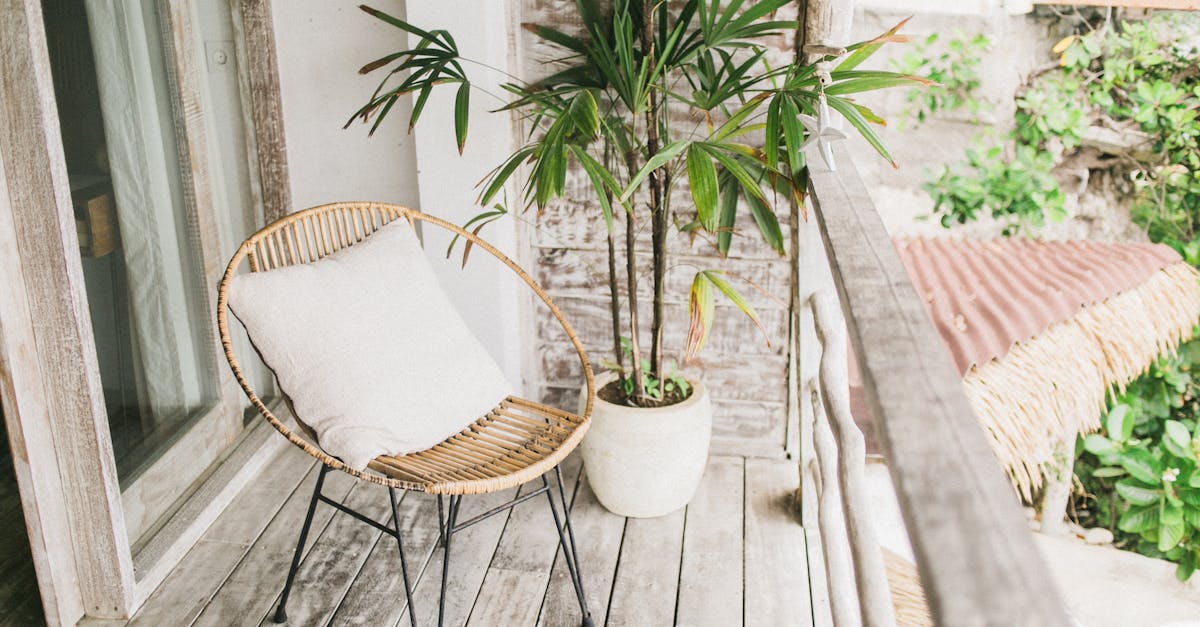
Choosing the Perfect Plants: Not All Plants Are Created Equal for Balcony Gardening. Here’s How to Select the Most Suitable Ones.
Not all plants are suited for balcony gardening. When choosing plants for your balcony garden, there are a few things to keep in mind:
- Sun exposure: Consider the amount of sunlight your balcony receives and choose plants that are suited to those conditions. If your balcony doesn’t receive much sunlight, you’ll need to choose plants that can tolerate shade.
- Space: Consider the size of your balcony and the amount of space you have for gardening. If you have a small balcony, you’ll need to choose plants that are compact and don’t require a lot of space.
- Growing season: Consider the length of your growing season. If you live in a climate with a short growing season, you’ll need to choose plants that mature quickly.
With these factors in mind, here are a few tips for choosing the perfect plants for your balcony garden:
- Herbs: Herbs are a great choice for balcony gardens because they are relatively easy to grow and don’t require a lot of space. Some popular herbs for balcony gardens include basil, parsley, cilantro, and thyme.
- Vegetables: There are many vegetables that can be grown in containers on a balcony. Some popular choices include tomatoes, peppers, cucumbers, and leafy greens.
- Fruits: Some fruits can also be grown in containers on a balcony. Some popular choices include strawberries, blueberries, and dwarf citrus trees.
Herbs for Culinary Delights
Herbs for Culinary Delights: Grow a Variety of Herbs Such as Basil, Parsley, Oregano, and Thyme, Adding Freshness and Flavor to Your Dishes
Herbs are a great addition to any balcony garden. They are relatively easy to grow, don’t require a lot of space, and can add a lot of flavor to your dishes. Some of the most popular herbs for balcony gardens include:
- Basil: Basil is a versatile herb that can be used in a variety of dishes, from pasta sauces to salads. It is also a good source of vitamins A and C.
- Parsley: Parsley is a biennial herb that is often used as a garnish. It is also a good source of vitamins A, C, and K.
- Oregano: Oregano is a perennial herb that is often used in Italian dishes. It is also a good source of antioxidants.
- Thyme: Thyme is a perennial herb that is often used in Mediterranean dishes. It is also a good source of iron and manganese.
These are just a few of the many herbs that you can grow in your balcony garden. With a little care and attention, you can enjoy fresh, flavorful herbs all season long.
Vegetables for Freshness
Vegetables for Freshness: Discover Compact Vegetable Varieties Ideal for Containers, Including Tomatoes, Peppers, Cucumbers, and Leafy Greens
Growing vegetables in containers is a great way to enjoy fresh, homegrown produce even if you don’t have a lot of space. There are many different types of vegetables that can be grown in containers, including tomatoes, peppers, cucumbers, and leafy greens.
When choosing vegetables to grow in containers, it is important to select compact varieties that are well-suited to container gardening. Some popular compact vegetable varieties for containers include:
- Tomatoes: There are many different compact tomato varieties that are ideal for container gardening. Some popular choices include ‘Patio’, ‘Celebrity’, and ‘Sweet Million’.
- Peppers: Peppers are another great option for container gardening. Some popular compact pepper varieties include ‘Lunch Box’, ‘Sweet Bite’, and ‘Gypsy’.
- Cucumbers: Cucumbers can also be grown in containers, but it is important to choose a compact variety. Some popular compact cucumber varieties include ‘Bush Pickle’, ‘Spacemaster’, and ‘Lemon’.
- Leafy greens: Leafy greens are a great way to add nutrition to your diet. Some popular leafy greens that can be grown in containers include lettuce, spinach, and kale.
With a little care and attention, you can enjoy fresh, homegrown vegetables all season long.
Fruits for Sweet Success
Fruits for Sweet Success: Explore the World of Container-Friendly Fruits Like Strawberries, Blueberries, and Dwarf Citrus Trees
Growing fruit in containers is a great way to enjoy fresh, homegrown fruit even if you don’t have a lot of space. There are many different types of fruit that can be grown in containers, including strawberries, blueberries, and dwarf citrus trees.
When choosing fruit to grow in containers, it is important to select varieties that are well-suited to container gardening. Some popular fruit varieties for containers include:
- Strawberries: Strawberries are a popular choice for container gardening because they are relatively easy to grow and produce fruit quickly. Some popular strawberry varieties for containers include ‘Albion’, ‘Seascape’, and ‘Tristar’.
- Blueberries: Blueberries are another great option for container gardening. They are a good source of antioxidants and are relatively easy to grow. Some popular blueberry varieties for containers include ‘Bluecrop’, ‘Patriot’, and ‘Northland’.
- Dwarf citrus trees: Dwarf citrus trees are a great way to add a touch of the tropics to your balcony garden. They are relatively easy to grow and can produce fruit for many years. Some popular dwarf citrus tree varieties for containers include ‘Meyer lemon’, ‘Calamondin orange’, and ‘Kaffir lime’.
With a little care and attention, you can enjoy fresh, homegrown fruit all season long.
3. Mastering Container Gardening
Mastering Container Gardening: Container Selection and Maintenance Are Crucial for Balcony Gardening Success
When it comes to balcony gardening, choosing the right containers is essential for success. Containers should be large enough to accommodate the root systems of your plants, but not so large that they become too heavy or difficult to move. They should also have drainage holes to prevent waterlogging, which can lead to root rot and other problems.
There are many different types of containers available, so you can choose the ones that best suit your needs and the style of your balcony. Some popular options include:
- Plastic containers: Plastic containers are lightweight and inexpensive, making them a good choice for beginners. However, they can be less durable than other materials and may fade or crack over time.
- Terracotta containers: Terracotta containers are made from clay and are porous, which allows water to evaporate from the sides of the container. This can help to prevent overwatering, but it also means that terracotta containers dry out more quickly than other types of containers.
- Ceramic containers: Ceramic containers are similar to terracotta containers, but they are coated with a glaze that makes them less porous. This makes them more durable and better able to retain moisture.
- Wooden containers: Wooden containers are a good choice for a more natural look. However, they require more maintenance than other types of containers and can rot if they are not properly sealed.
Once you have chosen your containers, it is important to maintain them properly. This includes cleaning them regularly to prevent the buildup of algae and other debris, and fertilizing your plants regularly to ensure that they have the nutrients they need to thrive.
Choosing the Right Containers
Choosing the Right Containers: Select Containers with Appropriate Size and Drainage Holes to Support Healthy Root Growth
When choosing containers for your balcony garden, it is important to select the right size and type of container for each plant. The size of the container will depend on the size of the plant’s root system. A general rule of thumb is to choose a container that is at least twice the width of the root ball.
It is also important to choose a container with drainage holes. Drainage holes allow excess water to escape from the container, which prevents waterlogging and root rot. Without drainage holes, water can build up in the container and drown the plant’s roots.
There are many different types of containers available, so you can choose the ones that best suit your needs and the style of your balcony. Some popular options include:
- Plastic containers: Plastic containers are lightweight and inexpensive, making them a good choice for beginners. However, they can be less durable than other materials and may fade or crack over time.
- Terracotta containers: Terracotta containers are made from clay and are porous, which allows water to evaporate from the sides of the container. This can help to prevent overwatering, but it also means that terracotta containers dry out more quickly than other types of containers.
- Ceramic containers: Ceramic containers are similar to terracotta containers, but they are coated with a glaze that makes them less porous. This makes them more durable and better able to retain moisture.
- Wooden containers: Wooden containers are a good choice for a more natural look. However, they require more maintenance than other types of containers and can rot if they are not properly sealed.
Watering and Fertilizing
Watering and Fertilizing: Establish a Regular Watering Schedule and Provide Balanced Fertilization for Nutrient-Rich Soil
Watering and fertilizing are two important aspects of balcony gardening. Watering your plants regularly will help them to grow and thrive, while fertilizing them will provide them with the nutrients they need to produce healthy fruits and vegetables.
Watering: The frequency of watering will vary depending on the type of plants you are growing, the size of your containers, and the climate you live in. A general rule of thumb is to water your plants when the top inch or two of soil feels dry to the touch. When you water your plants, water them deeply so that the water reaches the roots. Avoid overwatering, as this can lead to root rot and other problems.
Fertilizing: Fertilizing your plants regularly will help to ensure that they have the nutrients they need to grow and produce healthy fruits and vegetables. There are many different types of fertilizers available, so choose one that is specifically designed for the type of plants you are growing. Follow the directions on the fertilizer package for how often and how much to apply.
By following a regular watering and fertilizing schedule, you can help your balcony garden thrive.
Managing Pests and Diseases
Managing Pests and Diseases: Learn Organic Pest and Disease Control Methods to Protect Your Precious Plants
Pests and diseases can be a problem for any gardener, but they can be especially challenging for balcony gardeners. This is because balcony gardens are often more exposed to pests and diseases than traditional gardens. However, there are a number of organic pest and disease control methods that you can use to protect your plants.
Prevention is the best way to control pests and diseases. This means keeping your plants healthy and well-watered, and removing any dead or diseased plant material. You should also inspect your plants regularly for signs of pests or diseases. If you catch a problem early, you’ll be able to treat it more easily.
There are a number of natural remedies that you can use to control pests and diseases. These include:
- Insecticidal soap: Insecticidal soap is a natural pesticide that can be used to kill aphids, mealybugs, spider mites, and other soft-bodied insects.
- Neem oil: Neem oil is a natural pesticide and fungicide that can be used to control a wide range of pests and diseases.
- Baking soda: Baking soda can be used to control powdery mildew and other fungal diseases.
- Garlic spray: Garlic spray is a natural insect repellent that can be used to keep pests away from your plants.
If you do have a pest or disease problem, it is important to identify the problem correctly before you start treatment. This will help you to choose the most effective treatment method. You can find information on identifying and treating pests and diseases online or at your local garden center.
4. Vertical Gardening Techniques
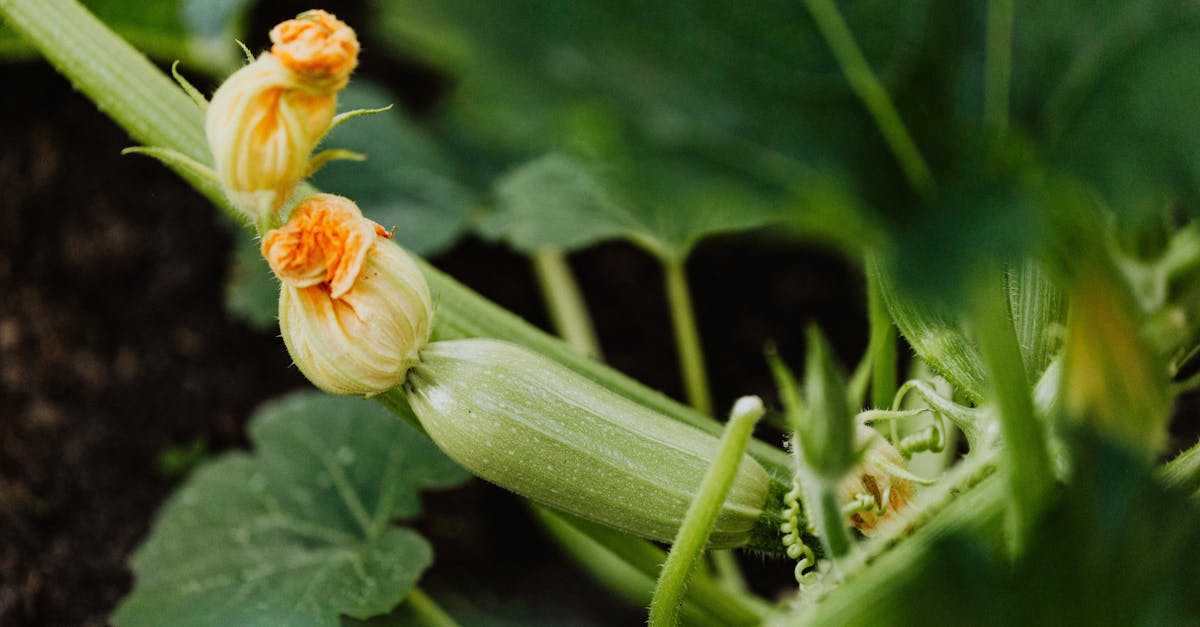
Vertical Gardening Techniques: Maximize Space and Grow More on Your Balcony with Vertical Gardening Techniques
Vertical gardening is a great way to maximize space on your balcony and grow more plants. Vertical gardening techniques can be used to grow a variety of plants, including vegetables, herbs, and flowers.
There are many different vertical gardening techniques to choose from. Some popular options include:
- Trellises and supports: Trellises and supports can be used to train climbing plants to grow upwards. This is a great way to save space and add height to your balcony garden.
- Vertical planters: Vertical planters are designed to be hung on walls or fences. They are a great way to grow plants in small spaces.
- Stacked planters: Stacked planters are a great way to grow multiple plants in a small space. They can be stacked vertically to create a mini-garden.
Vertical gardening techniques are a great way to add more plants to your balcony without taking up too much space. With a little creativity, you can create a beautiful and productive vertical garden on your balcony.
Trellises and Supports
Trellises and Supports: Utilize Trellises and Supports to Train Climbing Plants Upwards
Trellises and supports are a great way to train climbing plants to grow upwards. This is a great way to save space and add height to your balcony garden. Climbing plants can also be used to create privacy screens or add a touch of greenery to your balcony.
There are many different types of trellises and supports available. Some popular options include:
- Wooden trellises: Wooden trellises are a classic choice for climbing plants. They are available in a variety of sizes and styles, so you can find one that fits your needs and the style of your balcony.
- Metal trellises: Metal trellises are a more durable option than wooden trellises. They are also available in a variety of styles, so you can find one that matches the décor of your balcony.
- Plastic trellises: Plastic trellises are a lightweight and inexpensive option. They are also easy to clean and maintain.
- Natural supports: You can also use natural supports, such as branches or bamboo poles, to train climbing plants. This is a great way to add a rustic touch to your balcony garden.
When choosing a trellis or support for your climbing plants, consider the size and weight of the plants you will be growing. You should also consider the style of your balcony and the amount of space you have available.
Vertical Planters
Vertical Planters: Invest in Dedicated Vertical Planters Designed for Maximum Plant Density and Efficient Space Utilization
Vertical planters are designed to be hung on walls or fences. They are a great way to grow plants in small spaces. Vertical planters are also a good way to add a touch of greenery to your balcony and create a living wall.
There are many different types of vertical planters available. Some popular options include:
- Wall-mounted planters: Wall-mounted planters are a great way to add a touch of greenery to your balcony without taking up too much space. They are available in a variety of sizes and styles, so you can find one that fits your needs and the style of your balcony.
- Hanging planters: Hanging planters are a great way to add a touch of whimsy to your balcony. They are also a good way to grow plants that need a lot of sunlight.
- Vertical garden systems: Vertical garden systems are a great way to grow a lot of plants in a small space. They are available in a variety of sizes and styles, so you can find one that fits your needs and the style of your balcony.
When choosing a vertical planter, consider the size and weight of the plants you will be growing. You should also consider the style of your balcony and the amount of space you have available.
5. Harvesting and Enjoying
Harvesting and Enjoying: The Sweet Rewards of Your Balcony Garden Await. Here’s How to Harvest and Savor the Fruits of Your Labor
Harvesting your homegrown produce is one of the most rewarding parts of balcony gardening. When you harvest your plants, you’re not only enjoying the fruits of your labor, but you’re also getting the freshest, most nutritious produce possible.
Here are a few tips for harvesting your balcony garden:
- Harvest your plants at the right time. The best time to harvest your plants will vary depending on the type of plant. For example, tomatoes should be harvested when they are fully ripe and have a deep red color. Cucumbers should be harvested when they are firm and have a slightly yellow tint.
- Use clean tools. When you harvest your plants, use clean tools to avoid spreading diseases. You can use a sharp knife or scissors to cut your plants.
- Handle your plants carefully. When you harvest your plants, handle them carefully to avoid bruising or damaging them. Gently place your harvested produce in a basket or container.
Once you have harvested your plants, you can enjoy them fresh, or you can preserve them for later use. Here are a few ideas for preserving your harvest:
- Freezing: Freezing is a great way to preserve your harvest for later use. You can freeze fruits, vegetables, and herbs. To freeze your produce, simply wash and cut it into pieces, and then place it in freezer-safe bags or containers.
- Canning: Canning is another great way to preserve your harvest. You can can fruits, vegetables, and meats. To can your produce, you will need to follow a specific canning recipe. You can find canning recipes online or in canning books.
- Drying: Drying is a great way to preserve herbs and fruits. To dry your produce, simply wash and cut it into pieces, and then place it on a drying rack in a warm, dry place.
Harvesting Techniques
Harvesting Techniques: Learn Proper Harvesting Techniques to Maintain Plant Health and Preserve Produce Quality
Harvesting your balcony garden at the right time and using the proper techniques is essential for maintaining plant health and preserving produce quality. Here are a few tips for harvesting your plants:
- Use sharp tools. When harvesting your plants, use sharp tools to make clean cuts. This will help to prevent bruising and damage to the plants.
- Harvest fruits and vegetables when they are ripe. The best time to harvest fruits and vegetables is when they are fully ripe. This will ensure that they have the best flavor and nutritional value.
- Handle your plants carefully. When harvesting your plants, handle them carefully to avoid bruising or damaging them. Gently place your harvested produce in a basket or container.
- Harvest leafy greens regularly. Leafy greens, such as lettuce and spinach, can be harvested regularly throughout the growing season. Simply cut the leaves you need, and the plant will continue to produce new leaves.
- Deadhead flowers. Deadheading flowers is the process of removing spent blooms. This will encourage the plant to produce more flowers and will also help to prevent the spread of diseases.
Savoring the Flavors
Savoring the Flavors: Delight in the Freshness and Nutrient-Rich Flavors of Homegrown Produce
There’s nothing quite like the taste of fresh, homegrown produce. When you grow your own food, you can control the growing conditions and avoid the use of pesticides and herbicides. This results in produce that is not only delicious, but also more nutritious than store-bought produce.
Here are a few tips for savoring the flavors of your homegrown produce:
- Eat your produce fresh. The best way to enjoy the flavor of your homegrown produce is to eat it fresh. This will give you the full benefit of the nutrients and flavors that your produce has to offer.
- Use your produce in recipes. You can also use your homegrown produce in recipes. This is a great way to add flavor and nutrition to your meals.
- Preserve your produce. If you have a lot of produce, you can preserve it for later use. There are many different ways to preserve produce, such as freezing, canning, and drying.
No matter how you choose to enjoy it, homegrown produce is a delicious and nutritious way to add flavor and variety to your diet.
Preservation Ideas
Preservation Ideas: Explore Methods for Preserving Your Harvest, Such as Freezing, Canning, and Drying
Preserving your harvest is a great way to enjoy the fruits of your labor all year long. There are many different methods of preservation, so you can choose the one that best suits your needs and the type of produce you have.
Here are a few of the most popular methods of preservation:
- Freezing: Freezing is a great way to preserve fruits, vegetables, and herbs. Simply wash and cut your produce into pieces, and then place it in freezer-safe bags or containers. Frozen produce can be stored for up to several months.
- Canning: Canning is another great way to preserve fruits, vegetables, and meats. To can your produce, you will need to follow a specific canning recipe. You can find canning recipes online or in canning books. Canned goods can be stored for up to a year or more.
- Drying: Drying is a great way to preserve herbs and fruits. To dry your produce, simply wash and cut it into pieces, and then place it on a drying rack in a warm, dry place. Dried produce can be stored for several months.
Preserving your harvest is a great way to reduce food waste and enjoy the fruits of your labor all year long. So next time you have a bumper crop, be sure to try one of these preservation methods.
Quiz
- What is the most important factor to consider when selecting a balcony for a garden?
(a) Size of the balcony (b) Sunlight exposure (c) Type of railing (d) Location of the balcony
- Which type of soil is best for container gardening?
(a) Garden soil (b) Potting mix (c) Compost (d) Sand
- What is the best way to prevent root rot in container plants?
(a) Water the plants frequently (b) Use a pot with drainage holes (c) Fertilize the plants regularly (d) Keep the plants in a shady location
- Which type of fertilizer is best for balcony plants?
(a) Slow-release fertilizer (b) Liquid fertilizer (c) Organic fertilizer (d) Chemical fertilizer
- What is the best way to control pests and diseases on balcony plants?
(a) Use pesticides and herbicides (b) Use organic pest control methods (c) Remove infected plants immediately (d) Do nothing
Answer Key
- (b) Sunlight exposure
- (b) Potting mix
- (b) Use a pot with drainage holes
- (a) Slow-release fertilizer
- (b) Use organic pest control methods
Answer Key
- (b) Sunlight exposure
- (b) Potting mix
- (b) Use a pot with drainage holes
- (a) Slow-release fertilizer
- (b) Use organic pest control methods
Unlock the Greenery Potential of Your Balcony: A Guide to Thriving Plants in Compact Spaces Attention all balcony-dwelling plant enthusiasts! Read more
Transform Your Balcony into a Flourishing Garden Oasis: A Step-by-Step Guide Beginning a balcony garden can be a fulfilling endeavor, Read more
Unlocking the Potential of Vertical Gardening on Balconies Are you tired of your cramped balcony but still longing for a Read more
Aromatic Delights: Cultivating Herbs on Your Balcony Oasis Whether you're a seasoned gardener or just starting out, growing herbs on Read more