
Creating a Safe and Enriching Balcony Garden for Children
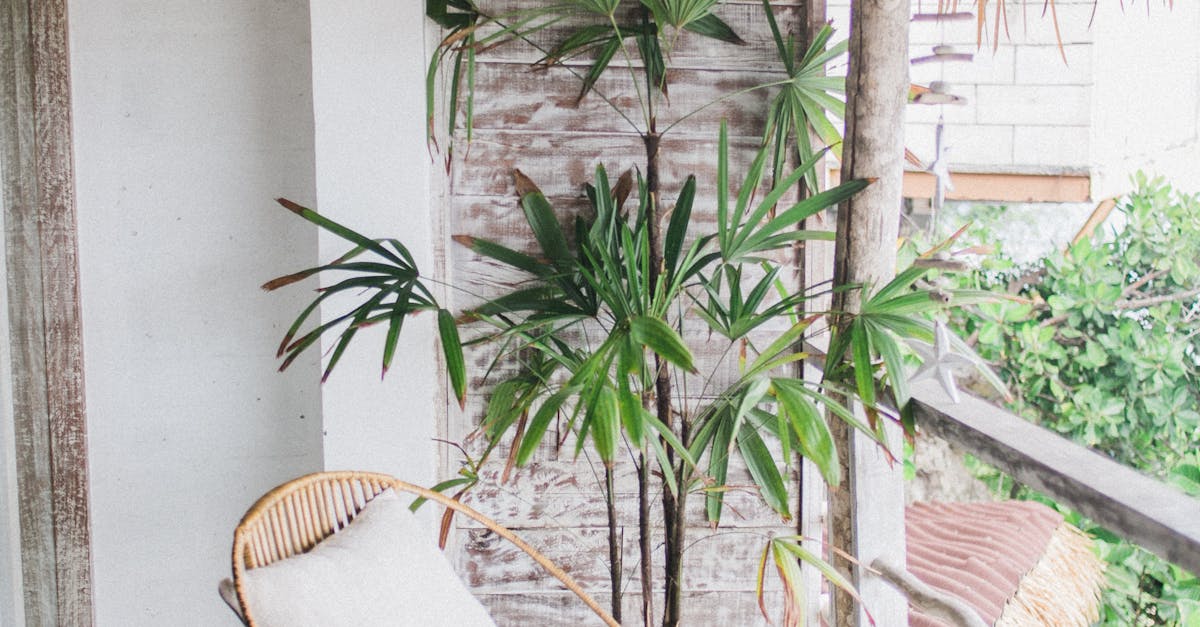
Tips for Designing a Child-Safe Balcony Garden
Creating a balcony garden can be an enriching and rewarding experience for children, providing them with opportunities to learn about nature, foster their creativity, and engage in healthy outdoor activities. However, it’s crucial to prioritize safety when designing a balcony garden for children. By implementing essential safety measures, selecting child-friendly plans, designing for accessibility, fostering learning and exploration, and maintaining a clean and healthy environment, you can create a safe and enjoyable outdoor oasis for your young ones.
To ensure the safety of children in a balcony garden, it’s essential to implement measures such as installing sturdy fencing or railings of appropriate height; choosing non-toxic materials for planters and decking; and providing non-slip surfaces for balconies. Selecting child-friendly plants is equally important. Opt for non-toxic and edible plants that children can safely consume, avoid thorny or prickly plants, and control plant height to prevent obstructions or hazards.
Making the balcony garden accessible for children is vital for their enjoyment and participation. Utilize raised beds or vertical gardens to elevate plants, provide child-sized tools that are easy to grip and use, and create accessible storage for gardening supplies. Incorporating educational elements into the garden can foster children’s learning and exploration. Introduce plants with different textures, scents, and colors to stimulate their senses; provide nature journals or sketchbooks for them to document their observations; and incorporate educational materials to enhance their understanding of plant life and gardening.
1. 1. Prioritize Safety Measures
1. Prioritize Safety Measures: Safety comes first when designing a balcony garden for children. Implement essential measures to minimize risks and ensure a secure environment.
The safety of children should be the top priority when designing a balcony garden. Implementing essential safety measures can minimize risks and ensure a secure environment for them to enjoy the outdoors. One crucial aspect is installing sturdy fencing or railings of appropriate height to prevent falls. Vertical nets or mesh can be added to secure openings and provide additional protection.
When choosing materials for planters and decking, opt for non-toxic options such as untreated wood or bamboo. Avoid using lead-based paints or treated lumber that could pose health hazards. Additionally, providing non-slip surfaces for balconies, such as rubber mats or artificial grass, is essential to prevent children from slipping and falling.
Secure Fencing and Barriers
Secure Fencing and Barriers: Install sturdy fencing or railings of appropriate height to prevent falls. Consider vertical nets or mesh to secure openings.
When designing a balcony garden for children, one of the most important safety measures is to install secure fencing or railings. These barriers should be of appropriate height to prevent children from falling over or climbing out. Vertical spacing between the bars or slats should be narrow enough to prevent children from squeezing through.
In addition to fencing or railings, consider adding vertical nets or mesh to secure openings. These nets can be attached to the underside of balconies or around railings to create a more enclosed and secure space. They are particularly useful for preventing falls through small openings or gaps.
When choosing materials for fencing or railings, opt for sturdy and durable options such as metal or wood. Avoid using materials that could be easily damaged or broken, as this could create safety hazards.
Non-Toxic Materials
Non-Toxic Materials: Choose materials that are free from harmful chemicals, such as untreated wood or bamboo for planters and decking. Avoid using lead-based paints or treated lumber.
When selecting materials for planters and decking in a child-safe balcony garden, it is crucial to choose non-toxic options. Avoid using materials that could release harmful chemicals into the environment or come into contact with children’s skin.
Untreated wood or bamboo are excellent choices for planters and decking as they are naturally non-toxic and durable. Pressure-treated lumber, on the other hand, should be avoided as it often contains chemicals that could be harmful to children.
Lead-based paints should also be avoided as they can chip or peel and release lead dust into the environment. Lead exposure can cause serious health problems in children, including developmental delays and learning disabilities.
Safe Flooring
Safe Flooring: Provide non-slip surfaces for balconies, such as rubber mats or artificial grass, to prevent children from slipping and falling.
Creating a non-slip surface on your balcony is essential for the safety of children. Slippery surfaces can increase the risk of falls and injuries, especially for young children who may not be as稳健on their feet.
Rubber mats are an excellent option for providing a non-slip surface on balconies. They come in a variety of sizes and thicknesses, so you can choose one that fits your space and needs. Rubber mats are also durable and easy to clean.
Artificial grass is another good choice for creating a non-slip surface on balconies. It is soft and comfortable to walk on, and it also provides good drainage. Artificial grass is also relatively easy to install and maintain.
2. 2. Select Child-Friendly Plants
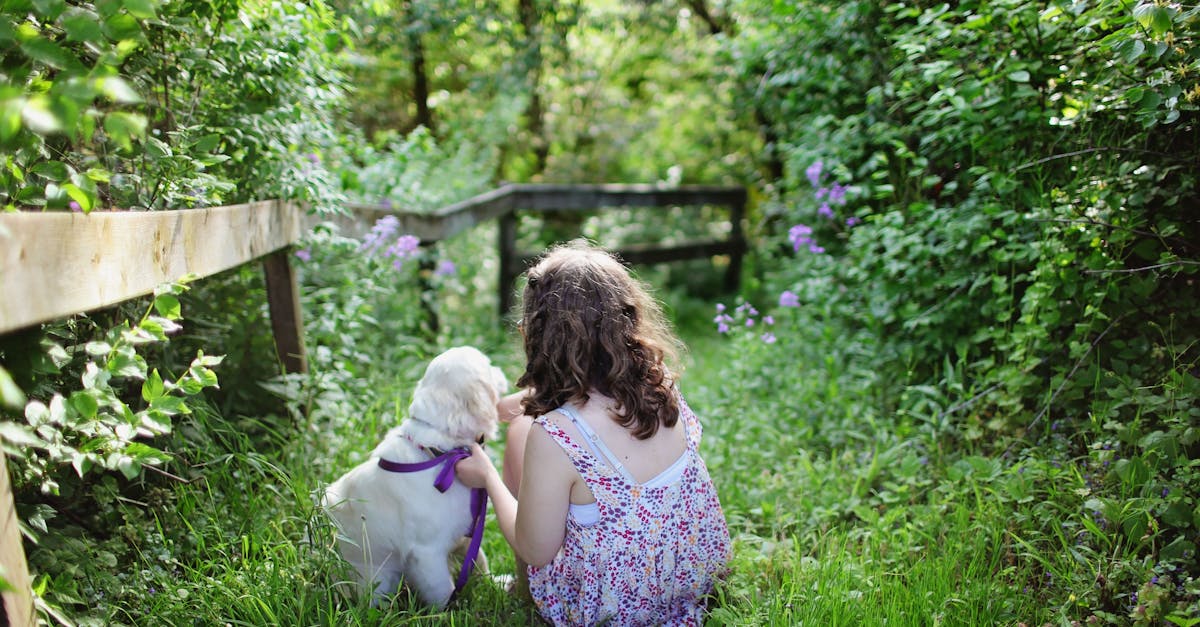
2. Select Child-Friendly Plants: Choose plants that are non-toxic and safe for children to handle. Consider their height, growth habits, and any potential hazards they may pose.
When selecting plants for a child-safe balcony garden, it is important to choose non-toxic varieties that are safe for children to handle. Avoid plants with thorns, sharp edges, or poisonous berries.
It is also important to consider the height and growth habits of the plants you choose. Tall plants or plants with sprawling growth habits can obstruct visibility and create hazards for children. Choose plants that are relatively short and compact, and that will not outgrow their designated space.
Finally, consider any potential hazards that the plants may pose. For example, some plants may attract insects or produce pollen that can cause allergies. If you have children with allergies, be sure to choose plants that are unlikely to trigger their symptoms.
Non-Toxic and Edible Plants
Non-Toxic and Edible Plants: Incorporate edible plants such as strawberries, herbs, and dwarf fruit trees that children can safely consume and enjoy.
Involving children in gardening can be a great way to teach them about nature and healthy eating habits. Incorporating edible plants into your balcony garden is a great way to make gardening even more fun and rewarding for kids.
Some great non-toxic and edible plants to consider for a child-safe balcony garden include strawberries, herbs, and dwarf fruit trees. Strawberries are a popular choice because they are easy to grow and produce delicious fruit that children love. Herbs such as basil, mint, and rosemary are also a good option, as they are easy to care for and can be used in a variety of recipes. Dwarf fruit trees, such as dwarf apple trees or dwarf peach trees, are another great choice for balconies as they are relatively small and easy to manage.
When choosing edible plants for your balcony garden, be sure to select varieties that are appropriate for your climate and the amount of sunlight your balcony receives.
Avoid Thorny or Prickly Plants
Avoid Thorny or Prickly Plants: Opt for plants without thorns or sharp edges, such as marigolds, petunias, or succulents, to minimize potential scratches or injuries.
When selecting plants for a child-safe balcony garden, it is important to avoid plants with thorns or sharp edges. These plants can pose a hazard to children, as they can easily cause scratches or injuries.
Instead, opt for plants that are smooth and free of thorns or sharp edges. Some good options include marigolds, petunias, and succulents. Marigolds are a popular choice for gardens because they are easy to grow and produce bright, cheerful flowers. Petunias are another good option, as they are also easy to grow and come in a variety of colors. Succulents are a great choice for those who live in dry climates, as they are drought-tolerant and require minimal care.
When choosing plants for your balcony garden, be sure to inspect them carefully for any thorns or sharp edges. If you find any plants with thorns or sharp edges, it is best to avoid them and choose a different plant instead.
Control Plant Height
Control Plant Height: Select plants that remain relatively short and manageable, avoiding tall or climbing plants that could obstruct visibility or create hazards.
When selecting plants for a child-safe balcony garden, it is important to consider their height and growth habits. Tall or climbing plants can obstruct visibility and create hazards for children, so it is best to avoid them.
Instead, opt for plants that are relatively short and manageable. Some good options include dwarf varieties of vegetables, fruits, and flowers. Dwarf vegetables, such as dwarf tomatoes or dwarf peppers, are a great choice for small spaces, as they produce a good yield without taking up too much room. Dwarf fruits, such as dwarf apple trees or dwarf peach trees, are another good option, as they are relatively small and easy to care for. Dwarf flowers, such as dwarf sunflowers or dwarf zinnias, are a great choice for adding color and variety to your balcony garden.
When choosing plants for your balcony garden, be sure to read the plant tags carefully to learn about their mature height and growth habits. This will help you to select plants that are appropriate for the size of your balcony and that will not pose a hazard to children.
3. 3. Design for Accessibility
3. Design for Accessibility: Make gardening accessible and enjoyable for children by designing the balcony garden with their needs in mind.
When designing a child-safe balcony garden, it is important to consider the accessibility and usability of the garden for children. This means making sure that the garden is at a height that children can easily reach, and that the tools and materials are appropriate for their size and abilities.
One way to make the garden more accessible for children is to use raised beds or vertical gardens. Raised beds are elevated above the ground, making it easier for children to reach the plants. Vertical gardens are also a good option, as they can be placed on walls or fences, making them accessible to children of all heights.
It is also important to provide child-sized tools and materials. This includes things like small watering cans, shovels, and gloves. Providing child-sized tools will help children to feel more independent and involved in the gardening process.
Finally, make sure to create a space in the garden where children can sit and enjoy the fruits of their labor. This could be a small table and chairs, or even just a few cushions on the ground. Providing a space for children to relax and enjoy the garden will help them to develop a love of nature and gardening.
Raised Beds and Vertical Gardens
Raised Beds and Vertical Gardens: Utilize raised beds or vertical gardens to elevate plants, making them easier for children to reach and tend to.
Raised beds and vertical gardens are two great ways to make gardening more accessible for children. Raised beds are elevated above the ground, making it easier for children to reach the plants. Vertical gardens are also a good option, as they can be placed on walls or fences, making them accessible to children of all heights.
Raised beds are a good option for growing a variety of plants, including vegetables, fruits, and flowers. They can be made from a variety of materials, such as wood, metal, or plastic. When choosing a raised bed, be sure to select one that is the right size for your space and needs.
Vertical gardens are a good option for growing plants in small spaces. They can be made from a variety of materials, such as fabric, wood, or plastic. When choosing a vertical garden, be sure to select one that is the right size for your space and needs.
Both raised beds and vertical gardens can be a great addition to a child-safe balcony garden. They make it easier for children to reach and tend to the plants, and they can also help to create a more organized and visually appealing garden.
Child-Sized Tools
Child-Sized Tools: Provide child-sized tools that are easy to grip and use, encouraging their participation in gardening activities.
Providing child-sized tools is an important part of making gardening accessible and enjoyable for children. Child-sized tools are easier for children to grip and use, which helps them to feel more independent and involved in the gardening process.
Some essential child-sized tools include:
- Watering can: A child-sized watering can is essential for watering plants. Choose a watering can that is small and lightweight, and that has a spout that is easy for children to control.
- Shovel: A child-sized shovel is great for digging holes and transplanting plants. Choose a shovel that is made of durable materials, and that has a handle that is easy for children to grip.
- Gloves: Gloves are important for protecting children’s hands from dirt and thorns. Choose gloves that are made of breathable materials, and that fit snugly on children’s hands.
In addition to these essential tools, there are a variety of other child-sized tools that you can provide, such as trowels, rakes, and hoes. When choosing child-sized tools, be sure to select ones that are appropriate for the age and abilities of your children.
Easy-to-Reach Storage
Easy-to-Reach Storage: Create accessible storage for gardening supplies, such as a low shelf or hanging baskets, to keep them organized and within reach.
Creating accessible storage for gardening supplies is important for keeping the balcony garden organized and tidy. It also makes it easier for children to find the tools and materials they need.
One way to create easy-to-reach storage is to use a low shelf. A low shelf can be placed at a height that is easy for children to reach. You can store a variety of gardening supplies on the shelf, such as tools, pots, and soil.
Another way to create easy-to-reach storage is to use hanging baskets. Hanging baskets can be hung from the balcony railing or from a wall. You can store a variety of lightweight gardening supplies in hanging baskets, such as seeds, gloves, and small tools.
When choosing storage solutions for your balcony garden, be sure to select ones that are durable and weather-resistant. You should also choose storage solutions that are easy to clean and maintain.
4. 4. Foster Learning and Exploration

4. Foster Learning and Exploration: Incorporate educational elements into the balcony garden, providing opportunities for children to learn about nature and cultivate their curiosity.
A child-safe balcony garden can be a wonderful place for children to learn about nature and cultivate their curiosity. By incorporating educational elements into the garden, you can make it a fun and enriching experience for children of all ages.
One way to foster learning and exploration in the balcony garden is to introduce plants with different textures, scents, and colors. This will help children to develop their senses and learn about the diversity of the plant world. You can also plant a variety of edible plants, such as fruits, vegetables, and herbs. This will give children the opportunity to learn about where food comes from and how it grows.
Another way to foster learning and exploration in the balcony garden is to provide nature journals or sketchbooks for children to use. This will encourage them to observe the plants and insects in the garden, and to record their observations. You can also provide books and other resources about gardening and nature, so that children can learn more about the natural world.
Sensory Exploration
Sensory Exploration: Introduce plants with different textures, scents, and colors to stimulate children’s senses and encourage interaction.
One of the best ways to foster learning and exploration in a child-safe balcony garden is to introduce plants with different textures, scents, and colors. This will help children to develop their senses and learn about the diversity of the plant world.
When choosing plants for sensory exploration, consider the following:
- Texture: Plants with different textures, such as fuzzy leaves, smooth petals, and prickly stems, can help children to develop their sense of touch.
- Scent: Plants with different scents, such as fragrant flowers, minty leaves, and citrusy fruits, can help children to develop their sense of smell.
- Color: Plants with different colors, such as bright flowers, colorful fruits, and variegated leaves, can help children to develop their sense of sight.
By incorporating plants with a variety of sensory qualities into the balcony garden, you can create a fun and engaging environment for children to learn and explore.
Nature Journals
Nature Journals: Provide nature journals or sketchbooks for children to document their observations, fostering their connection to the natural world.
Nature journals are a great way for children to document their observations of the natural world and to foster their connection to the environment. By providing nature journals or sketchbooks for children to use in the balcony garden, you can encourage them to observe the plants, insects, and other wildlife in the garden, and to record their observations.
This can help children to develop their observational skills, their creativity, and their writing skills. It can also help them to learn about the life cycles of plants and animals, and to appreciate the beauty and diversity of the natural world.
When choosing nature journals or sketchbooks for children, be sure to select ones that are durable and weather-resistant. You should also choose journals or sketchbooks that are the right size for children to use and that have plenty of space for them to record their observations.
Educational Resources
Educational Resources: Incorporate educational materials, such as books, posters, or online resources, to enhance children’s understanding of plant life and gardening.
In addition to providing hands-on experience in the balcony garden, you can also incorporate educational materials to enhance children’s understanding of plant life and gardening. This can include books, posters, and online resources.
Books
There are many great books available that can teach children about plants and gardening. These books can cover a variety of topics, such as the life cycle of plants, the different parts of a plant, and how to grow different types of plants.
Posters
Posters can be a great way to provide children with visual information about plants and gardening. You can find posters that illustrate the different parts of a plant, the life cycle of a plant, and different types of plants.
Online resources
There are also many great online resources available that can teach children about plants and gardening. These resources can include videos, games, and interactive activities.
5. 5. Maintain a Clean and Healthy Environment
5. Maintain a Clean and Healthy Environment: Regular maintenance is crucial for keeping the balcony garden safe and healthy for children.
Just like any other garden, a balcony garden requires regular maintenance to keep it clean and healthy. This is especially important for a child-safe balcony garden, as children are more susceptible to illnesses and injuries.
One important aspect of maintenance is to regularly clean surfaces in the garden. This includes cleaning the balcony floor, railings, and any other surfaces that children may come into contact with. Cleaning surfaces will help to prevent the spread of bacteria and other harmful microorganisms.
Another important aspect of maintenance is to remove fallen leaves and debris from the garden. Fallen leaves and debris can create a breeding ground for pests and diseases, so it is important to remove them regularly. You should also regularly check the plants in the garden for pests and diseases. If you find any pests or diseases, you should take steps to treat them immediately.
Regular Cleaning
Regular Cleaning: Clean surfaces, remove fallen leaves, and dispose of any debris to prevent tripping hazards and maintain hygiene.
Regular cleaning is essential for maintaining a safe and healthy balcony garden for children. This includes cleaning the balcony floor, railings, and any other surfaces that children may come into contact with. Cleaning surfaces will help to prevent the spread of bacteria and other harmful microorganisms.
It is also important to remove fallen leaves and debris from the garden on a regular basis. Fallen leaves and debris can create a breeding ground for pests and diseases, so it is important to remove them promptly. You should also regularly check the plants in the garden for pests and diseases. If you find any pests or diseases, you should take steps to treat them immediately.
By following these simple maintenance tips, you can help to keep your balcony garden clean and healthy for children to enjoy.
Pest Control
Pest Control: Implement natural pest control methods, such as companion planting or beneficial insects, to minimize the use of chemical pesticides.
When it comes to pest control in a child-safe balcony garden, it is best to avoid using harsh chemical pesticides. Instead, opt for natural pest control methods that are safe for children and the environment.
One effective natural pest control method is companion planting. Companion planting is the practice of planting different types of plants together to benefit each other. For example, planting marigolds next to tomatoes can help to repel tomato hornworms. Planting basil next to tomatoes can help to improve the flavor of the tomatoes and repel insects.
Another effective natural pest control method is to attract beneficial insects to the garden. Beneficial insects, such as ladybugs and lacewings, prey on pests. You can attract beneficial insects to the garden by planting flowers that they find attractive, such as daisies, zinnias, and sunflowers.
Regular Plant Care
Regular Plant Care: Water, fertilize, and prune plants regularly to ensure their health and prevent any safety concerns, such as overgrown branches or wilted leaves.
In addition to regular cleaning and pest control, it is also important to provide regular care for the plants in the balcony garden. This includes watering, fertilizing, and pruning.
Watering
Watering is essential for the health of plants. The amount of water that plants need will vary depending on the type of plant, the size of the plant, and the weather conditions. It is important to water plants regularly, but avoid overwatering, as this can lead to root rot.
Fertilizing
Fertilizing provides plants with the nutrients they need to grow and thrive. Fertilize plants according to the instructions on the fertilizer package.
Pruning
Pruning is the process of removing dead, diseased, or overgrown branches from plants. Pruning helps to keep plants healthy and prevents them from becoming overgrown and hazardous.
Quiz
1. True or False: It is important to install sturdy fencing or railings of appropriate height to prevent falls.
2. True or False: Non-toxic and edible plants are safe for children to handle and consume.
3. True or False: It is recommended to use tall or climbing plants in a child-safe balcony garden.
4. True or False: Child-sized tools make it easier for children to participate in gardening activities.
5. True or False: Regular maintenance, such as cleaning surfaces and removing fallen leaves, is not necessary for a child-safe balcony garden.
Answer Key
- True
- True
- False
- True
- False
Answer Key
- True
- True
- False
- True
- False
Unlock the Greenery Potential of Your Balcony: A Guide to Thriving Plants in Compact Spaces Attention all balcony-dwelling plant enthusiasts! Read more
Transform Your Balcony into a Flourishing Garden Oasis: A Step-by-Step Guide Beginning a balcony garden can be a fulfilling endeavor, Read more
Unlocking the Potential of Vertical Gardening on Balconies Are you tired of your cramped balcony but still longing for a Read more
Aromatic Delights: Cultivating Herbs on Your Balcony Oasis Whether you're a seasoned gardener or just starting out, growing herbs on Read more