
Transform Your Balcony: A Haven of Tranquility and Floral Abundance

Imagine having a green oasis amidst the urban jungle, a sanctuary where you can escape the hustle and bustle of everyday life. Balcony gardening offers just that, providing an opportunity to create a flourishing outdoor space tailored to your needs and desires. In this comprehensive guide, we will delve into the essential considerations for designing and maintaining a balcony garden, providing tips for plant selection, nurturing care, and creating a tranquil ambiance. We will also explore case studies from experienced urban gardeners, showcasing successful balcony gardens that embody design concepts, plant choices, and maintenance strategies. Whether you have a spacious balcony or a cozy nook, this guide will empower you to transform your outdoor space into a verdant haven.
Step into the world of balcony gardening and discover the joy of nurturing plants while creating a serene sanctuary right outside your door. This guide will be your companion, providing insights and practical advice to help you create a thriving balcony garden that not only enhances your living space but also nourishes your well-being.
1. Essential Considerations for a Flourishing Balcony Garden
When embarking on the journey of creating a flourishing balcony garden, it is essential to consider several key factors that influence the success of your endeavor. Sunlight exposure, balcony orientation, available space, and local climate play pivotal roles in determining the types of plants that will thrive in your outdoor sanctuary.
Sunlight Exposure: A Key Determinant
The amount of sunlight your balcony receives will greatly impact the choice of plants you can grow. Observe the sun patterns throughout the day to determine the duration and intensity of sunlight exposure. Plants can be broadly categorized into three groups based on their sunlight requirements: full sun (requiring at least six hours of direct sunlight daily), partial shade (tolerating 3 to 6 hours of direct sunlight), and full shade (thriving with less than 3 hours of direct sunlight).
Balcony Orientation: Considerations for Wind and Privacy
The orientation of your balcony affects wind exposure and privacy. Balconies facing prevailing winds may require windbreak measures, such as installing wind screens or choosing wind-resistant plants. Conversely, balconies facing away from strong winds may provide a more sheltered environment for delicate plants. Privacy is another consideration, especially for balconies overlooking public areas. Tall plants, trellises, or privacy screens can be employed to create a sense of enclosure and seclusion.
Space Optimization Techniques
The available space on your balcony will influence the size and scope of your garden. Vertical gardening techniques, such as hanging planters, trellises, and wall-mounted planters, can maximize space utilization. Additionally, choosing compact plant varieties, utilizing stackable planters, and employing space-saving furniture can help optimize the layout of your balcony garden.
Climate Constraints: Adapting to Your Local Conditions
The local climate, including temperature, humidity, and precipitation patterns, will dictate the types of plants that can thrive on your balcony. Research plant varieties that are well-suited to your specific climate zone and microclimate. Consider factors such as frost tolerance, drought resistance, and heat tolerance when selecting plants. By understanding and accommodating these essential considerations, you lay the foundation for a flourishing balcony garden that brings joy and tranquility to your outdoor space.
Sunlight Availability: A Key Determinant
Sunlight is a crucial factor in determining the success of your balcony garden. Different plants have varying sunlight requirements, and choosing species that are well-suited to the sun exposure patterns on your balcony is essential for their growth and vitality.
To identify the sun exposure patterns on your balcony, observe the amount of direct sunlight it receives throughout the day. Note the times when the balcony is in full sun, partial shade, and full shade. You can also use a sunlight calculator or app to get a more precise measurement of the sun exposure.
Once you have a good understanding of the sunlight conditions on your balcony, you can select plants that thrive in those conditions. If your balcony receives full sun for most of the day, consider sun-loving plants such as tomatoes, peppers, herbs, and certain varieties of flowers. For balconies with partial shade, look for plants that can tolerate lower light levels, such as leafy greens, ferns, and impatiens. For balconies that receive only a few hours of direct sunlight each day, consider shade-tolerant plants such as hostas, begonias, and vinca.
By matching the sunlight requirements of your plants to the sun exposure patterns on your balcony, you create an environment where your plants can flourish and bring beauty and joy to your outdoor space.
Balcony Orientation: Considerations for Wind and Privacy
The orientation of your balcony plays a significant role in determining the amount of wind exposure and privacy it offers. Understanding how your balcony’s orientation affects these factors will help you make informed decisions about plant selection and privacy measures.
Wind Exposure
Balconies facing prevailing winds can be exposed to strong winds, which can be detrimental to some plants. Wind can cause plants to dry out quickly, damage leaves and stems, and even blow over small plants. If your balcony is exposed to strong winds, consider choosing wind-resistant plants such as shrubs, small trees, and ground covers. You can also install windbreak measures such as wind screens or trellises to reduce wind exposure.
Privacy
The orientation of your balcony also affects privacy. Balconies that overlook public areas or adjacent buildings may lack privacy. If privacy is a concern, consider installing privacy screens, trellises, or tall plants to create a sense of enclosure and seclusion. You can also use curtains or blinds to provide additional privacy when needed.
By considering the orientation of your balcony and its implications for wind exposure and privacy, you can make informed choices about plant selection and privacy measures. This will help you create a balcony garden that is both beautiful and functional, providing you with a private and sheltered outdoor space to relax and enjoy.
Space Optimization Techniques
When space is limited, maximizing vertical space is key to creating a flourishing balcony garden. Vertical gardening techniques, hanging planters, trellises, and other innovative ideas can help you make the most of your compact balcony and create a lush and vibrant outdoor space.
Vertical Gardening
Vertical gardening involves growing plants vertically, often on walls or trellises. This technique allows you to maximize space by growing plants upwards instead of outwards. You can use trellises, wall-mounted planters, or even hanging baskets to create a vertical garden. Vertical gardening is ideal for growing vining plants, leafy greens, herbs, and even small fruits and vegetables.
Hanging Planters
Hanging planters are a great way to add greenery to your balcony without taking up valuable floor space. You can hang planters from the ceiling, walls, or even railings. Hanging planters are perfect for trailing plants, succulents, and small flowering plants. They can also be used to create a vertical garden effect by hanging multiple planters at different heights.
Trellises
Trellises are vertical structures that provide support for climbing plants. You can use trellises to grow vines, roses, clematis, and other climbing plants. Trellises can be freestanding or wall-mounted, and they come in a variety of shapes and sizes. Trellises not only add height and interest to your balcony garden but also help to define spaces and create privacy.
By utilizing vertical gardening techniques, hanging planters, trellises, and other space-saving ideas, you can maximize the space on your compact balcony and create a beautiful and functional outdoor oasis.
Climate Constraints: Adapting to Your Local Conditions
The local climate, including temperature, humidity, and precipitation patterns, plays a significant role in determining which plants will thrive on your balcony. Researching and selecting plant varieties that are well-suited to your specific climate zone and microclimate is crucial for the success of your balcony garden.
Climate Zone
Climate zones are geographic regions with similar climate patterns. The United States Department of Agriculture (USDA) has developed a Plant Hardiness Zone Map that divides the country into 13 climate zones based on average annual minimum temperatures. Knowing your USDA Plant Hardiness Zone will help you identify plants that are likely to survive and thrive in your area.
Microclimate
In addition to the general climate zone, it’s important to consider the microclimate of your balcony. Factors such as elevation, exposure to wind and sunlight, and the presence of nearby buildings or bodies of water can create microclimates that differ from the surrounding area. Observe the conditions on your balcony and note any unique characteristics that may influence plant selection.
By researching plant varieties that are suited to your specific climate zone and microclimate, you can increase the likelihood of success for your balcony garden. Choose plants that are known to perform well in your area and that can tolerate the local temperature, humidity, and precipitation patterns. With careful plant selection, you can create a beautiful and thriving balcony garden that brings joy and tranquility to your outdoor space.
2. Plant Selection: A Symphony of Colors and Scents

When selecting plants for your balcony garden, consider not only their suitability for balcony conditions but also their visual appeal and fragrance. By choosing a variety of plants with vibrant blooms, colorful foliage, and aromatic scents, you can create a visually stunning and fragrant oasis on your balcony.
Visual Appeal
Add a splash of color and visual interest to your balcony garden by selecting plants with vibrant blooms, unique foliage, and varying textures. Consider the overall color scheme you want to create and choose plants that complement each other. You can create a monochromatic garden with plants in a single color family or opt for a more eclectic mix of colors. Experiment with different plant heights and shapes to add depth and dimension to your garden.
Aromatic Delights
Bring the beauty of nature indoors by incorporating fragrant plants into your balcony garden. Choose plants with scented flowers, such as roses, lavender, and jasmine, or aromatic foliage, such as rosemary, mint, and basil. The sweet scents of these plants will create a relaxing and inviting atmosphere on your balcony. You can also use fragrant plants to attract pollinators, such as bees and butterflies, to your garden.
By carefully selecting plants for their visual appeal and fragrance, you can create a balcony garden that is not only beautiful to look at but also a delight to the senses. Surround yourself with vibrant colors and intoxicating scents, and create a tranquil and rejuvenating outdoor space to relax and enjoy.
Visual Appeal: Adding Color and Form
When selecting plants for your balcony garden, consider their visual appeal and how they will contribute to the overall aesthetic of your space. Choose plants with vibrant blooms, colorful foliage, and unique shapes to create a visually stimulating display.
Vibrant Blooms
Add a splash of color to your balcony garden with plants that produce beautiful flowers. Consider the blooming season of different plants to ensure that you have a continuous display of color throughout the year. Choose plants with flowers in a range of colors and shapes to create a visually interesting garden. You can opt for bold and bright blooms, such as sunflowers, geraniums, and petunias, or more delicate and pastel-colored flowers, such as lavender, pansies, and impatiens.
Colorful Foliage
Don’t limit yourself to flowers when adding color to your balcony garden. Many plants have colorful foliage that can provide visual interest even when not in bloom. Look for plants with variegated leaves, such as coleus, hostas, and Japanese maples. Plants with deep purple or bronze foliage, such as heuchera and sedum, can add a touch of drama to your garden. You can also use plants with silvery or golden foliage, such as artemisia and goldenrod, to create a shimmering effect.
Unique Shapes
Add an element of whimsy and interest to your balcony garden by selecting plants with unique shapes. Consider plants with trailing vines, such as ivy and clematis, to create a cascading effect. Plants with architectural foliage, such as succulents and ferns, can add a sculptural element to your garden. You can also use plants with unusual shapes, such as the Bird of Paradise or the Zebra Plant, to create a focal point and draw the eye.
Aromatic Delights: Enhancing the Sensory Experience
In addition to their visual appeal, consider incorporating fragrant plants into your balcony garden to enhance the sensory experience. Plants with fragrant flowers or leaves can create a soothing and uplifting atmosphere, making your balcony a true oasis.
Fragrant Flowers
Many flowers emit a sweet or intoxicating fragrance that can fill the air with a delightful aroma. Choose plants with fragrant flowers, such as roses, lavender, jasmine, and honeysuckle, to create a sensory haven on your balcony. These plants will attract pollinators, such as bees and butterflies, to your garden, adding to the vibrant and lively atmosphere. You can also use fragrant flowers to create a welcoming entrance to your balcony or to define a specific area.
Aromatic Leaves
Some plants have aromatic leaves that release a pleasant scent when crushed or brushed against. Consider incorporating plants with aromatic foliage, such as rosemary, mint, basil, and thyme, into your balcony garden. These plants not only add a touch of greenery but also release a refreshing and invigorating fragrance. You can use aromatic plants in cooking or to make your own herbal teas and infusions. They can also be used to create a natural insect repellent or to freshen the air on your balcony.
By choosing plants with fragrant flowers or leaves, you can create a balcony garden that is not only visually appealing but also a delight to the senses. Surround yourself with the sweet scents of nature and create a tranquil and rejuvenating outdoor space where you can relax and unwind.
Beyond Aesthetics: Plants with Culinary or Medicinal Value
In addition to their aesthetic and sensory appeal, consider integrating plants with culinary or medicinal value into your balcony garden. Growing your own edible or medicinal plants can provide you with fresh, organic ingredients for cooking and natural remedies for common ailments.
Culinary Delights
Many herbs, fruits, and vegetables can be grown successfully in containers on a balcony. Growing your own culinary plants allows you to control the quality and freshness of your ingredients. You can also experiment with different varieties that may not be readily available in grocery stores. Consider growing herbs such as basil, oregano, and thyme, which can be used to flavor a variety of dishes. You can also grow small fruits and vegetables, such as tomatoes, peppers, and strawberries, in containers on your balcony.
Medicinal Plants
Some plants have medicinal properties that can be used to treat common ailments. Consider incorporating medicinal plants, such as chamomile, lavender, and aloe vera, into your balcony garden. Chamomile has calming and sedative properties, while lavender can help to relieve stress and anxiety. Aloe vera is known for its soothing and healing properties. You can use these plants to make your own teas, tinctures, and ointments.
By integrating edible or medicinal plants into your balcony garden, you can not only enjoy the beauty of nature but also reap the benefits of fresh, organic ingredients and natural remedies. Create a functional and therapeutic garden that nourishes both your body and soul.
3. Nurturing Your Balcony Sanctuary: Care and Maintenance
Once you have created your balcony garden, it’s important to implement proper care and maintenance practices to ensure that your plants thrive and your garden remains a beautiful and inviting space. Essential practices include watering, fertilizing, pest control, and regular pruning.
Watering Wisdom: Striking the Balance
Watering is crucial for the health of your balcony plants. However, it’s important to strike the right balance to avoid overwatering or underwatering. The frequency of watering will depend on factors such as the type of plants, the size of the containers, and the weather conditions. In general, plants in containers dry out more quickly than those in the ground, so they will need to be watered more often. Check the soil moisture regularly by inserting your finger into the soil. Water thoroughly when the top inch or two of soil feels dry to the touch.
Fertilizing for Optimal Growth
Fertilizing provides essential nutrients for your balcony plants, promoting healthy growth and abundant flowering. Choose a balanced fertilizer that is suitable for the type of plants you are growing. Follow the instructions on the fertilizer label carefully, as over-fertilizing can damage your plants. Generally, it’s best to fertilize your plants every few weeks during the growing season.
Pest Control: Natural and Effective Approaches
Pests can be a nuisance in any garden, but there are natural and effective ways to control them on your balcony. Regularly inspect your plants for pests, such as aphids, mealybugs, or spider mites. If you find any pests, remove them by hand or use insecticidal soap. You can also use companion planting techniques to deter pests. For example, planting basil next to tomatoes can help to repel insects.
Pruning for Health and Aesthetics
Regular pruning is essential for maintaining the health and appearance of your balcony plants. Pruning removes dead or diseased branches, encourages new growth, and helps to shape your plants. When pruning, use clean and sharp shears to make precise cuts. Prune your plants according to their specific needs. For example, some plants, such as roses, require regular deadheading to promote continuous flowering.
By implementing these essential care and maintenance practices, you can ensure that your balcony garden remains a thriving and beautiful oasis for years to come.
Watering Wisdom: Striking the Balance
Watering is essential for the health and vitality of your balcony plants, but it’s important to strike the right balance to avoid overwatering or underwatering. Understanding soil moisture requirements and adjusting watering frequency based on weather conditions is crucial for maintaining a thriving balcony garden.
Understanding Soil Moisture Requirements
Different plants have different soil moisture requirements. Some plants, such as succulents, prefer well-draining soil that dries out quickly, while others, such as ferns, prefer moist soil that retains water. When choosing plants for your balcony garden, consider their individual water needs and select plants that are suited to the conditions on your balcony.
Adjusting Watering Frequency Based on Weather Conditions
The frequency of watering will also need to be adjusted based on weather conditions. During hot and dry weather, plants will need to be watered more frequently to prevent them from drying out. Conversely, during cool and wet weather, plants may need to be watered less often. Pay attention to the weather forecast and adjust your watering schedule accordingly.
Signs of Overwatering and Underwatering
Overwatering and underwatering can both damage your plants. Signs of overwatering include yellowing leaves, wilting, and root rot. Signs of underwatering include wilted leaves, dry soil, and stunted growth. If you notice any of these signs, adjust your watering frequency accordingly.
By understanding soil moisture requirements and adjusting watering frequency based on weather conditions, you can ensure that your balcony plants receive the right amount of water to thrive and flourish.
Fertilizing for Optimal Growth
Fertilizing is essential for providing your balcony plants with the nutrients they need to grow healthy and strong. There are different types of fertilizers available, and the frequency of application will vary depending on the type of fertilizer you choose and the specific needs of your plants. Organic fertilizers are a great option for those who want to avoid using synthetic chemicals in their garden.
Types of Fertilizers
There are two main types of fertilizers: organic and inorganic. Organic fertilizers are derived from natural sources, such as manure, compost, and bone meal. Inorganic fertilizers are synthetically produced and contain high concentrations of specific nutrients. Both types of fertilizers can be effective, but organic fertilizers are generally considered to be more environmentally friendly.
Frequency of Application
The frequency of fertilizer application will depend on the type of fertilizer you are using and the specific needs of your plants. Generally speaking, organic fertilizers need to be applied more frequently than inorganic fertilizers. However, it’s important to follow the instructions on the fertilizer label carefully to avoid over-fertilizing your plants.
Organic Options
There are many different organic fertilizers available, such as compost, manure, and seaweed extract. Compost is a great all-purpose fertilizer that can be used to improve the soil structure and provide nutrients to your plants. Manure is another excellent source of nutrients, but it should be composted before using it on your plants to avoid burning the roots. Seaweed extract is a liquid fertilizer that is rich in micronutrients and can help to improve plant growth and resistance to pests and diseases.
By choosing the right fertilizer and applying it at the correct frequency, you can ensure that your balcony plants receive the nutrients they need to thrive and flourish.
Pest Control: Natural and Effective Approaches
Pests can be a nuisance in any garden, but there are natural and effective ways to control them on your balcony. Identifying common balcony pests, implementing organic pest control methods, and encouraging beneficial insects can help you keep your plants healthy and pest-free.
Common Balcony Pests
Some of the most common pests that can affect balcony plants include aphids, mealybugs, spider mites, and whiteflies. These pests can damage plants by sucking the sap from leaves and stems, which can lead to stunted growth, yellowing leaves, and even plant death.
Organic Pest Control Methods
There are many different organic pest control methods that you can use to control pests on your balcony. Some of the most effective methods include:
- Neem oil: Neem oil is a natural pesticide that can be used to control a wide range of pests, including aphids, mealybugs, and spider mites. It works by disrupting the insect’s life cycle and preventing them from feeding.
- Insecticidal soap: Insecticidal soap is another effective natural pesticide that can be used to control pests on balcony plants. It works by suffocating the insects and dissolving their protective coating.
- Companion planting: Companion planting is a technique that involves planting different species of plants together to help control pests. For example, planting basil next to tomatoes can help to repel aphids.
Encouraging Beneficial Insects
Beneficial insects, such as ladybugs, lacewings, and parasitic wasps, can help to control pests on your balcony by preying on them. You can encourage beneficial insects to your balcony by providing them with food and shelter. For example, planting flowers that attract beneficial insects is a great way to keep your balcony pest-free.
Pruning for Health and Aesthetics
Pruning is an essential part of maintaining the health and appearance of your balcony plants. Regular pruning removes dead or diseased branches, encourages new growth, and helps to shape your plants. Deadheading, a specific type of pruning, involves removing spent flowers to promote continuous blooming.
Pruning Techniques
There are different pruning techniques that can be used for different types of plants. Some common pruning techniques include:
- Tip pruning: Tip pruning involves removing the growing tip of a stem to encourage branching and bushier growth.
- Heading back: Heading back involves cutting back a stem to a desired length to control the size of the plant or to remove diseased or damaged growth.
- Thinning: Thinning involves removing entire branches from a plant to improve air circulation and light penetration.
Deadheading
Deadheading is a specific type of pruning that involves removing spent flowers from plants. Deadheading encourages plants to produce more flowers and helps to maintain a tidy appearance. To deadhead a plant, simply remove the spent flower head from the stem.
Benefits of Pruning
Pruning offers a number of benefits for your balcony plants, including:
- Improved health: Pruning removes dead or diseased branches, which can help to prevent the spread of disease and improve the overall health of your plants.
- Increased growth: Pruning encourages new growth, which can lead to bushier plants with more flowers and fruit.
- Improved appearance: Pruning can help to shape your plants and maintain a tidy appearance.
By following proper pruning and deadheading techniques, you can ensure that your balcony plants remain healthy and beautiful for years to come.
4. Design Elements for a Tranquil Haven
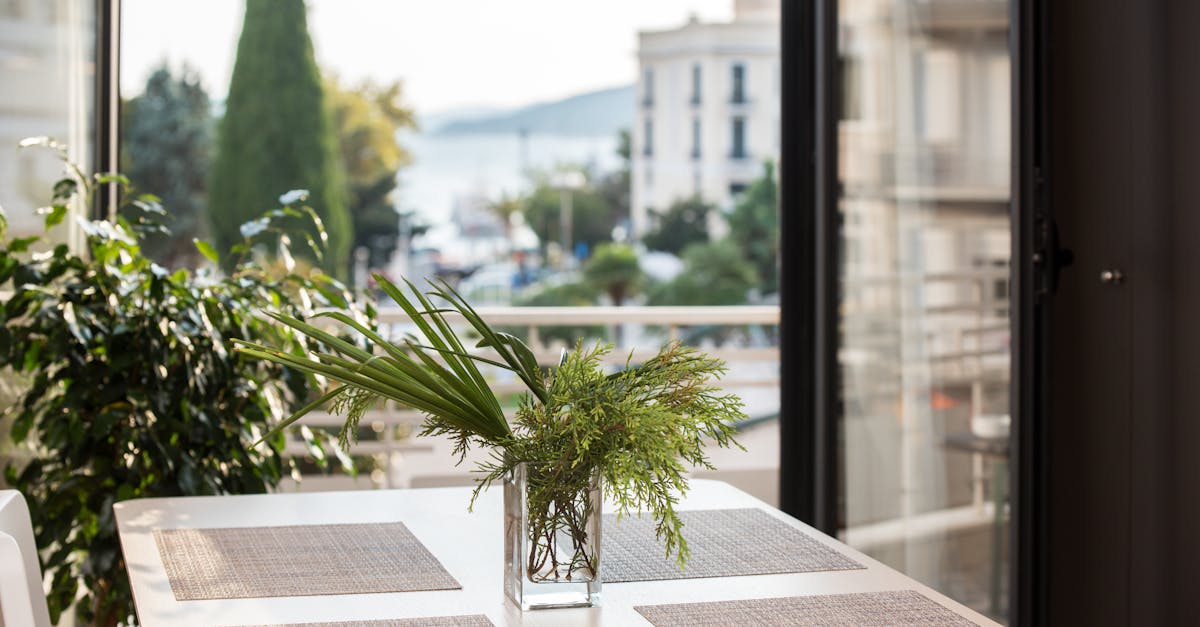
Transform your balcony into a tranquil haven by incorporating carefully selected design elements that enhance comfort and create an inviting outdoor space. From cozy seating to ambient lighting and decorative accessories, each element plays a vital role in crafting a serene and stylish retreat.
Cozy Seating
Comfortable seating is essential for creating a relaxing and inviting atmosphere on your balcony. Choose chairs or a small sofa that are both comfortable and weather-resistant. Consider adding cushions and throws for extra comfort and a touch of personal style. If space is limited, opt for foldable or stackable chairs that can be easily stored when not in use.
Ambient Lighting
Lighting plays a crucial role in setting the mood on your balcony. Incorporate ambient lighting to create a warm and inviting atmosphere, especially during evenings. String lights, lanterns, or solar-powered lights can provide a soft, diffused glow that enhances the ambiance and makes your balcony feel more secluded.
Accessories for Style and Functionality
Add personality and functionality to your balcony with a variety of accessories. Cushions and rugs can add a splash of color and comfort, while wind chimes and water features can create a soothing and tranquil atmosphere. Don’t forget about practical accessories like plant stands and trellises to maximize space and display your plants vertically. By carefully selecting design elements that complement the size and style of your balcony, you can create a comfortable and inviting outdoor space that is both stylish and serene.
Cozy Seating: Creating an Inviting Ambiance
Creating a cozy and inviting seating area on your balcony is essential for enjoying the outdoors and making the most of your space. Carefully selecting comfortable seating options that complement the size and style of your balcony will ensure a relaxing and stylish retreat.
Size and Scale
Consider the size of your balcony and choose seating that is appropriately scaled. Oversized furniture can make a small balcony feel cramped, while undersized furniture can get lost on a larger balcony. Measure your balcony and plan the layout of your seating area before making any purchases.
Materials and Durability
Choose seating materials that are durable and weather-resistant, especially if your balcony is exposed to the elements. Wicker, metal, and teak are all good options that can withstand the outdoors. If you have a covered balcony, you may have more flexibility in your choice of materials.
Comfort and Style
Comfort is key when choosing seating for your balcony. Look for chairs or sofas with supportive cushions and comfortable backrests. Consider adding throw pillows and cushions for extra comfort and a touch of personal style. Choose seating that complements the overall style of your balcony, whether it’s modern, traditional, or bohemian.
By selecting comfortable and stylish seating that fits the size and scale of your balcony, you can create an inviting outdoor space that you’ll love spending time in.
Ambient Lighting: Setting the Mood for Relaxation
Transform your balcony into a warm and welcoming oasis with ambient lighting. String lights, lanterns, and solar-powered lighting can create a magical and inviting atmosphere, perfect for relaxation and entertaining.
String Lights
String lights are a classic and versatile way to add ambient lighting to your balcony. They can be strung overhead, wrapped around railings, or even used to create a canopy effect. Choose string lights with warm white or colored bulbs to create a cozy and romantic ambiance.
Lanterns
Lanterns provide a more subdued and elegant lighting option for your balcony. Place lanterns on tables, the floor, or hanging from the ceiling to create a warm and inviting glow. Choose lanterns with intricate designs or colorful glass to add a touch of style to your space.
Solar-Powered Lighting
Solar-powered lighting is a great option for balconies that don’t have access to electricity. Solar-powered lights charge during the day and automatically turn on at night, providing you with ambient lighting without the need for wires or batteries. Choose solar-powered lights with a warm glow to create a relaxing and inviting atmosphere.
By incorporating string lights, lanterns, or solar-powered lighting into your balcony design, you can create a warm and welcoming space that is perfect for relaxation and entertaining.
Accessories for Style and Functionality
Add personality and functionality to your balcony with a variety of accessories. Decorative elements such as cushions, rugs, and wind chimes can enhance the visual appeal and comfort of your outdoor space.
Cushions and Rugs
Cushions and rugs can instantly transform the look and feel of your balcony. Choose cushions in bright colors and patterns to add a pop of personality, or opt for neutral tones for a more落ち着いたlook. Rugs can define different areas of your balcony and provide a comfortable surface to walk on. Choose rugs made from durable materials that can withstand the elements.
Wind Chimes and Water Features
Wind chimes and water features can add a touch of tranquility to your balcony. Wind chimes create a gentle and soothing sound as they sway in the breeze, while water features provide a calming and meditative atmosphere. Choose wind chimes and water features that complement the style of your balcony and create a relaxing ambiance.
Other Accessories
Other accessories that can enhance the style and functionality of your balcony include plant stands, trellises, and storage baskets. Plant stands can display your plants vertically, saving space and creating a lush and inviting atmosphere. Trellises can be used to support climbing plants, adding height and interest to your balcony. Storage baskets can keep your balcony organized and clutter-free, while also adding a decorative touch.
By carefully selecting accessories that complement the size and style of your balcony, you can create a comfortable and inviting outdoor space that is both stylish and functional.
5. Inspiration from the Experts: Balcony Garden Case Studies
Get inspired by successful balcony gardens and learn from the experiences of seasoned urban gardeners. These case studies showcase innovative design concepts, thoughtful plant choices, and practical maintenance tips to help you create a thriving balcony oasis of your own.
Case Study 1: A Verdant Oasis in the Heart of the City
This flourishing balcony garden, nestled amidst the hustle and bustle of urban life, is a testament to the power of vertical gardening and space optimization. The gardener has cleverly utilized hanging planters, wall-mounted trellises, and stackable planters to create a lush and verdant oasis. A carefully curated selection of plants, including trailing vines, leafy greens, and vibrant flowers, adds color and life to the compact space.
Case Study 2: A Culinary Paradise on a Tiny Balcony
This tiny balcony has been transformed into a culinary paradise, boasting a variety of edible plants and herbs. The gardener has maximized space by using vertical planters and trellises to grow tomatoes, peppers, strawberries, and a variety of leafy greens. Companion planting techniques have been employed to enhance growth and deter pests. This balcony garden is a testament to the fact that even the smallest spaces can be transformed into productive and flavorful havens.
Case Study 3: A Sensory Sanctuary with Aromatherapy Benefits
This balcony garden has been designed with relaxation and well-being in mind. The gardener has carefully selected fragrant plants, such as lavender, jasmine, and rosemary, to create a soothing and uplifting atmosphere. Comfortable seating and ambient lighting invite you to unwind and immerse yourself in the calming scents and tranquility of this sensory sanctuary.
Case Study 1: A Verdant Oasis in the Heart of the City
Nestled amidst the towering skyscrapers and bustling streets of a vibrant metropolis, this flourishing balcony garden stands as a testament to the transformative power of urban gardening. The gardener, a seasoned urban dweller, has ingeniously utilized every inch of space to create a verdant oasis that brings a touch of nature to the heart of the city.
Plant Selection and Vertical Gardening
Careful consideration has been given to the selection of plants, with a focus on species that thrive in container gardening and balcony conditions. Trailing vines, such as ivy and clematis, cascade gracefully over the edges of hanging planters, softening the urban landscape with their lush greenery. Wall-mounted trellises provide support for climbing plants like tomatoes and cucumbers, maximizing vertical space and creating a sense of abundance.
Space Optimization and Companion Planting
To make the most of the limited space, the gardener has employed a variety of space-saving techniques. Stackable planters house a variety of leafy greens and herbs, while vertical planters adorned with strawberries add a touch of color and freshness. Companion planting, a technique that involves planting mutually beneficial species together, is also utilized to enhance growth and deter pests.
Pest Management and Maintenance
In such a densely populated environment, pest management is crucial. The gardener relies on organic and natural methods to keep pests at bay. Regular inspections of the plants help to identify any potential problems early on, allowing for prompt action. Neem oil, a natural pesticide, is used to combat common pests such as aphids and spider mites, while companion planting with pest-repelling herbs further helps to maintain a healthy ecosystem on the balcony.
Case Study 2: A Culinary Paradise on a Tiny Balcony
On a petite balcony overlooking a bustling city street, a culinary paradise unfolds, showcasing the wonders of urban gardening in even the smallest of spaces. The gardener, a passionate home cook, has transformed this compact outdoor haven into a thriving edible oasis, brimming with fresh herbs and vegetables.
Space Optimization and Vertical Gardening
Every inch of the balcony has been meticulously planned to maximize space and productivity. Vertical gardening techniques reign supreme, with trellises and hanging planters creating a立体花园that defies the limitations of the balcony’s footprint. Tomatoes, peppers, and cucumbers climb skyward on trellises, their vibrant fruits and foliage adding a touch of color and abundance.
Variety of Culinary Herbs and Vegetables
The plant selection is a testament to the gardener’s culinary prowess. A variety of aromatic herbs, including basil, thyme, and rosemary, fill the air with their tantalizing scents, while leafy greens such as kale and spinach provide a nutritious and versatile base for salads and stir-fries. Edible flowers, such as nasturtiums and pansies, add a touch of beauty and a peppery flavor to dishes.
Companion Planting and Natural Pest Management
Companion planting principles are employed to enhance growth and deter pests. Marigolds, known for their pest-repelling properties, are interspersed among the vegetables, while basil and tomatoes are planted together to improve each other’s flavor and growth. Organic pest control methods, such as neem oil and insecticidal soap, are used to keep pests at bay, ensuring a healthy and bountiful harvest.
Case Study 3: A Sensory Sanctuary with Aromatherapy Benefits
Step into a balcony garden that transcends mere aesthetics, transforming into a sensory sanctuary designed to soothe the soul and uplift the spirit. The gardener, a seeker of tranquility amidst the urban hustle, has meticulously crafted this outdoor haven, where fragrant plants, comfortable seating, and calming decor converge to create a haven of relaxation and well-being.
Aromatic Plant Haven
Fragrant plants take center stage, releasing their captivating scents into the air. Lavender, with its soothing and calming properties, is generously planted, its delicate purple blooms attracting pollinators and creating a sense of serenity. Jasmine, known for its sweet and heady fragrance, climbs gracefully up trellises, enveloping the balcony in its intoxicating aroma.
Comfortable Seating and Calming Decor
Comfortable seating invites you to sink into relaxation and embrace the tranquility of the garden. Cushioned chairs and a plush sofa are adorned with soft textiles and muted colors, creating a cozy and inviting atmosphere. A small water feature adds a gentle and soothing soundscape, further enhancing the sense of calm.
Mindful Touches and Organic Maintenance
Mindful touches are evident throughout the garden. Wind chimes sway gently in the breeze, their melodious tinkling creating a peaceful ambiance. Natural materials, such as wood and stone, blend seamlessly with the greenery, fostering a sense of harmony and connection with nature. Organic gardening practices are followed, ensuring that the plants are nurtured without the use of harsh chemicals, preserving the purity of the sensory experience.
Quiz
Question 1: Which of the following is NOT a key factor to consider when creating a flourishing balcony garden?
(a) Sunlight exposure (b) Balcony orientation (c) Neighborhood noise levels (d) Available space
Question 2: True or False: Plants that require full sun should be placed in areas of the balcony that receive less than 6 hours of direct sunlight each day.
Question 3: Which of the following techniques can be used to maximize space on a compact balcony?
(a) Vertical gardening (b) Hanging planters (c) Trellises (d) All of the above
Question 4: When selecting plants for your balcony garden, it is important to consider their:
(a) Visual appeal (b) Aromatic qualities (c) Culinary or medicinal value (d) All of the above
Question 5: True or False: Overwatering is more harmful to plants than underwatering.
Answer Key
- (c)
- False
- (d)
- (d)
- True
Unlock the Greenery Potential of Your Balcony: A Guide to Thriving Plants in Compact Spaces Attention all balcony-dwelling plant enthusiasts! Read more
Transform Your Balcony into a Flourishing Garden Oasis: A Step-by-Step Guide Beginning a balcony garden can be a fulfilling endeavor, Read more
Unlocking the Potential of Vertical Gardening on Balconies Are you tired of your cramped balcony but still longing for a Read more
Aromatic Delights: Cultivating Herbs on Your Balcony Oasis Whether you're a seasoned gardener or just starting out, growing herbs on Read more