
Create a Thriving Balcony Garden with Minimal Effort: A Guide to Low-Maintenance Greenery
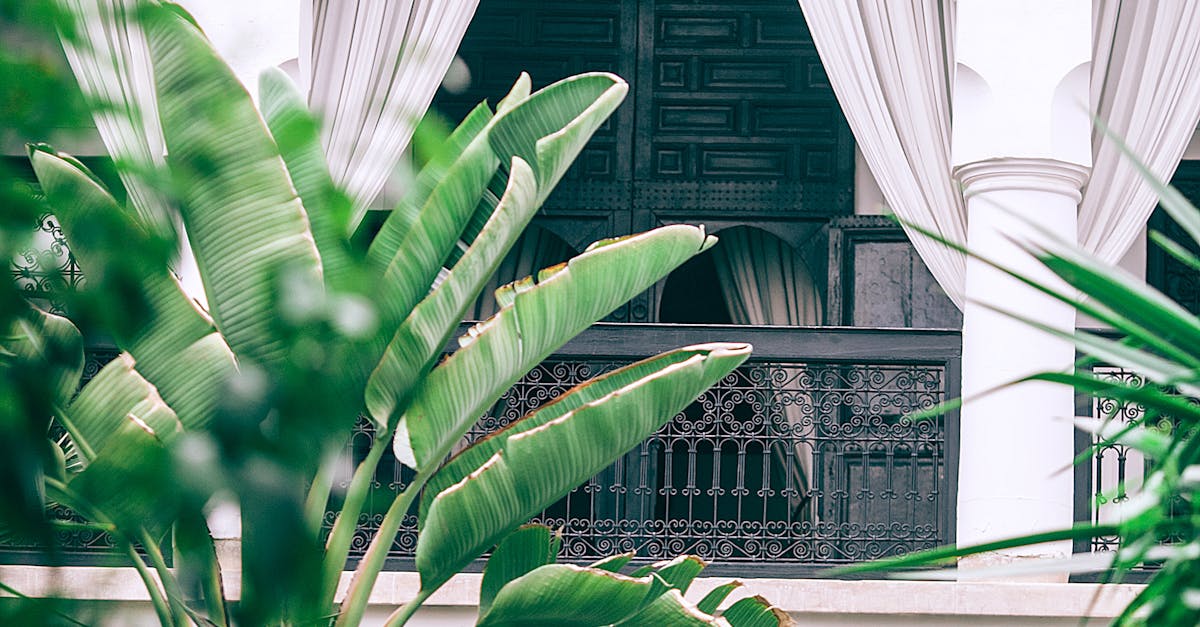
Balcony gardening is a rewarding activity that brings a touch of nature to urban environments. However, caring for plants on a balcony can be challenging, especially if you have a busy lifestyle or limited space. Creating a low-maintenance balcony garden is possible with careful planning and smart techniques. This comprehensive guide will provide you with practical tips and expert advice to establish a thriving balcony garden that can flourish with minimal care.
With thoughtful plant selection, clever water-retention techniques, and space-saving vertical gardening strategies, you can cultivate a lush oasis on your balcony without breaking a sweat. Discover the secrets of low-maintenance gardening and enjoy the beauty and benefits of nature right outside your doorstep.
1. 1. Selecting Drought-Tolerant Plants
Selecting the right plants is crucial for a low-maintenance balcony garden. Drought-tolerant plants are your allies in this endeavor, as they can withstand periods of neglect and irregular watering, making them ideal for busy individuals or those with limited time for gardening.
When choosing drought-tolerant plants, consider the following:
-
Succulents: These plants have thick, fleshy leaves and stems that store water, making them highly resilient to drought conditions. Popular succulent varieties for balcony gardens include aloe vera, sedum, and echeveria.
-
Herbs: Many herbs, such as rosemary, thyme, and oregano, are naturally drought-tolerant and thrive with minimal watering. They also add a touch of flavor to your culinary creations.
-
Native wildflowers: Local wildflowers have adapted to the specific climate and soil conditions of your region, making them well-suited for balcony gardens. They often require less water and maintenance than non-native species.
By incorporating drought-tolerant plants into your balcony garden, you can reduce the frequency of watering and still enjoy a vibrant and thriving green space.
Best Types of Plants for Minimal Care
When selecting plants for your low-maintenance balcony garden, consider the following low-maintenance options:
-
Succulents: Succulents are known for their ability to store water in their thick, fleshy leaves and stems, making them highly tolerant of drought conditions. Popular succulent varieties for balcony gardens include aloe vera, sedum, and echeveria.
-
Herbs: Many herbs are naturally drought-tolerant and thrive with minimal watering. They also add a touch of flavor to your culinary creations. Some low-maintenance herbs for balconies include rosemary, thyme, and oregano.
-
Native wildflowers: Native wildflowers have adapted to the specific climate and soil conditions of your region, making them well-suited for balcony gardens. They often require less water and maintenance than non-native species. Consider incorporating local wildflowers into your garden for a sustainable and low-maintenance option.
These low-maintenance plants are a great starting point for creating a thriving balcony garden with minimal effort. By choosing the right plants for your specific conditions, you can enjoy a beautiful and sustainable green space without spending hours on watering and upkeep.
Tips for Choosing Drought-Tolerant Varieties
When selecting drought-tolerant plants for your balcony garden, look for varieties with the following characteristics:
-
Thick, fleshy leaves and stems: These plant structures indicate the ability to store water, making them more resistant to drought conditions. Succulents are a prime example of plants with thick, water-storing tissues.
-
Waxy or hairy leaves: A waxy or hairy leaf surface helps reduce water loss through transpiration, making these plants more drought-tolerant. Examples include rosemary and lavender.
-
Deep root systems: Plants with deep root systems can access water from deeper soil layers, making them less reliant on frequent watering. Consider choosing plants like lavender and rosemary, which have extensive root systems.
-
Native to your region: Native plants have adapted to the local climate and soil conditions, which often include periods of drought. Incorporating native plants into your balcony garden is a great way to promote sustainability and reduce water consumption.
By choosing drought-tolerant plants with these characteristics, you can create a low-maintenance balcony garden that thrives with minimal watering, even during periods of neglect or irregular rainfall.
2. 2. Employing Water-Retention Techniques

To maximize water retention in your balcony garden and reduce the frequency of watering, consider implementing the following techniques:
-
Use self-watering containers: Self-watering containers have a built-in reservoir that supplies water to the plant’s roots as needed. This eliminates the guesswork and ensures that your plants receive a consistent supply of moisture, even when you’re away or forget to water.
-
Add moisture-retentive soil amendments: Incorporating organic matter, such as compost or peat moss, into your potting mix helps improve the soil’s water-holding capacity. These amendments act like sponges, absorbing and retaining water, making it available to plants for longer periods.
-
Mulch around your plants: Mulching involves spreading a layer of organic material, such as shredded bark or compost, around the base of your plants. Mulch helps retain moisture in the soil, suppresses weeds, and regulates soil temperature, reducing water evaporation and the need for frequent watering.
Using Self-Watering Containers
Self-watering containers are a godsend for busy individuals or those who want to reduce the frequency of watering their balcony garden. These containers have a built-in water reservoir that supplies water to the plant’s roots as needed, eliminating the guesswork and ensuring a consistent supply of moisture.
There are different types of self-watering containers available, each with its own advantages:
-
Wick systems: These containers have a fabric wick that extends from the water reservoir to the soil. Water is drawn up the wick and into the soil as needed, providing a continuous supply of moisture to the plant’s roots.
-
Sub-irrigation systems: These containers have a separate water reservoir at the bottom. The potting mix sits above the reservoir and draws water up through capillary action. This method ensures that the plant’s roots are always in contact with water, but not waterlogged.
-
Self-watering pots: These containers have a built-in water reservoir that is filled from the top. The water reservoir has small holes or a porous material that allows water to seep into the soil as needed.
Choosing the right self-watering container for your balcony garden depends on the size of your plants, the amount of water they need, and your personal preferences. With self-watering containers, you can enjoy a thriving balcony garden with minimal effort and peace of mind, knowing that your plants are getting the water they need, even when you’re away.
Adding Moisture-Retentive Soil Amendments
Enhancing the water-holding capacity of your balcony garden’s soil is crucial for reducing the frequency of watering. This can be achieved by incorporating organic matter, such as compost or peat moss, into the potting mix.
-
Compost: Compost is a nutrient-rich organic material that improves soil structure and water retention. It is made from decomposed plant matter, such as leaves, grass clippings, and food scraps. Compost acts like a sponge, absorbing and retaining water, making it available to plants for longer periods.
-
Peat moss: Peat moss is a partially decomposed sphagnum moss that has excellent water-holding capacity. It is often used as a soil amendment to improve drainage and aeration, but it can also be used to enhance water retention. Peat moss is highly absorbent and can hold up to 20 times its weight in water.
When adding moisture-retentive soil amendments to your balcony garden, mix them thoroughly into the potting mix. The recommended ratio is typically around 1 part amendment to 3 parts potting mix. This will help improve the soil’s structure and water-holding capacity without compromising drainage.
3. 3. Optimizing Sunlight Exposure
Strategic positioning of your balcony garden is essential for optimizing sunlight exposure and reducing water evaporation. Here’s how to do it:
-
Assess balcony orientation: Determine the direction your balcony faces. South-facing balconies receive the most direct sunlight throughout the day, making them ideal for sun-loving plants. North-facing balconies receive less direct sunlight, so they are better suited for shade-tolerant plants. East- and west-facing balconies receive sunlight during specific parts of the day, so you can choose plants that prefer morning or afternoon sun.
-
Arrange plants for maximum sunlight: Once you know the orientation of your balcony, arrange your plants accordingly. Place sun-loving plants in areas that receive the most sunlight, and shade-tolerant plants in areas with less direct light. You can also use trellises or hanging baskets to create vertical gardening spaces that maximize sunlight exposure for all your plants.
-
Reduce water evaporation: To minimize water evaporation from your balcony garden, avoid placing your plants in windy areas. If your balcony is exposed to strong winds, consider using windbreaks, such as privacy screens or bamboo fences, to create a more sheltered environment.
Assessing Balcony Orientation
Assessing the orientation of your balcony is crucial for determining the amount of sunlight your plants will receive. Here’s how to do it:
-
Observe the sun’s movement: Pay attention to the path of the sun throughout the day. Note the direction from which the sun rises and sets in relation to your balcony. This will give you a general idea of the orientation of your balcony.
-
Use a compass or online tools: For a more precise determination, use a compass or online tools, such as Google Earth or SunCalc, to determine the exact direction your balcony faces.
-
Consider neighboring buildings and structures: Take into account any neighboring buildings or structures that may block sunlight from reaching your balcony. This is especially important if your balcony is on a lower floor or surrounded by tall buildings.
Knowing the orientation of your balcony will help you make informed decisions about plant selection and placement to optimize sunlight exposure for your balcony garden.
Arranging Plants for Maximum Sunlight
Once you know the orientation of your balcony and the amount of sunlight it receives, you can arrange your plants to optimize sunlight exposure. Here are some techniques:
-
Group plants with similar light requirements together: Place plants that have similar sunlight needs in the same area of your balcony. For example, group sun-loving plants together in an area that receives the most sunlight, and shade-tolerant plants together in an area with less direct light.
-
Use vertical space: Make the most of your balcony’s vertical space by using trellises, hanging baskets, and plant stands to create vertical gardens. This allows you to grow more plants in a limited space and maximize sunlight exposure for all your plants.
-
Rotate plants regularly: To ensure that all your plants receive adequate sunlight, rotate them regularly. This is especially important for plants that are placed in areas with less direct light. By rotating them, you can give each plant a chance to receive the sunlight it needs for optimal growth.
4. 4. Mulching and Fertilizing Wisely
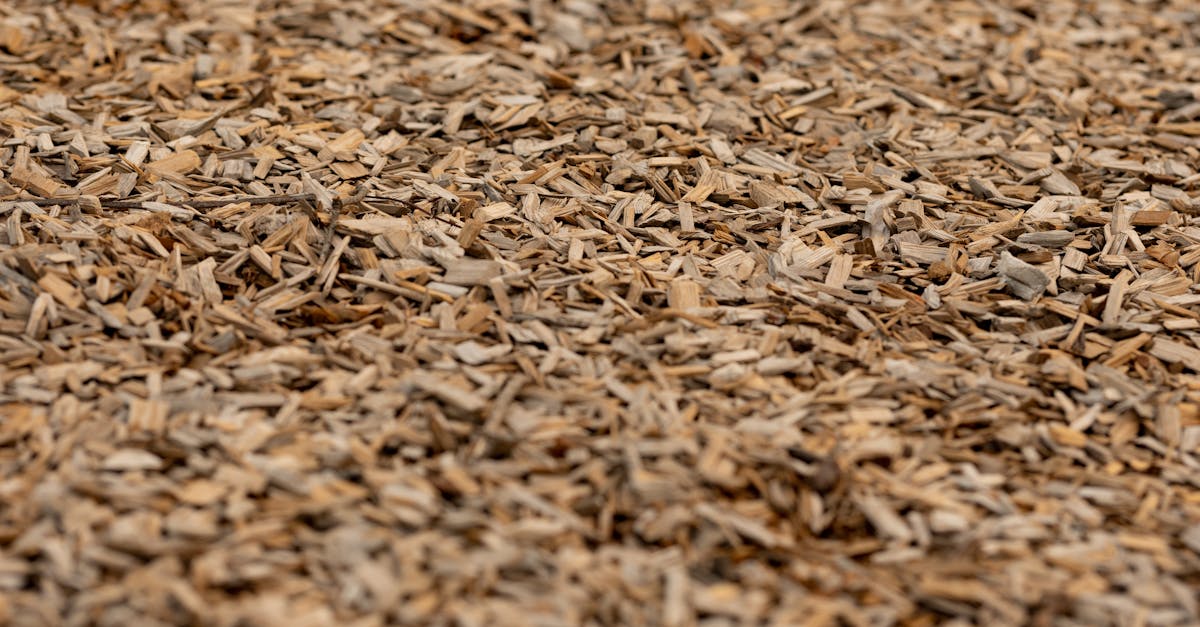
Mulching and fertilizing are essential practices for promoting plant health and minimizing maintenance in your balcony garden. Here’s a closer look at each technique:
-
Mulching: Mulching involves spreading a layer of organic material, such as shredded bark, compost, or straw, around your plants. Mulch provides numerous benefits, including moisture retention, weed suppression, and temperature regulation. It also helps improve soil structure and fertility over time.
-
Fertilizing: Fertilizing provides essential nutrients to your plants, helping them grow healthy and strong. Choose fertilizers that are specifically designed for container gardening and follow the instructions on the package carefully to avoid over-fertilizing. Consider using slow-release or organic fertilizers that provide nutrients gradually over time, reducing the need for frequent fertilization.
Benefits of Mulching for Low-Maintenance Gardens
Mulching offers numerous benefits for low-maintenance balcony gardens:
-
Moisture retention: Mulch acts like a blanket, covering the soil and reducing evaporation. This helps retain moisture in the soil, reducing the need for frequent watering, which is especially beneficial during hot and dry weather.
-
Weed suppression: Mulch creates a physical barrier that prevents weed seeds from germinating and growing. This reduces competition for water and nutrients, allowing your plants to thrive.
-
Temperature regulation: Mulch helps regulate soil temperature, keeping it cooler in hot weather and warmer in cold weather. This creates a more favorable environment for plant roots and helps protect them from extreme temperatures.
Choosing the Right Fertilizer for Minimal Care
When choosing fertilizers for your low-maintenance balcony garden, consider slow-release or organic options:
-
Slow-release fertilizers: These fertilizers release nutrients gradually over time, providing a steady supply of nourishment to your plants without the risk of over-fertilizing. This reduces the need for frequent fertilization and makes it easier to maintain healthy plants with minimal effort.
-
Organic fertilizers: Organic fertilizers are derived from natural sources, such as compost or manure. They provide a balanced blend of nutrients and help improve soil health over time. Organic fertilizers are generally less likely to cause nutrient burn or other problems associated with over-fertilizing.
5. 5. Embrace Vertical Gardening Techniques
Vertical gardening techniques are a great way to maximize space and enhance the aesthetics of your balcony garden:
-
Space optimization: Vertical gardening allows you to grow more plants in a limited space by utilizing vertical structures such as trellises, hanging baskets, and wall-mounted planters. This is especially beneficial for small balconies or those with limited floor space.
-
Improved air circulation: Vertical gardening promotes better air circulation around your plants, reducing the risk of disease and pests. Good air circulation helps keep plants healthy and allows them to breathe more easily.
-
Aesthetic appeal: Vertical gardens can add a unique and visually appealing element to your balcony. By growing plants vertically, you can create beautiful displays and transform your balcony into a lush green oasis.
Advantages of Vertical Gardening for Small Spaces
Vertical gardening offers several advantages for small spaces:
-
Space saving: Vertical gardening allows you to grow more plants in a limited space by utilizing vertical structures such as trellises, hanging baskets, and wall-mounted planters. This is especially beneficial for balconies or patios with limited floor space.
-
Improved air circulation: Vertical gardening promotes better air circulation around your plants, reducing the risk of disease and pests. Good air circulation helps keep plants healthy and allows them to breathe more easily, which is particularly important in small spaces where air circulation can be limited.
-
Enhanced aesthetics: Vertical gardens can add a unique and visually appealing element to your small space. By growing plants vertically, you can create beautiful displays and transform your balcony or patio into a lush green oasis, even with limited floor space.
DIY Vertical Gardening Ideas
If you’re looking for inspiration for building your own vertical gardening structures, here are a few ideas:
-
Trellises: Trellises are a classic vertical gardening option that can be used to support climbing plants such as vines, beans, and cucumbers. You can build your own trellis using wood, bamboo, or metal, or purchase a ready-made trellis from a garden center.
-
Hanging planters: Hanging planters are a great way to add vertical interest to your balcony or patio. You can use a variety of materials to make your own hanging planters, such as recycled plastic bottles, old baskets, or even fabric.
-
Wall-mounted planters: Wall-mounted planters are a space-saving option that can be used to grow a variety of plants, including herbs, flowers, and even small vegetables. You can purchase wall-mounted planters from a garden center or make your own using wood, metal, or other materials.
Quiz: Test Your Balcony Gardening Knowledge
- Which of the following is a benefit of using self-watering containers?
- A. Reduced frequency of watering
- B. Improved drainage
- C. Increased plant growth
- D. None of the above
-
True or False: Drought-tolerant plants require more frequent watering than non-drought-tolerant plants.
-
Which of the following is a technique for optimizing sunlight exposure for balcony plants?
- A. Placing plants in areas with indirect light
- B. Using reflective surfaces to redirect sunlight
- C. Arranging plants to maximize vertical space
- D. None of the above
- What is the primary benefit of mulching in a balcony garden?
- A. Weed suppression
- B. Improved soil drainage
- C. Increased nutrient availability
- D. All of the above
- Which of the following is an advantage of vertical gardening?
- A. Space optimization
- B. Improved air circulation
- C. Enhanced aesthetics
- D. All of the above
- A, 2. False, 3. C, 4. A, 5. D
Unlock the Greenery Potential of Your Balcony: A Guide to Thriving Plants in Compact Spaces Attention all balcony-dwelling plant enthusiasts! Read more
Transform Your Balcony into a Flourishing Garden Oasis: A Step-by-Step Guide Beginning a balcony garden can be a fulfilling endeavor, Read more
Unlocking the Potential of Vertical Gardening on Balconies Are you tired of your cramped balcony but still longing for a Read more
Aromatic Delights: Cultivating Herbs on Your Balcony Oasis Whether you're a seasoned gardener or just starting out, growing herbs on Read more