
Budget-Savvy Balcony Gardening: A Guide to Creating an Urban Oasis
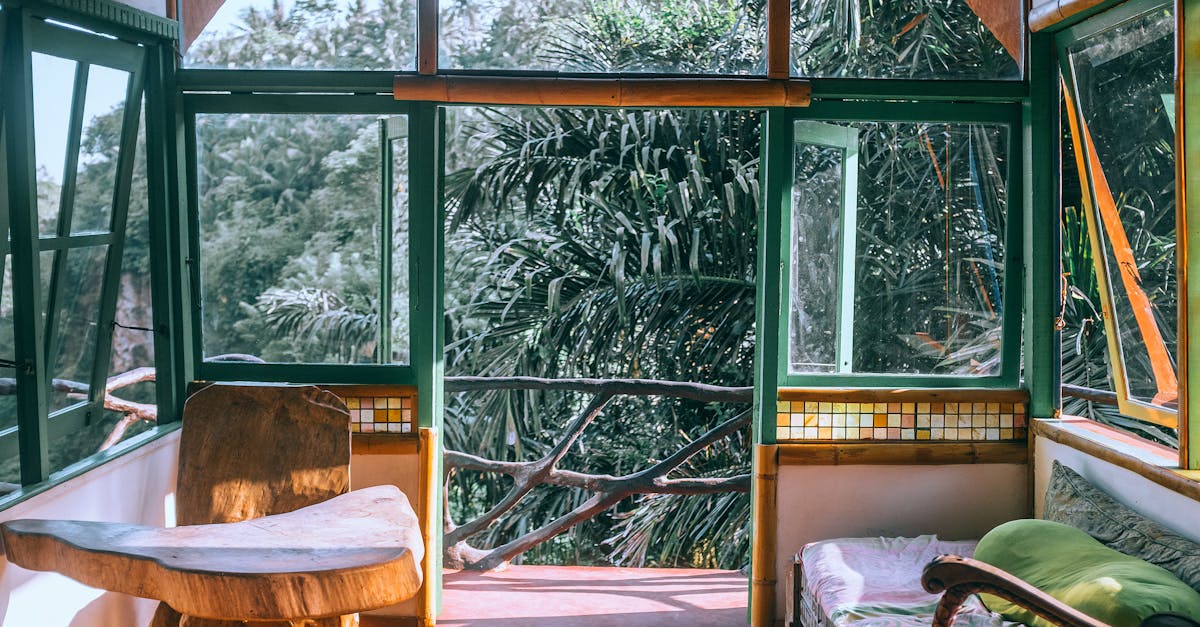
Balcony gardening provides a wonderful opportunity to create a lush and inviting oasis in urban environments. However, for those with limited space and a tight budget, it can seem daunting. This comprehensive guide will empower you to design and cultivate a thriving balcony garden without breaking the bank. By following these practical tips, you’ll learn how to plan, select plants, reuse materials, water and fertilize efficiently, and maintain your garden for optimal growth. Embrace the joy of gardening and transform your balcony into a verdant sanctuary that brings tranquility and beauty to your doorstep.\ \ Balcony gardening, a perfect solution for urban dwellers, offers numerous benefits. Not only does it provide a breath of fresh air in concrete jungles, but it also fosters a connection with nature, promotes relaxation, and improves air quality. Whether you’re a seasoned gardener or a complete novice, this guide will equip you with the knowledge and strategies to create a flourishing balcony garden that will bring joy and well-being to your life.\ \ Unleash your creativity and transform your balcony into a thriving urban oasis. With careful planning, smart choices, and a touch of ingenuity, you’ll discover that creating a beautiful and budget-friendly balcony garden is easier than you think. So, let’s dive into the world of balcony gardening and embark on a journey towards a greener, more fulfilling urban living experience.
1. Plan and Design Your Balcony Garden
Before embarking on your balcony gardening journey, it’s crucial to assess your balcony space and sunlight conditions. This will guide your plant selection and help you design a layout that optimizes growth and aesthetics. Here’s a step-by-step approach to assessing your balcony:\ \ 1. Measure your balcony and determine the available space: Take precise measurements of the length, width, and height of your balcony. Consider the position of any railings, walls, or other structures that may limit plant placement. Determine the amount of floor space available for containers and furniture, ensuring you leave enough room for comfortable movement.\ \ 2. Identify the amount of sunlight your balcony receives: Observe your balcony at different times of the day to gauge the amount and duration of sunlight it receives. Different plants have varying sunlight requirements, so it’s essential to choose species that are well-suited to your balcony’s conditions. If your balcony receives limited sunlight, consider shade-tolerant plants or vertical gardening techniques to maximize light exposure.\ \ By carefully assessing your balcony space and sunlight conditions, you can create a customized plan that will set the foundation for a thriving and beautiful balcony garden.
Measure your balcony and determine the available space
Measuring your balcony and determining the available space is a crucial step in planning your balcony garden. Here’s how to do it effectively:\ \ 1. Measure the length, width, and height of your balcony: Use a measuring tape to accurately determine the dimensions of your balcony. Note down the measurements in a notebook or on a sketch of your balcony.\ \ 2. Consider the position of railings, walls, and other structures: Identify any railings, walls, or other structures that may limit plant placement. Measure the distance between these structures and the edge of the balcony to determine the available planting area.\ \ 3. Plan the layout of containers, furniture, and plants: Sketch a layout of your balcony, including the placement of containers, furniture, and plants. Consider the size of the containers and furniture, as well as the mature size of the plants, to ensure optimal spacing and access.\ \ 4. Maximize vertical space: If your balcony is limited in floor space, consider using vertical gardening techniques such as trellises, hanging baskets, and wall-mounted planters. This allows you to grow more plants in a compact area.\ \ By carefully measuring your balcony and planning the layout, you can create a functional and visually appealing balcony garden that meets your needs and space constraints.
Identify the amount of sunlight your balcony receives
Determining the amount of sunlight your balcony receives is essential for choosing the right plants. Here’s how to assess sunlight conditions and select suitable plants:\ \ 1. Observe sunlight patterns throughout the day: Spend some time observing your balcony at different times of the day, noting the duration and intensity of sunlight. This will help you determine if your balcony is exposed to full sun, partial sun, or shade.\ \ 2. Research plant sunlight requirements: Different plant species have varying sunlight requirements. Research the specific plants you’re considering and identify their sunlight preferences. Match the plants to the sunlight conditions on your balcony to ensure their optimal growth.\ \ 3. Consider vertical gardening: If your balcony receives limited sunlight, consider using vertical gardening techniques to maximize light exposure. Trellises, hanging baskets, and wall-mounted planters allow you to grow plants vertically, giving them access to more sunlight.\ \ 4. Choose shade-tolerant plants: If your balcony receives mostly shade, select plant varieties that are tolerant of low light conditions. There are many beautiful and low-maintenance plants that can thrive in shady environments.\ \ By understanding the sunlight conditions on your balcony and selecting plants accordingly, you can create a thriving balcony garden that brings joy and beauty to your urban space, regardless of its sunlight exposure.
2. Choose Plants Wisely
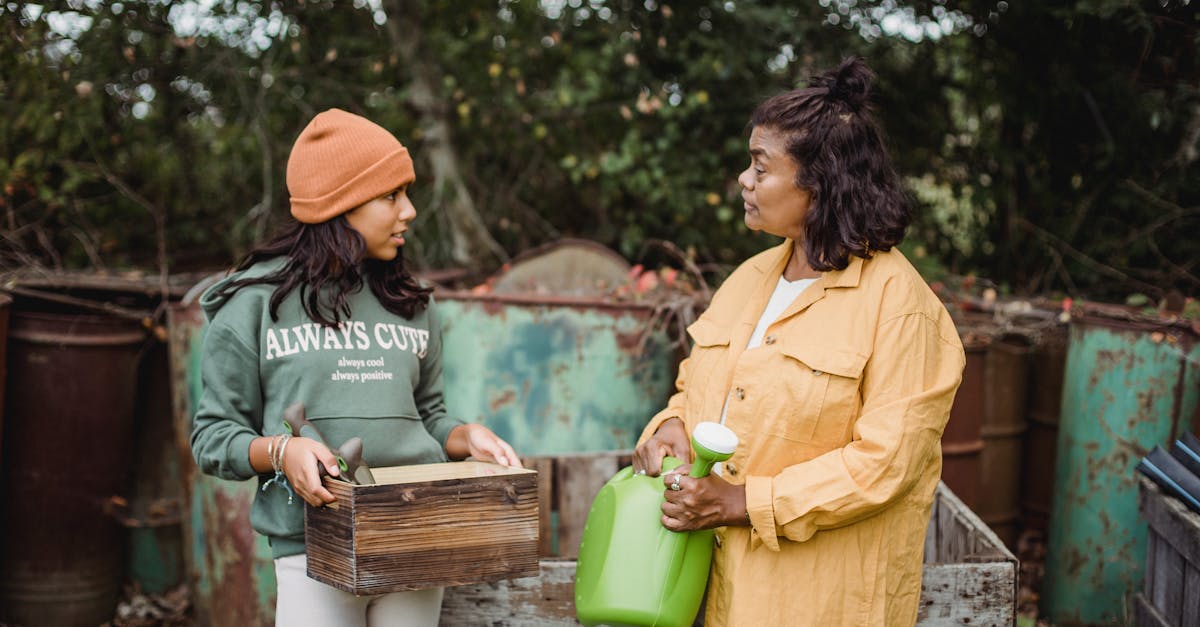
When selecting plants for your balcony garden, it’s essential to choose species that thrive in containers and are well-suited to your balcony’s specific conditions. Here are some factors to consider:\ \ 1. Container size and root space: Consider the size of the containers you’ll be using and ensure they provide adequate root space for the plants you choose. Choose containers with drainage holes to prevent waterlogging.\ \ 2. Sunlight requirements: Match the sunlight requirements of the plants to the sunlight conditions on your balcony. If you have limited sunlight, opt for shade-tolerant plants. If you have full sun, you can choose from a wider variety of plants.\ \ 3. Hardiness zone: Select plants that are hardy in your local climate. Check the plant tags or consult with a local nursery to determine which plants are suitable for your hardiness zone.\ \ 4. Vertical gardening: If your balcony space is limited, consider using vertical gardening techniques to grow plants vertically. Trellises, hanging baskets, and wall-mounted planters allow you to maximize space and grow more plants.\ \ 5. Companion planting: Research companion planting techniques to identify mutually beneficial plant combinations. Planting compatible species together can enhance growth, improve pest resistance, and optimize space utilization.\ \ By carefully selecting plants that are suited to your balcony’s conditions and needs, you can create a thriving and visually appealing balcony garden that will bring joy and beauty to your urban space.
Vertical gardening techniques
Vertical gardening techniques are a great way to maximize space on your balcony and grow more plants. Here are some popular methods:\ \ 1. Trellises: Trellises are vertical structures that provide support for climbing plants. They can be made from various materials such as wood, metal, or plastic. Climbing plants, such as beans, peas, and tomatoes, can be trained to grow up the trellis, saving valuable floor space.\ \ 2. Hanging baskets: Hanging baskets are a great way to add a touch of greenery to your balcony and make use of vertical space. They can be hung from the ceiling, railings, or walls. Choose plants that are well-suited to hanging baskets, such as trailing plants, ferns, and succulents.\ \ 3. Vertical planters: Vertical planters are standalone structures that allow you to grow plants vertically. They come in various designs and sizes, and can be placed against walls or fences. Vertical planters are ideal for growing herbs, leafy greens, and strawberries.\ \ Vertical gardening techniques not only save space but also create a visually appealing and unique look for your balcony garden. They allow you to grow a wider variety of plants and make the most of your available space.
Consider companion planting
Companion planting is a gardening technique that involves planting different species of plants together to create mutually beneficial relationships. Here’s how it works and its benefits:\ \ 1. Enhanced growth: Certain plant combinations can enhance each other’s growth. For example, planting nitrogen-fixing plants, such as beans or peas, near heavy feeders, such as tomatoes or corn, can provide them with essential nutrients.\ \ 2. Improved pest resistance: Companion planting can also help improve pest resistance. For example, planting garlic or onions near roses can deter aphids and other pests. The strong scent of these plants acts as a natural repellent.\ \ 3. Optimized space utilization: Companion planting allows you to make the most of your balcony space by growing compatible plants together. For example, planting low-growing plants, such as lettuce or spinach, beneath taller plants, such as tomatoes or cucumbers, can maximize vertical space and sunlight exposure.\ \ When choosing companion plants, consider their individual needs, such as sunlight requirements, water requirements, and mature size. Research different plant combinations and experiment with what works best for your balcony conditions.
3. Reuse and Upcycle Materials
Reusing and upcycling materials is a great way to save money and reduce waste while creating a unique and personal balcony garden. Here are some creative ideas:\ \ 1. Repurpose old containers: Instead of buying new containers, repurpose old items such as buckets, baskets, drawers, or even old shoes. Drill drainage holes in the bottom to ensure proper drainage, and you’re ready to plant.\ \ 2. Create vertical planters from pallets: Wooden pallets can be transformed into vertical planters by stacking them and attaching fabric or plastic sheeting to the back. This is a great way to grow herbs, leafy greens, or strawberries vertically, saving space on your balcony.\ \ 3. Use recycled materials for trellises: Trellises can be made from a variety of recycled materials, such as old bamboo blinds, wooden slats, or even chicken wire. These structures provide support for climbing plants and can be easily attached to walls or railings.\ \ 4. Make your own compost: Instead of buying compost, create your own using kitchen scraps, coffee grounds, and yard waste. Composting is a great way to recycle organic materials and provide nutrient-rich fertilizer for your plants.\ \ Reusing and upcycling materials not only saves you money but also adds a touch of creativity and personality to your balcony garden.
Use recycled containers
Repurposing old containers is a clever and sustainable way to create unique and functional planters for your balcony garden. Here are some ideas on how to use recycled containers:\ \ 1. Old pots and buckets: Plastic or ceramic pots and buckets can be given a new life as planters. Simply drill drainage holes in the bottom and you’re ready to plant. You can paint or decorate the containers to match your balcony’s style.\ \ 2. Egg cartons: Egg cartons are a great way to start seeds or grow small plants. Each compartment can hold a single seed or seedling, and the carton provides support and protection during the early stages of growth.\ \ 3. Plastic bottles: Cut the bottom off a plastic bottle to create a mini greenhouse or cloche. This is a great way to protect seedlings from cold temperatures or harsh weather conditions.\ \ 4. Tin cans: Tin cans can be used as planters for herbs or small flowers. Remove the top and bottom of the can, smooth any sharp edges, and poke drainage holes in the bottom. You can decorate the cans with paint or fabric to add a personal touch.\ \ 5. Old drawers: Old wooden drawers can be repurposed into charming planters. Remove the drawer from its frame, drill drainage holes in the bottom, and line it with plastic or fabric to prevent soil from leaking out.\ \ Repurposing old containers is a great way to reduce waste, save money, and add a touch of個性 to your balcony garden.
Create homemade compost
Creating homemade compost is a fantastic way to recycle organic materials, reduce waste, and provide your balcony plants with nutrient-rich fertilizer. Here’s how to get started:\ \ 1. Gather your materials: You’ll need a container for your compost, such as a plastic bin or wooden compost bin. You’ll also need a mix of
4. Water and Fertilize Efficiently
Sustainable watering and fertilization practices are crucial for maintaining the health and vitality of your balcony garden while conserving resources. Here’s how to do it effectively:\ \ 1. Water wisely: Water your plants deeply and less frequently, rather than giving them a light watering every day. Deep watering encourages roots to grow deeper, making plants more drought tolerant. Water at the base of the plants, avoiding the leaves, to prevent fungal diseases.\ \ 2. Use rainwater: Collect rainwater for watering your plants. Rainwater is naturally soft and free of chemicals, making it an ideal choice for balcony gardening. You can use a rain barrel or other容器 to collect rainwater.\ \ 3. Mulch around plants: Mulch, such as bark chips or compost, helps retain moisture in the soil, reduces evaporation, and suppresses weeds. A layer of mulch around your plants can significantly reduce your watering needs.\ \ 4. Fertilize organically: Opt for organic fertilizers, such as compost tea or manure, to provide your plants with essential nutrients. Organic fertilizers slowly release nutrients over time, reducing the risk of nutrient burn and promoting healthy soil microflora.\ \ 5. Avoid over-fertilizing: Over-fertilizing can damage your plants and pollute the environment. Follow the instructions on the fertilizer label and avoid applying more than the recommended amount.
Water conservation techniques
Water conservation is essential for sustainable balcony gardening. Here are some effective techniques to reduce water consumption:\ \ 1. Rainwater harvesting: Collect rainwater for watering your plants. Rainwater is naturally soft and free of chemicals, making it ideal for gardening. You can install a rain barrel or other container to collect rainwater from your balcony or roof.\ \ 2. Mulching: Mulch, such as bark chips, compost, or straw, helps retain moisture in the soil and reduces evaporation. A layer of mulch around your plants can significantly reduce your watering needs. Mulch also suppresses weeds and regulates soil temperature.\ \ 3. Deep watering: Water your plants deeply and less frequently, rather than giving them a light watering every day. Deep watering encourages roots to grow deeper, making plants more drought tolerant. Water at the base of the plants, avoiding the leaves, to prevent fungal diseases.
Organic fertilizers and natural pest control
Organic fertilizers and natural pest control methods promote a healthy and sustainable balcony garden. Here’s how to use them effectively:\ \ 1. Organic fertilizers: Opt for organic fertilizers, such as compost tea or manure, to provide your plants with essential nutrients. Organic fertilizers slowly release nutrients over time, reducing the risk of nutrient burn and promoting healthy soil microflora. Compost tea is a liquid fertilizer made from composted organic matter, which is rich in beneficial microorganisms.\ \ 2. Natural pest control: Use natural methods to control pests in your balcony garden. Avoid using harsh chemical pesticides, which can harm beneficial insects and pollute the environment. Instead, try using companion planting, where you plant certain species together to deter pests. You can also use neem oil or insecticidal soap to control pests organically.\ \ 3. Companion planting: Companion planting is a natural pest control technique that involves planting certain species together to create a mutually beneficial relationship. For example, planting basil next to tomatoes can deter aphids, while planting marigolds near vegetables can repel nematodes.
5. Maintenance and Troubleshooting
Regular maintenance and troubleshooting are essential to keep your balcony garden thriving. Here’s how to care for your plants and address common challenges:\ \ 1. Regular pruning: Regularly prune your plants to remove dead or diseased leaves, encourage new growth, and maintain their shape. Pruning also helps improve air circulation and light penetration.\ \ 2. Pest inspection: Regularly inspect your plants for pests. Catching and treating infestations early can prevent them from spreading and damaging your plants. Use natural pest control methods whenever possible.\ \ 3. Troubleshooting common issues: Balcony gardens may face specific challenges due to their limited space and exposure to elements. Common issues include nutrient deficiencies, overwatering, underwatering, and extreme temperatures. Research and understand the specific needs of your plants to address these challenges effectively.
Regular pruning and pest inspection
Regular pruning and pest inspection are crucial for maintaining healthy plants in your balcony garden. Here’s how to do it effectively:\ \ 1. Pruning: Regularly prune your plants to remove dead or diseased leaves, encourage new growth, and maintain their shape. Pruning also helps improve air circulation and light penetration, which can prevent fungal diseases and promote overall plant health.\ \ 2. Pest inspection: Regularly inspect your plants for pests, especially on the undersides of leaves and in new growth. Early detection and treatment can prevent infestations from spreading and damaging your plants. Look for signs of pests, such as holes in leaves, discolored or wilted foliage, or webbing. Use natural pest control methods whenever possible, such as insecticidal soap or neem oil.
Troubleshooting common balcony gardening issues
Balcony gardening can present unique challenges due to limited space and exposure to the elements. Here’s how to identify and resolve common issues:\ \ 1. Pests: Inspect your plants regularly for pests, such as aphids, spider mites, or whiteflies. Use natural pest control methods whenever possible, such as insecticidal soap or neem oil. For severe infestations, you may need to use chemical pesticides, but follow the instructions carefully to avoid harming beneficial insects or contaminating your produce.\ \ 2. Diseases: Fungal and bacterial diseases can affect balcony plants, especially in humid or poorly ventilated conditions. Improve air circulation by pruning and spacing plants appropriately. Water your plants at the base to avoid getting water on the leaves, as this can promote disease. If a plant becomes infected, remove it from your garden and dispose of it properly to prevent the disease from spreading.\ \ 3. Nutrient deficiencies: Nutrient deficiencies can occur if your plants don’t receive the essential nutrients they need. Symptoms vary depending on the nutrient deficiency, but may include yellowing leaves, stunted growth, or poor flowering. Fertilize your plants regularly with a balanced fertilizer to provide them with the nutrients they need.
Quiz: Test Your Balcony Gardening Knowledge
-
True or False: Vertical gardening techniques can help maximize space on small balconies.
-
Which of the following is NOT a benefit of companion planting?
(a) Enhanced growth
(b) Improved pest resistance
(c) Reduced water consumption
-
What is a key consideration when choosing plants for container gardening?
(a) Sunlight requirements
(b) Hardiness zone
(c) Both (a) and (b)
-
Why is it important to regularly prune plants in a balcony garden?
(a) To remove dead leaves
(b) To encourage new growth
(c) To improve air circulation
(d) All of the above
-
Which of the following is a natural pest control method for balcony gardens?
(a) Insecticidal soap
(b) Chemical pesticides
(c) Neem oil
(d) None of the above
-
True
-
(c) Reduced water consumption
-
(c) Both (a) and (b)
-
(d) All of the above
-
(a) Insecticidal soap, (c) Neem oil
Unlock the Greenery Potential of Your Balcony: A Guide to Thriving Plants in Compact Spaces Attention all balcony-dwelling plant enthusiasts! Read more
Transform Your Balcony into a Flourishing Garden Oasis: A Step-by-Step Guide Beginning a balcony garden can be a fulfilling endeavor, Read more
Unlocking the Potential of Vertical Gardening on Balconies Are you tired of your cramped balcony but still longing for a Read more
Aromatic Delights: Cultivating Herbs on Your Balcony Oasis Whether you're a seasoned gardener or just starting out, growing herbs on Read more