
Unlock the Secrets of Balcony Vegetable Gardening with Dwarf Varieties
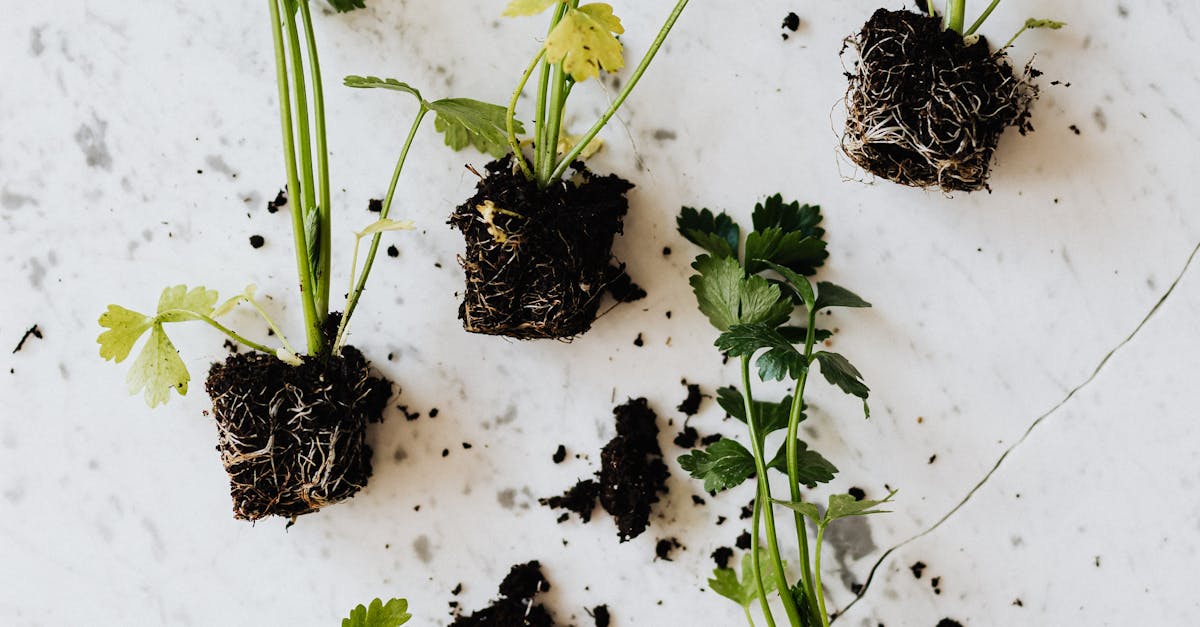
If you’re an urban dweller with a passion for gardening, growing vegetables on your balcony can be a rewarding experience. However, space constraints can be a limiting factor. That’s where dwarf vegetable varieties come in. These compact plants are specially bred to thrive in containers, making them ideal for balcony gardens.
In this comprehensive guide, we’ve compiled everything you need to know about growing dwarf vegetables on your balcony. We’ll cover selecting the right varieties, mastering growing techniques, overcoming common challenges, and providing additional resources to help you succeed.
So, whether you’re a seasoned balcony gardener or just starting your green thumb journey, read on to unlock the secrets of cultivating a bountiful dwarf vegetable garden right on your urban oasis.
1. Choosing the Right Dwarf Varieties
When selecting dwarf vegetable varieties for your balcony garden, it’s crucial to consider several key factors to ensure optimal growth and productivity. Here are the essential elements to keep in mind:
Plant Size: Dwarf vegetable varieties are generally smaller than their full-size counterparts, but they can still vary in size. Consider the available space on your balcony and choose varieties that will fit comfortably in the containers you have. Compact varieties, such as ‘Patio Snacker’ tomatoes or ‘Little Fingers’ carrots, are excellent choices for smaller balconies.
Maturity Time: The maturity time of a vegetable variety refers to the number of days it takes from planting to harvest. For balcony gardening, it’s generally advisable to choose early-maturing varieties that will produce a harvest within a shorter period. This allows you to enjoy fresh produce sooner and make the most of your limited growing season.
Growing Habits: Different dwarf vegetable varieties have unique growing habits. Some varieties, like bush beans and determinate tomatoes, are more compact and upright, while others, like vining cucumbers and indeterminate tomatoes, require support structures to grow vertically. Choose varieties that suit your balcony’s layout and the space you have available for trellising or staking.
2. Top Dwarf Vegetable Picks for Balcony Gardens
With a wide range of dwarf vegetable varieties available, choosing the right ones for your balcony garden can be overwhelming. Here are some of the most popular and productive dwarf vegetable varieties that are well-suited for container gardening:
Tomatoes: – ‘Patio Snacker’: A compact determinate variety that produces abundant yields of small, sweet tomatoes. – ‘Tumbling Tom’: A vining indeterminate variety that cascades over containers, producing a continuous harvest of cherry tomatoes. – ‘Tiny Tim’: A miniature determinate variety that grows to just 12 inches tall, perfect for small balconies.
Peppers: – ‘Patio Bells’: A compact bell pepper variety that produces sweet, blocky peppers in various colors. – ‘Lunch Box’: A miniature sweet pepper variety that ripens to a vibrant orange, perfect for snacking. – ‘Cayenne’: A dwarf cayenne pepper variety that adds a spicy kick to your dishes.
Beans: – ‘Bush Blue Lake’: A compact bush bean variety that produces tender, stringless beans. – ‘Kentucky Wonder’: A pole bean variety that can be grown vertically on supports, saving space on your balcony. – ‘Scarlet Runner’: A vigorous climbing bean variety with beautiful red flowers and delicious beans.
3. Growing Techniques for Dwarf Vegetables in Containers
Growing dwarf vegetables in containers requires specific techniques to ensure their success. Here are some key growing techniques to follow:
Choosing the Right Soil: When selecting soil for your dwarf vegetables, opt for a well-draining potting mix specifically formulated for container gardening. These mixes typically contain a blend of peat moss, compost, and perlite or vermiculite to provide optimal drainage and aeration for the roots.
Providing Adequate Sunlight: Dwarf vegetables, like all plants, require adequate sunlight for optimal growth and productivity. Place your containers in a location on your balcony that receives at least six hours of direct sunlight per day. If this is not possible, consider using grow lights to supplement natural sunlight.
Watering Efficiently: Watering dwarf vegetables in containers requires a delicate balance. Overwatering can lead to root rot, while underwatering can stunt growth. Water your plants deeply when the top inch of soil feels dry to the touch. Allow the excess water to drain out of the drainage holes in the bottom of the containers to prevent waterlogging.
4. Overcoming Challenges in Balcony Vegetable Gardening
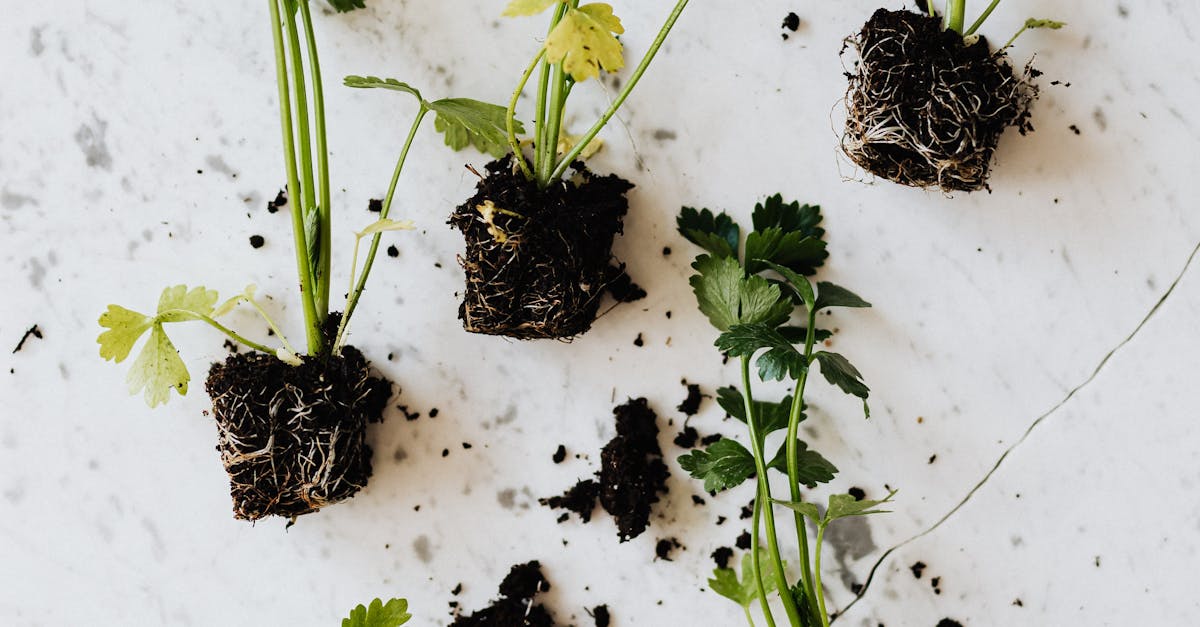
Balcony vegetable gardening comes with its unique set of challenges that need to be understood and overcome to ensure a successful harvest. Here are some common challenges and tips on how to address them:
Limited Space: Balconies often have limited space, which can be a constraint for growing vegetables. To maximize space, consider using vertical gardening techniques such as trellising or hanging planters. You can also choose compact dwarf varieties of vegetables that are specially bred for container gardening.
Pests: Balcony gardens can attract pests such as aphids, spider mites, and whiteflies. To prevent and control pests, practice regular inspection of your plants. Remove any pests you find by hand or use organic pest control methods such as neem oil or insecticidal soap. Keep your balcony clean and free of debris to discourage pests.
Disease: Diseases can also affect dwarf vegetables grown in containers. To prevent diseases, ensure proper drainage in your containers to avoid waterlogging. Water your plants at the base to avoid getting the leaves wet, as this can promote fungal diseases. Consider using disease-resistant varieties of vegetables and practice crop rotation to reduce the risk of disease buildup.
5. Additional Resources for Balcony Vegetable Gardening
In addition to the information provided in this guide, there are numerous resources available to help you succeed in your balcony vegetable gardening endeavors. Here are some helpful resources to explore:
Books: – ‘阳台 Vegetable Gardening: The Ultimate Guide to Growing Food in Containers’ by Jessica Walliser – ‘The Vertical Vegetable Garden: A Practical Guide to Growing Food in Small Spaces’ by Derek Fell – ‘阳台 Container Gardening: The Complete Guide to Growing Vegetables, Fruits, and Flowers in Pots, Planters, and Other Containers’ by Edward C. Smith
Websites: -阳台 Gardening Association: https://阳台garden.org/ – National Gardening Association: https://garden.org/ -阳台 Container Gardening: https://阳台containergardening.com/
Online Communities: -阳台 Gardening Forum: https://阳台garden.org/forums/ -阳台 Container Gardening Group (Facebook): https://www.facebook.com/groups/阳台containergardening/ – Urban Gardening subreddit: https://www.reddit.com/r/阳台gardening/
Quiz
1. True or False: Dwarf vegetable varieties are specifically bred to grow larger than their full-size counterparts.
2. Multiple Choice: Which of the following factors should you consider when selecting dwarf vegetable varieties for your balcony garden? (a) Plant size (b) Maturity time (c) Growing habits (d) All of the above
3. True or False: It’s generally advisable to choose late-maturing varieties of dwarf vegetables for balcony gardening.
4. Which of the following is NOT** a recommended growing technique for dwarf vegetables in containers? (a) Using well-draining potting mix (b) Providing adequate sunlight (c) Watering excessively (d) Choosing the right soil
Answer Key:
- False
- (d) All of the above
- False
- (c) Watering excessively
Unlock the Greenery Potential of Your Balcony: A Guide to Thriving Plants in Compact Spaces Attention all balcony-dwelling plant enthusiasts! Read more
Transform Your Balcony into a Flourishing Garden Oasis: A Step-by-Step Guide Beginning a balcony garden can be a fulfilling endeavor, Read more
Unlocking the Potential of Vertical Gardening on Balconies Are you tired of your cramped balcony but still longing for a Read more
Aromatic Delights: Cultivating Herbs on Your Balcony Oasis Whether you're a seasoned gardener or just starting out, growing herbs on Read more