
Transform Your Balcony into a Culinary Oasis: The Magic of Edible Flowers
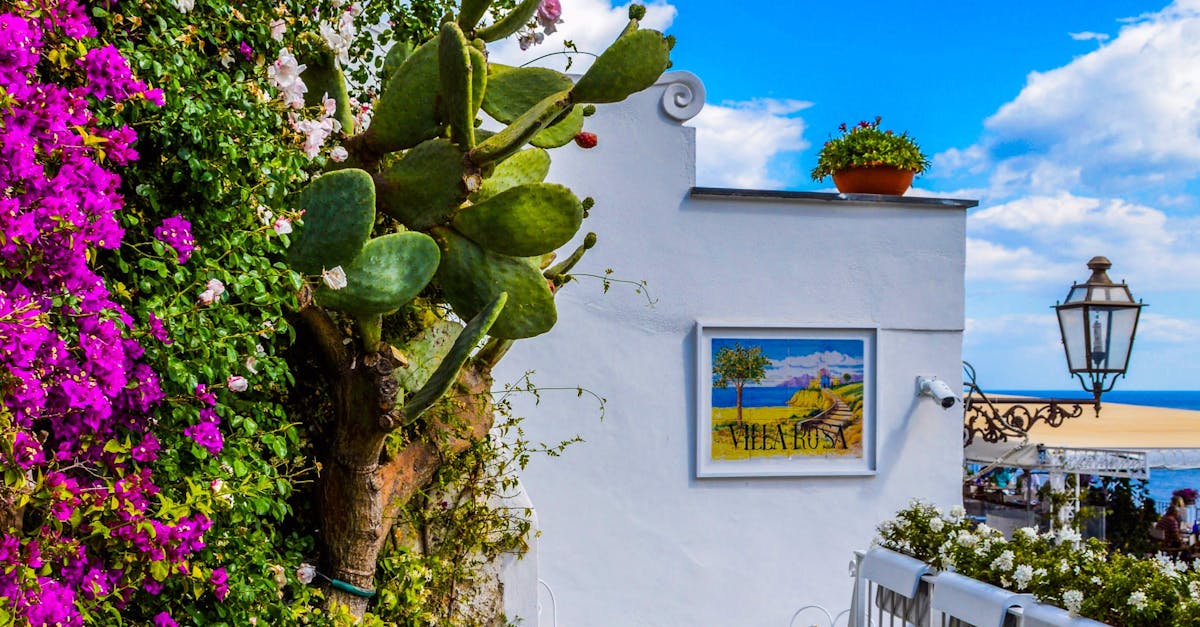
Discover the Culinary Delights and Aesthetic Beauty of Edible Flowers for Balcony Gardens
Balconies, often underutilized spaces, can be transformed into vibrant culinary oases with the introduction of edible flowers. These floral gems not only enhance the visual appeal of your outdoor haven but also offer a wealth of culinary and health benefits.
Edible flowers add a burst of colors, textures, and flavors to your balcony garden, creating a stunning display that delights the senses. Their versatility extends beyond aesthetics, as they can be incorporated into a variety of culinary creations, adding unique flavors and nutrients to your favorite dishes. Growing edible flowers on your balcony not only beautifies your space but also provides a sustainable source of fresh, organic ingredients for your kitchen.
1. Benefits of Edible Flowers for Balcony Gardeners
Benefits of Edible Flowers for Balcony Gardeners: Uncover the advantages of growing edible flowers on your balcony, including their aesthetic appeal, nutritional value, and ability to attract pollinators.
Edible flowers are a beautiful and versatile addition to any balcony garden. Not only do they add a splash of color and visual interest, but they are also packed with nutrients and can be used to attract pollinators. Here are some of the benefits of growing edible flowers on your balcony:
-
Aesthetic enhancement: Edible flowers come in a wide variety of colors, shapes, and sizes, making them a great way to add visual interest to your balcony garden. They can be used to create stunning arrangements in pots or hanging baskets, or they can be planted directly in the ground. Edible flowers are also a great way to attract butterflies and other pollinators, which can help to improve the biodiversity of your balcony garden.
-
Culinary delights: Edible flowers can be used to add flavor and color to a variety of dishes. They can be used in salads, soups, desserts, and even beverages. Some edible flowers, such as nasturtiums and violas, have a peppery flavor, while others, such as roses and lavender, have a more delicate flavor. Edible flowers can also be used to make teas and other herbal infusions.
-
Nutritional value: Edible flowers are a good source of vitamins, minerals, and antioxidants. They are also a low-calorie way to add flavor and nutrients to your diet. Some edible flowers, such as calendula and chamomile, have medicinal properties and can be used to treat a variety of ailments.
Aesthetic Enhancement
Aesthetic Enhancement: Learn how edible flowers add a splash of color, texture, and visual interest to your balcony garden, creating a stunning display that delights the senses.
Edible flowers are a beautiful and versatile way to add visual interest to your balcony garden. They come in a wide variety of colors, shapes, and sizes, so you can create stunning arrangements that will delight your senses. Here are a few tips on how to use edible flowers to enhance the aesthetics of your balcony garden:
-
Use a variety of colors and shapes: When choosing edible flowers for your balcony garden, be sure to select a variety of colors and shapes. This will create a more visually interesting display. Some popular edible flowers include nasturtiums, violas, pansies, and marigolds.
-
Plant edible flowers in pots or hanging baskets: Edible flowers can be planted in pots or hanging baskets, which makes them a great option for small balconies. You can create beautiful arrangements by mixing and matching different types of edible flowers.
-
Use edible flowers as a garnish: Edible flowers can be used to garnish a variety of dishes, such as salads, soups, and desserts. This is a great way to add a touch of elegance to your culinary creations.
-
Create a vertical garden: If you have a small balcony, you can create a vertical garden using edible flowers. This is a great way to save space and add visual interest to your balcony. You can use trellises or hanging baskets to create a vertical garden.
Culinary Delights
Culinary Delights: Discover the culinary versatility of edible flowers, exploring their unique flavors and how to incorporate them into salads, desserts, beverages, and more.
Edible flowers are not only beautiful, but they are also delicious. They can be used to add flavor and color to a variety of dishes, from salads to desserts to beverages. Here are a few ideas on how to incorporate edible flowers into your culinary creations:
-
Add edible flowers to salads: Edible flowers can be used to add a splash of color and flavor to salads. Some popular edible flowers for salads include nasturtiums, violas, pansies, and calendula.
-
Use edible flowers to garnish soups and stews: Edible flowers can be used to garnish soups and stews, adding a touch of elegance to your dishes. Some popular edible flowers for garnishing include roses, lavender, and thyme.
-
Create edible flower desserts: Edible flowers can be used to create beautiful and delicious desserts. Some popular edible flowers for desserts include roses, violets, and lavender.
-
Make edible flower beverages: Edible flowers can be used to make refreshing and flavorful beverages. Some popular edible flowers for beverages include hibiscus, lavender, and chamomile.
When using edible flowers in your culinary creations, be sure to choose flowers that are safe to eat. Some flowers, such as lilies and daffodils, are poisonous and should not be consumed.
Pollinator Haven
Pollinator Haven: Understand the role edible flowers play in attracting pollinators, such as bees and butterflies, enhancing the biodiversity of your balcony garden.
Edible flowers are not only beautiful and delicious, but they also play an important role in attracting pollinators to your balcony garden. Pollinators, such as bees and butterflies, are essential for the reproduction of many plants, including fruits, vegetables, and flowers. By providing a variety of edible flowers, you can help to attract pollinators to your balcony garden, which will benefit both your plants and the local ecosystem.
Here are a few tips on how to attract pollinators to your balcony garden with edible flowers:
-
Choose a variety of edible flowers: Pollinators are attracted to a variety of different flowers, so it is important to choose a variety of edible flowers for your balcony garden. Some popular edible flowers for attracting pollinators include sunflowers, daisies, lavender, and mint.
-
Plant edible flowers in sunny locations: Pollinators are most active in sunny locations, so be sure to plant your edible flowers in a spot that gets plenty of sunlight.
-
Provide water for pollinators: Bees and other pollinators need water to survive, so be sure to provide a shallow dish of water near your edible flowers.
-
Avoid using pesticides: Pesticides can harm pollinators, so avoid using them in your balcony garden.
By following these tips, you can help to create a pollinator haven on your balcony, which will benefit both your plants and the local ecosystem.
2. Selecting the Ideal Edible Flowers
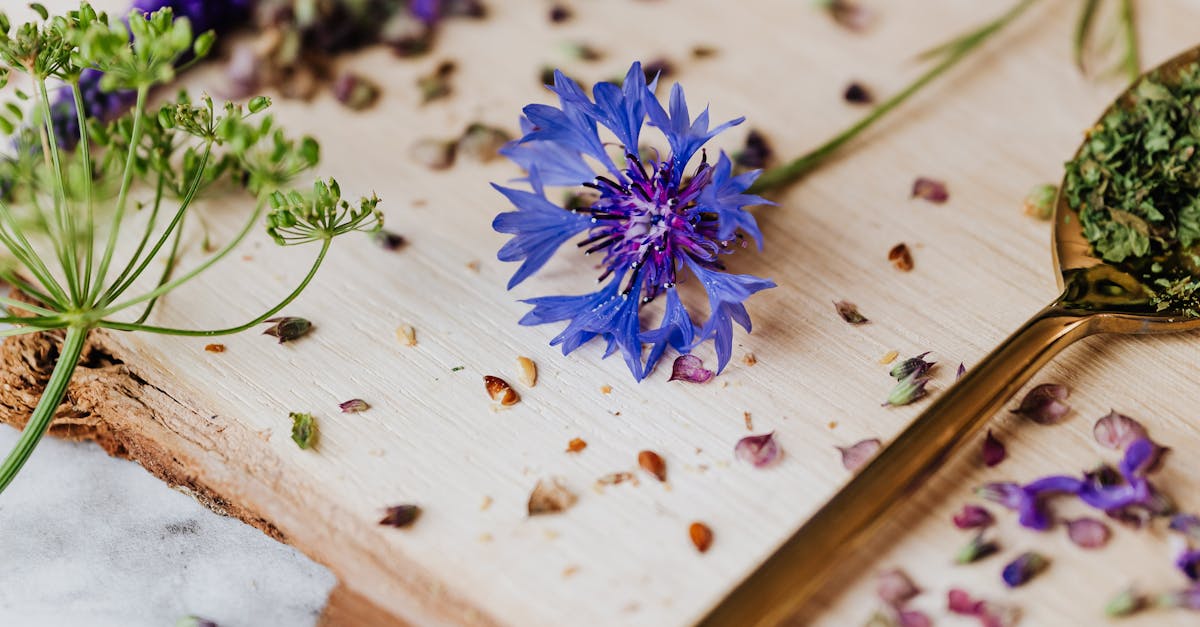
Selecting the Ideal Edible Flowers: Explore the diverse range of edible flowers suited for balcony gardens, considering factors such as sun exposure, pollination needs, and culinary preferences.
When choosing edible flowers for your balcony garden, it is important to consider factors such as sun exposure, pollination needs, and culinary preferences. Here are a few tips on how to select the ideal edible flowers for your balcony garden:
-
Sun exposure: Some edible flowers, such as sunflowers and marigolds, prefer full sun, while others, such as violas and pansies, can tolerate partial shade. Be sure to choose edible flowers that are suited to the amount of sunlight that your balcony receives.
-
Pollination needs: Some edible flowers, such as strawberries and blueberries, require cross-pollination in order to produce fruit. If you are interested in growing edible flowers that require cross-pollination, be sure to plant two or more of the same variety.
-
Culinary preferences: Edible flowers come in a wide variety of flavors, from sweet to savory. Be sure to choose edible flowers that you enjoy the taste of.
Here are a few popular edible flowers that are well-suited for balcony gardens:
-
Sunflowers: Sunflowers are a popular choice for balcony gardens because they are easy to grow and produce large, beautiful flowers. Sunflower petals have a mild, nutty flavor and can be used in salads, soups, and desserts.
-
Marigolds: Marigolds are another popular choice for balcony gardens because they are heat-tolerant and resistant to pests. Marigolds have a slightly bitter flavor and can be used in salads, soups, and stews.
-
Violas: Violas are a good choice for balcony gardens because they can tolerate partial shade and bloom for a long period of time. Violas have a mild, sweet flavor and can be used in salads, desserts, and beverages.
Sun-Loving Varieties
Sun-Loving Varieties: Discover edible flowers that thrive in sunny balcony conditions, including nasturtiums, sunflowers, and marigolds.
If your balcony receives plenty of sunlight, you have a wide range of edible flowers to choose from. Here are a few popular sun-loving edible flowers that are well-suited for balcony gardens:
-
Nasturtiums: Nasturtiums are a popular choice for balcony gardens because they are easy to grow and produce an abundance of flowers and leaves. Nasturtiums have a peppery flavor and can be used in salads, sandwiches, and soups.
-
Sunflowers: Sunflowers are another popular choice for balcony gardens because they are heat-tolerant and produce large, beautiful flowers. Sunflower petals have a mild, nutty flavor and can be used in salads, soups, and desserts.
-
Marigolds: Marigolds are a good choice for balcony gardens because they are heat-tolerant and resistant to pests. Marigolds have a slightly bitter flavor and can be used in salads, soups, and stews.
Other sun-loving edible flowers that are well-suited for balcony gardens include:
-
Cosmos: Cosmos are easy to grow and produce a profusion of daisy-like flowers in a variety of colors. Cosmos petals have a mild, sweet flavor and can be used in salads, desserts, and beverages.
-
Zinnias: Zinnias are heat-tolerant and produce large, showy flowers in a variety of colors. Zinnia petals have a mild, sweet flavor and can be used in salads, desserts, and beverages.
-
Calendula: Calendula is a heat-tolerant and drought-tolerant herb that produces bright orange flowers. Calendula petals have a slightly bitter flavor and can be used in salads, soups, and stews.
Partial Shade Tolerant
Partial Shade Tolerant: Identify edible flowers that can tolerate partial shade on balconies, such as violas, pansies, and begonias.
If your balcony receives only partial shade, there are still a number of edible flowers that you can grow. Here are a few popular partial shade tolerant edible flowers that are well-suited for balcony gardens:
-
Violas: Violas are a good choice for balcony gardens because they can tolerate partial shade and bloom for a long period of time. Violas have a mild, sweet flavor and can be used in salads, desserts, and beverages.
-
Pansies: Pansies are similar to violas, but they have larger flowers. Pansies also have a mild, sweet flavor and can be used in salads, desserts, and beverages.
-
Begonias: Begonias are a popular choice for balcony gardens because they are easy to grow and produce beautiful flowers in a variety of colors. Begonia flowers have a slightly tart flavor and can be used in salads, soups, and stews.
Other partial shade tolerant edible flowers that are well-suited for balcony gardens include:
-
Fuchsias: Fuchsias are known for their beautiful, dangling flowers. Fuchsia flowers have a sweet, tart flavor and can be used in salads, desserts, and beverages.
-
Impatiens: Impatiens are a popular choice for shady gardens because they are easy to grow and bloom profusely. Impatiens flowers have a mild, sweet flavor and can be used in salads, desserts, and beverages.
-
Tuberous begonias: Tuberous begonias are a type of begonia that produces large, showy flowers in a variety of colors. Tuberous begonia flowers have a mild, sweet flavor and can be used in salads, desserts, and beverages.
Culinary Considerations
Culinary Considerations: Learn about the distinct flavors of various edible flowers, ensuring you choose those that complement your culinary style and preferences.
Edible flowers come in a wide variety of flavors, from sweet to savory. Some edible flowers have a very mild flavor, while others have a more pronounced taste. When choosing edible flowers for your culinary creations, it is important to consider the flavor of the flower and how it will complement the other ingredients in your dish.
Here are a few tips for choosing edible flowers based on their flavor:
-
Sweet edible flowers: Sweet edible flowers, such as violets, roses, and lavender, are a great addition to desserts and beverages. They can also be used to add a touch of sweetness to salads and savory dishes.
-
Savory edible flowers: Savory edible flowers, such as nasturtiums, marigolds, and calendula, are a good choice for salads, soups, and stews. They can also be used to add a touch of flavor to grilled meats and fish.
-
Floral edible flowers: Floral edible flowers, such as pansies, violas, and borage, have a delicate floral flavor. They are a good choice for adding a touch of elegance to desserts and beverages.
Here are a few examples of how to use edible flowers in your culinary creations:
-
Add edible flowers to salads: Edible flowers can be used to add a splash of color and flavor to salads. Some popular edible flowers for salads include nasturtiums, violas, and pansies.
-
Use edible flowers to garnish soups and stews: Edible flowers can be used to garnish soups and stews, adding a touch of elegance to your dishes. Some popular edible flowers for garnishing include roses, lavender, and thyme.
-
Create edible flower desserts: Edible flowers can be used to create beautiful and delicious desserts. Some popular edible flowers for desserts include roses, violets, and lavender.
3. Cultivating and Caring for Edible Flowers
Cultivating and Caring for Edible Flowers: Gain insights into the essential growing conditions, watering techniques, and pest management practices for cultivating edible flowers on your balcony.
Growing edible flowers on your balcony is a rewarding experience that can provide you with fresh, beautiful, and delicious ingredients for your culinary creations. Here are a few tips on how to cultivate and care for edible flowers on your balcony:
-
Choose the right growing conditions: Edible flowers need plenty of sunlight, so be sure to choose a balcony that receives at least six hours of sunlight per day. You will also need to choose a potting mix that is well-drained and rich in organic matter.
-
Water your edible flowers regularly: Edible flowers need to be watered regularly, especially during hot weather. Water your edible flowers deeply, but be sure to allow the soil to dry out slightly between waterings.
-
Fertilize your edible flowers: Edible flowers benefit from being fertilized regularly. Use a balanced fertilizer, such as a 10-10-10 fertilizer, and fertilize your edible flowers according to the package directions.
-
Protect your edible flowers from pests: Edible flowers are susceptible to a variety of pests, including aphids, spider mites, and whiteflies. To protect your edible flowers from pests, use insecticidal soap or neem oil. You can also use companion planting to deter pests. For example, planting basil next to your edible flowers can help to repel aphids.
Potting and Soil Requirements
Potting and Soil Requirements: Understand the optimal potting mix and container size for growing edible flowers on balconies.
Choosing the right potting mix and container size is essential for the successful cultivation of edible flowers on your balcony. Here are a few things to keep in mind:
-
Potting mix: Edible flowers need a well-drained potting mix that is rich in organic matter. You can purchase a commercial potting mix that is specifically designed for container gardening, or you can make your own potting mix by combining equal parts peat moss, compost, and perlite.
-
Container size: The size of the container you choose will depend on the type of edible flowers you are growing. Small edible flowers, such as violas and pansies, can be grown in containers that are 6 inches in diameter. Larger edible flowers, such as sunflowers and marigolds, will need containers that are at least 12 inches in diameter.
-
Drainage: It is important to choose a container that has drainage holes in the bottom. This will help to prevent the soil from becoming waterlogged, which can lead to root rot.
Here are a few tips for planting edible flowers in containers:
-
Fill the container with potting mix: Fill the container with potting mix, leaving about 1 inch of space at the top.
-
Make a hole in the potting mix: Make a hole in the potting mix that is deep enough to accommodate the roots of the edible flower plant.
-
Place the edible flower plant in the hole: Carefully place the edible flower plant in the hole and backfill with potting mix.
-
Water the edible flower plant: Water the edible flower plant deeply.
Watering Techniques
Watering Techniques: Learn the appropriate watering frequency and techniques to ensure the health and vitality of your edible flowers.
Watering your edible flowers properly is essential for their health and vitality. Here are a few tips on how to water your edible flowers:
-
Water your edible flowers regularly: Edible flowers need to be watered regularly, especially during hot weather. The frequency of watering will vary depending on the type of edible flower, the size of the container, and the weather conditions. As a general rule, you should water your edible flowers when the top inch of soil is dry to the touch.
-
Water your edible flowers deeply: When you water your edible flowers, be sure to water them deeply. This will encourage the roots to grow deep into the soil, which will make the plants more drought-tolerant.
-
Avoid overhead watering: Overhead watering can promote the development of fungal diseases. Instead, water your edible flowers at the base of the plant.
-
Use a watering can or hose with a nozzle: A watering can or hose with a nozzle will allow you to control the flow of water and avoid overwatering.
Here are a few additional tips for watering edible flowers in containers:
-
Make sure the container has drainage holes: Drainage holes are essential for preventing the soil from becoming waterlogged. If the container does not have drainage holes, you can drill some holes in the bottom of the container.
-
Place the container on a saucer: Placing the container on a saucer will help to catch any excess water that drains out of the bottom of the container.
Pest Management
Pest Management: Explore natural and organic methods for preventing and controlling common pests that may affect edible flowers on balconies.
Pests can be a nuisance to any gardener, and edible flower gardeners are no exception. However, there are a number of natural and organic methods that you can use to prevent and control pests on your edible flowers.
Here are a few tips for preventing pests on edible flowers:
-
Choose pest-resistant varieties: There are a number of edible flower varieties that are resistant to common pests. When choosing edible flowers for your balcony garden, be sure to select varieties that are known to be pest-resistant.
-
Keep your garden clean: Pests are attracted to decaying plant matter, so it is important to keep your garden clean. Remove any dead or diseased plants, and clean up any fallen leaves or petals.
-
Use companion planting: Companion planting is a great way to deter pests. Plant edible flowers next to other plants that are known to repel pests, such as basil, garlic, and marigolds.
-
Use natural pesticides: There are a number of natural pesticides that you can use to control pests on edible flowers. Some popular natural pesticides include neem oil, insecticidal soap, and horticultural oil.
Here are a few additional tips for controlling pests on edible flowers:
-
Inspect your plants regularly: Inspect your edible flower plants regularly for signs of pests. If you find any pests, remove them by hand or with a strong stream of water.
-
Use traps: Traps can be an effective way to catch pests. There are a number of different types of traps available, such as sticky traps, pheromone traps, and light traps.
4. Incorporating Edible Flowers into Balcony Cuisine
Incorporating Edible Flowers into Balcony Cuisine: Discover creative ways to incorporate edible flowers into your balcony-grown cuisine, elevating both the visual appeal and nutritional value of your dishes.
Edible flowers are a beautiful and delicious way to add a touch of elegance and nutrition to your balcony cuisine. Here are a few creative ways to incorporate edible flowers into your dishes:
-
Add edible flowers to salads: Edible flowers can be used to add a splash of color and flavor to salads. Some popular edible flowers for salads include nasturtiums, violas, and pansies.
-
Use edible flowers to garnish soups and stews: Edible flowers can be used to garnish soups and stews, adding a touch of elegance to your dishes. Some popular edible flowers for garnishing include roses, lavender, and thyme.
-
Create edible flower desserts: Edible flowers can be used to create beautiful and delicious desserts. Some popular edible flowers for desserts include roses, violets, and lavender.
Here are a few additional tips for incorporating edible flowers into your balcony cuisine:
-
Use edible flowers sparingly: A little bit of edible flowers goes a long way. When using edible flowers in your dishes, be sure to use them sparingly so that their flavor does not overpower the other ingredients.
-
Choose edible flowers that complement your dish: When choosing edible flowers for your dishes, be sure to choose flowers that complement the flavors of the other ingredients. For example, sweet edible flowers, such as roses and violets, pair well with desserts, while savory edible flowers, such as nasturtiums and marigolds, pair well with salads and savory dishes.
Salad Enhancements
Salad Enhancements: Learn how edible flowers add vibrant colors, delicate flavors, and nutritional benefits to fresh salads.
Edible flowers are a beautiful and delicious way to add a touch of elegance and nutrition to your salads. Here are a few ways that edible flowers can enhance your salads:
-
Add vibrant colors: Edible flowers come in a wide variety of colors, so you can use them to add a splash of color to your salads. Some popular edible flowers for salads include nasturtiums, violas, and pansies.
-
Add delicate flavors: Edible flowers have a variety of delicate flavors, so you can use them to add a touch of flavor to your salads. Some edible flowers, such as roses and lavender, have a sweet flavor, while others, such as nasturtiums and marigolds, have a more savory flavor.
-
Add nutritional benefits: Edible flowers are a good source of vitamins, minerals, and antioxidants. So, by adding edible flowers to your salads, you can boost the nutritional value of your meals.
Here are a few tips for using edible flowers in salads:
-
Choose edible flowers that are safe to eat: Not all flowers are edible, so it is important to choose edible flowers that are safe to eat. Some popular edible flowers for salads include nasturtiums, violas, pansies, roses, and lavender.
-
Use edible flowers sparingly: A little bit of edible flowers goes a long way. When using edible flowers in salads, be sure to use them sparingly so that their flavor does not overpower the other ingredients.
-
Add edible flowers at the end of preparation: Edible flowers are delicate, so it is best to add them to your salad at the end of preparation. This will help to prevent them from wilting.
Dessert Delights
Dessert Delights: Explore the art of incorporating edible flowers into desserts, creating visually stunning and flavorful treats.
Edible flowers are a beautiful and delicious way to add a touch of elegance and flavor to your desserts. Here are a few ways that you can incorporate edible flowers into your desserts:
-
Use edible flowers to decorate cakes and cupcakes: Edible flowers can be used to create beautiful and unique decorations for cakes and cupcakes. You can use whole flowers, petals, or even stamens to create your own edible flower arrangements.
-
Add edible flowers to pies and tarts: Edible flowers can be used to add a touch of color and flavor to pies and tarts. You can sprinkle edible flowers on top of your pies and tarts, or you can use them to create a beautiful latticework design.
-
Create edible flower ice cream and sorbet: Edible flowers can be used to create beautiful and delicious ice cream and sorbet. You can infuse edible flowers in milk or cream to create a unique flavor, or you can simply add edible flowers to your favorite ice cream or sorbet recipe.
Here are a few tips for using edible flowers in desserts:
-
Choose edible flowers that are safe to eat: Not all flowers are edible, so it is important to choose edible flowers that are safe to eat. Some popular edible flowers for desserts include roses, violets, and lavender.
-
Use edible flowers sparingly: A little bit of edible flowers goes a long way. When using edible flowers in desserts, be sure to use them sparingly so that their flavor does not overpower the other ingredients.
-
Add edible flowers at the end of preparation: Edible flowers are delicate, so it is best to add them to your desserts at the end of preparation. This will help to prevent them from wilting.
Beverage Embellishments
Beverage Embellishments: Discover the magic of edible flowers in beverages, infusing them with subtle flavors, colors, and a touch of elegance.
Edible flowers are a beautiful and delicious way to add a touch of elegance and flavor to your beverages. Here are a few ways that you can use edible flowers to embellish your beverages:
-
Add edible flowers to cocktails: Edible flowers can be used to add a touch of color and flavor to cocktails. You can use whole flowers, petals, or even stamens to create your own edible flower garnishes.
-
Infuse edible flowers in tea: Edible flowers can be used to infuse tea with a variety of flavors. You can use fresh or dried edible flowers to create your own unique tea blends.
-
Create edible flower mocktails and lemonades: Edible flowers can be used to create beautiful and delicious mocktails and lemonades. You can muddle edible flowers in your favorite fruit juices or syrups to create your own unique beverages.
Here are a few tips for using edible flowers in beverages:
-
Choose edible flowers that are safe to eat: Not all flowers are edible, so it is important to choose edible flowers that are safe to eat. Some popular edible flowers for beverages include roses, lavender, and chamomile.
-
Use edible flowers sparingly: A little bit of edible flowers goes a long way. When using edible flowers in beverages, be sure to use them sparingly so that their flavor does not overpower the other ingredients.
-
Add edible flowers at the end of preparation: Edible flowers are delicate, so it is best to add them to your beverages at the end of preparation. This will help to prevent them from wilting.
5. Conclusion: Transforming Your Balcony into an Edible Oasis
Conclusion: Transforming Your Balcony into an Edible Oasis: Summarize the benefits and joys of growing and incorporating edible flowers into your balcony garden cuisine, highlighting the beauty, flavor, and versatility they bring.
Growing and incorporating edible flowers into your balcony garden cuisine is a rewarding experience that can provide you with a variety of benefits and joys. Here is a summary of the benefits and joys of growing and using edible flowers:
-
Beauty: Edible flowers are beautiful and can add a touch of elegance to your balcony garden and your dishes. They come in a wide variety of colors, shapes, and sizes, so you can use them to create stunning arrangements.
-
Flavor: Edible flowers have a variety of flavors, from sweet to savory. You can use them to add a touch of flavor to salads, soups, desserts, and beverages.
-
Versatility: Edible flowers are versatile and can be used in a variety of ways. You can use them to decorate cakes and cupcakes, add them to pies and tarts, create edible flower ice cream and sorbet, and infuse them in tea.
-
Health benefits: Edible flowers are a good source of vitamins, minerals, and antioxidants. So, by adding edible flowers to your diet, you can boost your health.
-
Joy: Growing and using edible flowers is a joyful experience. It is a great way to connect with nature and to be creative in the kitchen.
Aesthetics, Culinary Delights, and Health Benefits
Aesthetics, Culinary Delights, and Health Benefits: Reiterate the multifaceted nature of edible flowers, combining aesthetic appeal, culinary versatility, and nutritional value.
Edible flowers are not just beautiful; they are also delicious and nutritious. Here is a summary of the multifaceted nature of edible flowers:
-
Aesthetics: Edible flowers are beautiful and can add a touch of elegance to your balcony garden and your dishes. They come in a wide variety of colors, shapes, and sizes, so you can use them to create stunning arrangements.
-
Culinary delights: Edible flowers have a variety of flavors, from sweet to savory. You can use them to add a touch of flavor to salads, soups, desserts, and beverages. Edible flowers can also be used to create beautiful and delicious garnishes for cakes, cupcakes, and other desserts.
-
Health benefits: Edible flowers are a good source of vitamins, minerals, and antioxidants. So, by adding edible flowers to your diet, you can boost your health. Some edible flowers, such as calendula and chamomile, have medicinal properties and can be used to treat a variety of ailments.
Edible flowers are a versatile and beautiful addition to any balcony garden. They can be used to add color and flavor to your dishes, and they can also provide you with a variety of health benefits. So, if you are looking for a way to add beauty, flavor, and nutrition to your life, consider growing edible flowers on your balcony.
Inspiration for Balcony Gardeners
Inspiration for Balcony Gardeners: Encourage balcony gardeners to embrace edible flowers as a source of inspiration, creativity, and culinary delight.
Edible flowers are a source of inspiration, creativity, and culinary delight for balcony gardeners. Here are a few ways that edible flowers can inspire balcony gardeners:
-
Add color and beauty to your balcony garden: Edible flowers come in a wide variety of colors and shapes, so you can use them to add a touch of beauty to your balcony garden. You can plant edible flowers in pots or containers, or you can grow them in a vertical garden.
-
Create unique and delicious dishes: Edible flowers can be used to create unique and delicious dishes. You can add them to salads, soups, desserts, and beverages. Edible flowers can also be used to make beautiful and flavorful garnishes for cakes, cupcakes, and other desserts.
-
Experiment with new flavors and textures: Edible flowers have a variety of flavors and textures, so you can experiment with new flavors and textures in your cooking. Some edible flowers, such as nasturtiums, have a peppery flavor, while others, such as roses, have a more delicate flavor.
Edible flowers are a versatile and beautiful addition to any balcony garden. They can be used to add color and flavor to your dishes, and they can also inspire you to create new and delicious recipes. So, if you are looking for a way to add beauty, flavor, and inspiration to your balcony garden, consider growing edible flowers.
Call to Action
Call to Action: Motivate readers to embark on their own edible flower gardening journey, transforming their balconies into vibrant culinary oases.
If you are looking for a way to add beauty, flavor, and inspiration to your balcony garden, consider growing edible flowers. Edible flowers are a versatile and beautiful addition to any balcony garden, and they can be used to create unique and delicious dishes.
Here are a few tips for getting started with edible flower gardening on your balcony:
-
Choose edible flowers that are safe to eat: Not all flowers are edible, so it is important to choose edible flowers that are safe to eat. Some popular edible flowers for balcony gardens include nasturtiums, violas, pansies, and sunflowers.
-
Plant edible flowers in pots or containers: Edible flowers can be planted in pots or containers, which makes them a great option for balcony gardeners. Be sure to choose pots or containers that have drainage holes.
-
Water your edible flowers regularly: Edible flowers need to be watered regularly, especially during hot weather. Water your edible flowers deeply, but be sure to allow the soil to dry out slightly between waterings.
-
Fertilize your edible flowers: Edible flowers benefit from being fertilized regularly. Use a balanced fertilizer, such as a 10-10-10 fertilizer, and fertilize your edible flowers according to the package directions.
-
Harvest your edible flowers: Edible flowers can be harvested when they are fully open. To harvest edible flowers, gently remove the petals from the flower.
By following these tips, you can grow beautiful and delicious edible flowers on your balcony. So, what are you waiting for? Get started today and transform your balcony into a vibrant culinary oasis!
Quiz
True or False
- All flowers are edible.
- Edible flowers can be used to add color and flavor to dishes.
- Edible flowers are a good source of vitamins and minerals.
- Edible flowers should be used sparingly in culinary creations.
- It is important to choose edible flowers that are safe to eat.
Multiple Choice
- Which of the following is NOT a benefit of growing edible flowers on your balcony?
(a) Aesthetic enhancement (b) Culinary delights (c) Pest control (d) Pollinator attraction
- Which of the following is a popular edible flower for salads?
(a) Sunflower (b) Marigold (c) Viola (d) Calendula
- What is an important consideration when watering edible flowers in containers?
(a) Drainage (b) Frequency (c) Water temperature (d) Type of soil
- Which of the following is a natural method for preventing pests on edible flowers?
(a) Using pesticides (b) Companion planting (c) Watering regularly (d) Fertilizing heavily
- What is a creative way to incorporate edible flowers into desserts?
(a) Adding them to cake batter (b) Using them as a garnish (c) Creating edible flower ice cream (d) All of the above
Answer Key
True or False
- False
- True
- True
- True
- True
Multiple Choice
- (c) Pest control
- (c) Viola
- (a) Drainage
- (b) Companion planting
- (d) All of the above
True or False
- False
- True
- True
- True
- True
Multiple Choice
- (c) Pest control
- (c) Viola
- (a) Drainage
- (b) Companion planting
- (d) All of the above
Unlock the Greenery Potential of Your Balcony: A Guide to Thriving Plants in Compact Spaces Attention all balcony-dwelling plant enthusiasts! Read more
Transform Your Balcony into a Flourishing Garden Oasis: A Step-by-Step Guide Beginning a balcony garden can be a fulfilling endeavor, Read more
Unlocking the Potential of Vertical Gardening on Balconies Are you tired of your cramped balcony but still longing for a Read more
Aromatic Delights: Cultivating Herbs on Your Balcony Oasis Whether you're a seasoned gardener or just starting out, growing herbs on Read more