
The Ultimate Guide to Balcony Gardening: Avoiding the Pitfalls for a Flourishing Oasis

Have you always wanted to have your own gorgeous garden but never got around to it because you didn’t think you had enough room? Maybe your home has limited outdoor space like a deck or balcony? Not having a garden doesn’t have to be your reality; container gardening could be the answer.
Having a container garden is the perfect way to create an exquisite garden where you can grow vegetables, fruits, and herbs, even with a tiny outdoor space. Container gardening has many advantages. They are easy to maintain, you can start one anytime of year, and they are a great way to grow organic produce.
Balcony container gardening is perfect for people who live in apartments or have limited outdoor space. It allows you to enjoy the benefits of gardening without having to worry about the hassle of traditional gardening. However, there are some common mistakes that people make when balcony gardening. In this article, we will discuss the top mistakes to avoid to make your balcony garden as fruitful and gorgeous as possible.
1. Mistake 1: Choosing the Wrong Plants
When choosing plants for your balcony garden, it is important to select varieties that are well-suited to the conditions on your balcony. This includes considering the amount of sunlight your balcony receives, the size of your containers, and the amount of time you have available for watering and care.
One of the most important factors to consider when choosing plants for your balcony garden is the amount of sunlight your balcony receives. If your balcony is north-facing, it will receive less sunlight than a south-facing balcony. This means that you will need to choose plants that can tolerate partial shade or full shade. Some good choices for shady balconies include impatiens, begonias, and ferns.
Another important factor to consider is the size of your containers. If you have a small balcony, you will need to choose plants that are relatively small in size. Some good choices for small containers include herbs, strawberries, and dwarf tomatoes.
Finally, it is important to consider the amount of time you have available for watering and care. If you are short on time, you will need to choose plants that are relatively low-maintenance. Some good choices for low-maintenance plants include succulents, cacti, and herbs.
By following these tips, you can choose the right plants for your balcony garden and enjoy a beautiful and thriving garden for years to come.
Factors to Consider
When choosing plants for your balcony garden, there are several factors to consider, including light availability, wind exposure, and container size.
Light availability is one of the most important factors to consider when choosing plants for your balcony garden. Different plants have different light requirements, so it is important to choose plants that are well-suited to the amount of sunlight your balcony receives. If your balcony is north-facing, it will receive less sunlight than a south-facing balcony. This means that you will need to choose plants that can tolerate partial shade or full shade. Some good choices for shady balconies include impatiens, begonias, and ferns.
Wind exposure is another important factor to consider when choosing plants for your balcony garden. If your balcony is exposed to strong winds, you will need to choose plants that are wind-tolerant. Some good choices for wind-tolerant plants include shrubs, small trees, and grasses.
Container size is also an important factor to consider when choosing plants for your balcony garden. The size of your containers will determine the size of the plants that you can grow. If you have a small balcony, you will need to choose plants that are relatively small in size. Some good choices for small containers include herbs, strawberries, and dwarf tomatoes.
By considering these factors, you can choose the right plants for your balcony garden and enjoy a beautiful and thriving garden for years to come.
Recommended Plants for Balconies
When choosing plants for your balcony garden, there are many different types of plants to choose from. However, some plants are better suited to balcony gardens than others. Here are a few of the most recommended plants for balcony gardens:
- Tomatoes: Tomatoes are a popular choice for balcony gardens because they are relatively easy to grow and produce a delicious harvest. When choosing tomatoes for your balcony garden, select varieties that are well-suited to container gardening. Some good choices include ‘Patio’ tomatoes, ‘Celebrity’ tomatoes, and ‘Bush Early Girl’ tomatoes.
- Herbs: Herbs are another great choice for balcony gardens. They are easy to grow and can be used to add flavor to your favorite dishes. Some of the most popular herbs for balcony gardens include basil, parsley, cilantro, and thyme.
- Berries: Berries are a delicious and healthy addition to any balcony garden. Some of the most popular berries for balcony gardens include strawberries, blueberries, and raspberries. When choosing berries for your balcony garden, select varieties that are well-suited to container gardening. Some good choices include ‘Seascape’ strawberries, ‘Northblue’ blueberries, and ‘Heritage’ raspberries.
In addition to the plants listed above, there are many other plants that can be successfully grown in balcony gardens. When choosing plants, be sure to consider the amount of sunlight your balcony receives, the size of your containers, and the amount of time you have available for watering and care.
2. Mistake 2: Insufficient Sunlight

One of the most common mistakes that people make when balcony gardening is not providing enough sunlight for their plants. Balconies can be tricky in terms of sunlight, as they may not receive direct sunlight for the entire day. This can be a problem for plants that need full sun, such as tomatoes and peppers.
If your balcony does not receive a lot of sunlight, there are a few things you can do to help your plants get the light they need. One option is to use reflective surfaces to bounce light onto your plants. You can do this by placing mirrors or white boards around your plants. Another option is to use grow lights. Grow lights can be used to supplement natural sunlight or provide light for plants that are grown in shady areas.
If you are not sure how much sunlight your balcony receives, you can use a light meter to measure the light levels. This will help you determine which plants are best suited for your balcony.
Here are some additional tips for providing enough sunlight for your balcony plants:
- Choose plants that are tolerant of shade or partial shade.
- Place your plants in the sunniest spot on your balcony.
- Use reflective surfaces to bounce light onto your plants.
- Consider using grow lights to supplement natural sunlight.
Assessing Sunlight
Before you start planting your balcony garden, it is important to assess the sunlight conditions on your balcony. This will help you choose the right plants for your balcony and ensure that they get the sunlight they need to thrive.
One way to assess the sunlight conditions on your balcony is to observe the sunlight patterns throughout the day. Pay attention to how long the sun shines on your balcony and which areas of your balcony receive the most sunlight. You can also use a light meter to measure the light levels on your balcony. This will give you a more accurate idea of how much sunlight your plants will receive.
Once you have assessed the sunlight conditions on your balcony, you can start choosing plants that are well-suited to those conditions. If your balcony receives a lot of sunlight, you can choose plants that need full sun, such as tomatoes and peppers. If your balcony receives less sunlight, you can choose plants that are tolerant of shade or partial shade, such as impatiens and begonias.
Here are some additional tips for assessing the sunlight conditions on your balcony:
- Observe the sunlight patterns on your balcony at different times of day and year.
- Use a light meter to measure the light levels on your balcony.
- Talk to other balcony gardeners in your area to find out what plants they have success with.
Maximizing Sunlight Exposure
If your balcony does not receive a lot of sunlight, there are a few things you can do to maximize sunlight exposure for your plants.
One way to maximize sunlight exposure is to choose sun-loving plants. Sun-loving plants are plants that need at least six hours of direct sunlight per day. Some good choices for sun-loving plants include tomatoes, peppers, and basil.
Another way to maximize sunlight exposure is to use reflective surfaces. Reflective surfaces can be used to bounce light onto your plants. You can do this by placing mirrors or white boards around your plants.
Finally, you can also consider vertical gardening to maximize sunlight exposure. Vertical gardening is a great way to grow plants in small spaces. You can create a vertical garden by attaching planters to a wall or fence. This will allow you to grow plants up the wall, which will give them more access to sunlight.
Here are some additional tips for maximizing sunlight exposure for your balcony plants:
- Choose sun-loving plants.
- Place your plants in the sunniest spot on your balcony.
- Use reflective surfaces to bounce light onto your plants.
- Consider using grow lights to supplement natural sunlight.
- Try vertical gardening to grow plants up a wall or fence.
Alternative Lighting Sources
If your balcony does not receive enough sunlight to grow plants, or if you want to grow plants that need more light than your balcony can provide, you can use grow lights as a supplement or alternative to natural sunlight. Grow lights are artificial lights that emit the specific wavelengths of light that plants need to grow.
There are many different types of grow lights available, so you can choose the ones that are best suited for your needs. Some grow lights are designed to be used indoors, while others are designed to be used outdoors. If you are using grow lights outdoors, be sure to choose lights that are weatherproof.
Grow lights can be used to supplement natural sunlight or provide light for plants that are grown in shady areas. If you are using grow lights to supplement natural sunlight, you can turn them on for a few hours each day to give your plants the extra light they need. If you are using grow lights to provide light for plants that are grown in shady areas, you will need to turn the lights on for longer periods of time.
Here are some additional tips for using grow lights for balcony gardening:
- Choose grow lights that are specifically designed for plants.
- Place the grow lights close to your plants, but not so close that they burn the leaves.
- Adjust the lighting schedule to meet the needs of your plants.
- Monitor your plants closely to make sure they are getting enough light.
3. Mistake 3: Poor Drainage
One of the most common mistakes that people make when balcony gardening is not providing adequate drainage for their plants. Poor drainage can lead to root rot and plant death.
When you water your plants, the water needs to be able to drain out of the bottom of the pot. If the water cannot drain out, it will pool around the roots of the plant and cause them to rot.
There are a few things you can do to ensure that your plants have adequate drainage. First, make sure that the pots you are using have drainage holes in the bottom. Second, you can add a layer of gravel or pebbles to the bottom of the pot to help with drainage. Finally, you can avoid overwatering your plants.
Here are some additional tips for ensuring that your balcony plants have adequate drainage:
- Use pots with drainage holes.
- Add a layer of gravel or pebbles to the bottom of the pots.
- Avoid overwatering your plants.
- Water your plants in the morning so that the leaves have time to dry before nightfall.
Choosing the Right Containers
When choosing containers for your balcony garden, it is important to choose pots that have drainage holes. Drainage holes allow excess water to drain out of the pot, which prevents the roots of the plant from sitting in water and rotting.
There are many different types of pots available, so you can choose the ones that best suit your needs. Some pots are made of plastic, while others are made of ceramic or metal. Plastic pots are lightweight and inexpensive, but they can be more difficult to keep stable in windy conditions. Ceramic and metal pots are more durable and stable, but they are also more expensive.
When choosing the size of the pot, it is important to consider the size of the plant that you are going to be growing. The pot should be large enough to accommodate the roots of the plant, but it should not be so large that the soil dries out too quickly.
Here are some additional tips for choosing the right containers for your balcony garden:
- Choose pots with drainage holes.
- Choose pots that are the right size for the plants that you are growing.
- Consider the weight of the pots when choosing the material.
- Choose pots that are aesthetically pleasing and that complement the style of your balcony.
Creating a Drainage Layer
If you are concerned about drainage, you can create a drainage layer at the bottom of your pots. A drainage layer is a layer of gravel or pebbles that helps to improve drainage and prevent the roots of the plant from sitting in water.
To create a drainage layer, simply add a layer of gravel or pebbles to the bottom of the pot before you add the soil. The layer of gravel or pebbles should be about 1-2 inches thick.
Here are some additional tips for creating a drainage layer:
- Use gravel or pebbles that are about 1/2 inch in diameter.
- Make sure that the layer of gravel or pebbles is at least 1 inch thick.
- Do not use sand or other fine materials to create a drainage layer, as these materials can clog the drainage holes.
Creating a drainage layer is a simple and effective way to improve drainage and prevent root rot in your balcony plants.
Monitoring Watering Frequency
It is important to monitor the watering frequency of your balcony plants to prevent overwatering. Overwatering can lead to root rot and other problems.
The best way to monitor the watering frequency is to check the soil moisture before watering. You can do this by sticking your finger in the soil up to the first knuckle. If the soil is dry, it is time to water the plant. If the soil is still moist, wait a few days before watering.
You can also use a moisture meter to check the soil moisture. Moisture meters are inexpensive devices that can be purchased at most garden centers.
It is also important to allow the soil to dry out slightly between waterings. This will help to prevent the roots of the plant from sitting in water and rotting.
Here are some additional tips for monitoring watering frequency:
- Check the soil moisture before watering.
- Use a moisture meter to check the soil moisture.
- Allow the soil to dry out slightly between waterings.
- Water your plants deeply when you do water them.
4. Mistake 4: Neglecting Fertilization
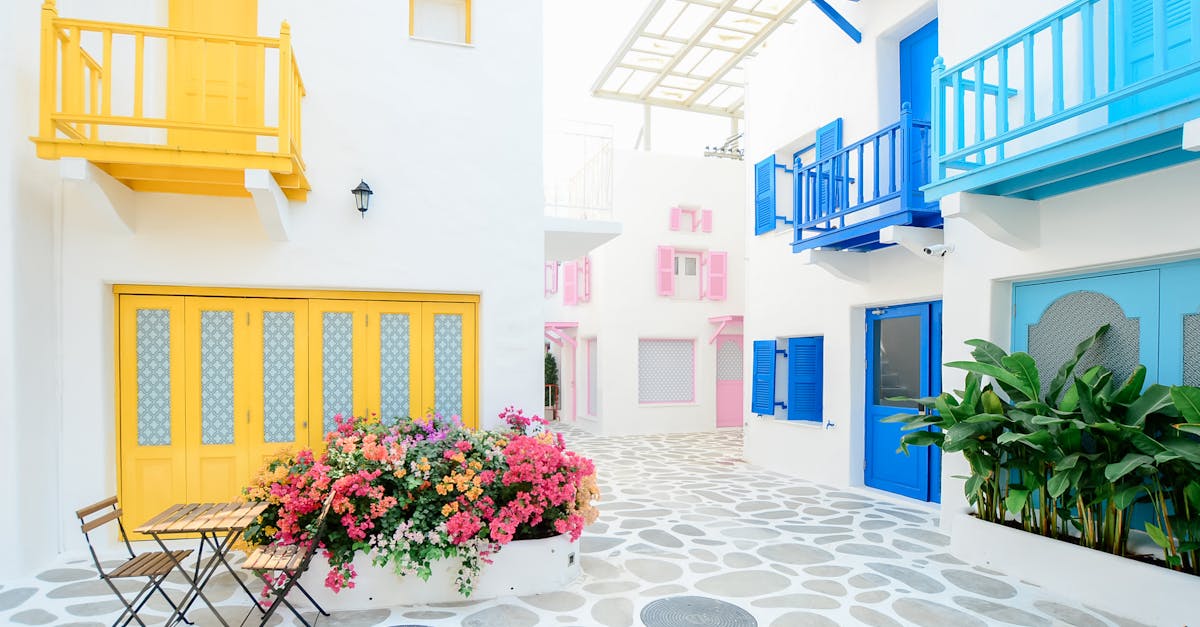
Plants require nutrients to thrive, and this is especially true for plants that are grown in containers on balconies. Balcony environments are often limited in terms of space and soil nutrients, so it is important to fertilize your plants regularly to ensure that they are getting the nutrients they need.
There are many different types of fertilizers available, so you can choose one that is specifically designed for balcony plants. When choosing a fertilizer, be sure to read the label carefully to determine the application rate and frequency.
One of the easiest ways to fertilize your balcony plants is to use a liquid fertilizer. Liquid fertilizers can be added to your watering can and applied to the plants along with water. Another option is to use a granular fertilizer. Granular fertilizers are applied to the soil around the plants and then watered in.
It is important to fertilize your plants on a regular basis, but be careful not to over-fertilize. Over-fertilizing can damage your plants and lead to nutrient burn.
Here are some additional tips for fertilizing your balcony plants:
- Choose a fertilizer that is specifically designed for balcony plants.
- Follow the application rate and frequency instructions on the fertilizer label.
- Fertilize your plants regularly, but be careful not to over-fertilize.
Choosing the Right Fertilizer
When choosing a fertilizer for your balcony plants, it is important to select one that is specifically designed for balcony plants. Balcony plants have different nutrient needs than plants that are grown in the ground, so it is important to choose a fertilizer that is formulated to meet those needs.
There are many different types of fertilizers available for balcony plants, so you can choose one that is best suited for your needs. Some fertilizers are designed for specific types of plants, such as tomatoes or herbs. Other fertilizers are designed for all types of balcony plants.
When choosing a fertilizer, be sure to read the label carefully to determine the application rate and frequency. It is important to follow the application instructions carefully to avoid over-fertilizing your plants.
Here are some additional tips for choosing the right fertilizer for your balcony plants:
- Choose a fertilizer that is specifically designed for balcony plants.
- Consider the type of plants that you are growing when choosing a fertilizer.
- Read the label carefully to determine the application rate and frequency.
- Follow the application instructions carefully to avoid over-fertilizing your plants.
Regular Fertilization Schedule
During the growing season, it is important to fertilize your balcony plants every few weeks. This will help to ensure that they are getting the nutrients they need to grow and produce flowers and fruit.
The frequency of fertilization will vary depending on the type of fertilizer you are using. Some fertilizers are designed to be applied more frequently than others. Be sure to read the label carefully to determine the application frequency for the fertilizer you are using.
Here are some additional tips for fertilizing your balcony plants on a regular schedule:
- Fertilize your plants every few weeks during the growing season.
- Follow the application frequency instructions on the fertilizer label.
- Water your plants deeply after fertilizing them.
Signs of Nutrient Deficiency
It is important to monitor your balcony plants for signs of nutrient deficiencies. Nutrient deficiencies can occur when plants are not getting the nutrients they need from the soil.
Some of the most common signs of nutrient deficiencies include:
- Yellowing leaves
- Stunted growth
- Poor flowering and fruiting
- Wilting
- Leaf drop
If you notice any of these signs, it is important to identify the nutrient deficiency and correct it as soon as possible.
To identify the nutrient deficiency, you can refer to a plant nutrient deficiency chart. These charts can be found online or in gardening books. Once you have identified the nutrient deficiency, you can apply a fertilizer that is specifically designed to correct that deficiency.
Here are some additional tips for monitoring your balcony plants for signs of nutrient deficiencies:
- Inspect your plants regularly for any signs of nutrient deficiencies.
- Refer to a plant nutrient deficiency chart to identify the nutrient deficiency.
- Apply a fertilizer that is specifically designed to correct the nutrient deficiency.
5. Mistake 5: Pests and Diseases
Balcony gardens are susceptible to pests and diseases just like any other garden. However, there are a few things you can do to help prevent and control pests and diseases in your balcony garden.
Prevention
- Inspect your plants regularly: One of the best ways to prevent pests and diseases is to inspect your plants regularly for any signs of infestation or infection.
- Choose disease-resistant plants: When choosing plants for your balcony garden, select varieties that are resistant to common pests and diseases.
- Keep your garden clean: Remove any dead or diseased plant material from your garden and dispose of it properly.
- Avoid overwatering: Overwatering can create a favorable environment for pests and diseases.
- Provide good air circulation: Good air circulation can help to prevent the spread of pests and diseases.
Control
- Organic pest control: There are a number of organic methods that you can use to control pests and diseases in your balcony garden. Some of the most common methods include:
- Neem oil: Neem oil is a natural pesticide that can be used to control a variety of pests.
- Insecticidal soap: Insecticidal soap is another natural pesticide that can be used to control pests.
- Companion planting: Companion planting is a technique that involves planting different types of plants together to help control pests and diseases.
- Disease management: If your plants do become infected with a disease, there are a few things you can do to manage the disease and prevent it from spreading. Some of the most common methods include:
- Remove infected plant material: Remove any infected plant material from your garden and dispose of it properly.
- Use a fungicide: Fungicides can be used to control and prevent the spread of diseases.
When to seek professional help
In some cases, you may need to seek professional help to control pests and diseases in your balcony garden. This is especially true if the infestation or infection is severe. A gardening expert or plant pathologist can help you to identify the pest or disease and recommend the best course of treatment.
Prevention and Detection
One of the best ways to prevent and control pests and diseases in your balcony garden is to inspect your plants regularly. This will help you to identify any problems early on, when they are easier to treat.
When inspecting your plants, be sure to look for the following signs of pests and diseases:
- Pests:
- Insects
- Larvae
- Eggs
- Webbing
- Honeydew
- Diseases:
- Spots on leaves
- Wilting
- Stunted growth
- Yellowing leaves
- Root rot
If you find any signs of pests or diseases, it is important to take action promptly. The sooner you treat the problem, the less likely it is to spread and damage your plants.
Here are some additional tips for preventing and detecting pests and diseases in your balcony garden:
- Inspect your plants regularly for any signs of pests or diseases.
- Quarantine new plants before adding them to your garden.
- Remove any dead or diseased plant material from your garden and dispose of it properly.
- Keep your garden clean and free of debris.
- Water your plants deeply and regularly, but avoid overwatering.
Organic Pest Control
If you are looking for a more natural and organic way to control pests in your balcony garden, there are a number of options available. Some of the most common and effective organic pest control methods include:
- Neem oil: Neem oil is a natural pesticide that is derived from the neem tree. It is effective against a wide range of pests, including aphids, mites, and whiteflies. Neem oil can be applied to plants as a foliar spray or soil drench.
- Insecticidal soap: Insecticidal soap is another natural pesticide that is effective against a variety of pests. It is made from fatty acids and works by suffocating pests. Insecticidal soap can be applied to plants as a foliar spray.
- Companion planting: Companion planting is a technique that involves planting different types of plants together to help control pests and diseases. Some plants, such as marigolds and basil, are known to repel pests. Planting these plants near your other plants can help to keep pests away.
In addition to these methods, there are a number of other organic pest control methods that you can try, such as:
- Beneficial insects: Beneficial insects, such as ladybugs and lacewings, can help to control pests in your garden. Encourage these beneficial insects by providing them with food and shelter.
- Traps: Traps can be used to catch and remove pests from your garden. There are a variety of different types of traps available, such as sticky traps and pheromone traps.
- Handpicking: If you find a few pests on your plants, you can simply pick them off by hand and dispose of them.
It is important to note that organic pest control methods may not be as effective as synthetic pesticides. However, they are a more environmentally friendly option and can be just as effective if used properly.
Disease Management
Preventing disease outbreaks in your balcony garden is essential for keeping your plants healthy and productive. There are a number of things you can do to prevent disease outbreaks, including:
- Using disease-resistant plant varieties: When choosing plants for your balcony garden, select varieties that are resistant to common diseases. This will help to reduce the risk of disease outbreaks in your garden.
- Practicing good sanitation: Good sanitation is essential for preventing disease outbreaks. This includes removing any dead or diseased plant material from your garden and disposing of it properly. It also includes keeping your garden clean and free of debris.
- Watering your plants properly: Watering your plants properly can help to prevent disease outbreaks. Avoid overwatering your plants, as this can create a favorable environment for diseases.
- Providing good air circulation: Good air circulation can help to prevent the spread of diseases. Make sure that your plants have plenty of space to grow and that there is good air circulation around them.
In addition to these preventive measures, there are a number of things you can do to manage diseases if they do occur in your balcony garden. These include:
- Removing infected plant material: If you find any infected plant material, remove it from your garden and dispose of it properly. This will help to prevent the disease from spreading to other plants.
- Using a fungicide: Fungicides can be used to control and prevent the spread of diseases. There are a number of different types of fungicides available, so be sure to choose one that is specifically designed to treat the disease that you are dealing with.
- Seeking professional help: If you are unable to control a disease outbreak on your own, you may need to seek professional help. A gardening expert or plant pathologist can help you to identify the disease and recommend the best course of treatment.
When to Seek Professional Help
In most cases, you can prevent and control pests and diseases in your balcony garden on your own. However, there are some cases where you may need to seek professional help.
You should seek professional help if:
- You are unable to identify the pest or disease that is affecting your plants.
- The pest or disease is severe and is causing significant damage to your plants.
- You have tried a number of different methods to control the pest or disease, but nothing has worked.
A gardening expert or plant pathologist can help you to identify the pest or disease and recommend the best course of treatment. They can also provide you with advice on how to prevent future outbreaks.
Here are some tips for finding a gardening expert or plant pathologist:
- Ask your local nursery or garden center for recommendations.
- Contact your local Cooperative Extension office.
- Search online for gardening experts or plant pathologists in your area.
Once you have found a gardening expert or plant pathologist, be sure to provide them with as much information as possible about the problem that you are experiencing. This will help them to diagnose the problem and recommend the best course of treatment.
Quiz
Question 1: What is the most important factor to consider when choosing plants for a balcony garden?
(A) The amount of sunlight the balcony receives (B) The size of the containers (C) The amount of time you have available for watering and care (D) All of the above
Question 2: True or False: Overwatering is a common mistake that people make when balcony gardening.
(A) True (B) False
Question 3: What is the best way to prevent pests and diseases in a balcony garden?
(A) Using synthetic pesticides (B) Inspecting plants regularly and taking action promptly (C) Avoiding overwatering (D) All of the above
Question 4: What should you do if you find a few pests on your plants?
(A) Ignore them (B) Spray them with a synthetic pesticide (C) Pick them off by hand and dispose of them (D) Quarantine the plant
Question 5: True or False: Disease-resistant plant varieties are less likely to get diseases.
(A) True (B) False
Answer Key
- (D)
- (A)
- (D)
- (C)
- (A)
Unlock the Greenery Potential of Your Balcony: A Guide to Thriving Plants in Compact Spaces Attention all balcony-dwelling plant enthusiasts! Read more
Transform Your Balcony into a Flourishing Garden Oasis: A Step-by-Step Guide Beginning a balcony garden can be a fulfilling endeavor, Read more
Unlocking the Potential of Vertical Gardening on Balconies Are you tired of your cramped balcony but still longing for a Read more
Aromatic Delights: Cultivating Herbs on Your Balcony Oasis Whether you're a seasoned gardener or just starting out, growing herbs on Read more