
The Ultimate Guide to Balcony Tomato Gardening: Growing Delicious Tomatoes in Small Spaces
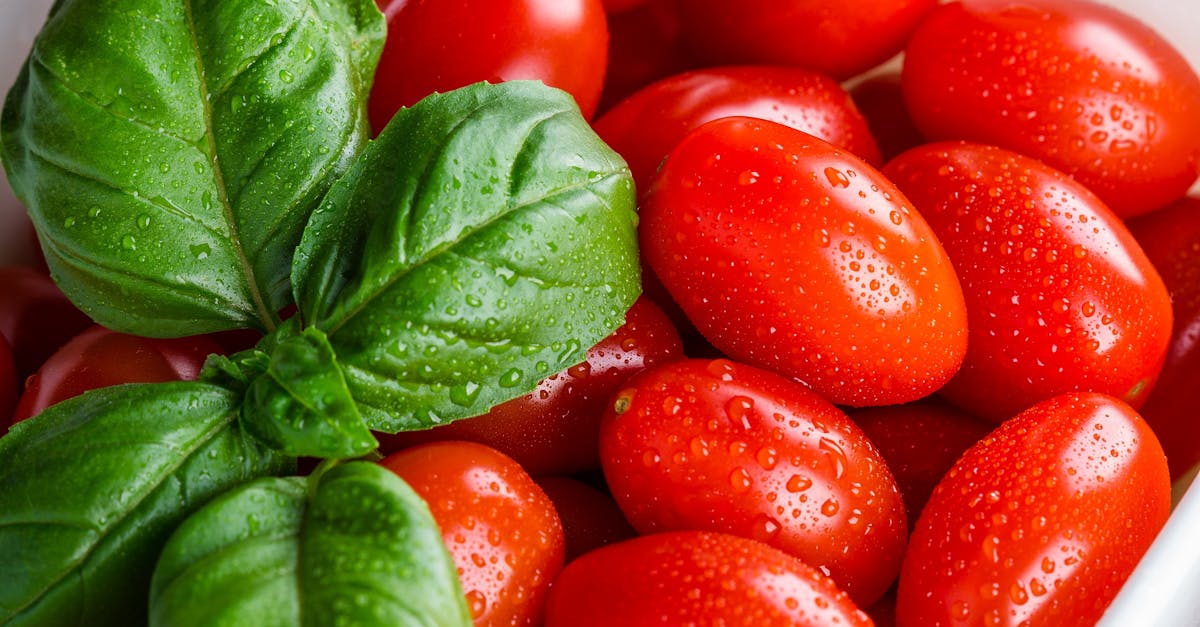
If you are looking for a fun and rewarding way to grow your own food, balcony tomato gardening is a great option. With a little planning and care, you can grow delicious, juicy tomatoes right on your balcony. This article will provide you with all the information you need to get started, from choosing the right tomato varieties to planting, caring for, and harvesting your tomatoes.
Growing tomatoes on a balcony is a great way to save money, eat healthier, and enjoy the satisfaction of growing your own food. It is also relatively easy to do, even if you don’t have a lot of space or experience. With a little effort, you can enjoy fresh, homegrown tomatoes all summer long.
1. Introduction: The Basics of Balcony Tomato Gardening
Introduction: The Basics of Balcony Tomato Gardening
Balcony tomato gardening is a great way to grow your own food, even if you don’t have a lot of space. With a little planning and care, you can grow delicious, juicy tomatoes right on your balcony.
The first step is to choose the right tomato varieties for your balcony. There are many different types of tomatoes available, so it is important to do some research to find the ones that will do best in your climate and space. Some good choices for balcony gardening include:
- Patio tomatoes: These tomatoes are compact and determinate, which means they will stop growing at a certain height. This makes them ideal for containers.
- Tumbling tomatoes: These tomatoes are also compact and determinate, but they have a trailing habit. This means they will grow down over the sides of your container.
- Cherry tomatoes: These tomatoes are small and sweet, and they are perfect for snacking or adding to salads.
Once you have chosen your tomato varieties, you need to select the right containers. Tomatoes need well-draining soil, so it is important to choose containers with drainage holes. The size of the containers will depend on the type of tomatoes you are growing. Patio tomatoes and tumbling tomatoes can be grown in smaller containers, while cherry tomatoes can be grown in larger containers.
The final step is to provide your tomatoes with the right amount of sunlight. Tomatoes need at least six hours of sunlight per day, so it is important to place your containers in a sunny spot on your balcony. If you don’t have a sunny balcony, you can try growing tomatoes in a grow bag or container with a grow light.
Selecting the Ideal Tomato Varieties for Balcony Gardening
Selecting the Ideal Tomato Varieties for Balcony Gardening
When choosing tomato varieties for balcony gardening, there are a few things to keep in mind. First, you need to consider the size of your balcony and the amount of space you have for growing tomatoes. If you have a small balcony, you will want to choose compact varieties that will not take up too much space.
Second, you need to consider the yield potential of the tomato varieties you are considering. Some varieties produce more tomatoes than others, so if you are looking to maximize your harvest, you will want to choose a high-yielding variety.
Finally, you need to consider the disease resistance of the tomato varieties you are considering. Some varieties are more resistant to diseases than others, so if you are growing tomatoes in a humid climate, you will want to choose a disease-resistant variety.
Here are a few of the best tomato varieties for balcony gardening:
- Patio tomatoes: These tomatoes are compact and determinate, which means they will stop growing at a certain height. This makes them ideal for containers. Patio tomatoes typically produce a good yield of small to medium-sized tomatoes.
- Tumbling tomatoes: These tomatoes are also compact and determinate, but they have a trailing habit. This means they will grow down over the sides of your container. Tumbling tomatoes typically produce a good yield of small to medium-sized tomatoes.
- Cherry tomatoes: These tomatoes are small and sweet, and they are perfect for snacking or adding to salads. Cherry tomatoes typically produce a high yield of small tomatoes.
When choosing a tomato variety for balcony gardening, it is important to do your research and find a variety that is well-suited to your climate and space. With a little care and attention, you can grow delicious, juicy tomatoes right on your balcony.
Choosing the Perfect Containers for Your Balcony Tomatoes
Choosing the Perfect Containers for Your Balcony Tomatoes
The type of container you choose for your balcony tomatoes is important for their growth and development. The container should be the right size, material, and have adequate drainage features.
Size: The size of the container will depend on the size of the tomato plant you are growing. Patio tomatoes and tumbling tomatoes can be grown in smaller containers, while cherry tomatoes can be grown in larger containers. The container should be at least 12 inches deep and 12 inches wide to provide enough room for the plant to grow and develop.
Material: The material of the container is also important. Plastic containers are lightweight and easy to move, but they can overheat in the sun. Terracotta containers are porous and allow air to circulate around the roots, but they can be heavy and expensive. Wooden containers are a good option because they are durable and insulate the roots from the heat and cold.
Drainage: Drainage is essential for preventing waterlogged soil, which can lead to root rot. The container should have drainage holes in the bottom to allow excess water to drain out. You can also place a layer of gravel or broken pottery in the bottom of the container to improve drainage.
Here are a few tips for choosing the perfect containers for your balcony tomatoes:
- Choose a container that is the right size for the tomato plant you are growing.
- Choose a container that is made of a durable material that will not overheat or rot.
- Choose a container that has drainage holes in the bottom to prevent waterlogged soil.
- Consider placing a layer of gravel or broken pottery in the bottom of the container to improve drainage.
With a little care and attention, you can choose the perfect containers for your balcony tomatoes and help them grow and thrive.
Understanding Lighting Requirements for Balcony Tomatoes
Understanding Lighting Requirements for Balcony Tomatoes
Tomatoes need at least six hours of sunlight per day to grow and produce fruit. If your balcony does not receive enough sunlight, your tomatoes will not be able to reach their full potential.
The orientation of your balcony will affect the amount of sunlight your tomatoes receive. Balconies that face south or west will receive the most sunlight, while balconies that face north or east will receive less sunlight. If your balcony does not receive enough sunlight, you may need to provide supplemental lighting for your tomatoes.
Seasonal variations can also affect the amount of sunlight your tomatoes receive. In the summer, the days are longer and the sun is higher in the sky, so your tomatoes will receive more sunlight. In the winter, the days are shorter and the sun is lower in the sky, so your tomatoes will receive less sunlight.
If you are growing tomatoes on a balcony that does not receive enough sunlight, there are a few things you can do to provide supplemental lighting:
- Use a grow light. Grow lights are artificial lights that can be used to supplement sunlight. They are available in a variety of sizes and shapes, so you can find one that will fit your space and needs.
- Place your tomatoes in a reflective container. A reflective container will help to reflect sunlight back onto your tomatoes. This can help to increase the amount of light your tomatoes receive by up to 50%.
- Use a sunshade. A sunshade can be used to protect your tomatoes from the sun’s harsh rays during the hottest part of the day. This can help to prevent your tomatoes from getting sunburned.
With a little creativity, you can provide your balcony tomatoes with the sunlight they need to grow and produce fruit.
2. Planting and Care: Nurturing Your Balcony Tomatoes
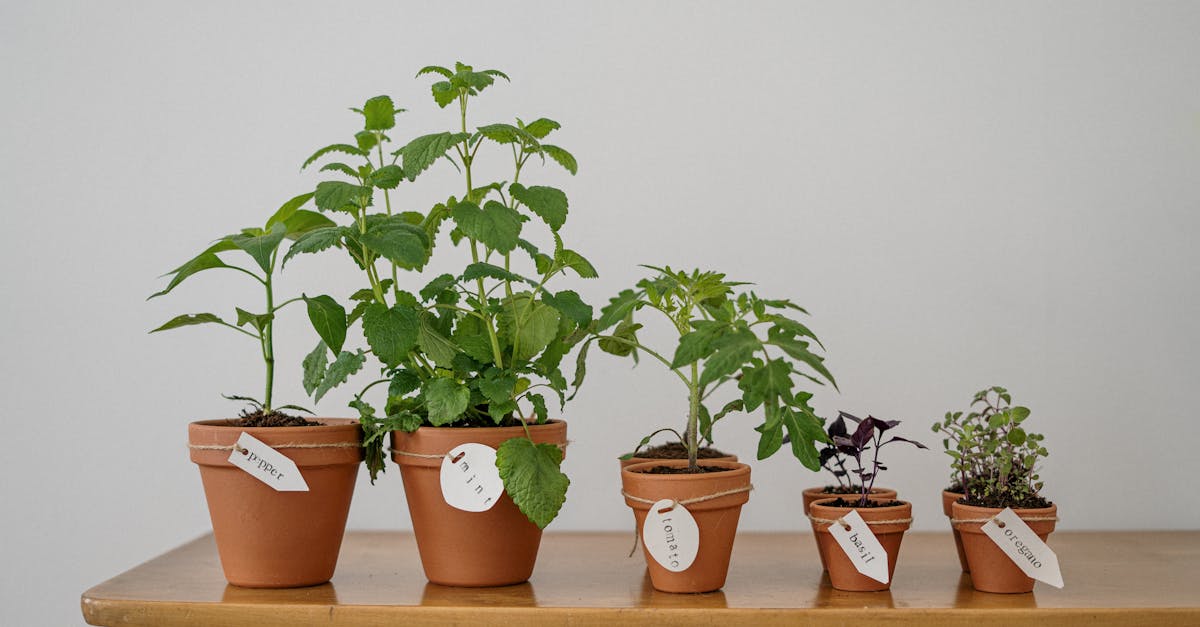
Planting and Care: Nurturing Your Balcony Tomatoes
Once you have chosen the right tomato varieties and containers, it is time to plant your tomatoes and begin caring for them.
Planting:
To plant your tomatoes, fill your containers with a well-draining potting mix. Make a hole in the potting mix and place your tomato plant in the hole. Gently firm the potting mix around the plant and water it well.
Watering:
Tomatoes need regular watering, especially during hot weather. Water your tomatoes deeply, but infrequently. Allow the soil to dry out slightly between waterings. Overwatering can lead to root rot.
Fertilizing:
Tomatoes need regular fertilizing to produce healthy fruit. Fertilize your tomatoes every few weeks with a balanced fertilizer.
Other care:
In addition to watering and fertilizing, there are a few other things you can do to care for your balcony tomatoes:
- Mulch your tomatoes: Mulching helps to retain moisture, suppress weeds, and regulate soil temperature.
- Stake or cage your tomatoes: Staking or caging your tomatoes will help to support the plants and prevent them from falling over.
- Prune your tomatoes: Pruning your tomatoes will help to improve air circulation and encourage fruit production.
With a little care and attention, you can grow healthy and productive tomato plants on your balcony.
Preparing the Soil for Balcony Tomato Plants
Preparing the Soil for Balcony Tomato Plants
The soil you use for your balcony tomatoes is important for their growth and development. The soil should be well-draining and nutrient-rich to provide the plants with the nutrients they need to grow and produce fruit.
Well-draining soil is important because it allows excess water to drain away from the roots of the plants. This prevents the roots from rotting, which can lead to the death of the plant.
Nutrient-rich soil is important because it provides the plants with the nutrients they need to grow and produce fruit. Nutrients are essential for plant growth, and without them, the plants will not be able to reach their full potential.
There are a number of different types of soil that you can use for your balcony tomatoes. The best type of soil is a potting mix that is specifically designed for container gardening. Potting mixes are lightweight and well-draining, and they contain the nutrients that tomatoes need to grow and produce fruit.
When preparing the soil for your balcony tomatoes, it is important to:
- Use a well-draining potting mix.
- Add compost or other organic matter to the potting mix to improve drainage and fertility.
- Test the pH of the soil and adjust it to between 6.0 and 6.8, if necessary.
With a little care and attention, you can prepare the perfect soil for your balcony tomatoes and help them grow and thrive.
Watering Techniques for Balcony Tomatoes
Watering Techniques for Balcony Tomatoes
Watering is one of the most important aspects of caring for your balcony tomatoes. Tomatoes need regular and consistent watering to produce healthy fruit. However, it is important to avoid both underwatering and overwatering.
Underwatering can cause the leaves of your tomatoes to wilt and turn brown. The fruit may also be small and underdeveloped.
Overwatering can lead to root rot, which is a fatal disease. The leaves of overwatered tomatoes may turn yellow and fall off. The fruit may also be watery and tasteless.
The best way to water your balcony tomatoes is to water them deeply and infrequently. Allow the soil to dry out slightly between waterings. You can check the moisture level of the soil by sticking your finger in the soil. If the soil is dry up to your first knuckle, it is time to water your tomatoes.
There are a number of different ways to water your balcony tomatoes. You can use a watering can, a hose, or a drip irrigation system. If you are using a watering can or a hose, be sure to water the soil at the base of the plant. Avoid getting the leaves of the plant wet, as this can lead to disease.
If you are growing your tomatoes in a container, you may want to consider using a moisture-monitoring tool. Moisture-monitoring tools can help you to determine when your tomatoes need to be watered.
With a little care and attention, you can water your balcony tomatoes correctly and help them to produce healthy fruit.
Essential Nutrients for Balcony Tomatoes
Essential Nutrients for Balcony Tomatoes
Tomatoes need a variety of nutrients to grow and produce healthy fruit. The three most important nutrients are nitrogen, phosphorus, and potassium.
Nitrogen is essential for vegetative growth. It helps the plant to produce leaves and stems. Nitrogen deficiency can cause the leaves of the plant to turn yellow and stunted.
Phosphorus is essential for root growth and fruit production. Phosphorus deficiency can cause the plant to produce small, underdeveloped fruit.
Potassium is essential for overall plant health. It helps the plant to resist diseases and pests. Potassium deficiency can cause the leaves of the plant to turn brown and curl.
You can provide your balcony tomatoes with the nutrients they need by fertilizing them regularly. There are a variety of different fertilizers available, both organic and inorganic.
Organic fertilizers are made from natural materials, such as compost, manure, and fish emulsion. Organic fertilizers release nutrients slowly over time, which is beneficial for plants.
Inorganic fertilizers are made from synthetic materials. Inorganic fertilizers release nutrients quickly, which can be beneficial for plants that are deficient in a particular nutrient.
When choosing a fertilizer for your balcony tomatoes, it is important to choose one that is balanced and contains all of the essential nutrients. You should also follow the directions on the fertilizer package carefully. Over-fertilizing can damage your plants.
With a little care and attention, you can provide your balcony tomatoes with the nutrients they need to grow and produce healthy fruit.
3. Troubleshooting: Common Challenges in Balcony Tomato Gardening
Troubleshooting: Common Challenges in Balcony Tomato Gardening
Balcony tomato gardening is a rewarding experience, but it can also come with its challenges. Here are a few of the most common challenges that you may face, along with some practical solutions and preventive measures:
Pests: Aphids, whiteflies, and spider mites are common pests that can attack balcony tomatoes. To prevent pests, keep your plants healthy and free of weeds. You can also use insecticidal soap or neem oil to control pests.
Diseases: Blossom end rot, powdery mildew, and blight are common diseases that can affect balcony tomatoes. To prevent diseases, water your plants regularly and avoid getting the leaves wet. You can also use fungicides to control diseases.
Nutrient deficiencies: Nitrogen, phosphorus, and potassium are essential nutrients for tomato plants. If your plants are deficient in any of these nutrients, they may not be able to produce healthy fruit. To prevent nutrient deficiencies, fertilize your plants regularly.
Adverse weather conditions: Balcony tomatoes can be susceptible to damage from extreme heat, cold, wind, and rain. To protect your plants from adverse weather conditions, you can use shade cloths, mulches, and windbreaks.
With a little care and attention, you can overcome the challenges of balcony tomato gardening and grow healthy, productive plants.
Common Pests and Diseases in Balcony Tomato Plants
Common Pests and Diseases in Balcony Tomato Plants
Balcony tomato plants are susceptible to a variety of pests and diseases. Here are a few of the most common:
Pests:
- Aphids: Aphids are small, soft-bodied insects that can infest tomato plants. They feed on the sap of the plant, which can cause the leaves to turn yellow and wilt. Aphids can also transmit diseases to tomato plants.
- Whiteflies: Whiteflies are small, white insects that can infest tomato plants. They feed on the sap of the plant, which can cause the leaves to turn yellow and wilt. Whiteflies can also transmit diseases to tomato plants.
- Spider mites: Spider mites are tiny, spider-like pests that can infest tomato plants. They feed on the sap of the plant, which can cause the leaves to turn yellow and wilt. Spider mites can also transmit diseases to tomato plants.
Diseases:
- Blossom end rot: Blossom end rot is a common disease that affects tomato plants. It is caused by a calcium deficiency. Blossom end rot can cause the bottom of the tomato to rot.
- Powdery mildew: Powdery mildew is a common disease that affects tomato plants. It is caused by a fungus. Powdery mildew can cause the leaves of the plant to turn white and powdery.
- Blight: Blight is a serious disease that can affect tomato plants. It is caused by a fungus or bacteria. Blight can cause the leaves of the plant to turn brown and wilt.
There are a number of organic and environmentally friendly control methods that you can use to control pests and diseases in balcony tomato plants. Here are a few examples:
- Neem oil: Neem oil is a natural pesticide that can be used to control aphids, whiteflies, and spider mites.
- Insecticidal soap: Insecticidal soap is a natural pesticide that can be used to control aphids, whiteflies, and spider mites.
- Baking soda: Baking soda can be used to control powdery mildew.
- Hydrogen peroxide: Hydrogen peroxide can be used to control blight.
With a little care and attention, you can control pests and diseases in your balcony tomato plants and grow healthy, productive plants.
Nutrient Deficiencies and Their Impact on Balcony Tomatoes
Nutrient Deficiencies and Their Impact on Balcony Tomatoes
Nutrient deficiencies can occur when tomato plants do not receive the nutrients they need to grow and produce fruit. Nutrient deficiencies can be caused by a variety of factors, including poor soil conditions, overwatering, and underwatering.
Here are a few of the most common nutrient deficiencies that can affect balcony tomatoes:
- Nitrogen deficiency: Nitrogen deficiency can cause stunted growth, yellowing leaves, and poor fruit production.
- Phosphorus deficiency: Phosphorus deficiency can cause stunted growth, purple leaves, and poor fruit production.
- Potassium deficiency: Potassium deficiency can cause yellowing leaves, brown leaf margins, and poor fruit production.
Nutrient deficiencies can be prevented by providing your tomato plants with a balanced diet of nutrients. You can do this by using a fertilizer that is specifically designed for tomatoes. You should also follow the directions on the fertilizer package carefully. Over-fertilizing can damage your plants.
If you think that your tomato plants may be suffering from a nutrient deficiency, you can test the soil to confirm. Soil test kits are available at most garden centers. Once you know which nutrients your plants are deficient in, you can apply a fertilizer that will correct the deficiency.
With a little care and attention, you can prevent and correct nutrient deficiencies in your balcony tomatoes and grow healthy, productive plants.
Protecting Balcony Tomatoes from Adverse Weather Conditions
Protecting Balcony Tomatoes from Adverse Weather Conditions
Balcony tomatoes are susceptible to damage from extreme heat, cold, wind, and rain. Here are a few tips to protect your balcony tomatoes from adverse weather conditions:
Extreme heat: Extreme heat can cause the leaves of tomato plants to wilt and burn. To protect your tomato plants from extreme heat, you can use shade cloths. Shade cloths are available at most garden centers. You can also move your tomato plants to a shadier location on your balcony.
Cold: Cold temperatures can damage tomato plants. If you live in a cold climate, you may need to bring your tomato plants indoors during the winter months. You can also protect your tomato plants from cold temperatures by using row covers. Row covers are available at most garden centers.
Wind: Wind can damage the leaves and stems of tomato plants. To protect your tomato plants from wind, you can use windbreaks. Windbreaks can be made from a variety of materials, such as wood, fabric, or plastic.
Rain: Heavy rain can damage the leaves and fruit of tomato plants. To protect your tomato plants from rain, you can use rain shelters. Rain shelters are available at most garden centers. You can also move your tomato plants to a sheltered location on your balcony.
With a little care and attention, you can protect your balcony tomatoes from adverse weather conditions and grow healthy, productive plants.
4. Harvesting and Enjoying the Fruits of Your Labor
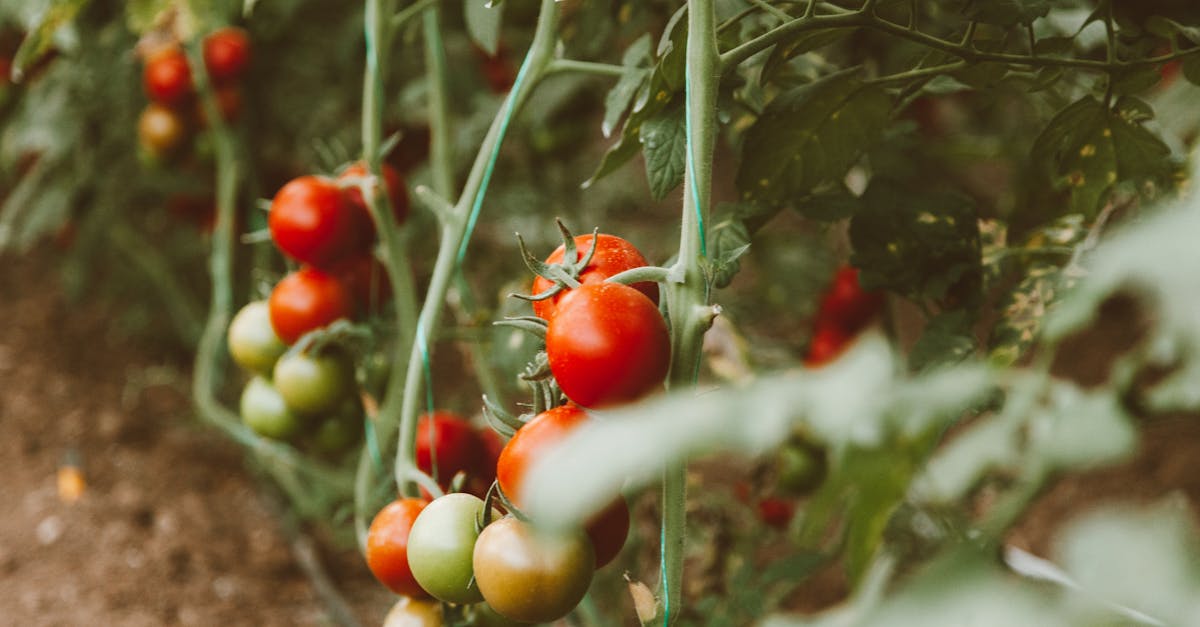
Harvesting and Enjoying the Fruits of Your Labor
Harvesting your balcony tomatoes is a rewarding experience. Here are a few tips to help you harvest and enjoy your tomatoes:
Harvesting:
- Harvest your tomatoes when they are fully ripe. Ripe tomatoes will be red, pink, or yellow, and they will be soft to the touch.
- To harvest a tomato, gently twist it off the vine. Do not pull the tomato off the vine, as this can damage the plant.
- Once you have harvested your tomatoes, store them in a cool, dry place. Tomatoes can be stored at room temperature for up to a week, or in the refrigerator for up to two weeks.
Enjoying:
There are many ways to enjoy your balcony-grown tomatoes. Here are a few ideas:
- Eat them fresh. Ripe tomatoes are a delicious and healthy snack.
- Use them in salads. Tomatoes add flavor and color to salads.
- Use them in sandwiches and wraps. Tomatoes are a great addition to sandwiches and wraps.
- Use them in soups and stews. Tomatoes add flavor and depth to soups and stews.
- Make salsa. Salsa is a delicious and versatile condiment that can be used to add flavor to a variety of dishes.
- Can them. Canning is a great way to preserve your tomatoes so that you can enjoy them all year long.
With a little creativity, you can enjoy your balcony-grown tomatoes in a variety of delicious ways.
Recognizing the Signs of Ripe Balcony Tomatoes
Recognizing the Signs of Ripe Balcony Tomatoes
Ripe tomatoes are a delicious and nutritious snack. They are also a great addition to salads, sandwiches, and other dishes. To get the most flavor and nutritional value from your balcony tomatoes, it is important to harvest them when they are fully ripe.
Here are a few visual and tactile cues to look for when identifying ripe balcony tomatoes:
Visual cues:
- Color: Ripe tomatoes will be red, pink, or yellow, depending on the variety.
- Size and shape: Ripe tomatoes will be full-sized and plump.
- Skin: The skin of ripe tomatoes will be smooth and free of blemishes.
Tactile cues:
- Softness: Ripe tomatoes will be soft to the touch.
- Give: When you gently squeeze a ripe tomato, it will give slightly.
If your tomatoes meet all of these criteria, then they are ready to be harvested. Enjoy the fruits of your labor!
Harvesting Techniques for Balcony Tomatoes
Harvesting Techniques for Balcony Tomatoes
Once your balcony tomatoes are ripe, it is important to harvest them properly to prevent damage to the plants and ensure the longevity of the harvest. Here are a few tips for harvesting balcony tomatoes:
- Use sharp tools. When harvesting tomatoes, it is important to use sharp tools to avoid damaging the plants. A sharp knife or scissors will work well.
- Support the fruit. When harvesting tomatoes, be sure to support the fruit with your hand. This will help to prevent the fruit from falling and bruising.
- Twist the fruit. To harvest a tomato, gently twist the fruit off the vine. Do not pull the fruit off the vine, as this can damage the plant.
- Handle the fruit carefully. Once you have harvested your tomatoes, handle them carefully to avoid bruising.
By following these tips, you can harvest your balcony tomatoes properly and enjoy the fruits of your labor!
Storing and Using Balcony-Grown Tomatoes
Storing and Using Balcony-Grown Tomatoes
Once you have harvested your balcony tomatoes, it is important to store them properly to maximize their shelf life. Here are a few tips for storing balcony tomatoes:
- At room temperature: Ripe tomatoes can be stored at room temperature for up to a week. Store tomatoes in a cool, dry place out of direct sunlight.
- In the refrigerator: Ripe tomatoes can be stored in the refrigerator for up to two weeks. Store tomatoes in a plastic bag in the refrigerator’s crisper drawer.
Here are a few culinary applications that showcase the freshness and flavor of balcony-grown tomatoes:
- Salads: Sliced tomatoes are a delicious and refreshing addition to salads.
- Sandwiches: Sliced tomatoes are a great addition to sandwiches.
- Salsa: Salsa is a delicious and versatile condiment that can be used to add flavor to a variety of dishes.
- Soups and stews: Tomatoes add flavor and depth to soups and stews.
- Pizza: Sliced tomatoes are a classic topping for pizza.
- Pasta dishes: Tomatoes are a common ingredient in pasta dishes.
With a little creativity, you can enjoy your balcony-grown tomatoes in a variety of delicious ways.
5. Conclusion: The Joys and Rewards of Balcony Tomato Gardening
Conclusion: The Joys and Rewards of Balcony Tomato Gardening
Balcony tomato gardening is a rewarding experience that can provide you with fresh, delicious tomatoes all summer long. Here are a few of the key takeaways and benefits of balcony tomato gardening:
- The satisfaction of growing your own food. There is no better feeling than harvesting your own homegrown tomatoes. You will know exactly what went into growing your tomatoes, and you can be sure that they are free of pesticides and other harmful chemicals.
- Enhancing your living space. Balcony tomato plants can add a touch of color and beauty to your balcony. They can also create a sense of privacy and seclusion.
- Fostering a connection with nature. Balcony tomato gardening can help you to connect with nature, even if you live in a urban environment. You will learn about the life cycle of plants and the importance of pollinators.
If you are looking for a fun and rewarding way to grow your own food, balcony tomato gardening is a great option. With a little care and attention, you can grow delicious, healthy tomatoes on your balcony.
The Unparalleled Joy of Homegrown Tomatoes
The Unparalleled Joy of Homegrown Tomatoes
There is something truly special about homegrown tomatoes. They have a flavor that is unmatched by store-bought tomatoes. Homegrown tomatoes are also more nutritious than store-bought tomatoes, as they are not treated with pesticides or other harmful chemicals.
The joy of homegrown tomatoes begins with the process of growing them. It is a rewarding experience to watch your tomato plants grow and produce fruit. You will learn about the life cycle of plants and the importance of pollinators.
When you finally harvest your first homegrown tomato, it is a moment of pure joy. You will be amazed by the flavor and freshness of the tomato. Homegrown tomatoes are perfect for eating fresh, but they can also be used in a variety of dishes.
If you are looking for a fun and rewarding way to grow your own food, I encourage you to try balcony tomato gardening. With a little care and attention, you can grow delicious, healthy tomatoes on your balcony. And the best part is the unparalleled joy of savoring the fruits of your labor.
Enhancing Your Balcony with Balcony Tomato Gardening
Enhancing Your Balcony with Balcony Tomato Gardening
Balcony tomato gardening is not only a great way to grow your own food, it is also a beautiful way to add color and life to your balcony. Vibrant tomato plants can transform your balcony into a vibrant and inviting outdoor space.
The green leaves of tomato plants create a lush backdrop for the bright red, yellow, or orange tomatoes. The flowers of tomato plants are also beautiful, and they attract pollinators such as bees and butterflies.
In addition to their aesthetic appeal, tomato plants can also create a sense of privacy and seclusion on your balcony. The large leaves of tomato plants can help to block out noise and视线 from邻近的阳台.
If you are looking for a way to add beauty and functionality to your balcony, balcony tomato gardening is a great option. With a little care and attention, you can grow beautiful and productive tomato plants on your balcony.
Fostering a Connection with Nature through Balcony Tomato Gardening
Fostering a Connection with Nature through Balcony Tomato Gardening
Balcony tomato gardening is a great way to connect with nature, even if you live in an urban environment. Growing your own food is a grounding experience that can help you to appreciate the natural world.
The simple act of caring for your tomato plants can be therapeutic. Watering, fertilizing, and pruning your plants can help you to relax and de-stress. And when you finally harvest your first ripe tomato, it is a moment of pure joy.
Balcony tomato gardening can also help you to learn about the life cycle of plants and the importance of pollinators. You will see your tomato plants grow from seedlings into mature plants that produce fruit. You will also learn about the different types of pollinators that visit your tomato plants.
Overall, balcony tomato gardening is a great way to foster a connection with nature and foster a sense of well-being. If you are looking for a fun and rewarding way to connect with the natural world, I encourage you to try balcony tomato gardening.
Quiz
-
True or False: Balcony tomato gardening is only suitable for large balconies.
-
Which of the following is NOT a benefit of balcony tomato gardening?
a) Growing your own food
b) Enhancing the aesthetic appeal of your balcony
c) Connecting with nature
d) Earning extra income
-
What is the best way to water balcony tomatoes?
a) Water them daily
b) Water them deeply and infrequently
c) Water them only when the leaves wilt
d) Water them with cold water
-
Which of the following nutrients is essential for tomato plant growth?
a) Nitrogen
b) Phosphorus
c) Potassium
d) All of the above
-
True or False: Balcony tomatoes are not susceptible to pests and diseases.
Answer Key
- False
- d) Earning extra income
- b) Water them deeply and infrequently
- d) All of the above
- False
Answer Key
- False
- d) Earning extra income
- b) Water them deeply and infrequently
- d) All of the above
- False
Unlock the Greenery Potential of Your Balcony: A Guide to Thriving Plants in Compact Spaces Attention all balcony-dwelling plant enthusiasts! Read more
Transform Your Balcony into a Flourishing Garden Oasis: A Step-by-Step Guide Beginning a balcony garden can be a fulfilling endeavor, Read more
Unlocking the Potential of Vertical Gardening on Balconies Are you tired of your cramped balcony but still longing for a Read more
Aromatic Delights: Cultivating Herbs on Your Balcony Oasis Whether you're a seasoned gardener or just starting out, growing herbs on Read more