
Unveiling the Secrets to Balcony Orchid Success
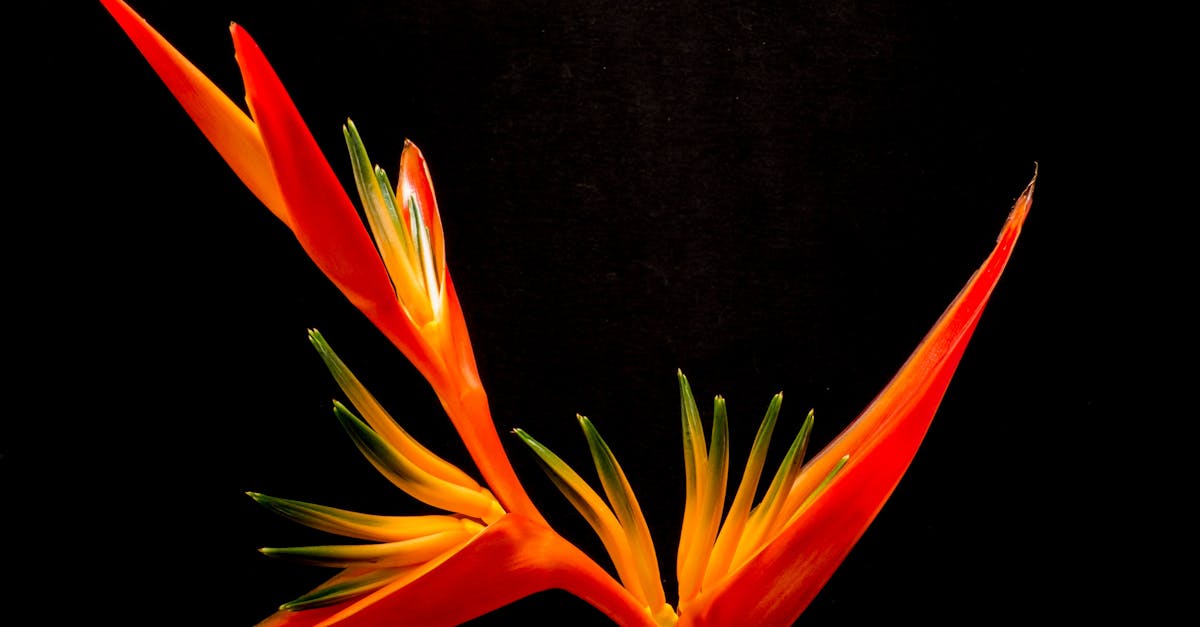
Experience the allure of exotic orchids blooming right on your balcony! Learn the secrets of cultivating these captivating plants in this comprehensive guide. From understanding their essential needs like light, humidity, and potting mix to specialized care techniques including watering, fertilizing, and seasonal adjustments, we’ll guide you through every step. Discover the enchanting world of exotic orchids, select the perfect varieties for your balcony, and create a thriving orchid oasis that will transform your outdoor space into a botanical paradise.
1. Essential Factors for Thriving Orchids
Orchids, with their captivating blooms and diverse species, hold a special place in the hearts of plant enthusiasts. To nurture these exotic beauties on your balcony, it’s essential to provide them with the fundamental elements they need to thrive. Understanding their specific requirements for light, humidity, and potting mix is paramount.
Light plays a crucial role in orchid growth and blooming. Different species have varying light preferences, ranging from bright, indirect light to partial shade. Assess the light conditions on your balcony to determine the most suitable location for your orchids. Low-light orchids can thrive in shaded areas of the balcony, while those needing brighter light may require supplemental lighting or placement in a sunnier spot.
Humidity is another critical factor for orchid health. These tropical plants prefer humid environments, which can be difficult to maintain on a balcony. Employ clever techniques such as placing the orchids on a tray filled with pebbles and water, creating a pebble tray. The evaporating water will increase humidity levels around the plants. Alternatively, you can use a humidifier nearby or mist your orchids regularly.
Choosing the right potting mix is essential for proper drainage and aeration. Orchids have specialized roots that require a well-draining, airy mix. Avoid using regular potting soil, as it can compact and suffocate orchid roots. Instead, opt for a mix designed specifically for orchids, which often contains ingredients like fir bark, coconut husk, and perlite.
Illumination Needs
Orchids exhibit a diverse range of light preferences, and understanding their specific needs is crucial for successful cultivation on your balcony. Some species thrive in bright, indirect light, while others prefer the gentle shade of filtered sunlight. Here’s a closer look at the illumination needs of various orchid types:
Low-Light Orchids: These orchids, such as Phalaenopsis and Paphiopedilum, can tolerate lower light levels and may even prefer shaded areas of your balcony. They can tolerate north-facing exposures or indirect light from east or west-facing windows.
Medium-Light Orchids: Orchids like Cattleya and Oncidium require brighter, indirect light. Place them in spots that receive ample morning or evening sun, or provide them with supplemental lighting if necessary. East or west-facing balconies with filtered sunlight can be suitable locations.
High-Light Orchids: These orchids, such as Vanda and Dendrobium, need significant amounts of bright, indirect light. They can tolerate a few hours of direct morning sun, but it’s best to avoid harsh midday sun, which can scorch their leaves. South-facing balconies or balconies with unobstructed western exposure can provide the necessary light levels.
If your balcony doesn’t receive adequate natural light, consider using grow lights to supplement the existing light. LED grow lights are a popular choice due to their energy efficiency and customizable light spectrum. By providing the appropriate lighting conditions, you can ensure your balcony orchids flourish and display their vibrant blooms.
Humidity Management
Orchids, with their tropical origins, thrive in environments with high humidity levels. Maintaining optimal humidity on your balcony is essential for their well-being and growth. Here are a few techniques to effectively manage humidity for your balcony orchids:
Pebble Trays: Create a humid microclimate around your orchids by placing them on a tray filled with pebbles. Add water to the tray, ensuring it doesn’t touch the bottom of the pots. As the water evaporates, it will increase the humidity levels in the immediate vicinity of your orchids.
Misting: Regular misting with lukewarm water can help raise humidity levels around your orchids. Use a fine-mist sprayer to gently mist the leaves, avoiding the flowers. Misting is particularly effective in dry climates or during hot summer months.
Humidifiers: If other methods don’t provide sufficient humidity, consider using a humidifier near your orchids. Humidifiers release a steady stream of moisture into the air, effectively increasing the humidity levels in a larger area. Choose a humidifier with adjustable settings to control the humidity output.
In addition to these methods, there are other factors that can influence humidity levels on your balcony. Grouping your orchids together can create a microclimate with higher humidity. Also, avoid placing your orchids near heat sources or air vents, as these can dry out the air. By implementing these humidity management techniques, you can provide your balcony orchids with the humid environment they need to thrive.
Ideal Potting Mix
Selecting the right potting mix is crucial for the health and growth of your balcony orchids. Orchids have specialized root systems that require a well-draining, airy mix that allows for proper aeration and moisture retention. Here are key factors to consider when choosing the ideal potting mix for your balcony orchids:
Drainage: Good drainage is essential to prevent waterlogging, which can lead to root rot. Choose a potting mix that drains quickly and doesn’t retain excess water. Ingredients like perlite, fir bark, and coconut husk promote good drainage.
Aeration: Orchids require ample air circulation around their roots to prevent suffocation. Opt for a potting mix with large particles that allow for air pockets and prevent compaction. Ingredients like lava rock, pumice, and charcoal enhance aeration.
Orchid-Specific Components: Commercial potting mixes designed specifically for orchids often contain a blend of ingredients that cater to their unique needs. These mixes may include sphagnum moss, orchid bark, and other materials that provide support and moisture retention while promoting healthy root development.
When choosing a potting mix, consider the specific type of orchid you’re growing. Different orchid species may have varying requirements. For example, epiphytic orchids, which grow on trees in their natural habitat, prefer a mix with more bark and less sphagnum moss. By selecting the right potting mix, you can provide your balcony orchids with the optimal growing conditions they need to thrive.
2. Specialized Care Techniques
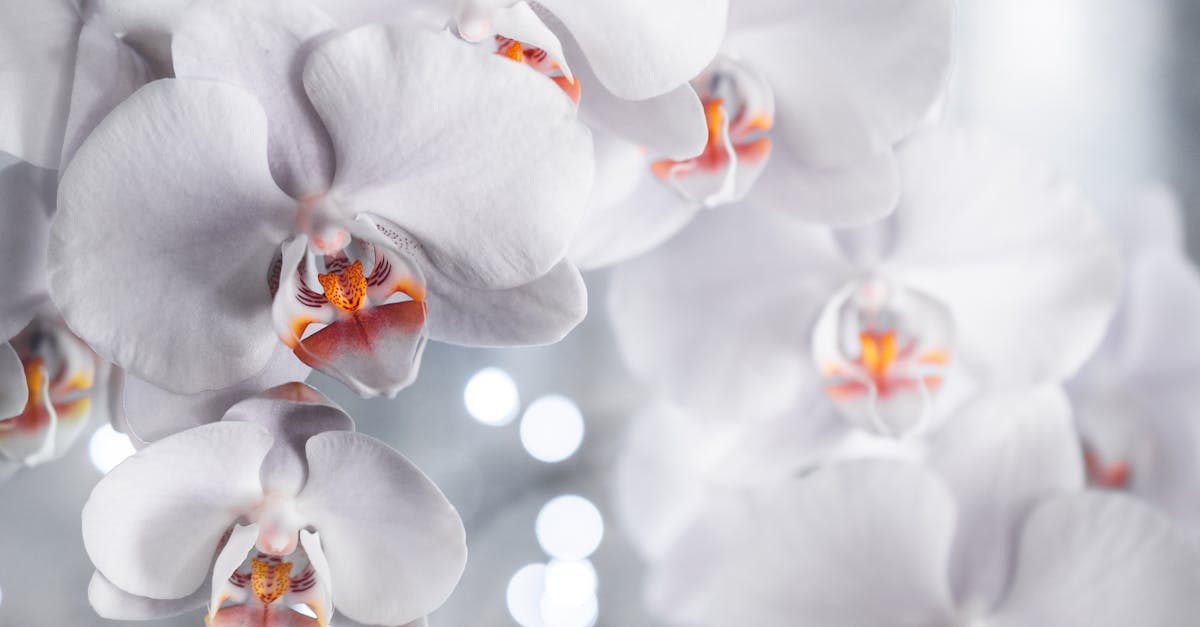
Exotic orchids, with their captivating beauty and diverse species, require specialized care practices to thrive on a balcony. Understanding their unique watering, fertilizing, and seasonal needs is essential for their well-being. Here are some key techniques to consider:
Watering: Orchids have specific watering requirements that vary depending on the species and growing conditions. In general, they prefer evenly moist but not waterlogged conditions. Allow the potting mix to dry out slightly between waterings, but avoid letting it become bone dry. Use lukewarm water and water deeply, ensuring that the water reaches the roots. Avoid getting water on the leaves or flowers, as this can lead to fungal issues.
Fertilizing: Orchids benefit from regular fertilization during their active growing season. Use a balanced orchid fertilizer diluted to half strength and apply it monthly. Avoid over-fertilizing, as this can damage the roots. During the winter months, reduce or停止 fertilizing altogether.
Seasonal Adjustments: Orchids may require different care during different seasons. In the spring and summer, provide them with ample light, moisture, and fertilizer to support their active growth. During the fall and winter, reduce watering and fertilizing and provide them with slightly cooler temperatures. Some orchids may even enter a dormant state during the winter months, requiring minimal care.
Watering Practices
Watering orchids is a delicate balance between providing enough moisture to support their growth and avoiding overwatering, which can lead to root rot. Here are key watering practices to consider:
Frequency: The frequency of watering depends on factors such as the type of orchid, the potting mix, and the environmental conditions. As a general rule, water your orchids when the potting mix is slightly dry to the touch. Avoid letting the mix become bone dry or soggy.
Methods: Water your orchids deeply and evenly, ensuring that the water reaches the roots. There are two common methods for watering orchids:
-
Top Watering: Water the orchid from above, allowing the water to run through the potting mix and out the drainage holes. Avoid getting water on the leaves or flowers.
-
Bottom Watering: Place the orchid pot in a container filled with lukewarm water. Allow the water to soak up into the potting mix from the bottom. Remove the pot once the potting mix is evenly moist.
Seasonal Variations: Watering needs may vary depending on the season. During the active growing season (spring and summer), orchids require more frequent watering. Reduce watering in the fall and winter months when orchids are less actively growing. Some orchids may even enter a dormant state during the winter and require minimal watering.
Fertilizing Orchids
Fertilizing is essential for providing orchids with the nutrients they need to thrive, especially when grown on a balcony where their access to nutrients may be limited. Here are key considerations for fertilizing balcony-grown orchids:
Choosing the Right Fertilizer: Opt for a balanced orchid fertilizer that contains essential nutrients like nitrogen, phosphorus, and potassium. Avoid using fertilizers designed for other types of plants, as they may not have the right balance of nutrients for orchids.
Fertilizing Schedule: During the active growing season (spring and summer), fertilize your orchids every two to four weeks. Reduce fertilizing in the fall and winter months when orchids are less actively growing. Some orchids may even enter a dormant state during the winter and require minimal or no fertilizing.
Application Methods: There are two common methods for fertilizing orchids:
-
Foliar Feeding: Dilute the fertilizer to half strength and mist it onto the leaves of the orchid. Avoid getting fertilizer on the flowers.
-
Root Feeding: Apply the diluted fertilizer to the base of the orchid, around the roots. Water the orchid thoroughly after applying the fertilizer.
Signs of Over-Fertilizing: If you notice any signs of over-fertilizing, such as brown or burnt leaf tips, flush the potting mix with plenty of water to remove excess salts.
Seasonal Adjustments
Orchids have specific needs that vary depending on the season, and balcony-grown orchids are no exception. Here’s how to adapt orchid care to changing seasons, considering light, temperature, and moisture adjustments:
Light Adjustments: In the spring and summer, when the days are longer and the sun is stronger, provide your orchids with plenty of bright, indirect light. You may need to move them to a shadier spot during the hottest hours of the day to avoid sunburn. In the fall and winter, when the days are shorter and the sun is weaker, you may need to provide supplemental lighting to ensure your orchids receive enough light.
Temperature Adjustments: Orchids prefer warm temperatures, ideally between 65-85°F (18-29°C). During the spring and summer, make sure your orchids are protected from extreme heat and cold. In the fall and winter, you may need to bring your orchids indoors or provide them with additional warmth, such as a heat mat or grow tent.
Moisture Adjustments: Orchids prefer high humidity, especially during the active growing season. In the spring and summer, mist your orchids regularly or use a humidifier to increase the humidity around them. You can also group your orchids together to create a microclimate with higher humidity. In the fall and winter, reduce watering and misting, as orchids are less actively growing and require less moisture.
3. Troubleshooting Common Challenges
Cultivating exotic orchids on a balcony can be rewarding, but it’s not without its challenges. Here are some common issues you may encounter and how to address them:
Pests: Mealybugs, scale, and aphids are common pests that can infest orchids. Inspect your orchids regularly for signs of infestation, such as white, cottony masses (mealybugs), brown or black bumps (scale), or small, green insects (aphids). Treat infestations promptly using insecticidal soap or neem oil.
Diseases: Orchids are susceptible to various fungal and bacterial diseases, such as crown rot, root rot, and leaf spot. To prevent diseases, ensure proper ventilation and avoid overwatering. If you notice any signs of disease, isolate the affected orchid and treat it with a fungicide or bactericide.
Environmental Stressors: Extreme temperatures, strong winds, and pollution can stress orchids and make them more susceptible to pests and diseases. Protect your orchids from extreme weather conditions by moving them indoors or providing them with shade. Use a humidifier to increase humidity around your orchids, especially during the dry winter months.
Orchid Pests and Diseases
Exotic orchids, with their captivating blooms and diverse species, can be susceptible to various pests and diseases when grown on a balcony. Here’s how to identify and manage common issues:
Mealybugs: These small, white insects feed on plant sap and can cause stunted growth and yellowing leaves. Treat mealybug infestations with insecticidal soap or neem oil.
Scale: Scale insects are small, brown or black bumps that attach themselves to orchid leaves and stems. They can cause yellowing leaves and reduced growth. Remove scale insects manually with a cotton swab dipped in rubbing alcohol or use a horticultural oil spray.
Fungal Infections: Fungal infections, such as crown rot and root rot, can be caused by overwatering or poor drainage. Crown rot causes the base of the orchid to become soft and mushy, while root rot damages the roots, leading to yellowing leaves and stunted growth. Treat fungal infections with a fungicide and improve cultural practices to prevent recurrence.
Environmental Stressors
Orchids, with their delicate nature, can be sensitive to environmental stressors on a balcony. Here’s how to protect them from extreme temperatures, wind, and pollution:
Extreme Temperatures: Protect orchids from extreme heat and cold. During hot summer months, provide shade and increase humidity around the plants. In winter, bring orchids indoors or provide them with additional warmth, such as a heat mat or grow tent.
Wind: Strong winds can damage orchid leaves and flowers. Place orchids in a sheltered spot on your balcony or use a windbreak to protect them.
Pollution: Air pollution can harm orchids, especially in urban areas. Choose pollution-tolerant orchid varieties and consider using an air purifier to improve air quality on your balcony.
4. Selecting the Right Exotic Orchid Varieties
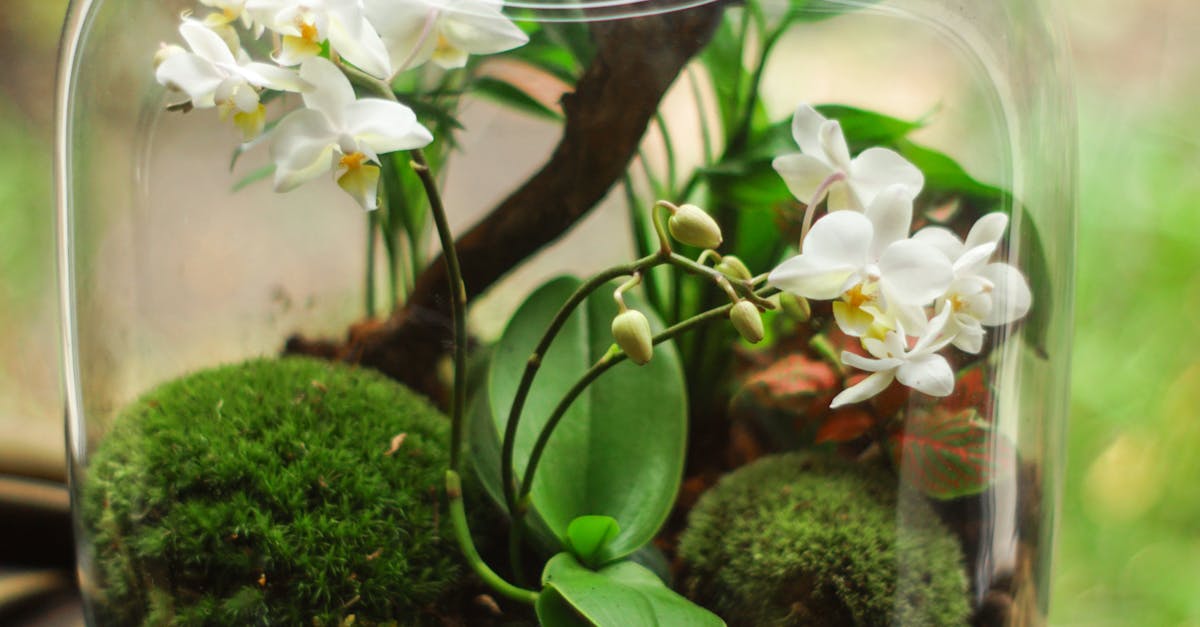
The world of exotic orchids offers a vast array of species, each with unique characteristics. When selecting orchids for your balcony, consider size, blooming habits, and hardiness:
Size: Choose orchids that are suitable for the size of your balcony. Compact or miniature orchids are ideal for small spaces, while larger varieties may require more room.
Blooming Habits: Some orchids bloom profusely, while others have more sporadic flowering periods. Select orchids with blooming habits that align with your preferences.
Hardiness: Choose orchids that are well-suited to the climate and conditions on your balcony. Consider factors such as temperature, humidity, and light availability.
Compact and Balcony-Friendly Species
For limited balcony spaces, compact and adaptable orchid species offer a delightful solution, blooming profusely with vibrant colors. These varieties are tailored to thrive in smaller environments:
Phalaenopsis: Commonly known as moth orchids, Phalaenopsis are popular for their elegant flowers and ease of care. They come in a range of colors, including white, pink, yellow, and purple.
Dendrobium: Dendrobium orchids produce showy clusters of flowers in various hues, including white, pink, purple, and yellow. They are relatively easy to grow and can tolerate a range of light conditions.
Oncidium: Oncidium orchids are known for their graceful sprays of flowers in a kaleidoscope of colors, such as yellow, orange, red, and purple. They prefer bright, indirect light and good air circulation.
Orchids with Extended Bloom Periods
To extend the visual delight of orchids on your balcony throughout the year, consider species with prolonged blooming seasons:
Cattleya: Cattleya orchids are renowned for their large, showy flowers that come in a wide array of colors, including white, pink, yellow, and purple. They typically bloom in the spring and summer months.
Paphiopedilum: Commonly called slipper orchids, Paphiopedilum orchids are known for their unique pouch-shaped flowers. They bloom in a range of colors, including white, pink, purple, and green. Their flowering period can span from spring to fall.
Miltonia: Miltonia orchids produce sprays of delicate flowers in shades of white, pink, and purple. They are known for their extended blooming season, which can last from late winter to early summer.
Resilient and Low-Maintenance Varieties
For those seeking low-maintenance orchid species that can withstand the challenges of balcony cultivation, consider these resilient varieties:
Vanda: Vanda orchids are known for their striking, strap-shaped leaves and vibrant flowers. They are relatively low-maintenance and can tolerate a range of light conditions.
Ascocenda: Ascocenda orchids are hybrids between Vanda and Ascocentrum orchids. They produce clusters of fragrant flowers in a variety of colors, including white, pink, and purple. They are known for their hardiness and adaptability.
Epidendrum: Epidendrum orchids are a diverse group with a wide range of species. Many varieties are known for their ease of care and ability to tolerate neglect. They produce sprays of flowers in various colors and shapes.
5. Transforming Your Balcony into an Orchid Haven
Transform your balcony into a dedicated orchid haven, creating an aesthetically pleasing space tailored to their flourishing:
Vertical Gardens: Utilize vertical gardens to maximize space and showcase your orchids in a stunning display. Trellises, hanging baskets, and wall-mounted planters can be incorporated to create a vertical orchid oasis.
Trellises: Trellises provide support for climbing orchid species, allowing them to grow upwards and create a visually captivating effect. Choose trellises made of materials like wood or bamboo that offer natural support.
Companion Plants: Select companion plants that complement your orchids, providing shade, humidity, or visual interest. Ferns, mosses, and other moisture-loving plants can create a harmonious and thriving environment for your orchid collection.
Vertical Gardening Solutions
Maximize space and showcase your orchid collection with vertical gardening techniques, transforming your balcony into a vibrant display:
Trellises: Utilize trellises to provide support for climbing orchid species, allowing them to grow upwards and create a visually captivating effect. Choose trellises made of materials like wood or bamboo that offer natural support.
Hanging Baskets: Suspend orchids in hanging baskets to create a cascading effect and add vertical interest to your balcony garden. Choose baskets with proper drainage and consider using liners to retain moisture.
Wall-Mounted Planters: Install wall-mounted planters to display orchids vertically, saving space and creating a unique focal point. Select planters with appropriate drainage holes and ensure they are securely mounted.
Trellises for Support and Display
Incorporate trellises into your balcony garden to provide support for climbing orchid species, creating a visually stunning and space-efficient display:
Support and Stability: Trellises offer essential support for climbing orchids, allowing them to grow upwards and preventing them from becoming tangled or falling over.
Vertical Display: Trellises help you maximize vertical space on your balcony, allowing you to showcase your orchids in a visually appealing way. Create a cascading effect or a lush green wall with climbing orchids.
Aesthetic Appeal: Trellises add a decorative touch to your balcony garden, complementing the beauty of your orchids and enhancing the overall aesthetic appeal.
Enhancing with Companion Plants
Elevate your balcony orchid garden by incorporating companion plants that complement your orchids, providing practical benefits and aesthetic charm:
Shading and Humidity: Ferns, mosses, and other moisture-loving plants can create a microclimate around your orchids, providing shade and increasing humidity levels. This is especially beneficial for orchids that prefer these conditions.
Aesthetic Appeal: Companion plants add visual interest and diversity to your balcony garden, creating a more dynamic and visually appealing display. Choose plants with contrasting colors, textures, and shapes to complement your orchids.
Natural Ecosystem: By incorporating companion plants, you can create a more balanced and natural ecosystem on your balcony. Companion plants can attract pollinators and beneficial insects, enhancing the overall health and vitality of your orchid collection.
Quiz
-
True or False: Orchids prefer low humidity environments.
-
Which of the following potting mix components is essential for good drainage?
- (A) Sphagnum moss
- (B) Perlite
- (C) Coconut husk
-
What is a benefit of using trellises in an orchid garden?
- (A) Providing support for climbing orchids
- (B) Increasing humidity levels
- (C) Shading orchids from direct sunlight
-
Which of the following is NOT a recommended companion plant for orchids?
- (A) Ferns
- (B) Mosses
- (C) Cacti
-
True or False: It is important to fertilize orchids during their dormant period.
Answer Key
- False
- (B) Perlite
- (A) Providing support for climbing orchids
- (C) Cacti
- False
Unlock the Greenery Potential of Your Balcony: A Guide to Thriving Plants in Compact Spaces Attention all balcony-dwelling plant enthusiasts! Read more
Transform Your Balcony into a Flourishing Garden Oasis: A Step-by-Step Guide Beginning a balcony garden can be a fulfilling endeavor, Read more
Unlocking the Potential of Vertical Gardening on Balconies Are you tired of your cramped balcony but still longing for a Read more
Aromatic Delights: Cultivating Herbs on Your Balcony Oasis Whether you're a seasoned gardener or just starting out, growing herbs on Read more