
Unlocking the Secrets of a Balcony Rock Garden: A Guide to Creating a Vibrant Oasis

Imagine transforming your tiny balcony into a miniature oasis of natural beauty. A rock garden, brimming with vibrant succulents, delicate alpines, and charming dwarf shrubs, can create a captivating sanctuary right outside your doorstep. This comprehensive guide will reveal the secrets to cultivating a flourishing rock garden on your balcony, empowering you to enjoy the beauty and tranquility of nature from the comfort of your urban haven.
Rock gardens, with their ability to thrive in compact spaces and withstand diverse conditions, offer an unparalleled opportunity to connect with nature. Whether you’re a seasoned gardener or embarking on your first botanical adventure, this guide will provide the essential knowledge and techniques to create a thriving rock garden, tailored to your balcony’s unique environment.
Embark on a journey of discovery as we delve into the secrets of plant selection, soil composition, strategic positioning, and meticulous care. With each step, you’ll gain the confidence and knowledge to create a flourishing rock garden that will bring joy and tranquility to your urban oasis.
1. Choosing the Right Plants
When selecting plants for your balcony rock garden, it’s crucial to consider their suitability for miniature environments and their ability to thrive in the specific conditions you can provide. Size, sun exposure, and hardiness are key factors to keep in mind.
Succulents and cacti are excellent choices for rock gardens due to their remarkable adaptability to dry conditions and compact growth habits. Their diverse forms and textures add visual interest to the garden while requiring minimal water. Alpines, known for their tolerance to well-drained soils, bring a touch of mountain charm to your balcony. Their ability to thrive in rocky, nutrient-poor environments makes them ideal for rock gardens.
Finally, miniature shrubs offer a touch of vertical interest and structure to your rock garden. Carefully selected dwarf varieties of popular shrubs, such as boxwood or juniper, can provide year-round greenery and subtle pops of color. By choosing plants that complement each other in terms of size, growth habit, and water needs, you can create a harmonious and thriving rock garden on your balcony.
Succulents and Cacti
Succulents and cacti are renowned for their exceptional adaptability to dry conditions, making them ideal for rock gardens with limited space and water availability. Their compact growth habits and diverse forms add visual interest to the garden while requiring minimal maintenance.
The thick, fleshy leaves or stems of succulents store water, allowing them to survive periods of drought. This remarkable adaptation makes them ideal for rock gardens, which often have well-drained soil that dries out quickly. Cacti, a subset of succulents, have evolved specialized structures, such as spines or ribs, to reduce water loss and protect themselves from harsh sunlight.
In addition to their water-saving abilities, succulents and cacti come in a wide variety of shapes, sizes, and colors. Echeverias, with their rosette-shaped leaves, add a touch of elegance to the rock garden. Sedums, with their creeping growth habit, create a colorful groundcover. And miniature cacti, such as Mammillaria or Gymnocalycium, bring a touch of desert charm to your balcony. By incorporating a diverse range of succulents and cacti into your rock garden, you can create a captivating and low-maintenance miniature landscape.
Alpines and Dwarf Shrubs
Alpines and dwarf shrubs are excellent choices for rock gardens due to their tolerance to well-drained soils and their ability to create vertical interest. These plants have adapted to harsh mountain environments, making them ideal for the rocky, nutrient-poor conditions often found in rock gardens.
Alpines, as their name suggests, are plants that thrive in alpine regions, characterized by high altitudes and challenging growing conditions. They typically have compact growth habits, small leaves, and deep root systems that allow them to anchor themselves in rocky terrain. Popular alpine plants for rock gardens include saxifrages, sedums, and gentians.
Dwarf shrubs, on the other hand, are smaller varieties of larger shrubs that have been bred or selected for their compact size. They offer a wider range of foliage colors and textures, adding diversity and visual appeal to the rock garden. Some popular dwarf shrubs for rock gardens include miniature roses, lavender, and heathers. By incorporating alpines and dwarf shrubs into your rock garden, you can create a miniature landscape with varying heights and textures, mimicking the natural beauty of mountain environments.
2. Creating the Optimal Soil Environment
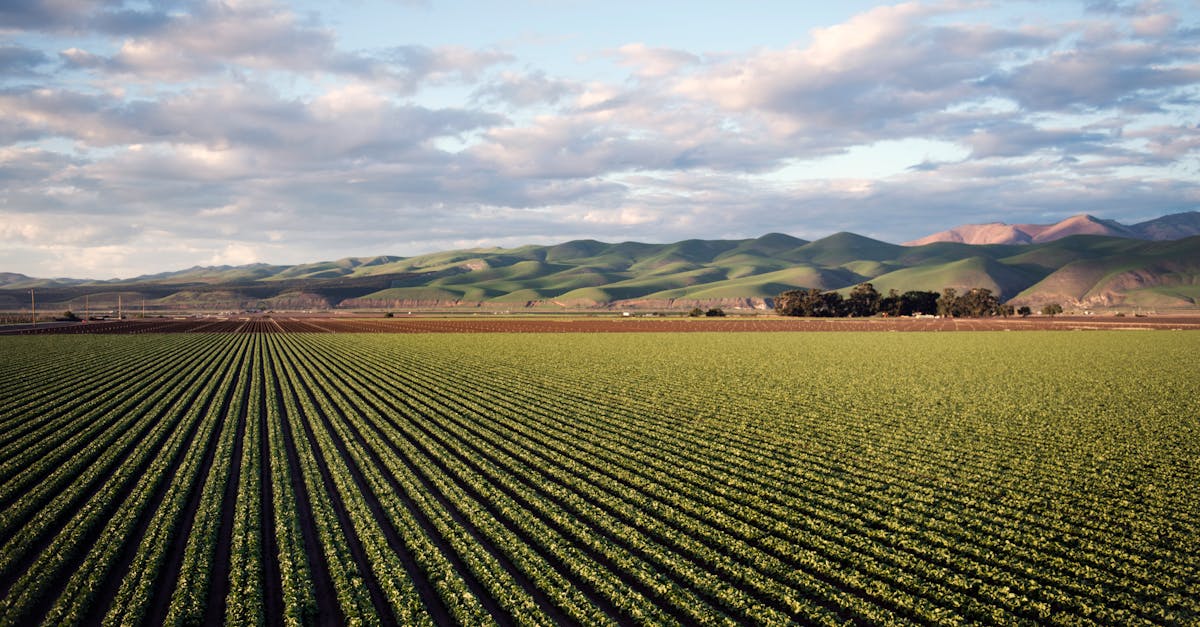
Creating an optimal soil environment is crucial for the success of your rock garden plants. Well-draining soil is essential to prevent waterlogging, which can lead to root rot and other problems. Rock garden plants have adapted to thrive in rocky, nutrient-poor conditions, so it’s important to mimic their natural habitat when creating your soil mix.
A good starting point is to blend inorganic materials like pumice or perlite with organic matter such as compost or peat moss. Pumice and perlite are volcanic rocks that have a porous structure, allowing for excellent drainage and aeration. Organic matter provides nutrients and helps to retain moisture. The ideal ratio will vary depending on the specific plants you choose and your local climate, but a general guideline is to use equal parts of inorganic material, organic matter, and soil.
Once you have created your soil mix, it’s important to ensure that the drainage is adequate. Raised beds or sloping surfaces can help to prevent water from accumulating around plant roots. You can also add drainage holes to the bottom of containers or pots. By providing your rock garden plants with well-draining soil and ensuring proper drainage, you can create a healthy environment that will support their growth and vitality.
Drainage Techniques
Ensuring proper drainage is essential to prevent waterlogging and root rot in your rock garden. Several techniques can be employed to achieve this:
Raised beds are an excellent way to improve drainage, especially in areas with heavy or poorly draining soil. By elevating the planting area, you can create a space where excess water can easily drain away from plant roots. Raised beds can be constructed using a variety of materials, such as wood, stone, or concrete blocks.
Sloping surfaces can also be used to promote drainage. By creating a gradual slope in your rock garden, you can direct excess water away from plant roots and towards a drainage area. This is a particularly effective technique for larger rock gardens or those located on slopes.
Soil Composition
Creating the right soil composition is crucial for providing your rock garden plants with the nutrients and support they need to thrive. The ideal soil mix will vary depending on the specific plants you choose and your local climate, but a good starting point is to use equal parts of soil, sand, and organic matter.
The type of soil you use will depend on what is available in your area. Loam is a good all-purpose soil that is composed of a mixture of sand, silt, and clay. Sand is used to improve drainage, while organic matter, such as compost or peat moss, provides nutrients and helps to retain moisture.
Once you have mixed your soil, it’s important to test the drainage. You can do this by digging a hole about 6 inches deep and filling it with water. If the water drains away quickly, your soil has good drainage. If the water remains in the hole for more than a few hours, you may need to add more sand or perlite to improve drainage.
3. Positioning and Arrangement
When positioning your rock garden, it is important to consider sunlight exposure and visual appeal. Rock garden plants typically prefer full sun to partial shade, so choose a location that receives at least six hours of direct sunlight per day.
In addition to sunlight, you should also consider the prevailing wind direction in your area. If possible, position your rock garden in a sheltered spot to protect your plants from strong winds. You can also use rocks to create microclimates within your rock garden, providing shelter from harsh winds and reflecting heat.
Finally, consider the overall visual appeal of your rock garden. Arrange the rocks in a way that is both aesthetically pleasing and functional. You can create a focal point by placing a large rock in the center of your garden, or you can create a more natural look by scattering rocks throughout the area. By carefully positioning and arranging your rocks, you can create a rock garden that is both beautiful and functional.
Sunlight Exposure
The amount of sunlight your rock garden receives will play a major role in determining which plants you can grow. Most rock garden plants prefer full sun to partial shade, but there are also some that can tolerate more shade. When choosing plants for your rock garden, it is important to consider the amount of sunlight they require.
If you are unsure how much sunlight your rock garden receives, you can use a sun calculator. These calculators take into account your location, the time of year, and the angle of the sun to determine how many hours of sunlight your garden will receive each day.
Once you know how much sunlight your rock garden receives, you can choose plants that are well-suited to those conditions. If you have a sunny rock garden, you can grow a wide variety of plants, including succulents, cacti, and alpines. If your rock garden is in a shadier spot, you may want to choose plants that are more tolerant of shade, such as ferns and hostas.
Microclimates and Sheltering
Microclimates are small areas within a garden that have different environmental conditions than the surrounding area. These microclimates can be created by a variety of factors, such as the presence of rocks, larger plants, or even buildings. Microclimates can be used to protect sensitive plants from harsh conditions, such as wind, sun, or cold temperatures.
In a rock garden, you can create microclimates by using rocks to create windbreaks or by planting larger plants around sensitive plants to provide shade. You can also use rocks to reflect heat onto plants that need more warmth.
Creating microclimates in your rock garden can help to extend the growing season for your plants and allow you to grow a wider variety of plants. By understanding the microclimates in your rock garden, you can create a more beautiful and diverse garden.
4. Watering and Fertilizing
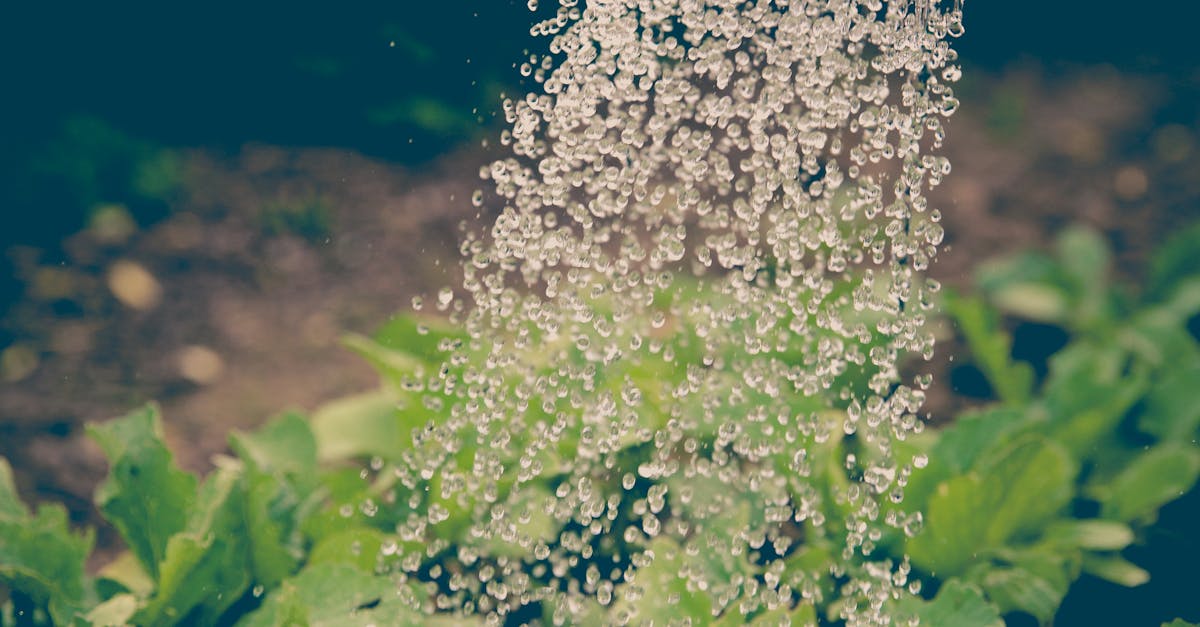
Watering and fertilizing are essential tasks for maintaining a healthy rock garden. However, it is important to water and fertilize sparingly, as rock garden plants are adapted to dry conditions and can easily be damaged by overwatering or overfertilizing.
When watering your rock garden, it is important to water deeply and infrequently. This will encourage the roots of your plants to grow deep into the soil, making them more drought-tolerant. Avoid watering your rock garden on a regular schedule, as this can lead to waterlogged soil and root rot. Instead, water your rock garden when the soil feels dry to the touch.
Fertilizing your rock garden is also important, but it should be done sparingly. A light application of a balanced fertilizer in the spring and fall is usually sufficient. Avoid using too much fertilizer, as this can burn your plants.
Watering Frequency
The frequency with which you water your rock garden will vary depending on a number of factors, including the temperature, humidity, and type of plants you are growing. In general, rock garden plants are drought-tolerant and do not need to be watered very often. However, during hot, dry weather, you may need to water your rock garden more frequently.
To determine when to water your rock garden, check the soil moisture. If the soil is dry to the touch, it is time to water. Avoid watering your rock garden on a regular schedule, as this can lead to waterlogged soil and root rot. Instead, water your rock garden when the soil feels dry.
The type of plants you are growing will also affect how often you need to water your rock garden. Succulents and cacti, for example, are very drought-tolerant and do not need to be watered very often. Alpines and other rock garden plants, on the other hand, may need to be watered more frequently, especially during hot, dry weather.
Fertilizing
Fertilizing your rock garden is important for providing your plants with the nutrients they need to thrive. However, it is important to fertilize sparingly, as rock garden plants are adapted to low-nutrient conditions and can easily be damaged by over-fertilizing.
When fertilizing your rock garden, choose a slow-release or organic fertilizer. Slow-release fertilizers release nutrients gradually over time, which helps to avoid over-fertilizing. Organic fertilizers are made from natural materials, such as compost or manure, and are less likely to burn your plants.
A light application of fertilizer in the spring and fall is usually sufficient for rock garden plants. Avoid using too much fertilizer, as this can burn your plants and damage the soil.
5. Ongoing Care and Maintenance
Maintaining a flourishing rock garden requires regular care and maintenance, including weeding, pruning, and pest control. By following a few simple tips, you can keep your rock garden looking its best.
Weeding is an important part of rock garden maintenance. Weeds compete with your plants for water and nutrients, and they can also make your rock garden look unkempt. To control weeds, pull them out by hand or use a hoe to cut them off at the ground level. Be careful not to damage the roots of your plants when weeding.
Pruning is also an important part of rock garden maintenance. Pruning helps to keep your plants healthy and looking their best. To prune your rock garden plants, simply remove any dead or damaged leaves or stems. You can also prune your plants to shape them or to encourage them to grow in a certain direction.
Weeding and Pruning
Weeding and pruning are two important tasks for maintaining a healthy and beautiful rock garden. Weeds compete with your plants for water and nutrients, and they can also make your rock garden look unkempt. Pruning helps to keep your plants healthy and looking their best, and it can also encourage them to grow in a certain direction or shape.
To weed your rock garden, simply pull the weeds out by hand or use a hoe to cut them off at the ground level. Be careful not to damage the roots of your plants when weeding. You should also remove any dead or diseased leaves or stems from your plants. Pruning can also help to shape your plants and encourage them to grow in a certain direction.
By following these simple tips, you can keep your rock garden looking its best and ensure that your plants are healthy and thriving.
Pest and Disease Prevention
Pests and diseases can be a problem in any garden, but they can be especially damaging to rock gardens. This is because the plants in rock gardens are often more delicate and susceptible to damage than plants in other types of gardens. Fortunately, there are a number of natural pest and disease prevention methods that you can use to protect your rock garden.
One of the best ways to prevent pests and diseases in your rock garden is to companion plant. Companion planting is the practice of planting different types of plants together that benefit each other. For example, you can plant marigolds near your tomatoes to deter pests. You can also plant garlic near your roses to help prevent black spot disease.
Another way to prevent pests and diseases in your rock garden is to encourage beneficial insects. Beneficial insects are insects that prey on pests. Some common beneficial insects include ladybugs, lacewings, and parasitic wasps. You can attract beneficial insects to your rock garden by planting flowers that they like, such as daisies, zinnias, and sunflowers.
Quiz
1. Which of the following is NOT a benefit of using inorganic materials like pumice or perlite in rock garden soil?
(a) Improved drainage (b) Enhanced nutrient retention (c) Reduced waterlogging
2. True or False: Rock garden plants generally prefer full shade to partial shade.
(a) True (b) False
3. Which of the following is a natural pest control method that can be used in rock gardens?
(a) Companion planting (b) Using pesticides (c) Removing weeds
4. True or False: Fertilizing rock garden plants heavily is essential for optimal growth.
(a) True (b) False
5. Which of the following is NOT a factor to consider when determining the watering frequency for rock garden plants?
(a) Temperature (b) Humidity (c) Plant size
Answer Key
- (b)
- (b)
- (a)
- (b)
- (c)
Answer Key
- (b)
- (b)
- (a)
- (b)
- (c)
Unlock the Greenery Potential of Your Balcony: A Guide to Thriving Plants in Compact Spaces Attention all balcony-dwelling plant enthusiasts! Read more
Transform Your Balcony into a Flourishing Garden Oasis: A Step-by-Step Guide Beginning a balcony garden can be a fulfilling endeavor, Read more
Unlocking the Potential of Vertical Gardening on Balconies Are you tired of your cramped balcony but still longing for a Read more
Aromatic Delights: Cultivating Herbs on Your Balcony Oasis Whether you're a seasoned gardener or just starting out, growing herbs on Read more