
Unveiling the Secrets of Successful Balcony Gardening in Shady Areas
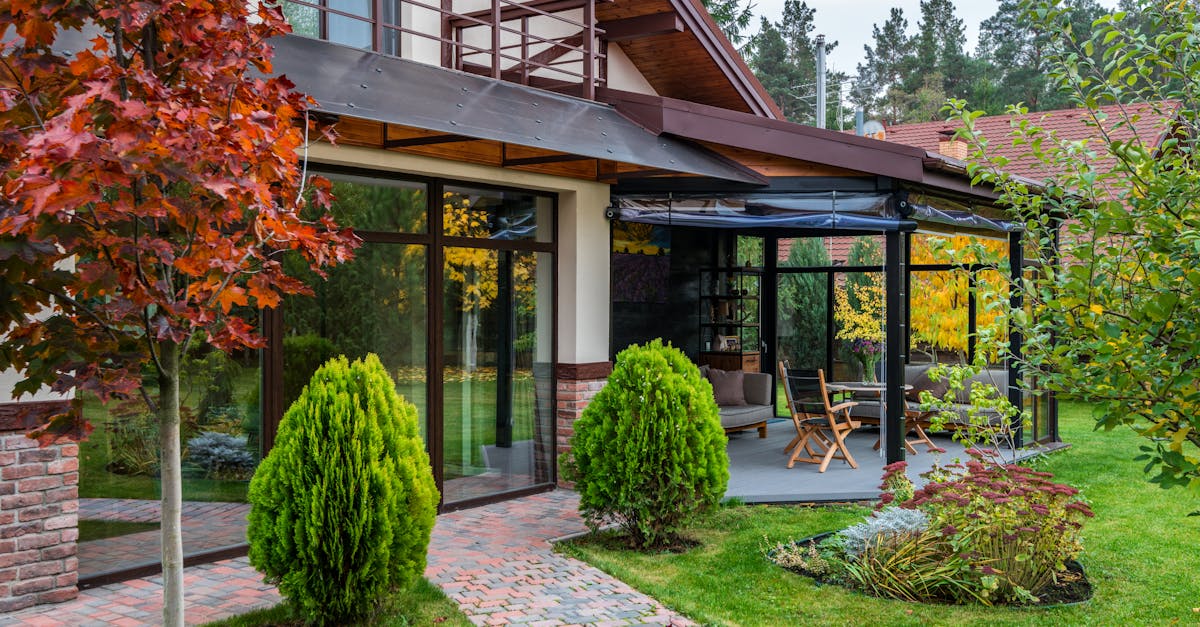
Unlock the Secrets of Thriving Balcony Gardens in Shady Abodes
Transform your shaded balcony into a verdant oasis with this comprehensive guide to gardening in low-light conditions. Discover the specific challenges of shady environments and learn how to overcome them with expert plant selection, clever design techniques, and tailored care routines. Embrace the beauty of shade-loving foliage and flowers, create a shaded haven with ease, and master the art of watering and fertilizing for optimal growth in these unique conditions.
This guide will equip you with all the knowledge you need to cultivate a thriving balcony garden, even in areas with limited sunlight. Get ready to experience the joy of gardening in shady spaces and transform your balcony into a lush and inviting retreat.
1. Understanding the Challenges of Shady Balconies
Understanding the Challenges of Shady Balconies
Growing plants on a balcony with limited sunlight poses unique challenges that require specific knowledge and techniques to overcome. One of the primary hurdles is the reduced sunlight exposure, which can hinder photosynthesis and impact the overall health and growth of plants. Shady balconies often receive less than four hours of direct sunlight per day, making it crucial to select plants that can thrive in these low-light conditions.
Another challenge in shady balcony gardening is moisture retention. Shaded areas tend to dry out more slowly, which can lead to overwatering and root rot if not carefully managed. It’s essential to find a balance between providing adequate moisture for the plants without creating waterlogged conditions. Using well-draining soil, choosing drought-tolerant plants, and implementing proper watering practices are key to maintaining optimal soil moisture levels.
Light Intensity and Duration
Light Intensity and Duration
Before embarking on your shady balcony gardening journey, it’s essential to assess the light conditions on your balcony. The amount and duration of sunlight available will significantly influence the types of plants you can grow and the care they require.
Light intensity refers to the brightness of the light, and it’s typically measured in foot-candles (fc). Shady balconies generally receive less than 1000 fc of light, so it’s crucial to choose plants that can tolerate low light levels. Some plants, known as deep shade plants, can even survive with as little as 100 fc of light.
Light duration refers to the number of hours of sunlight your balcony receives each day. Most plants need at least four to six hours of sunlight per day to thrive, but some shade-tolerant plants can get by with less. By understanding the light intensity and duration on your balcony, you can select plants that are best suited to your specific conditions.
Soil Moisture and Drainage
Soil Moisture and Drainage
Maintaining optimal soil moisture and drainage in shady areas can be challenging. Shady balconies often have poor air circulation, which can lead to stagnant moisture and create an environment conducive to root rot. Additionally, the soil in shady areas tends to be cooler and retain moisture for longer periods, further exacerbating the problem.
To overcome these challenges, it’s essential to use a well-draining potting mix that allows excess water to escape easily. Amending the soil with organic matter, such as compost or peat moss, can help improve drainage and aeration. It’s also important to choose containers with drainage holes to prevent water from accumulating at the bottom of the pot.
Regular watering is crucial for plant growth, but it’s important to avoid overwatering, especially in shady areas. Allow the soil to dry out slightly between waterings, and always check the moisture level before watering. Mulching around the plants can help retain moisture and suppress weeds, but avoid piling mulch directly against the stems, as this can promote rot.
2. Selecting Plants for Shady Conditions
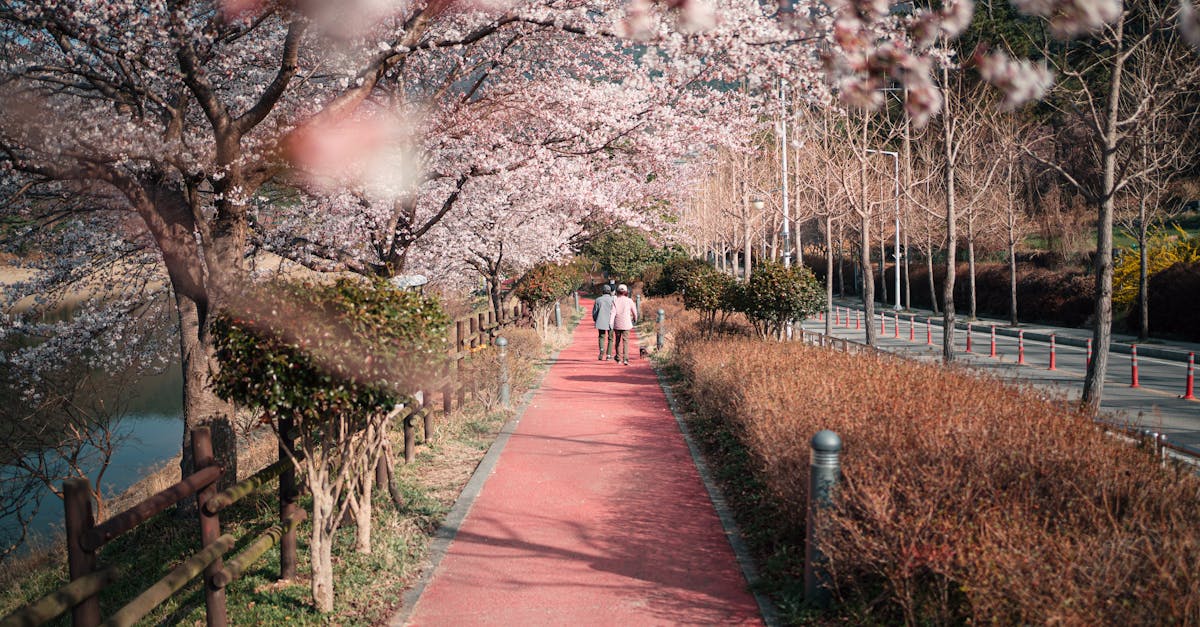
Selecting Plants for Shady Conditions
When selecting plants for a shady balcony, it’s important to choose varieties that can tolerate low light levels and thrive in the specific conditions of your balcony. Some plants are more tolerant of deep shade than others, so it’s essential to research the specific light requirements of each plant before purchasing.
Some popular plant varieties well-suited for shady balconies include:
- Foliage plants: These plants are grown primarily for their attractive leaves, and many can tolerate low light conditions. Some good choices include hostas, ferns, begonias, and coleus.
- Flowering plants: While most flowering plants prefer full sun, there are some that can bloom in shady areas. Some shade-tolerant flowering plants include impatiens, begonias, fuchsias, and hellebores.
When selecting plants for your shady balcony, consider the size and shape of the plants, as well as their mature height and spread. It’s also important to choose plants that are compatible with each other and have similar watering and fertilizing needs.
Foliage Plants
Foliage Plants
Foliage plants are a great choice for shady balconies because they add color and texture to the garden without requiring a lot of sunlight. Many foliage plants have variegated leaves with different shades of green, white, cream, or yellow. Others have interesting leaf shapes or textures, such as ferns with their delicate fronds or succulents with their fleshy leaves.
Some popular low-light tolerant foliage plants for balconies include:
- Hostas: These plants are known for their large, heart-shaped leaves that come in a variety of colors, including green, blue, and variegated. Hostas prefer moist, well-drained soil and can tolerate deep shade.
- Ferns: Ferns are another popular choice for shady balconies. They come in a wide variety of shapes and sizes, from delicate maidenhair ferns to large Boston ferns. Ferns prefer moist, well-drained soil and can tolerate low light levels.
- Begonias: Begonias are known for their colorful foliage and flowers. They come in a variety of sizes and shapes, from small, compact plants to larger, trailing varieties. Begonias prefer moist, well-drained soil and can tolerate partial shade.
- Coleus: Coleus is a fast-growing plant with colorful foliage. The leaves come in a wide range of colors, including green, red, purple, and yellow. Coleus prefers moist, well-drained soil and can tolerate partial shade.
Flowering Plants
Flowering Plants
While most flowering plants prefer full sun, there are some that can thrive in shady conditions and provide vibrant blooms to your balcony. These plants have adapted to low light levels by developing specialized features, such as larger leaves to capture more sunlight and lighter colored flowers to reflect more light.
Some popular shade-loving flowering plants for balconies include:
- Impatiens: Impatiens are known for their colorful flowers that bloom profusely in shady areas. They come in a wide range of colors, including pink, red, purple, and white. Impatiens prefer moist, well-drained soil and can tolerate partial shade.
- Begonias: Begonias are another popular choice for shady balconies. They come in a variety of sizes and shapes, from small, compact plants to larger, trailing varieties. Begonias prefer moist, well-drained soil and can tolerate partial shade.
- Fuchsias: Fuchsias are known for their beautiful, pendant flowers that come in a variety of colors, including pink, purple, and red. Fuchsias prefer moist, well-drained soil and can tolerate partial shade.
- Hellebores: Hellebores are known for their beautiful, cup-shaped flowers that bloom in late winter or early spring. They come in a variety of colors, including white, pink, and purple. Hellebores prefer moist, well-drained soil and can tolerate deep shade.
3. Creating a Shaded Oasis
Creating a Shaded Oasis
If your balcony doesn’t receive enough natural shade, there are several things you can do to create a shaded oasis for your plants. One option is to use shade cloths, which are available in a variety of materials and densities. Shade cloths can be attached to the balcony railing or ceiling to provide protection from the sun.
Another option is to use trellises or arbors to create shaded areas. Trellises can be used to support climbing plants, which can provide both shade and privacy. Arbors can be used to create a shaded seating area or walkway.
When choosing shade structures, it’s important to consider the amount of shade you need, the size of your balcony, and the style of your décor. You may also want to consider using a combination of shade structures to create the desired effect.
Shade Structures
Shade Structures
Shade structures can provide much-needed protection from the sun for your balcony plants and create a more comfortable outdoor space. There are a variety of shade structures available, each with its own unique benefits and drawbacks.
Awnings are a popular choice for balconies because they are relatively easy to install and can be retracted when not needed. Pergolas are another good option, as they can be used to create a more permanent shaded area. Umbrellas are a more portable option, but they are not as durable as awnings or pergolas.
When choosing a shade structure, it’s important to consider the following factors: the amount of shade you need, the size of your balcony, the style of your décor, and your budget.
Vertical Gardening
Vertical Gardening
Vertical gardening is a great way to maximize space on a small balcony and create a shaded area for your plants. Vertical gardens can be created using a variety of materials, such as trellises, wall-mounted planters, and hanging baskets.
One of the main advantages of vertical gardening is that it allows you to grow more plants in a smaller space. This is especially beneficial for balconies that are limited in size. Vertical gardens can also be used to create a shaded area by training climbing plants to grow up trellises or walls.
There are a few things to keep in mind when creating a vertical garden. First, you need to choose plants that are suitable for vertical gardening. Some good choices include climbing plants, trailing plants, and succulents. Second, you need to provide adequate support for your plants. This can be done using trellises, stakes, or other supports.
Vertical gardens are a great way to add beauty and functionality to your balcony. They are a great option for small spaces and can be used to create a shaded area for your plants.
4. Watering and Fertilizing in Shady Balconies
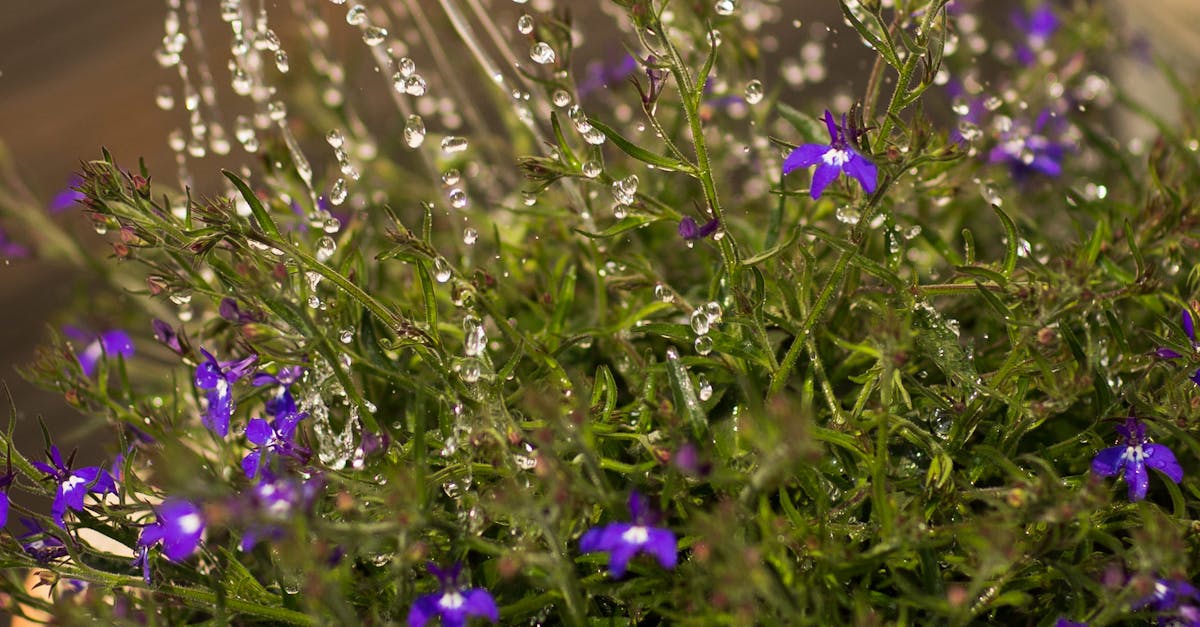
Watering and Fertilizing in Shady Balconies
Watering and fertilizing plants in shady balconies presents unique challenges due to the reduced sunlight and increased moisture retention. Shady areas tend to dry out more slowly, which can lead to overwatering and root rot if not carefully managed.
Watering
The key to watering plants in shady balconies is to water deeply and infrequently. Allow the soil to dry out slightly between waterings, and always check the moisture level before watering. Overwatering is a common problem in shady areas, so it’s important to err on the side of caution.
Fertilizing
Fertilizing plants in shady balconies is also important, but it’s important to use a balanced fertilizer and avoid over-fertilizing. Too much fertilizer can burn the roots of the plants and lead to other problems.
By following these guidelines, you can help your plants thrive in shady balcony conditions.
Watering Techniques
Watering Techniques
Regular watering is essential for the health of your balcony plants, especially during hot and dry periods. However, it’s important to water deeply and infrequently, rather than shallowly and frequently. Deep watering encourages the roots of the plants to grow deep into the soil, making them more drought tolerant. Shallow watering, on the other hand, only wets the surface of the soil and encourages the roots to grow shallowly, making the plants more susceptible to drought stress.
There are a few different ways to water your plants deeply. One method is to use a soaker hose. Soaker hoses are porous hoses that slowly release water over a long period of time. Another method is to water your plants at the base of the plant, rather than overhead. Watering at the base of the plant helps to direct the water to the roots, rather than letting it run off the leaves.
No matter which watering method you choose, it’s important to check the moisture level of the soil before watering. You can do this by inserting your finger into the soil up to the first knuckle. If the soil is dry to the touch, it’s time to water your plants.
Fertilizing for Optimal Growth
Fertilizing for Optimal Growth
Fertilizing your balcony plants is essential for optimal growth and health. However, it’s important to use a balanced fertilizer and avoid over-fertilizing. Too much fertilizer can burn the roots of the plants and lead to other problems.
When choosing a fertilizer for your shade-tolerant plants, look for one that is balanced and contains all of the essential nutrients, including nitrogen, phosphorus, and potassium. You should also consider the specific needs of your plants. For example, some plants, such as ferns, prefer a fertilizer that is high in nitrogen.
Once you have chosen a fertilizer, follow the directions on the package for application. It’s important to fertilize your plants regularly, but avoid over-fertilizing. Over-fertilizing can lead to a build-up of salts in the soil, which can damage the roots of the plants.
5. Additional Tips for Balcony Gardening Success
Additional Tips for Balcony Gardening Success
In addition to the tips provided above, there are a few other things you can do to enhance the growth and aesthetics of your balcony garden in shady areas:
- Choose the right plants: Not all plants are suited to shady conditions. When selecting plants for your balcony garden, be sure to choose varieties that are tolerant of low light levels.
- Plant in containers: Planting in containers gives you more control over the soil conditions and drainage. Be sure to choose containers that are large enough to accommodate the root systems of your plants and have drainage holes to prevent waterlogging.
- Use a potting mix that is well-draining: A well-draining potting mix will help to prevent the roots of your plants from rotting. Look for a potting mix that contains a combination of peat moss, perlite, and vermiculite.
- Water your plants regularly: Shady areas tend to dry out more slowly than sunny areas, so it’s important to water your plants regularly. However, be sure to avoid overwatering, as this can lead to root rot.
- Fertilize your plants: Fertilizing your plants regularly will help them to grow healthy and strong. Use a balanced fertilizer and follow the directions on the package for application.
- Prune your plants: Pruning your plants will help to promote new growth and keep them looking their best. Remove any dead or diseased leaves or stems, and trim back any overgrown branches.
Companion Planting
Companion Planting
Companion planting is a gardening technique that involves planting different species of plants together to create mutually beneficial relationships. Companion planting can help to improve plant growth, deter pests, and attract pollinators.
When companion planting in shady balconies, it’s important to choose plants that have similar light requirements. Some good companion plant pairings for shady balconies include:
- Hostas and ferns: Hostas are known for their large, heart-shaped leaves that come in a variety of colors. Ferns are known for their delicate fronds. Hostas and ferns both prefer shady conditions and can be planted together to create a lush and beautiful display.
- Impatiens and begonias: Impatiens are known for their colorful flowers that bloom profusely in shady areas. Begonias are known for their beautiful foliage and flowers. Impatiens and begonias both prefer shady conditions and can be planted together to create a vibrant and colorful display.
- Fuchsias and coleus: Fuchsias are known for their beautiful, pendant flowers that come in a variety of colors. Coleus is known for its colorful foliage. Fuchsias and coleus both prefer shady conditions and can be planted together to create a unique and eye-catching display.
Pest and Disease Control
Pest and Disease Control
Even in shady areas, your balcony plants may be susceptible to pests and diseases. Here are some preventative measures and natural remedies to help keep your plants healthy:
- Preventative measures:
- Keep your plants clean and free of debris.
- Water your plants regularly, but avoid overwatering.
- Fertilize your plants regularly to help them stay healthy and strong.
- Inspect your plants regularly for pests and diseases.
- Natural remedies:
- Aphids: Aphids are small, soft-bodied insects that can suck the sap from your plants. To control aphids, you can spray them with a mixture of water and insecticidal soap.
- Spider mites: Spider mites are tiny, eight-legged pests that can cause your plants to turn yellow and drop their leaves. To control spider mites, you can spray them with a mixture of water and neem oil.
- Powdery mildew: Powdery mildew is a fungal disease that can cause a white powdery coating to form on the leaves of your plants. To control powdery mildew, you can spray your plants with a mixture of water and baking soda.
Quiz
-
True or False: Plants grown in shady areas require less water than plants grown in sunny areas.
-
Which of the following is NOT a challenge of gardening in shady areas?
(a) Reduced sunlight
(b) Improved drainage
(c) Moisture retention
-
Which of the following is a benefit of vertical gardening in shady balconies?
(a) Increased space for plants
(b) Creation of a shaded area
(c) Both (a) and (b)
-
True or False: Over-fertilizing plants in shady areas can lead to nutrient deficiencies.
-
Which of the following is a natural remedy for controlling powdery mildew?
(a) Insecticidal soap
(b) Neem oil
(c) Baking soda
-
False
-
(b)
-
(c)
-
False
-
(c)
Unlock the Greenery Potential of Your Balcony: A Guide to Thriving Plants in Compact Spaces Attention all balcony-dwelling plant enthusiasts! Read more
Transform Your Balcony into a Flourishing Garden Oasis: A Step-by-Step Guide Beginning a balcony garden can be a fulfilling endeavor, Read more
Unlocking the Potential of Vertical Gardening on Balconies Are you tired of your cramped balcony but still longing for a Read more
Aromatic Delights: Cultivating Herbs on Your Balcony Oasis Whether you're a seasoned gardener or just starting out, growing herbs on Read more