
Unveiling the Delights of Root Vegetables in Containers: Space Optimization, Controlled Environment, and Early Harvests
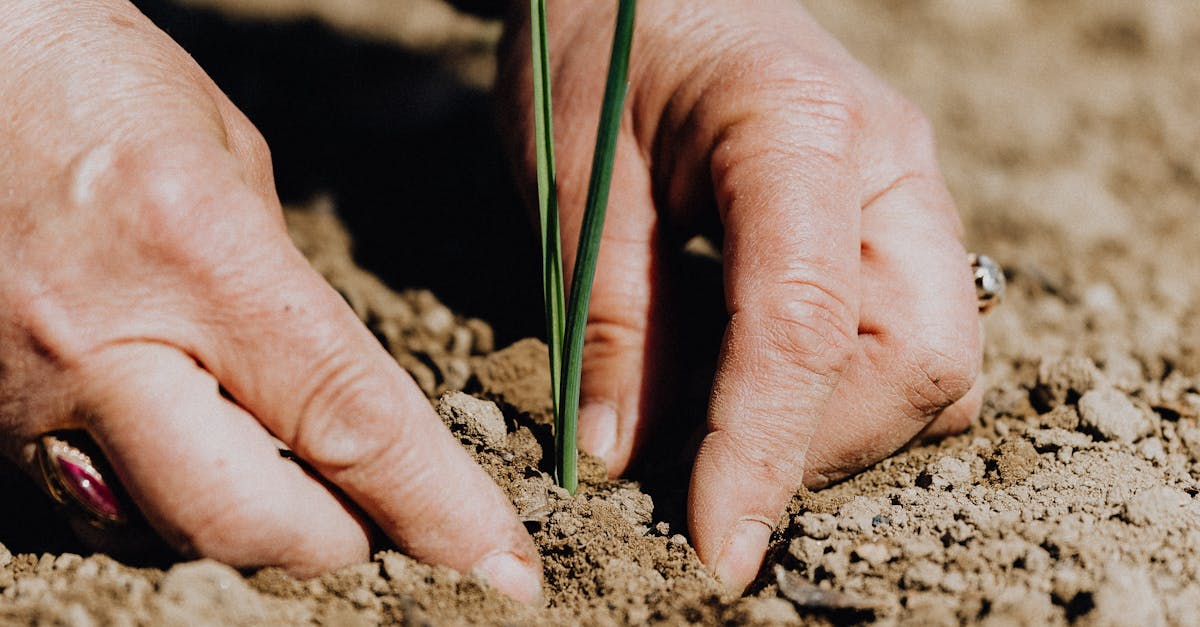
Growing root vegetables in containers is a space-efficient and rewarding gardening technique that offers several benefits. Whether you have limited outdoor space or simply want to extend your growing season, container gardening provides the perfect solution for cultivating a variety of root vegetables. From the convenience of growing vertically to the control over soil conditions, there are numerous advantages to growing root vegetables in containers.
In this article, we will delve into the world of container gardening for root vegetables. We will explore the benefits, guide you in selecting the right containers and suitable varieties, and provide detailed tips on planting and growing techniques. Additionally, we will address common challenges and provide effective solutions to ensure a successful and bountiful harvest from your container-grown root vegetables.
So, if you’re ready to maximize your gardening space and enjoy fresh, homegrown root vegetables, let’s dive into the exciting world of container gardening!
1. Benefits of Growing Root Vegetables in Containers
Growing root vegetables in containers offers a multitude of benefits, making it an ideal gardening technique for both urban and suburban environments. Here are the key advantages:
Space Optimization:
One of the primary benefits of container gardening is space efficiency. By growing root vegetables vertically in containers, you can maximize your growing space, making it a viable option even for those with limited outdoor areas. This vertical gardening approach allows you to stack containers on top of each other, creating a compact and productive garden.
Controlled Environment:
Containers provide a controlled environment for root vegetables, giving you greater control over soil conditions, drainage, and sunlight exposure. You can tailor the soil mix to suit the specific needs of your chosen root vegetable varieties, ensuring optimal growth and preventing nutrient deficiencies. Additionally, containers allow you to adjust drainage to prevent waterlogging, which can lead to root rot and other problems.
Early Harvests:
Container gardening can extend your growing season, enabling you to enjoy fresh, homegrown root vegetables earlier than traditional garden methods. By starting seeds indoors or purchasing seedlings, you can get a head start on the growing process and harvest your vegetables sooner. This advantage is particularly beneficial in regions with shorter growing seasons or unpredictable weather conditions.
Space Optimization
Space Optimization: Maximize space in urban areas or small gardens by growing root vegetables vertically in containers
For those living in urban areas or with limited outdoor space, container gardening offers a brilliant solution for growing root vegetables vertically. This space-efficient technique allows you to maximize your growing capacity without sacrificing yield.
By utilizing vertical space, you can stack containers on top of each other, creating a compact and productive garden. This approach is particularly beneficial for root vegetables, which typically require ample depth for proper growth. By growing them in containers, you can control the soil depth and ensure that your vegetables have enough room to develop healthy and flavorful roots.
Vertical gardening also allows you to make the most of limited балконыs, patios, or rooftops. By placing containers vertically, you can create a thriving garden even in the smallest of spaces. This flexibility makes container gardening an ideal choice for urban dwellers and those with limited outdoor areas.
Controlled Environment
Controlled Environment: Easily adjust soil conditions, drainage, and sunlight exposure to suit specific root vegetable varieties
Growing root vegetables in containers gives you greater control over the growing environment, allowing you to tailor the conditions to suit the specific needs of each variety. By adjusting soil conditions, drainage, and sunlight exposure, you can optimize growth and yield.
Soil Conditions:
Different root vegetables have different soil preferences. Some, like carrots, prefer loose, well-drained soil, while others, like beets, can tolerate heavier soils. By growing in containers, you can customize the soil mix to meet the specific requirements of your chosen varieties. This allows you to provide the ideal growing conditions for each plant, resulting in healthier growth and improved yields.
Drainage:
Proper drainage is crucial for root vegetable growth. Waterlogged soil can lead to root rot and other problems. Containers allow you to control drainage by ensuring adequate drainage holes and selecting containers with the appropriate drainage capacity. This helps prevent waterlogging and promotes healthy root development.
Sunlight Exposure:
Most root vegetables require full sun to grow properly. However, some varieties, such as radishes, can tolerate partial shade. By placing containers in different locations, you can control the amount of sunlight exposure each variety receives, ensuring optimal growth and production.
Early Harvests
Early Harvests: Extend the growing season and enjoy fresh, homegrown root vegetables earlier than traditional garden methods
Container gardening allows you to extend your growing season and enjoy fresh, homegrown root vegetables earlier than traditional garden methods. By starting seeds indoors or purchasing seedlings, you can get a head start on the growing process and harvest your vegetables sooner.
Starting Seeds Indoors:
Starting seeds indoors gives you a significant advantage in terms of extending your growing season. By starting seeds indoors 6-8 weeks before the last frost date, you can transplant seedlings into containers outdoors as soon as the weather permits. This allows you to harvest your vegetables several weeks earlier than if you were to sow seeds directly outdoors.
Purchasing Seedlings:
If you don’t have the time or resources to start seeds indoors, you can purchase seedlings from a local nursery or garden center. Transplanting seedlings into containers outdoors is a quick and easy way to get a jumpstart on the growing season and enjoy early harvests.
By utilizing containers and implementing these techniques, you can extend your growing season, maximize your yield, and savor the taste of fresh, homegrown root vegetables earlier than ever before.
2. Selecting the Right Containers
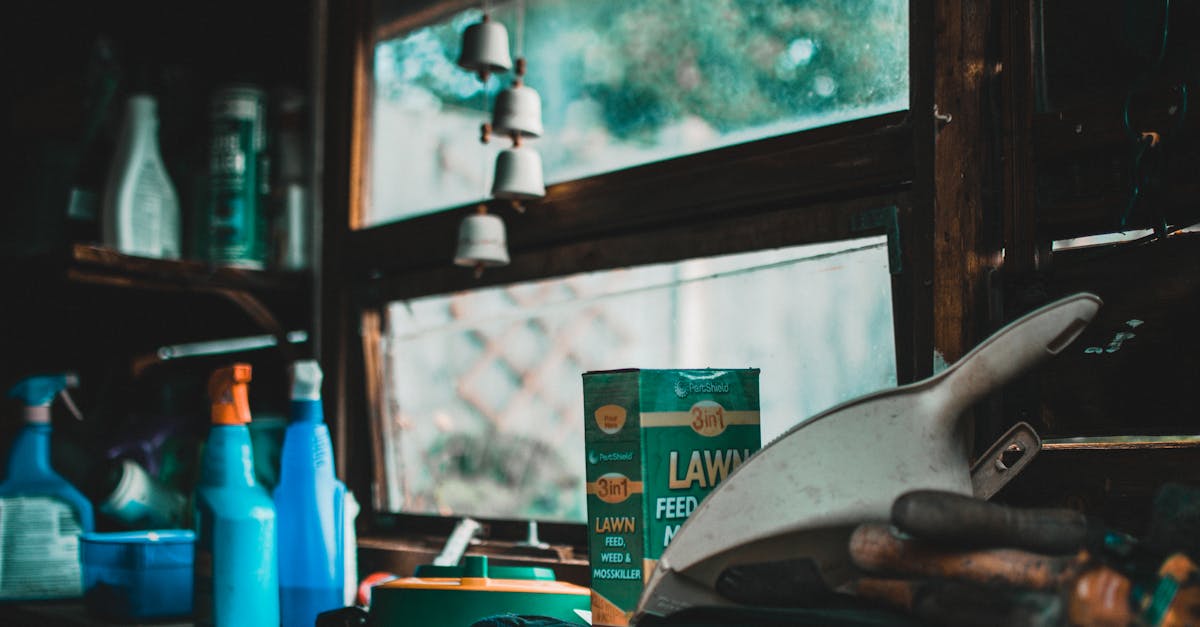
Selecting the Right Containers: Choose containers with appropriate size, drainage, and material to ensure healthy root development and prevent waterlogging
Choosing the right containers is crucial for successful container gardening. When selecting containers for root vegetables, there are three key factors to consider: size, drainage, and material.
Size:
The size of the container should be appropriate for the specific root vegetable variety you are growing. Different root vegetables have different root lengths and growth habits. For example, carrots require a deep container to accommodate their long, taproots, while radishes can be grown in shallower containers.
Drainage:
Proper drainage is essential to prevent waterlogging, which can lead to root rot and other problems. Choose containers with adequate drainage holes to allow excess water to drain away. Some containers come with built-in drainage holes, while others may require you to drill holes yourself.
Material:
Containers are available in a variety of materials, each with its own advantages and disadvantages. Fabric pots are lightweight and breathable, allowing for good air circulation and drainage. Plastic containers are durable and inexpensive, but they can become hot in the sun and may not provide sufficient drainage. Wooden boxes are a good choice for larger root vegetables, but they require more maintenance and may be susceptible to rot.
Size Considerations
Size Considerations: Select containers deep enough to accommodate the specific root length of the chosen vegetable variety
When choosing the right size container for root vegetables, it’s important to consider the specific root length of the variety you are growing. Different root vegetables have different growth habits and root structures. Some, like carrots and parsnips, have long, deep roots, while others, like radishes and beets, have shorter, more compact roots.
To ensure healthy root development and prevent stunted growth, choose a container that is deep enough to accommodate the full length of the roots. A good rule of thumb is to select a container that is at least 12-18 inches deep for long-rooted varieties like carrots and parsnips. For shorter-rooted varieties like radishes and beets, a container depth of 6-12 inches should be sufficient.
Using containers that are too shallow can restrict root growth and lead to problems such as root binding and stunted growth. In severe cases, shallow containers can also cause the roots to grow out of the drainage holes, which can lead to waterlogging and root rot. By selecting containers with the appropriate depth, you can provide your root vegetables with the space they need to develop healthy and productive root systems.
Drainage Holes
Drainage Holes: Ensure containers have adequate drainage holes to prevent root rot and promote healthy growth
Proper drainage is crucial for healthy root development and overall plant growth. When growing root vegetables in containers, it’s essential to choose containers with adequate drainage holes to prevent waterlogging and root rot.
Waterlogging occurs when excess water accumulates in the soil, depriving the roots of oxygen. This can lead to a variety of problems, including stunted growth, yellowing leaves, and root rot. Root rot is a serious fungal disease that can cause the roots to become soft and mushy, eventually killing the plant.
To prevent waterlogging and promote healthy root growth, ensure that your containers have sufficient drainage holes. The holes should be large enough to allow excess water to drain away freely. If the containers do not have adequate drainage holes, you can drill additional holes yourself using a drill bit.
When placing your containers, choose a location with good drainage. Avoid placing containers in areas where water can pool or become stagnant. By providing your root vegetables with proper drainage, you can help prevent root rot and promote healthy growth and development.
Material Options
Material Options: Consider materials such as fabric pots, plastic containers, or wooden boxes, each with its own benefits and drawbacks
When choosing containers for growing root vegetables, there are several different materials to consider, each with its own advantages and disadvantages. The most common materials used for container gardening include fabric pots, plastic containers, and wooden boxes.
Fabric Pots:
Fabric pots are made from a breathable material, such as felt or canvas. They are lightweight and easy to move, and they provide good air circulation and drainage. However, fabric pots can dry out more quickly than other types of containers, so they may need to be watered more frequently.
Plastic Containers:
Plastic containers are durable and inexpensive, and they come in a variety of sizes and shapes. They are also relatively easy to clean and disinfect. However, plastic containers can become hot in the sun, which can damage the roots of your plants. Additionally, plastic containers may not provide as good drainage as fabric pots or wooden boxes.
Wooden Boxes:
Wooden boxes are a good choice for larger root vegetables, such as carrots and parsnips. They are sturdy and durable, and they provide good insulation for the roots. However, wooden boxes are heavier than other types of containers, and they may require more maintenance, such as sealing or painting, to prevent rot.
Ultimately, the best material for your containers will depend on your specific needs and preferences. Consider the size and type of root vegetables you want to grow, as well as the climate in your area, when making your decision.
3. Choosing Suitable Root Vegetable Varieties
Choosing Suitable Root Vegetable Varieties: Select root vegetable varieties that are well-suited for container gardening, considering maturity time, size, and specific cultural requirements
When selecting root vegetable varieties for container gardening, there are several factors to consider, including maturity time, size, and specific cultural requirements.
Maturity Time:
The maturity time of a root vegetable variety refers to the number of days it takes from planting to harvest. If you want to enjoy fresh root vegetables throughout the growing season, choose varieties with different maturity times. This will allow you to stagger your plantings and have a continuous supply of vegetables.
Size:
The size of the root vegetable variety is also an important consideration. Some varieties, such as radishes and beets, are relatively small and can be grown in shallower containers. Others, such as carrots and parsnips, have larger roots and require deeper containers.
Specific Cultural Requirements:
Different root vegetable varieties have different cultural requirements, such as sunlight, water, and nutrient needs. When selecting varieties, be sure to choose ones that are well-suited to your climate and growing conditions. For example, if you live in a hot, dry climate, you may want to choose drought-tolerant varieties.
By considering these factors, you can choose root vegetable varieties that are well-suited for container gardening and that will provide you with a bountiful harvest.
Fast-Maturing Varieties
Fast-Maturing Varieties: Opt for varieties with shorter maturity times, allowing for multiple harvests in one growing season
If you want to enjoy fresh, homegrown root vegetables throughout the growing season, choosing fast-maturing varieties is a great option. These varieties typically have a maturity time of 50-60 days or less, allowing you to plant multiple crops in one growing season.
Some popular fast-maturing root vegetable varieties for container gardening include:
- Radishes: Radishes are one of the fastest-growing root vegetables, with some varieties maturing in as little as 20 days. They are a good choice for early spring or fall planting.
- Beets: Beets are another fast-maturing root vegetable, with most varieties maturing in 50-60 days. They are a good choice for cool-season planting.
- Carrots: There are several fast-maturing carrot varieties available, with some maturing in as little as 60 days. Choose varieties that are specifically bred for container gardening.
By choosing fast-maturing root vegetable varieties, you can enjoy a continuous supply of fresh vegetables throughout the growing season. You can also experiment with different varieties to find the ones that you like best.
Compact Varieties
Compact Varieties: Choose varieties that produce smaller or shorter roots, making them suitable for limited container space
When growing root vegetables in containers, it’s important to choose varieties that are well-suited to the limited space. Compact varieties produce smaller or shorter roots, making them ideal for container gardening.
Some popular compact root vegetable varieties for container gardening include:
- Radishes: There are several compact radish varieties available, including ‘French Breakfast’ and ‘Cherry Belle’. These varieties produce small, round roots that are perfect for containers.
- Beets: ‘Baby Beets’ and ‘Detroit Dark Red’ are two compact beet varieties that are well-suited for container gardening. They produce small, round roots that are sweet and flavorful.
- Carrots: ‘Little Finger’ and ‘Thumbelina’ are two compact carrot varieties that are perfect for containers. They produce short, cylindrical roots that are sweet and crunchy.
By choosing compact root vegetable varieties, you can maximize your harvest even in limited container space. You can also experiment with different varieties to find the ones that you like best.
Specific Cultural Requirements
Specific Cultural Requirements: Research individual root vegetable varieties to determine their specific requirements for sunlight, water, and nutrient levels
Different root vegetable varieties have different cultural requirements, such as sunlight, water, and nutrient needs. It’s important to research the specific requirements of each variety you choose to grow in order to provide the best possible growing conditions.
Sunlight:
Most root vegetables require full sun to grow properly. However, some varieties, such as radishes and beets, can tolerate partial shade. When choosing a location for your containers, be sure to select a spot that receives at least 6 hours of sunlight per day.
Water:
Root vegetables need regular watering, especially during hot and dry weather. However, it’s important to avoid overwatering, as this can lead to root rot. Allow the soil to dry out slightly between waterings.
Nutrients:
Root vegetables need a balanced supply of nutrients to grow properly. Fertilize your plants every few weeks with a balanced fertilizer. You can also add compost or manure to the soil to provide additional nutrients.
By understanding the specific cultural requirements of each root vegetable variety, you can provide the best possible growing conditions and ensure a bountiful harvest.
4. Planting and Growing Techniques
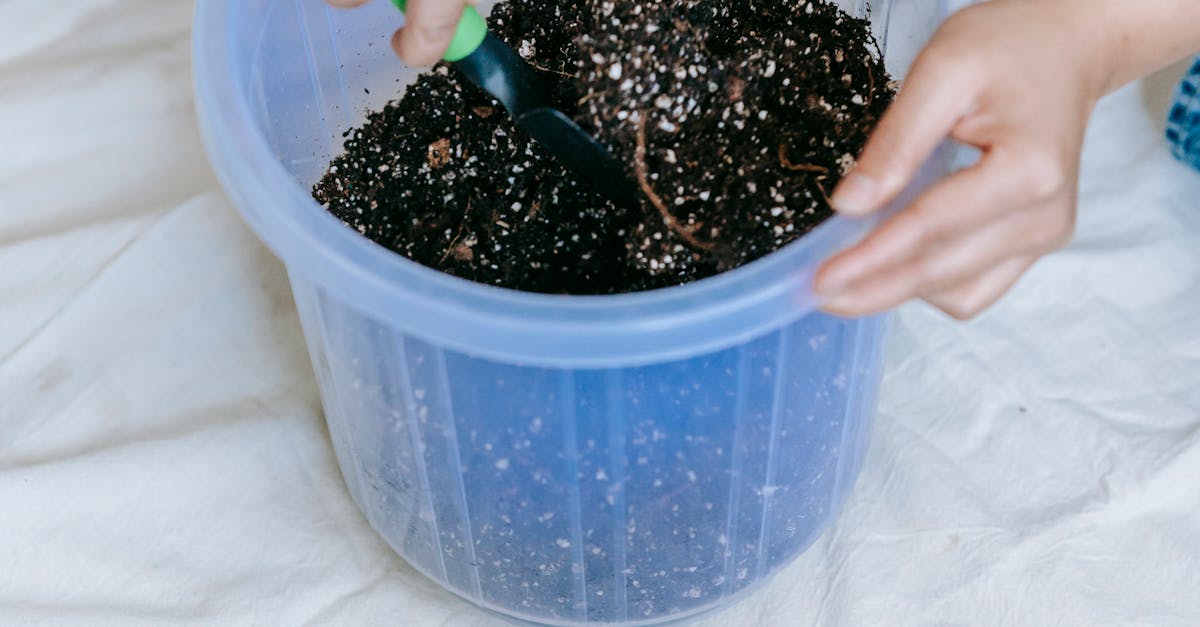
Planting and Growing Techniques: Follow best practices for planting, watering, fertilizing, and mulching to maximize root growth and prevent common problems
Once you have selected your root vegetable varieties and containers, it’s time to plant and grow your vegetables. By following best practices for planting, watering, fertilizing, and mulching, you can maximize root growth and prevent common problems.
Planting:
When planting root vegetables in containers, be sure to plant them at the correct depth. The depth will vary depending on the variety of vegetable, so be sure to check the seed packet or plant tag for specific instructions. Space the plants according to the recommended spacing on the seed packet or plant tag. This will help to prevent overcrowding and ensure that each plant has enough room to grow.
Watering:
Root vegetables need regular watering, especially during hot and dry weather. However, it’s important to avoid overwatering, as this can lead to root rot. Allow the soil to dry out slightly between waterings. A good rule of thumb is to water your plants deeply once or twice a week, or more often if the weather is particularly hot and dry.
Fertilizing:
Root vegetables need a balanced supply of nutrients to grow properly. Fertilize your plants every few weeks with a balanced fertilizer. You can also add compost or manure to the soil to provide additional nutrients.
Mulching:
Mulching around your root vegetables can help to retain soil moisture, regulate soil temperature, and suppress weeds. Spread a layer of mulch, such as straw or shredded leaves, around your plants, being careful not to cover the crowns of the plants.
Planting Depth and Spacing
Planting Depth and Spacing: Plant seeds or seedlings at the recommended depth and spacing to avoid overcrowding and promote healthy root development
When planting root vegetables in containers, it’s important to plant them at the correct depth and spacing. Planting too deeply can hinder germination and root development, while planting too shallowly can result in poor root growth and instability.
Planting Depth:
The planting depth for root vegetables will vary depending on the variety. Generally, seeds should be planted at a depth of two to three times their diameter. For example, carrot seeds should be planted at a depth of about 1/4 inch, while beet seeds should be planted at a depth of about 1/2 inch. Seed packets and plant tags will typically provide specific planting depth instructions.
Spacing:
Spacing is also important to consider when planting root vegetables in containers. Overcrowding can lead to stunted growth and competition for nutrients and water. The recommended spacing for root vegetables will vary depending on the variety, but a good rule of thumb is to space plants about 2-3 inches apart. This will give them enough room to grow and develop properly.
By following the recommended planting depth and spacing, you can help to ensure that your root vegetables have the best possible chance to grow and thrive in containers.
Regular Watering
Regular Watering: Water deeply and regularly, especially during hot and dry weather, to maintain consistent soil moisture levels.
Watering is crucial for the successful growth of root vegetables in containers. Consistent soil moisture is essential for proper root development and overall plant health. Here are some guidelines for regular watering:
Watering Frequency:
The frequency of watering will depend on several factors, such as the climate, container size, and type of root vegetable. However, a general rule of thumb is to water deeply and regularly, especially during hot and dry weather. Check the soil moisture regularly by inserting your finger into the soil. If the soil feels dry to the touch, it’s time to water.
Watering Depth:
When watering, aim to soak the soil deeply. This encourages deep root growth and prevents the roots from becoming shallow and prone to drought stress. Avoid shallow watering, as it only moistens the surface of the soil and can lead to weak root development.
Consistency:
Consistency in watering is key. Root vegetables prefer evenly moist soil, so avoid letting the soil dry out completely between waterings. However, overwatering can also be harmful, as it can lead to root rot and other problems. It’s best to establish a regular watering schedule and stick to it as much as possible.
Balanced Fertilization
Balanced Fertilization: Fertilize root vegetables with a balanced fertilizer to provide essential nutrients for growth and root formation.
Fertilization is an important aspect of growing root vegetables in containers. A balanced fertilizer provides essential nutrients that are necessary for optimal growth and root formation. Here’s why balanced fertilization matters:
Nutrient Requirements:
Root vegetables require a balanced supply of macronutrients (nitrogen, phosphorus, and potassium) and micronutrients (such as calcium, magnesium, and sulfur) for proper development. A balanced fertilizer contains these nutrients in the appropriate ratios to meet the specific needs of root vegetables.
Root Growth:
Phosphorus is particularly important for root growth and development. It promotes the formation of healthy and extensive root systems, which are essential for nutrient uptake and anchoring the plant. A balanced fertilizer provides adequate phosphorus to support strong root growth.
Overall Health:
A balanced fertilizer also supplies the necessary nutrients for overall plant health and vigor. Nitrogen promotes leaf growth and chlorophyll production, while potassium helps regulate water balance and disease resistance. Micronutrients play crucial roles in various physiological processes, ensuring the proper functioning of the plant.
By fertilizing your root vegetables with a balanced fertilizer, you can provide them with the essential nutrients they need to thrive in containers and produce a bountiful harvest.
Mulching Benefits
Mulching Benefits: Spread mulch around plants to retain soil moisture, regulate temperature, and suppress weeds.
Mulching is a highly beneficial practice in container gardening, especially for root vegetables. Spreading mulch around your plants offers several advantages:
Moisture Retention:
Mulch acts as a protective layer on the soil surface, reducing evaporation and helping to retain soil moisture. This is particularly important for root vegetables, as they require consistent moisture for proper growth and development. Mulch helps maintain optimal soil moisture levels, reducing the need for frequent watering.
Temperature Regulation:
Mulch also helps regulate soil temperature. It insulates the soil, preventing extreme temperature fluctuations. During hot weather, mulch keeps the soil cooler, protecting the roots from heat stress. Conversely, in cold weather, mulch helps retain heat, providing insulation and protecting the roots from freezing.
Weed Suppression:
Mulch creates a physical barrier that inhibits weed growth. By blocking sunlight from reaching the soil, mulch prevents weed seeds from germinating and establishing themselves. This reduces competition for water, nutrients, and space, allowing your root vegetables to thrive.
Additionally, mulch improves soil structure and fertility over time. As it decomposes, mulch adds organic matter to the soil, enhancing its water-holding capacity, nutrient content, and overall health.
5. Common Challenges and Solutions
Common Challenges and Solutions: Identify potential challenges in growing root vegetables in containers and explore effective solutions to overcome them.
Growing root vegetables in containers can be a rewarding experience, but it also comes with its own set of challenges. Here are some common issues you may encounter and effective solutions to address them:
Nutrient Deficiencies:
Container-grown root vegetables may experience nutrient deficiencies due to the limited soil volume. Signs of nutrient deficiencies include yellowing leaves, stunted growth, and poor root development. To address this, fertilize your plants regularly with a balanced fertilizer. You can also add compost or manure to the soil to provide additional nutrients.
Waterlogging:
Overwatering can lead to waterlogging, which occurs when the soil becomes saturated with water and prevents oxygen from reaching the roots. This can result in root rot and other problems. To prevent waterlogging, ensure your containers have adequate drainage holes. Water your plants deeply but infrequently, allowing the soil to dry out slightly between waterings.
Pest and Disease Management:
Root vegetables grown in containers are susceptible to various pests and diseases. Regularly inspect your plants for signs of infestation or infection. Implement organic or natural pest and disease control methods, such as using insecticidal soap or neem oil. If necessary, consult with your local nursery or gardening center for specific recommendations.
Nutrient Deficiencies
Nutrient Deficiencies: Recognize signs of nutrient deficiencies, such as yellowing leaves or stunted growth, and address them with appropriate fertilizers.
Nutrient deficiencies can occur in root vegetables grown in containers due to the limited soil volume. Recognizing the signs and addressing them promptly is crucial for maintaining healthy plant growth and maximizing yields.
Signs of Nutrient Deficiencies:
- Nitrogen deficiency: Yellowing of older leaves, stunted growth, poor root development
- Phosphorus deficiency: Purplish or reddish discoloration of leaves, slow growth, poor root formation
- Potassium deficiency: Yellowing and browning of leaf edges, reduced root growth
- Calcium deficiency: Blossom-end rot (dark, sunken areas on the bottom of fruits), stunted growth
- Magnesium deficiency: Yellowing of leaves between veins, poor root development
Addressing Nutrient Deficiencies:
To address nutrient deficiencies, fertilize your root vegetables regularly with a balanced fertilizer. Choose a fertilizer that is specifically formulated for container gardening and follow the instructions on the packaging carefully. You can also supplement with organic fertilizers, such as compost or manure, to provide a slow release of nutrients.
If you suspect a specific nutrient deficiency, you can use a soil test kit to confirm the diagnosis. This will help you determine which nutrients are lacking and adjust your fertilization program accordingly.
Waterlogging Prevention
Waterlogging Prevention: Monitor moisture levels and adjust watering frequency to prevent waterlogging, which can lead to root rot.
Waterlogging occurs when the soil in a container becomes saturated with water and prevents oxygen from reaching the roots. This can lead to a condition called root rot, which can damage or kill the plant. To prevent waterlogging, it’s important to monitor moisture levels and adjust your watering frequency accordingly.
Signs of Waterlogging:
- Wilting or yellowing leaves
- Stunted growth
- Soft or mushy roots
- Water pooling on the soil surface
Preventing Waterlogging:
- Use containers with drainage holes: Choose containers that have adequate drainage holes to allow excess water to escape.
- Water deeply, but infrequently: Water your plants deeply but allow the soil to dry out slightly between waterings. Avoid shallow watering, as this only moistens the surface of the soil and can lead to root rot.
- Monitor soil moisture: Use your finger or a moisture meter to check the soil moisture regularly. Water only when the soil feels dry to the touch.
- Avoid overwatering: Overwatering is the most common cause of waterlogging. Water only when necessary and adjust the frequency based on the weather conditions and the size of your containers.
Pest and Disease Management
Pest and Disease Management: Inspect plants regularly for pests or diseases and implement organic or natural methods for control.
Growing root vegetables in containers can attract pests and diseases, just like any other gardening method. Regular inspection and early intervention are key to maintaining healthy plants and preventing significant damage. Here are some organic and natural pest and disease management practices you can adopt:
Pest Control:
- Companion planting: Plant companion plants like marigolds or nasturtiums near your root vegetables to deter pests naturally.
- Neem oil: Neem oil is a natural insecticide that can be used to control aphids, whiteflies, and other common pests.
- Insecticidal soap: Insecticidal soap is a biodegradable and effective way to eliminate soft-bodied insects like aphids and mealybugs.
Disease Control:
- Crop rotation: Avoid planting the same type of root vegetables in the same container year after year, as this can increase the risk of disease buildup.
- Disease-resistant varieties: Choose root vegetable varieties that are known for their resistance to common diseases.
- Organic fungicides: There are several organic fungicides available, such as sulfur or copper-based products, that can help control fungal diseases.
Regularly inspect your plants for any signs of pests or diseases. Early detection and prompt treatment will help you maintain healthy and productive root vegetables in your containers.
Quiz: Test Your Understanding of Growing Root Vegetables in Containers
Multiple Choice Questions:
-
Which of the following is a benefit of growing root vegetables in containers?
(a) Space optimization
(b) Extended growing season
(c) Nutrient deficiencies
(d) Increased susceptibility to pests
-
What is an important consideration when choosing containers for root vegetables?
(a) Size
(b) Drainage
(c) Material
(d) All of the above
-
Which type of material is best suited for containers used to grow root vegetables?
(a) Fabric pots
(b) Plastic containers
(c) Wooden boxes
(d) Ceramic pots
True/False Questions:
- Fast-maturing root vegetable varieties are not suitable for container gardening.
- Root vegetables have specific cultural requirements, such as sunlight, water, and nutrient levels.
- Overwatering can lead to waterlogging, which can damage root vegetables.
Answer Key:
Multiple Choice: 1. (a) 2. (d) 3. (d)
True/False: 4. False 5. True 6. True
Answer Key:
Multiple Choice: 1. (a) Space optimization 2. (d) All of the above 3. (d) Ceramic pots
True/False: 4. False 5. True 6. True
Unlock the Greenery Potential of Your Balcony: A Guide to Thriving Plants in Compact Spaces Attention all balcony-dwelling plant enthusiasts! Read more
Transform Your Balcony into a Flourishing Garden Oasis: A Step-by-Step Guide Beginning a balcony garden can be a fulfilling endeavor, Read more
Unlocking the Potential of Vertical Gardening on Balconies Are you tired of your cramped balcony but still longing for a Read more
Aromatic Delights: Cultivating Herbs on Your Balcony Oasis Whether you're a seasoned gardener or just starting out, growing herbs on Read more