
Creative Container Gardening: Upcycling Recycled Containers for a Flourishing Balcony Oasis
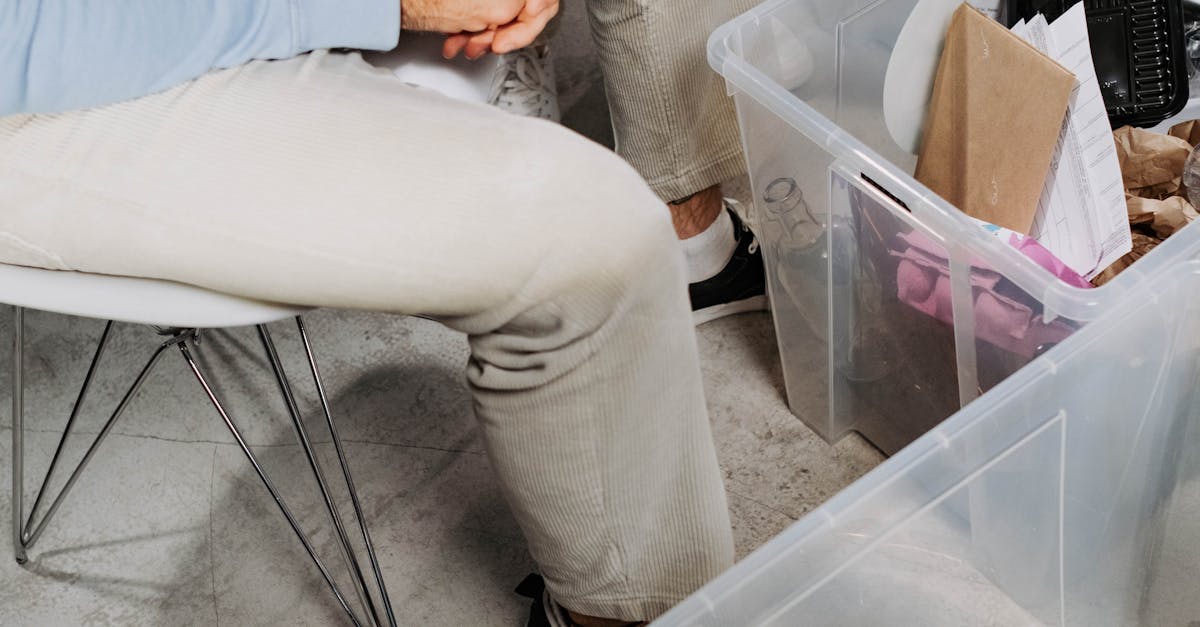
Embrace the Green Side of Gardening with Recycled Containers on Your Balcony
In the heart of urban landscapes, balconies offer a sanctuary for nature enthusiasts to connect with the green world. But why settle for ordinary pots when you can transform your balcony into a sustainable haven with recycled containers? This practical guide unveils the wonders of using recycled containers, empowering you to create an eco-friendly and visually stunning balcony garden. With cost-effectiveness, environmental responsibility, and endless creative possibilities, recycled containers unlock a world of vibrant greenery and blooming beauty in your own urban oasis.
The Art of Repurposing: Breathing New Life into Discarded Containers
Embrace the transformative power of repurposing as you give discarded containers a new lease on life. Not only will you save money, but you’ll also contribute to environmental sustainability by diverting waste from landfills. The versatility of recycled containers knows no bounds, as they come in various shapes, sizes, and materials, catering to the diverse needs of your balcony garden. From sleek plastic bottles to sturdy cardboard boxes, the possibilities are limitless.
1. Benefits of Using Recycled Containers
Benefits of Using Recycled Containers: Embracing Sustainability and Creativity
Harnessing the power of recycled containers in your balcony garden offers a myriad of advantages that extend beyond aesthetics. Embracing this eco-friendly approach not only beautifies your outdoor space but also aligns with principles of sustainability and cost-effectiveness.
1. Cost-Effective Solution: Saving Money and Resources
Recycled containers provide a budget-friendly alternative to traditional gardening pots, significantly reducing the financial burden of creating your balcony oasis. By reusing containers you already have or acquiring them for free from local businesses or recycling centers, you can save money while contributing to a circular economy. This cost-saving approach allows you to invest more in high-quality soil and healthy plants, ensuring a thriving balcony garden without breaking the bank.
2. Environmental Sustainability: Reducing Waste and Protecting the Planet
Embracing recycled containers is an act of environmental responsibility, reducing waste and promoting sustainability. By diverting discarded containers from landfills, you contribute to a greener planet. Every container reused is one less item taking up space in landfills and polluting the environment. Moreover, recycling conserves precious natural resources, such as wood and plastic, mitigating deforestation and preserving the delicate balance of our ecosystems.
3. Versatility and Creativity: Endless Possibilities for Your Balcony Garden
The beauty of recycled containers lies in their versatility. Repurposing items like tin cans, plastic bottles, and cardboard boxes allows you to create a unique and personalized balcony garden that reflects your style and creativity. Experiment with different shapes, sizes, and materials to accommodate various plant types and garden designs. Recycled containers offer a blank canvas for your imagination, empowering you to design a visually appealing and functional outdoor space that is both eco-conscious and aesthetically pleasing.
Cost-Effective Solution
Cost-Effective Solution: Embracing Free and Repurposed Containers
Creating a beautiful and thriving balcony garden doesn’t have to be an expensive endeavor. By embracing recycled containers, you can significantly reduce costs while contributing to environmental sustainability.
1. Repurposing Household Items: Transforming Trash into Treasure
Take a fresh look at everyday household items and identify potential containers for your balcony garden. Tin cans, plastic bottles, yogurt cups, and cardboard boxes can all be transformed into charming and functional planters. With a little creativity and elbow grease, these discarded items can be upcycled into unique and personalized containers that add character to your outdoor space.
2. Seeking Free Containers from Local Businesses and Recycling Centers
Many local businesses and recycling centers are happy to donate used containers that would otherwise be discarded. Reach out to restaurants, cafes, and grocery stores to inquire about any containers they may have available. Recycling centers often have a designated area for reusable items, including containers that are perfect for gardening. By acquiring free containers, you not only save money but also support local businesses and reduce waste.
3. Creative Collaborations and Community Exchange
Connect with your community and engage in creative collaborations. Join local gardening groups or online forums to exchange containers with fellow gardeners. This not only fosters a sense of community but also allows you to acquire a wider variety of containers for your balcony garden. Additionally, consider organizing a neighborhood container swap event to promote sustainability and encourage the reuse of discarded items.
Environmental Sustainability
Environmental Sustainability: Embracing a Circular Economy
By choosing recycled containers for your balcony garden, you are actively contributing to a circular economy and promoting environmental sustainability. This approach reduces waste, conserves natural resources, and protects the planet for future generations.
1. Reducing Waste and Landfill Diversion
Every recycled container you use is one less item taking up space in landfills. Landfills are a major source of methane, a potent greenhouse gas that contributes to climate change. By diverting discarded containers from landfills, you help mitigate greenhouse gas emissions and reduce the environmental impact of waste disposal.
2. Conservation of Natural Resources
Many traditional gardening containers are made from virgin materials, such as plastic and metal, which require the extraction of raw materials and energy-intensive manufacturing processes. Recycled containers, on the other hand, utilize discarded materials, reducing the demand for virgin resources and conserving precious natural resources such as forests and fossil fuels.
3. Building a Sustainable Future
Embracing recycled containers is a step toward building a more sustainable future. By promoting a circular economy, we reduce waste, conserve natural resources, and create a greener planet for ourselves and generations to come. Each recycled container you use is a testament to your commitment to environmental responsibility and a sustainable lifestyle.
Versatile Options
Versatile Options: Unleashing Creativity and Functionality
The beauty of recycled containers lies in their versatility, allowing you to create a unique and personalized balcony garden that reflects your style and meets the specific needs of your plants. Experiment with various shapes, sizes, and materials to accommodate different plant types and garden designs.
1. Embracing Diverse Shapes and Sizes
From petite yogurt cups to large plastic bottles and cardboard boxes, recycled containers come in a myriad of shapes and sizes. This diversity allows you to accommodate plants with different growth habits and space requirements. Smaller containers are perfect for herbs, succulents, and shallow-rooted plants, while larger containers provide ample space for vegetables, flowering plants, and small shrubs.
2. Exploring Material Options
Recycled containers are made from various materials, each with its unique properties. Plastic containers are lightweight, durable, and easy to clean, making them ideal for both indoor and outdoor use. Metal containers, such as tin cans, provide a rustic charm and can be painted or decorated to match your garden aesthetic. Cardboard boxes, though less durable, offer biodegradable options for temporary planting or seed starting.
3. Enhancing Garden Design
Recycled containers can be used to create a cohesive and visually appealing garden design. Arrange containers of different heights and shapes to add depth and interest. Suspend containers from the ceiling or railings to create a vertical garden, maximizing space and adding a touch of whimsy. Paint or decorate containers with vibrant colors and patterns to create a unique and personalized touch that complements your balcony decor.
2. Preparing Recycled Containers
Preparing Recycled Containers: Ensuring Optimal Growing Conditions
Before planting in recycled containers, it’s crucial to prepare them properly to ensure optimal growing conditions for your plants. Follow these simple steps to create a healthy and thriving balcony garden.
1. Cleaning and Sanitizing: Removing Contaminants
Thoroughly clean and sanitize recycled containers to remove any dirt, debris, or potential contaminants that could harm your plants. Use a mild soap solution and a soft brush to scrub away any residue or stains. Rinse the containers thoroughly with clean water and allow them to dry completely before planting.
2. Drainage Holes: Ensuring Proper Drainage
Adequate drainage is essential for preventing waterlogging and root rot. Ensure that your recycled containers have sufficient drainage holes at the bottom. If the containers don’t have drainage holes, create them using a drill or a sharp object. The size and number of drainage holes will depend on the size and material of the container.
3. Lining for Moisture Retention and Temperature Regulation
Consider lining recycled containers with materials like burlap, coconut fiber, or newspaper to improve moisture retention and regulate soil temperature. Lining helps prevent the soil from drying out too quickly, especially in hot and windy conditions. Additionally, lining can protect the roots from extreme temperature fluctuations.
Cleaning and Sanitizing
Cleaning and Sanitizing: Ensuring Plant Health
Before planting in recycled containers, it’s imperative to clean and sanitize them thoroughly to eliminate any potential contaminants that could harm your plants. Overlooked dirt, debris, or disease-causing organisms can lead to stunted growth, wilting, or even plant death.
1. Removing Dirt and Debris
Begin by removing any visible dirt, debris, or soil residue from the recycled containers. Use a soft brush or a damp cloth to gently scrub away any loose particles. Avoid using harsh chemicals or abrasive materials that could damage the containers.
2. Sanitizing with Mild Soap
Once the containers are free of debris, prepare a mild soap solution using a gentle dishwashing liquid or a horticultural soap specifically designed for cleaning gardening containers. Submerge the containers in the soap solution and allow them to soak for a few minutes. Use a soft brush or sponge to gently clean the interior and exterior surfaces of the containers, paying attention to corners and crevices where dirt can accumulate.
3. Rinsing and Drying
After cleaning, rinse the containers thoroughly with clean water to remove any remaining soap residue. Allow the containers to dry completely before planting. You can air-dry them in a sunny spot or use a clean cloth to absorb excess moisture.
Drainage Holes
Drainage Holes: Ensuring Optimal Drainage
Proper drainage is crucial for the health of your plants. Excess water can lead to waterlogging, which can suffocate roots and promote root rot. Ensure that your recycled containers have adequate drainage holes at the bottom to allow excess water to escape.
1. Inspecting Existing Drainage Holes
First, inspect the recycled containers for any existing drainage holes. Some containers, such as plastic bottles or yogurt cups, may already have small drainage holes. If the existing holes are too small or insufficient, you may need to enlarge or create additional holes.
2. Creating or Enlarging Drainage Holes
To create or enlarge drainage holes, you can use a drill with a small drill bit, a sharp knife, or a pair of scissors. If using a drill, choose a drill bit that is slightly smaller than the desired hole size. Carefully drill several holes around the bottom of the container, ensuring they are evenly spaced.
3. Ensuring Adequate Drainage
The number and size of drainage holes will depend on the size and material of the container. As a general rule, larger containers require more and larger drainage holes. After creating or enlarging the drainage holes, test the drainage by pouring water into the container. The water should drain freely and quickly without any pooling or waterlogging.
Lining for Moisture Retention
Lining for Moisture Retention: Maintaining Optimal Soil Conditions
Lining recycled containers can provide several benefits for your plants. It helps retain moisture, regulate soil temperature, and protect the roots from extreme conditions.
1. Moisture Retention
Lining recycled containers with materials like burlap, coconut fiber, or newspaper helps retain moisture in the soil. This is especially beneficial in hot and windy conditions, as it prevents the soil from drying out too quickly. Adequate moisture is crucial for healthy plant growth and prevents wilting or stunted growth.
2. Soil Temperature Regulation
Lining can also help regulate soil temperature, protecting roots from extreme heat or cold. In hot climates, lining can prevent the soil from overheating and damaging the roots. Conversely, in cold climates, lining can help insulate the soil and protect the roots from freezing temperatures.
3. Root Protection
Lining can provide an extra layer of protection for the roots, especially in recycled containers made from thin or porous materials. It helps prevent the roots from drying out or coming into direct contact with the container material, which can sometimes be harmful to the plant.
3. Choosing the Right Containers for Your Plants
Choosing the Right Containers for Your Plants: Ensuring Optimal Growth
Selecting the appropriate recycled containers for your plants is crucial to ensure their health and growth. Different plants have different needs, so it’s important to consider factors such as size, material, and drainage when choosing containers.
1. Size and Depth
The size and depth of the container should be appropriate for the root system of the plant. Small plants with shallow roots can thrive in smaller containers, while larger plants with deep roots require more space. Overcrowding the roots in a container that is too small can stunt growth and lead to health issues.
2. Material
The material of the container can also affect plant growth. Plastic containers are lightweight and durable, but they can heat up quickly in the sun. Metal containers are more durable and can provide better insulation, but they can be heavy and prone to rust. Terracotta containers are porous and allow for good drainage, but they can be fragile and may need to be sealed to prevent water loss.
3. Drainage
Proper drainage is essential for healthy plant growth. Make sure that the recycled containers you choose have adequate drainage holes at the bottom. If the containers don’t have drainage holes, you can create them using a drill or a sharp object. Good drainage prevents waterlogging, which can lead to root rot and other problems.
Size and Depth
Size and Depth: Accommodating Root Growth
When choosing recycled containers for your plants, it’s important to consider the size and depth of the container in relation to the plant’s root system. The size of the container should be appropriate for the root ball of the plant, and the depth should allow for proper root development.
1. Root Ball Size
The root ball is the mass of roots that forms around the base of the plant. When transplanting a plant into a recycled container, the root ball should fit comfortably inside the container without being cramped or overly spacious. A container that is too small can restrict root growth and stunt the plant’s development, while a container that is too large can lead to overwatering and root rot.
2. Root Depth
Different plants have different root depths. Some plants, such as tomatoes and peppers, have deep root systems that require a container with adequate depth to accommodate their growth. Other plants, such as lettuce and herbs, have shallow root systems and can thrive in shallower containers.
3. Adequate Drainage
Regardless of the size or depth of the container, it’s important to ensure that it has adequate drainage holes at the bottom. Good drainage is essential for preventing waterlogging, which can lead to root rot and other problems.
Material and Durability
Material and Durability: Ensuring Container longevity
When choosing recycled containers for your balcony garden, consider the material and durability of the containers to ensure they can withstand outdoor conditions. Different materials have different properties, so it’s important to select containers that are appropriate for your climate and the plants you intend to grow.
1. Plastic
Plastic containers are a popular choice for balcony gardens due to their lightweight, durability, and affordability. They are also available in a variety of shapes and sizes, making them easy to find containers that fit your space and needs. However, some types of plastic can degrade over time, especially when exposed to sunlight and extreme temperatures.
2. Metal
Metal containers are another durable option for balcony gardens. They are typically made of galvanized steel or aluminum, which is resistant to rust and corrosion. Metal containers can provide good insulation for roots, helping to protect them from heat and cold. However, metal containers can be heavy and expensive, and they may heat up quickly in the sun.
3. Terracotta
Terracotta containers are made of fired clay and are known for their natural and rustic appearance. They are porous, which allows for good drainage and aeration of the soil. However, terracotta containers are fragile and can crack or break if they are not handled carefully. They may also need to be sealed to prevent water loss.
Aesthetics and Design
Aesthetics and Design: Enhancing Your Balcony Oasis
In addition to functionality, consider the aesthetics and design of the recycled containers to create a cohesive and visually appealing balcony garden. Choose containers that complement your balcony decor and reflect your personal style.
1. Color and Shape
The color and shape of the containers can have a significant impact on the overall look of your balcony garden. Choose colors that complement your existing decor and create a harmonious atmosphere. Consider the shape of the containers as well, as different shapes can add visual interest and variety.
2. Size and Proportion
The size and proportion of the containers should be in balance with the size of your balcony and the other elements in your garden. Avoid using containers that are too large or too small, as this can create a cluttered or unbalanced look.
3. Personal Touches
Don’t be afraid to add your own personal touches to the containers. You can paint them, decorate them with stickers or fabric, or add other embellishments to make them unique and reflective of your style. By incorporating recycled containers into your balcony garden, you not only create a sustainable and eco-friendly space, but also add a touch of creativity and personality to your outdoor oasis.
4. Planting Techniques for Recycled Containers
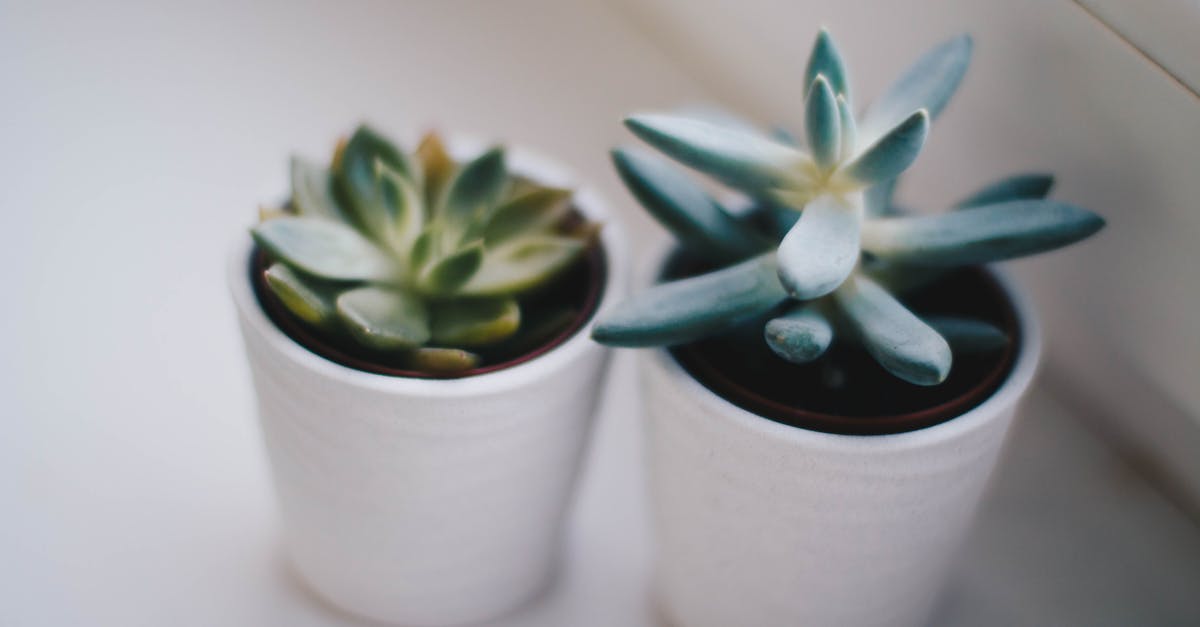
Planting Techniques for Recycled Containers: Ensuring Plant Success
To ensure the health and vigor of your plants in recycled containers, follow these best practices for planting and care:
1. Soil Preparation
Use high-quality potting mix specifically formulated for container gardening. This type of potting mix provides essential nutrients and drainage for optimal plant growth. Avoid using garden soil, as it can be too dense and retain too much moisture, leading to root rot.
2. Plant Spacing
When planting multiple plants in a single recycled container, follow proper spacing guidelines. Overcrowding plants can lead to competition for resources, such as sunlight, water, and nutrients. Allow enough space between plants to ensure proper air circulation and prevent the spread of diseases.
3. Watering and Fertilizing
Water your plants regularly, especially during hot and dry weather. The frequency of watering will depend on the type of plants, the size of the container, and the climate. Allow the top inch or two of soil to dry out before watering again. Fertilize your plants according to their specific needs, using a balanced fertilizer formulated for container plants.
Soil Preparation
Soil Preparation: The Foundation for Healthy Plants
When planting in recycled containers, soil preparation is crucial for the health and vigor of your plants. Using high-quality potting mix specifically formulated for container gardening provides essential nutrients and ensures proper drainage.
1. Choosing the Right Potting Mix
Avoid using garden soil in recycled containers. Garden soil can be too dense and retain too much moisture, leading to root rot and other problems. Potting mix, on the other hand, is designed to provide optimal drainage and aeration for container plants.
2. Nutrients for Plant Growth
Potting mix is formulated with a balanced blend of nutrients that are essential for plant growth. These nutrients include nitrogen, phosphorus, and potassium, as well as micronutrients such as iron, manganese, and zinc. By using potting mix, you can ensure that your plants have the nutrients they need to thrive.
3. Drainage and Aeration
Proper drainage is crucial for preventing waterlogging and root rot. Potting mix is designed to allow excess water to drain away freely, while still retaining enough moisture for the plants. Additionally, potting mix provides good aeration, which allows oxygen to reach the roots and promotes healthy root development.
Plant Spacing
Plant Spacing: Ensuring Optimal Growth and Health
When planting in recycled containers, proper plant spacing is essential to prevent overcrowding and competition for resources among your plants. Overcrowding can lead to stunted growth, reduced yields, and increased susceptibility to pests and diseases.
1. Factors to Consider
The ideal spacing for your plants will depend on several factors, including the size and type of plants, the size of the container, and the growing conditions. Larger plants, such as tomatoes and peppers, require more space than smaller plants, such as herbs and lettuce. Additionally, plants that are grown in smaller containers will need to be spaced closer together than those grown in larger containers.
2. Root Development and Air Circulation
Proper spacing allows for adequate root development and air circulation. When plants are too close together, their roots can become entangled, leading to competition for water and nutrients. Good air circulation helps to prevent fungal diseases and promotes healthy foliage.
3. Sunlight and Nutrients
Spacing plants appropriately ensures that they receive sufficient sunlight and nutrients. Overcrowded plants may not receive enough sunlight, which can lead to leggy growth and reduced flowering and fruiting. Similarly, overcrowding can make it difficult for plants to access the nutrients they need from the soil.
Watering and Fertilizing
Watering and Fertilizing: Nurturing Your Plants
Establishing a regular watering schedule and fertilizing your plants according to their specific needs are crucial for maintaining optimal growth and vitality in recycled containers. Proper watering and fertilization provide the essential nutrients and moisture plants require to thrive.
1. Watering Schedule
The frequency of watering will vary depending on several factors, including the type of plants, the size of the container, the climate, and the season. As a general rule, water your plants when the top inch or two of soil feels dry to the touch. Avoid overwatering, as this can lead to root rot and other problems.
2. Fertilizing
Fertilizing provides plants with the essential nutrients they need for growth and development. Choose a balanced fertilizer specifically formulated for container plants and follow the instructions on the package. Fertilize your plants regularly, typically every few weeks during the growing season.
3. Signs of Nutrient Deficiency
Monitor your plants for signs of nutrient deficiency, such as yellowing leaves, stunted growth, or poor flowering. If you notice any of these signs, adjust your fertilizing schedule or consult with a gardening expert for guidance.
5. Creative Ideas for Upcycling Recycled Containers
Creative Ideas for Upcycling Recycled Containers: Embracing Innovation and Style
Transforming recycled containers into unique and functional elements for your balcony garden is a creative and sustainable way to add personal flair to your outdoor space. Here are some innovative ideas to inspire your upcycling journey:
1. Vertical Gardens
Maximize vertical space by attaching recycled containers to walls or fences using hooks, wire, or trellises. Create a living wall with cascading plants, herbs, or flowers, adding a touch of greenery and visual interest to your balcony.
2. Hanging Planters
Suspend recycled containers from the ceiling or railings to create charming hanging planters. Paint or decorate the containers to complement your balcony decor and showcase trailing plants, succulents, or colorful blooms.
3. Unique Decorations
Unleash your creativity by transforming recycled containers into eye-catching garden decorations. Paint them with vibrant colors, add mosaic tiles, or wrap them with twine or fabric to create whimsical planters, birdhouses, or even small sculptures that enhance the ambiance of your balcony.
Vertical Gardens
Vertical Gardens: Maximizing Space and Greenery
Create space-saving vertical gardens by attaching recycled containers to walls or fences using hooks, wire, or trellises. This innovative approach allows you to maximize vertical space and add a touch of greenery to your balcony. Vertical gardens are perfect for small spaces, as they allow you to grow plants upwards instead of outwards.
1. Choosing the Right Containers
Select recycled containers that are lightweight and durable, such as plastic bottles, yogurt cups, or tin cans. Make sure the containers have drainage holes to prevent waterlogging. You can also use fabric grow bags or felt pockets, which are designed specifically for vertical gardening.
2. Attaching to Walls or Fences
Use sturdy hooks, wire, or trellises to attach the containers to walls or fences. Arrange the containers in a vertical pattern, leaving enough space between them for proper air circulation. You can create a single vertical column or multiple columns, depending on the available space.
3. Planting and Maintenance
Fill the containers with well-draining potting mix and plant your desired plants. Choose plants that are suitable for vertical growth, such as trailing plants, herbs, or strawberries. Water the plants regularly and fertilize them according to their specific needs.
Hanging Planters
Hanging Planters: Adding Charm and Vertical Interest
Suspend recycled containers from the ceiling or railings to create charming hanging planters. This vertical gardening technique adds visual interest and maximizes space on your balcony. Hanging planters are perfect for showcasing trailing plants, succulents, or colorful blooms.
1. Choosing the Right Containers
Select recycled containers that are lightweight and durable, such as plastic bottles, yogurt cups, or tin cans. Make sure the containers have drainage holes to prevent waterlogging. You can also use hanging baskets or macrame plant hangers, which are specifically designed for suspending plants.
2. Suspending from the Ceiling or Railings
Use sturdy hooks, wire, or chains to suspend the containers from the ceiling or railings. Adjust the height of the planters to create a visually appealing arrangement. You can hang multiple planters at different heights and stagger them to add depth and interest.
3. Planting and Maintenance
Fill the containers with well-draining potting mix and plant your desired plants. Choose plants that are suitable for hanging baskets, such as trailing plants, succulents, or ferns. Water the plants regularly and fertilize them according to their specific needs.
Unique Decorations
Unique Decorations: Expressing Your Creativity
Unleash your creativity by transforming recycled containers into eye-catching garden decorations. Paint them with vibrant colors, add mosaic tiles, or wrap them with twine or fabric to create whimsical planters, birdhouses, or even small sculptures. Unique decorations add a personal touch to your balcony garden and make it a reflection of your style.
1. Choosing the Right Containers
Select recycled containers in various shapes and sizes to create a diverse collection of decorations. Plastic bottles, tin cans, and cardboard boxes are all suitable options. Make sure the containers are clean and free of any sharp edges.
2. Decorating Techniques
Use acrylic paints, markers, or spray paint to add color and patterns to the containers. You can also glue mosaic tiles, beads, or other embellishments to create a more textured look. For a rustic touch, wrap the containers with twine or burlap.
3. Functional and Decorative
In addition to being decorative, these upcycled containers can also serve functional purposes. Paint a large tin can to create a unique planter for herbs or flowers. Transform a plastic bottle into a bird feeder by cutting a hole in the side and adding a perch. Use your imagination to create decorations that are both visually appealing and practical.
Quiz: Test Your Balcony Gardening Knowledge
-
True or False: Recycled containers are generally more expensive than traditional gardening pots.
-
Which of the following is NOT a benefit of using recycled containers for balcony gardening?
(a) Cost-effectiveness
(b) Reduced environmental impact
(c) Increased plant growth
-
What is the most important factor to consider when choosing the right size container for your plants?
(a) The size of the plant’s root system
(b) The color of the container
(c) The material of the container
-
Which of the following is essential for ensuring proper drainage in recycled containers?
(a) Drainage holes
(b) A solid bottom
(c) A lining
-
True or False: It is important to fertilize your plants regularly, even if you are using high-quality potting mix.
Answer Key
- False
- (c) Increased plant growth
- (a) The size of the plant’s root system
- (a) Drainage holes
- True
Unlock the Greenery Potential of Your Balcony: A Guide to Thriving Plants in Compact Spaces Attention all balcony-dwelling plant enthusiasts! Read more
Transform Your Balcony into a Flourishing Garden Oasis: A Step-by-Step Guide Beginning a balcony garden can be a fulfilling endeavor, Read more
Unlocking the Potential of Vertical Gardening on Balconies Are you tired of your cramped balcony but still longing for a Read more
Aromatic Delights: Cultivating Herbs on Your Balcony Oasis Whether you're a seasoned gardener or just starting out, growing herbs on Read more