
Make Balcony Fun for You and Your Pets
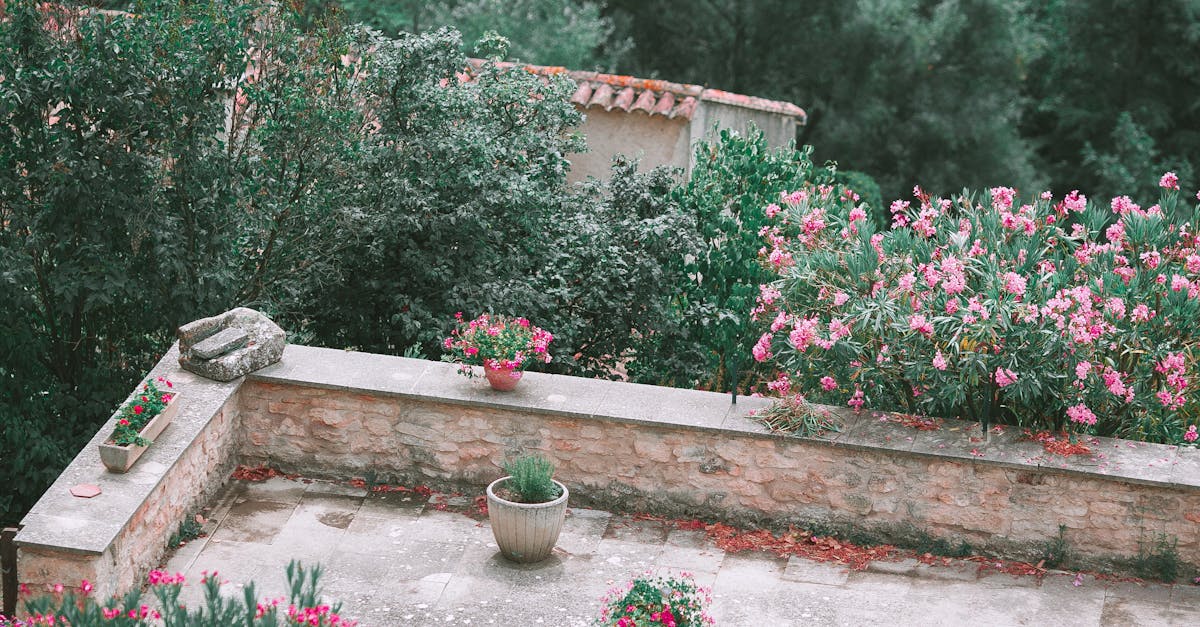
Creating a pet-friendly balcony garden is a great way to enjoy the outdoors with your furry friends. But it’s important to take some precautions to make sure your pets are safe. Here are a few tips for creating a pet-friendly balcony garden: 1. Choose plants that are non-toxic to pets. 2. Create a raised bed garden to keep pets from eating the soil and digging up plants. 3. Provide sunshade and shelter for pets. 4. Create a pet-friendly watering system. 5. Pet-proof your balcony garden by covering exposed wires, securing loose plants, and removing potential hazards.
1. Choosing Pet-Safe Plants
When choosing plants for your pet-friendly balcony garden, it is important to select varieties that are safe for your furry friends. Avoid plants that have toxic leaves, stems, or flowers. Some common toxic plants for pets include azaleas, daffodils, lilies, oleander, and rhododendrons.
Here are some tips for choosing pet-friendly plants:
- Do your research. Before you buy any plants, take some time to research whether or not they are safe for pets. There are many resources available online and from your local veterinarian.
- Choose native plants. Native plants are typically less toxic to pets than non-native plants.
- Consider the size of your pet. If you have a small pet, avoid plants with large leaves or flowers that could be easily ingested.
- Provide plenty of variety. Offer your pet a variety of plants to choose from, so they are less likely to nibble on any one plant too much.
Some good choices for pet-friendly plants include:
- For cats: catnip, lavender, rosemary, and petunias
- For dogs: snapdragons, rosemary, and petunias
By following these tips, you can create a beautiful and safe balcony garden that your pets will love.
Safe Plants for Cats
Catnip (Nepeta cataria) is a member of the mint family and is well-known for its effects on cats. It contains a compound called nepetalactone, which is responsible for the plant’s characteristic scent and its attraction to cats. When cats sniff or ingest catnip, it can cause them to become excited, playful, and affectionate. Catnip is safe for cats to consume in small amounts, and it can be a fun and stimulating treat.
Lavender (Lavandula angustifolia) is another popular choice for cat-friendly gardens. It is a beautiful and fragrant plant that can help to repel insects and calm cats. Lavender is also known for its medicinal properties, and it can be used to treat a variety of ailments in both humans and animals.
Rosemary (Rosmarinus officinalis) is a versatile herb that can be used in both culinary and medicinal applications. It is a good source of antioxidants and has anti-inflammatory properties. Rosemary is also safe for cats to consume in small amounts, and it can help to improve their digestion and circulation.
Petunias (Petunia spp.) are a popular choice for hanging baskets and window boxes. They come in a variety of colors and can bloom for months on end. Petunias are non-toxic to cats, and they can even help to attract butterflies and hummingbirds to your garden.
These are just a few of the many pet-friendly plants that you can choose for your cat-friendly balcony garden. By following these tips, you can create a beautiful and safe space for your feline friend to enjoy.
Safe Plants for Dogs
Snapdragons (Antirrhinum majus) are a popular choice for dog-friendly gardens. They are easy to grow and come in a variety of colors. Snapdragons are also non-toxic to dogs, and they can even help to attract butterflies and hummingbirds to your garden.
Rosemary (Rosmarinus officinalis) is another good choice for dog-friendly gardens. It is a versatile herb that can be used in both culinary and medicinal applications. Rosemary is a good source of antioxidants and has anti-inflammatory properties. It is also safe for dogs to consume in small amounts, and it can help to improve their digestion and circulation.
Petunias (Petunia spp.) are a popular choice for hanging baskets and window boxes. They come in a variety of colors and can bloom for months on end. Petunias are non-toxic to dogs, and they can even help to attract butterflies and hummingbirds to your garden.
These are just a few of the many pet-friendly plants that you can choose for your dog-friendly balcony garden. By following these tips, you can create a beautiful and safe space for your canine companion to enjoy.
2. Creating a Raised Bed Garden

A raised bed garden is a great way to keep your pets from eating the soil and digging up your plants. Raised beds can be made from a variety of materials, such as wood, plastic, or metal. They are typically elevated off the ground, which helps to improve drainage and aeration. Raised beds also make it easier to control the soil conditions, which is important for growing healthy plants.
Here are some tips for creating a raised bed garden:
- Choose the right location. Raised beds should be placed in a sunny spot with good drainage.
- Choose the right size. The size of your raised bed will depend on the number of plants you want to grow and the space you have available.
- Build the bed. Raised beds can be built from a variety of materials, such as wood, plastic, or metal. There are also a number of pre-made raised beds available for purchase.
- Fill the bed with soil. Use a high-quality potting mix that is specifically designed for raised beds.
- Plant your plants. Choose plants that are appropriate for the size of your raised bed and the amount of sunlight it receives.
Raised bed gardens are a great way to grow vegetables, herbs, and flowers in a small space. They are also a good option for people who have pets, as they can help to keep pets from eating the plants and digging up the soil.
Materials for Raised Beds
The best materials for raised beds are those that will not rot or rust, such as cedar, redwood, or plastic.
- Cedar is a naturally rot-resistant wood that is also durable and easy to work with. It is a good choice for raised beds because it will last for many years without needing to be replaced.
- Redwood is another rot-resistant wood that is also durable and easy to work with. It is a good choice for raised beds because it is naturally resistant to insects and pests.
- Plastic is a lightweight and durable material that is also rot-resistant and easy to clean. It is a good choice for raised beds because it is affordable and easy to assemble.
Other materials that can be used for raised beds include:
- Metal is a durable material that is also rot-resistant and easy to clean. However, metal raised beds can be more expensive than other materials and they can also rust over time.
- Concrete is a durable material that is also rot-resistant and easy to clean. However, concrete raised beds are heavy and difficult to move.
- Treated lumber is a less expensive option than cedar or redwood, but it is not as durable and it can leach chemicals into the soil.
When choosing a material for your raised bed, it is important to consider the following factors:
- Durability: How long do you want your raised bed to last?
- Cost: How much do you want to spend on your raised bed?
- Ease of use: How easy do you want your raised bed to be to assemble and maintain?
By considering these factors, you can choose the best material for your raised bed and create a beautiful and functional addition to your garden.
Dimensions for Raised Beds
The size of your raised bed will depend on the size of your balcony and the number of plants you want to grow. A good rule of thumb is to make your raised bed no wider than 4 feet, so that you can easily reach all of the plants. The length of your raised bed will depend on the space you have available.
Here are some things to consider when choosing the dimensions for your raised bed:
- The size of your balcony: Make sure that your raised bed is not too large for your balcony. You should have enough space to walk around the raised bed and to access all of the plants.
- The number of plants you want to grow: If you want to grow a lot of plants, you will need a larger raised bed. However, if you only want to grow a few plants, you can get away with a smaller raised bed.
- The type of plants you want to grow: Some plants, such as tomatoes and peppers, need more space to grow than other plants, such as lettuce and herbs. Consider the size of the plants you want to grow when choosing the dimensions for your raised bed.
Once you have considered all of these factors, you can choose the best dimensions for your raised bed.
Here are some common raised bed dimensions:
- 4 feet x 8 feet
- 4 feet x 12 feet
- 4 feet x 16 feet
These dimensions are a good starting point, but you can adjust them to fit your specific needs.
3. Providing Shade and Shelter
Pets need protection from the sun and rain, so it is important to provide them with shade and shelter on your balcony. You can do this by adding a canopy, umbrella, or awning.
Canopies are a good option for providing shade and shelter from the sun and rain. They are typically made of a lightweight fabric that is attached to a frame. Canopies can be easily moved and adjusted to provide the right amount of shade and shelter for your pets.
Umbrellas are another good option for providing shade and shelter from the sun and rain. They are typically made of a waterproof fabric that is attached to a metal or wooden pole. Umbrellas can be easily opened and closed to provide the right amount of shade and shelter for your pets.
Awnings are a more permanent solution for providing shade and shelter from the sun and rain. They are typically made of a waterproof fabric that is attached to a frame that is mounted to the wall of your balcony. Awnings can provide a large amount of shade and shelter for your pets, and they can also help to reduce the temperature on your balcony.
When choosing a canopy, umbrella, or awning for your balcony, it is important to consider the following factors:
- The size of your balcony: Make sure that the canopy, umbrella, or awning is the right size for your balcony. It should provide enough shade and shelter for your pets without taking up too much space.
- The amount of sun and rain your balcony receives: If your balcony receives a lot of sun and rain, you will need to choose a canopy, umbrella, or awning that is made of a durable and waterproof fabric.
- The style of your balcony: Choose a canopy, umbrella, or awning that matches the style of your balcony. There are a variety of styles available, so you can find one that complements your décor.
By providing your pets with shade and shelter, you can help them to stay comfortable and safe on your balcony.
Canopies and Umbrellas
Canopies and umbrellas are both good options for providing shade and shelter from the sun and rain on your balcony. Canopies are typically made of a lightweight fabric that is attached to a frame, while umbrellas are typically made of a waterproof fabric that is attached to a metal or wooden pole.
Canopies
Canopies are a good choice for providing shade and shelter from the sun and rain because they are easy to move and adjust. They can be placed anywhere on your balcony, and they can be easily adjusted to provide the right amount of shade and shelter for your pets. Canopies are also a good option for balconies that are exposed to the wind, as they can be easily secured to the ground or to the wall of your balcony.
Umbrellas
Umbrellas are another good option for providing shade and shelter from the sun and rain on your balcony. Umbrellas are typically less expensive than canopies, and they are also easier to store. Umbrellas are also a good option for small balconies, as they can be easily folded up and stored away when not in use.
When choosing a canopy or umbrella for your balcony, it is important to consider the following factors:
- The size of your balcony: Make sure that the canopy or umbrella is the right size for your balcony. It should provide enough shade and shelter for your pets without taking up too much space.
- The amount of sun and rain your balcony receives: If your balcony receives a lot of sun and rain, you will need to choose a canopy or umbrella that is made of a durable and waterproof fabric.
- The style of your balcony: Choose a canopy or umbrella that matches the style of your balcony. There are a variety of styles available, so you can find one that complements your décor.
By providing your pets with a canopy or umbrella, you can help them to stay comfortable and safe on your balcony.
Awning
An awning is a more permanent solution for providing shade and shelter from the sun on your balcony. Awnings are typically made of a waterproof fabric that is attached to a frame that is mounted to the wall of your balcony. Awnings can provide a large amount of shade and shelter for your pets, and they can also help to reduce the temperature on your balcony.
Awnings are a good choice for balconies that receive a lot of sun, as they can provide protection from the sun’s harmful rays. Awnings can also be used to create a more private space on your balcony, as they can block the view from the outside.
When choosing an awning for your balcony, it is important to consider the following factors:
- The size of your balcony: Make sure that the awning is the right size for your balcony. It should provide enough shade and shelter for your pets without taking up too much space.
- The amount of sun your balcony receives: If your balcony receives a lot of sun, you will need to choose an awning that is made of a durable and waterproof fabric.
- The style of your balcony: Choose an awning that matches the style of your balcony. There are a variety of styles available, so you can find one that complements your décor.
By providing your pets with an awning, you can help them to stay comfortable and safe on your balcony.
4. Creating a Pet-Friendly Watering System

Pets need access to fresh water at all times, especially during hot weather. You can create a pet-friendly watering system on your balcony by adding a water source, such as a pet fountain or a water bowl.
Pet fountains
Pet fountains are a great way to provide your pets with fresh, running water. Pet fountains typically have a recirculating pump that keeps the water moving, which helps to prevent the water from becoming stagnant. Pet fountains also typically have a filter that helps to remove impurities from the water.
Water bowls
Water bowls are a simple and inexpensive way to provide your pets with fresh water. However, water bowls can become dirty quickly, so it is important to clean them regularly. You should also make sure to change the water in your pet’s water bowl daily.
When choosing a water source for your balcony, it is important to consider the following factors:
- The size of your pets: Make sure that the water source is large enough for your pets to drink from comfortably.
- The number of pets you have: If you have multiple pets, you may need to provide more than one water source.
- The amount of sun your balcony receives: If your balcony receives a lot of sun, you may need to choose a water source that is made of a durable material that will not fade or crack in the sun.
By providing your pets with a pet-friendly watering system, you can help them to stay hydrated and healthy.
Pet Fountains
Pet fountains are a great way to provide your pets with fresh, running water. Pet fountains typically have a recirculating pump that keeps the water moving, which helps to prevent the water from becoming stagnant. Pet fountains also typically have a filter that helps to remove impurities from the water.
There are many different types of pet fountains available on the market, so you can find one that is the right size and style for your balcony. Some pet fountains are even designed to be used both indoors and outdoors.
Here are some of the benefits of using a pet fountain:
- Provides your pets with fresh, running water: Pet fountains keep the water moving, which helps to prevent the water from becoming stagnant and contaminated with bacteria.
- Encourages your pets to drink more water: The sound of running water can be enticing to pets, which can encourage them to drink more water. This is important for their overall health and well-being.
- Helps to prevent urinary tract infections: Drinking plenty of water can help to flush out bacteria from the urinary tract, which can help to prevent urinary tract infections.
- Easy to clean: Most pet fountains are easy to clean. Simply remove the filter and rinse the fountain with warm water.
If you are looking for a way to provide your pets with fresh, running water, a pet fountain is a great option.
Water Bowl
A water bowl is a simple and inexpensive way to provide your pets with fresh water. Water bowls are available in a variety of sizes and materials, so you can find one that is the right size and style for your balcony.
Here are some of the benefits of using a water bowl:
- Easy to use: Water bowls are easy to fill and clean. Simply fill the bowl with fresh water and place it in a convenient location on your balcony.
- Inexpensive: Water bowls are relatively inexpensive, so they are a budget-friendly option for pet owners.
- Can be used indoors or outdoors: Water bowls can be used both indoors and outdoors, so you can provide your pets with fresh water wherever they are.
However, there are also some drawbacks to using a water bowl:
- Can become dirty quickly: Water bowls can become dirty quickly, especially if your pets are messy drinkers. It is important to clean your pet’s water bowl regularly to prevent the water from becoming contaminated with bacteria.
- Can be tipped over: Water bowls can be easily tipped over by pets or children. If you have a pet that is prone to tipping over their water bowl, you may want to choose a heavier water bowl or place the water bowl in a location where it is less likely to be tipped over.
Overall, water bowls are a simple and inexpensive way to provide your pets with fresh water. However, it is important to keep the water bowl clean and to make sure that it is not easily tipped over.
5. Pet-Proofing Your Balcony Garden
Once you have created your pet-friendly balcony garden, it is important to pet-proof it to keep your pets safe. This can be done by covering any exposed wires, securing any loose plants, and removing any potential hazards.
Covering exposed wires:
Exposed wires can be a hazard to pets, so it is important to cover them up. You can do this by using electrical tape, wire covers, or by routing the wires through a conduit.
Securing loose plants:
Loose plants can be a tripping hazard for pets, so it is important to secure them. You can do this by using plant stakes, trellises, or by planting the plants in containers.
Removing potential hazards:
There are a number of potential hazards in a balcony garden, such as sharp objects, poisonous plants, and fertilizers. It is important to remove these hazards to keep your pets safe.
Here are some additional tips for pet-proofing your balcony garden:
- Choose plants that are non-toxic to pets. There are many plants that are safe for pets, so be sure to do your research before you choose plants for your balcony garden.
- Keep fertilizers and pesticides out of reach of pets. Fertilizers and pesticides can be harmful to pets if ingested. Be sure to store these products in a safe place where your pets cannot access them.
- Supervise your pets when they are on the balcony. This will help to prevent them from getting into any trouble.
By following these tips, you can create a pet-friendly balcony garden that your pets will love.
Covering Exposed Wires
Exposed wires can be a hazard to pets, as they can chew on them and receive an electrical shock. It is important to cover up any exposed wires in your home, especially if you have pets.
There are a few different ways to cover up exposed wires. One option is to use electrical tape. Electrical tape is a type of adhesive tape that is designed to insulate and protect electrical wires. You can wrap electrical tape around the exposed wires to cover them up and prevent your pets from chewing on them.
Another option for covering up exposed wires is to use wire covers. Wire covers are a type of plastic tubing that is designed to fit over electrical wires. Wire covers can be purchased in a variety of sizes and colors, so you can find ones that match the décor of your home.
If you have a lot of exposed wires, you may want to consider routing them through a conduit. A conduit is a type of pipe that is used to protect electrical wires. You can run the exposed wires through the conduit to keep them out of reach of your pets.
It is important to note that covering up exposed wires is only a temporary solution. The best way to protect your pets from electrical hazards is to have a qualified electrician inspect your home’s electrical system and make any necessary repairs.
Securing Loose Plants
Loose plants can be a tripping hazard for pets, so it is important to secure them. There are a few different ways to do this, depending on the type of plants you have and the layout of your home.
One option is to use plant stakes. Plant stakes are small, pointed sticks that can be inserted into the soil to support plants. Plant stakes can be used to keep plants upright and prevent them from falling over.
Another option for securing loose plants is to use trellises. Trellises are structures that are used to support climbing plants. Trellises can be made from a variety of materials, such as wood, metal, or plastic.
If you have a lot of plants, you may want to consider planting them in containers. Containers can help to keep plants upright and prevent them from falling over. Containers also make it easier to move plants around, so you can rearrange your home’s décor as needed.
Here are some additional tips for securing loose plants:
- Choose the right size pot for your plant. A pot that is too small will not provide enough support for the plant, and a pot that is too large will be too heavy and difficult to move.
- Use a potting mix that is appropriate for the type of plant you are growing. A potting mix that is too dense will not allow water to drain properly, and a potting mix that is too loose will not provide enough support for the plant.
- Water your plants regularly. Watering your plants regularly will help to keep them healthy and strong, which will make them less likely to fall over.
By following these tips, you can secure your loose plants and prevent them from becoming a tripping hazard for your pets.
Removing Potential Hazards
There are a number of potential hazards in a balcony garden, such as sharp objects, poisonous plants, and fertilizers. It is important to remove these hazards to keep your pets safe.
Sharp objects:
Sharp objects, such as tools and gardening equipment, can be a hazard to pets. Be sure to store sharp objects in a safe place where your pets cannot access them.
Poisonous plants:
There are a number of plants that are poisonous to pets. Be sure to do your research before you choose plants for your balcony garden, and avoid any plants that are known to be poisonous to pets.
Fertilizers:
Fertilizers can be harmful to pets if ingested. Be sure to store fertilizers in a safe place where your pets cannot access them.
In addition to these potential hazards, there are a few other things to keep in mind to keep your pets safe in your balcony garden:
- Keep your pets supervised when they are on the balcony. This will help to prevent them from getting into any trouble.
- Make sure that your balcony is secure. This will help to prevent your pets from escaping.
- Provide your pets with plenty of fresh water. This will help to keep them hydrated and prevent them from drinking from any unsafe sources of water.
By following these tips, you can create a safe and enjoyable balcony garden for your pets.
Quiz
- True or False: All plants are safe for pets to eat.
- Which of the following is a good choice for a pet-friendly plant? (a) Azalea (b) Catnip (c) Oleander (d) Rhododendron
- What is a raised bed garden?
- What are the benefits of using a pet fountain?
- How can you pet-proof your balcony garden?
Answer Key
-
False
-
(b) Catnip
-
A garden that is elevated off the ground
-
Provides pets with fresh, running water; encourages pets to drink more water; helps to prevent urinary tract infections; easy to clean
-
Cover exposed wires, secure loose plants, and remove potential hazards
-
False
-
(b) Catnip
-
A garden that is elevated off the ground
-
Provides pets with fresh, running water; encourages pets to drink more water; helps to prevent urinary tract infections; easy to clean
-
Cover exposed wires, secure loose plants, and remove potential hazards
Unlock the Greenery Potential of Your Balcony: A Guide to Thriving Plants in Compact Spaces Attention all balcony-dwelling plant enthusiasts! Read more
Transform Your Balcony into a Flourishing Garden Oasis: A Step-by-Step Guide Beginning a balcony garden can be a fulfilling endeavor, Read more
Unlocking the Potential of Vertical Gardening on Balconies Are you tired of your cramped balcony but still longing for a Read more
Aromatic Delights: Cultivating Herbs on Your Balcony Oasis Whether you're a seasoned gardener or just starting out, growing herbs on Read more