
The Art of Soil Mixtures: A Foundation for Flourishing Container Gardens
Harnessing the Power of Soil Mixtures: A Guide to Thriving Container Gardens
Container gardening offers a unique opportunity to cultivate a verdant oasis in limited spaces. However, achieving flourishing plants in containers hinges upon the foundation of a tailored soil mixture. This meticulously crafted blend provides the essential nutrients, moisture retention, and drainage that plants need to thrive in their confined environments.
Just as the right ingredients elevate a culinary masterpiece, the optimal soil mixture is the secret to flourishing container gardens. Understanding the essential components of soil mixtures, including potting mix, compost, perlite, and vermiculite, empowers gardeners to create the perfect growing medium for their plants. Whether it’s moisture-loving ferns or sun-worshipping succulents, specific soil mixture recommendations cater to the unique growth requirements of different plant types.
Maintaining soil mixtures over time is crucial to sustain the health and vibrancy of container gardens. Regular fertilization replenishes essential nutrients, pH monitoring ensures optimal conditions, and pest control measures safeguard plants from harm. By understanding the importance of soil mixtures and implementing these maintenance practices, gardeners can create thriving container gardens that bring joy and beauty to their surroundings.
1. Understanding the Importance of Soil Mixtures
Understanding the Importance of Soil Mixtures: A Foundation for Thriving Container Gardens
Soil mixtures play a pivotal role in the success of container gardening, providing the essential foundation for healthy plant growth. Unlike plants in the ground, container plants rely solely on the soil mixture within their containers for all their nutritional and environmental needs. Therefore, creating a tailored soil mixture that meets the specific requirements of your plants is crucial for their well-being.
The ideal soil mixture should provide a balance of essential nutrients, moisture retention, and drainage. Nutrients are vital for plant growth and development, and a well-balanced soil mixture will contain a range of macro and micronutrients that cater to the needs of your plants. Moisture retention is also important, as plants need water to survive and grow. However, the soil mixture should not be too waterlogged, as this can lead to root rot and other problems. Drainage is equally important, as it allows excess water to drain away from the roots, preventing waterlogging and ensuring that the roots have access to oxygen.
Creating the optimal soil mixture for your container garden involves understanding the specific needs of the plants you are growing. Different plants have different requirements for nutrients, moisture, and drainage, so it is important to research the specific needs of your plants and create a soil mixture that meets those needs. By providing your plants with the right soil mixture, you are setting them up for success and giving them the best chance to thrive in their container environment.
2. Essential Components of Soil Mixtures
Essential Components of Soil Mixtures: A Breakdown of Key Elements
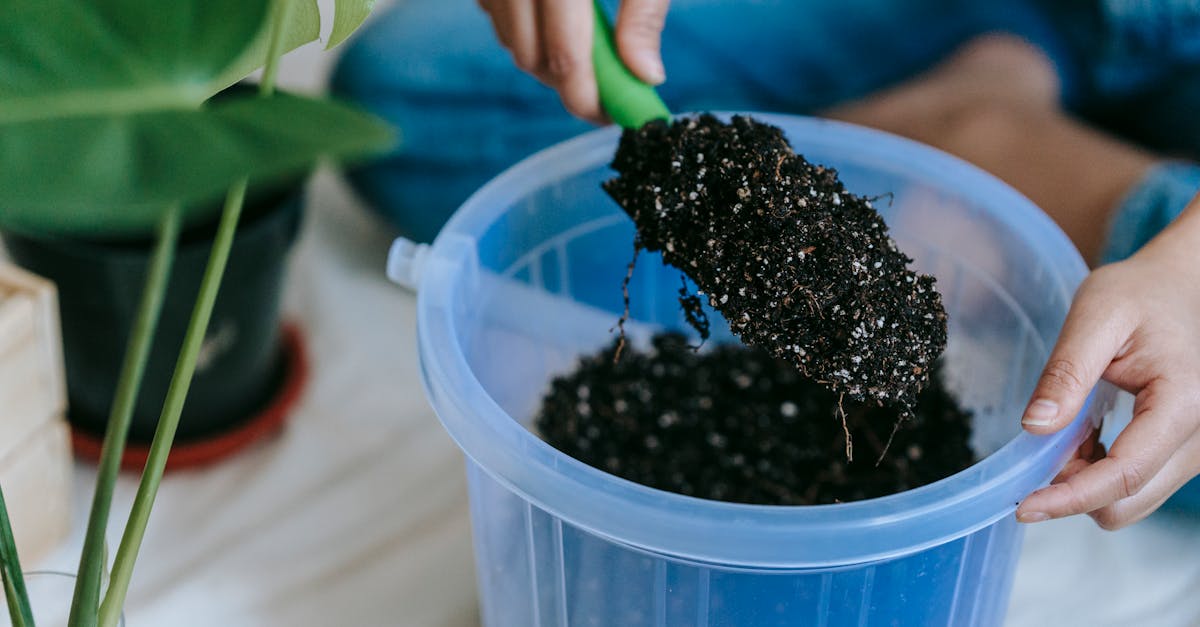
Creating the optimal soil mixture for your container garden involves understanding the functions and benefits of the key components used in potting mixes. These components include potting mix, compost, perlite, and vermiculite, each playing a specific role in providing essential nutrients, moisture retention, and drainage for your plants.
Potting mix forms the base of most soil mixtures, providing a lightweight and well-draining foundation for plant growth. It is typically made from a combination of peat moss, bark, and other organic materials that provide nutrients and help retain moisture. Compost is another important component, adding organic matter and nutrients to the soil mixture. It helps improve soil structure, water retention, and drainage, and provides a slow-release source of nutrients for plants.
Perlite and vermiculite are inorganic materials that are added to soil mixtures to improve drainage and aeration. Perlite is a lightweight, volcanic rock that helps to create air pockets in the soil, improving drainage and preventing compaction. Vermiculite is a mica-like mineral that helps to retain moisture and nutrients, while also providing aeration.
By combining these components in the right proportions, you can create a soil mixture that meets the specific needs of your plants and provides them with the optimal environment for growth and development.
3. Creating Optimal Soil Mixtures for Different Plants
Creating Optimal Soil Mixtures for Different Plants
Tailoring the soil mixture to the specific needs of your plants is crucial for their success in container gardens. Different plants have different requirements for moisture, nutrients, and pH levels, so it is important to research the specific needs of your plants and create a soil mixture that meets those needs.
For example, moisture-loving plants such as ferns and begonias prefer a soil mixture that retains moisture well. A good option for these plants is a mixture of potting mix, compost, and perlite. The potting mix and compost will provide nutrients and moisture retention, while the perlite will help to improve drainage and prevent the soil from becoming waterlogged.
On the other hand, drought-tolerant plants such as succulents and cacti prefer a soil mixture that drains quickly and does not retain too much moisture. A good option for these plants is a mixture of potting mix, perlite, and sand. The potting mix will provide some nutrients and moisture retention, while the perlite and sand will help to improve drainage and prevent the soil from becoming too wet.
pH levels are also important to consider when creating a soil mixture for your plants. Some plants, such as azaleas and rhododendrons, prefer acidic soil, while others, such as roses and lavender, prefer alkaline soil. It is important to research the specific pH requirements of your plants and create a soil mixture that matches those requirements.
By taking the time to create a soil mixture that is tailored to the specific needs of your plants, you can help them thrive in their container environment.
4. Tips for Maintaining Soil Mixtures
Tips for Maintaining Soil Mixtures: Ensuring Optimal Plant Growth
Maintaining soil mixtures over time is essential for the health and vitality of your container plants. Here are some practical tips to help you keep your soil mixtures in top condition:
- Regular Fertilization: Plants need a regular supply of nutrients to thrive, and fertilizing your container plants is an important part of maintenance. Choose a fertilizer that is specifically designed for container plants and follow the instructions on the package.
- pH Monitoring: The pH level of your soil mixture can affect the availability of nutrients to your plants. It is important to monitor the pH level of your soil mixture and adjust it as needed. You can purchase a pH test kit to test the pH level of your soil mixture and add lime or sulfur to adjust the pH as needed.
- Pest Control: Pests can damage your plants and spread diseases. It is important to monitor your plants for pests and take steps to control them if necessary. There are a variety of organic and inorganic pest control methods available.
By following these tips, you can help to maintain your soil mixtures in optimal condition and ensure that your container plants have the best possible environment for growth and development.
5. Troubleshooting Common Soil Mixture Issues
Troubleshooting Common Soil Mixture Issues: Maintaining Optimal Soil Health
Even with the best care, soil mixtures can sometimes develop problems. Here are some common soil mixture issues and how to address them:
- Compaction: Compaction occurs when the soil becomes too dense and packed, which can restrict root growth and water drainage. To prevent compaction, avoid overwatering your plants and gently loosen the soil around the base of your plants with a fork or trowel. You can also add organic matter, such as compost or peat moss, to the soil mixture to help improve drainage and prevent compaction.
- Poor Drainage: Poor drainage can lead to waterlogged soil, which can cause root rot and other problems. To improve drainage, make sure your containers have drainage holes and that the soil mixture is not too compacted. You can also add perlite or vermiculite to the soil mixture to help improve drainage.
- Nutrient Deficiencies: Nutrient deficiencies can occur when the soil mixture does not contain enough of the nutrients that your plants need. To prevent nutrient deficiencies, fertilize your plants regularly with a balanced fertilizer. You can also add organic matter, such as compost or manure, to the soil mixture to help provide nutrients for your plants.
By following these tips, you can help to troubleshoot common soil mixture issues and ensure that your container plants have the best possible environment for growth and development.
Quiz: Test Your Soil Mixture Knowledge
-
True or False: Tailoring soil mixtures to specific plant needs is crucial for their success in container gardens.
-
Which of the following is NOT an essential component of soil mixtures?
(a) Potting mix
(b) Compost
(c) Sand
(d) Perlite
-
What is the primary benefit of adding perlite to soil mixtures?
(a) Improves drainage and aeration
(b) Provides nutrients for plants
(c) Retains moisture
(d) Adjusts pH levels
-
Which type of plants prefers a soil mixture that drains quickly and does not retain too much moisture?
(a) Moisture-loving plants
(b) Drought-tolerant plants
(c) Acid-loving plants
(d) Alkaline-loving plants
-
What is an important practice for maintaining soil mixtures over time?
(a) Regular fertilization
(b) pH monitoring
(c) Pest control
(d) All of the above
-
True
-
(c) Sand
-
(a) Improves drainage and aeration
-
(b) Drought-tolerant plants
-
(d) All of the above
Unlock the Greenery Potential of Your Balcony: A Guide to Thriving Plants in Compact Spaces Attention all balcony-dwelling plant enthusiasts! Read more
Transform Your Balcony into a Flourishing Garden Oasis: A Step-by-Step Guide Beginning a balcony garden can be a fulfilling endeavor, Read more
Unlocking the Potential of Vertical Gardening on Balconies Are you tired of your cramped balcony but still longing for a Read more
Aromatic Delights: Cultivating Herbs on Your Balcony Oasis Whether you're a seasoned gardener or just starting out, growing herbs on Read more