
Grow Your Own Salad Greens on Your Balcony for Year-Round Salads
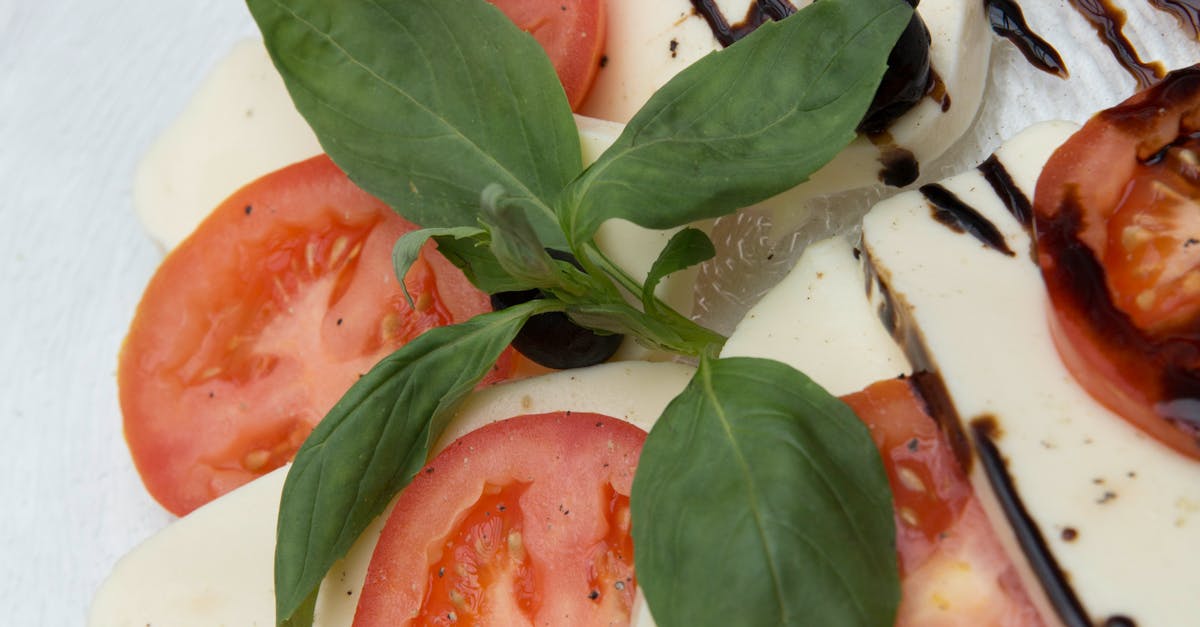
Growing salad greens on your balcony is a great way to have fresh, healthy greens all year round. With a little care and attention, you can enjoy delicious, nutritious greens all year long.
There are many different types of salad greens that are well-suited for growing in containers on a balcony. Some of the best varieties include lettuce, spinach, arugula, kale, and Swiss chard. These greens are all easy to grow and can be harvested throughout the growing season.
To grow salad greens on your balcony, you will need to choose the right containers, use a high-quality potting mix, water regularly, fertilize monthly, and protect from pests and diseases.
1. The Best Salad Greens for Balcony Gardens
There are many different types of salad greens that are well-suited for growing in containers on a balcony. Some of the best varieties include:
- Lettuce: Lettuce is a cool-weather crop that is easy to grow in containers. There are many different varieties of lettuce, including romaine, butterhead, and loose-leaf. Lettuce can be harvested throughout the growing season, and it is a good source of vitamins A and C.
- Spinach: Spinach is another cool-weather crop that is easy to grow in containers. Spinach is a good source of iron and vitamin K. It can be harvested throughout the growing season, but it is best to avoid harvesting spinach in hot weather, as this can cause the leaves to become bitter.
- Arugula: Arugula is a peppery green that is easy to grow in containers. Arugula is a good source of vitamins A and C. It can be harvested throughout the growing season, but it is best to avoid harvesting arugula in hot weather, as this can cause the leaves to become bitter.
- Kale: Kale is a hardy green that is easy to grow in containers. Kale is a good source of vitamins A, C, and K. It can be harvested throughout the growing season, and it is actually more flavorful after it has been exposed to frost.
- Swiss Chard: Swiss chard is a leafy green that is easy to grow in containers. Swiss chard is a good source of vitamins A, C, and K. It can be harvested throughout the growing season, but it is best to avoid harvesting Swiss chard in hot weather, as this can cause the leaves to become bitter.
These are just a few of the many different types of salad greens that can be grown in containers on a balcony. With a little care and attention, you can enjoy fresh, delicious salad greens all year round.
Lettuce
Lettuce is a cool-weather crop that is easy to grow in containers. There are many different varieties of lettuce, including romaine, butterhead, and loose-leaf. Lettuce can be harvested throughout the growing season, and it is a good source of vitamins A and C.
To grow lettuce in containers on a balcony, you will need to choose a variety that is well-suited to container gardening. Some good varieties for containers include:
- Romaine lettuce: Romaine lettuce is a sturdy variety that is well-suited to growing in containers. It has a long, upright head with dark green leaves. Romaine lettuce is a good source of vitamins A and C, and it can be harvested throughout the growing season.
- Butterhead lettuce: Butterhead lettuce is a loose-leaf variety with soft, buttery leaves. It is a good source of vitamins A and C, and it can be harvested throughout the growing season.
- Loose-leaf lettuce: Loose-leaf lettuce is a type of lettuce that does not form a head. It has loose, individual leaves that can be harvested as needed. Loose-leaf lettuce is a good source of vitamins A and C, and it can be harvested throughout the growing season.
Once you have chosen a variety of lettuce, you will need to plant it in a container that is at least 6 inches deep. The container should have drainage holes to prevent the soil from becoming waterlogged. Fill the container with a well-draining potting mix, and plant the lettuce seedlings 6 inches apart. Water the lettuce well, and place the container in a sunny location.
Lettuce is a relatively low-maintenance crop, but it does require regular watering. Water the lettuce deeply, and allow the soil to dry out slightly between waterings. Fertilize the lettuce monthly with a balanced fertilizer. Lettuce can be harvested throughout the growing season. To harvest lettuce, simply cut the leaves off at the base of the plant.
Spinach
Spinach is another cool-weather crop that is easy to grow in containers. Spinach is a good source of iron and vitamin K. It can be harvested throughout the growing season, but it is best to avoid harvesting spinach in hot weather, as this can cause the leaves to become bitter.
To grow spinach in containers on a balcony, you will need to choose a variety that is well-suited to container gardening. Some good varieties for containers include:
- Bloomsdale spinach: Bloomsdale spinach is a semi-savoy variety that is well-suited to growing in containers. It has dark green leaves with a slightly crinkled texture. Bloomsdale spinach is a good source of iron and vitamin K, and it can be harvested throughout the growing season.
- Melody spinach: Melody spinach is a hybrid variety that is also well-suited to growing in containers. It has smooth, dark green leaves. Melody spinach is a good source of iron and vitamin K, and it can be harvested throughout the growing season.
- Space spinach: Space spinach is a dwarf variety that is perfect for growing in small containers. It has small, dark green leaves. Space spinach is a good source of iron and vitamin K, and it can be harvested throughout the growing season.
Once you have chosen a variety of spinach, you will need to plant it in a container that is at least 6 inches deep. The container should have drainage holes to prevent the soil from becoming waterlogged. Fill the container with a well-draining potting mix, and plant the spinach seedlings 4 inches apart. Water the spinach well, and place the container in a sunny location.
Spinach is a relatively low-maintenance crop, but it does require regular watering. Water the spinach deeply, and allow the soil to dry out slightly between waterings. Fertilize the spinach monthly with a balanced fertilizer. Spinach can be harvested throughout the growing season. To harvest spinach, simply cut the leaves off at the base of the plant.
Arugula
Arugula is a peppery green that is easy to grow in containers. Arugula is a good source of vitamins A and C. It can be harvested throughout the growing season, but it is best to avoid harvesting arugula in hot weather, as this can cause the leaves to become bitter.
To grow arugula in containers on a balcony, you will need to choose a variety that is well-suited to container gardening. Some good varieties for containers include:
- Sylvetta arugula: Sylvetta arugula is a compact variety that is perfect for growing in small containers. It has small, dark green leaves with a slightly spicy flavor. Sylvetta arugula is a good source of vitamins A and C, and it can be harvested throughout the growing season.
- Astro arugula: Astro arugula is a hybrid variety that is also well-suited to growing in containers. It has large, dark green leaves with a mild flavor. Astro arugula is a good source of vitamins A and C, and it can be harvested throughout the growing season.
- Wild Rocket arugula: Wild Rocket arugula is a wild variety that has a more intense flavor than cultivated varieties. It has deeply lobed, dark green leaves. Wild Rocket arugula is a good source of vitamins A and C, and it can be harvested throughout the growing season.
Once you have chosen a variety of arugula, you will need to plant it in a container that is at least 6 inches deep. The container should have drainage holes to prevent the soil from becoming waterlogged. Fill the container with a well-draining potting mix, and plant the arugula seedlings 4 inches apart. Water the arugula well, and place the container in a sunny location.
Arugula is a relatively low-maintenance crop, but it does require regular watering. Water the arugula deeply, and allow the soil to dry out slightly between waterings. Fertilize the arugula monthly with a balanced fertilizer. Arugula can be harvested throughout the growing season. To harvest arugula, simply cut the leaves off at the base of the plant.
Kale
Kale is a hardy green that is easy to grow in containers. Kale is a good source of vitamins A, C, and K. It can be harvested throughout the growing season, and it is actually more flavorful after it has been exposed to frost.
To grow kale in containers on a balcony, you will need to choose a variety that is well-suited to container gardening. Some good varieties for containers include:
- Dwarf Blue Curled kale: Dwarf Blue Curled kale is a compact variety that is perfect for growing in small containers. It has dark green leaves with a slightly curly texture. Dwarf Blue Curled kale is a good source of vitamins A, C, and K, and it can be harvested throughout the growing season.
- Redbor kale: Redbor kale is a hybrid variety that is also well-suited to growing in containers. It has large, dark green leaves with a reddish tinge. Redbor kale is a good source of vitamins A, C, and K, and it can be harvested throughout the growing season.
- Winterbor kale: Winterbor kale is a variety that is specifically bred for cold weather. It has large, dark green leaves that are more flavorful after they have been exposed to frost. Winterbor kale is a good source of vitamins A, C, and K, and it can be harvested throughout the growing season.
Once you have chosen a variety of kale, you will need to plant it in a container that is at least 8 inches deep. The container should have drainage holes to prevent the soil from becoming waterlogged. Fill the container with a well-draining potting mix, and plant the kale seedlings 6 inches apart. Water the kale well, and place the container in a sunny location.
Kale is a relatively low-maintenance crop, but it does require regular watering. Water the kale deeply, and allow the soil to dry out slightly between waterings. Fertilize the kale monthly with a balanced fertilizer. Kale can be harvested throughout the growing season. To harvest kale, simply cut the leaves off at the base of the plant.
Swiss Chard
Swiss chard is a leafy green that is easy to grow in containers. Swiss chard is a good source of vitamins A, C, and K. It can be harvested throughout the growing season, but it is best to avoid harvesting Swiss chard in hot weather, as this can cause the leaves to become bitter.
To grow Swiss chard in containers on a balcony, you will need to choose a variety that is well-suited to container gardening. Some good varieties for containers include:
- Bright Lights Swiss chard: Bright Lights Swiss chard is a hybrid variety that is known for its colorful stalks. It has large, dark green leaves with brightly colored stalks in red, yellow, orange, and pink. Bright Lights Swiss chard is a good source of vitamins A, C, and K, and it can be harvested throughout the growing season.
- Rhubarb Swiss chard: Rhubarb Swiss chard is a variety that has red stalks. It has large, dark green leaves with deep red stalks. Rhubarb Swiss chard is a good source of vitamins A, C, and K, and it can be harvested throughout the growing season.
- Fordhook Giant Swiss chard: Fordhook Giant Swiss chard is a variety that has large, dark green leaves. It has thick, white stalks. Fordhook Giant Swiss chard is a good source of vitamins A, C, and K, and it can be harvested throughout the growing season.
Once you have chosen a variety of Swiss chard, you will need to plant it in a container that is at least 8 inches deep. The container should have drainage holes to prevent the soil from becoming waterlogged. Fill the container with a well-draining potting mix, and plant the Swiss chard seedlings 6 inches apart. Water the Swiss chard well, and place the container in a sunny location.
Swiss chard is a relatively low-maintenance crop, but it does require regular watering. Water the Swiss chard deeply, and allow the soil to dry out slightly between waterings. Fertilize the Swiss chard monthly with a balanced fertilizer. Swiss chard can be harvested throughout the growing season. To harvest Swiss chard, simply cut the leaves off at the base of the plant.
2. How to Care for Salad Greens on a Balcony

Here are some tips on how to care for salad greens on a balcony:
- Choose the Right Containers: When choosing containers for growing salad greens on a balcony, it is important to select containers that are large enough to provide adequate root space for the plants. The containers should also have drainage holes to prevent the soil from becoming waterlogged.
- Use a High-Quality Potting Mix: When planting salad greens on a balcony, it is important to use a high-quality potting mix that is well-draining and contains plenty of organic matter. This will help to ensure that the plants have the nutrients they need to grow strong and healthy.
- Water Regularly: Salad greens need to be watered regularly, especially during hot weather. It is important to water the plants deeply, so that the water reaches the roots. Avoid overwatering, as this can lead to root rot.
- Fertilize Monthly: Salad greens should be fertilized monthly with a balanced fertilizer. This will help to ensure that the plants have the nutrients they need to grow strong and healthy.
- Protect from Pests and Diseases: Salad greens can be susceptible to a variety of pests and diseases. It is important to inspect the plants regularly for signs of pests or diseases, and to take appropriate action to control them.
Choose the Right Containers
When choosing containers for growing salad greens on a balcony, it is important to select containers that are large enough to provide adequate root space for the plants. The containers should also have drainage holes to prevent the soil from becoming waterlogged.
Size: The size of the container will depend on the type of salad greens you are growing. For example, lettuce and spinach can be grown in smaller containers, while kale and Swiss chard require larger containers. A good rule of thumb is to choose a container that is at least 6 inches deep and 12 inches wide.
Drainage: It is important to choose containers that have drainage holes to prevent the soil from becoming waterlogged. Waterlogged soil can lead to root rot and other problems. If the containers you choose do not have drainage holes, you can drill holes in the bottom of the containers yourself.
Material: Containers can be made from a variety of materials, including plastic, ceramic, and wood. Plastic containers are lightweight and inexpensive, but they can be less durable than ceramic or wood containers. Ceramic and wood containers are more durable, but they are also heavier and more expensive.
Shape: Containers can come in a variety of shapes, including round, square, and rectangular. The shape of the container is not as important as the size and drainage, but you may want to choose a shape that fits well on your balcony.
Once you have chosen the right containers, you can fill them with a high-quality potting mix and plant your salad greens.
Use a High-Quality Potting Mix
When planting salad greens on a balcony, it is important to use a high-quality potting mix that is well-draining and contains plenty of organic matter. This will help to ensure that the plants have the nutrients they need to grow strong and healthy.
Well-draining: A well-draining potting mix will allow excess water to drain away from the roots of the plants. This is important because waterlogged soil can lead to root rot and other problems. You can improve the drainage of a potting mix by adding perlite or vermiculite.
Organic matter: Organic matter is essential for healthy plant growth. It provides nutrients for the plants and helps to improve the structure of the soil. You can add organic matter to a potting mix by using compost, manure, or peat moss.
pH: The pH of a potting mix is a measure of its acidity or alkalinity. Most salad greens prefer a pH between 6.0 and 7.0. You can check the pH of a potting mix using a pH meter.
Here are some tips for choosing a high-quality potting mix for salad greens:
- Look for a potting mix that is specifically designed for container gardening.
- Choose a potting mix that is well-draining and contains plenty of organic matter.
- Check the pH of the potting mix to make sure that it is between 6.0 and 7.0.
- Avoid using potting mixes that contain a lot of peat moss, as this can make the soil too acidic.
Once you have chosen a high-quality potting mix, you can fill your containers and plant your salad greens.
Water Regularly
Salad greens need to be watered regularly, especially during hot weather. It is important to water the plants deeply, so that the water reaches the roots. Avoid overwatering, as this can lead to root rot.
How often to water: The frequency of watering will depend on the weather conditions and the size of the plants. During hot weather, salad greens may need to be watered every day or every other day. During cooler weather, they may only need to be watered once a week or so.
How much to water: When you water salad greens, it is important to water them deeply. This means watering the plants until the water reaches the bottom of the root zone. You can check the moisture level of the soil by sticking your finger in the soil. If the soil is dry up to your first knuckle, it is time to water the plants.
Avoid overwatering: Overwatering is one of the most common mistakes that gardeners make. Overwatering can lead to root rot and other problems. It is important to allow the soil to dry out slightly between waterings.
Here are some tips for watering salad greens:
- Water the plants in the morning or evening. This will help to prevent the water from evaporating too quickly.
- Use a watering can or hose with a nozzle that allows you to control the flow of water.
- Water the plants at the base of the stem, avoiding the leaves.
- Allow the soil to dry out slightly between waterings.
By following these tips, you can help to ensure that your salad greens stay healthy and productive.
Fertilize Monthly
Salad greens should be fertilized monthly with a balanced fertilizer. This will help to ensure that the plants have the nutrients they need to grow strong and healthy.
What is a balanced fertilizer? A balanced fertilizer is a fertilizer that contains nitrogen, phosphorus, and potassium in equal amounts. These three nutrients are essential for plant growth. Nitrogen helps plants to produce leaves and stems. Phosphorus helps plants to produce flowers and fruits. Potassium helps plants to develop strong roots and resist disease.
How to fertilize salad greens: When fertilizing salad greens, it is important to follow the directions on the fertilizer package. You can apply the fertilizer to the soil around the plants, or you can dissolve the fertilizer in water and apply it to the leaves of the plants.
When to fertilize salad greens: Salad greens should be fertilized monthly during the growing season. You can start fertilizing the plants when they are seedlings, and you can continue fertilizing them until they are ready to harvest.
Benefits of fertilizing salad greens: Fertilizing salad greens provides them with the nutrients they need to grow strong and healthy. Fertilized salad greens are more productive and have a longer shelf life than unfertilized salad greens.
Here are some tips for fertilizing salad greens:
- Use a balanced fertilizer.
- Follow the directions on the fertilizer package.
- Apply the fertilizer to the soil around the plants, or dissolve the fertilizer in water and apply it to the leaves of the plants.
- Fertilize salad greens monthly during the growing season.
By following these tips, you can help to ensure that your salad greens stay healthy and productive.
Protect from Pests and Diseases
Salad greens can be susceptible to a variety of pests and diseases. It is important to inspect the plants regularly for signs of pests or diseases, and to take appropriate action to control them.
Pests: Some of the most common pests that affect salad greens include aphids, slugs, and snails. Aphids are small, green insects that suck the sap from plants. Slugs and snails are mollusks that eat the leaves of plants.
Diseases: Some of the most common diseases that affect salad greens include downy mildew, powdery mildew, and botrytis. Downy mildew is a fungal disease that causes yellow or brown spots on the leaves of plants. Powdery mildew is a fungal disease that causes a white powdery coating on the leaves of plants. Botrytis is a fungal disease that causes the leaves of plants to rot.
Prevention: The best way to protect salad greens from pests and diseases is to prevent them from occurring in the first place. Here are some tips for preventing pests and diseases:
- Choose resistant varieties of salad greens.
- Keep the plants healthy and vigorous.
- Water the plants regularly, but avoid overwatering.
- Fertilize the plants monthly with a balanced fertilizer.
- Rotate the crops each year.
- Clean up the garden in the fall to remove any plant debris that could harbor pests or diseases.
Control: If pests or diseases do occur, there are a number of ways to control them. Here are some tips for controlling pests and diseases:
- Use insecticidal soap or neem oil to control aphids.
- Use slug and snail bait to control slugs and snails.
- Use fungicides to control downy mildew, powdery mildew, and botrytis.
By following these tips, you can help to protect your salad greens from pests and diseases.
3. Benefits of Growing Salad Greens on a Balcony
There are many benefits to growing salad greens on a balcony. Here are a few of the benefits:
Fresh, Healthy Greens: Growing salad greens on your balcony is a great way to ensure that you have fresh, healthy greens on hand. Salad greens are a good source of vitamins, minerals, and antioxidants, and they can help to improve your overall health.
Convenience: Growing salad greens on a balcony is very convenient. You can harvest the greens whenever you need them, and you don’t have to worry about going to the grocery store.
Saves Money: Growing salad greens on a balcony can save you money. Salad greens can be expensive to buy in the grocery store, and growing your own greens is a great way to save money.
Great for Urban Dwellers: Growing salad greens on a balcony is a great way for urban dwellers to enjoy fresh, healthy greens, even if they don’t have a backyard.
Other benefits of growing salad greens on a balcony include:
- It is a fun and rewarding experience.
- It can help you to connect with nature.
- It can be a great way to teach children about gardening.
- It can help to improve the air quality on your balcony.
If you are looking for a way to grow your own food and enjoy the benefits of fresh, healthy greens, then growing salad greens on your balcony is a great option.
Fresh, Healthy Greens
There are many benefits to growing salad greens on a balcony. Here are a few of the benefits:
- Fresh, Healthy Greens: Growing salad greens on your balcony is a great way to ensure that you have fresh, healthy greens on hand. Salad greens are a good source of vitamins, minerals, and antioxidants, and they can help to improve your overall health.
- Convenience: Growing salad greens on a balcony is very convenient. You can harvest the greens whenever you need them, and you don’t have to worry about going to the grocery store.
- Saves Money: Growing salad greens on a balcony can save you money. Salad greens can be expensive to buy in the grocery store, and growing your own greens is a great way to save money.
- Great for Urban Dwellers: Growing salad greens on a balcony is a great way for urban dwellers to enjoy fresh, healthy greens, even if they don’t have a backyard.
Other benefits of growing salad greens on a balcony include:
- It is a fun and rewarding experience.
- It can help you to connect with nature.
- It can be a great way to teach children about gardening.
- It can help to improve the air quality on your balcony.
If you are looking for a way to grow your own food and enjoy the benefits of fresh, healthy greens, then growing salad greens on your balcony is a great option.
Convenience
Growing salad greens on a balcony is very convenient. You can harvest the greens whenever you need them, and you don’t have to worry about going to the grocery store.
One of the biggest benefits of growing salad greens on a balcony is that you can harvest them whenever you need them. This means that you can always have fresh, healthy greens on hand for salads, sandwiches, and other dishes. You don’t have to worry about going to the grocery store and buying greens that may not be as fresh.
Another benefit of growing salad greens on a balcony is that you don’t have to worry about the weather. If you grow salad greens in a garden, you may have to deal with pests, diseases, and extreme weather conditions. However, if you grow salad greens on a balcony, you can protect them from the elements and create a more controlled growing environment.
Overall, growing salad greens on a balcony is a very convenient way to enjoy fresh, healthy greens all year round.
Saves Money
Growing salad greens on your balcony can save you money. Salad greens can be expensive to buy in the grocery store, and growing your own greens is a great way to save money.
The cost of salad greens can vary depending on the type of greens, the season, and the location. However, in general, salad greens are a relatively expensive vegetable to buy. For example, a head of romaine lettuce can cost around $2.00, and a bunch of spinach can cost around $3.00.
If you grow your own salad greens on a balcony, you can save a significant amount of money. The cost of growing salad greens is relatively low. You will need to purchase seeds or seedlings, potting mix, and fertilizer. However, these costs are relatively small, and you can easily grow enough salad greens to meet your needs for a fraction of the cost of buying them in the grocery store.
In addition to saving money, growing your own salad greens is also a fun and rewarding experience. You can enjoy the satisfaction of growing your own food, and you can be sure that your greens are fresh and healthy.
Great for Urban Dwellers
Growing salad greens on a balcony is a great way for urban dwellers to enjoy fresh, healthy greens, even if they don’t have a backyard.
Many people who live in urban areas do not have access to a backyard or garden. This can make it difficult to grow their own food. However, growing salad greens on a balcony is a great way to overcome this challenge.
Salad greens are relatively easy to grow in containers, and they can be grown on even the smallest balconies. With a little care and attention, you can grow enough salad greens to meet your needs all year round.
Growing your own salad greens on a balcony has a number of benefits. First, it is a great way to save money. Salad greens can be expensive to buy in the grocery store, but growing your own greens is a great way to save money.
Second, growing your own salad greens is a great way to ensure that you have fresh, healthy greens on hand. Salad greens are a good source of vitamins, minerals, and antioxidants, and they can help to improve your overall health.
Third, growing your own salad greens is a fun and rewarding experience. You can enjoy the satisfaction of growing your own food, and you can be sure that your greens are fresh and healthy.
4. Conclusion
If you’re looking for a way to grow fresh, healthy greens all year round, growing salad greens on your balcony is a great option. With a little care and attention, you can enjoy delicious, nutritious greens all year long.
Here are some of the benefits of growing salad greens on your balcony:
- You can enjoy fresh, healthy greens all year round.
- You can save money by growing your own greens.
- You can be sure that your greens are free of pesticides and herbicides.
- You can have the satisfaction of growing your own food.
If you’re interested in growing salad greens on your balcony, there are a few things you need to do to get started. First, you need to choose the right containers. Salad greens can be grown in a variety of containers, but it is important to choose containers that have drainage holes to prevent the roots from rotting.
Once you have chosen the right containers, you need to fill them with a well-draining potting mix. Salad greens need a potting mix that is loose and airy, so it is important to avoid using a potting mix that is too dense or compacted.
Once you have filled your containers with potting mix, you can plant your salad greens. Salad greens can be planted from seeds or seedlings. If you are planting from seeds, you can sow the seeds directly in the potting mix. If you are planting from seedlings, you can transplant the seedlings into the potting mix.
Once your salad greens are planted, you need to water them regularly. Salad greens need to be watered deeply, but not too often. It is important to allow the potting mix to dry out slightly between waterings.
Salad greens also need to be fertilized regularly. Salad greens can be fertilized with a balanced fertilizer. It is important to follow the instructions on the fertilizer package to ensure that you are not over-fertilizing your plants.
With a little care and attention, you can grow delicious, nutritious salad greens on your balcony all year round.
Quiz:
1. Which of the following is NOT a benefit of growing salad greens on a balcony?
(a) Fresh, healthy greens (b) Convenience (c) Saves money (d) Pest and disease resistance
2. True or False: Salad greens can be grown in any type of container.
(a) True (b) False
3. Which of the following is NOT a tip for watering salad greens?
(a) Water deeply. (b) Water frequently. (c) Allow the potting mix to dry out slightly between waterings. (d) Use a watering can or hose with a nozzle that allows you to control the flow of water.
4. How often should salad greens be fertilized?
(a) Weekly (b) Monthly (c) Every two weeks (d) As needed
5. True or False: Growing salad greens on a balcony is only suitable for rural areas.
(a) True (b) False
Answer Key:
- (d)
- (b)
- (b)
- (b)
- (b)
Unlock the Greenery Potential of Your Balcony: A Guide to Thriving Plants in Compact Spaces Attention all balcony-dwelling plant enthusiasts! Read more
Transform Your Balcony into a Flourishing Garden Oasis: A Step-by-Step Guide Beginning a balcony garden can be a fulfilling endeavor, Read more
Unlocking the Potential of Vertical Gardening on Balconies Are you tired of your cramped balcony but still longing for a Read more
Aromatic Delights: Cultivating Herbs on Your Balcony Oasis Whether you're a seasoned gardener or just starting out, growing herbs on Read more