
Unlock Privacy, Beauty, and Serenity: The Ultimate Guide to Balcony Privacy Plants

Green walls, vertical gardens, and balcony privacy screens are effective privacy solutions that reduce urban noise pollution and create lush aesthetic environments, transforming your balcony into a private oasis. Incorporating greenery on your balcony not only increases privacy but also provides a range of benefits including improved air quality, reduced noise levels, and visual interest.
Depending on your space and design preferences, selecting the right plants for your balcony garden involves considering factors such as plant size, growth habit, foliage density, and maintenance needs. By planning your balcony privacy project, you can select plants that thrive in container-based environments and provide the desired level of privacy and aesthetic appeal.
In this article, we will explore the advantages of privacy plants on balconies and provide a comprehensive guide to choosing the right plants based on your specific requirements. We will showcase a variety of privacy plant options, including fast-growing vines, dense shrubs, and tall grasses. Additionally, we will provide expert tips on planting, caring, and maintaining your privacy plants to ensure their optimal growth and longevity.
1. Benefits of Privacy Plants on Balconies
Privacy plants offer a multitude of benefits for balcony gardens, transforming them into secluded havens while enhancing their aesthetic appeal and overall well-being.
One of the primary advantages of incorporating privacy plants into your balcony garden is the increased sense of privacy and seclusion they provide. By strategically placing tall plants or dense shrubs around the perimeter of your balcony, you can create a natural barrier that shields you from prying eyes and creates a private sanctuary for relaxation and enjoyment.
Beyond privacy, privacy plants also contribute to improved air quality on your balcony. Plants naturally absorb pollutants and release oxygen through their leaves, effectively purifying the air around them. This is particularly beneficial in urban environments, where air pollution can be a concern. By incorporating privacy plants into your balcony garden, you can create a healthier and more breathable outdoor space. Additionally, the dense foliage of privacy plants can help to reduce noise levels, creating a more peaceful and tranquil environment on your balcony.
2. Choosing the Right Plants for Privacy
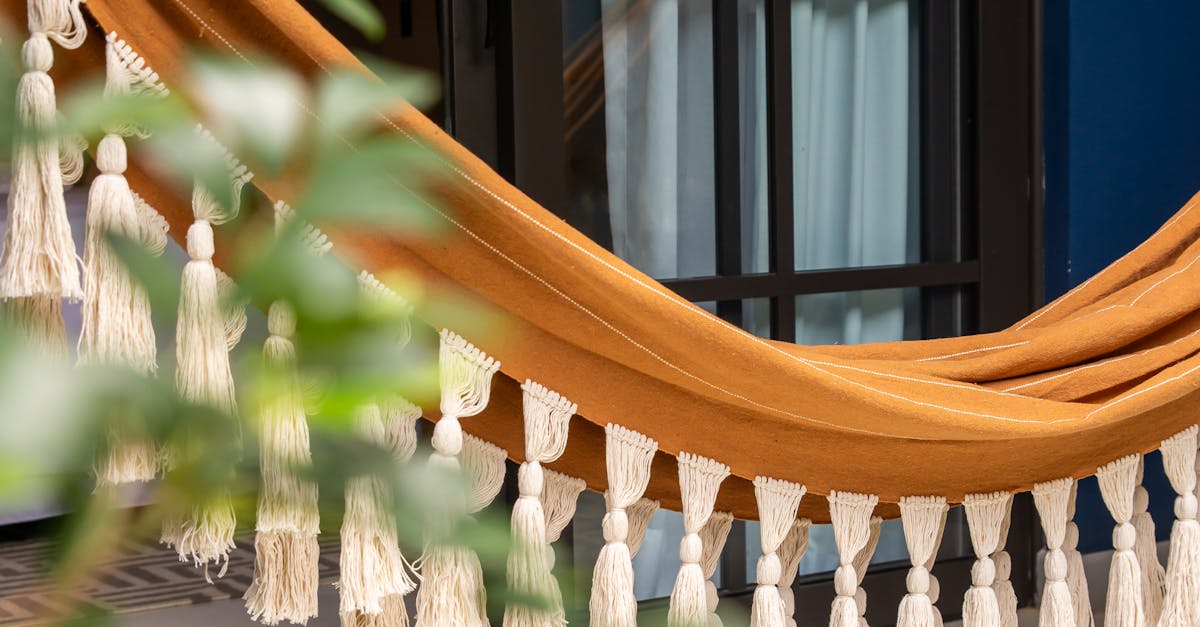
When selecting privacy plants for your balcony, it is essential to consider several key factors to ensure their suitability and optimal growth in container-based environments.
Plant Size and Growth Habit: The size and growth habit of the plants you choose will significantly impact the level of privacy they provide and the maintenance required. Consider the height and spread of the plants at maturity to ensure they are appropriate for the dimensions of your balcony. Fast-growing vines, such as ivy or jasmine, can quickly provide coverage, while shrubs like boxwood or holly offer a more permanent and structured privacy solution.
Foliage Density: The density of the foliage is another crucial factor to consider. Plants with dense, opaque foliage, such as arborvitae or bamboo, will provide the most effective privacy screening. Conversely, plants with sparse or delicate foliage, like ferns or ornamental grasses, may offer less privacy but can still contribute to the overall aesthetic appeal of your balcony garden.
Maintenance Needs: The maintenance requirements of the plants you choose should also be taken into account. Some plants, like ivy or clematis, are relatively low-maintenance and can tolerate neglect, while others, like boxwood or holly, may require regular pruning and shaping to maintain their desired form and density. Choose plants that suit your lifestyle and available time for care.
3. Top Privacy Plant Options
For balcony gardens, a variety of privacy plant options are available to suit different preferences and requirements. Here are a few popular choices:
Fast-Growing Vines: Vines are an excellent choice for quickly establishing privacy on balconies. They can be trained to climb trellises, fences, or walls, creating a dense and leafy screen. Some popular fast-growing vines include: – Ivy (Hedera helix): Ivy is a classic choice for privacy, with its dense, evergreen foliage and ability to tolerate various conditions. – Jasmine (Jasminum spp.): Jasmine offers both privacy and beautiful fragrant blooms in spring and summer. – Clematis (Clematis spp.): Clematis is a deciduous vine that produces a profusion of colorful flowers in a range of hues.
Dense Shrubs: Shrubs provide a more permanent and structured privacy solution for balconies. They can be trimmed and shaped to create hedges or standalone privacy screens. Some suitable dense shrubs include: – Boxwood (Buxus spp.): Boxwood is a popular choice for formal hedges, offering dense, evergreen foliage that can be easily maintained. – Holly (Ilex spp.): Holly is another evergreen shrub with spiky leaves that can deter intruders and provide privacy. – Arborvitae (Thuja spp.): Arborvitae is a coniferous shrub with dense, scale-like foliage that provides year-round privacy.
Tall Grasses: Tall grasses can add privacy and a touch of natural beauty to balconies. They can be planted in containers or directly in the ground and can reach heights of several feet. Some popular tall grasses for privacy include: – Bamboo (Bambusoideae spp.): Bamboo is a fast-growing grass that can create a dense privacy screen in a short amount of time. – Pampas grass (Cortaderia selloana): Pampas grass has striking, feathery plumes that add texture and movement to balcony gardens. – Ornamental grasses (Miscanthus spp., Pennisetum spp.): Ornamental grasses come in a variety of heights and colors, offering both privacy and visual interest.
Vines
Vines are a popular choice for privacy on balconies due to their ability to quickly establish a dense and leafy screen. Here are a few popular vine options, along with their growth habits and maintenance requirements:
Ivy (Hedera helix): – Growth habit: Ivy is a vigorous evergreen vine that can climb to heights of 20 feet or more. It has aerial roots that allow it to attach to surfaces, making it suitable for growing on walls, trellises, or fences. – Maintenance: Ivy is relatively low-maintenance and can tolerate a wide range of conditions. It prefers well-drained soil and regular watering, but it can also tolerate some drought. Pruning is occasionally necessary to control its growth and shape.
Jasmine (Jasminum spp.): – Growth habit: Jasmine is a deciduous vine that typically grows to heights of 10-15 feet. It produces fragrant flowers in spring and summer, which can add a touch of beauty and fragrance to your balcony. – Maintenance: Jasmine prefers well-drained soil and regular watering. It requires more sunlight than ivy, so choose a location on your balcony that receives at least a few hours of direct sun per day. Pruning is recommended after flowering to encourage new growth and flowering the following season.
Clematis (Clematis spp.): – Growth habit: Clematis is a deciduous vine that can grow to heights of 10-20 feet. It produces a profusion of colorful flowers in a range of hues, from white and pink to purple and blue. – Maintenance: Clematis prefers well-drained soil, regular watering, and plenty of sunlight. It is important to provide support for the vine to climb, such as a trellis or fence. Pruning is necessary to control its growth and encourage flowering.
Shrubs
Shrubs offer a more permanent and structured privacy solution for balconies. They can be trimmed and shaped to create hedges or standalone privacy screens. Here are a few popular shrub options, along with their benefits and considerations:
Boxwood (Buxus spp.): – Benefits: Boxwood is a popular choice for formal hedges due to its dense, evergreen foliage that can be easily maintained. It is relatively slow-growing and can tolerate a wide range of conditions, making it a low-maintenance option. – Considerations: Boxwood typically grows to a height of 5-10 feet and can be pruned to create hedges of various heights and shapes. It prefers well-drained soil and regular watering, but it can also tolerate some drought.
Holly (Ilex spp.): – Benefits: Holly is another evergreen shrub that is known for its spiky leaves. It is a good choice for deterring intruders and providing privacy. Holly also produces berries in the winter, which can add a touch of color to your balcony. – Considerations: Holly typically grows to a height of 6-12 feet and can be pruned to create hedges or shaped into topiaries. It prefers well-drained soil and regular watering, but it can also tolerate some drought.
Arborvitae (Thuja spp.): – Benefits: Arborvitae is a coniferous shrub with dense, scale-like foliage that provides year-round privacy. It is a fast-growing shrub that can reach heights of 10-20 feet. – Considerations: Arborvitae prefers well-drained soil and regular watering, but it can also tolerate some drought. It is relatively low-maintenance and can tolerate a wide range of conditions.
Grasses
Tall grasses can add privacy and a touch of natural beauty to balconies. Here are a few popular tall grass options, along with their unique textures and foliage:
Bamboo (Bambusoideae spp.): – Texture and foliage: Bamboo has long, slender stems with narrow, lance-shaped leaves. It can grow to heights of 10-20 feet or more, creating a dense and effective privacy screen. – Considerations: Bamboo is a fast-growing grass that can be invasive if not properly contained. It prefers well-drained soil and regular watering, but it can also tolerate some drought.
Pampas grass (Cortaderia selloana): – Texture and foliage: Pampas grass has long, arching leaves with soft, feathery plumes. It can grow to heights of 6-10 feet and adds a touch of drama to balcony gardens. – Considerations: Pampas grass prefers well-drained soil and regular watering, but it can also tolerate some drought. It is relatively low-maintenance and can tolerate a wide range of conditions.
Ornamental grasses (Miscanthus spp., Pennisetum spp.): – Texture and foliage: Ornamental grasses come in a variety of heights and colors, offering both privacy and visual interest. They typically have long, narrow leaves and produce showy flower heads. – Considerations: Ornamental grasses prefer well-drained soil and regular watering, but they can also tolerate some drought. They are relatively low-maintenance and can add a touch of elegance to balcony gardens.
4. Planting and Care Tips

Planting and caring for privacy plants on your balcony requires careful attention to their specific needs. Here are some expert tips to ensure their optimal growth and longevity:
Soil Requirements: – Most privacy plants prefer well-drained soil that is rich in organic matter. You can use a potting mix specifically designed for container gardening or amend regular potting soil with compost or peat moss to improve drainage and fertility. – Ensure that your containers have drainage holes to prevent waterlogging, which can lead to root rot.
Watering Schedules: – Water your privacy plants regularly, especially during hot and dry weather. The frequency of watering will vary depending on the plant species, pot size, and weather conditions. – Allow the top inch or two of soil to dry out between waterings to prevent overwatering.
Pruning Techniques: – Pruning is essential for maintaining the size and shape of your privacy plants and encouraging new growth. – Prune regularly to remove dead or damaged leaves and stems, and to control the overall size and shape of the plant. – Different plants have different pruning requirements, so research the specific needs of your chosen species.
5. Conclusion
Privacy plants offer a multitude of benefits for balcony gardens, transforming them into secluded havens while enhancing their aesthetic appeal and overall well-being. By carefully selecting the right plants for your space and needs, you can create a private oasis where you can relax, entertain guests, or simply enjoy the outdoors without feeling overlooked.
When choosing privacy plants for your balcony garden, consider factors such as plant size, growth habit, foliage density, and maintenance requirements. Fast-growing vines, like ivy or jasmine, can quickly provide coverage, while dense shrubs, like boxwood or holly, offer a more permanent and structured privacy solution. Tall grasses, like bamboo or pampas grass, can add privacy and a touch of natural beauty to your balcony.
Remember to follow expert advice on planting and caring for your privacy plants to ensure their optimal growth and longevity. Provide well-drained soil, water regularly, and prune as needed to maintain their size and shape. By following these tips, you can create a thriving and beautiful balcony garden that provides the privacy and seclusion you desire.
Quiz:
- Which of the following is NOT a benefit of incorporating privacy plants into balcony gardens?
(a) Enhanced privacy (b) Improved air quality (c) Reduced energy consumption (d) Noise reduction
-
True or False: When selecting privacy plants for your balcony, it is important to consider factors such as plant size, growth habit, and maintenance needs.
-
Which type of plant is a good choice for quickly establishing privacy on balconies?
(a) Shrubs (b) Vines (c) Grasses (d) Groundcovers
-
True or False: Bamboo is a slow-growing grass that can be used for privacy screening on balconies.
-
Which of the following is a recommended pruning technique for privacy plants on balconies?
(a) Remove dead or damaged leaves and stems (b) Trim plants into geometric shapes (c) Prune roots to control growth (d) Remove all new growth to encourage bushier plants
Answer Key:
- (c) Reduced energy consumption
- True
- (b) Vines
- False
- (a) Remove dead or damaged leaves and stems
Unlock the Greenery Potential of Your Balcony: A Guide to Thriving Plants in Compact Spaces Attention all balcony-dwelling plant enthusiasts! Read more
Transform Your Balcony into a Flourishing Garden Oasis: A Step-by-Step Guide Beginning a balcony garden can be a fulfilling endeavor, Read more
Unlocking the Potential of Vertical Gardening on Balconies Are you tired of your cramped balcony but still longing for a Read more
Aromatic Delights: Cultivating Herbs on Your Balcony Oasis Whether you're a seasoned gardener or just starting out, growing herbs on Read more