
Keep Your Balcony Garden Clean and Healthy
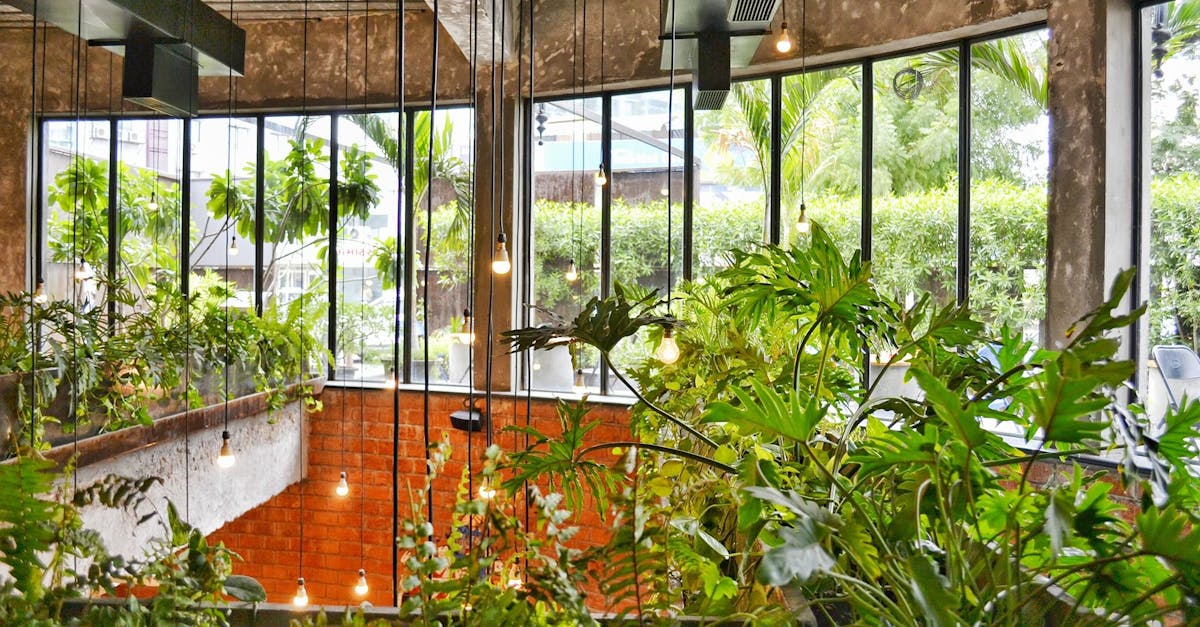
Balcony gardens are a great way to grow fresh herbs, vegetables, and flowers in a limited space. However, it’s important to keep your balcony garden clean and hygienic to prevent the buildup of pests, diseases, and other problems. Here are some best practices for balcony garden cleanliness and hygiene:
Declutter and Remove Debris: The first step to keeping your balcony garden clean is to declutter and remove any unnecessary items or debris. This will help to reduce hiding places for pests and diseases, and it will also make it easier to clean the garden.
Regularly remove dead plants, leaves, and other organic matter. This will help to prevent the buildup of pathogens and pests in the garden.Dispose of food waste properly. Food waste can attract pests and rodents, so ensure proper disposal by composting or placing in sealed containers for garbage collection.
Clean Pots and Trays: Pots and trays can harbor dirt, debris, and plant pathogens, so it’s important to clean them regularly. Use a mild soap solution or vinegar to wash containers and trays. Rinse thoroughly to remove any residue. Disinfect containers with a bleach solution (10% bleach and 90% water) or commercial disinfectant.
1. Declutter and Remove Debris
Decluttering and removing debris from your balcony garden is an important step in maintaining a clean and healthy space for your plants. Unnecessary items and debris can provide hiding places for pests and diseases, making it more difficult to keep your plants healthy. Here are some tips for decluttering and removing debris from your balcony garden:
Start by removing any dead plants or leaves. Dead plant material can harbor pests and diseases, so it’s important to remove it from your garden as soon as possible. You should also remove any weeds that may be growing in your garden, as these can also attract pests and diseases.
Once you’ve removed any dead plants or weeds, take some time to clear away any other debris that may have accumulated in your garden. This could include things like empty pots, trays, or pieces of broken pottery. It’s also a good idea to sweep or vacuum your balcony to remove any dirt or dust that may have collected.
Decluttering and removing debris from your balcony garden will help to create a cleaner and healthier environment for your plants. It will also make it easier for you to keep an eye on your plants and spot any problems early on.
Remove Dead Plants and Leaves
Removing dead plants and leaves from your balcony garden is an important part of keeping your garden clean and healthy. Dead plant material can harbor pests and diseases, so it’s important to remove it from your garden as soon as possible. Here are some tips for removing dead plants and leaves from your balcony garden:
Start by inspecting your plants regularly for any dead or diseased leaves or stems. Once you’ve identified any dead or diseased plant material, remove it from the plant and dispose of it in the trash. Be sure to wear gloves when handling diseased plant material, and wash your hands thoroughly afterwards.
In addition to removing dead leaves and stems, you should also remove any other dead or decaying plant material from your garden. This could include things like fallen fruit, dead flowers, or old potting mix. Removing this material will help to prevent the buildup of pests and diseases in your garden.
Once you’ve removed all of the dead and decaying plant material from your garden, be sure to clean up any debris that may have accumulated. This could include things like empty pots, trays, or pieces of broken pottery. It’s also a good idea to sweep or vacuum your balcony to remove any dirt or dust that may have collected.
Dispose of Food Waste Properly
Food waste can attract pests and rodents to your balcony garden, so it’s important to dispose of it properly. Here are some tips for disposing of food waste from your balcony garden:
One of the best ways to dispose of food waste is to compost it. Composting is the process of breaking down organic matter, such as food waste, into a nutrient-rich soil amendment. You can compost food waste in a compost bin or tumbler, or you can simply bury it in your garden. If you choose to bury food waste in your garden, be sure to bury it deep enough so that it doesn’t attract pests.
If you don’t have a compost bin or tumbler, you can dispose of food waste in sealed containers. Be sure to empty the containers regularly to prevent them from becoming a breeding ground for pests. You can also line the containers with newspaper or paper towels to help absorb moisture and reduce odors.
When disposing of food waste in garbage bags, be sure to tie the bags securely to prevent pests from getting into them. You should also place the garbage bags in a covered garbage can to further prevent pests from accessing the food waste.
2. Clean Pots and Trays

Cleaning pots and trays regularly is an important part of maintaining a clean and healthy balcony garden. Dirt, debris, and plant pathogens can accumulate on pots and trays over time, which can lead to problems for your plants. Here are some tips for cleaning pots and trays:
Start by removing any loose dirt or debris from the pots and trays. You can do this by shaking them out or rinsing them with water. Once you’ve removed the loose dirt and debris, wash the pots and trays with a mild soap solution. Be sure to rinse the pots and trays thoroughly to remove any soap residue.
Once you’ve washed the pots and trays, you can disinfect them to kill any bacteria or fungi that may be present. You can disinfect the pots and trays by soaking them in a bleach solution (10% bleach and 90% water) for 30 minutes. Be sure to rinse the pots and trays thoroughly after disinfecting them.
After you’ve cleaned and disinfected the pots and trays, allow them to dry completely before using them again. You can air dry the pots and trays, or you can dry them with a clean cloth.
Wash Containers Thoroughly
When washing containers and trays, it is important to use a mild soap solution or vinegar. Harsh detergents can damage the containers and trays, and they can also leave behind a residue that can be harmful to plants. To wash containers and trays with a mild soap solution, simply mix a few drops of mild dish soap with water. To wash containers and trays with vinegar, mix equal parts vinegar and water.
Once you have chosen your cleaning solution, apply it to the containers and trays with a sponge or cloth. Be sure to scrub the containers and trays thoroughly to remove all of the dirt and debris. Once you have scrubbed the containers and trays, rinse them thoroughly with clean water to remove any soap or vinegar residue.
After you have rinsed the containers and trays, allow them to dry completely before using them again. You can air dry the containers and trays, or you can dry them with a clean cloth.
Disinfect Containers
Disinfecting containers is an important step in preventing the buildup and spread of plant pathogens. Plant pathogens can cause a variety of problems for plants, including wilting, yellowing, and stunted growth. Disinfecting containers before replanting can help to prevent these problems from occurring.
To disinfect containers, you can use a bleach solution or a commercial disinfectant. To make a bleach solution, mix 10% bleach with 90% water. To use a commercial disinfectant, follow the manufacturer’s instructions.
Once you have chosen your disinfectant, apply it to the containers with a sponge or cloth. Be sure to scrub the containers thoroughly to remove all of the dirt and debris. Once you have scrubbed the containers, rinse them thoroughly with clean water to remove any disinfectant residue.
After you have rinsed the containers, allow them to dry completely before using them again. You can air dry the containers, or you can dry them with a clean cloth.
3. Control Pests and Diseases
Monitoring your plants regularly for pests and diseases is crucial for maintaining a healthy balcony garden. Pests and diseases can quickly spread and cause damage to your plants, so it is important to catch them early and take steps to control them.
To monitor your plants for pests and diseases, you should inspect them regularly. Look for any signs of damage, such as wilting, yellowing, or spots on the leaves. You should also look for any pests, such as insects or mites. If you find any pests or diseases, you should take steps to control them immediately.
There are a variety of ways to control pests and diseases in your balcony garden. You can use organic methods, such as insecticidal soap or neem oil, or you can use chemical methods, such as pesticides or fungicides. It is important to choose the right method for the specific pest or disease that you are dealing with.
Inspect Plants Regularly
Inspecting your plants regularly is an important part of maintaining a healthy balcony garden. By inspecting your plants regularly, you can catch pests and diseases early, before they have a chance to cause serious damage.
To inspect your plants, look for any signs of pests or diseases. Common signs of pests include insects, mites, or eggs on the leaves or stems of your plants. Common signs of diseases include wilting, yellowing, or spots on the leaves. If you find any pests or diseases, you should take steps to control them immediately.
You can use a variety of methods to control pests and diseases in your balcony garden. Organic methods, such as insecticidal soap or neem oil, are a good option for controlling pests and diseases without using harsh chemicals. Chemical methods, such as pesticides or fungicides, can also be effective, but they should be used with caution as they can be harmful to beneficial insects and the environment.
Use Organic Pest Control Methods
Organic pest control methods are a great way to minimize harm to beneficial insects while still controlling pests in your balcony garden. Beneficial insects, such as ladybugs and lacewings, can help to control pests by eating them or their eggs. Organic pest control methods can also help to reduce the amount of chemicals used in your garden, which can be harmful to the environment.
There are a variety of organic pest control methods that you can use in your balcony garden. Insecticidal soap is a good option for controlling aphids, whiteflies, and other soft-bodied insects. Neem oil is a natural pesticide that can be used to control a variety of pests, including caterpillars, beetles, and mites. Companion planting is another effective organic pest control method. By planting certain plants together, you can create an environment that is less favorable to pests. For example, planting garlic or onions near your roses can help to deter aphids.
If you are dealing with a pest problem in your balcony garden, consider using organic pest control methods first. These methods are less harmful to beneficial insects and the environment, and they can be just as effective as chemical methods.
4. Ensure Proper Drainage
Ensuring proper drainage is essential to prevent waterlogging and root rot in balcony garden plants. Waterlogging occurs when the soil becomes saturated with water and cannot drain away properly. This can lead to root rot, which is a fungal disease that can damage or kill plant roots.
To ensure proper drainage, make sure that your containers have drainage holes in the bottom. You can also place a layer of gravel or broken pottery in the bottom of your containers to help with drainage. If you are using saucers under your containers, be sure to empty them regularly to prevent water from accumulating.
In addition to ensuring that your containers have proper drainage, you should also water your plants carefully. Avoid overwatering your plants, as this can lead to waterlogging. It is also important to water your plants at the base of the plant, rather than from above. This will help to prevent water from getting on the leaves of your plants, which can lead to fungal diseases.
Check Drainage Holes
Checking the drainage holes in your containers is an important step in ensuring proper drainage and preventing waterlogging and root rot in your balcony garden plants. Drainage holes allow excess water to drain out of the containers, which helps to prevent the soil from becoming saturated and waterlogged.
To check the drainage holes in your containers, simply turn the container upside down and look for holes in the bottom. If there are no holes, or if the holes are too small, you can use a drill or a sharp object to create larger holes. You should also make sure that the drainage holes are not clogged with soil or debris.
If you are using saucers under your containers, be sure to empty them regularly to prevent water from accumulating. Water that accumulates in saucers can evaporate and create a humid environment around your plants, which can lead to fungal diseases.
Use Raised Beds or Containers
Raised beds and containers are a great way to improve drainage and prevent water buildup in your balcony garden. By elevating plants above the ground, raised beds and containers allow excess water to drain away more easily. This helps to prevent the soil from becoming waterlogged, which can lead to root rot and other problems.
Raised beds are typically made of wood or metal, and they are placed on top of the ground. Containers can be made of a variety of materials, such as plastic, ceramic, or metal. They can be placed on the ground or on a raised platform.
When choosing raised beds or containers for your balcony garden, be sure to select ones that have drainage holes in the bottom. You should also make sure that the raised beds or containers are large enough to accommodate the root systems of your plants.
Raised beds and containers are a great way to improve the drainage in your balcony garden and prevent water buildup. They are also a good option for growing plants that require well-drained soil.
5. Practice Good Hygiene
Practicing good hygiene is essential for maintaining a healthy balcony garden. Good hygiene practices can help to prevent the spread of pests and diseases, and they can also help to improve the overall appearance of your garden.
Here are some general good hygiene practices that you can follow for your balcony garden:
-
Wash your hands before handling plants. This will help to prevent the spread of bacteria and other contaminants to your plants.
-
Avoid overcrowding plants. Overcrowding can create a favorable environment for pests and diseases to thrive. Space plants appropriately to ensure good air circulation.
-
Clean up fallen leaves and debris regularly. Fallen leaves and debris can harbor pests and diseases, so it is important to clean them up regularly.
-
Disinfect tools and equipment regularly. Disinfecting tools and equipment will help to prevent the spread of pests and diseases from one plant to another.
Wash Hands Before Handling Plants
Washing your hands before handling plants is an important hygiene practice that can help to prevent the spread of pests and diseases. This is especially important after handling soil or fertilizers, as these materials can harbor bacteria and other contaminants that can be harmful to plants.
To wash your hands properly, wet your hands with clean, running water and apply soap. Rub your hands together to create a lather and scrub all surfaces of your hands, including your palms, backs of your hands, between your fingers, and under your nails. Continue scrubbing for at least 20 seconds, then rinse your hands thoroughly with clean, running water.
Once you have washed your hands, dry them with a clean towel or paper towels. Avoid touching your eyes, nose, or mouth with unwashed hands, as this can transfer bacteria and other contaminants to your body.
Avoid Overcrowding
Overcrowding plants can create favorable conditions for pests and diseases to thrive. When plants are too close together, they compete for sunlight, water, and nutrients. This competition can weaken plants and make them more susceptible to pests and diseases. Good air circulation is also essential for plant health. When plants are overcrowded, the air around them becomes stagnant, which can create a favorable environment for fungal diseases.
To avoid overcrowding, space plants appropriately according to their mature size. You should also consider the amount of sunlight and water that each plant needs. Some plants, such as tomatoes and peppers, need full sun and plenty of water. Other plants, such as ferns and hostas, can tolerate more shade and less water.
If you are unsure about how to space your plants, you can consult with a local nursery or gardening center. They can help you choose the right plants for your balcony garden and provide you with advice on how to space them properly.
Quiz
1. True or False: Removing dead plants and leaves from your balcony garden helps prevent the buildup of pests and diseases.
2. Multiple Choice: Which of the following is NOT a good way to dispose of food waste from your balcony garden? (a) Composting (b) Placing in sealed containers for garbage collection (c) Leaving it out in the open
3. True or False: It is important to wash and disinfect containers regularly to prevent the spread of plant pathogens.
4. Multiple Choice: Which of the following is an organic method for controlling pests in your balcony garden? (a) Insecticidal soap (b) Chemical pesticides (c) Bleach solution
5. True or False: Overcrowding plants can create favorable conditions for pests and diseases to thrive.
Answer Key
- True
- (c)
- True
- (a)
- True
Unlock the Greenery Potential of Your Balcony: A Guide to Thriving Plants in Compact Spaces Attention all balcony-dwelling plant enthusiasts! Read more
Transform Your Balcony into a Flourishing Garden Oasis: A Step-by-Step Guide Beginning a balcony garden can be a fulfilling endeavor, Read more
Unlocking the Potential of Vertical Gardening on Balconies Are you tired of your cramped balcony but still longing for a Read more
Aromatic Delights: Cultivating Herbs on Your Balcony Oasis Whether you're a seasoned gardener or just starting out, growing herbs on Read more