
Modern Balcony Gardens: A Fusion of Style and Sustainability
Transforming Your Balcony into a Modern Oasis: A Guide to Crafting a Stylish and Thriving Balcony Garden
With the increasing popularity of urban living, balconies have become valuable extensions of our homes, offering a private outdoor space to relax, unwind, and indulge in a touch of nature. If you’re looking to elevate your balcony into a modern haven, crafting a balcony garden is an excellent way to add vibrancy, style, and functionality to your surroundings. This comprehensive guide will provide you with all the inspiration and practical advice you need to create a stunning balcony garden that reflects your personal taste and enhances your living space.
Whether you have a spacious balcony or a cozy nook, there are endless possibilities for creating a verdant oasis. Vertical gardens, architectural plants, edible delights, and stylish containers are just a few of the elements you can incorporate to achieve the perfect balance of form, function, and beauty. By embracing the latest trends in plant design and implementing practical care and maintenance tips, you can transform your balcony into a flourishing sanctuary that will bring you joy for seasons to come.
1. Vertical Gardens: A Space-Saving Solution
Vertical Gardens: A Space-Saving Solution
If you’re limited on space, vertical gardens are a brilliant way to maximize your balcony’s potential. Whether you have a sprawling balcony or a petite nook, trailing plants and wall-mounted planters can transform your vertical spaces into lush, eye-catching displays.
Trailing plants, with their cascading foliage and vibrant blooms, add a touch of whimsy and movement to your balcony. Petunias, with their vibrant blooms in a wide range of hues, create a stunning cascade of color. Ivy, with its trailing vines, is perfect for creating a lush backdrop or providing privacy by blocking unsightly views.
Wall-mounted planters are another excellent option for vertical gardening. They come in various shapes, sizes, and materials, allowing you to customize your garden to suit your style. You can create a living wall with a series of planters filled with succulents, ferns, or other low-maintenance plants. Alternatively, you can mount individual planters on walls or railings to display larger plants or create a focal point.
Petunias Cascade with Blooms
Petunias Cascade with Blooms
Petunias are a classic choice for vertical gardens and hanging baskets, adding a vibrant cascade of blooms in a wide range of colors. Their trumpet-shaped flowers come in hues ranging from soft pastels to bold and eye-catching shades. Whether you prefer single-colored blooms or captivating bi-colors, there’s a petunia variety to suit every taste.
The cascading habit of petunias makes them ideal for creating a lush and eye-catching display. As they grow, their stems gracefully arch over the edges of containers and planters, creating a waterfall of color. This makes them a popular choice for hanging baskets, window boxes, and wall-mounted planters.
Petunias are relatively easy to care for, making them a great choice for both experienced and novice gardeners. They prefer well-drained soil, regular watering, and plenty of sunlight. With proper care, they will bloom profusely throughout the growing season, adding a touch of vibrant color and charm to your balcony garden.
Ivy Provides Greenery and Privacy
Ivy Provides Greenery and Privacy
Ivy, with its trailing vines and lush foliage, is a versatile plant that can add a touch of greenery and privacy to your balcony garden. Its ability to climb and spread makes it a great choice for creating a living wall or covering unsightly views. Whether you prefer the classic green ivy or variegated varieties with splashes of gold or cream, there’s an ivy cultivar to suit your style.
The dense growth habit of ivy creates a lush backdrop that can help to define your balcony space and provide a sense of privacy. It can be trained to climb trellises, walls, or even railings, creating a vertical garden that adds interest and greenery to your balcony. Ivy is also a relatively low-maintenance plant, making it a good choice for busy gardeners. It prefers well-drained soil and regular watering, but it can tolerate some neglect.
In addition to its aesthetic appeal, ivy also offers some practical benefits. Its dense foliage can help to reduce noise pollution and provide shade, making your balcony more comfortable during hot or sunny weather. Ivy can also attract beneficial insects, such as butterflies and bees, to your balcony garden.
2. Architectural Plants: Form and Structure

Architectural Plants: Form and Structure
When designing a modern balcony garden, consider incorporating architectural plants that add visual interest and create a striking aesthetic. These plants are characterized by their unique forms, textures, and sculptural qualities. They can be used to create focal points, add height and drama, or simply provide a touch of modern flair to your balcony.
Snake plants, with their upright, sword-like leaves, are a popular choice for architectural gardens. Their bold, geometric shape and vibrant green color make them a striking addition to any balcony. Succulents, with their diverse array of shapes and textures, are another excellent option. From the rosettes of echeveria to the cylindrical columns of senecio mandraliscae, succulents add a touch of whimsy and modern style to your garden.
When selecting architectural plants, consider their size and shape in relation to the scale of your balcony. Larger plants, such as snake plants or small trees, can be used to create a focal point or define a space. Smaller succulents and other low-growing plants can be used to add texture and interest to tabletops or windowsills.
Snake Plants for a Bold Statement
Snake Plants for a Bold Statement
Snake plants, with their striking upright, sword-like leaves, are a popular choice for modern balcony gardens. Their bold, architectural form and vibrant green color make them a statement piece that adds drama and sophistication to any space. Snake plants are also incredibly easy to care for, making them a great choice for busy gardeners or those new to balcony gardening.
The stiff, upright leaves of snake plants grow in a rosette form, creating a sculptural element that adds height and interest to your balcony garden. Their sword-like shape and vibrant green color make them a striking focal point, whether placed in a corner, near a seating area, or used to define a space.
Snake plants are native to tropical regions of Africa and Asia, and they prefer warm temperatures and bright, indirect light. They are drought-tolerant and can survive with occasional watering, making them an ideal choice for those who may forget to water their plants regularly. Snake plants also tolerate a wide range of soil conditions, making them a versatile plant for balcony gardens.
Succulents for a Minimalist Touch
Succulents for a Minimalist Touch
Succulents are a great choice for adding a touch of minimalist style to your balcony garden. Their diverse range of shapes, sizes, and textures creates a visually interesting display, while their low-maintenance nature makes them ideal for busy gardeners or those new to balcony gardening. Succulents are native to arid regions, and they have evolved to store water in their thick, fleshy leaves, stems, or roots. This adaptation allows them to thrive with minimal watering and occasional care.
When selecting succulents for your balcony garden, consider the size and shape of the plants in relation to the scale of your balcony. Smaller succulents can be used to create miniature gardens in shallow containers or to add a touch of interest to tabletops or windowsills. Larger succulents, such as agave or aloe, can be used to create a focal point or to add height and drama to your garden.
Succulents prefer bright, indirect light and well-drained soil. They are drought-tolerant and should be watered sparingly, allowing the soil to dry out completely between waterings. Fertilize your succulents monthly during the growing season with a balanced, diluted fertilizer.
3. Edible Plants: Functionality and Flavor
Edible Plants: Functionality and Flavor
Combine beauty and practicality by incorporating edible plants into your balcony garden. Not only will these plants add a touch of greenery and color to your space, but they will also provide you with fresh, homegrown produce. Growing your own food on your balcony is a rewarding experience that allows you to enjoy the flavors of fresh, organic fruits, vegetables, and herbs.
When selecting edible plants for your balcony garden, consider the amount of sunlight your balcony receives and the size of your space. Smaller plants, such as herbs and leafy greens, can be grown in containers on tabletops or windowsills. Larger plants, such as tomatoes and peppers, may require larger containers or trellises to support their growth.
In addition to providing fresh produce, edible plants can also enhance the aesthetic appeal of your balcony garden. The vibrant colors of strawberries, the trailing vines of tomatoes, and the fragrant blooms of basil add beauty and interest to your space. Edible plants can also attract beneficial insects, such as butterflies and bees, to your balcony garden.
Tomatoes in Hanging Baskets
Tomatoes in Hanging Baskets
Tomatoes are a popular choice for edible balcony gardens, and growing them in hanging baskets is a great way to save space and add a vertical splash of color to your balcony. Compact tomato varieties, such as tumbling tomatoes or cherry tomatoes, are well-suited for growing in hanging baskets. These varieties produce smaller fruits that are ideal for snacking or adding to salads.
When growing tomatoes in hanging baskets, it is important to choose a container that is large enough to accommodate the plant’s root system. The basket should also have good drainage holes to prevent waterlogging. Use a well-draining potting mix and fertilize your tomato plants regularly to ensure they have the nutrients they need to produce fruit.
Water your tomato plants regularly, especially during hot or dry weather. Allow the soil to dry out slightly between waterings to prevent overwatering. Prune your tomato plants to encourage bushier growth and to remove any diseased or damaged leaves.
Herbs for Culinary and Fragrance
Herbs for Culinary and Fragrance
Herbs are a wonderful addition to any balcony garden, providing both culinary and aromatic benefits. Fresh herbs can be used to add flavor to your favorite dishes, and their fragrant scents can create a delightful ambiance on your balcony. Basil, parsley, and thyme are popular herb choices for balcony gardens, as they are easy to grow and offer a variety of culinary uses.
Basil is a versatile herb that can be used in a variety of dishes, from pesto to pasta sauces. It prefers well-drained soil and plenty of sunlight. Parsley is a biennial herb that can be grown as an annual. It is a good source of vitamins and minerals, and it can be used to garnish dishes or add flavor to soups and salads. Thyme is a perennial herb that is known for its aromatic leaves. It is commonly used in Mediterranean cuisine and can be grown in well-drained soil with full sun to partial shade.
When growing herbs on your balcony, it is important to choose a location that receives adequate sunlight. Herbs also need well-drained soil to prevent root rot. Water your herbs regularly, especially during hot or dry weather.
4. Container Gardening: Flexibility and Style
Container Gardening: Flexibility and Style
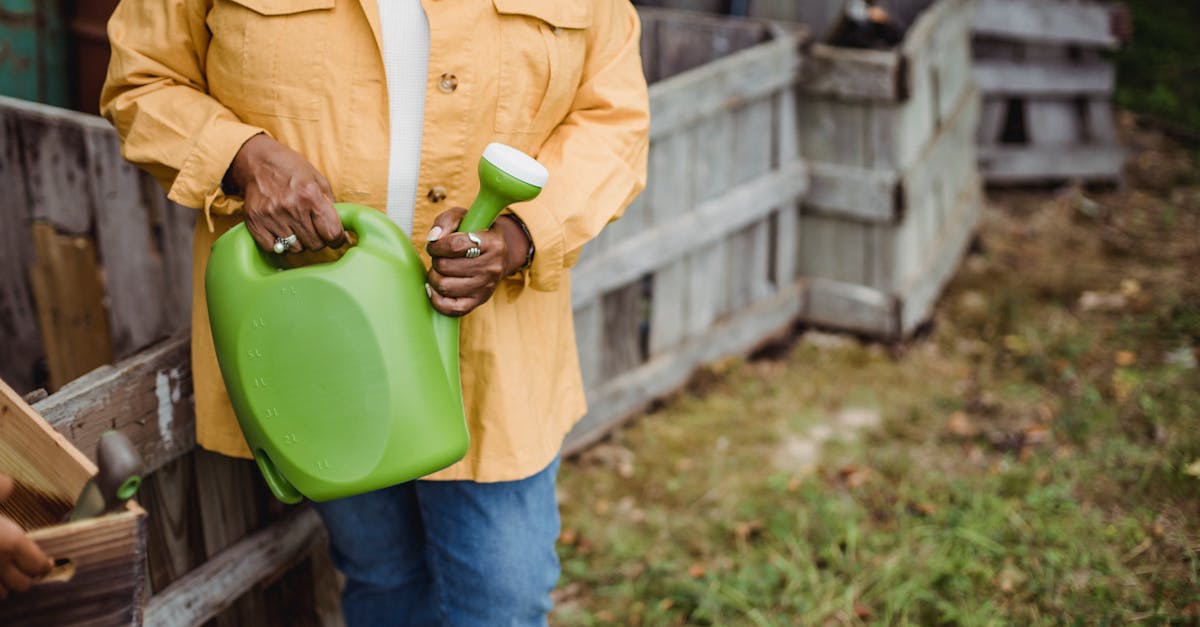
Container gardening is a great way to add flexibility and style to your balcony garden. By using a variety of containers, you can create a cohesive look that complements your plants and your balcony’s décor. Containers also allow you to easily rearrange your garden to create different looks or to accommodate new plants.
When choosing containers for your balcony garden, consider the size, shape, and material of the container. The size of the container should be appropriate for the size of the plant you are growing. The shape of the container can be used to create different effects, such as a cascading display of petunias in a hanging basket or a formal arrangement of herbs in a rectangular planter. The material of the container can also affect the look of your garden, with terracotta pots providing a classic touch and modern fiberglass planters adding a contemporary flair.
No matter what type of containers you choose, make sure they have drainage holes to prevent waterlogging. You should also use a well-draining potting mix to ensure that your plants’ roots have access to oxygen.
Terracotta Pots for a Classic Touch
Terracotta Pots for a Classic Touch
Terracotta pots are a classic choice for container gardening, providing a warm, earthy hue and a timeless appeal that complements any décor. Their natural clay construction allows for good drainage and aeration, making them well-suited for a variety of plants. Terracotta pots are also relatively inexpensive and widely available, making them a popular choice for gardeners of all levels.
One of the main advantages of terracotta pots is their durability. They are устойчивый to frost and can withstand extreme temperatures, making them a good choice for outdoor gardens in both hot and cold climates. Terracotta pots also develop a beautiful patina over time, which adds to their rustic charm.
When using terracotta pots for your balcony garden, be sure to choose a size that is appropriate for the plant you are growing. The pot should be large enough to accommodate the plant’s root system, but not so large that the soil dries out too quickly. You should also make sure that the pot has drainage holes to prevent waterlogging.
Modern Planters for a Contemporary Look
Modern Planters for a Contemporary Look
If you are looking to create a more contemporary look for your balcony garden, opt for planters with clean lines and geometric shapes. Modern planters are available in a variety of materials, including fiberglass, metal, and concrete, and can be used to create a variety of different looks. For a sleek and minimalist look, choose planters with simple, geometric shapes and a neutral color palette. For a more eclectic look, mix and match different shapes and sizes of planters in a variety of colors.
One of the main advantages of modern planters is their durability. Fiberglass planters are устойчивый to fading and cracking, making them a good choice for outdoor gardens in all climates. Metal planters are also durable and can be powder-coated in a variety of colors to match your décor. Concrete planters are the heaviest type of planter, but they are also the most durable and can last for many years.
When choosing modern planters for your balcony garden, be sure to consider the size and shape of the planters in relation to the size of your balcony and the plants you are growing. You should also make sure that the planters have drainage holes to prevent waterlogging.
5. Care and Maintenance: A Healthy Balcony Garden
Care and Maintenance: A Healthy Balcony Garden
To ensure that your balcony garden thrives, it is important to provide your plants with proper care and maintenance. This includes watering, fertilization, and pest control.
Watering
The frequency with which you water your plants will depend on the type of plants you are growing, the size of your containers, and the weather conditions. As a general rule, plants in small containers will need to be watered more frequently than plants in large containers. Plants that are exposed to full sun will also need to be watered more frequently than plants that are in partial shade or full shade.
The best way to determine if your plants need water is to check the soil. Stick your finger in the soil up to the first knuckle. If the soil feels dry, it is time to water your plants. Water your plants deeply, until the water runs out of the drainage holes in the bottom of the container.
Fertilization
Fertilizing your plants regularly will help them to grow healthy and produce abundant blooms and fruit. There are many different types of fertilizers available, so be sure to choose one that is appropriate for the type of plants you are growing.
As a general rule, you should fertilize your plants every two to four weeks during the growing season. Follow the instructions on the fertilizer package for specific application rates.
Pest Control
Pests can be a problem for any garden, but there are a few things you can do to prevent them from damaging your plants. First, keep your garden clean and free of debris. This will help to reduce the number of hiding places for pests. Second, inspect your plants regularly for signs of pests. If you find any pests, treat them immediately with an appropriate pesticide.
By providing your plants with proper care and maintenance, you can ensure that your balcony garden thrives and brings you joy for many years to come.
Watering Frequency and Techniques
Watering Frequency and Techniques
The frequency with which you water your balcony garden will depend on a number of factors, including the type of plants you are growing, the size of your containers, and the weather conditions. As a general rule, plants in small containers will need to be watered more frequently than plants in large containers. Plants that are exposed to full sun will also need to be watered more frequently than plants that are in partial shade or full shade.
During hot or dry weather, you may need to water your plants every day or even twice a day. It is important to check the soil regularly to determine if your plants need water. Stick your finger in the soil up to the first knuckle. If the soil feels dry, it is time to water your plants.
There are a number of different ways to water your balcony garden. One option is to use a watering can or hose. If you are using a hose, be sure to use a nozzle that will gently water your plants without damaging them. Another option is to use a drip irrigation system. Drip irrigation systems deliver water slowly and directly to the roots of your plants, which helps to reduce water waste and evaporation.
Self-watering containers are another good option for balcony gardens. Self-watering containers have a reservoir that holds water and slowly releases it into the soil as needed. This type of container is ideal for people who are away from home for extended periods of time or who simply forget to water their plants regularly.
Fertilizing for Nutrient Replenishment
Fertilizing for Nutrient Replenishment
Fertilizing your balcony garden regularly is essential for providing your plants with the nutrients they need to grow healthy and produce abundant blooms and fruit. There are many different types of fertilizers available, so be sure to choose one that is appropriate for the type of plants you are growing.
As a general rule, you should fertilize your plants every two to four weeks during the growing season. Follow the instructions on the fertilizer package for specific application rates. If you are using a liquid fertilizer, be sure to dilute it according to the package instructions before applying it to your plants.
When fertilizing your plants, it is important to avoid over-fertilizing. Over-fertilizing can damage your plants and can even lead to death. If you are unsure about how much fertilizer to apply, it is always best to err on the side of caution and use less fertilizer than the recommended amount.
In addition to providing your plants with essential nutrients, fertilizer can also help to improve the soil structure and water retention. This can lead to healthier plants that are more resistant to pests and diseases.
Quiz
- True or False: Vertical gardens are a suitable option for balconies with limited space.
- Which type of plant is known for its upright, sword-like leaves?
- Name a benefit of using modern planters with clean lines and geometric shapes.
- How often should you fertilize your balcony plants during the growing season?
- What is the best way to determine if your plants need water?
Answer Key
- True
- Snake plants
- Contemporary aesthetic
- Every two to four weeks
- Check the soil moisture up to the first knuckle
Unlock the Greenery Potential of Your Balcony: A Guide to Thriving Plants in Compact Spaces Attention all balcony-dwelling plant enthusiasts! Read more
Transform Your Balcony into a Flourishing Garden Oasis: A Step-by-Step Guide Beginning a balcony garden can be a fulfilling endeavor, Read more
Unlocking the Potential of Vertical Gardening on Balconies Are you tired of your cramped balcony but still longing for a Read more
Aromatic Delights: Cultivating Herbs on Your Balcony Oasis Whether you're a seasoned gardener or just starting out, growing herbs on Read more