
Spicing Up Your Balcony: A Guide to Growing a Flavorful Salsa Garden

Are you dreaming of enjoying fresh, homemade salsa made with ingredients grown on your own balcony? With the right plant varieties and a little TLC, you can create a thriving balcony salsa garden that will provide you with an abundance of delicious peppers, tomatoes, onions, and herbs.
From compact tomato varieties like ‘Tumbling Tom’ to flavorful pepper varieties like ‘Carmen,’ this article will guide you through choosing the best plants for your balcony salsa garden. We’ll also cover essential tips for planning, planting, and maintaining your garden, ensuring a bountiful harvest throughout the growing season.
Ready to embark on a culinary adventure and savor the flavors of a homemade salsa garden? Let’s dive into the details and create a thriving salsa haven on your balcony!
1. Compact Tomato Varieties for Balcony Gardens
When space is limited, choosing compact tomato varieties for your balcony garden is essential. These varieties are specially bred to thrive in containers and produce abundant yields despite their smaller size.
One of the most popular compact tomato varieties for balcony gardens is ‘Tumbling Tom.’ This variety is known for its cascading growth habit, making it ideal for hanging baskets or vertical trellises. ‘Tumbling Tom’ produces an abundance of small, flavorful tomatoes throughout the growing season.
Another excellent choice for balcony gardens is the ‘Patio Hybrid’ tomato. This variety is known for its compact size and disease resistance, making it easy to grow even for beginners. ‘Patio Hybrid’ produces medium-sized tomatoes with a sweet and slightly tangy flavor.
Tumbling Tom Tomatoes
‘Tumbling Tom’ tomatoes are a popular choice for balcony gardens due to their compact size and prolific fruit production. These tomatoes are known for their cascading growth habit, which makes them ideal for hanging baskets or vertical trellises. The plants are vigorous and produce an abundance of small, flavorful tomatoes throughout the growing season.
‘Tumbling Tom’ tomatoes are relatively easy to grow and are suitable for both beginner and experienced gardeners. They prefer well-drained soil, plenty of sunlight, and regular watering. Fertilizing the plants every few weeks will help to promote healthy growth and fruit production.
If you are looking for a compact and productive tomato variety for your balcony garden, ‘Tumbling Tom’ is an excellent choice. These tomatoes are sure to provide you with a bountiful harvest of fresh, delicious tomatoes all season long.
Patio Hybrid Tomatoes
‘Patio Hybrid’ tomatoes are a compact and disease-resistant variety that is perfect for growing in small containers on balconies or patios. These tomatoes are known for their abundant yields of flavorful fruits, making them a great choice for home gardeners.
‘Patio Hybrid’ tomatoes are determinate, meaning that they will grow to a specific height and then stop. This makes them ideal for growing in containers, as they will not outgrow their space. The plants are also relatively low-maintenance and are suitable for both beginner and experienced gardeners.
To grow ‘Patio Hybrid’ tomatoes in containers, use a well-drained potting mix and provide the plants with plenty of sunlight and water. Fertilizing the plants every few weeks will help to promote healthy growth and fruit production. With proper care, ‘Patio Hybrid’ tomatoes will produce an abundance of fresh, delicious tomatoes throughout the growing season.
2. Flavorful Pepper Varieties for Zesty Salsa
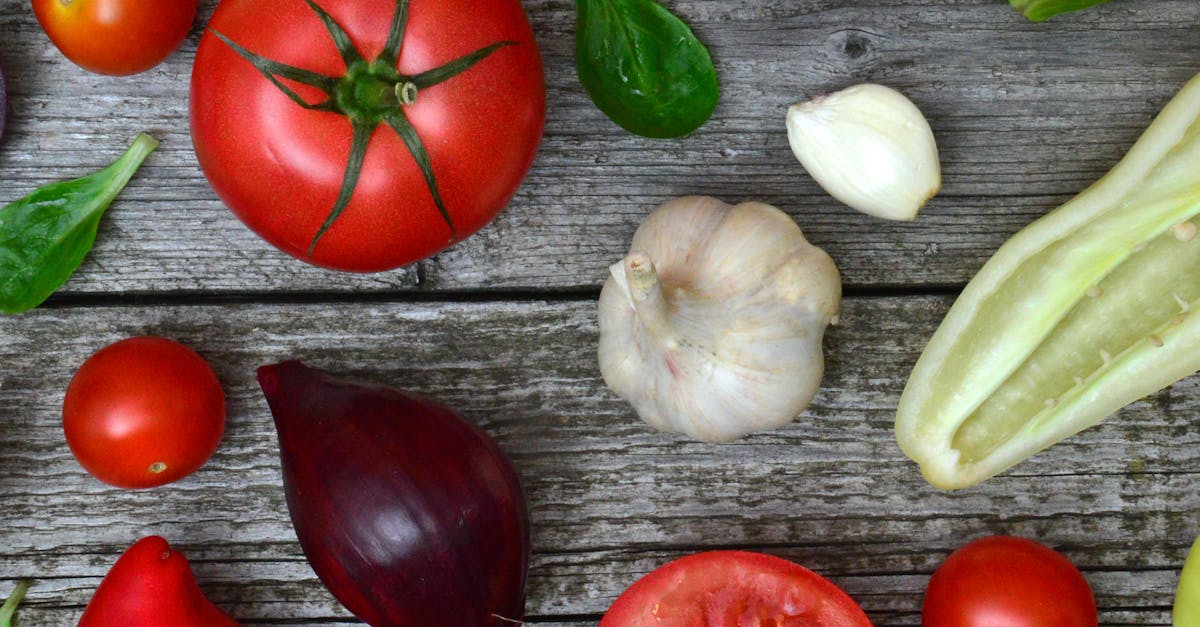
When it comes to adding zest and flavor to your salsa, choosing the right pepper varieties is essential. There are many different types of peppers to choose from, each with its own unique flavor profile. Some of the most popular and flavorful pepper varieties for salsa include ‘Carmen’ and ‘Anaheim.’
‘Carmen’ peppers are a medium-sized pepper with a slightly tapered shape. They have a vibrant red color and a mild to medium heat level. ‘Carmen’ peppers are known for their sweet and slightly fruity flavor, which makes them a great choice for adding a touch of sweetness to your salsa.
‘Anaheim’ peppers are a long and mild pepper with a slightly sweet flavor. They have a medium heat level and are known for their versatility. ‘Anaheim’ peppers can be used in a variety of dishes, including salsa, stir-fries, and fajitas.
Carmen Peppers
‘Carmen’ peppers are a beautiful and flavorful variety of pepper that is perfect for adding a vibrant hue and subtle heat to your salsa. These peppers are medium-sized and have a slightly tapered shape. They are known for their deep red color and mild to medium heat level.
‘Carmen’ peppers have a sweet and slightly fruity flavor, which makes them a great choice for adding a touch of sweetness to your salsa. They are also relatively mild, so they are a good choice for people who do not like spicy food. ‘Carmen’ peppers are also a good source of vitamins and minerals, including vitamin C, vitamin A, and potassium.
To grow ‘Carmen’ peppers, you will need to provide them with plenty of sunlight and water. They prefer well-drained soil and should be fertilized regularly. ‘Carmen’ peppers are relatively easy to grow and are suitable for both beginner and experienced gardeners.
Anaheim Peppers
‘Anaheim’ peppers are a versatile and flavorful variety of pepper that is perfect for adding a medium heat and slightly sweet taste to your salsa. These peppers are long and have a slightly tapered shape. They are known for their mild to medium heat level and their slightly sweet flavor.
‘Anaheim’ peppers are a good all-purpose pepper and can be used in a variety of dishes, including salsa, stir-fries, and fajitas. They are also a good source of vitamins and minerals, including vitamin C, vitamin A, and potassium.
To grow ‘Anaheim’ peppers, you will need to provide them with plenty of sunlight and water. They prefer well-drained soil and should be fertilized regularly. ‘Anaheim’ peppers are relatively easy to grow and are suitable for both beginner and experienced gardeners.
3. Zesty Onion Varieties for Aromatic Salsa
When it comes to adding depth and complexity to your salsa, choosing the right onion varieties is essential. Different types of onions have unique flavors and textures that can enhance the overall taste of your salsa. Two excellent onion varieties for salsa are ‘Cipollini’ and ‘Red Burgundy.’
‘Cipollini’ onions are small,扁的洋葱以其温和而甜美的风味而闻名。它们具有略微压扁的形状,淡黄色的皮肤和白色的果肉。Cipollini洋葱为你的莎莎酱增添了一种精致而甜美的味道,非常适合平衡其他成分的辛辣味。
‘红勃艮第’洋葱是一种大而辛辣的洋葱,具有浓烈的味道。它们具有深红色的皮肤和紫红色的果肉。红勃艮第洋葱为你的莎莎酱增添了一种浓郁而辛辣的味道,非常适合为你的莎莎酱增添深度和辛辣味。
Cipollini Onions
‘Cipollini’ onions are a unique and flavorful variety of onion that is perfect for adding a delicate touch to your salsa. These onions are small and扁的,具有淡黄色的皮肤和白色的果肉。它们以其温和而甜美的风味而闻名。
Cipollini洋葱非常适合为你的莎莎酱增添一丝甜味,同时又不掩盖其他成分的味道。它们的大小和形状也使它们易于切丁或切片,使其成为制作莎莎酱的理想选择。
要种植Cipollini洋葱,你需要为它们提供充足的阳光和排水良好的土壤。它们应该在整个生长季节定期浇水和施肥。Cipollini洋葱相对容易种植,非常适合初学者和经验丰富的园丁。
Red Burgundy Onions
‘Red Burgundy’ onions are a bold and flavorful variety of onion that is perfect for adding a distinctive touch to your salsa. These onions are large and have a deep red skin and紫红色的果肉。它们以其辛辣、辛辣的味道而闻名。
Red Burgundy洋葱非常适合为你的莎莎酱增添深度和辛辣味。它们浓郁的味道可以很好地平衡其他成分的甜味和酸味。它们的大小也使它们易于切丁或切片,使其成为制作莎莎酱的理想选择。
要种植Red Burgundy洋葱,你需要为它们提供充足的阳光和排水良好的土壤。它们应该在整个生长季节定期浇水和施肥。Red Burgundy洋葱相对容易种植,非常适合初学者和经验丰富的园丁。
4. Aromatic Herb Varieties for Enriching Salsa
When it comes to adding freshness and complexity to your salsa, choosing the right herbs is essential. Different types of herbs have unique flavors and aromas that can enhance the overall taste of your salsa. Two essential herbs for salsa are ‘Cilantro’ and ‘Basil.’
‘Cilantro’ is a leafy herb with a bright, citrusy flavor. It is a staple ingredient in many Mexican and Latin American dishes, including salsa. Cilantro adds a burst of freshness to your salsa and helps to balance out the heat of the peppers.
‘Basil’ is another popular herb that is often used in salsa. It has a sweet, slightly peppery flavor that adds depth and complexity to your salsa. Basil is also a good source of antioxidants and has been shown to have anti-inflammatory properties.
Cilantro
‘Cilantro’ is a leafy herb with a bright, citrusy flavor that is commonly used in Mexican and Latin American cuisine. It is a staple ingredient in many dishes, including salsa, guacamole, and tacos. Cilantro adds a burst of freshness to your salsa and helps to balance out the heat of the peppers.
Cilantro is a good source of vitamins and minerals, including vitamin C, vitamin A, and potassium. It is also a good source of antioxidants, which can help to protect your cells from damage. Cilantro is relatively easy to grow and can be grown in a variety of climates. It prefers well-drained soil and plenty of sunlight.
To use cilantro in your salsa, simply chop the leaves and add them to your salsa recipe. Cilantro can also be used as a garnish for your salsa.
Basil
‘Basil’ is a sweet, earthy, and slightly peppery herb that is commonly used in Italian and Mediterranean cuisine. It is a staple ingredient in many dishes, including pesto, pasta sauces, and pizzas. Basil adds a burst of flavor to your salsa and helps to balance out the heat of the peppers.
Basil is a good source of vitamins and minerals, including vitamin K, vitamin A, and manganese. It is also a good source of antioxidants, which can help to protect your cells from damage. Basil is relatively easy to grow and can be grown in a variety of climates. It prefers well-drained soil and plenty of sunlight.
To use basil in your salsa, simply chop the leaves and add them to your salsa recipe. Basil can also be used as a garnish for your salsa.
5. Creating a Thriving Balcony Salsa Garden
Creating a thriving balcony salsa garden is a fun and rewarding way to enjoy fresh, homegrown ingredients. With a little planning and care, you can grow a variety of tomatoes, peppers, onions, and herbs in containers on your balcony. Here are some essential tips to help you get started:
Planning Your Garden Layout: When planning your balcony salsa garden, it is important to consider the amount of space you have and the amount of sunlight your balcony receives. Choose a variety of plants that will fit well in your space and that will receive the right amount of sunlight. It is also important to group plants together that have similar water and nutrient needs.
Planting and Care Techniques: Once you have planned your garden layout, it is time to start planting. Be sure to use a good quality potting mix and to plant your seedlings at the correct depth. Water your plants regularly and fertilize them every few weeks. You will also need to prune your plants regularly to encourage growth and to prevent them from becoming too leggy.
Troubleshooting Common Issues: As you care for your balcony salsa garden, you may encounter some common problems. These problems can include pests, diseases, and nutrient deficiencies. It is important to identify and treat these problems quickly to prevent them from damaging your plants.
Planning Your Garden Layout
When planning the layout of your balcony salsa garden, there are a few things to keep in mind. First, you will need to make sure that you have enough space for all of your plants. Tomatoes, peppers, and onions can all grow quite large, so it is important to give them plenty of room to grow. You can save space by growing your plants vertically, using trellises or stakes.
Another thing to consider when planning your garden layout is companion planting. Companion planting is the practice of planting different types of plants together that benefit each other. For example, tomatoes and basil are good companion plants because the basil helps to repel pests that can damage the tomatoes.
Finally, you will need to choose the right containers for your balcony salsa garden. Containers should be large enough to accommodate the size of your plants and should have drainage holes to prevent the roots from rotting. You can use a variety of different materials for your containers, such as plastic, ceramic, or wood. Choose containers that are durable and that will withstand the elements.
Planting and Care Techniques
Once you have planned the layout of your balcony salsa garden, it is time to start planting. Here are a few tips to help you get started:
Planting Depths: When planting your seedlings, be sure to plant them at the correct depth. The depth will vary depending on the type of plant. For example, tomatoes should be planted deep enough so that the first set of leaves is just above the soil line.
Watering Schedule: Watering your plants regularly is essential for healthy growth. The amount of water you need to give your plants will vary depending on the type of plant, the size of the plant, and the weather conditions. A good rule of thumb is to water your plants deeply once a week.
Fertilization Techniques: Fertilizing your plants every few weeks will help to promote healthy growth and optimal salsa ingredients. You can use a variety of different fertilizers, both organic and inorganic. Choose a fertilizer that is specifically designed for tomatoes, peppers, and onions.
Troubleshooting Common Issues
As you care for your balcony salsa garden, you may encounter some common problems. These problems can include pests, diseases, and nutrient deficiencies. Here are a few tips to help you identify and solve these problems:
Pests: There are a number of pests that can damage your balcony salsa garden, including aphids, whiteflies, and spider mites. Aphids are small, soft-bodied insects that feed on plant sap. Whiteflies are small, flying insects that also feed on plant sap. Spider mites are tiny, spider-like creatures that feed on plant leaves. To control these pests, you can use a variety of methods, including insecticidal soap, neem oil, or ladybugs.
Diseases: There are also a number of diseases that can affect your balcony salsa garden, including powdery mildew, blight, and fusarium wilt. Powdery mildew is a fungal disease that causes a white powdery coating on leaves. Blight is a bacterial disease that causes leaves to turn brown and wilt. Fusarium wilt is a fungal disease that causes plants to wilt and die. To control these diseases, you can use a variety of methods, including fungicides, crop rotation, and sanitation.
Nutrient Deficiencies: Nutrient deficiencies can also occur in balcony salsa gardens. These deficiencies can be caused by a number of factors, including poor soil quality, overwatering, or underwatering. To correct nutrient deficiencies, you can use a variety of methods, including adding fertilizer to the soil, adjusting the watering schedule, or adding organic matter to the soil.
Quiz
1. Which of the following is NOT a benefit of companion planting in a balcony salsa garden?
(a) Pest control (b) Increased yield (c) Improved soil health (d) Reduced water consumption
2. True or False: It is important to fertilize your balcony salsa garden every day.
3. Which of the following is a common pest that can damage balcony salsa gardens?
(a) Aphids (b) Birds (c) Squirrels (d) Rabbits
4. What is the best way to control powdery mildew in a balcony salsa garden?
(a) Using a fungicide (b) Removing infected leaves (c) Watering the plants more frequently (d) Pruning the plants
5. True or False: Nutrient deficiencies can be caused by poor soil quality.
Answer Key
- (d)
- False
- (a)
- (a)
- True
Answers for Quiz
Unlock the Greenery Potential of Your Balcony: A Guide to Thriving Plants in Compact Spaces Attention all balcony-dwelling plant enthusiasts! Read more
Transform Your Balcony into a Flourishing Garden Oasis: A Step-by-Step Guide Beginning a balcony garden can be a fulfilling endeavor, Read more
Unlocking the Potential of Vertical Gardening on Balconies Are you tired of your cramped balcony but still longing for a Read more
Aromatic Delights: Cultivating Herbs on Your Balcony Oasis Whether you're a seasoned gardener or just starting out, growing herbs on Read more