
Illuminating Shady Spaces: The Ultimate Guide to Low-Light Plants for Balconies

Unlocking the Beauty of Low-Light Plants: A Guide to Greening Shady Balconies
Are you yearning to transform your shady balcony into a verdant oasis but don’t know where to start? The secret lies in choosing low-light plants—resilient species that can thrive in even the most dimly lit spaces. This comprehensive guide will introduce you to the top five low-light plants ideal for balconies, empowering you to create a lush and inviting outdoor sanctuary. From the elegant Peace Lily to the indestructible Cast Iron Plant, we’ll delve into their unique characteristics, care requirements, and the art of arranging them for maximum visual appeal.
Embark on this botanical journey with us and discover the joy of cultivating greenery on your balcony, regardless of its light conditions. Let these low-light wonders breathe life into your shady haven and bring a touch of nature’s tranquility to your urban retreat.
1. Understanding Low-Light Conditions
Understanding Low-Light Conditions: A Guide to Illuminating Shady Balconies
When it comes to gardening on balconies, understanding light conditions is crucial for selecting plants that will thrive in your specific environment. Low-light conditions, characterized by limited direct sunlight, can pose a challenge for plant growth. However, with the right knowledge and plant choices, you can create a vibrant and flourishing balcony garden even in shady areas.
To determine if your balcony receives low light, observe the amount of direct sunlight it gets throughout the day. If your balcony receives less than four hours of direct sunlight, it is considered low-light. Factors such as surrounding buildings, trees, and the orientation of your balcony can all influence the amount of light it receives. Understanding these conditions will help you make informed decisions when selecting plants for your balcony oasis.
2. Top 5 Low-Light Plants for Balconies
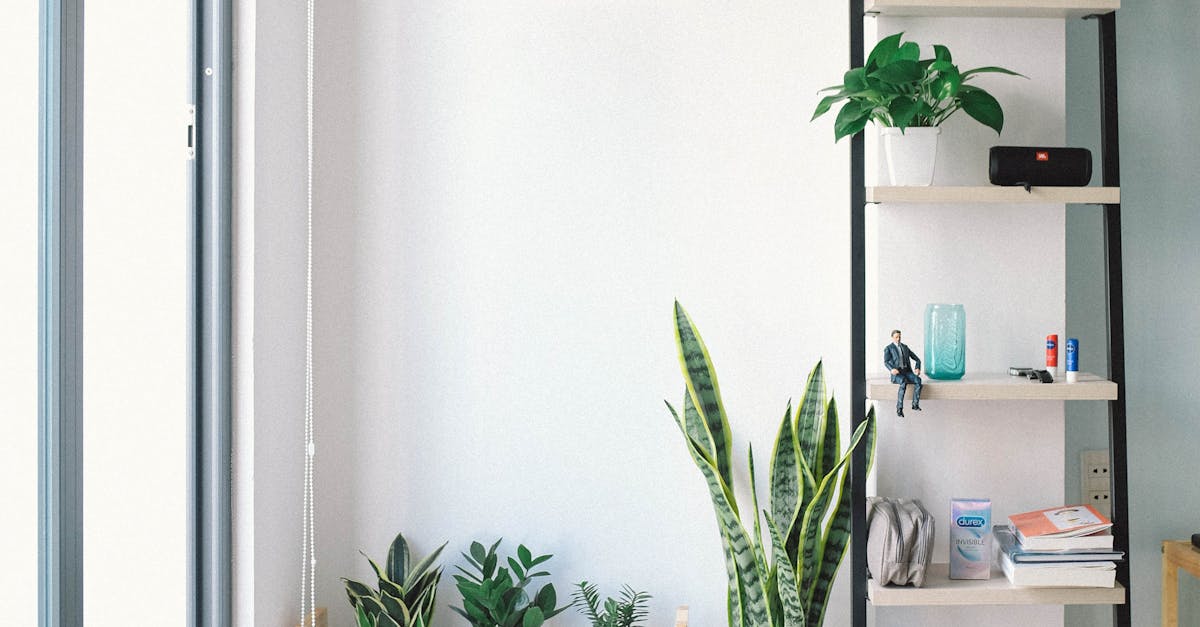
Top 5 Low-Light Plants for Balconies: Thriving in Shady Oases
Embark on a journey into the world of low-light plants and discover the top five species that will flourish on your shady balcony. These resilient botanical wonders are not only tolerant of low light conditions but also offer a range of unique features and benefits, adding beauty and tranquility to your outdoor space.
-
Snake Plant (Sansevieria trifasciata): Known for its architectural form and hardiness, the Snake Plant is an ideal choice for beginners and busy plant parents alike. Its upright, sword-like leaves add a touch of modern elegance to any balcony, and it can even purify the air, removing toxins like formaldehyde and benzene.
-
ZZ Plant (Zamioculcas zamiifolia): With its glossy, dark green leaves and low maintenance requirements, the ZZ Plant is a true survivor. It can withstand periods of drought and neglect, making it perfect for those with hectic schedules or frequent travels. Its ability to thrive in low light conditions makes it a popular choice for dimly lit balconies.
-
Peace Lily (Spathiphyllum wallisii): Add a touch of grace and tranquility to your balcony with the Peace Lily. Its elegant white blooms and lush foliage create a serene atmosphere, while its air-purifying qualities help remove harmful toxins from the air. It prefers indirect sunlight, making it well-suited for shady balconies.
Snake Plant
Snake Plant: A Resilient Superstar for Low-Light Balconies
Among the top low-light plants for balconies, the Snake Plant (Sansevieria trifasciata) stands out as a true champion. Known for its architectural form and remarkable hardiness, this plant is a perfect choice for beginners and seasoned plant enthusiasts alike. Its upright, sword-like leaves add a touch of modern elegance to any balcony, while its tolerance for neglect and ability to purify the air make it a practical and healthy choice.
The Snake Plant’s resilience stems from its succulent leaves, which store water, enabling it to survive periods of drought. This makes it an ideal plant for those with busy schedules or frequent travels. It can also tolerate a wide range of light conditions, from low light to bright indirect light, making it suitable for balconies with varying levels of sunlight.
In addition to its hardiness, the Snake Plant is also known for its air-purifying qualities. Studies have shown that it can effectively remove toxins like formaldehyde and benzene from the air, contributing to a healthier indoor environment. Its ability to improve air quality makes it a valuable addition to any home or office space, including balconies.
ZZ Plant
ZZ Plant: The Indestructible Houseplant for Low-Light Balconies
The ZZ Plant (Zamioculcas zamiifolia) is a true survivor in the plant world, renowned for its unique foliage and exceptional adaptability to low light conditions. Its popularity stems from its remarkable resilience and ease of care, making it an ideal choice for busy individuals or those new to plant parenthood.
The ZZ Plant’s signature feature is its glossy, dark green leaves, which are arranged in a symmetrical, upright fashion. This verleiht a touch of modern elegance to any space, complementing both contemporary and traditional décor. Unlike many other plants, the ZZ Plant can tolerate extended periods of drought, making it a low-maintenance option for those with hectic schedules or frequent travels.
In terms of light requirements, the ZZ Plant is incredibly versatile. It can thrive in low light conditions, making it perfect for dimly lit balconies or rooms with limited natural light. However, it can also tolerate brighter indirect light, providing flexibility in placement. This adaptability makes the ZZ Plant a versatile choice that can enhance any indoor or outdoor space.
Peace Lily
Peace Lily: Bringing Elegance and Purity to Low-Light Balconies
The Peace Lily (Spathiphyllum wallisii) is a graceful and air-purifying plant that adds a touch of serenity to any balcony. Known for its elegant white blooms and lush foliage, it is a popular choice for both indoor and outdoor spaces. The Peace Lily’s ability to thrive in low light conditions makes it an ideal option for dimly lit balconies or rooms with limited natural light.
In addition to its aesthetic appeal, the Peace Lily is also valued for its air-purifying qualities. Studies have shown that it can effectively remove toxins like formaldehyde, benzene, and trichloroethylene from the air, contributing to a healthier indoor environment. This makes it a beneficial plant for homes, offices, and other enclosed spaces.
To care for a Peace Lily, it is important to provide it with indirect sunlight and maintain consistent moisture. Avoid placing it in direct sunlight, as this can scorch the leaves. Water the plant regularly, allowing the soil to dry out slightly between waterings. Peace Lilies prefer moist but not waterlogged soil, so it is important to avoid overwatering.
Golden Pothos
Golden Pothos: A Versatile and Low-Maintenance Vine for Balconies
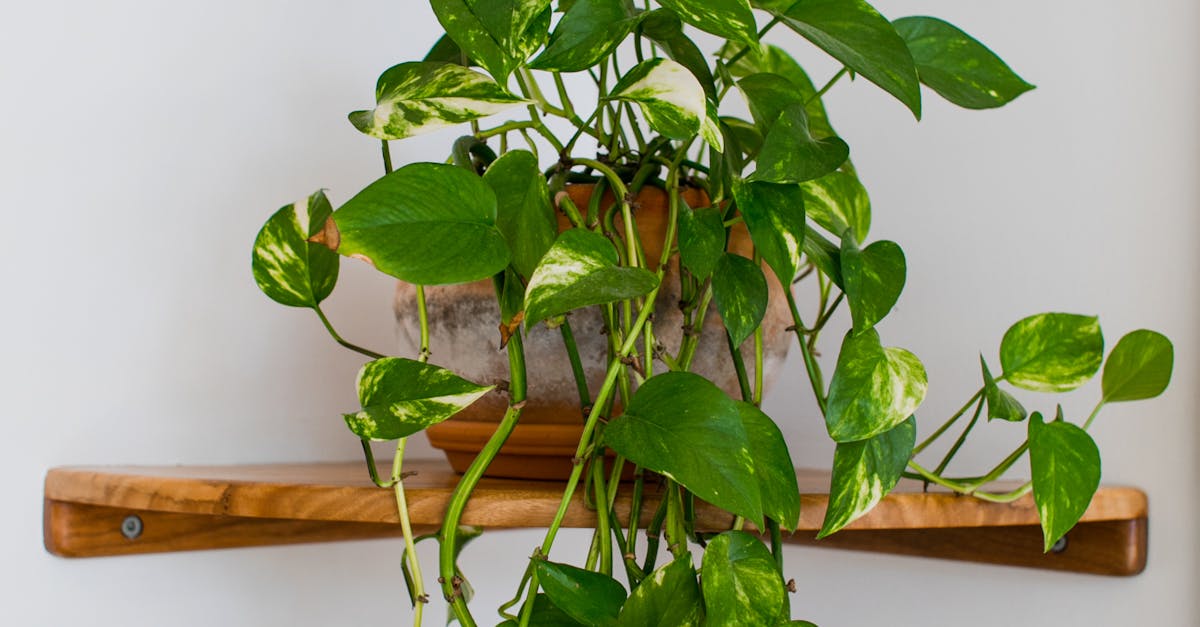
The Golden Pothos (Epipremnum aureum) is a popular and versatile trailing plant known for its heart-shaped leaves and variegated patterns. Its ability to tolerate low light conditions and its relatively low-maintenance nature make it an ideal choice for balconies with limited sunlight or for those who may not have a lot of time for plant care.
The Golden Pothos is characterized by its long, trailing vines that can reach several feet in length. The leaves are heart-shaped and variegated, with shades of green, yellow, and cream. This variegated nature adds a touch of color and interest to any space. The plant is relatively easy to care for and can tolerate a wide range of light conditions, from low light to bright indirect light. It prefers moist but not waterlogged soil and should be fertilized monthly during the growing season.
The Golden Pothos is not only a beautiful and versatile plant, but it also has air-purifying qualities. Studies have shown that it can effectively remove toxins like formaldehyde and benzene from the air, contributing to a healthier indoor environment. This makes it a beneficial plant for homes, offices, and other enclosed spaces.
Cast Iron Plant
Cast Iron Plant: An Unbreakable Survivor for Low-Light Balconies
The Cast Iron Plant (Aspidistra elatior) is renowned for its exceptional durability and tolerance for extreme conditions. Its ability to thrive in low light, withstand drought, and endure neglect makes it an ideal choice for balconies with limited sunlight or for those who may not have a lot of time for plant care.
The Cast Iron Plant is characterized by its dark green, sword-like leaves that grow upright from a central point. It has a slow growth rate and can reach a height of up to 2 feet. Its resilience stems from its thick, leathery leaves and strong root system, which allow it to survive in harsh conditions. The plant can tolerate low light levels, making it suitable for dimly lit balconies or rooms with limited natural light.
In terms of care, the Cast Iron Plant is incredibly low-maintenance. It prefers moist but not waterlogged soil and can tolerate periods of drought. It does not require frequent fertilization and can generally survive with minimal attention. This makes it an ideal plant for those who may forget to water or fertilize their plants regularly.
3. Creating a Balanced Balcony
Creating a Balanced Balcony: A Guide to Arranging Low-Light Plants for Beauty and Harmony
When arranging low-light plants on your balcony, consider the following principles to create a balanced and visually appealing display:
1. Spacing: Allow adequate space between plants to ensure proper air circulation and prevent overcrowding. This will help prevent pests and diseases and promote healthy growth.
2. Height: Vary the heights of your plants to add visual interest and depth to your arrangement. Place taller plants in the back or center, and shorter plants in the front or around the edges.
3. Color Combinations: Consider the colors of your plants and pots when arranging them. Create a harmonious look by pairing plants with complementary colors or by using a monochromatic scheme. You can also add pops of color with brightly colored pots or accessories.
4. Tips for Low-Light Plant Care
Tips for Low-Light Plant Care: Ensuring the Health and Longevity of Your Indoor Oasis
To keep your low-light plants thriving, follow these practical care tips:
1. Watering: Low-light plants generally require less water than those in brighter conditions. Allow the soil to dry out slightly between waterings to prevent overwatering, which can lead to root rot. Use room-temperature water and avoid getting water on the leaves, as this can promote fungal growth.
2. Fertilizing: Fertilize low-light plants monthly during the growing season (spring and summer) with a balanced liquid fertilizer diluted to half strength. Avoid over-fertilizing, as this can burn the roots.
3. Pest Control: Low-light plants are generally less susceptible to pests than those in brighter conditions, but they can still be affected by common houseplants pests such as mealybugs, aphids, and spider mites. Regularly inspect your plants for signs of pests and treat them promptly with an appropriate pesticide.
5. Conclusion: Greenery for Every Balcony
Conclusion: Embracing Greenery in Every Balcony, Regardless of Light Conditions
In conclusion, low-light plants offer a wealth of benefits and beauty, making them an ideal choice for shady balconies. By understanding their specific needs and following the care tips outlined in this article, you can create a lush and thriving balcony garden that will bring joy and tranquility to your outdoor space.
Embrace the beauty of low-light plants and transform your shady balcony into a verdant haven. Let these resilient and adaptable species add a touch of nature’s serenity to your urban retreat. Remember, with a little care and attention, you can enjoy the beauty of greenery on your balcony, regardless of the light conditions.
Quiz: Test Your Knowledge of Low-Light Plants for Balconies
1. Which of the following is a characteristic of low-light conditions? (a) Direct sunlight for more than 6 hours a day (b) Indirect sunlight or shade for most of the day (c) Complete darkness
2. Which of the following plants is NOT well-suited for low-light balconies? (a) Snake Plant (b) ZZ Plant (c) Geranium
3. True or False: Low-light plants require more frequent watering than plants in brighter conditions. (a) True (b) False
4. What is a key benefit of low-light plants, especially for balconies with limited sunlight? (a) Their tolerance for neglect and low maintenance (b) Their ability to purify the air and improve indoor air quality (c) Their vibrant colors and showy blooms
5. Which of the following is NOT a tip for arranging low-light plants on a balcony for optimal growth and visual appeal? (a) Consider spacing and height variation (b) Choose plants with contrasting colors (c) Overcrowd the balcony with as many plants as possible
Answer Key:
- (b)
- (c)
- (b)
- (a)
- (c)
Unlock the Greenery Potential of Your Balcony: A Guide to Thriving Plants in Compact Spaces Attention all balcony-dwelling plant enthusiasts! Read more
Transform Your Balcony into a Flourishing Garden Oasis: A Step-by-Step Guide Beginning a balcony garden can be a fulfilling endeavor, Read more
Unlocking the Potential of Vertical Gardening on Balconies Are you tired of your cramped balcony but still longing for a Read more
Aromatic Delights: Cultivating Herbs on Your Balcony Oasis Whether you're a seasoned gardener or just starting out, growing herbs on Read more