
Vertical Gardens: A Balcony Trellis Paradise
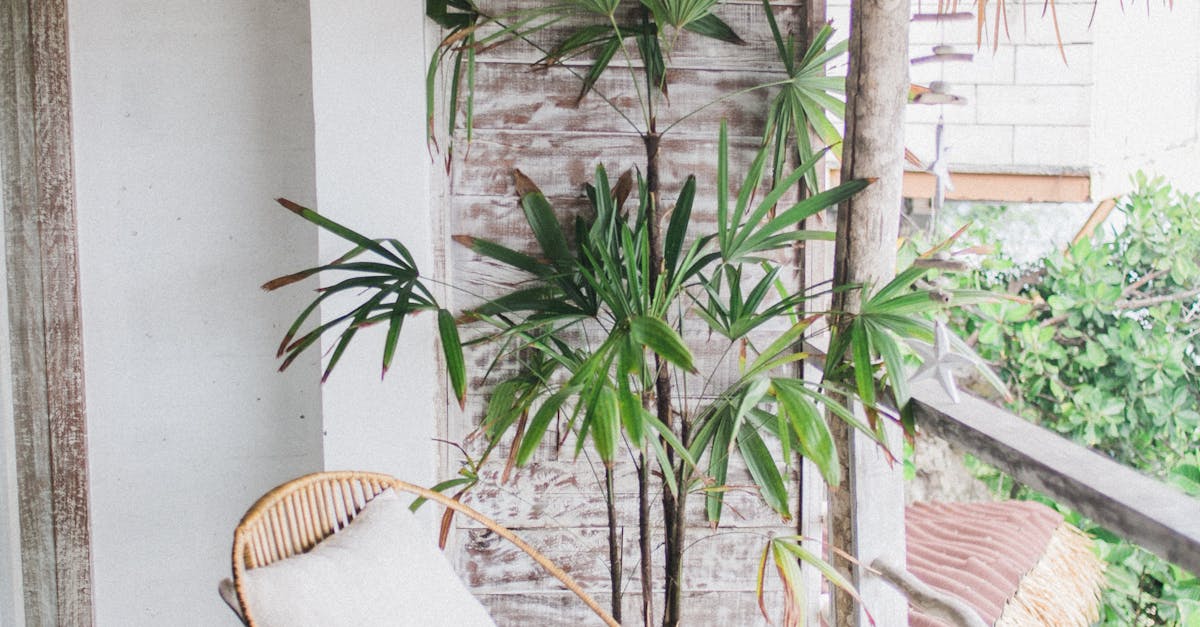
Balcony gardens are gaining popularity due to their compact size and accessibility. Climbers are perfect for maximizing vertical space and adding color and interest to these gardens. We’ve compiled a guide to the best climbing plants for balcony trellises, covering their unique characteristics, care requirements, and the beauty they bring to urban spaces.
From the vibrant blooms of passionflowers to the sweet fragrance of honeysuckle, each plant in this guide offers something special. We’ll explore the diversity of clematis, the rapid growth of morning glories, and the evergreen charm of star jasmine. With proper care and support, these climbers will transform your balcony into a vertical oasis, creating a private haven of color, fragrance, and natural beauty.
1. 1. Passionflower: A Show-Stopping Climber
Passionflowers are a genus of over 500 species of flowering plants, native to tropical and subtropical regions of the Americas, Asia, Australia, and Africa. They are known for their captivating blooms, which come in a wide range of colors, including purple, pink, red, white, and yellow. Passionflowers also have distinctive foliage, with deeply lobed leaves that add interest to the plant even when it is not in bloom.
Passionflowers are vigorous growers, and they can quickly cover a trellis or other support structure. This makes them an ideal choice for balcony gardens, where space is often limited. However, it is important to provide them with a sturdy trellis, as their stems can be quite heavy when they are in bloom.
In addition to their beauty, passionflowers also attract pollinators, such as butterflies and bees. This can help to create a more lively and vibrant balcony garden. Passionflowers are also relatively low-maintenance plants, making them a good choice for busy gardeners.
Varieties of Passionflower
There are over 500 species of passionflowers, but only a few are commonly grown as ornamental plants. Some of the most popular varieties include:
-
Passiflora caerulea (blue passionflower): This is the most common species of passionflower, and it is known for its large, showy flowers that are blue or purple in color. It also has attractive foliage, with deeply lobed leaves that are green on the upper side and purple on the underside.
-
Passiflora incarnata (maypop passionflower): This species is native to North America, and it is known for its edible fruit, which is also called maypop. The flowers of Passiflora incarnata are smaller than those of Passiflora caerulea, but they are still very beautiful, with white petals and a purple center.
-
Passiflora edulis (passionfruit): This species is native to South America, and it is grown for its edible fruit, which is also called passionfruit. The flowers of Passiflora edulis are similar to those of Passiflora caerulea, but they are smaller and have a yellow or orange center.
-
Passiflora vitifolia (grape-leaved passionflower): This species is native to the Caribbean, and it is known for its large, grape-like leaves. The flowers of Passiflora vitifolia are also large and showy, with white petals and a purple center.
These are just a few of the many different varieties of passionflowers that are available. With so many different options to choose from, you are sure to find the perfect passionflower for your balcony garden.
Trellis Support for Passionflower
Passionflowers are vigorous growers, and they need a sturdy trellis to support their weight. When choosing a trellis for your passionflower, there are a few things to keep in mind:
-
The size of the trellis: The trellis should be large enough to support the mature size of your passionflower. A good rule of thumb is to choose a trellis that is at least two-thirds the height of your passionflower.
-
The material of the trellis: The trellis should be made of a durable material, such as metal or wood. Avoid using plastic trellises, as they are not strong enough to support the weight of a passionflower.
-
The shape of the trellis: The trellis can be any shape you like, but it is important to choose a shape that will allow the passionflower to grow and climb easily. Some popular trellis shapes for passionflowers include arbors, pergolas, and obelisks.
Once you have chosen a trellis, it is important to install it securely. The trellis should be anchored into the ground or attached to a wall or fence. This will prevent the trellis from falling over and damaging your passionflower.
Here are some additional tips for trellising passionflowers:
-
Train the passionflower to grow up the trellis as it grows. You can do this by gently tying the stems to the trellis with twine or wire.
-
Prune the passionflower regularly to keep it under control. Pruning will also encourage the passionflower to produce more flowers.
-
Fertilize the passionflower regularly to keep it healthy and vigorous.
Care Tips for Passionflower
Passionflowers are relatively low-maintenance plants, but they do require some basic care to keep them healthy and blooming. Here are some essential care tips for passionflowers on balconies:
-
Watering: Passionflowers need regular watering, especially during hot and dry weather. Water the passionflower deeply, and allow the soil to dry out slightly before watering again. Avoid overwatering, as this can lead to root rot.
-
Fertilizing: Passionflowers benefit from regular fertilization. Fertilize the passionflower every two weeks with a balanced liquid fertilizer. You can also use a slow-release fertilizer that will release nutrients over time.
-
Pruning: Passionflowers can be pruned to control their size and shape. Pruning will also encourage the passionflower to produce more flowers. Prune the passionflower in the spring or fall, after it has finished blooming.
Here are some additional care tips for passionflowers on balconies:
-
Provide adequate sunlight: Passionflowers need full sun to partial shade to bloom well. If your balcony does not receive enough sunlight, you can grow the passionflower in a container and move it to a sunnier location during the day.
-
Protect from frost: Passionflowers are not cold-hardy, so they need to be protected from frost. If you live in a cold climate, you can grow the passionflower in a container and bring it indoors during the winter months.
-
Watch for pests and diseases: Passionflowers are susceptible to a few pests and diseases, such as aphids, spider mites, and powdery mildew. Inspect the passionflower regularly for signs of pests or diseases, and treat them promptly.
2. 2. Clematis: The Queen of Climbers
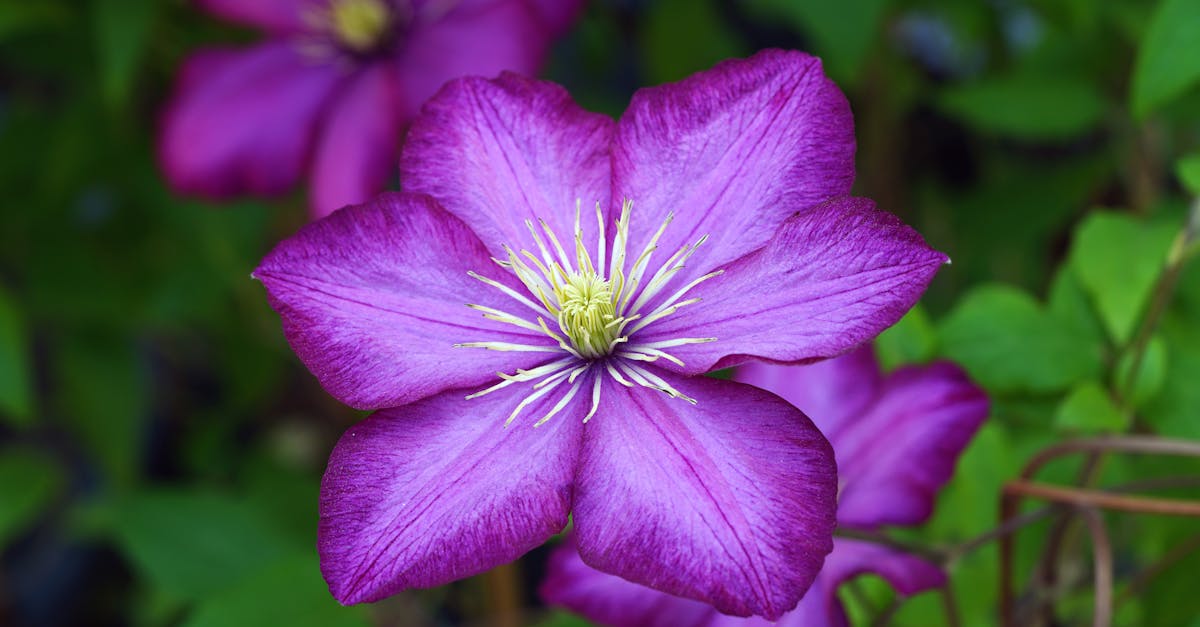
Clematis are a genus of over 300 species of flowering plants, native to temperate regions of the Northern Hemisphere. They are known for their beautiful flowers, which come in a wide range of colors, shapes, and sizes. Clematis are also known for their long blooming period, which can last from early spring to late fall. This makes them an ideal choice for adding color and interest to balcony trellises.
Clematis are relatively easy to care for, and they can be grown in a variety of climates. They prefer full sun to partial shade, and they need well-drained soil. Clematis can be grown from seed, but they are more commonly propagated by cuttings or division. When planting clematis, it is important to plant them deeply, with the top of the root ball at or slightly below the soil level.
Clematis are vigorous growers, and they can quickly cover a trellis or other support structure. This makes them an ideal choice for small gardens, where space is limited. Clematis can also be grown in containers, which makes them a good option for balconies. With proper care, clematis can live for many years, and they will continue to produce beautiful flowers year after year.
Types of Clematis
Clematis are divided into three main pruning groups, based on their flowering time and pruning requirements. Here is a brief overview of each group:
-
Group 1: This group includes clematis that bloom on old wood, which means that they set flower buds on stems that were produced the previous year. Group 1 clematis should be pruned lightly, if at all, in late winter or early spring. Pruning too heavily can remove the flower buds, which will reduce flowering.
-
Group 2: This group includes clematis that bloom on both old and new wood. Group 2 clematis should be pruned in late winter or early spring, before new growth begins. Pruning should be moderate, removing about one-third of the old stems. This will encourage the clematis to produce new growth and flowers on both old and new wood.
-
Group 3: This group includes clematis that bloom on new wood, which means that they set flower buds on stems that are produced in the current year. Group 3 clematis should be pruned hard in late winter or early spring, cutting the stems back to within 12-18 inches of the ground. This will encourage the clematis to produce new growth and flowers on new wood.
In addition to pruning, clematis also benefit from regular fertilization and watering. Fertilize the clematis every two weeks with a balanced liquid fertilizer. Water the clematis deeply, and allow the soil to dry out slightly before watering again. Avoid overwatering, as this can lead to root rot.
Trellising Clematis
Clematis are vigorous growers, and they need a sturdy trellis to support their weight. When choosing a trellis for your clematis, there are a few things to keep in mind:
-
The size of the trellis: The trellis should be large enough to support the mature size of your clematis. A good rule of thumb is to choose a trellis that is at least two-thirds the height of your clematis.
-
The material of the trellis: The trellis should be made of a durable material, such as metal or wood. Avoid using plastic trellises, as they are not strong enough to support the weight of a clematis.
-
The shape of the trellis: The trellis can be any shape you like, but it is important to choose a shape that will allow the clematis to grow and climb easily. Some popular trellis shapes for clematis include arbors, pergolas, and obelisks.
Once you have chosen a trellis, it is important to install it securely. The trellis should be anchored into the ground or attached to a wall or fence. This will prevent the trellis from falling over and damaging your clematis.
Here are some additional tips for trellising clematis:
-
Train the clematis to grow up the trellis as it grows. You can do this by gently tying the stems to the trellis with twine or wire.
-
Prune the clematis regularly to keep it under control. Pruning will also encourage the clematis to produce more flowers.
-
Fertilize the clematis regularly to keep it healthy and vigorous.
Care for Balcony Clematis
Clematis are relatively low-maintenance plants, but they do require some basic care to keep them healthy and blooming. Here are some specific care tips for clematis grown on balconies:
-
Watering: Clematis need regular watering, especially during hot and dry weather. Water the clematis deeply, and allow the soil to dry out slightly before watering again. Avoid overwatering, as this can lead to root rot.
-
Fertilizing: Clematis benefit from regular fertilization. Fertilize the clematis every two weeks with a balanced liquid fertilizer. You can also use a slow-release fertilizer that will release nutrients over time.
-
Pest control: Clematis are susceptible to a few pests, such as aphids, spider mites, and whiteflies. Inspect the clematis regularly for signs of pests, and treat them promptly. You can use insecticidal soap or neem oil to control pests.
3. 3. Morning Glory: A Fast-Growing Beauty
Morning glories are a genus of about 1,000 species of flowering plants in the family Convolvulaceae. They are native to tropical and subtropical regions of the world, and they are known for their beautiful flowers, which come in a wide range of colors, including blue, purple, pink, red, and white. Morning glories are also known for their rapid growth, and they can quickly cover a trellis or other support structure.
Morning glories are easy to grow from seed, and they can be grown in a variety of soils. They prefer full sun to partial shade, and they need regular watering. Morning glories are also heavy feeders, and they benefit from regular fertilization.
Morning glories are a good choice for companion planting, as they attract pollinators, such as butterflies and bees. Morning glories can also be used to attract hummingbirds. With their rapid growth and beautiful flowers, morning glories are a great choice for adding color and interest to balcony trellises.
Varieties of Morning Glory
There are over 1,000 species of morning glories, but only a few are commonly grown as ornamental plants. Some of the most popular varieties include:
-
Ipomoea purpurea: This is the most common species of morning glory, and it is known for its large, showy flowers that come in a variety of colors, including blue, purple, pink, and red. Ipomoea purpurea is a vigorous grower, and it can quickly cover a trellis or other support structure.
-
Ipomoea tricolor: This species is also known as the heavenly blue morning glory, and it is known for its beautiful, sky-blue flowers. Ipomoea tricolor is a less vigorous grower than Ipomoea purpurea, but it is still a good choice for balcony trellises.
-
Ipomoea alba: This species is known for its white flowers, which are a nice contrast to the more common blue and purple morning glories. Ipomoea alba is a vigorous grower, and it can quickly cover a trellis or other support structure.
-
Ipomoea quamoclit: This species is known as the cypress vine, and it is known for its delicate, fern-like leaves and small, trumpet-shaped flowers. Ipomoea quamoclit is a less vigorous grower than the other species of morning glories, but it is still a good choice for balcony trellises.
Companion Planting with Morning Glory
Morning glories are a genus of over 1,000 species of flowering plants in the family Convolvulaceae. They are native to tropical and subtropical regions of the world, and they are known for their beautiful flowers, which come in a wide range of colors, including blue, purple, pink, red, and white. Morning glories are also known for their rapid growth, and they can quickly cover a trellis or other support structure.
Morning glories are easy to grow from seed, and they can be grown in a variety of soils. They prefer full sun to partial shade, and they need regular watering. Morning glories are also heavy feeders, and they benefit from regular fertilization.
Morning glories are a good choice for companion planting, as they attract pollinators, such as butterflies and bees. Morning glories can also be used to attract hummingbirds. With their rapid growth and beautiful flowers, morning glories are a great choice for adding color and interest to balcony trellises.
Growing Morning Glory on Trellises
Morning glories are easy to grow from seed, and they can be grown in a variety of soils. However, they do prefer well-drained soil that is rich in organic matter. When planting morning glories on a balcony trellis, it is important to space the plants properly. Morning glories are vigorous growers, and they can quickly cover a trellis. It is important to space the plants far enough apart so that they have room to grow and climb. A good rule of thumb is to space the plants about 6 inches apart.
Morning glories need regular watering, especially during hot and dry weather. However, it is important to avoid overwatering, as this can lead to root rot. A good way to water morning glories is to water them deeply, and then allow the soil to dry out slightly before watering again.
Morning glories need a sturdy trellis to support their growth. When choosing a trellis for morning glories, it is important to choose a trellis that is tall enough and strong enough to support the weight of the plants. A good option is to use a metal or wooden trellis that is at least 6 feet tall. It is also important to make sure that the trellis is securely anchored into the ground or attached to a wall or fence.
4. 4. Honeysuckle: A Fragrant Climber
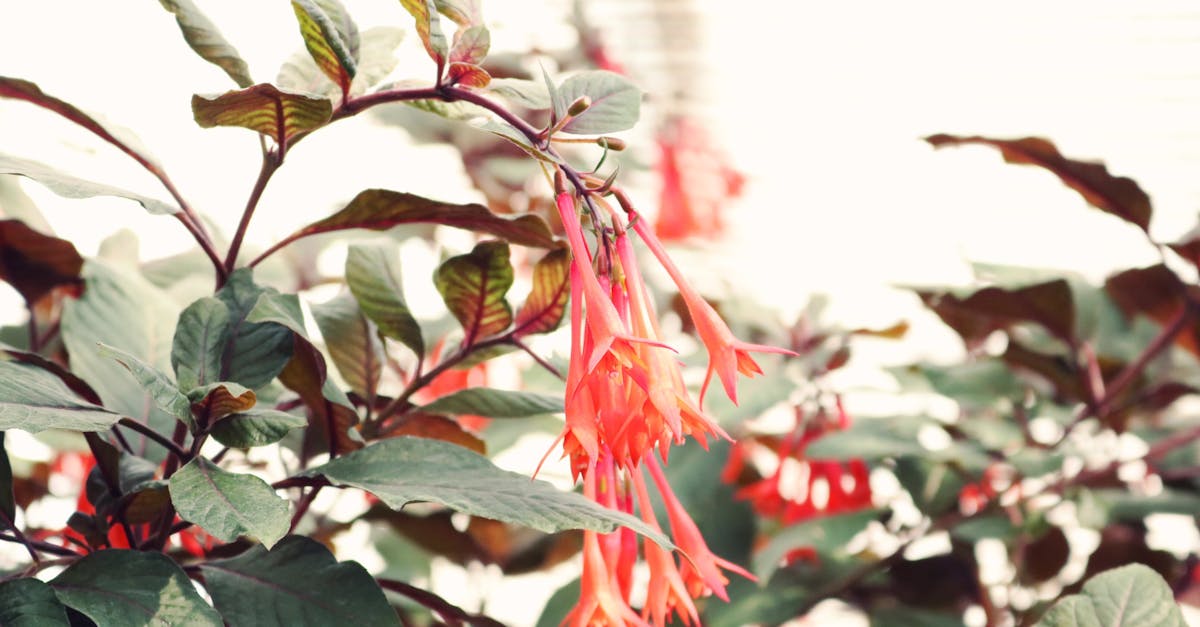
Honeysuckles are a genus of about 180 species of twining vines in the family Caprifoliaceae. They are native to temperate regions of the Northern Hemisphere, and they are known for their beautiful flowers, which come in a variety of colors, including white, yellow, pink, and red. Honeysuckles are also known for their sweet, fragrant flowers, which attract hummingbirds and butterflies. In addition to their flowers, honeysuckles also have attractive foliage, which can be evergreen or deciduous.
Honeysuckles are relatively easy to grow, and they can be grown in a variety of soils. They prefer full sun to partial shade, and they need regular watering. Honeysuckles are also heavy feeders, and they benefit from regular fertilization.
Honeysuckles are a good choice for balcony gardens, as they are relatively compact and they can be grown in containers. With their beautiful flowers and fragrant blooms, honeysuckles are a great way to add color and interest to balcony gardens.
Types of Honeysuckle
There are about 180 species of honeysuckle, but only a few are commonly grown as ornamental plants. Some of the most popular varieties include:
-
Lonicera japonica: This is the most common species of honeysuckle, and it is known for its vigorous growth and abundant flowers. Lonicera japonica has a sweet, fragrant scent, and it blooms in the spring and summer. It is a deciduous vine, which means that it loses its leaves in the fall.
-
Lonicera periclymenum: This species of honeysuckle is known for its beautiful, fragrant flowers, which come in a variety of colors, including white, yellow, pink, and red. Lonicera periclymenum is a semi-evergreen vine, which means that it retains some of its leaves throughout the winter. It blooms in the summer and fall.
-
Lonicera sempervirens: This species of honeysuckle is known for its evergreen foliage and its fragrant, trumpet-shaped flowers. Lonicera sempervirens blooms in the summer and fall, and it is a good choice for areas with mild winters.
Trellising Honeysuckle
Honeysuckles are vigorous growers, and they need a sturdy trellis to support their weight. When choosing a trellis for your honeysuckle, there are a few things to keep in mind:
-
The size of the trellis: The trellis should be large enough to support the mature size of your honeysuckle. A good rule of thumb is to choose a trellis that is at least two-thirds the height of your honeysuckle.
-
The material of the trellis: The trellis should be made of a durable material, such as metal or wood. Avoid using plastic trellises, as they are not strong enough to support the weight of a honeysuckle.
-
The shape of the trellis: The trellis can be any shape you like, but it is important to choose a shape that will allow the honeysuckle to grow and climb easily. Some popular trellis shapes for honeysuckles include arbors, pergolas, and obelisks.
Once you have chosen a trellis, it is important to install it securely. The trellis should be anchored into the ground or attached to a wall or fence. This will prevent the trellis from falling over and damaging your honeysuckle.
Here are some additional tips for trellising honeysuckle:
-
Train the honeysuckle to grow up the trellis as it grows. You can do this by gently tying the stems to the trellis with twine or wire.
-
Prune the honeysuckle regularly to keep it under control. Pruning will also encourage the honeysuckle to produce more flowers.
-
Fertilize the honeysuckle regularly to keep it healthy and vigorous.
Care for Balcony Honeysuckle
Honeysuckles are relatively low-maintenance plants, but they do require some basic care to keep them healthy and blooming. Here are some specific care tips for honeysuckle grown on balconies:
-
Watering: Honeysuckles need regular watering, especially during hot and dry weather. Water the honeysuckle deeply, and allow the soil to dry out slightly before watering again. Avoid overwatering, as this can lead to root rot.
-
Fertilizing: Honeysuckles benefit from regular fertilization. Fertilize the honeysuckle every two weeks with a balanced liquid fertilizer. You can also use a slow-release fertilizer that will release nutrients over time.
-
Pruning: Honeysuckles can be pruned to control their size and shape. Pruning will also encourage the honeysuckle to produce more flowers. Prune the honeysuckle in the spring or fall, after it has finished blooming.
5. 5. Star Jasmine: An Evergreen Charmer
Star jasmine (Trachelospermum jasminoides) is a beautiful evergreen vine that is native to Asia. It is known for its glossy, dark green leaves and its fragrant, white flowers. Star jasmine is a vigorous grower, and it can quickly cover a trellis or other support structure. It is a popular choice for balcony gardens, as it is relatively easy to care for and it adds a touch of elegance to any space.
Star jasmine prefers full sun to partial shade, and it needs well-drained soil. It is drought-tolerant, but it will bloom best if it is watered regularly. Star jasmine is also a heavy feeder, and it benefits from regular fertilization. Pruning can help to control the size and shape of the plant, and it will also encourage the plant to produce more flowers. Overall, star jasmine is a low-maintenance plant that is perfect for adding a touch of beauty and fragrance to balcony gardens.
Features of Star Jasmine
Star jasmine is a beautiful evergreen vine that is known for its glossy, dark green leaves and its fragrant, white flowers. It is a vigorous grower, and it can quickly cover a trellis or other support structure. Star jasmine is a popular choice for balcony gardens, as it is relatively easy to care for and it adds a touch of elegance to any space.
Here are some of the unique characteristics of star jasmine:
-
Glossy foliage: Star jasmine has glossy, dark green leaves that are attractive even when the plant is not in bloom.
-
Abundant white blooms: Star jasmine produces an abundance of fragrant, white flowers in the spring and summer. The flowers are star-shaped, and they have a sweet, jasmine-like scent.
-
Year-round greenery: Star jasmine is an evergreen vine, which means that it retains its leaves throughout the year. This makes it a great choice for adding year-round interest to balcony gardens.
Trellising Star Jasmine
Star jasmine is a vigorous grower, and it needs a sturdy trellis to support its weight. When choosing a trellis for your star jasmine, there are a few things to keep in mind:
-
The size of the trellis: The trellis should be large enough to support the mature size of your star jasmine. A good rule of thumb is to choose a trellis that is at least two-thirds the height of your star jasmine.
-
The material of the trellis: The trellis should be made of a durable material, such as metal or wood. Avoid using plastic trellises, as they are not strong enough to support the weight of a star jasmine.
-
The shape of the trellis: The trellis can be any shape you like, but it is important to choose a shape that will allow the star jasmine to grow and climb easily. Some popular trellis shapes for star jasmine include arbors, pergolas, and obelisks.
Once you have chosen a trellis, it is important to install it securely. The trellis should be anchored into the ground or attached to a wall or fence. This will prevent the trellis from falling over and damaging your star jasmine.
Here are some additional tips for trellising star jasmine:
-
Train the star jasmine to grow up the trellis as it grows. You can do this by gently tying the stems to the trellis with twine or wire.
-
Prune the star jasmine regularly to keep it under control. Pruning will also encourage the star jasmine to produce more flowers.
-
Fertilize the star jasmine regularly to keep it healthy and vigorous.
Care for Balcony Star Jasmine
Star jasmine is a relatively low-maintenance plant, but it does require some basic care to keep it healthy and blooming. Here are some specific care tips for star jasmine grown on balconies:
-
Watering: Star jasmine needs regular watering, especially during hot and dry weather. Water the star jasmine deeply, and allow the soil to dry out slightly before watering again. Avoid overwatering, as this can lead to root rot.
-
Fertilizing: Star jasmine benefits from regular fertilization. Fertilize the star jasmine every two weeks with a balanced liquid fertilizer. You can also use a slow-release fertilizer that will release nutrients over time.
-
Pruning: Star jasmine can be pruned to control its size and shape. Pruning will also encourage the star jasmine to produce more flowers. Prune the star jasmine in the spring or fall, after it has finished blooming.
Quiz
1. Which of the following is NOT a benefit of using a trellis for climbing plants on a balcony?
(a) Maximizes vertical space (b) Adds color and interest (c) Protects plants from pests (d) Provides support and stability
2. True or False: Clematis plants prefer full shade and minimal watering.
3. Which type of morning glory is known for its delicate, fern-like leaves and small, trumpet-shaped flowers?
(a) Ipomoea purpurea (b) Ipomoea tricolor (c) Ipomoea alba (d) Ipomoea quamoclit
4. What is the key to growing healthy star jasmine on a balcony?
(a) Overwatering (b) Regular pruning (c) Minimal sunlight (d) Infrequent fertilization
Answer Key
- (c)
- False
- (d)
- (b)
Unlock the Greenery Potential of Your Balcony: A Guide to Thriving Plants in Compact Spaces Attention all balcony-dwelling plant enthusiasts! Read more
Transform Your Balcony into a Flourishing Garden Oasis: A Step-by-Step Guide Beginning a balcony garden can be a fulfilling endeavor, Read more
Unlocking the Potential of Vertical Gardening on Balconies Are you tired of your cramped balcony but still longing for a Read more
Aromatic Delights: Cultivating Herbs on Your Balcony Oasis Whether you're a seasoned gardener or just starting out, growing herbs on Read more