
Transform Your Balcony with the Magic of Climbing Plants: A Guide to Vertical Gardening and Outdoor Oasis Creation

As an apartment dweller, your balcony offers a unique opportunity to bring the beauty of nature into your living space. By embracing the vertical dimension, you can create a lush and inviting oasis with climbing plants that not only enhance the aesthetics but also provide practical benefits.
Climbing plants transform your balcony into a vertical garden, adding a touch of greenery and creating a serene atmosphere. Their ability to climb trellises and other structures allows you to maximize space and bring nature closer to you. Whether you seek vibrant blooms, fragrant scents, or lush foliage, there’s a climbing plant perfectly suited for your balcony sanctuary.
Discover the transformative power of climbing plants and embark on a journey to enhance your outdoor space. With the right choices and proper care, your balcony will blossom into a vibrant and inviting haven, providing a sanctuary for relaxation, beauty, and tranquility.
1. Choosing the Right Climbing Plants for Your Balcony
When selecting climbing plants for your balcony, it’s essential to consider several key factors to ensure their success and the overall beauty of your vertical garden. Here’s a comprehensive guide to help you make informed choices:
Sun Exposure:
Determine the amount of sunlight your balcony receives throughout the day. Climbing plants have varying sun preferences, so it’s crucial to choose species that are well-suited to your conditions. Plants like morning glories and sweet peas thrive in full sun, while clematis and honeysuckle can tolerate partial shade. By matching the plant’s light requirements to your balcony’s exposure, you can ensure optimal growth and abundant blooms.
Hardiness Zone:
Your USDA hardiness zone plays a significant role in selecting climbing plants that can withstand your local climate conditions. Hardiness zones indicate the average minimum temperature range in a particular area. Choose plants that are hardy to your zone or slightly colder to ensure they can survive the winter months. Research reputable sources like the USDA Plant Database or consult with local nurseries to determine the best options for your location.
Trellis Size:
Consider the size of your trellis when selecting climbing plants. Some plants, like climbing roses, can grow vigorously and require a larger trellis or support structure. Others, such as morning glories, have a more compact growth habit and are suitable for smaller trellises or strings. Matching the plant’s growth characteristics to the size of your trellis will ensure a balanced and aesthetically pleasing display.
Sun Exposure
Sunlight is a crucial factor to consider when selecting climbing plants for your balcony. The amount of sunlight your balcony receives will determine the types of plants that will thrive in that environment. Here’s a comprehensive guide to help you make informed choices based on sun exposure:
Full Sun (6+ hours of direct sunlight per day):
If your balcony receives ample sunlight throughout the day, you have a wide range of climbing plants to choose from. Many popular and vibrant bloomers, such as morning glories, climbing roses, and nasturtiums, thrive in full sun. These plants will produce abundant flowers and lush foliage, creating a stunning display on your balcony.
Partial Shade (3-6 hours of direct sunlight per day):
For balconies with partial shade, consider climbing plants that can tolerate lower light conditions. Clematis, honeysuckle, and ivy are excellent choices. They will still produce blooms, although they may not be as prolific as in full sun. By selecting plants suited to partial shade, you can create a beautiful and thriving vertical garden even with limited sunlight.
Full Shade (less than 3 hours of direct sunlight per day):
While climbing plants typically prefer sunlight, there are a few that can tolerate full shade. English ivy, creeping fig, and hydrangea vine are some options to consider. These plants will add a touch of greenery to your balcony, even in low-light conditions. Keep in mind that they may not produce as many blooms as plants in sunnier locations.
Hardiness Zone
When selecting climbing plants for your balcony, it’s essential to consider your USDA hardiness zone. This zone indicates the average annual minimum temperature range in your area and helps you choose plants that can withstand the local climate conditions. Here’s a comprehensive guide to selecting plants based on hardiness zones:
Determine Your Hardiness Zone:
The first step is to determine your USDA hardiness zone. You can use the USDA Plant Hardiness Zone Map to find your zone by entering your zip code or address. The map divides the United States into 13 zones, with Zone 1 being the coldest and Zone 13 being the warmest.
Select Plants for Your Zone:
Once you know your hardiness zone, you can select climbing plants that are hardy to your zone or slightly colder. Choosing plants that are too tender for your zone may result in winter damage or even plant death. Reputable plant nurseries and online resources often provide information on the hardiness zones for specific plants.
Consider Microclimates:
While hardiness zones provide a general guideline, it’s also important to consider microclimates within your balcony. For example, if your balcony is particularly sheltered or receives extra sunlight, you may be able to grow plants that are slightly less hardy than your zone suggests. Conversely, if your balcony is exposed to strong winds or cold drafts, you may need to choose plants that are more cold-tolerant.
Trellis Size
When selecting climbing plants for your balcony, it’s important to consider the size of your trellis. The trellis will provide support for the plants as they grow, so it’s essential to choose a size that is appropriate for the plant’s growth habit and vigor. Here’s a comprehensive guide to help you make informed choices based on trellis size:
Small Trellises (up to 4 feet tall):
If you have a small balcony or limited vertical space, consider choosing climbing plants that are naturally compact or can be easily trained to grow on smaller trellises. Plants like morning glories, dwarf nasturtiums, and clematis varieties such as ‘Jackmanii’ are suitable for these trellises. They will add a touch of color and greenery without overwhelming the space.
Medium Trellises (4-8 feet tall):
For balconies with more vertical space, medium-sized trellises offer more options for climbing plants. Plants like climbing roses, honeysuckle, and grapes can thrive on these trellises. With proper pruning and training, you can create a beautiful and fragrant vertical garden that provides privacy and shade.
Large Trellises (over 8 feet tall):
If you have a large balcony or an expansive wall to cover, consider installing a large trellis. This will allow you to grow vigorous climbing plants such as wisteria, trumpet vine, and passion flower. These plants can quickly cover large areas, creating a stunning and lush display.
2. Top Climbing Plants for Balcony Trellises
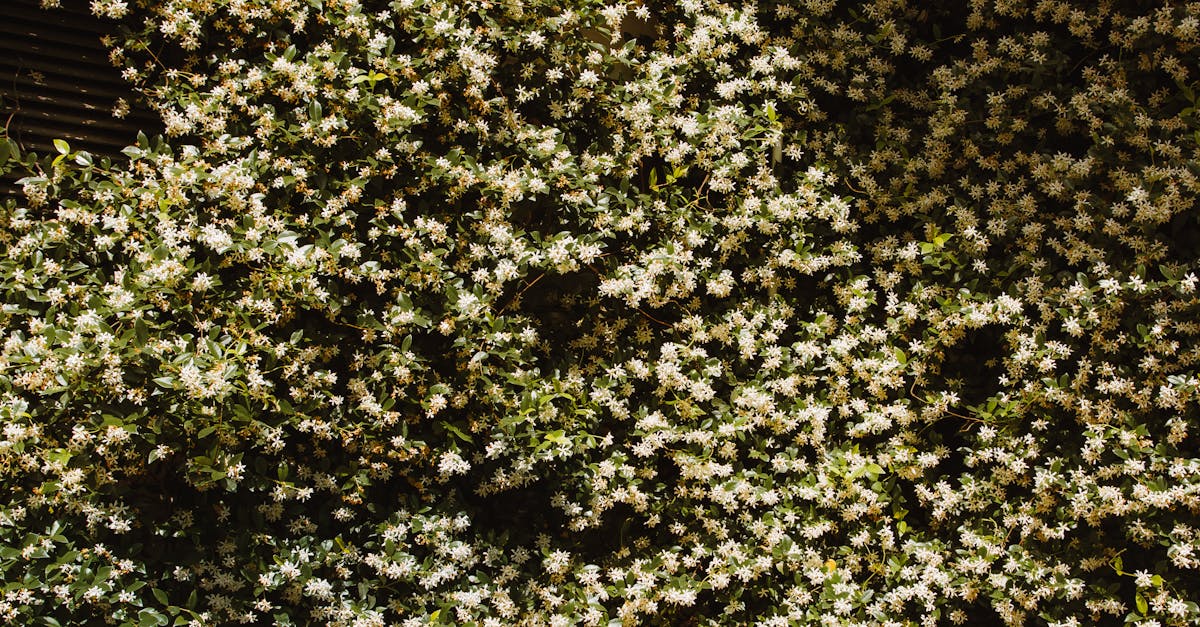
Climbing plants are a beautiful and functional addition to any balcony, adding a touch of nature and creating a sense of privacy and enclosure. Here’s a comprehensive guide to some of the top climbing plants that thrive on vertical structures, providing both beauty and function:
Morning Glories:
Morning glories are fast-growing annual vines known for their vibrant trumpet-shaped flowers in shades of blue, purple, pink, and white. They thrive in full sun to partial shade and can quickly cover a trellis or other vertical support. Their delicate blooms open in the morning and close in the evening, adding a touch of charm to any balcony.
Climbing Roses:
Climbing roses are a classic choice for balconies, offering a profusion of fragrant blooms throughout the season. They come in a wide range of colors and varieties, including both repeat-blooming and once-blooming types. Climbing roses require regular pruning and support to maintain their shape and vigor, but they reward you with stunning blooms that add elegance and fragrance to your outdoor space.
Clematis:
Clematis are known for their stunning star-shaped flowers in a wide range of colors and bloom times. They are relatively low-maintenance climbers that prefer well-drained soil and partial shade to full sun. Clematis can add a touch of sophistication and charm to your balcony, attracting butterflies and other pollinators with their delicate blooms.
Morning Glory
Morning glories are charming and easy-to-grow climbing plants that add a touch of vibrant color to any balcony. Their trumpet-shaped blooms come in a wide range of hues, including blue, purple, pink, and white, creating a stunning display that attracts butterflies and other pollinators. Here’s a comprehensive guide to growing morning glories on your balcony:
Planting:
Morning glories prefer well-drained soil and full sun to partial shade. Choose a container that is at least 12 inches deep and has drainage holes. Sow the seeds directly in the soil, about 1 inch deep and 6 inches apart. Keep the soil moist but not soggy, and the seeds will germinate in 7-10 days.
Support:
Morning glories are vigorous climbers, so provide them with a trellis or other vertical support to grow on. As the plants grow, gently train their tendrils to climb the support. This will help them reach their full potential and create a beautiful display of flowers.
Care:
Water morning glories regularly, especially during hot, dry weather. Fertilize them monthly with a balanced liquid fertilizer to encourage healthy growth and abundant blooms. Deadhead spent flowers to promote new growth and flowering. Morning glories are relatively low-maintenance plants, but they may be susceptible to pests such as aphids and spider mites. Monitor your plants regularly and treat any infestations promptly.
Climbing Roses
Climbing roses are a beautiful and fragrant addition to any balcony, offering a profusion of blooms throughout the season. Their elegant flowers come in a wide range of colors and varieties, adding a touch of sophistication and charm to your outdoor space. Here’s a comprehensive guide to growing climbing roses on your balcony:
Choosing the Right Variety:
When selecting climbing roses for your balcony, choose varieties that are suited for container culture. Look for compact or miniature varieties that will not outgrow the space. Some good options include ‘Zephirine Drouhin’, ‘Crimson Shower’, and ‘Rosy Cushion’. These varieties are known for their abundance of blooms and their ability to thrive in containers.
Planting and Care:
Plant your climbing rose in a container that is at least 18 inches deep and has drainage holes. Use a well-draining potting mix and amend it with organic matter such as compost or manure. Water your rose regularly, especially during hot, dry weather. Fertilize it monthly with a balanced liquid fertilizer. Climbing roses require regular pruning to maintain their shape and encourage new growth. Deadhead spent flowers and remove any dead or diseased canes.
Support:
Provide your climbing rose with a trellis or other vertical support to grow on. As the plant grows, gently train its canes to climb the support. This will help it reach its full potential and create a beautiful display of flowers. Climbing roses are relatively low-maintenance plants, but they may be susceptible to pests and diseases such as aphids, black spot, and powdery mildew. Monitor your plants regularly and treat any infestations or infections promptly.
Clematis
Clematis are known for their stunning star-shaped flowers that come in a wide range of colors and bloom times, adding beauty and elegance to any balcony. Here’s a comprehensive guide to growing clematis on your balcony:
Choosing the Right Variety:
When selecting clematis for your balcony, choose varieties that are suitable for container culture. Look for compact or dwarf varieties that will not outgrow the space. Some good options include ‘Jackmanii’, ‘Nelly Moser’, and ‘Ville de Lyon’. These varieties are known for their abundance of blooms and their ability to thrive in containers.
Planting and Care:
Plant your clematis in a container that is at least 18 inches deep and has drainage holes. Use a well-draining potting mix and amend it with organic matter such as compost or manure. Water your clematis regularly, especially during hot, dry weather. Fertilize it monthly with a balanced liquid fertilizer. Clematis prefer to have their roots cool and shaded, so you can plant companion plants around the base of the clematis to help keep the roots cool.
Support:
Provide your clematis with a trellis or other vertical support to grow on. As the plant grows, gently train its stems to climb the support. This will help it reach its full potential and create a beautiful display of flowers. Clematis are relatively low-maintenance plants, but they may be susceptible to pests and diseases such as aphids, spider mites, and clematis wilt. Monitor your plants regularly and treat any infestations or infections promptly.
Honeysuckle
Honeysuckle is a charming and fragrant climbing plant that is perfect for adding beauty and attracting pollinators to your balcony. Its sweet-smelling blooms come in a variety of colors, including white, pink, and yellow, and they bloom profusely throughout the summer. Here’s a comprehensive guide to growing honeysuckle on your balcony:
Choosing the Right Variety:
When selecting honeysuckle for your balcony, choose varieties that are suitable for container culture. Look for compact or dwarf varieties that will not outgrow the space. Some good options include ‘Serotina’, ‘Halliana’, and ‘Minor’. These varieties are known for their abundance of blooms and their ability to thrive in containers.
Planting and Care:
Plant your honeysuckle in a container that is at least 18 inches deep and has drainage holes. Use a well-draining potting mix and amend it with organic matter such as compost or manure. Water your honeysuckle regularly, especially during hot, dry weather. Fertilize it monthly with a balanced liquid fertilizer. Honeysuckle prefers full sun to partial shade and well-drained soil.
Support:
Provide your honeysuckle with a trellis or other vertical support to grow on. As the plant grows, gently train its stems to climb the support. This will help it reach its full potential and create a beautiful display of flowers. Honeysuckle is a relatively low-maintenance plant, but it may be susceptible to pests and diseases such as aphids, spider mites, and powdery mildew. Monitor your plants regularly and treat any infestations or infections promptly.
Sweet Peas
Sweet peas are delicate and fragrant climbing plants that produce a profusion of colorful flowers that bloom in succession from spring to early summer. Their sweet fragrance and attractive blooms make them a popular choice for balconies and other small spaces. Here’s a comprehensive guide to growing sweet peas on your balcony:
Choosing the Right Variety:
When selecting sweet peas for your balcony, choose varieties that are suitable for container culture. Look for compact or dwarf varieties that will not outgrow the space. Some good options include ‘Cupani’, ‘Bijou’, and ‘Knee Hi’. These varieties are known for their abundance of blooms and their ability to thrive in containers.
Planting and Care:
Plant your sweet peas in a container that is at least 12 inches deep and has drainage holes. Use a well-draining potting mix and amend it with organic matter such as compost or manure. Water your sweet peas regularly, especially during hot, dry weather. Fertilize them monthly with a balanced liquid fertilizer. Sweet peas prefer full sun to partial shade and well-drained soil.
Support:
Provide your sweet peas with a trellis or other vertical support to grow on. As the plants grow, gently train their stems to climb the support. This will help them reach their full potential and create a beautiful display of flowers. Sweet peas are relatively low-maintenance plants, but they may be susceptible to pests and diseases such as aphids, spider mites, and powdery mildew. Monitor your plants regularly and treat any infestations or infections promptly.
3. Caring for Climbing Plants on a Balcony
Caring for climbing plants on a balcony requires proper watering, fertilization, and support to ensure their health and beauty. Here’s a comprehensive guide to caring for your climbing plants:
Watering:
Water your climbing plants regularly, especially during hot, dry weather. Allow the soil to dry out slightly between waterings, but do not let it become completely dry. Overwatering can lead to root rot, so it’s important to find a balance. You can use a moisture meter to check the soil moisture level before watering.
Fertilizing:
Fertilize your climbing plants monthly during the growing season with a balanced liquid fertilizer. This will help them to produce abundant blooms and healthy foliage. Avoid over-fertilizing, as this can damage the plants. Follow the instructions on the fertilizer package for the correct dosage.
Support:
Provide your climbing plants with a trellis or other vertical support to grow on. This will help them to reach their full potential and create a beautiful display of flowers. As the plants grow, gently train their stems to climb the support. You can use twine or plant ties to secure the stems to the support. Climbing plants can add beauty and privacy to your balcony, but it’s important to provide them with the proper care to ensure their health and longevity.
Watering
Watering is crucial for the health and growth of climbing plants on your balcony. Here’s a comprehensive guide to watering your climbing plants effectively:
Regular Watering:
Water your climbing plants regularly, especially during hot, dry weather. The frequency of watering will depend on factors such as the size of the plants, the type of soil, and the amount of sunlight they receive. A good rule of thumb is to water when the top inch or two of soil feels dry to the touch. Avoid overwatering, as this can lead to root rot and other problems. If you’re unsure whether your plants need water, it’s always better to err on the side of caution and wait a few more days before watering.
Soil Drainage:
Proper drainage is essential for healthy climbing plants. Make sure your containers have drainage holes to allow excess water to escape. If the soil is too dense or compacted, it can prevent water from draining properly and lead to waterlogged roots. Amend the soil with organic matter such as compost or perlite to improve drainage and aeration.
Monitoring Soil Moisture:
To determine if your climbing plants need water, stick your finger in the soil up to the first knuckle. If the soil feels dry, it’s time to water. You can also use a moisture meter to measure the soil moisture level. Avoid letting the soil dry out completely, as this can stress the plants and make them more susceptible to pests and diseases.
Fertilizing
Fertilizing is essential for providing your climbing plants with the nutrients they need to thrive and produce abundant blooms. Here’s a comprehensive guide to fertilizing your climbing plants effectively:
Monthly Fertilizing:
Fertilize your climbing plants monthly during the growing season, typically from spring to fall. This will help to ensure that they have a continuous supply of nutrients to support their growth and flowering. Use a balanced liquid fertilizer that is diluted according to the manufacturer’s instructions. Avoid over-fertilizing, as this can damage the plants. If you’re unsure about the right amount of fertilizer to use, it’s always better to err on the side of caution and use less rather than more.
Choosing the Right Fertilizer:
When selecting a fertilizer for your climbing plants, choose one that is specifically formulated for flowering plants. These fertilizers typically contain a higher ratio of phosphorus, which is essential for promoting bud formation and blooming. You can also use a general-purpose fertilizer, but be sure to dilute it to half strength to avoid burning the plants.
Application Methods:
The most common method of fertilizing climbing plants is to apply the fertilizer directly to the soil around the base of the plants. Water the plants thoroughly before and after fertilizing to help distribute the nutrients. You can also fertilize your climbing plants through foliar feeding, which involves spraying a diluted fertilizer solution directly onto the leaves. Foliar feeding can be especially effective for providing nutrients to plants that have difficulty absorbing nutrients from the soil, such as those with dense root systems.
Support
Providing support for climbing plants is essential for encouraging upward growth and creating a beautiful and structured display on your balcony. Here’s a comprehensive guide to providing support for your climbing plants:
Trellises:
Trellises are a classic and effective way to support climbing plants. They come in a variety of materials, including wood, metal, and plastic, and can be purchased in different sizes and shapes to accommodate your space and plants. Trellises provide a sturdy framework for climbing plants to attach to, helping them to grow vertically and display their blooms. When choosing a trellis, select one that is tall enough to support the mature height of your plants and has a mesh or lattice design that allows the plants to easily climb.
Strings and Wires:
Strings and wires can also be used to provide support for climbing plants, especially if you have limited space or want to create a more informal look. Strings or wires can be attached to walls, fences, or other structures to create a vertical support system for your plants. When using strings or wires, make sure to choose a material that is strong enough to support the weight of the plants and won’t break easily. Space the strings or wires evenly to provide adequate support and allow for air circulation.
Other Support Structures:
In addition to trellises and strings, there are other creative ways to provide support for climbing plants on your balcony. You can use bamboo stakes, teepees, or even old ladders to create unique and visually appealing support structures. When choosing a support structure, consider the size and growth habit of your plants and select a structure that will provide adequate support without overcrowding the plants.
4. Troubleshooting Common Problems
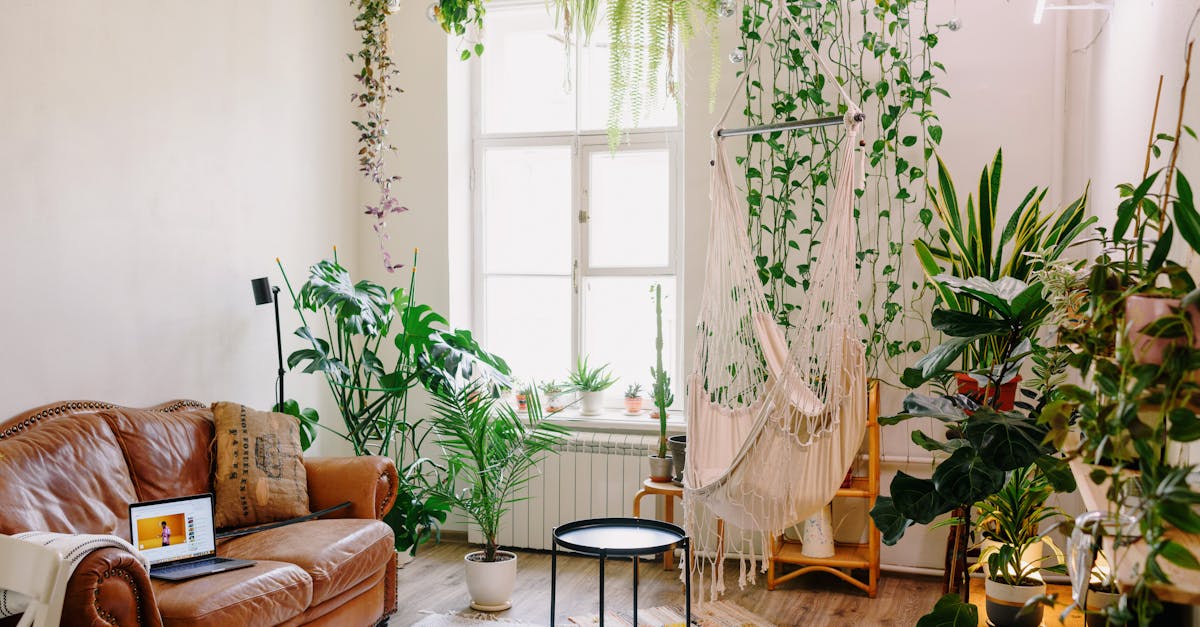
Climbing plants can be a beautiful and rewarding addition to your balcony, but they can also be susceptible to certain pests and diseases. Here’s a comprehensive guide to troubleshooting common problems that may affect the health of your climbing plants:
Pests:
Some common pests that can affect climbing plants include aphids, spider mites, and whiteflies. These pests can cause damage to leaves, stems, and flowers, and can also spread diseases. To control pests, you can use insecticidal soap or horticultural oil. Be sure to follow the manufacturer’s instructions for use and application. Neem oil is another effective and natural pest control option.
Diseases:
Climbing plants can also be affected by diseases such as powdery mildew and leaf spot. These diseases can cause yellowing or browning of leaves, stunted growth, and reduced flowering. To control diseases, you can use fungicidal sprays or dusts. Be sure to follow the manufacturer’s instructions for use and application. It’s also important to practice good gardening hygiene, such as removing infected plant material and keeping the area around your plants clean.
Other Problems:
In addition to pests and diseases, climbing plants can also be affected by other problems, such as nutrient deficiencies, sunburn, and overwatering. To address these problems, it’s important to provide your plants with the proper nutrients, water, and sunlight. If you’re unsure about what’s causing the problem with your climbing plants, it’s always best to consult with a gardening expert or your local nursery.
Pests
Pests can be a nuisance to climbing plants, affecting their health and appearance. Here’s a comprehensive guide to identifying and controlling common pests that may affect your climbing plants:
Aphids:
Aphids are small, soft-bodied insects that feed on the sap of plants. They can cause leaves to curl and turn yellow, and can also stunt growth. Aphids can be controlled using insecticidal soap or horticultural oil. Be sure to follow the manufacturer’s instructions for use and application.
Spider Mites:
Spider mites are tiny, spider-like creatures that feed on the leaves of plants. They can cause leaves to turn yellow and brown, and can also lead to leaf drop. Spider mites can be controlled using insecticidal soap or horticultural oil. Be sure to follow the manufacturer’s instructions for use and application.
Whiteflies:
Whiteflies are small, white insects that feed on the undersides of leaves. They can cause leaves to turn yellow and drop, and can also spread diseases. Whiteflies can be controlled using insecticidal soap or horticultural oil. Be sure to follow the manufacturer’s instructions for use and application.
Diseases
Diseases can affect the health and appearance of climbing plants, causing reduced growth, yellowing or browning of leaves, and even death. Here’s a comprehensive guide to identifying and treating common diseases that may affect your climbing plants:
Powdery Mildew:
Powdery mildew is a fungal disease that causes a white or gray powdery growth on the leaves of plants. It can stunt growth and reduce flowering. Powdery mildew can be treated using fungicides. Be sure to follow the manufacturer’s instructions for use and application.
Leaf Spot:
Leaf spot is a fungal disease that causes brown or black spots on the leaves of plants. It can cause leaves to turn yellow and drop, and can also reduce flowering. Leaf spot can be treated using fungicides. Be sure to follow the manufacturer’s instructions for use and application.
5. Enjoy the Beauty and Benefits of Climbing Plants on Your Balcony
Climbing plants possess the remarkable ability to transform your balcony into a vibrant and inviting oasis. Their upward growth habit allows them to maximize vertical space, creating lush greenery and adding a touch of nature to your urban sanctuary. Embrace the beauty and benefits of climbing plants as they enhance both the aesthetics and ambiance of your outdoor space:
Vertical Gardening:
Climbing plants are masters of vertical gardening, allowing you to maximize space on your balcony. By growing vertically, they create a lush and layered effect, adding depth and interest to your outdoor area. Trellises, strings, or wires provide support for their upward journey, enabling them to reach new heights and create a captivating display of foliage and blooms.
Privacy and Screening:
Climbing plants can serve as natural privacy screens, shielding your balcony from prying eyes and creating a sense of seclusion. Trailing plants, such as ivy or jasmine, can gracefully cascade down the sides of your balcony, forming a verdant curtain that provides both privacy and a touch of elegance. This living privacy screen not only enhances your sense of tranquility but also adds a touch of greenery to your surroundings.
Vertical Gardening
Vertical gardening with climbing plants is a brilliant solution for maximizing space on your balcony. By growing vertically, you can create a lush and layered effect, adding depth and interest to your outdoor area. Climbing plants, with their innate ability to climb upwards, make the most of vertical space, allowing you to cultivate a greater variety of plants in a limited area. Trellises, strings, or wires provide support for their upward journey, enabling them to reach new heights and create a captivating display of foliage and blooms.
Vertical gardening with climbing plants not only saves space but also creates a unique and dynamic aesthetic. The lush greenery and vibrant blooms add a touch of nature to your balcony, transforming it into a vibrant and inviting outdoor haven. By incorporating climbing plants into your vertical garden, you can create a sense of abundance and bring the beauty of nature closer to your living space.
Privacy and Screening
Climbing plants, with their trailing stems and dense foliage, offer an effective and aesthetically pleasing solution for privacy and screening on your balcony. Trailing plants, such as ivy, jasmine, or clematis, can gracefully cascade down the sides of your balcony, forming a verdant curtain that provides both seclusion and a touch of elegance. This living privacy screen not only enhances your sense of tranquility but also adds a touch of greenery to your surroundings. By strategically placing trailing plants around your balcony, you can create a cozy and private outdoor oasis, shielded from prying eyes and unsightly views.
In addition to providing privacy, climbing plants can also be used to screen unsightly views from your balcony. Whether it’s a busy street, a neighboring building, or simply an unkempt area, climbing plants can effectively block out unwanted sights and create a more serene and inviting outdoor space. By training climbing plants to grow over trellises or wires, you can direct their growth to cover specific areas and enhance your balcony’s visual appeal.
Attracting Wildlife
Embrace the beauty of nature and invite wildlife to your balcony by incorporating flowering climbing plants into your vertical garden. These plants, with their vibrant blooms and sweet fragrances, serve as irresistible magnets for a variety of pollinators, including butterflies and hummingbirds. As these delightful creatures flutter and dance around your balcony, they not only add a touch of magic to the atmosphere but also play a vital role in the ecosystem.
Pollinators are essential for the reproduction of many plants, including fruits, vegetables, and flowers. By providing a welcoming habitat for these beneficial insects, you contribute to the preservation of biodiversity and the health of the environment. The presence of pollinators on your balcony not only enhances the aesthetic appeal but also supports a thriving and balanced ecosystem.
Incorporating flowering climbing plants into your vertical garden is not only visually stunning but also a rewarding experience that connects you with nature and fosters a sense of environmental stewardship. As you witness the beauty of butterflies and hummingbirds amidst your blooming plants, you’ll appreciate the profound impact that even a small balcony garden can have on the wider ecosystem.
Quiz
1. True or False: Climbing plants prefer to grow in full shade.
2. Which of the following factors should you consider when selecting climbing plants for your balcony?
(a) Sun exposure (b) Hardiness zone (c) Trellis size (d) All of the above
3. What are the benefits of using trellises or other supports for climbing plants?
(a) Encourage upward growth (b) Create a beautiful display of flowers (c) Help plants reach their full potential (d) All of the above
4. Which of the following is NOT a common pest that can affect climbing plants?
(a) Aphids (b) Spider mites (c) Caterpillars (d) Whiteflies
5. True or False: Climbing plants can provide privacy and screening on your balcony.
Answer Key
- False
- (d) All of the above
- (d) All of the above
- (c) Caterpillars
- True
Answer Key
- False
- (d) All of the above
- (d) All of the above
- (c) Caterpillars
- True
Unlock the Greenery Potential of Your Balcony: A Guide to Thriving Plants in Compact Spaces Attention all balcony-dwelling plant enthusiasts! Read more
Transform Your Balcony into a Flourishing Garden Oasis: A Step-by-Step Guide Beginning a balcony garden can be a fulfilling endeavor, Read more
Unlocking the Potential of Vertical Gardening on Balconies Are you tired of your cramped balcony but still longing for a Read more
Aromatic Delights: Cultivating Herbs on Your Balcony Oasis Whether you're a seasoned gardener or just starting out, growing herbs on Read more