
Unlock the Green Potential of Your Balcony: Essential Resources for Flourishing Urban Oases
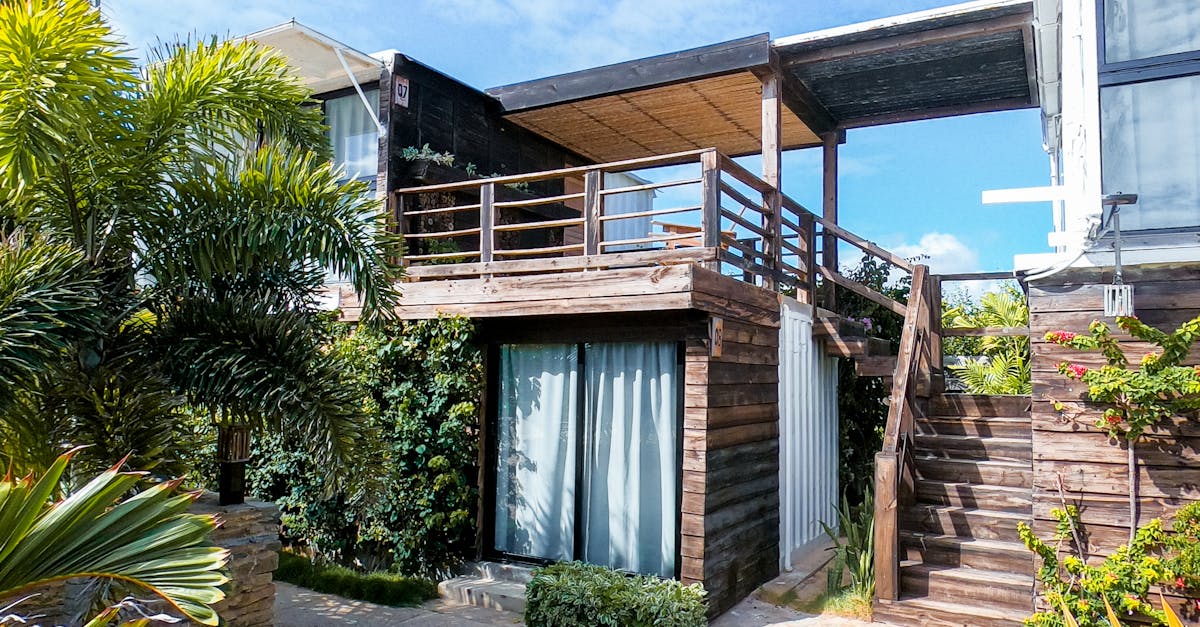
Balcony gardening is a great way to enjoy the benefits of gardening even if you don’t have a lot of space. With a little planning, you can create a beautiful and productive balcony garden that will provide you with fresh produce, herbs, and flowers.
This article will provide you with all the information you need to get started with balcony gardening, including tips on choosing the right plants, containers, and watering and feeding strategies. We’ll also share some of our favorite balcony gardening blogs and resources.
Ready to get started? Let’s dive in!
1. Embrace the Vertical: Space-Saving Techniques for Balcony Gardens
When it comes to balcony gardening, making the most of the vertical space available is key. By utilizing trellises, hanging baskets, and stackable planters, you can create a lush and visually appealing garden that maximizes every inch of space.
Trellises are a great way to add height and support to climbing plants such as tomatoes, cucumbers, and beans. They can be attached to walls or railings, and some models even come with built-in planters. Hanging baskets are another great option for adding vertical interest to your balcony garden. They can be used to grow a variety of plants, including flowers, herbs, and strawberries. Just be sure to choose baskets that are the right size for your plants and that have good drainage.
Stackable planters are a great way to save space and create a vertical garden on your balcony. They come in a variety of sizes and shapes, and can be stacked to create a tower of plants. This is a great option for growing herbs, lettuce, and other small plants.
2. Plant Selection for Balcony Success: Choosing the Right Varieties
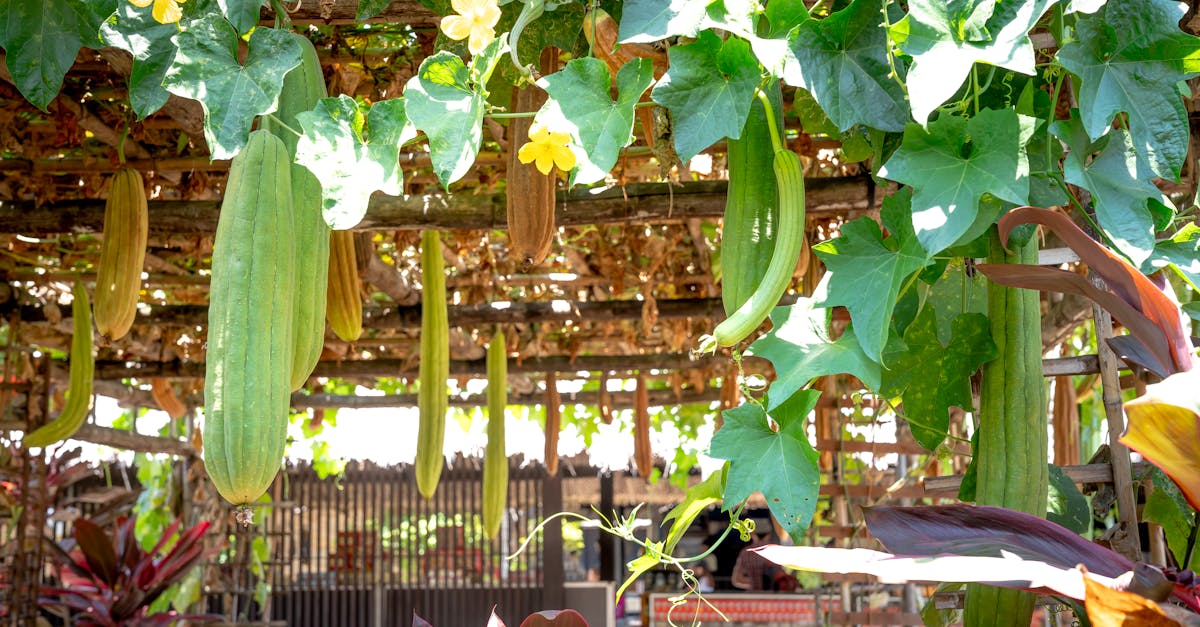
When choosing plants for your balcony garden, it is important to consider factors such as sunlight exposure, container size, and growth habits. You will also want to select plants that are well-suited to the climate in your area.
If your balcony receives full sun for most of the day, you can grow a wide variety of vegetables, herbs, and flowers. Some good choices for full sun include tomatoes, peppers, cucumbers, basil, oregano, thyme, petunias, and geraniums.
If your balcony receives only partial sun, you will need to choose plants that are more tolerant of shade. Some good choices for partial sun include lettuce, spinach, carrots, radishes, parsley, cilantro, impatiens, and begonias.
3. Container Gardening Essentials: Selecting and Caring for Pots and Planters
When choosing containers for your balcony garden, there are a few things to keep in mind. First, consider the size of the plants you will be growing. Small plants can be grown in small containers, while larger plants will need more space. You will also want to choose a container that is the right material for your needs. Some common materials for balcony garden containers include plastic, clay, and wood.
Plastic containers are lightweight and inexpensive, but they can be more prone to cracking and fading than other materials. Clay containers are more durable, but they are also heavier and more expensive. Wooden containers are a good choice for a more natural look, but they will need to be sealed to prevent rot.
No matter what type of container you choose, be sure to make sure that it has drainage holes in the bottom. This will help to prevent the roots of your plants from rotting. You may also want to add a layer of gravel or broken pottery to the bottom of the container to improve drainage.
4. Feeding and Watering Strategies for Balcony Gardens

Plants in balcony gardens have specific nutritional needs that must be met in order to thrive. The best way to ensure that your plants are getting the nutrients they need is to fertilize them regularly. There are two main types of fertilizers: organic and synthetic.
Organic fertilizers are made from natural materials, such as manure, compost, and seaweed. They release nutrients slowly over time, and they help to improve the soil structure. Synthetic fertilizers are made from chemicals, and they release nutrients quickly. They are more concentrated than organic fertilizers, so it is important to use them according to the directions on the package.
The amount and frequency of fertilization will vary depending on the type of plants you are growing, the size of your containers, and the weather conditions. As a general rule, you should fertilize your plants every few weeks during the growing season. However, you may need to fertilize more often if your plants are growing in small containers or if the weather is hot and dry.
5. Inspiration and Expertise: Top Balcony Gardening Blogs and Resources
There are many great resources available online for balcony gardeners. Here is a curated list of some of the best balcony gardening blogs and websites:
- 阳台花园指南 (https://阳台花园指南.com) is a comprehensive resource for balcony gardeners, with articles on everything from plant selection to container gardening to pest control.
- 城市阳台花园 (https://城市阳台花园.com) is a blog by an experienced balcony gardener who shares her tips and tricks for growing a successful balcony garden.
- 阳台园艺 (https://阳台园艺.com) is a website dedicated to balcony gardening, with a forum where balcony gardeners can share their experiences and advice.
These are just a few of the many great resources available online for balcony gardeners. By taking advantage of these resources, you can learn from experienced balcony gardeners and stay up-to-date with the latest trends and innovations in vertical gardening.
Quiz
1. Which of the following is NOT an advantage of using vertical gardening techniques on a balcony? (a) Maximizes space utilization (b) Enhances the visual appeal of the balcony (c) Reduces the need for watering (d) Allows for a wider variety of plants to be grown
2. When selecting plants for a balcony garden, it is important to consider: (a) Sunlight exposure (b) Container size (c) Growth habits (d) All of the above
3. Which type of fertilizer is made from natural materials and releases nutrients slowly over time? (a) Organic fertilizer (b) Synthetic fertilizer (c) Liquid fertilizer (d) Granular fertilizer
Answer Key
- (c)
- (d)
- (a)
Unlock the Greenery Potential of Your Balcony: A Guide to Thriving Plants in Compact Spaces Attention all balcony-dwelling plant enthusiasts! Read more
Transform Your Balcony into a Flourishing Garden Oasis: A Step-by-Step Guide Beginning a balcony garden can be a fulfilling endeavor, Read more
Unlocking the Potential of Vertical Gardening on Balconies Are you tired of your cramped balcony but still longing for a Read more
Aromatic Delights: Cultivating Herbs on Your Balcony Oasis Whether you're a seasoned gardener or just starting out, growing herbs on Read more