
Transforming Urban Balconies: A Guide to Growing Bamboo in Limited Spaces
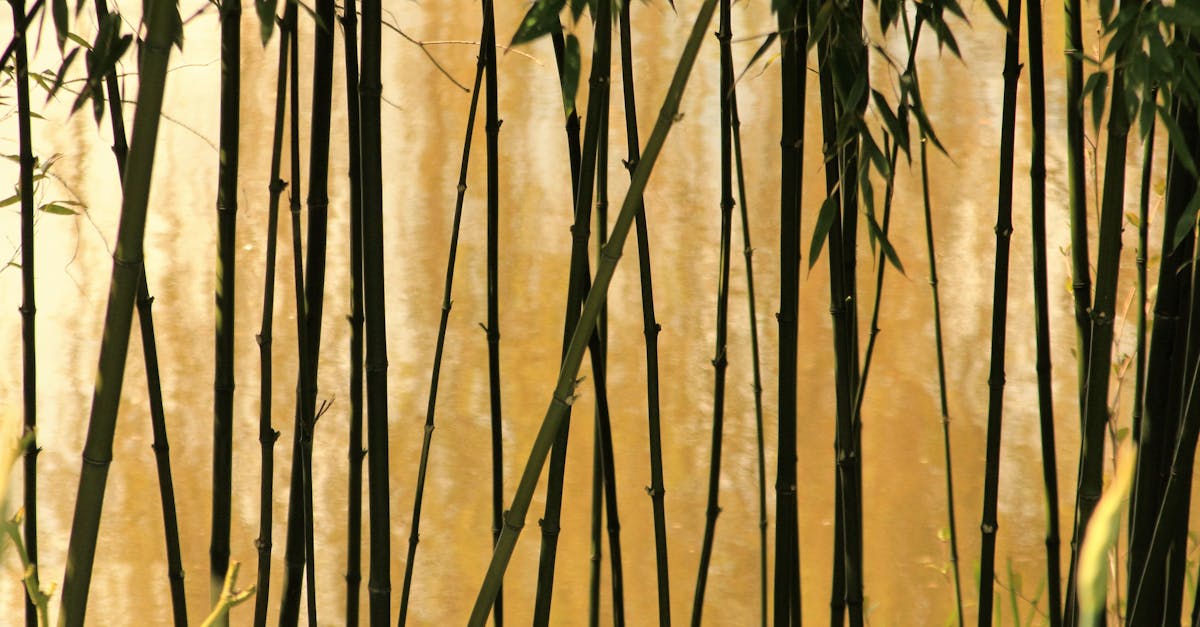
With their graceful stalks, lush foliage, and air-purifying properties, bamboo plants have become increasingly popular for balcony gardens. Not only do they add a touch of serenity and greenery to urban spaces, but they also offer a range of practical benefits. From improving air quality to creating privacy, bamboo plants can transform your balcony into a more inviting and enjoyable outdoor space.
When choosing bamboo for your balcony garden, it’s important to select species that are well-suited to container culture. Certain dwarf varieties, such as Pleioblastus pygmaeus or Bambusa multiplex ‘Golden Goddess,’ are ideal for smaller balconies and can thrive in containers. Proper planting is also crucial for the success of your bamboo garden. Use well-draining potting mix and ensure the container has sufficient drainage holes to prevent waterlogging.
Creating a balcony garden is all about making the most of the space you have. By incorporating vertical elements, such as trellises or hanging baskets, you can add height and interest to your garden without taking up valuable floor space. Think about using bamboo to create a living screen for privacy, or even as a decorative accent to add a natural touch to your balcony’s décor.
1. Introduction to Bamboo
Bamboo plants, with their graceful stalks and lush foliage, have become increasingly popular for urban settings, including balcony gardens. Their versatility and adaptability make them ideal for these environments, offering a range of benefits that enhance both the aesthetics and functionality of outdoor spaces.
Bamboo is renowned for its resilience and tolerance to various growing conditions. It can thrive in containers, making it suitable for balconies with limited space. Its adaptability extends to different light conditions, allowing it to flourish in both sunny and shady areas. Additionally, bamboo is relatively low-maintenance, requiring minimal watering and fertilization.
Beyond their practical advantages, bamboo plants also possess aesthetic qualities that contribute to the ambiance of urban balconies. Their elegant stalks and verdant leaves add a touch of natural beauty and serenity to these often concrete-dominated spaces. Some varieties, such as black bamboo (Phyllostachys nigra) or golden bamboo (Phyllostachys aurea), offer unique coloration, adding a striking visual element to your balcony garden.
A Resilient Choice for Balcony Culture
Bamboo plants have gained popularity for balcony gardens due to their remarkable resilience and adaptability to various growing conditions. Unlike many other plants, bamboo thrives in containers, making it ideal for balconies with limited space. Its adaptability extends to different light conditions, allowing it to flourish in both sunny and shady areas. Additionally, bamboo is relatively low-maintenance, requiring minimal watering and fertilization.
The resilience of bamboo stems from its robust root system, which helps it withstand drought and wind. Its adaptability to different light conditions makes it suitable for balconies facing various directions. Whether you have a balcony that receives ample sunlight or one that is mostly shaded, there is likely a bamboo species that will thrive in your space.
Furthermore, bamboo is generally pest and disease resistant, making it a low-maintenance choice for balcony gardeners. Its hardiness and durability contribute to its overall resilience and suitability for urban environments.
Aesthetically Pleasing and Eco-Friendly
Bamboo plants not only bring aesthetic appeal to balcony gardens but also promote a harmonious balance with their eco-friendly attributes. The graceful stalks and lush foliage of bamboo create a serene and inviting atmosphere, adding a touch of nature to urban environments. Some varieties, such as black bamboo (Phyllostachys nigra) or golden bamboo (Phyllostachys aurea), offer unique coloration, providing striking visual interest.
Beyond their aesthetic qualities, bamboo plants are also highly sustainable. They are known for their fast growth rate and ability to absorb large amounts of carbon dioxide from the atmosphere. By incorporating bamboo into your balcony garden, you can contribute to reducing your carbon footprint and promoting a greener urban environment.
Additionally, bamboo is a biodegradable material, meaning it can decompose naturally without leaving behind harmful residues. This eco-friendly characteristic makes bamboo an excellent choice for sustainable balcony gardening practices.
2. Diverse Benefits of Bamboo

Bamboo plants offer a plethora of benefits for balcony gardens, enriching both the environment and your well-being. One significant benefit is their ability to purify the air. Bamboo is known to absorb toxins and release oxygen, contributing to a healthier and more refreshing environment on your balcony.
In addition to air purification, bamboo plants can provide enhanced privacy and serenity on balconies. Their dense foliage can create a natural screen, reducing noise pollution and creating a more secluded and peaceful retreat. The rustling of bamboo leaves in the wind can also create a calming and meditative atmosphere.
Furthermore, bamboo plants promote biodiversity by attracting beneficial insects and wildlife. Their hollow stems provide shelter for insects, while their flowers and seeds are a food source for birds and other animals. By incorporating bamboo into your balcony garden, you can contribute to the creation of a more diverse and vibrant urban ecosystem.
Improved Air Quality
Bamboo plants possess a remarkable ability to purify the air, offering a healthier and more refreshing environment on balconies. Studies have shown that bamboo is effective in absorbing toxins, including formaldehyde, benzene, and trichloroethylene, from the air. These toxins are commonly found in household products, building materials, and vehicle emissions.
By incorporating bamboo plants into your balcony garden, you can improve the air quality in your outdoor space. Bamboo’s ability to release oxygen also contributes to a more invigorating and refreshing atmosphere. The increased oxygen levels can help to boost your mood, improve cognitive function, and reduce stress.
In addition to purifying the air, bamboo plants can also help to reduce dust and allergens. Their dense foliage acts as a natural filter, trapping dust particles and preventing them from circulating in the air. This can be particularly beneficial for individuals with allergies or respiratory conditions.
Enhanced Privacy and Serenity
Bamboo plants have the potential to create secluded and peaceful retreats on balconies, reducing noise pollution and fostering a sense of tranquility. Their dense foliage can act as a natural screen, blocking unsightly views and creating a more private and intimate space. This can be particularly beneficial for balconies that overlook busy streets or neighboring buildings.
In addition to providing visual privacy, bamboo plants can also help to reduce noise pollution. Their leaves have a sound-absorbing quality, which can help to dampen the noise of traffic, construction, or other urban sounds. The rustling of bamboo leaves in the wind can also create a calming and meditative atmosphere, promoting relaxation and tranquility.
Overall, bamboo plants can transform your balcony into a more serene and inviting outdoor space. By creating a secluded and peaceful retreat, you can enjoy your balcony as a place to relax, unwind, and escape the hustle and bustle of city life.
Promotes Biodiversity
Bamboo plants play a vital role in promoting biodiversity on balconies and contributing to urban ecosystems. Their hollow stems provide shelter for a variety of beneficial insects, including ladybugs, lacewings, and parasitic wasps. These insects help to control pests in your garden and promote a healthy ecosystem.
In addition to insects, bamboo plants can also attract birds and other wildlife to your balcony. The seeds of bamboo are a food source for birds, and the dense foliage provides cover for nesting and protection from predators. By incorporating bamboo into your balcony garden, you can create a welcoming habitat for a diverse array of wildlife.
Promoting biodiversity on your balcony not only benefits the local ecosystem but also has a positive impact on your own well-being. Studies have shown that exposure to nature can reduce stress, improve mood, and boost creativity. By creating a biodiverse balcony garden, you can enjoy the beauty and tranquility of nature while also contributing to the health of your local environment.
3. Practical Considerations
When selecting bamboo species for your balcony garden, it is important to consider the size and growth habit of the plant. Some bamboo species can grow quite large, so it is important to choose a variety that is suitable for the size of your balcony. You should also consider the amount of sunlight that your balcony receives, as some bamboo species prefer full sun while others can tolerate partial shade.
Once you have selected a suitable bamboo species, it is important to plant it properly. Bamboo should be planted in a container that is at least twice the width of the root ball. The container should have drainage holes to prevent the roots from rotting. Use a well-draining potting mix and plant the bamboo at the same depth that it was growing in the nursery container.
After planting, water the bamboo deeply and regularly. Bamboo plants need consistent moisture, but they should not be overwatered. Fertilize the bamboo every few months with a balanced fertilizer.
Choosing the Right Species for Balconies
When choosing bamboo species for balcony cultivation, it is important to consider the size, growth habit, and balcony conditions. Some bamboo species can grow quite large, so it is important to choose a variety that is suitable for the size of your balcony. You should also consider the amount of sunlight that your balcony receives, as some bamboo species prefer full sun while others can tolerate partial shade.
For small balconies, dwarf bamboo species are a good choice. Dwarf bamboo typically grows to a height of 3-5 feet and has a compact growth habit. Some popular dwarf bamboo species for balconies include Pleioblastus pygmaeus (Pygmy Bamboo), Bambusa multiplex ‘Golden Goddess’ (Golden Goddess Bamboo), and Sasa veitchii (Veitch’s Bamboo).
For larger balconies, you can choose from a wider variety of bamboo species. Some popular bamboo species for larger balconies include Phyllostachys aurea (Golden Bamboo), Phyllostachys nigra (Black Bamboo), and Bambusa vulgaris (Common Bamboo). These species can grow to a height of 10-20 feet, so it is important to make sure that your balcony can accommodate their size.
Container Selection and Planting
When selecting containers for bamboo in balcony gardens, it is important to choose containers that are large enough to accommodate the root ball of the plant and allow for proper drainage. Bamboo plants have a shallow root system, so it is not necessary to choose very deep containers. However, the container should be wide enough to provide stability for the plant. Choose containers that are made of durable materials, such as ceramic, fiberglass, or plastic.
Before planting bamboo in containers, it is important to prepare the soil properly. Bamboo prefers well-draining soil that is rich in organic matter. You can create your own potting mix by combining equal parts potting soil, compost, and perlite. Make sure to mix the ingredients thoroughly before planting.
To plant bamboo in containers, first fill the container with about 1/3 of the potting mix. Then, carefully remove the bamboo plant from its nursery container and loosen the roots. Place the bamboo plant in the container and fill in the remaining space with potting mix. Tamp down the soil gently to remove any air pockets. Water the bamboo deeply after planting.
Watering and Fertilizing Bamboo
Bamboo plants have specific water and nutrient requirements for optimal growth on balconies. Bamboo prefers moist soil, but it is important to avoid overwatering. Allow the top inch of soil to dry out before watering again. During hot and dry weather, you may need to water your bamboo plant more frequently. In cooler weather, you can reduce the frequency of watering.
Bamboo plants also benefit from regular fertilization. Fertilize your bamboo plant every few months with a balanced fertilizer. You can use a liquid fertilizer or a slow-release fertilizer. If you are using a liquid fertilizer, be sure to dilute it according to the manufacturer’s instructions.
By providing your bamboo plant with the proper water and nutrients, you can help it to thrive and reach its full potential on your balcony.
Maintaining Health and Appearance
To keep your bamboo plant thriving and aesthetically pleasing on your balcony, it is important to follow a few general maintenance practices. Pruning is an important part of bamboo care. Pruning helps to control the size and shape of the plant, and it also encourages new growth. You should prune your bamboo plant in the spring or fall. When pruning, remove any dead or damaged canes. You can also trim back any canes that are growing too long or out of shape.
Pests and diseases are not common problems for bamboo plants, but they can occur. If you do notice any pests or diseases, it is important to treat them promptly. You can use insecticidal soap or neem oil to control pests. For diseases, you can use a fungicide. It is also important to practice good sanitation to prevent pests and diseases. This includes cleaning up any fallen leaves or debris around your bamboo plant.
With proper care and maintenance, your bamboo plant can thrive and provide you with years of enjoyment on your balcony.
4. Creative Applications
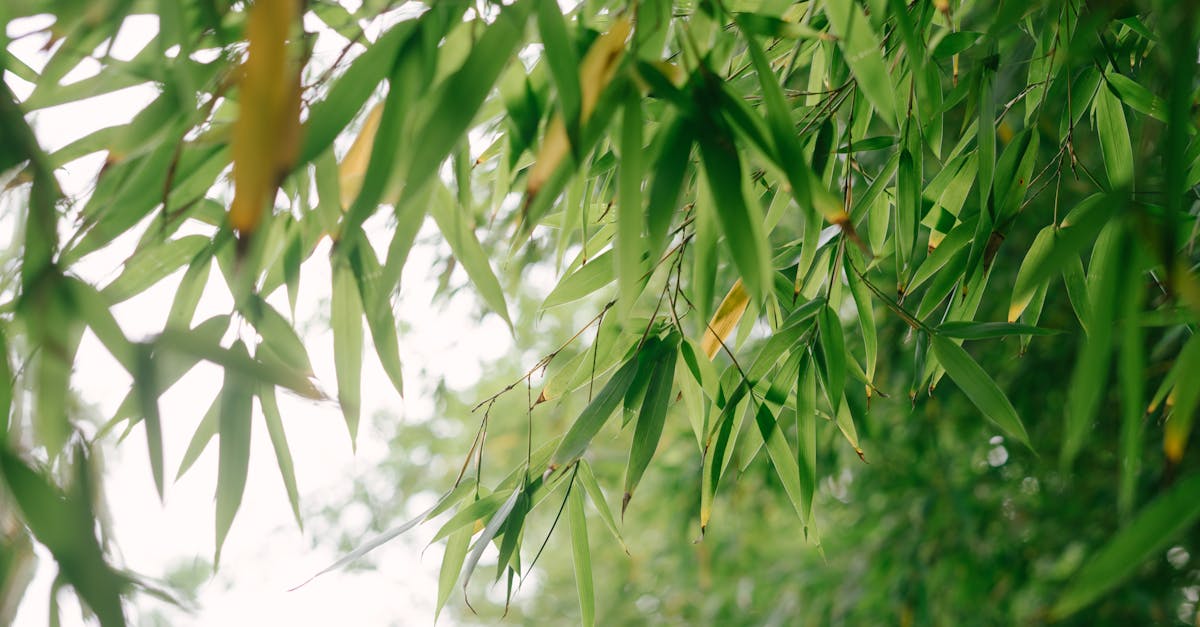
Bamboo is a versatile plant that can be used in a variety of creative ways to enhance the functionality and aesthetics of balcony gardens. One popular use for bamboo is to create vertical gardens. Vertical gardens are a great way to save space on small balconies, and they can also be used to create a living wall or privacy screen.
Another creative way to use bamboo in balcony gardens is to create trellises or arbors. Trellises and arbors can be used to support climbing plants, such as vines or flowers. They can also be used to create a focal point or to add height and interest to your balcony garden.
Finally, bamboo can also be used to create decorative accents for balcony gardens. For example, you can use bamboo to make wind chimes, sculptures, or plant hangers. Bamboo can also be used to create unique and stylish containers for plants.
Vertical Gardens and Trellises
Vertical gardens and trellises are a great way to maximize space on small balconies and add vertical interest to your garden. Bamboo is a popular choice for vertical gardens and trellises because it is strong and durable, yet lightweight and easy to work with. You can create a vertical garden by attaching bamboo poles to a wall or fence and then planting your plants in the spaces between the poles. You can also create a trellis by criss-crossing bamboo poles together to form a lattice structure.
Vertical gardens and trellises are a great way to grow a variety of plants on your balcony, including vegetables, herbs, and flowers. Vertical gardens are also a great way to create a living wall or privacy screen. By training plants to grow up the trellis, you can create a lush and beautiful display that will add privacy and beauty to your balcony.
If you are interested in creating a vertical garden or trellis on your balcony, there are a few things to keep in mind. First, make sure to choose plants that are suited to growing in a vertical space. Some good choices for vertical gardens include strawberries, herbs, and leafy greens. Second, make sure to provide your plants with adequate sunlight and water. Vertical gardens and trellises can dry out quickly, so it is important to water your plants regularly.
Screening and Privacy Panels
Bamboo is a versatile plant that can be used to create a variety of screening and privacy panels for balconies. Bamboo screening and privacy panels are a great way to block undesirable views, create sheltered spaces, and add privacy to your balcony. You can create a bamboo screening or privacy panel by attaching bamboo poles or slats to a frame. You can also use bamboo mats or rolls to create a more solid screen.
Bamboo screening and privacy panels are a great way to add a natural and stylish touch to your balcony. They can also be used to create a more private and intimate space for relaxing and entertaining. If you are looking for a way to add privacy and style to your balcony, consider using bamboo screening or privacy panels.
Here are a few tips for creating bamboo screening and privacy panels for your balcony:
- Choose the right type of bamboo. There are many different types of bamboo, so it is important to choose one that is suited to your needs. For screening and privacy panels, you will want to choose a type of bamboo that is strong and durable.
- Prepare the bamboo. Before you start building your screening or privacy panel, you will need to prepare the bamboo. This involves cutting the bamboo to the desired length and width, and then treating it with a preservative to protect it from rot and insects.
- Assemble the screening or privacy panel. Once you have prepared the bamboo, you can start assembling the screening or privacy panel. There are a variety of different ways to assemble a bamboo screening or privacy panel, so choose the method that is best suited to your needs.
Decorative Accents
Bamboo is a versatile plant that can be used to create a variety of decorative accents for balcony gardens. Bamboo decorative accents are a great way to add a touch of natural elegance and style to your outdoor space. You can use bamboo to make a variety of decorative accents, such as wind chimes, sculptures, and plant hangers.
Bamboo wind chimes are a popular choice for balcony gardens. They are easy to make and they add a beautiful and soothing touch to any space. To make a bamboo wind chime, simply cut bamboo poles to different lengths and then attach them to a string or wire. You can also add beads or other embellishments to your wind chime.
Bamboo sculptures are another great way to add a touch of natural elegance to your balcony garden. Bamboo sculptures can be made in a variety of shapes and sizes, and they can be used to create a focal point or to add interest to a corner of your balcony. To make a bamboo sculpture, simply cut and shape bamboo poles to create the desired design.
Bamboo plant hangers are a great way to display your plants on your balcony. Bamboo plant hangers are easy to make and they add a touch of natural style to your outdoor space. To make a bamboo plant hanger, simply cut bamboo poles to the desired length and then attach them to a ring or hoop. You can also add beads or other embellishments to your plant hanger.
5. Conclusion
Growing bamboo in balcony gardens offers a multitude of benefits, making it an attractive choice for urban dwellers seeking to enhance their outdoor living spaces. Not only does bamboo contribute to a healthier and more aesthetically pleasing environment, but it also promotes biodiversity and sustainable practices.
By incorporating bamboo into your balcony garden, you can improve air quality, reduce noise pollution, and create a secluded and peaceful retreat. Furthermore, bamboo’s ability to attract beneficial insects and wildlife supports urban ecosystems and promotes a harmonious balance in your outdoor space. The practical considerations for growing bamboo on balconies, such as selecting suitable species, proper planting techniques, and essential care practices, ensure that even novice gardeners can successfully cultivate this versatile plant.
Embracing bamboo in balcony gardens is a step towards creating more sustainable and beautiful urban environments. Its resilience, adaptability, and aesthetic appeal make it an ideal choice for balconies of all sizes, transforming them into havens of tranquility, natural beauty, and ecological harmony. Whether you seek to improve your well-being, enhance privacy, or contribute to a greener urban landscape, growing bamboo on your balcony is a rewarding and impactful endeavor.
A Greener and More Enjoyable Balcony
Incorporating bamboo into balcony gardens has a transformative impact, creating a more sustainable, healthier, and aesthetically pleasing outdoor space. Bamboo’s versatility and adaptability make it an ideal choice for balconies of all sizes, offering a multitude of benefits that enhance both the environment and your well-being.
By purifying the air and reducing noise pollution, bamboo contributes to a healthier and more serene balcony environment. Its dense foliage acts as a natural screen, providing privacy and creating a secluded retreat. Additionally, bamboo’s ability to attract beneficial insects and wildlife promotes biodiversity, fostering a harmonious ecosystem on your balcony.
The aesthetic appeal of bamboo further enhances the enjoyment of your balcony garden. Its graceful stalks and lush foliage add a touch of natural beauty, creating a tranquil and inviting outdoor space. Whether you choose to grow bamboo in containers, create vertical gardens, or use it for decorative accents, it seamlessly blends functionality with style. Embracing bamboo in your balcony garden transforms it into a greener, healthier, and more enjoyable haven, offering a sanctuary of peace and tranquility amidst the urban landscape.
Embracing Sustainable Urban Living
Incorporating bamboo into balcony gardens promotes sustainable urban living by reducing the environmental impact and fostering a greener and healthier city environment. Bamboo is a highly sustainable plant, known for its rapid growth rate and ability to thrive in diverse conditions. It requires minimal water and fertilizer, making it an ideal choice for urban environments where resources may be limited.
By choosing bamboo for your balcony garden, you contribute to the reduction of greenhouse gas emissions. Bamboo absorbs carbon dioxide from the atmosphere, helping to mitigate climate change. Additionally, bamboo is biodegradable and compostable, minimizing waste and promoting a circular economy in urban areas.
Embracing bamboo in balcony gardens not only beautifies your outdoor space but also contributes to a more sustainable and eco-conscious lifestyle. Its ability to purify the air and promote biodiversity further enhances the environmental benefits, creating a healthier and more harmonious urban ecosystem.
Inspiration for Balcony Gardeners
Embark on a journey of inspiration as you explore the versatile world of bamboo for your balcony garden. With its adaptability and resilience, bamboo offers a myriad of possibilities to transform your outdoor space into a thriving oasis.
For those new to bamboo cultivation, practical tips and resources are readily available to guide you towards success. From choosing the right species for your balcony’s size and conditions to proper planting techniques and essential care practices, knowledge is power in nurturing a flourishing bamboo garden. Whether you prefer dwarf varieties for compact spaces or larger species for a dramatic statement, there’s a bamboo perfect for every balcony.
Experienced balcony gardeners can delve into creative applications of bamboo, pushing the boundaries of their outdoor designs. Vertical gardens and trellises create lush living walls, maximizing space and bringing greenery to new heights. Screening and privacy panels transform balconies into secluded sanctuaries, offering respite from the hustle and bustle of urban life. Decorative accents, such as wind chimes, sculptures, and plant hangers, add a touch of natural elegance and personalized style to your balcony garden.
Quiz: Test Your Understanding of Bamboo in Balcony Gardens
1. Which of the following is NOT a benefit of growing bamboo in balcony gardens? (a) Improved air quality (b) Enhanced privacy (c) Attracting pests (d) Promoting biodiversity
2. True or False: Dwarf bamboo species are suitable for all balcony sizes. (a) True (b) False
3. Which of the following is an essential care practice for bamboo plants in balcony gardens? (a) Regular watering (b) Fertilizing every week (c) Pruning only dead leaves (d) Repotting every year
Answer Key:
- (c) Attracting pests
- (a) True
- (a) Regular watering
Unlock the Greenery Potential of Your Balcony: A Guide to Thriving Plants in Compact Spaces Attention all balcony-dwelling plant enthusiasts! Read more
Transform Your Balcony into a Flourishing Garden Oasis: A Step-by-Step Guide Beginning a balcony garden can be a fulfilling endeavor, Read more
Unlocking the Potential of Vertical Gardening on Balconies Are you tired of your cramped balcony but still longing for a Read more
Aromatic Delights: Cultivating Herbs on Your Balcony Oasis Whether you're a seasoned gardener or just starting out, growing herbs on Read more