 Skip to content
The Joys of Container Gardening: A Beginner’s Guide to Growing Plants in Pots
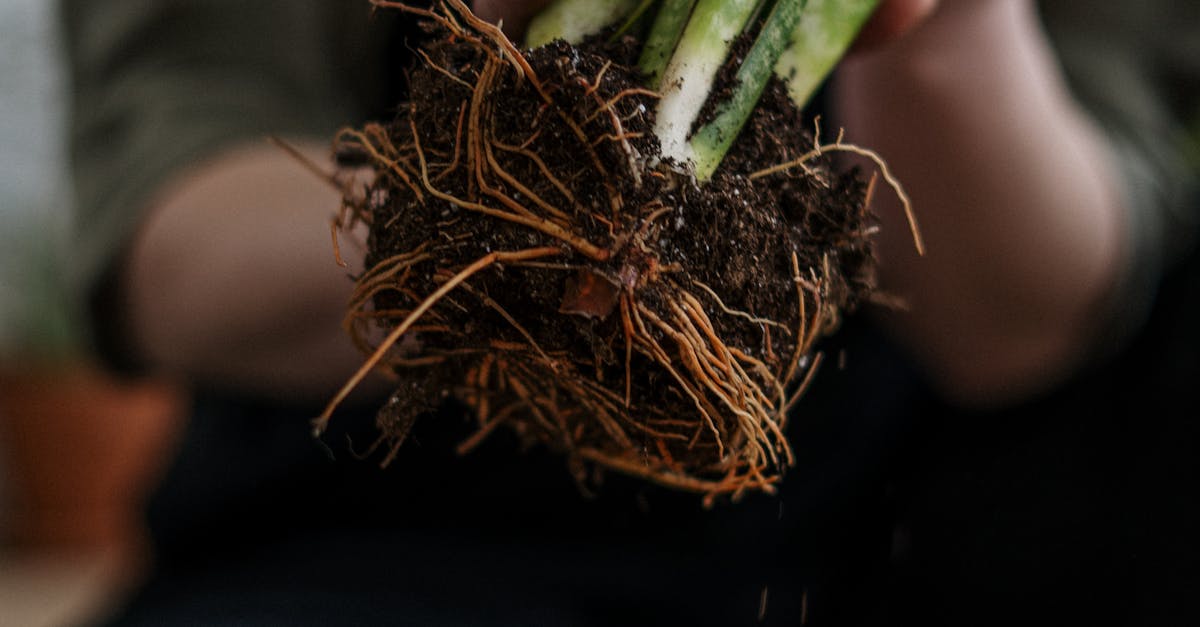
Container gardening is a fantastic way to grow plants even if you don’t have a lot of space. It’s perfect for balconies, patios, and even small apartments. And, it’s a great way to get your kids involved in gardening.
In this beginner’s guide to container gardening, we’ll walk you through everything you need to know to get started, from choosing the right containers and soil to selecting plants and caring for them. We’ll also cover some common challenges you may face and how to overcome them.
So, what are you waiting for? Let’s get started!
1. Embark on Container Gardening: Understanding the Basics
Container gardening is the practice of growing plants in containers instead of in the ground. It is a great way to grow plants in small spaces, such as balconies, patios, and apartments. Container gardening is also a good way to grow plants that are not well-suited to your climate or soil conditions.
There are many benefits to container gardening. One of the biggest benefits is that it is space-efficient. You can grow a lot of plants in a small space by using containers. This is ideal for people who live in apartments or have small yards.
Another benefit of container gardening is that it is versatile. You can grow any type of plant in a container, from flowers to vegetables to herbs. You can also create different arrangements of plants to create a unique look.
Container gardening is a great way to get started with gardening, even if you don’t have a lot of experience. It is also a fun and rewarding hobby that can provide you with fresh, homegrown produce.
Choosing the Right Containers
When choosing containers for your container garden, there are a few things you need to keep in mind:
- Size: The size of the container will determine how many plants you can grow in it and how big they will get. Small containers are suitable for small plants, such as herbs and flowers. Larger containers are necessary for larger plants, such as vegetables and shrubs.
- Material: Containers are made from a variety of materials, including plastic, ceramic, metal, and wood. Each material has its own advantages and disadvantages. Plastic containers are lightweight and inexpensive, but they can be easily damaged. Ceramic containers are durable and attractive, but they are also heavy and expensive. Metal containers are durable and can withstand the elements, but they can rust. Wooden containers are natural and attractive, but they can rot and need to be treated to withstand the elements.
- Drainage: Drainage is essential for preventing root rot. Make sure the containers you choose have drainage holes in the bottom. If the containers do not have drainage holes, you can drill them yourself.
In addition to these factors, you may also want to consider the style of the containers. Containers come in a variety of shapes and colors, so you can choose ones that match your décor.
Here are some additional tips for choosing containers for your container garden:
- Choose containers that are at least 12 inches deep for most plants.
- If you are growing vegetables, choose containers that are at least 18 inches deep.
- If you are growing plants that will be overwintered, choose containers that are made of a durable material, such as ceramic or metal.
Preparing the Perfect Soil Mix
The soil you use in your container garden is just as important as the containers themselves. A good potting mix will provide your plants with the nutrients they need to grow and thrive. It will also drain well, which is essential for preventing root rot.
When choosing a potting mix, look for one that is specifically designed for container gardening. These mixes are typically lightweight and well-draining. You can also make your own potting mix by combining equal parts peat moss, compost, and perlite.
To improve drainage, you can add a layer of gravel or broken pottery to the bottom of the container before adding the potting mix. This will help to prevent the soil from becoming waterlogged.
Here are some additional tips for preparing the perfect soil mix for your container garden:
- Amend the potting mix with organic matter, such as compost or manure. This will help to improve the soil structure and fertility.
- Test the pH of the potting mix before planting. Most plants prefer a pH between 6.0 and 7.0.
- Water the potting mix thoroughly before planting. This will help to settle the soil and remove any air pockets.
2. Plant Selection and Care: A Guide for Container Gardeners
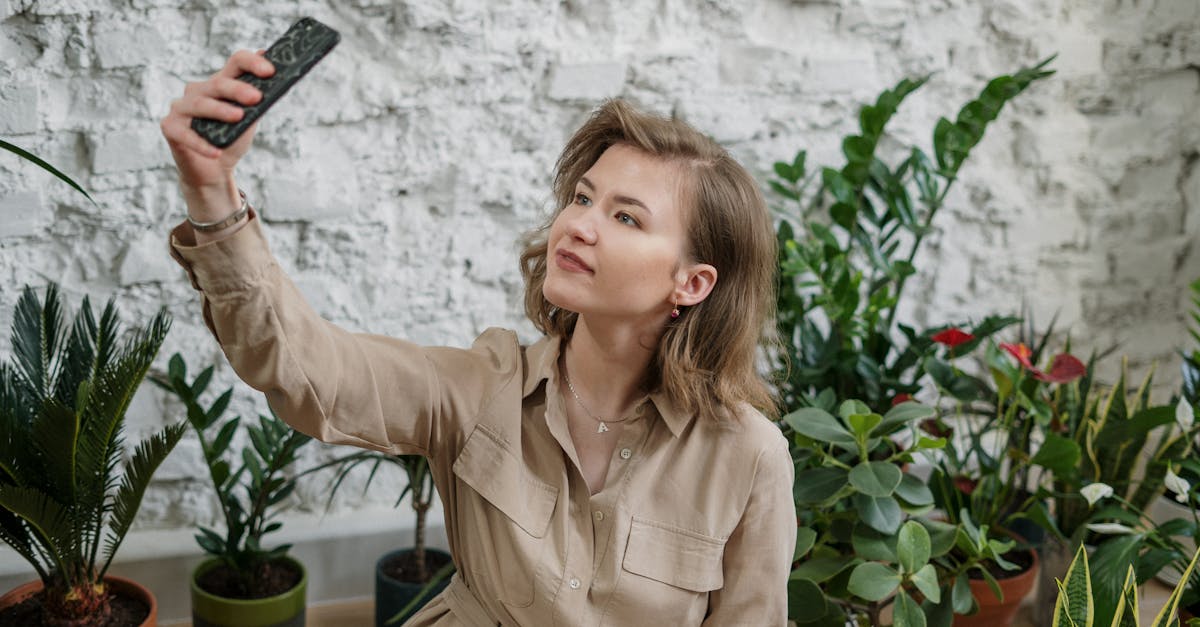
When selecting plants for your container garden, there are a few things you need to keep in mind:
- Size: The size of the plant will determine how big of a container you need. Small plants can be grown in small containers, while large plants will need larger containers.
- Sunlight requirements: Some plants need full sun, while others can tolerate partial shade or even full shade. Make sure to choose plants that are suited to the amount of sunlight your container garden will receive.
- Compatibility: Some plants grow well together, while others do not. For example, tomatoes and peppers should not be planted together, as they can compete for nutrients.
Here are some additional tips for selecting plants for your container garden:
- Choose plants that are well-suited to your climate.
- Consider the purpose of your container garden. Are you growing plants for food, flowers, or both?
- Choose a variety of plants to create a visually appealing container garden.
- Don’t be afraid to experiment with different plants. You may be surprised at what you can grow in a container garden.
Once you have selected your plants, it is important to care for them properly. Here are some general tips for caring for container plants:
- Water your plants regularly, especially during hot weather.
- Fertilize your plants every few weeks with a balanced fertilizer.
- Protect your plants from pests and diseases.
- Repot your plants as they grow.
Matching Plants to Container Size
Matching the size of your plant to the size of your container is essential for ensuring healthy growth. A plant that is too large for its container will not have enough room to grow and will quickly become rootbound. A plant that is too small for its container will be prone to drying out and will not be able to support itself.
When choosing a container for your plant, it is important to consider the following factors:
- The size of the plant’s root ball. The root ball is the mass of roots that surrounds the plant’s stem. It is important to choose a container that is at least twice the size of the root ball.
- The type of plant. Some plants, such as tomatoes and peppers, have large root systems and will need a larger container. Other plants, such as herbs and flowers, have smaller root systems and can be grown in smaller containers.
- The amount of sunlight the plant will receive. Plants that will be grown in full sun will need a larger container than plants that will be grown in partial shade or full shade.
If you are not sure what size container to choose for your plant, it is always better to err on the side of caution and choose a larger container. It is easier to transplant a plant into a larger container than it is to try to squeeze a plant into a container that is too small.
Here are some additional tips for matching plants to container size:
- When transplanting a plant into a new container, make sure to loosen the roots and spread them out before planting.
- Fill the container with potting mix and gently firm it around the plant.
- Water the plant thoroughly after transplanting.
- Monitor the plant closely for signs of stress, such as wilting or yellowing leaves. If you notice any signs of stress, it may be necessary to transplant the plant into a larger container.
Watering and Fertilizing Techniques
Watering and fertilizing are two essential tasks for keeping your container plants healthy and productive.
Watering
The frequency with which you need to water your container plants will vary depending on the type of plant, the size of the container, and the weather conditions. A good rule of thumb is to water your plants when the top inch or two of soil is dry to the touch.
When watering your plants, it is important to water them deeply and thoroughly. This means watering until the water drains out of the bottom of the container. Watering deeply encourages the roots to grow deep into the soil, which makes the plant more resilient to drought.
Avoid overwatering your plants, as this can lead to root rot. If you are unsure whether or not your plants need to be watered, it is always better to err on the side of caution and wait a few days before watering them again.
Fertilizing
Fertilizing your container plants regularly is essential for providing them with the nutrients they need to grow and thrive. A good rule of thumb is to fertilize your plants every few weeks with a balanced fertilizer.
When fertilizing your plants, it is important to follow the directions on the fertilizer label. Overfertilizing can damage your plants, so it is always better to err on the side of caution and use less fertilizer than the recommended amount.
Here are some additional tips for watering and fertilizing your container plants:
- Use a watering can or hose to water your plants. Avoid using a sprinkler, as this can promote the spread of diseases.
- Water your plants at the base of the plant. Avoid getting the leaves wet, as this can promote the growth of fungal diseases.
- Fertilize your plants according to the directions on the fertilizer label.
- Monitor your plants closely for signs of nutrient deficiencies or overfertilization. If you notice any problems, adjust your watering and fertilizing schedule accordingly.
3. Troubleshooting Common Challenges in Container Gardening
Container gardening is a great way to grow plants even if you don’t have a lot of space. However, there are some common challenges that you may face when growing plants in containers.
Overwatering
One of the most common challenges in container gardening is overwatering. Overwatering can lead to root rot, which is a serious condition that can kill your plants.
To avoid overwatering, it is important to water your plants only when the soil is dry to the touch. You can also check the moisture level of the soil by inserting your finger into the soil. If the soil is moist up to your first knuckle, then it does not need to be watered.
Underwatering
Underwatering is another common challenge in container gardening. Underwatered plants will wilt and may eventually die.
To avoid underwatering, it is important to water your plants regularly, especially during hot weather. You can also check the moisture level of the soil by inserting your finger into the soil. If the soil is dry up to your first knuckle, then it needs to be watered.
Pest infestations
Pests can be a problem for container plants, just as they can be for plants grown in the ground. Some of the most common pests that affect container plants include aphids, spider mites, and whiteflies.
To prevent and control pests, it is important to inspect your plants regularly for signs of infestation. If you find any pests, you can treat them with a variety of methods, including insecticidal soap, neem oil, or horticultural oil.
Here are some additional tips for troubleshooting common challenges in container gardening:
- If your plants are wilting, check the soil moisture level. If the soil is dry, water your plants immediately.
- If your plants are yellowing, they may be suffering from a nutrient deficiency. Fertilize your plants according to the directions on the fertilizer label.
- If your plants are stunted, they may be rootbound. Repot your plants into a larger container.
Overcoming Drainage Issues
Excess water in containers can lead to root rot, a serious condition that can kill your plants. To prevent root rot, it is important to make sure that your containers have adequate drainage.
There are a few things you can do to improve drainage in your containers:
- Choose containers with drainage holes. Drainage holes allow excess water to escape from the container. If your containers do not have drainage holes, you can drill some yourself.
- Place a layer of gravel or broken pottery in the bottom of your containers. This will help to create a drainage layer that will allow water to drain away from the roots of your plants.
- Use a potting mix that is well-draining. A well-draining potting mix will allow water to drain away from the roots of your plants and will help to prevent root rot.
- Avoid overwatering your plants. Overwatering is one of the leading causes of root rot. Water your plants only when the soil is dry to the touch.
If you are having problems with drainage in your containers, you can try the following:
- Repot your plants into larger containers. Larger containers will have more room for water to drain away from the roots of your plants.
- Elevate your containers. Elevating your containers will help to improve drainage by allowing water to drain away from the bottom of the containers.
- Water your plants less frequently. Overwatering is one of the leading causes of root rot. Water your plants only when the soil is dry to the touch.
Pest Control Strategies
Pests can be a problem for container plants, just as they can be for plants grown in the ground. However, there are a number of eco-friendly pest control methods that you can use to protect your plants.
One of the best ways to prevent pests from becoming a problem is to keep your plants healthy. Healthy plants are more resistant to pests and diseases. You can keep your plants healthy by providing them with the right amount of water, fertilizer, and sunlight.
If you do find pests on your plants, there are a number of eco-friendly methods you can use to control them.
- Use insecticidal soap. Insecticidal soap is a natural pesticide that is made from fatty acids. It is effective against a wide range of pests, including aphids, spider mites, and whiteflies. To use insecticidal soap, simply mix it with water according to the directions on the label and spray it on your plants.
- Use neem oil. Neem oil is a natural pesticide that is made from the neem tree. It is effective against a wide range of pests, including aphids, spider mites, and whiteflies. To use neem oil, simply mix it with water according to the directions on the label and spray it on your plants.
- Use horticultural oil. Horticultural oil is a natural pesticide that is made from petroleum. It is effective against a wide range of pests, including aphids, spider mites, and scale. To use horticultural oil, simply mix it with water according to the directions on the label and spray it on your plants.
If you are having trouble controlling pests on your container plants, you may want to contact a professional pest control company.
Here are some additional tips for using eco-friendly pest control methods:
- Be patient. Eco-friendly pest control methods can take some time to work. Be patient and consistent with your treatments.
- Use a variety of methods. Using a variety of eco-friendly pest control methods will help to prevent pests from developing resistance to any one method.
- Monitor your plants regularly. Regularly inspect your plants for signs of pests. Early detection and treatment will help to prevent pests from becoming a problem.
Quiz
- True or False: Container gardening is only suitable for small spaces like balconies and patios.
- Which of the following factors should be considered when choosing a container for your plants? (a) Size (b) Material (c) Drainage (d) All of the above
- What is the ideal pH range for most container plants? (a) 4.0-5.0 (b) 6.0-7.0 (c) 7.5-8.5 (d) 8.0-9.0
- How often should you fertilize your container plants? (a) Once a month (b) Every few weeks (c) Once a year (d) Never
- What is a common problem that can occur when overwatering container plants? (a) Root rot (b) Nutrient deficiency (c) Sunburn (d) Pest infestation
Answer Key
- False
- (d) All of the above
- (b) 6.0-7.0
- (b) Every few weeks
- (a) Root rot
Unlock the Greenery Potential of Your Balcony: A Guide to Thriving Plants in Compact Spaces Attention all balcony-dwelling plant enthusiasts! Read more
Transform Your Balcony into a Flourishing Garden Oasis: A Step-by-Step Guide Beginning a balcony garden can be a fulfilling endeavor, Read more
Unlocking the Potential of Vertical Gardening on Balconies Are you tired of your cramped balcony but still longing for a Read more
Aromatic Delights: Cultivating Herbs on Your Balcony Oasis Whether you're a seasoned gardener or just starting out, growing herbs on Read more
