
The Art of Pruning: Keeping Your Balcony Garden Thriving
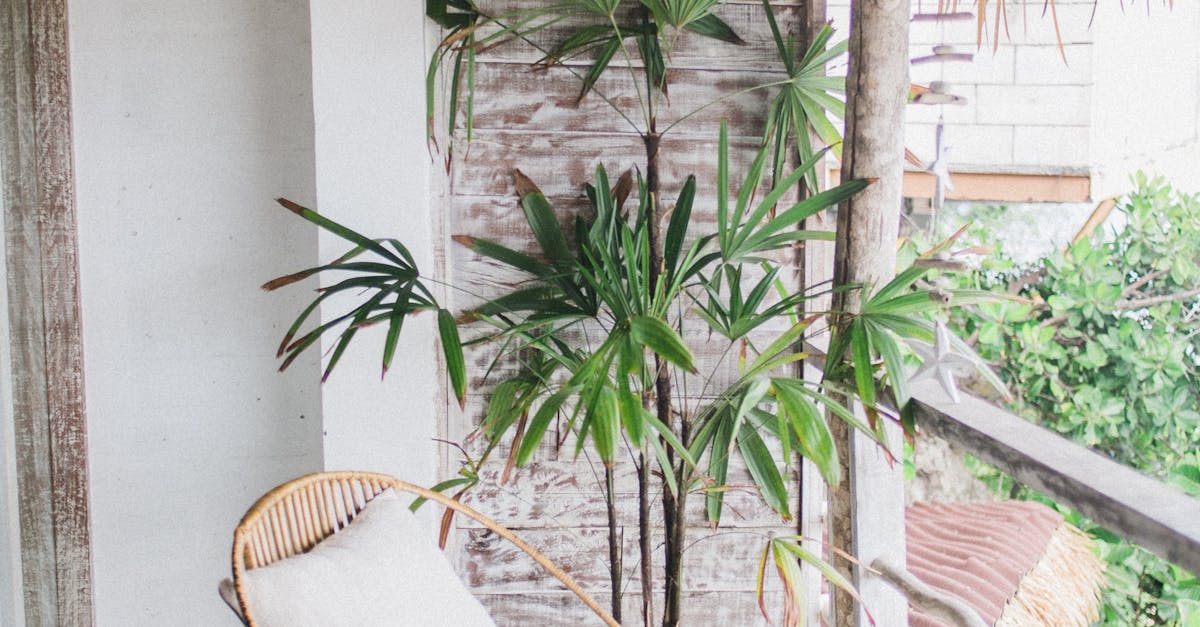
A well-maintained balcony garden can be a beautiful and rewarding addition to your home. But to keep your plants looking their best and producing the most flowers and fruit, it’s important to prune them regularly. Pruning is the art of removing select branches, stems, and leaves from a plant to encourage healthy growth, improve air circulation, and promote fruit and flower production. By following a few simple steps, you can master the art of pruning and keep your balcony garden looking its best all season long.
Pruning is an essential part of maintaining a healthy garden, and balcony gardens are no exception. By understanding the benefits of pruning and using the right techniques, you can keep your plants looking their best and producing the most flowers and fruit possible. With a little practice, you’ll be able to prune like a pro and enjoy a beautiful, thriving balcony garden year after year.
The benefits of pruning are many. Pruning can help to promote plant health, enhance aesthetics, and maximize space. By removing diseased or damaged branches, pruning helps plants to focus their energy on healthy growth and prevents the spread of infections. Pruning can also help to shape plants, remove overgrown branches, and encourage symmetrical growth, creating an aesthetically pleasing and balanced balcony garden. By selectively pruning plants, you can control their size and shape, allowing you to accommodate more plants in a limited balcony space without overcrowding.
1. Understanding the Benefits of Pruning
Pruning is an essential part of maintaining a healthy and productive garden, and balcony gardens are no exception. By understanding the benefits of pruning and using the right techniques, you can keep your plants looking their best and producing the most flowers and fruit possible. With a little practice, you’ll be able to prune like a pro and enjoy a beautiful, thriving balcony garden year after year.
One of the main benefits of pruning is that it promotes plant health. By removing diseased or damaged branches, pruning helps plants to focus their energy on healthy growth and prevents the spread of infections. Pruning also helps to improve air circulation around plants, which can help to prevent the development of fungal diseases. In addition, pruning can help to balance the growth of plants, which can lead to increased fruit and flower production.
Pruning can also be used to enhance the aesthetics of your balcony garden. By selectively pruning plants, you can control their size and shape, and encourage them to grow in a more compact and manageable way. Pruning can also help to create a more balanced and symmetrical appearance in your garden, and it can even be used to create interesting shapes and topiaries.
Promoting Plant Health
Pruning is an essential part of maintaining a healthy garden, and removing diseased or damaged branches is one of the most important aspects of pruning. When you prune away diseased or damaged branches, you are helping the plant to focus its energy on healthy growth and preventing the spread of infections. Diseased or damaged branches can be a breeding ground for pests and diseases, so it is important to remove them as soon as possible.
To prune a diseased or damaged branch, first identify the affected area. The diseased or damaged area will typically be discolored, wilted, or have other signs of damage. Once you have identified the affected area, use sharp pruning shears to cut the branch back to a healthy stem. Be sure to make the cut at a slight angle, and avoid cutting into the healthy wood. Once you have removed the diseased or damaged branch, be sure to clean your pruning shears to prevent the spread of disease.
Pruning diseased or damaged branches is an important part of maintaining a healthy garden. By removing diseased or damaged branches, you can help your plants to stay healthy and productive. Pruning also helps to improve air circulation and light penetration, which can help to prevent the development of further diseases.
Enhancing Aesthetics
Pruning is not just about removing diseased or damaged branches. It can also be used to enhance the aesthetics of your balcony garden. By pruning plants to shape them, remove overgrown branches, and encourage symmetrical growth, you can create a more visually appealing and balanced garden.
When pruning to enhance aesthetics, it is important to consider the natural shape and growth habit of the plant. You should also consider the overall design of your garden and how you want the plant to fit into that design. For example, if you have a small balcony garden, you may want to prune your plants to be more compact and manageable. Or, if you have a more formal garden, you may want to prune your plants to create more symmetrical and structured shapes.
Pruning to enhance aesthetics can be a fun and creative way to express your own personal style in your garden. By following a few simple tips, you can learn to prune your plants like a pro and create a beautiful and balanced balcony garden that you will enjoy for years to come.
Maximizing Space
If you have a small balcony garden, it is important to make the most of the space you have. One way to do this is to prune your plants selectively to control their size and shape. By pruning plants to be more compact and manageable, you can accommodate more plants in your garden without overcrowding.
When pruning to maximize space, it is important to consider the natural shape and growth habit of the plant. You should also consider how much space you have available and how you want the plant to fit into that space. For example, if you have a narrow balcony, you may want to prune your plants to be more upright and columnar. Or, if you have a small balcony, you may want to prune your plants to be more compact and bushy.
Pruning to maximize space can be a fun and creative way to make the most of your balcony garden. By following a few simple tips, you can learn to prune your plants like a pro and create a beautiful and productive garden that you will enjoy for years to come.
2. Essential Pruning Techniques
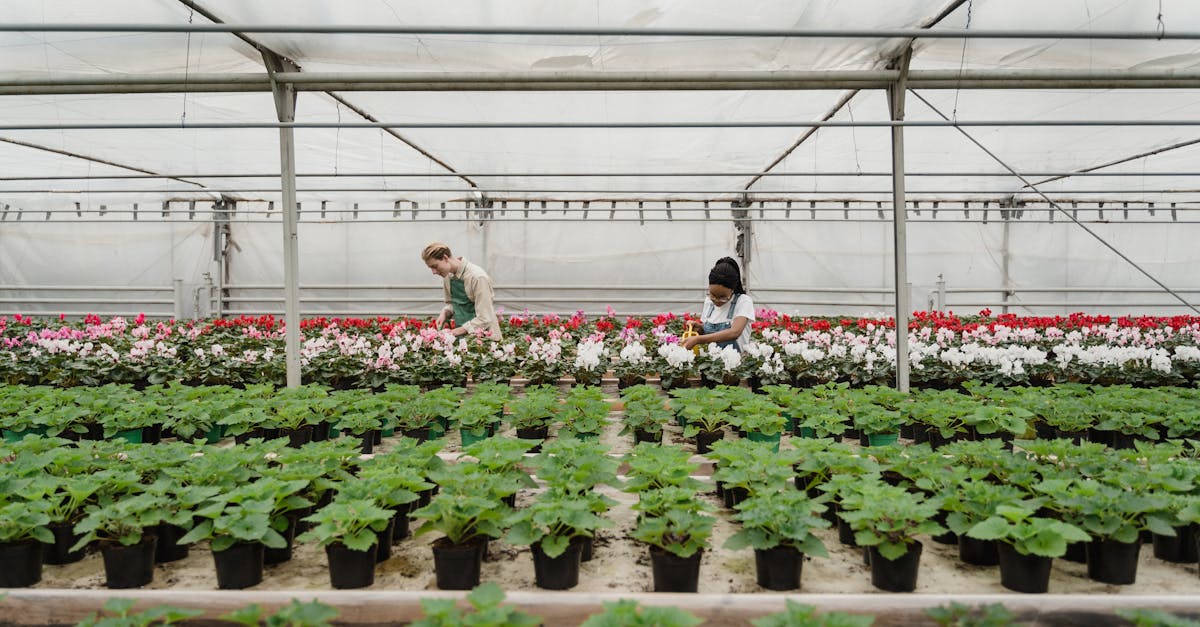
Pruning is an essential part of maintaining a healthy and productive garden, and there are a variety of different pruning techniques that can be used to achieve different results. Some of the most common pruning techniques include deadheading, thinning, and shaping.
Deadheading is the removal of spent flowers from a plant. This encourages the plant to produce more flowers and can also help to improve the appearance of the plant. Thinning is the removal of excess branches or leaves from a plant. This can help to improve air circulation and light penetration, which can lead to increased fruit and flower production. Shaping is the pruning of a plant to create a desired shape or form. This can be done for aesthetic reasons or to improve the plant’s growth habit.
By mastering different pruning techniques, you can address specific plant growth needs and achieve desired results. For example, if you want to encourage a plant to produce more flowers, you can deadhead the spent flowers. If you want to improve air circulation and light penetration, you can thin the excess branches or leaves. And if you want to create a desired shape or form, you can shape the plant by pruning it to the desired shape.
Deadheading
Deadheading is the removal of spent flowers from a plant. This simple technique can have a big impact on the health and appearance of your plants. Deadheading encourages plants to produce more flowers, prevents seed production, and helps to maintain a tidy appearance.
To deadhead a flower, simply remove the spent bloom from the plant. You can do this by pinching the flower off with your fingers or by using a sharp pair of scissors. Be sure to remove the entire flower, including the stem. Deadheading can be done on a regular basis, or as needed. If you deadhead your plants regularly, you will encourage them to produce more flowers throughout the growing season.
Deadheading is a simple and effective way to keep your plants looking their best. By removing spent flowers, you will encourage your plants to produce more flowers, prevent seed production, and maintain a tidy appearance.
Thinning
Thinning is the selective removal of excess branches or leaves from a plant. This technique can be used to improve air circulation, reduce disease risk, and promote stronger plant growth.
When thinning a plant, it is important to remove the correct branches or leaves. You should remove branches or leaves that are diseased, damaged, or overcrowded. You should also remove branches or leaves that are growing in the wrong direction or that are not contributing to the overall health of the plant.
Thinning can be done on a regular basis, or as needed. If you thin your plants regularly, you will help to keep them healthy and productive. Thinning can also be used to shape plants and to create a desired appearance.
Shaping
Shaping is the pruning of a plant to create a desired shape or form. This technique can be used to enhance the aesthetics of a plant or to optimize space. Shaping can be done on a variety of plants, including trees, shrubs, and hedges.
There are a number of different shaping techniques that can be used, including topiaries, espalier, and cordon pruning. Topiaries are plants that have been pruned into a specific shape, such as a ball, cone, or spiral. Espalier is a technique in which trees or shrubs are trained to grow flat against a wall or trellis. Cordon pruning is a technique in which trees or shrubs are pruned to grow in a single vertical stem.
Shaping can be a fun and creative way to add interest to your garden. It can also be used to improve the health and productivity of your plants. By shaping your plants, you can control their size and shape, improve air circulation, and increase light penetration.
3. Tools and Equipment
When pruning plants, it is important to use the right tools for the job. The right tools will help you to make clean cuts and minimize plant damage. Some of the most common pruning tools include:
- Hand shears: Hand shears are ideal for pruning small branches and stems. They come in a variety of sizes and styles, so you can choose the shears that are right for your needs.
- Loppers: Loppers are used for pruning larger branches. They have long handles and sharp blades that can cut through even thick branches.
- Pruning saws: Pruning saws are used for pruning very thick branches or trunks. They have sharp blades that can cut through even the toughest wood.
When choosing pruning tools, it is important to look for tools that are made of high-quality materials. The blades should be sharp and durable, and the handles should be comfortable to hold. It is also important to keep your pruning tools clean and sharp. This will help you to make clean cuts and minimize plant damage.
Hand Shears
Hand shears are a versatile and essential tool for any gardener. They are ideal for making precise cuts on small branches and stems. Hand shears come in a variety of sizes and styles, so you can choose the shears that are right for your needs.
When choosing hand shears, it is important to consider the size of the shears and the type of cutting you will be doing. For general pruning tasks, a pair of medium-sized hand shears with sharp blades will suffice. If you will be doing a lot of delicate pruning, you may want to choose a pair of smaller shears with finer blades. If you will be cutting thicker branches, you may need a pair of larger shears with stronger blades.
Hand shears should be kept sharp and clean. This will help you to make clean cuts and minimize plant damage. To sharpen your hand shears, you can use a whetstone or a sharpening stone. To clean your hand shears, simply wipe them down with a damp cloth.
Loppers
Loppers are a type of pruning tool that is designed for cutting larger branches. They have long handles and sharp blades that can cut through even thick branches. Loppers are a good choice for pruning trees, shrubs, and other woody plants.
When choosing loppers, it is important to consider the size of the loppers and the type of cutting you will be doing. For general pruning tasks, a pair of medium-sized loppers with sharp blades will suffice. If you will be cutting thicker branches, you may need a pair of larger loppers with stronger blades.
Loppers should be kept sharp and clean. This will help you to make clean cuts and minimize plant damage. To sharpen your loppers, you can use a whetstone or a sharpening stone. To clean your loppers, simply wipe them down with a damp cloth.
Pruning Saws
Pruning saws are a type of pruning tool that is used for cutting thick or difficult-to-cut branches. They have sharp blades and sturdy handles that can cut through even the toughest wood. Pruning saws are a good choice for pruning trees, shrubs, and other woody plants.
When choosing a pruning saw, it is important to consider the size of the saw and the type of cutting you will be doing. For general pruning tasks, a medium-sized pruning saw with a sharp blade will suffice. If you will be cutting thicker branches, you may need a larger pruning saw with a stronger blade.
Pruning saws should be kept sharp and clean. This will help you to make clean cuts and minimize plant damage. To sharpen your pruning saw, you can use a whetstone or a sharpening stone. To clean your pruning saw, simply wipe it down with a damp cloth.
4. When and How Often to Prune

The optimal timing and frequency of pruning varies depending on the type of plant and the climate you live in. However, there are some general guidelines you can follow. In general, it is best to prune most plants in late winter or early spring, before new growth begins. This gives the plant time to heal before the growing season begins. However, there are some plants that should be pruned at different times of the year. For example, roses should be pruned in the fall or spring, and fruit trees should be pruned in the summer.
How often you need to prune your plants will also vary depending on the type of plant and the climate you live in. Some plants, such as hedges, may need to be pruned several times a year to maintain their shape. Other plants, such as trees, may only need to be pruned once a year or even less frequently.
It is important to prune your plants regularly to maintain their health and appearance. Pruning removes dead or diseased branches, encourages new growth, and helps to control the size and shape of the plant. By following these general guidelines, you can prune your plants like a pro and keep them looking their best.
Seasonal Pruning
The best time of year to prune specific plants depends on a number of factors, including the plant’s growth cycle, flowering period, and climate. In general, it is best to prune most plants in late winter or early spring, before new growth begins. This gives the plant time to heal before the growing season begins. However, there are some plants that should be pruned at different times of the year. For example, roses should be pruned in the fall or spring, and fruit trees should be pruned in the summer.
Here are some general guidelines for seasonal pruning:
- Spring-flowering plants: Prune these plants after they have finished flowering. This will encourage them to produce more flowers the following spring.
- Summer-flowering plants: Prune these plants in the fall or early spring. This will help to remove any dead or diseased growth and encourage new growth the following summer.
- Evergreen plants: Prune these plants any time of year, but avoid pruning them in the late fall or winter. This is because new growth is more susceptible to damage from cold temperatures.
- Deciduous plants: Prune these plants in the late winter or early spring, before new growth begins. This will help to remove any dead or diseased branches and encourage new growth in the spring.
Regular Maintenance
In addition to seasonal pruning, it is also important to establish a regular maintenance pruning schedule. This will help to remove dead or diseased leaves, control unwanted growth, and maintain the desired shape and size of your plants.
The frequency of your maintenance pruning will vary depending on the type of plant and the climate you live in. However, a good rule of thumb is to prune your plants at least once a month during the growing season. This will help to keep your plants looking their best and prevent them from becoming overgrown.
When pruning for maintenance, be sure to remove any dead or diseased leaves or branches. You should also remove any suckers or water sprouts that are growing from the base of the plant. These suckers and water sprouts can rob the plant of nutrients and energy, so it is important to remove them as soon as possible.
5. Common Mistakes to Avoid
Pruning is an essential part of maintaining a healthy and productive balcony garden. However, there are a few common mistakes that can damage your plants and prevent them from thriving. Here are a few common pruning mistakes to avoid:
- Pruning too aggressively: Pruning too aggressively can weaken your plants and make them more susceptible to pests and diseases. When pruning, only remove the necessary branches or leaves. Avoid cutting back more than one-third of the plant at a time.
- Pruning at the wrong time: Pruning at the wrong time of year can damage your plants. For example, pruning deciduous trees in the fall can prevent them from going dormant properly. Be sure to research the best time to prune your specific plants.
- Using dull or improper tools: Dull or improper tools can crush or tear plant tissues, increasing the risk of infection and compromising plant health. Always use sharp, clean tools that are the right size for the job.
Pruning Too Aggressively
Pruning is an essential part of maintaining a healthy and productive balcony garden. However, it is important to avoid pruning too aggressively. Over-pruning can weaken your plants and make them more susceptible to pests and diseases. It can also hinder growth and flowering.
When pruning, only remove the necessary branches or leaves. Avoid cutting back more than one-third of the plant at a time. This will help to ensure that your plant remains healthy and vigorous.
If you are unsure about how much to prune, it is always best to err on the side of caution. You can always prune more later if needed. But if you prune too much, it can take a long time for your plant to recover.
Pruning at the Wrong Time
Pruning at the wrong time of year can damage your plants and prevent them from thriving. For example, pruning deciduous trees in the fall can prevent them from going dormant properly. This can make them more susceptible to winter damage. Similarly, pruning spring-flowering plants in the fall can remove the buds that would have produced flowers the following spring.
To avoid damaging your plants, it is important to research the best time to prune your specific plants. You can find this information in books, online, or by talking to a local nursery. Once you know the best time to prune your plants, be sure to mark it on your calendar so that you don’t forget.
If you are unsure about when to prune a particular plant, it is always best to err on the side of caution. You can always prune later if needed. But if you prune too early, you may damage the plant.
Using Dull or Improper Tools
Using dull or improper tools can crush or tear plant tissues, increasing the risk of infection and compromising plant health. Dull tools can also make pruning more difficult and time-consuming. It is important to use sharp, clean tools that are the right size and shape for the job.
The type of pruning tool you need will depend on the size and type of plants you are pruning. For example, you will need a different tool to prune small branches than you would to prune large branches. It is important to choose the right tool for the job and to use it properly. Using the wrong tool or using a tool improperly can damage your plants.
If you are unsure about which pruning tool to use or how to use it properly, be sure to consult with a gardening expert or refer to online resources for guidance.
Quiz
1. True or False: Pruning can help to promote plant health by removing diseased or damaged branches.
(a) True (b) False
2. Which of the following is NOT a benefit of pruning?
(a) Improved air circulation (b) Increased fruit and flower production (c) Reduced risk of infection (d) Larger plant size
3. True or False: Pruning should be done at the same time of year for all plants.
(a) True (b) False
4. Which pruning technique is used to create a desired shape or form for a plant?
(a) Deadheading (b) Thinning (c) Shaping (d) Espalier
5. True or False: Dull pruning tools can increase the risk of plant damage.
(a) True (b) False
Answer Key
- (a) True
- (d) Larger plant size
- (b) False
- (c) Shaping
- (a) True
Unlock the Greenery Potential of Your Balcony: A Guide to Thriving Plants in Compact Spaces Attention all balcony-dwelling plant enthusiasts! Read more
Transform Your Balcony into a Flourishing Garden Oasis: A Step-by-Step Guide Beginning a balcony garden can be a fulfilling endeavor, Read more
Unlocking the Potential of Vertical Gardening on Balconies Are you tired of your cramped balcony but still longing for a Read more
Aromatic Delights: Cultivating Herbs on Your Balcony Oasis Whether you're a seasoned gardener or just starting out, growing herbs on Read more