
The Balcony Garden: A Tapestry of Nature’s Delights
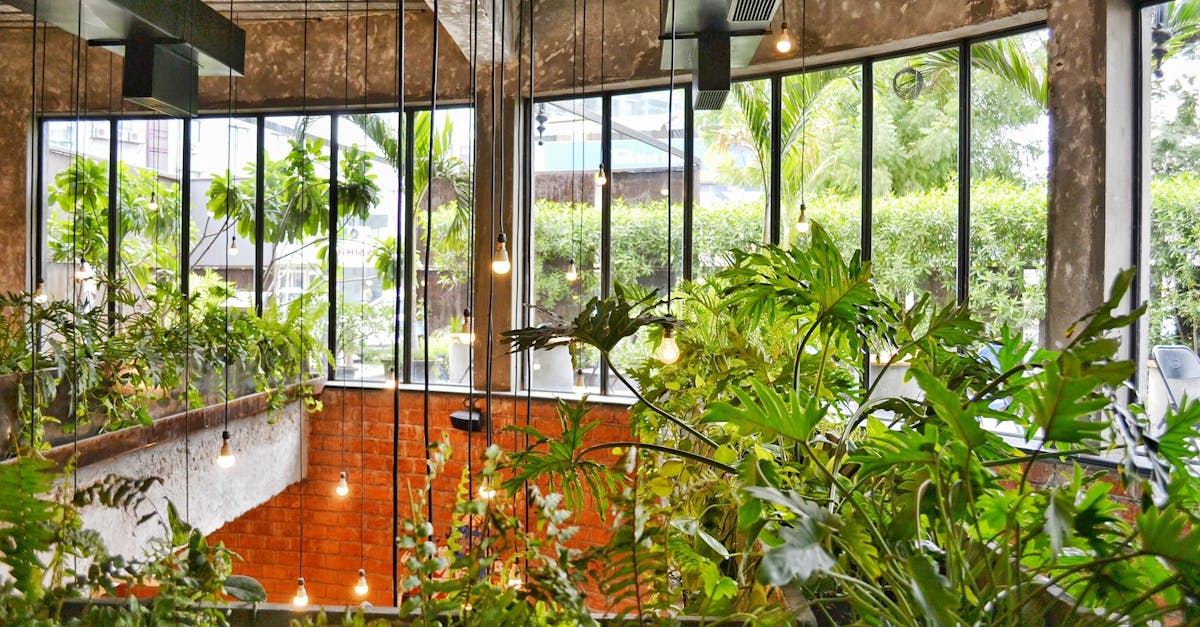
Escape to a Verdant Refuge: The Enchanting Art of Balcony Garden Design
Transform your balcony into a verdant oasis with the art of balcony garden design. This captivating guide will unveil the secrets of creating a thriving garden in the heart of your urban abode. From assessing your balcony’s unique conditions to selecting the right plants and nurturing them with care, we’ll embark on a journey to turn your balcony into a sanctuary of beauty and tranquility. As you delve into the world of balcony garden design, you’ll discover how to maximize space, create harmonious arrangements, and embrace the transformative power of nature’s embrace.
Your balcony awaits, ready to bloom into a vibrant tapestry of colors, textures, and fragrances. Dive into the enchanting world of balcony garden design and discover the art of creating your own green sanctuary.
1. Planning Your Balcony Garden: A Foundation for Success
Planning Your Balcony Garden: A Foundation for Success
Before embarking on your balcony garden adventure, it’s essential to lay a solid foundation by carefully assessing your balcony’s unique characteristics. Sunlight availability, wind exposure, and available space are the cornerstones of successful balcony gardening. Let’s delve into each factor and understand its significance:
Sunlight Availability: Sunlight is the lifeblood of any garden, and your balcony is no exception. Determine the amount of sunlight your balcony receives throughout the day. This will guide your plant selection, as different plants have varying sunlight requirements. If your balcony receives ample sunlight, you’ll have a wider range of plants to choose from, including sun-loving blooms like geraniums and petunias. For balconies with limited sunlight, shade-tolerant plants like ferns and hostas will thrive.
Wind Exposure: Consider the wind exposure of your balcony, especially if you live in a windy area. Strong winds can damage delicate plants and dry out the soil. Choose plants that can withstand wind, such as ornamental grasses, succulents, and dwarf conifers. You can also use windbreaks, such as trellises or bamboo screens, to protect your plants from harsh winds.
Available Space: Make the most of your available space by utilizing vertical gardening techniques. Trellises, hanging baskets, and wall-mounted planters allow you to grow plants upwards, creating a lush garden even on a compact balcony. Consider the size and shape of your balcony when choosing containers. Vertical gardening not only saves space but also adds visual interest and depth to your garden.
Assessing Sunlight Conditions
Assessing Sunlight Conditions
Sunlight is essential for plant growth and development, and understanding the sunlight conditions on your balcony is crucial for selecting the right plants. Here’s how to assess the sunlight your balcony receives:
Observe the Sun’s Path: Throughout the day, observe the path of the sun across your balcony. Note the times when your balcony is in full sun, partial shade, or complete shade. This will give you a good understanding of the overall sunlight exposure.
Categorize Sunlight Levels: Based on your observations, categorize the sunlight conditions on your balcony as follows:
- Full Sun: Receives direct sunlight for at least 6 hours per day.
- Partial Shade: Receives direct sunlight for 3-6 hours per day, with the rest of the day in bright, indirect light.
- Full Shade: Receives less than 3 hours of direct sunlight per day.
Consider Seasonal Variations: Keep in mind that sunlight conditions can vary throughout the year, especially in regions with distinct seasons. During winter months, balconies may receive less sunlight due to shorter days and lower sun angles. Consider this when selecting plants and plan for supplemental lighting if necessary.
By carefully assessing your balcony’s sunlight conditions, you can choose plants that are well-suited to the available light and maximize their growth and vitality.
Understanding Wind Exposure
Understanding Wind Exposure
Wind exposure is an important factor to consider when planning your balcony garden, especially if you live in a windy area. Strong winds can damage delicate plants, dry out the soil, and even blow over containers. Here’s how to assess wind exposure and choose plants that can withstand it:
Observe Wind Patterns: Pay attention to the wind patterns on your balcony. Note the direction from which the wind usually blows and the intensity of the wind. If your balcony is exposed to strong, frequent winds, you’ll need to choose plants that are wind-tolerant.
Select Wind-Tolerant Plants: Some plants are naturally more resistant to wind than others. Look for plants with sturdy stems, small leaves, and a low, compact growth habit. Good choices for windy balconies include ornamental grasses, succulents, and dwarf conifers. Avoid plants with large, delicate leaves or tall, spindly stems, as they are more susceptible to wind damage.
Use Windbreaks: If your balcony is particularly exposed to wind, you can create windbreaks to protect your plants. Trellises, bamboo screens, or even a row of taller plants can help to deflect the wind and reduce its impact on your garden. By understanding wind exposure and taking appropriate measures, you can ensure that your balcony plants remain healthy and protected, even on blustery days.
Maximizing Space
Maximizing Space
If you have a small balcony, don’t let that limit your gardening dreams. By utilizing vertical gardening techniques, you can create a lush and vibrant garden even in the most compact of spaces. Here’s how:
Trellises: Trellises are vertical structures that provide support for climbing plants. They can be made of various materials, such as wood, metal, or bamboo. Climbing plants, such as beans, peas, and morning glories, can be trained to grow up trellises, maximizing vertical space and creating a beautiful display.
Hanging Baskets: Hanging baskets are a great way to add color and interest to your balcony. They can be used to grow a variety of plants, including flowers, herbs, and even small vegetables. Hanging baskets can be hung from the ceiling or from hooks on the balcony railing.
Wall-Mounted Planters: Wall-mounted planters are another space-saving option for balcony gardens. They can be attached to walls or fences and used to grow a variety of plants, including succulents, herbs, and small flowers. Wall-mounted planters come in a variety of shapes and sizes, so you can find ones that fit your space and style.
By using vertical gardening techniques, you can make the most of your available space and create a lush and beautiful balcony garden, regardless of its size.
2. Selecting the Right Plants: A Vibrant Tapestry of Colors and Textures

Selecting the Right Plants: A Vibrant Tapestry of Colors and Textures
When selecting plants for your balcony garden, it’s important to choose varieties that thrive in container gardening and are well-suited to your balcony’s specific conditions. Here are a few things to consider:
Container Gardening: Choose plants that are adapted to growing in containers. Some plants, such as roses and hydrangeas, have deep root systems that may not do well in containers. Look for plants with shallow root systems and compact growth habits.
Balcony Conditions: Consider the sunlight, wind exposure, and available space on your balcony when selecting plants. If you have a sunny balcony, you can grow a wider variety of plants. If your balcony is exposed to strong winds, choose plants that are wind-tolerant. And if you have a small balcony, choose plants that are compact and don’t require a lot of space.
Mix of Plants: Create a visually appealing and dynamic garden by selecting a mix of plants with varying heights, colors, and textures. For example, you could plant tall plants in the back, shorter plants in the front, and trailing plants to cascade over the edges of containers. You could also choose plants with a variety of leaf shapes and colors to add interest and depth to your garden.
Flowers for a Burst of Color
Flowers for a Burst of Color
Add a touch of vibrancy and life to your balcony garden with a variety of colorful flowers. Here are a few popular choices:
Petunias: Petunias are known for their abundance of trumpet-shaped flowers in a wide range of colors, including pink, purple, red, and white. They are relatively easy to grow and bloom profusely throughout the summer.
Geraniums: Geraniums are another popular choice for balcony gardens. They produce clusters of small, vibrant flowers in shades of red, pink, purple, and white. Geraniums are relatively low-maintenance and can tolerate a variety of conditions.
Impatiens: Impatiens are known for their shade tolerance and ability to bloom continuously throughout the summer. They produce an abundance of small, saucer-shaped flowers in a variety of colors, including pink, purple, red, and white. Impatiens are a good choice for balconies that receive limited sunlight.
In addition to these popular choices, there are many other types of flowers that are suitable for balcony gardens. When selecting flowers, consider the amount of sunlight your balcony receives, the size of your containers, and your personal preferences. With a little planning, you can create a beautiful and colorful balcony garden that will attract pollinators and add a touch of cheer to your outdoor space.
Foliage Plants for Lush Greenery
Foliage Plants for Lush Greenery
In addition to flowers, incorporate foliage plants into your balcony garden to add lush greenery and texture. Foliage plants come in a wide variety of shapes, sizes, and colors, and they can tolerate a wider range of light conditions than flowering plants. This makes them a good choice for balconies that receive limited sunlight or have varying light conditions throughout the day.
Here are a few popular choices for foliage plants:
Ferns: Ferns are known for their delicate, feathery fronds. They prefer shady or partially shady locations and can help to create a lush, tropical atmosphere on your balcony. Some popular varieties of ferns for balcony gardens include maidenhair ferns, Boston ferns, and sword ferns.
Hostas: Hostas are known for their large, heart-shaped leaves. They come in a variety of colors, including green, blue, and variegated. Hostas prefer shady or partially shady locations and can tolerate a variety of soil conditions.
Succulents: Succulents are known for their thick, fleshy leaves and stems. They are adapted to store water, which makes them ideal for balcony gardens that receive full sun or have limited watering. Some popular varieties of succulents for balcony gardens include echeveria, sedum, and sempervivum.
By incorporating foliage plants into your balcony garden, you can create a lush and beautiful space that provides year-round interest.
Herbs for Culinary Delights
Herbs for Culinary Delights
In addition to flowers and foliage plants, consider growing herbs in your balcony garden. Herbs are not only a great way to add flavor to your dishes, but they can also repel insects and add a touch of fragrance to your balcony. Here are a few popular choices:
Basil: Basil is a popular herb used in Italian and Mediterranean cuisine. It has a sweet, slightly peppery flavor and is a good source of vitamins A and C. Basil is easy to grow in containers and prefers full sun or partial shade.
Thyme: Thyme is a versatile herb that can be used in a variety of dishes, from soups and stews to roasted meats and vegetables. It has a slightly minty flavor and is a good source of iron and calcium. Thyme is easy to grow in containers and prefers full sun or partial shade.
Rosemary: Rosemary is a fragrant herb that is often used in Mediterranean cuisine. It has a strong, pungent flavor and is a good source of antioxidants. Rosemary is a bit more challenging to grow in containers than basil or thyme, but it can be done with proper care. It prefers full sun and well-drained soil.
By growing herbs in your balcony garden, you can have fresh, flavorful herbs on hand for cooking and enjoy the added benefits of insect repellency and fragrance.
3. Creating a Harmonious Design: The Essence of Aesthetic Appeal
Creating a Harmonious Design: The Essence of Aesthetic Appeal
Once you have selected your plants, it’s time to arrange them in a visually pleasing manner. Here are a few tips:
Color Combinations: Consider the color combinations of your plants when arranging them. You can create a striking display by pairing complementary colors, such as blue and orange, or red and green. Alternatively, you can create a more subtle and harmonious effect by pairing analogous colors, such as blue, green, and purple.
Height Variations: Add depth and interest to your balcony garden by incorporating plants of varying heights. Taller plants can serve as a backdrop, while shorter plants can create a lush foreground. You can also use hanging baskets and trellises to add vertical interest.
Textures and Shapes: Play with different plant textures and shapes to create a visually dynamic garden. Combine smooth and rough textures, as well as round and spiky shapes. This will add visual interest and make your balcony garden more inviting.
Color Combinations
Color Combinations
When arranging your balcony garden, consider the color combinations of your plants. Different color combinations can create different effects. For example, complementary colors, such as blue and orange, or red and green, create a striking visual impact. Analogous colors, such as blue, green, and purple, create a more subtle and harmonious effect.
Here are a few tips for choosing color combinations for your balcony garden:
- Complementary colors: Complementary colors are located opposite each other on the color wheel. When placed next to each other, they create a high-contrast effect. Some popular complementary color combinations include:
- Blue and orange
- Red and green
- Purple and yellow
- Analogous colors: Analogous colors are located next to each other on the color wheel. When placed together, they create a more subtle and harmonious effect. Some popular analogous color combinations include:
- Blue, green, and purple
- Red, orange, and yellow
- Green, yellow, and orange
By experimenting with different color combinations, you can create a balcony garden that is both visually appealing and inviting.
Height Variations
Height Variations
Adding height variations to your balcony garden is a great way to create depth and interest. Taller plants can serve as a backdrop for shorter plants, and they can also be used to create a sense of enclosure. Shorter plants can be used to create a lush foreground, and they can also be used to fill in gaps between taller plants.
When choosing plants for your balcony garden, consider their mature height. You want to choose a mix of plants that will create a visually pleasing arrangement. Here are a few tips for incorporating height variations into your balcony garden:
- Start with a backdrop of taller plants. This will create a sense of enclosure and privacy. Some good choices for backdrop plants include small trees, shrubs, and climbing vines.
- Add mid-height plants to fill in the middle of your garden. These plants can be used to create a lush and colorful display. Some good choices for mid-height plants include perennials, annuals, and ornamental grasses.
- Finish with a layer of shorter plants in the foreground. These plants can be used to create a finishing touch and to add a touch of color. Some good choices for foreground plants include groundcovers, succulents, and small flowers.
By incorporating height variations into your balcony garden, you can create a visually appealing and dynamic space that you’ll love to spend time in.
Texture and Shape
Texture and Shape
In addition to color and height, consider the texture and shape of your plants when arranging your balcony garden. Different textures and shapes can create visual interest and add depth to your garden.
Here are a few tips for playing with texture and shape in your balcony garden:
- Combine smooth and rough textures. Smooth-leaved plants, such as hostas and ferns, can create a calming effect. Rough-leaved plants, such as succulents and ornamental grasses, can add a touch of drama. By combining different textures, you can create a visually dynamic garden.
- Mix округлый and spiky shapes. Oкруглый shapes, such as those found on many flowers and succulents, can create a soft and inviting atmosphere. Spiky shapes, such as those found on some cacti and ornamental grasses, can add a touch of excitement. By mixing different shapes, you can create a garden that is both visually appealing and stimulating.
- Use plants with different growth habits. Some plants grow upright, while others cascade or trail. By using plants with different growth habits, you can create a garden that is full of movement and interest.
By playing with texture and shape, you can create a balcony garden that is both beautiful and unique. So experiment with different combinations and see what you can create.
4. Essential Care for a Thriving Balcony Garden: Nurturing Your Green Oasis

Essential Care for a Thriving Balcony Garden: Nurturing Your Green Oasis
Once you have created your balcony garden, it is important to provide regular care to ensure that your plants thrive. Here are a few essential care tips:
Watering: Water your plants regularly, especially during hot and dry weather. Allow the soil to dry out slightly between waterings to prevent overwatering. Overwatering can lead to root rot and other problems.
Fertilizing: Fertilize your plants every few weeks to provide them with the nutrients they need to grow and bloom. Use a balanced fertilizer that is specifically formulated for container plants.
Drainage: Make sure your containers have adequate drainage holes to prevent waterlogging. Waterlogged soil can lead to root rot and other problems. If your containers do not have drainage holes, you can drill some holes in the bottom.
Pest and Disease Control: Regularly inspect your plants for pests and diseases. Treat any infestations promptly using organic or chemical methods. Pests and diseases can quickly spread and damage your plants, so it is important to catch them early.
Watering Wisely
Watering Wisely
Watering is an essential part of balcony garden care. However, it is important to water wisely to avoid overwatering and underwatering. Here are a few tips for watering your balcony plants:
Check the Soil: Before watering your plants, check the soil to see if it is dry. Stick your finger in the soil up to the first knuckle. If the soil feels dry, it is time to water. If the soil feels moist, wait a few days before watering.
Water Deeply: When you water your plants, water them deeply. This encourages the roots to grow deep and strong. Water until the water drains out of the bottom of the pot. Avoid shallow watering, as this only encourages the roots to grow near the surface of the soil.
Allow the Soil to Dry Out Slightly Between Waterings: It is important to allow the soil to dry out slightly between waterings. This helps to prevent waterlogged soil, which can lead to root rot and other problems. Overwatering is one of the most common mistakes that balcony gardeners make, so it is important to be careful not to overwater your plants.
By following these tips, you can water your balcony plants wisely and help them to thrive.
Fertilizing for Growth
Fertilizing for Growth
Fertilizing is an essential part of balcony garden care. Fertilizers provide plants with the nutrients they need to grow and bloom. When choosing a fertilizer for your balcony plants, it is important to choose one that is specifically formulated for container plants. Container plants have different nutrient needs than in-ground plants, so it is important to use a fertilizer that is designed to meet their specific needs.
Here are a few tips for fertilizing your balcony plants:
Fertilize Regularly: Fertilize your plants every few weeks during the growing season. This will help to ensure that they have the nutrients they need to grow and bloom. Do not over-fertilize, as this can damage your plants.
Use a Balanced Fertilizer: Choose a fertilizer that is balanced, meaning that it contains all of the essential nutrients that plants need. Nitrogen, phosphorus, and potassium are the three most important nutrients for plants. A balanced fertilizer will contain these nutrients in a ratio that is appropriate for container plants.
Follow the Directions on the Fertilizer Label: When applying fertilizer, be sure to follow the directions on the fertilizer label. Do not over-fertilize, as this can damage your plants.
By following these tips, you can fertilize your balcony plants properly and help them to thrive.
Ensuring Proper Drainage
Ensuring Proper Drainage
Proper drainage is essential for healthy balcony plants. Waterlogged soil can lead to root rot and other problems. To ensure proper drainage, make sure that your containers have adequate drainage holes.
Here are a few tips for ensuring proper drainage in your balcony garden:
Choose Containers with Drainage Holes: When choosing containers for your balcony garden, make sure to choose ones that have drainage holes. This will allow excess water to drain out of the pots and prevent waterlogging.
Place a Layer of Gravel or Perlite at the Bottom of the Pots: To further improve drainage, you can place a layer of gravel or perlite at the bottom of the pots. This will help to create a reservoir of water at the bottom of the pot, which will help to prevent the soil from becoming waterlogged.
Water Wisely: In addition to choosing containers with drainage holes and placing a layer of gravel or perlite at the bottom of the pots, it is also important to water wisely. Avoid overwatering your plants, as this can lead to waterlogged soil. Allow the soil to dry out slightly between waterings.
Pest and Disease Management
Pest and Disease Management
Pests and diseases can quickly damage or even kill your balcony plants. It is important to regularly inspect your plants for pests and diseases and to treat any infestations promptly. Here are a few tips for managing pests and diseases in your balcony garden:
Inspect Your Plants Regularly: Regularly inspect your plants for pests and diseases. Look for signs of damage, such as holes in the leaves, yellowing leaves, or wilting. If you see any signs of pests or diseases, take action immediately to treat the infestation.
Treat Infestations Promptly: If you find any pests or diseases on your plants, treat the infestation promptly. There are a variety of organic and chemical methods that you can use to treat pests and diseases. Choose a method that is appropriate for the type of pest or disease that you are dealing with.
Prevent the Spread of Damage: Once you have treated an infestation, take steps to prevent the spread of damage. This may involve isolating infected plants, removing dead or diseased leaves, or cleaning your gardening tools and equipment.
5. Embracing the Transformative Power: The Balcony Garden as a Sanctuary
Embracing the Transformative Power: The Balcony Garden as a Sanctuary
Your balcony garden can be more than just a place to grow plants. It can be a tranquil haven where you can relax, recharge, and connect with nature. By incorporating a few simple elements, you can create a cozy and inviting outdoor space that you’ll love to spend time in.
Here are a few ideas for creating a sanctuary on your balcony:
Add Seating: One of the best ways to make your balcony more inviting is to add seating. A comfortable chair or bench is a great place to relax and enjoy your garden. If you have a small balcony, you can even use a folding chair or ottoman.
Incorporate Lighting: Lighting can transform your balcony into a magical space at night. String lights, lanterns, or candles can create a warm and inviting atmosphere. You can also use lighting to highlight your plants or create a focal point in your garden.
Add Personal Touches: Make your balcony garden a reflection of your own personal style. Add artwork, wind chimes, or other decorative elements that you love. You can also use plants to create a certain mood or atmosphere. For example, lavender is known for its calming effects, while citrus plants can energize and uplift.
By incorporating these elements, you can create a balcony garden that is not only beautiful, but also a place where you can relax, recharge, and connect with nature.
Creating a Cozy Nook
Creating a Cozy Nook
One of the best ways to make your balcony garden more inviting is to create a cozy nook where you can sit and enjoy your surroundings. A comfortable chair or bench is essential for creating a relaxing space. Here are a few tips for choosing the right seating for your balcony garden:
Consider the Size of Your Balcony: If you have a small balcony, you’ll want to choose seating that is compact and doesn’t take up too much space. A folding chair or ottoman can be a good option for small balconies. If you have a larger balcony, you can choose a more spacious chair or bench.
Choose Comfortable Seating: You’ll be spending a lot of time in your cozy nook, so it’s important to choose seating that is comfortable. Look for chairs or benches with cushions or padding. You may also want to consider adding a throw pillow or blanket for extra comfort.
Add Personal Touches: Make your cozy nook a reflection of your own personal style. Add a few throw pillows or blankets in your favorite colors or patterns. You can also hang a piece of artwork or a wind chime to add a touch of personality.
By following these tips, you can create a cozy nook on your balcony that is the perfect place to relax and enjoy your garden.
Illuminating the Night
Illuminating the Night
Don’t let the sun set on your enjoyment of your balcony garden. By installing outdoor lighting, you can extend the enjoyment of your balcony garden into the evening hours. Here are a few tips for choosing and installing outdoor lighting for your balcony garden:
Choose the Right Lighting: There are a variety of outdoor lighting options available, so it’s important to choose the right type of lighting for your balcony garden. String lights, lanterns, or candles can create a warm and inviting atmosphere. You can also use spotlights to highlight your plants or create a focal point in your garden.
Install the Lighting Safely: When installing outdoor lighting, it’s important to do so safely. Make sure to follow the manufacturer’s instructions and use weather-resistant materials. You should also avoid overloading electrical outlets.
Create a Lighting Plan: Before you start installing your lighting, take some time to create a lighting plan. This will help you to determine the best placement for your lights and to avoid any potential hazards.
By following these tips, you can illuminate your balcony garden and extend your enjoyment of it into the evening hours.
Personalizing Your Space
Personalizing Your Space
Make your balcony garden a true reflection of your style and taste by adding personal touches. Here are a few ideas:
Artwork: Add a piece of artwork to your balcony garden to add a touch of personality. A painting, sculpture, or even a photograph can add a unique touch to your space. If you have a small balcony, you can hang a piece of artwork on the wall or fence. If you have a larger balcony, you can place a sculpture or statue in the corner.
Wind Chimes: Wind chimes are a great way to add a touch of whimsy and charm to your balcony garden. Choose wind chimes that you find visually appealing and that produce a sound that you enjoy. You can hang wind chimes from the ceiling or from hooks on the balcony railing.
Water Feature: A small water feature can add a touch of tranquility to your balcony garden. The sound of running water can be very soothing and relaxing. You can find small water features at most home and garden stores.
By adding personal touches to your balcony garden, you can create a space that is uniquely your own. So experiment with different ideas and see what works best for you.
Quiz
Test your understanding of the article’s main points by answering the following questions:
Multiple Choice
- What is the most important factor to consider when choosing plants for a balcony garden?
- (a) Sunlight availability
- (b) Wind exposure
- (c) Size of the balcony
- (d) All of the above
- What type of plants are best suited for balcony gardens that receive limited sunlight?
- (a) Sun-loving plants
- (b) Shade-tolerant plants
- (c) Wind-tolerant plants
- (d) Drought-tolerant plants
True/False
- Vertical gardening techniques can be used to maximize space on a small balcony.
- It is important to fertilize your balcony plants every day.
- Pests and diseases can quickly damage or even kill your balcony plants.
Answer Key
Multiple Choice
- (d) All of the above
- (b) Shade-tolerant plants
True/False
- True
- False
- True
Answer Key
Multiple Choice
- (d) All of the above
- (b) Shade-tolerant plants
True/False
- True
- False
- True
Unlock the Greenery Potential of Your Balcony: A Guide to Thriving Plants in Compact Spaces Attention all balcony-dwelling plant enthusiasts! Read more
Transform Your Balcony into a Flourishing Garden Oasis: A Step-by-Step Guide Beginning a balcony garden can be a fulfilling endeavor, Read more
Unlocking the Potential of Vertical Gardening on Balconies Are you tired of your cramped balcony but still longing for a Read more
Aromatic Delights: Cultivating Herbs on Your Balcony Oasis Whether you're a seasoned gardener or just starting out, growing herbs on Read more