
An Urban Haven: The Art of Balcony Garden Design
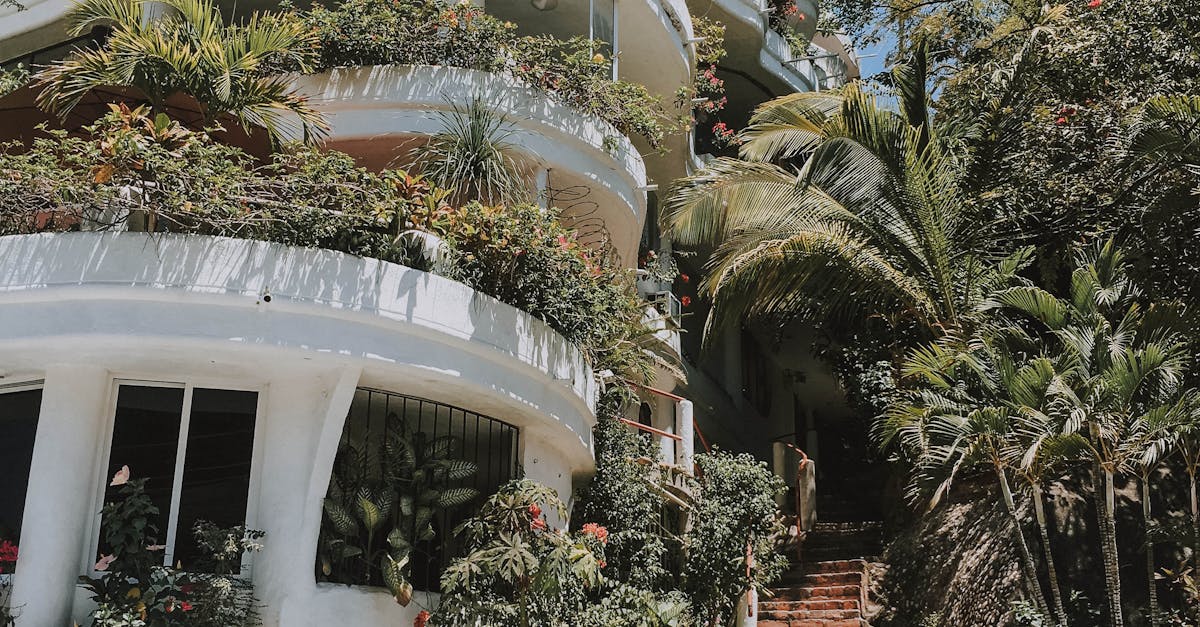
Transform Your Balcony into a Green Oasis: A Guide to Balcony Garden Design
In today’s urban landscape, balconies have become treasured outdoor havens, offering a respite from the hustle and bustle of city life. Whether you have a spacious terrace or a petite Juliet balcony, creating a lush and inviting balcony garden is a rewarding endeavor that brings a touch of nature to your doorstep. This comprehensive guide will lead you through the essential steps of balcony garden design, empowering you to create a thriving green refuge in your own urban oasis.
As you embark on your balcony gardening journey, the first step is to plan meticulously. Assess the sunlight your balcony receives to determine which plants will thrive in your unique conditions. Utilize vertical gardening techniques and space-saving furniture to make the most of limited space. Proper drainage is crucial, so select containers with drainage holes and add gravel to the bottom to prevent waterlogging and root rot.
Next, it’s time to choose the right plants for your balcony. Explore a wide range of species suitable for balcony gardens, considering sunlight requirements, hardiness, and maintenance. Create visual interest by incorporating plants of various heights, colors, and textures. Add a splash of color and fragrance with beautiful flowers and aromatic herbs to enhance the sensory experience of your garden.
1. Planning Your Balcony Garden
Planning Your Balcony Garden: Lay the Foundation for Success
Before embarking on your balcony gardening adventure, it’s essential to lay a solid foundation by carefully considering a few key factors: sunlight exposure, space constraints, and drainage. These elements will play a pivotal role in determining the success and longevity of your balcony garden.
Sunlight is the lifeblood of plants, so assessing the amount of sunlight your balcony receives is crucial. Observe the balcony at different times of the day to determine the duration and intensity of sunlight exposure. This knowledge will guide your plant selection, ensuring you choose species that thrive in your specific conditions.
Space is often at a premium on balconies, so maximizing the available area is essential. Vertical gardening techniques, such as trellises and hanging planters, allow you to grow plants upwards, saving valuable floor space. Space-saving furniture, such as foldable chairs and nesting tables, can also help you create a functional and inviting outdoor space without sacrificing too much room.
Proper drainage is essential to prevent waterlogging and root rot, which can harm your plants. Choose containers with drainage holes to allow excess water to escape. You can also add a layer of gravel or pebbles to the bottom of the containers to further improve drainage.
Assessing Sunlight and Shade
Assessing Sunlight and Shade: Choosing the Right Plants for Your Balcony
Once you’ve determined the amount of sunlight your balcony receives, you can start selecting plants that will thrive in your specific conditions. If your balcony receives ample sunlight for most of the day, you can choose from a wide range of sun-loving plants. These plants typically require at least six hours of direct sunlight per day and are well-suited to balconies that face south or west.
Some popular sun-loving plants for balconies include:
- Geraniums
- Petunias
- Marigolds
- Zinnias
- Bougainvillea
If your balcony receives limited sunlight, or if it faces north or east, you will need to choose plants that are more tolerant of shade. These plants typically require less than six hours of direct sunlight per day and can often tolerate partial shade or even full shade.
Some popular shade-tolerant plants for balconies include:
- Ferns
- Hostas
- Begonias
- Impatiens
- Coleus
Maximizing Space
Maximizing Space: Creating a Lush Garden on a Small Balcony
If you have a small balcony, don’t despair! There are plenty of ways to maximize space and create a lush and inviting garden. Vertical gardening techniques, hanging planters, and space-saving furniture can all help you make the most of your limited space.
Vertical gardening involves growing plants vertically, using trellises, hanging planters, or wall-mounted planters. This is a great way to save floor space and create a more visually interesting garden. You can grow a variety of plants vertically, including flowers, vegetables, and herbs.
Hanging planters are another great way to save space on a small balcony. You can hang planters from the ceiling, walls, or even from the railings of your balcony. Hanging planters are perfect for growing trailing plants, such as strawberries, petunias, and ivy.
Space-saving furniture can also help you make the most of your small balcony. Look for furniture that is foldable, stackable, or multi-functional. For example, you could use a folding table and chairs that can be stored away when not in use. Or, you could use a bench with built-in storage for gardening supplies.
By using vertical gardening techniques, hanging planters, and space-saving furniture, you can create a beautiful and functional garden on even the smallest balcony.
Ensuring Proper Drainage
Ensuring Proper Drainage: Preventing Waterlogging and Root Rot
Proper drainage is essential for healthy plant growth. When soil becomes waterlogged, it can lead to root rot and other problems. To prevent waterlogging, it is important to choose containers with drainage holes and to use gravel or pebbles at the bottom of the containers.
Drainage holes allow excess water to escape from the container. This is especially important during heavy rains or when you water your plants too much. Gravel or pebbles at the bottom of the container help to improve drainage by creating a space for water to collect and drain away from the roots of your plants.
Here are some tips for ensuring proper drainage on your balcony:
- Choose containers with drainage holes.
- Add a layer of gravel or pebbles to the bottom of the containers, about 1-2 inches deep.
- Avoid overwatering your plants.
- If your balcony is not level, tilt the containers slightly so that water can drain away from the roots of your plants.
2. Choosing the Right Plants

Choosing the Right Plants: Selecting Plants for Your Balcony Garden
When choosing plants for your balcony garden, it is important to consider a few key factors, such as hardiness, sunlight requirements, and maintenance. Hardiness refers to a plant’s ability to withstand the climate in your area. Sunlight requirements refer to the amount of sunlight a plant needs to thrive. Maintenance refers to the amount of care a plant requires, such as watering, fertilizing, and pruning.
Here are some tips for choosing the right plants for your balcony garden:
- Choose plants that are hardy to your climate zone. You can find this information on plant tags or by searching online.
- Consider the amount of sunlight your balcony receives when choosing plants. If your balcony receives full sun, you can choose plants that require full sun or partial shade. If your balcony receives partial shade or full shade, you will need to choose plants that are tolerant of these conditions.
- Think about how much time you have to care for your plants. If you are short on time, you may want to choose plants that are relatively low-maintenance. These plants typically require less watering, fertilizing, and pruning.
Selecting Plants for Sunlight
Selecting Plants for Sunlight: Choosing Sun-Loving Plants for Your Balcony
If your balcony receives ample sunlight, you can choose from a wide range of sun-loving plants. These plants typically require at least six hours of direct sunlight per day. Some popular sun-loving plants for balconies include:
- Geraniums
- Petunias
- Marigolds
- Zinnias
- Bougainvillea
Geraniums are a classic choice for sunny balconies. They are easy to care for and come in a wide range of colors. Petunias are another popular choice for sunny balconies. They are known for their trailing habit and colorful blooms. Marigolds are a good choice for balconies that receive full sun. They are heat-tolerant and have a strong fragrance that can help to deter pests.
Zinnias are a fast-growing annual that produces masses of colorful blooms. They are a good choice for beginner gardeners. Bougainvillea is a tropical vine that can be grown in containers on sunny balconies. It produces showy bracts in a variety of colors.
When choosing plants for your sunny balcony, be sure to consider the size and shape of the containers you will be using. You should also consider the amount of time you have to care for your plants. Some sun-loving plants require more watering and fertilizing than others.
Choosing Plants for Shade
Choosing Plants for Shade: Selecting Shade-Tolerant Plants for Your Balcony
If your balcony receives limited sunlight, you will need to choose plants that are tolerant of shade. These plants typically require less than six hours of direct sunlight per day. Some popular shade-tolerant plants for balconies include:
- Ferns
- Hostas
- Begonias
- Impatiens
- Coleus
Ferns are a classic choice for shady balconies. They come in a wide variety of shapes and sizes, and they are relatively easy to care for. Hostas are another good choice for shady balconies. They are known for their large, variegated leaves. Begonias are a popular choice for shady balconies because they produce colorful blooms.
Impatiens are a fast-growing annual that produces masses of colorful blooms. They are a good choice for beginner gardeners. Coleus is a colorful foliage plant that is perfect for adding a splash of color to shady balconies.
When choosing plants for your shady balcony, be sure to consider the size and shape of the containers you will be using. You should also consider the amount of time you have to care for your plants. Some shade-tolerant plants require more watering and fertilizing than others.
Consider Hardiness and Maintenance
Consider Hardiness and Maintenance: Choosing Plants that Thrive on Your Balcony
When choosing plants for your balcony garden, it is important to consider hardiness and maintenance. Hardiness refers to a plant’s ability to withstand the climate in your area. Maintenance refers to the amount of care a plant requires, such as watering, fertilizing, and pruning.
- Hardiness: Choose plants that are hardy to your climate zone. You can find this information on plant tags or by searching online. If you choose plants that are not hardy to your climate, they may not survive the winter or they may not thrive during the summer.
- Maintenance: Consider how much time you have to care for your plants. If you are short on time, you may want to choose plants that are relatively low-maintenance. These plants typically require less watering, fertilizing, and pruning.
Here are some tips for choosing plants that are well-suited to your climate and require minimal care:
- Talk to your local nursery or garden center. They can help you choose plants that are hardy to your climate and require minimal care.
- Read plant tags carefully. Plant tags typically include information on hardiness, sunlight requirements, and maintenance.
- Do some research online. There are many websites and resources that can help you choose plants for your balcony garden.
3. Designing Your Balcony Garden
Designing Your Balcony Garden: Creating a Visual Delight
Once you have chosen the right plants for your balcony garden, it is time to start designing your garden. Here are a few tips to help you create a visual delight:
- Incorporate elements of design. Use a variety of plant heights, colors, and textures to create a visually interesting garden. You can also use trellises, arbors, and other structures to add height and interest to your garden.
- Add color and fragrance. Incorporate colorful flowers and fragrant herbs to enhance the sensory experience of your balcony garden. You can also use colorful containers and other accessories to add a splash of color to your garden.
- Maximize functionality. Include practical elements such as seating, lighting, and storage in your balcony garden. This will make your garden more enjoyable and functional.
By following these tips, you can create a beautiful and functional balcony garden that you will enjoy for years to come.
Creating Visual Interest
Creating Visual Interest: Using a Variety of Plant Heights, Colors, and Textures
One of the most important elements of balcony garden design is creating visual interest. You can do this by using a variety of plant heights, colors, and textures.
- Plant heights: Use a variety of plant heights to create a more dynamic and interesting garden. You can use tall plants to create a backdrop for your garden, and you can use shorter plants to fill in the foreground. You can also use plants of different heights to create a cascading effect.
- Colors: Use a variety of colors to add interest to your balcony garden. You can use bright colors to create a focal point, or you can use more muted colors to create a more relaxing atmosphere. You can also use complementary colors to create a more vibrant garden.
- Textures: Use a variety of textures to add interest to your balcony garden. You can use plants with smooth leaves, rough leaves, or variegated leaves. You can also use plants with different shapes and sizes to create a more diverse garden.
By using a variety of plant heights, colors, and textures, you can create a balcony garden that is both visually appealing and interesting.
Adding Color and Fragrance
Adding Color and Fragrance: Enhancing the Sensory Experience
In addition to creating visual interest, you can also add color and fragrance to your balcony garden to enhance the sensory experience.
- Color: Incorporate colorful flowers into your balcony garden to add a splash of color. You can choose flowers in a variety of colors to create a vibrant and cheerful garden. You can also use flowers to create a specific color scheme. For example, you could create a blue and white garden by planting blue hydrangeas, white petunias, and white alyssum.
- Fragrance: Incorporate fragrant herbs into your balcony garden to add a touch of fragrance. You can choose herbs with a variety of fragrances, such as lavender, rosemary, and mint. You can also use herbs to create a specific fragrance. For example, you could create a relaxing garden by planting lavender, chamomile, and valerian.
By adding color and fragrance to your balcony garden, you can create a space that is both beautiful and inviting.
Maximizing Functionality
Maximizing Functionality: Creating a Beautiful and Functional Space
In addition to creating a beautiful garden, you can also maximize the functionality of your balcony garden by including practical elements such as trellises, seating, and lighting.
- Trellises: Trellises are a great way to add height and interest to your balcony garden. You can use trellises to support climbing plants, such as roses, clematis, and ivy. You can also use trellises to create a privacy screen or to divide your balcony into different sections.
- Seating: If you have enough space, add seating to your balcony garden so you can relax and enjoy your garden. You can choose from a variety of seating options, such as chairs, benches, and hammocks.
- Lighting: Add lighting to your balcony garden so you can enjoy your garden in the evening. You can choose from a variety of lighting options, such as string lights, lanterns, and solar lights.
By including practical elements such as trellises, seating, and lighting, you can create a balcony garden that is both beautiful and functional.
Quiz: Test Your Balcony Garden Knowledge
-
True or False: Proper drainage is not important for balcony gardens.
-
Which of the following is NOT a factor to consider when choosing plants for a balcony garden?
(a) Sunlight requirements
(b) Hardiness
(c) Plant size
(d) Maintenance
-
What is a good way to maximize space on a small balcony garden?
(a) Using hanging planters
(b) Choosing plants that require a lot of space
(c) Avoiding vertical gardening techniques
(d) None of the above
-
Which of the following is a sun-loving plant suitable for balconies with ample sunlight?
(a) Ferns
(b) Hostas
(c) Petunias
(d) Begonias
-
True or False: It is important to choose plants that are well-suited to your climate and require minimal care.
Answer Key
- False
- (b) Plant size
- (a) Using hanging planters
- (c) Petunias
- True
Unlock the Greenery Potential of Your Balcony: A Guide to Thriving Plants in Compact Spaces Attention all balcony-dwelling plant enthusiasts! Read more
Transform Your Balcony into a Flourishing Garden Oasis: A Step-by-Step Guide Beginning a balcony garden can be a fulfilling endeavor, Read more
Unlocking the Potential of Vertical Gardening on Balconies Are you tired of your cramped balcony but still longing for a Read more
Aromatic Delights: Cultivating Herbs on Your Balcony Oasis Whether you're a seasoned gardener or just starting out, growing herbs on Read more