
Vertical Gardens: Transform Your Space with Hanging Planters and Baskets
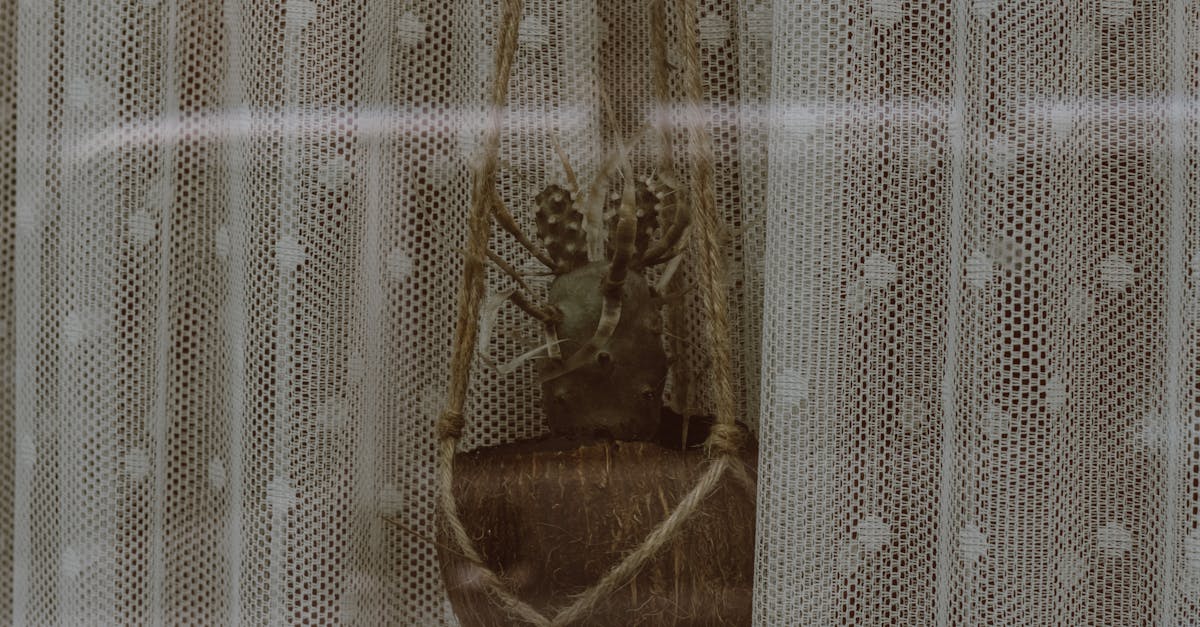
Incorporating hanging planters and baskets into your home or garden can transform even the smallest spaces into lush, green oases. By utilizing vertical space, you can create stunning displays that add a touch of nature to your living areas. Whether you have a sprawling balcony or a cozy apartment, hanging planters offer a versatile solution for showcasing your favorite plants.
Vertical gardening with hanging planters and baskets offers numerous benefits, including maximizing vertical space, optimizing small areas, and creating a visually appealing ambiance. From macrame plant hangers to unique plant baskets, there are endless creative ways to suspend your plants, turning them into decorative elements that complement your home decor.
In this comprehensive guide, we will explore various types of hanging planters and baskets, providing insights into their suitability for different plant types and both indoor and outdoor spaces. We will also highlight the advantages of vertical gardening, such as improved air quality, enhanced aesthetics, space optimization, and easier maintenance.
1. Vertical Gardening: A Space-Saving Solution
Vertical gardening with hanging planters and baskets offers a plethora of benefits, transforming small spaces into thriving green havens. By utilizing vertical space, you can maximize your gardening potential without sacrificing valuable floor area. Hanging planters and baskets allow you to create stunning displays that add a touch of nature to balconies, patios, and even the smallest of apartments.
One of the key advantages of vertical gardening is the efficient use of space. By suspending plants vertically, you can create lush displays without cluttering your living areas. This is particularly beneficial in urban environments, where space is often limited. Vertical gardens can also be used to create privacy screens, divide spaces, and add a touch of greenery to otherwise dull walls.
In addition to space optimization, vertical gardening with hanging planters and baskets also offers aesthetic appeal. You can create eye-catching displays by combining different plant species, colors, and textures. Hanging planters and baskets come in a wide range of styles, from rustic macrame to sleek metal designs, allowing you to complement any décor. Vertical gardens can transform your living space into a vibrant and inviting oasis.
Maximizing Vertical Space
Hanging planters and baskets are a brilliant way to maximize vertical space and create lush, space-conscious displays. By suspending plants vertically, you can showcase multiple plants in a limited area, transforming walls, balconies, and even small corners into vibrant green spaces.
One of the key advantages of hanging planters and baskets is their ability to create vertical gardens. By mounting planters and baskets on walls or fences, you can create cascading displays of greenery that add a touch of nature to any space. Vertical gardens are particularly well-suited for small spaces, as they allow you to grow a variety of plants without taking up valuable floor area.
Hanging planters and baskets also offer flexibility in terms of plant selection. You can choose from a wide range of plants, including trailing vines, ferns, succulents, and even small shrubs. By mixing and matching different plant species, you can create stunning displays that add visual interest and texture to your space. Hanging planters and baskets can also be used to create unique focal points or to divide spaces, making them a versatile addition to any home or garden.
Optimizing Small Spaces
Hanging planters and baskets are a lifesaver for those living in small spaces, such as balconies, apartments, and compact living areas. These versatile containers allow you to maximize greenery without sacrificing valuable floor space. By suspending plants vertically, you can create lush displays that transform even the smallest of spaces into vibrant oases.
One of the key advantages of hanging planters and baskets in small spaces is their ability to add a touch of nature without overwhelming the area. By placing plants at different heights, you can create a sense of depth and visual interest. Hanging planters can be used to display trailing plants, such as ivy or pothos, which can cascade down the sides of balconies or walls, creating a lush and inviting atmosphere.
Hanging baskets are also a great way to add greenery to small spaces. They can be suspended from ceilings or hooks, allowing you to create vertical gardens even in the most compact of areas. By choosing plants that are well-suited to hanging baskets, such as ferns, succulents, or small flowering plants, you can create stunning displays that add color and vitality to your living space.
2. Creative Hanging Planter Ideas

Hanging planters and baskets can be transformed into decorative elements that add a touch of creativity and style to your home or garden. By using innovative and artistic techniques, you can suspend your plants in unique and eye-catching ways.
One popular trend in hanging planter design is macrame. Macrame is the art of knotting cords or strings to create intricate patterns. Macrame plant hangers are a beautiful and bohemian way to display your plants. You can find macrame plant hangers in a variety of styles and colors, or you can even make your own.
Another creative way to hang planters is to use DIY methods. With a little bit of imagination and some basic materials, you can create unique and personalized hanging planters. For example, you could use old baskets, wooden crates, or even tin cans to create one-of-a-kind planters.
If you’re looking for a more sophisticated look, you can opt for hanging baskets made from high-quality materials such as metal, ceramic, or glass. These planters come in a variety of shapes and sizes, so you can find the perfect one to complement your décor.
Macrame Plant Hangers
Macrame is the art of knotting cords or strings to create intricate patterns. Macrame plant hangers are a beautiful and bohemian way to display your plants, adding a touch of handmade charm to your home décor.
To make a macrame plant hanger, you will need a few basic materials, including macrame cord, scissors, and a measuring tape. You can find macrame cord at most craft stores. Once you have your materials, you can follow a simple macrame pattern to create your own unique plant hanger.
There are many different macrame plant hanger patterns available online and in books. Some patterns are simple and easy to follow, while others are more complex and require more skill. Once you have chosen a pattern, you can begin knotting your macrame plant hanger. With a little practice, you will be able to create beautiful and stylish macrame plant hangers for your home.
DIY Hanging Planters
Creating your own DIY hanging planters is a fun and rewarding way to add a personal touch to your home décor. With a few simple materials and a little bit of creativity, you can create unique and stylish hanging planters that will add a touch of greenery to any space.
There are endless possibilities when it comes to DIY hanging planters. You can use simple materials like rope, fabric, and wood to create one-of-a-kind planters that reflect your own personal style. For example, you could use macrame cord to create a bohemian-inspired plant hanger, or you could use pieces of fabric to create a patchwork planter.
If you’re looking for a more rustic look, you could use wood to create a hanging planter. You could build a simple wooden box and then add some rope or chain to hang it from the ceiling. You could also use pieces of driftwood to create a unique and natural-looking hanging planter.
Unique Plant Baskets
Plant baskets are a versatile and stylish way to display your plants. They come in a wide range of materials, including wicker, metal, and ceramic, so you can find the perfect basket to match your décor.
Wicker plant baskets are a popular choice for their natural and rustic look. They are made from woven willow or rattan, and they are available in a variety of shapes and sizes. Wicker plant baskets are breathable, which helps to keep your plants healthy.
Metal plant baskets are another popular choice. They are durable and easy to clean, and they come in a variety of finishes, including copper, brass, and black. Metal plant baskets are perfect for modern or industrial-style décor.
Ceramic plant baskets are a beautiful and elegant way to display your plants. They are available in a variety of colors and styles, so you can find the perfect basket to match your taste. Ceramic plant baskets are not as breathable as wicker or metal baskets, so it is important to make sure that your plants have adequate drainage.
3. Hanging Planters for Different Plant Types
When choosing hanging planters and baskets for your plants, it is important to consider the specific requirements of each plant type. Some plants, such as ferns and ivy, prefer to be in hanging baskets that allow their foliage to cascade down. Other plants, such as orchids and succulents, need more support and may do better in hanging planters with a more enclosed design.
Trailing plants, such as ivy, pothos, and spider plants, are ideal for hanging baskets. Their long, trailing stems can cascade down the sides of the basket, creating a lush and dramatic effect. When choosing a hanging basket for trailing plants, look for one with a wide opening at the top so that the stems can easily grow out.
Climbing plants, such as hoyas and philodendrons, need support to grow upwards. Hanging planters with trellises or moss poles are ideal for these types of plants. The trellis or moss pole will provide the support that the plant needs to climb, and the hanging planter will allow the plant to grow upwards without taking up too much floor space.
Trailing Plants
Trailing plants, such as ivy, pothos, and spider plants, are ideal for hanging planters. Their long, trailing stems can cascade down the sides of the basket, creating a lush and dramatic effect. When choosing a hanging planter for trailing plants, look for one with a wide opening at the top so that the stems can easily grow out.
Macrame plant hangers are a popular choice for trailing plants. Macrame is a type of knotting that creates intricate patterns. Macrame plant hangers are available in a variety of styles and colors, so you can find one that matches your décor. Macrame plant hangers are also relatively easy to make, so you can even create your own.
Another good option for trailing plants is a hanging basket with a wire frame. Wire frame hanging baskets are lightweight and durable, and they allow for good air circulation. Wire frame hanging baskets are also available in a variety of styles and colors, so you can find one that matches your décor.
Climbing Plants
Climbing plants, such as hoyas and philodendrons, need support to grow upwards. Hanging planters with trellises or moss poles are ideal for these types of plants. The trellis or moss pole will provide the support that the plant needs to climb, and the hanging planter will allow the plant to grow upwards without taking up too much floor space.
When choosing a hanging planter for a climbing plant, look for one with a sturdy trellis or moss pole. The trellis or moss pole should be tall enough to support the plant as it grows. You may also want to choose a hanging planter with a wide base so that the plant has plenty of room to grow.
To train a climbing plant to grow up a trellis or moss pole, simply wrap the plant’s stems around the support. As the plant grows, it will attach itself to the support and begin to climb upwards.
Succulents and Cacti
Succulents and cacti are popular choices for hanging planters because they are relatively low-maintenance and can tolerate a wide range of conditions. However, it is important to choose the right hanging planter for your succulents and cacti, as some planters may not provide adequate drainage or sunlight.
When choosing a hanging planter for succulents and cacti, look for one with drainage holes. Drainage holes allow excess water to escape from the planter, which helps to prevent the roots of the plants from rotting. You may also want to choose a hanging planter made from a porous material, such as terracotta or unglazed ceramic. Porous materials allow air and water to circulate around the roots of the plants, which helps to keep them healthy.
Another important consideration when choosing a hanging planter for succulents and cacti is the amount of sunlight that the plants will receive. Succulents and cacti need plenty of sunlight to thrive, so make sure to choose a hanging planter that will be placed in a sunny location.
4. Hanging Planters for Indoor and Outdoor Spaces
Hanging planters and baskets are a versatile way to add greenery to both indoor and outdoor spaces. They can be used to create lush vertical gardens, add a touch of color to balconies and patios, or simply bring the outdoors in.
When choosing hanging planters and baskets for indoor use, it is important to consider the amount of light that the plants will receive. Plants that need a lot of light, such as succulents and cacti, should be placed in hanging planters that will be placed in a sunny location. Plants that can tolerate low light, such as ferns and ivy, can be placed in hanging planters that will be placed in a shadier location.
When choosing hanging planters and baskets for outdoor use, it is important to consider the weather conditions in your area. If you live in an area with extreme weather conditions, such as high winds or heavy rain, you should choose hanging planters and baskets that are made from durable materials, such as metal or plastic.
Indoor Hanging Planters
When choosing hanging planters for indoor spaces, it is important to consider the amount of light that the plants will receive, the humidity levels in the room, and the overall aesthetics of the space.
Plants that need a lot of light, such as succulents and cacti, should be placed in hanging planters that will be placed in a sunny location. Plants that can tolerate low light, such as ferns and ivy, can be placed in hanging planters that will be placed in a shadier location.
The humidity levels in a room can also affect the choice of hanging planters. Plants that prefer high humidity, such as ferns and orchids, should be placed in hanging planters that are made from materials that retain moisture, such as terracotta or unglazed ceramic. Plants that prefer low humidity, such as succulents and cacti, can be placed in hanging planters that are made from materials that do not retain moisture, such as metal or plastic.
The overall aesthetics of the space should also be considered when choosing hanging planters. Hanging planters can be used to add a touch of color and style to a room. They can also be used to create a focal point or to divide a space.
Outdoor Hanging Baskets
When choosing hanging baskets for outdoor spaces, it is important to take into account the weather conditions in your area, the amount of sunlight that the plants will receive, and the hardiness of the plants.
If you live in an area with extreme weather conditions, such as high winds or heavy rain, you should choose hanging baskets that are made from durable materials, such as metal or plastic. You should also choose hanging baskets that have a sturdy frame and a wide base, so that they are less likely to be blown over or knocked down.
The amount of sunlight that the plants will receive is another important factor to consider when choosing hanging baskets. Plants that need a lot of sun, such as tomatoes and peppers, should be placed in hanging baskets that will be placed in a sunny location. Plants that can tolerate shade, such as ferns and begonias, can be placed in hanging baskets that will be placed in a shadier location.
The hardiness of the plants is also an important factor to consider when choosing hanging baskets. Plants that are not hardy in your climate should be placed in hanging baskets that can be brought indoors during the winter months.
5. Benefits of Hanging Planters and Baskets
Incorporating hanging planters and baskets into your home or garden offers numerous advantages, including improved air quality, enhanced aesthetics, space optimization, and easier maintenance.
Improved Air Quality: Plants have the ability to purify the air by removing toxins and increasing oxygen levels. Hanging planters and baskets allow you to bring plants into your home or garden, even if you have limited space. This can help to improve the air quality in your living space and create a healthier environment.
Enhanced Aesthetics: Hanging planters and baskets can be used to add a touch of beauty and style to your home or garden. They can be used to create lush vertical gardens, add color to balconies and patios, or simply bring the outdoors in. Hanging planters and baskets come in a variety of styles and materials, so you can find the perfect ones to complement your décor.
Space Optimization: Hanging planters and baskets are a great way to maximize space in your home or garden. They can be used to display plants vertically, which can free up valuable floor space. This is especially beneficial in small spaces, such as apartments or balconies.
Improved Air Quality
Hanging plants can help to improve air quality by removing toxins and increasing oxygen levels. Plants absorb carbon dioxide and release oxygen through the process of photosynthesis. They also release water vapor into the air, which can help to increase humidity levels.
Some studies have shown that hanging plants can be particularly effective at removing certain toxins from the air. For example, a study by the University of Georgia found that spider plants were able to remove up to 90% of formaldehyde from the air. Formaldehyde is a common indoor air pollutant that can cause respiratory problems and other health issues.
Hanging plants can also help to increase oxygen levels in the air. A study by NASA found that hanging plants can increase oxygen levels in a room by up to 20%. This can help to improve cognitive function and alertness.
Enhanced Aesthetics
Hanging planters and baskets can be used to create visually appealing and inviting spaces both indoors and outdoors. They can be used to add a touch of greenery to a room, create a focal point, or divide a space.
When choosing hanging planters and baskets for your space, consider the overall style of the room and the plants that you want to display. For a modern look, opt for hanging planters made from metal or glass. For a more rustic look, choose hanging planters made from wood or wicker.
Once you have chosen your hanging planters and baskets, it is time to decide where to hang them. If you are hanging them indoors, choose a location that receives plenty of natural light. If you are hanging them outdoors, choose a location that is protected from the elements.
Space Optimization
Hanging planters and baskets are a great way to maximize space in your home or garden. By utilizing vertical surfaces, you can display plants without taking up valuable floor space. This is especially beneficial in small spaces, such as apartments or balconies.
When choosing hanging planters and baskets for space optimization, consider the size and shape of the space. For small spaces, opt for hanging planters and baskets that are narrow and tall. For larger spaces, you can choose hanging planters and baskets that are wider and shorter.
Once you have chosen your hanging planters and baskets, it is time to decide where to hang them. If you are hanging them indoors, choose a location that receives plenty of natural light. If you are hanging them outdoors, choose a location that is protected from the elements.
Easy Maintenance
Hanging planters and baskets are often easier to maintain than traditional pots. This is because they have better drainage and air circulation, which helps to prevent the roots of the plants from rotting. Additionally, hanging planters and baskets can be watered less frequently than traditional pots, as the soil dries out more slowly.
To care for hanging planters and baskets, simply water them when the soil is dry to the touch. Be sure to water them thoroughly, until the water drains out of the bottom of the planter or basket. You should also fertilize your plants regularly, according to the manufacturer’s instructions.
Quiz
1. True or False: Hanging planters and baskets only provide aesthetic benefits.
2. Multiple Choice: Which of the following is NOT a benefit of hanging planters and baskets? * Improved Air Quality * Space Optimization * Reduced Maintenance * Increased Pet Hair
3. True or False: Hanging planters and baskets are not suitable for small spaces.
4. Multiple Choice: Which of the following is the best way to maximize space with hanging planters and baskets? * Use wide and short planters * Hang them on the floor * Utilize vertical surfaces * Place them in corners
5. True or False: Hanging planters and baskets require more watering than traditional pots.
Answer Key
- False
- Increased Pet Hair
- False
- Utilize vertical surfaces
- False
Unlock the Greenery Potential of Your Balcony: A Guide to Thriving Plants in Compact Spaces Attention all balcony-dwelling plant enthusiasts! Read more
Transform Your Balcony into a Flourishing Garden Oasis: A Step-by-Step Guide Beginning a balcony garden can be a fulfilling endeavor, Read more
Unlocking the Potential of Vertical Gardening on Balconies Are you tired of your cramped balcony but still longing for a Read more
Aromatic Delights: Cultivating Herbs on Your Balcony Oasis Whether you're a seasoned gardener or just starting out, growing herbs on Read more