
A Guide to Choosing the Perfect Containers for Your Balcony Plants
Choosing the right containers for your balcony plants is essential for their health and growth. By following the tips in this guide, you can choose the perfect containers for your plants and enjoy a beautiful and thriving balcony garden.
There are many different factors to consider when choosing containers for your balcony plants. These include the size of the plant, the type of plant, the amount of sunlight the plant will receive, and the climate in which you live. Once you have considered these factors, you can start to narrow down your choices.
In this article, we will discuss the different types of containers available for balcony plants, as well as the pros and cons of each type. We will also provide tips on how to choose the right container for your plants and how to maintain them properly.
1. Factors to Consider When Choosing Containers
There are a few key factors to consider when choosing containers for your balcony plants. These include the size of the plant, the type of plant, the amount of sunlight the plant will receive, and the climate in which you live.
Size of the Plant
The size of the plant is one of the most important factors to consider when choosing a container. The container should be large enough to accommodate the plant’s roots, but not so large that the plant becomes rootbound. If the container is too small, the plant’s roots will not have enough room to grow and the plant will not be able to reach its full potential. If the container is too large, the plant may become rootbound, which can lead to a number of problems, including stunted growth, yellowing leaves, and wilting.
Type of Plant
The type of plant you are growing will also influence the type of container you choose. For example, plants that require a lot of water will need a container with good drainage, while plants that prefer to dry out between waterings can tolerate a container with less drainage. Plants that have shallow roots, such as begonias and impatiens, can be grown in shallower containers, while plants with deep roots, such as roses and tomatoes, will need deeper containers.
Amount of Sunlight
The amount of sunlight your balcony receives will also affect the type of container you choose. If your balcony receives a lot of sunlight, you will need to choose a container that is made of a material that can withstand the heat and UV rays. If your balcony receives less sunlight, you can choose a container made of a more delicate material.
Size of the Plant
The size of the plant is one of the most important factors to consider when choosing a container. The container should be large enough to accommodate the plant’s roots, but not so large that the plant becomes rootbound.
If the container is too small, the plant’s roots will not have enough room to grow and the plant will not be able to reach its full potential. The plant may also become stunted and develop yellow leaves. In severe cases, the plant may even die.
If the container is too large, the plant may become rootbound. This occurs when the roots of the plant fill the entire container and begin to circle around the inside. Rootbound plants are unable to absorb water and nutrients properly, which can lead to a number of problems, including stunted growth, yellowing leaves, and wilting. In severe cases, the plant may even die.
To avoid these problems, it is important to choose a container that is the right size for the plant. The container should be large enough to accommodate the plant’s roots, but not so large that the plant becomes rootbound. A good rule of thumb is to choose a container that is 2-3 inches wider and deeper than the root ball of the plant.
Type of Plant
The type of plant you are growing will also influence the type of container you choose. For example, plants that require a lot of water will need a container with good drainage, while plants that prefer to dry out between waterings can tolerate a container with less drainage.
Plants that require a lot of water include ferns, impatiens, and begonias. These plants have shallow roots that are easily damaged by overwatering, so they need a container that allows excess water to drain away quickly. Terracotta pots are a good choice for these plants, as they are porous and allow water to evaporate quickly.
Plants that prefer to dry out between waterings include succulents, cacti, and rosemary. These plants have thick, fleshy leaves that store water, so they can tolerate a container with less drainage. Plastic pots are a good choice for these plants, as they are non-porous and retain moisture well.
In addition to the amount of water the plant requires, you should also consider the size and shape of the plant when choosing a container. Plants with large, spreading roots will need a wider container, while plants with deep roots will need a deeper container. Plants with trailing stems can be grown in hanging baskets or window boxes.
Amount of Sunlight
The amount of sunlight your balcony receives will also affect the type of container you choose. If your balcony receives a lot of sunlight, you will need to choose a container that is made of a material that can withstand the heat and UV rays. If your balcony receives less sunlight, you can choose a container made of a more delicate material.
Materials that can withstand a lot of sunlight include terracotta, ceramic, and metal. These materials are durable and will not fade or crack in the sun. They are also good at retaining heat, which can be beneficial for plants that prefer warm temperatures.
Materials that are more delicate include plastic and wood. These materials are not as durable as terracotta, ceramic, or metal, and they may fade or crack in the sun. However, they are also lighter and less expensive, which makes them a good choice for balconies that receive less sunlight.
In addition to the material of the container, you should also consider the color of the container. Dark-colored containers absorb more heat than light-colored containers. If your balcony receives a lot of sunlight, you should choose a light-colored container to avoid overheating the plant’s roots.
Climate
The climate in which you live will also affect the type of container you choose. If you live in a cold climate, you will need to choose a container that is made of a material that can withstand the cold temperatures. If you live in a warm climate, you can choose a container made of a more lightweight material.
Materials that can withstand cold temperatures include terracotta, ceramic, and metal. These materials are durable and will not crack or break in the cold. They are also good at insulating the plant’s roots from the cold.
Materials that are more lightweight include plastic and wood. These materials are not as durable as terracotta, ceramic, or metal, but they are lighter and less expensive. They are also good at draining excess water, which is important in cold climates where the soil can become waterlogged.
In addition to the material of the container, you should also consider the size of the container. Smaller containers are more likely to freeze solid in the winter, which can damage the plant’s roots. Larger containers are less likely to freeze solid, but they can be more difficult to move around. Choose a container that is large enough to accommodate the plant’s roots, but not so large that it is difficult to move.
2. Types of Containers
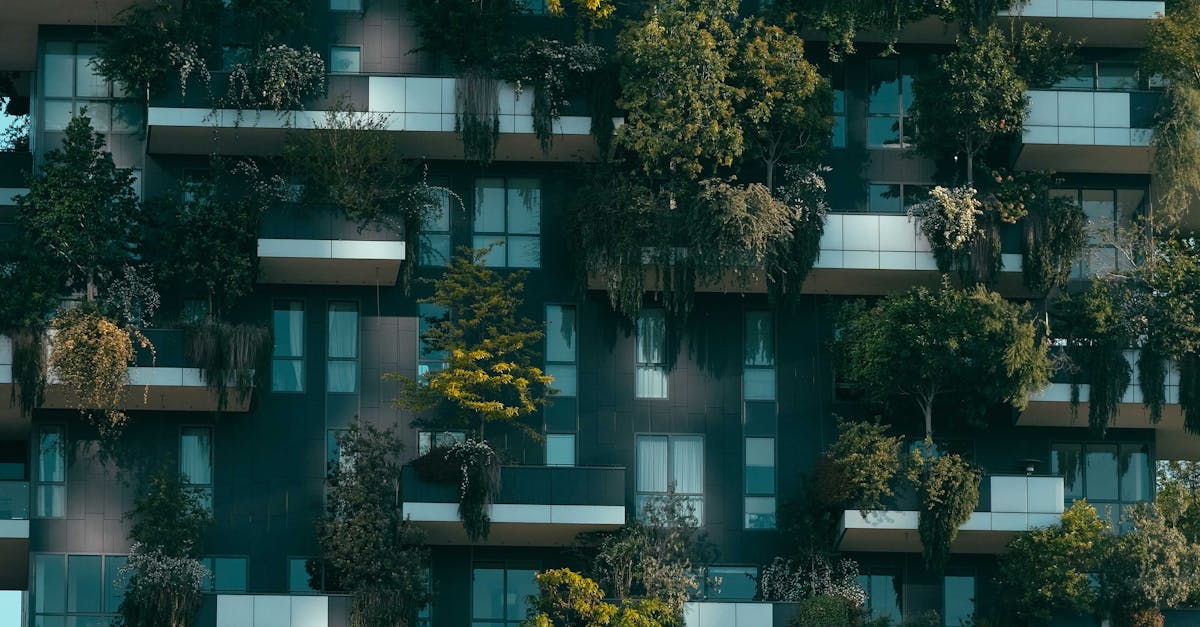
There are many different types of containers available for balcony plants. Some of the most popular types include:
Plastic Containers
Plastic containers are a popular choice for balcony plants because they are lightweight, durable, and inexpensive. They are also available in a variety of sizes and colors, so you can find one that fits your needs and style.
Terracotta Containers
Terracotta containers are made of clay and are a good choice for plants that require good drainage. They are also porous, which allows air to circulate around the roots of the plant. However, terracotta containers can be heavy and fragile, so they are not the best choice for balconies that are exposed to strong winds.
Ceramic Containers
Ceramic containers are also made of clay, but they are glazed, which makes them more durable and weather-resistant than terracotta containers. Ceramic containers are available in a variety of shapes and sizes, and they can be decorated with a variety of patterns and colors.
Plastic Containers
Plastic containers are a popular choice for balcony plants because they are lightweight, durable, and inexpensive. They are also available in a variety of sizes and colors, so you can find one that fits your needs and style.
Advantages of Plastic Containers
-
Lightweight: Plastic containers are much lighter than other types of containers, such as terracotta or ceramic. This makes them easy to move around, even when they are filled with soil and plants.
-
Durable: Plastic containers are very durable and can withstand being dropped or knocked over. They are also resistant to cracking and fading, so they will last for many years.
-
Inexpensive: Plastic containers are one of the most affordable types of containers available. You can find a variety of sizes and styles for a very reasonable price.
-
Variety of Sizes and Colors: Plastic containers are available in a wide range of sizes and colors. This makes it easy to find a container that fits your needs and style. You can find small containers for small plants, or large containers for large plants. You can also find containers in a variety of colors, so you can match them to your balcony décor.
Disadvantages of Plastic Containers
-
Not as Breathable: Plastic containers are not as breathable as other types of containers, such as terracotta or ceramic. This means that they can trap moisture and heat, which can lead to root rot. To avoid this, be sure to choose a container with drainage holes and avoid overwatering your plants.
-
Can Fade in the Sun: Plastic containers can fade in the sun over time. However, you can extend the life of your containers by placing them in a shaded area or by using a UV protectant spray.
Terracotta Containers
Terracotta containers are made of clay and are a good choice for plants that require good drainage. They are also porous, which allows air to circulate around the roots of the plant. This helps to prevent root rot and other problems that can be caused by poor drainage.
Advantages of Terracotta Containers
-
Good Drainage: Terracotta containers have excellent drainage. The porous nature of the clay allows excess water to drain out of the container, which helps to prevent root rot and other problems that can be caused by overwatering.
-
Breathable: Terracotta containers are also breathable, which means that air can circulate around the roots of the plant. This helps to keep the roots healthy and prevents them from becoming waterlogged.
-
Durable: Terracotta containers are very durable and can last for many years. They are also resistant to cracking and fading, so they will maintain their appearance for many years to come.
-
Natural Appearance: Terracotta containers have a natural appearance that can complement any décor. They are available in a variety of shapes and sizes, so you can find one that fits your needs and style.
Disadvantages of Terracotta Containers
-
Heavy: Terracotta containers are much heavier than other types of containers, such as plastic or ceramic. This can make them difficult to move around, especially when they are filled with soil and plants.
-
Can Dry Out Quickly: Terracotta containers can dry out quickly, especially in hot and windy conditions. This means that you will need to water your plants more frequently when they are planted in terracotta containers.
-
Can Be Fragile: Terracotta containers can be fragile and can crack or break if they are dropped or knocked over. Be sure to handle terracotta containers with care.
Ceramic Containers
Ceramic containers are made of clay and are a good choice for plants that prefer to dry out between waterings. They are also decorative and can add a touch of style to your balcony.
Advantages of Ceramic Containers
-
Good Drainage: Ceramic containers have good drainage, but not as good as terracotta containers. This makes them a good choice for plants that prefer to dry out between waterings, but still need some drainage.
-
Decorative: Ceramic containers are available in a wide variety of shapes, sizes, and colors. This makes them a great way to add a touch of style to your balcony. You can find ceramic containers that match any décor, from traditional to modern.
-
Durable: Ceramic containers are durable and can last for many years. They are also resistant to cracking and fading, so they will maintain their appearance for many years to come.
-
Versatile: Ceramic containers can be used for a variety of purposes. You can use them to grow plants, herbs, or even flowers. You can also use them to store small items, such as keys or coins.
Disadvantages of Ceramic Containers
-
Heavy: Ceramic containers are heavier than other types of containers, such as plastic or terracotta. This can make them difficult to move around, especially when they are filled with soil and plants.
-
Can Be Expensive: Ceramic containers can be more expensive than other types of containers. However, they are still a good value for the money, as they are durable and can last for many years.
-
Can Be Fragile: Ceramic containers can be fragile and can crack or break if they are dropped or knocked over. Be sure to handle ceramic containers with care.
Metal Containers
Metal containers are a good choice for plants that require a lot of support. They are also durable and can withstand the elements. This makes them a good choice for balconies that are exposed to strong winds or other harsh conditions.
Advantages of Metal Containers
-
Sturdy and Supportive: Metal containers are very sturdy and can provide a lot of support for plants. This makes them a good choice for plants that are tall or have weak stems. Metal containers can also be used to create trellises or other support structures for climbing plants.
-
Durable: Metal containers are very durable and can withstand the elements. They are resistant to rust and corrosion, and they will not crack or break easily. This makes them a good choice for balconies that are exposed to strong winds or other harsh conditions.
-
Long-Lasting: Metal containers can last for many years. They are a good investment for balcony gardeners who want to enjoy their containers for many years to come.
-
Stylish: Metal containers can be very stylish. They are available in a variety of shapes and sizes, and they can be painted or coated to match any décor.
Disadvantages of Metal Containers
-
Can Heat Up in the Sun: Metal containers can heat up in the sun, which can damage the roots of plants. Be sure to place metal containers in a shaded area or use a heat-resistant coating to protect the roots of your plants.
-
Can Be Heavy: Metal containers can be heavy, especially when they are filled with soil and plants. This can make them difficult to move around, especially if you have a small balcony.
-
Can Be Expensive: Metal containers can be more expensive than other types of containers. However, they are still a good value for the money, as they are durable and can last for many years.
Wooden Containers
Wooden containers are a good choice for plants that prefer to dry out between waterings. They are also decorative and can add a natural touch to your balcony.
Advantages of Wooden Containers
-
Good Drainage: Wooden containers have good drainage, which makes them a good choice for plants that prefer to dry out between waterings. The wood allows excess water to drain out of the container, which helps to prevent root rot and other problems that can be caused by overwatering.
-
Decorative: Wooden containers are very decorative and can add a natural touch to your balcony. They are available in a variety of shapes and sizes, so you can find one that fits your needs and style.
-
Durable: Wooden containers are durable and can last for many years. However, they will need to be treated with a sealant or stain to protect them from the elements.
-
Insulating: Wooden containers are insulating, which can help to protect the roots of your plants from cold temperatures. This makes them a good choice for balconies that are exposed to cold winds or other harsh conditions.
Disadvantages of Wooden Containers
-
Can Rot: Wooden containers can rot if they are not properly treated. Be sure to treat your wooden containers with a sealant or stain to protect them from the elements.
-
Can Be Heavy: Wooden containers can be heavy, especially when they are filled with soil and plants. This can make them difficult to move around, especially if you have a small balcony.
-
Can Be Expensive: Wooden containers can be more expensive than other types of containers. However, they are still a good value for the money, as they are durable and can last for many years.
3. Drainage
Drainage is essential for the health of your balcony plants. Without proper drainage, the roots of your plants can rot and the plant can die. There are a few things you can do to ensure that your containers have good drainage:
Choose a Container with Drainage Holes
The most important thing you can do to ensure that your containers have good drainage is to choose a container with drainage holes. These holes will allow excess water to drain out of the container and prevent the roots of your plants from rotting.
Add a Layer of Gravel to the Bottom of the Container
Another thing you can do to improve drainage is to add a layer of gravel to the bottom of the container. This will help to create a space between the roots of the plant and the bottom of the container, which will allow excess water to drain away.
Use a Potting Mix that Drains Well
The type of potting mix you use will also affect the drainage of your containers. Choose a potting mix that is well-draining and does not contain a lot of organic matter. Organic matter can break down and clog the drainage holes in your containers.
Choose a Container with Drainage Holes
The most important thing you can do to ensure that your containers have good drainage is to choose a container with drainage holes. These holes will allow excess water to drain out of the container and prevent the roots of your plants from rotting.
Why are Drainage Holes Important?
Drainage holes are important because they allow excess water to drain out of the container. This prevents the roots of your plants from sitting in water, which can lead to root rot and other problems. Root rot is a fungal disease that can damage or kill the roots of your plants. It is caused by overwatering or by using a container that does not have adequate drainage.
How to Choose a Container with Drainage Holes
When choosing a container for your balcony plants, be sure to select one that has drainage holes. The holes should be large enough to allow excess water to drain out freely. If the holes are too small, they may become clogged with soil or other debris, which can restrict drainage.
Other Tips for Improving Drainage
In addition to choosing a container with drainage holes, there are a few other things you can do to improve drainage. These include:
-
Add a layer of gravel to the bottom of the container. This will help to create a space between the roots of the plant and the bottom of the container, which will allow excess water to drain away.
-
Use a potting mix that drains well. Choose a potting mix that is well-draining and does not contain a lot of organic matter. Organic matter can break down and clog the drainage holes in your containers.
Add a Layer of Gravel to the Bottom of the Container
Another thing you can do to improve drainage is to add a layer of gravel to the bottom of the container. This will help to create a space between the roots of the plant and the bottom of the container, which will allow excess water to drain away.
Why Add a Layer of Gravel?
Adding a layer of gravel to the bottom of your container has several benefits. First, it helps to improve drainage by creating a space between the roots of the plant and the bottom of the container. This allows excess water to drain away more easily, which prevents the roots from sitting in water and rotting.
Second, a layer of gravel can help to aerate the soil. Aeration is important for healthy root growth, as it allows oxygen to reach the roots. When the soil is compacted, it can restrict oxygen flow and lead to root problems.
What Type of Gravel Should I Use?
When choosing gravel for your containers, be sure to select a type that is clean and free of debris. You can use pea gravel, river rock, or any other type of small, clean gravel.
How to Add a Layer of Gravel
To add a layer of gravel to your container, simply follow these steps:
-
Place a layer of gravel in the bottom of the container. The layer should be about 1-2 inches thick.
-
Top the gravel with potting mix.
-
Plant your plant in the potting mix.
Tips
-
Be sure to use a clean gravel that is free of debris.
-
Add a layer of gravel to the bottom of all of your containers, even if they have drainage holes.
-
Replace the gravel every few years to keep it clean and free of debris.
Use a Potting Mix that Drains Well
The type of potting mix you use will also affect the drainage of your containers. Choose a potting mix that is well-draining and does not contain a lot of organic matter. Organic matter can break down and clog the drainage holes in your containers.
Why is Potting Mix Important?
Potting mix is important because it provides the roots of your plants with the nutrients and support they need to grow healthy. It also helps to retain moisture and regulate the temperature of the soil.
Choosing a Well-Draining Potting Mix
When choosing a potting mix for your balcony plants, be sure to select one that is well-draining. A well-draining potting mix will allow excess water to drain out of the container quickly, which will prevent the roots of your plants from sitting in water and rotting.
What to Avoid
When choosing a potting mix, avoid mixes that contain a lot of organic matter, such as peat moss or compost. Organic matter can break down and clog the drainage holes in your containers. This can lead to waterlogged soil, which can cause root rot and other problems.
Recommended Potting Mixes
There are a number of well-draining potting mixes available on the market. Some good options include:
-
Cactus potting mix: Cactus potting mix is a well-draining mix that is ideal for cacti and other succulents.
-
Perlite potting mix: Perlite potting mix is a lightweight mix that is made from volcanic rock. It is well-draining and aerated, which makes it a good choice for a variety of plants.
-
Vermiculite potting mix: Vermiculite potting mix is a lightweight mix that is made from mica. It is well-draining and moisture-retentive, which makes it a good choice for plants that need a lot of water.
Tips
-
Always read the label on the potting mix before you buy it to make sure that it is well-draining.
-
If you are unsure about which potting mix to choose, ask a gardening expert at your local nursery or garden center.
-
You can also make your own well-draining potting mix by mixing equal parts peat moss, perlite, and vermiculite.
4. Maintenance
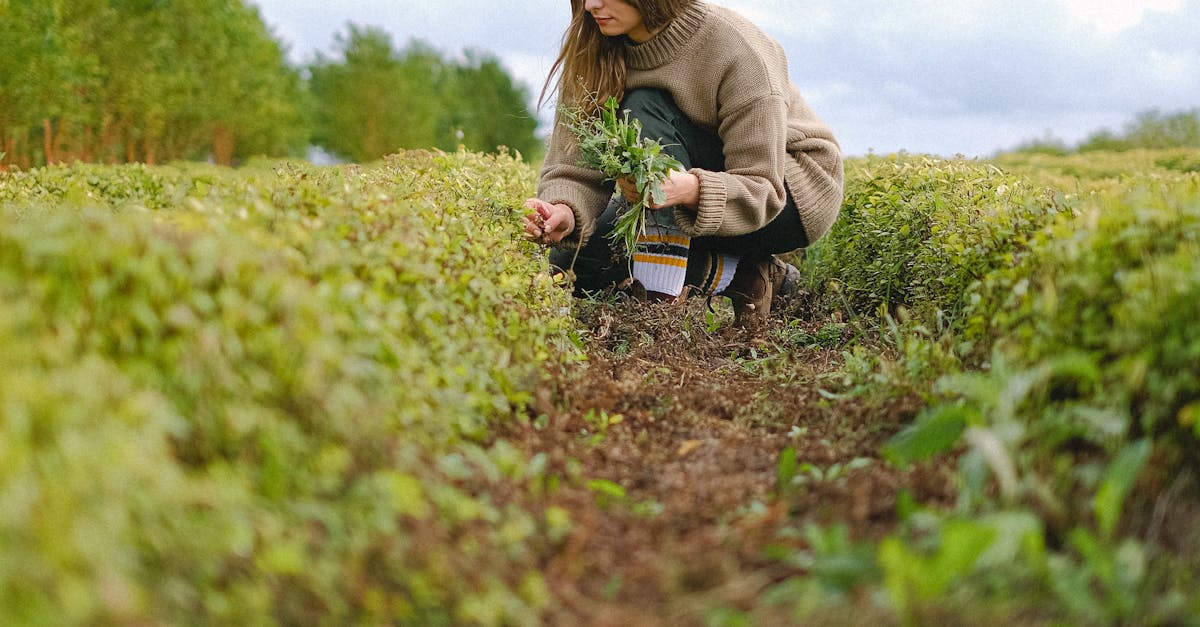
Once you have chosen the right containers for your balcony plants, it is important to maintain them properly. This includes watering, fertilizing, and repotting. Here are a few tips for maintaining your balcony plants:
Watering
The amount of water your balcony plants need will depend on the type of plant, the size of the container, and the climate in which you live. Generally speaking, you should water your plants when the soil feels dry to the touch. Avoid overwatering, as this can lead to root rot.
Fertilizing
Fertilizing your balcony plants will help them to grow healthy and strong. Choose a fertilizer that is specifically designed for container plants. Follow the instructions on the fertilizer label carefully.
Repotting
As your balcony plants grow, they will eventually need to be repotted. Repotting is the process of moving the plant to a larger container. You should repot your plants every 2-3 years, or when the roots of the plant start to grow out of the drainage holes in the container.
Watering
The amount of water your balcony plants need will depend on the type of plant, the size of the container, and the climate in which you live. Generally speaking, you should water your plants when the soil feels dry to the touch. Avoid overwatering, as this can lead to root rot.
How to Water Your Balcony Plants
To water your balcony plants, simply use a watering can or hose to apply water to the soil. Be sure to water the soil evenly, and avoid getting the leaves of the plant wet. If you get the leaves wet, they may develop fungal diseases.
How Often to Water Your Balcony Plants
The frequency with which you need to water your balcony plants will depend on a number of factors, including the type of plant, the size of the container, and the climate in which you live. As a general rule of thumb, you should water your plants when the soil feels dry to the touch. However, some plants may need to be watered more frequently, while others may need to be watered less frequently.
Signs of Overwatering
Overwatering is a common problem for balcony plants. Signs of overwatering include:
-
Yellowing leaves
-
Wilting leaves
-
Dropping leaves
-
Root rot
If you think your balcony plants are being overwatered, reduce the frequency with which you water them. You may also want to check the drainage holes in the bottom of the containers to make sure that they are not clogged.
Fertilizing
Fertilizing your balcony plants will help them to grow healthy and strong. Choose a fertilizer that is specifically designed for container plants. Follow the instructions on the fertilizer label carefully.
Why Fertilize Your Balcony Plants?
Fertilizing your balcony plants gives them the nutrients they need to grow healthy and strong. Fertilizers contain essential nutrients such as nitrogen, phosphorus, and potassium. These nutrients help plants to produce chlorophyll, which is necessary for photosynthesis. Photosynthesis is the process by which plants convert sunlight into energy.
Choosing a Fertilizer
When choosing a fertilizer for your balcony plants, be sure to select one that is specifically designed for container plants. Container plants have different needs than in-ground plants, so it is important to use a fertilizer that is formulated to meet their specific needs.
How to Fertilize Your Balcony Plants
To fertilize your balcony plants, simply follow the instructions on the fertilizer label. Be sure to apply the fertilizer evenly to the soil, and avoid getting it on the leaves of the plant. If you get the leaves wet, they may develop fungal diseases.
How Often to Fertilize Your Balcony Plants
The frequency with which you need to fertilize your balcony plants will depend on the type of fertilizer you are using. Some fertilizers need to be applied more frequently than others. Be sure to read the label carefully and follow the instructions.
Signs of Over-Fertilizing
Over-fertilizing can be a problem for balcony plants. Signs of over-fertilizing include:
-
Yellowing leaves
-
Wilting leaves
-
Dropping leaves
-
Stunted growth
If you think your balcony plants are being over-fertilized, reduce the frequency with which you fertilize them. You may also want to flush the soil with water to remove excess fertilizer.
Repotting
As your balcony plants grow, they will eventually need to be repotted. Repotting is the process of moving the plant to a larger container. You should repot your plants every 2-3 years, or when the roots of the plant start to grow out of the drainage holes in the container.
Why Repot Your Balcony Plants?
Repotting your balcony plants gives them more room to grow. As plants grow, their roots grow longer and thicker. If the plant is not repotted, the roots will become pot-bound. Pot-bound plants are stunted and cannot reach their full potential.
When to Repot Your Balcony Plants
You should repot your balcony plants every 2-3 years, or when the roots of the plant start to grow out of the drainage holes in the container. If you wait too long to repot your plants, they may become rootbound.
How to Repot Your Balcony Plants
To repot your balcony plants, follow these steps:
-
Choose a new pot that is 2-3 inches larger than the old pot.
-
Fill the new pot with fresh potting mix.
-
Carefully remove the plant from the old pot.
-
Loosen the roots of the plant gently.
-
Place the plant in the new pot and fill in the remaining space with potting mix.
-
Water the plant thoroughly.
Tips
-
When repotting your balcony plants, be sure to use a potting mix that is well-draining.
-
Do not overwater your newly repotted plants. Allow the soil to dry out slightly between waterings.
-
Fertilize your newly repotted plants according to the instructions on the fertilizer label.
5. Conclusion
Choosing the right containers for your balcony plants is essential for their health and growth. By following the tips in this guide, you can choose the perfect containers for your plants and enjoy a beautiful and thriving balcony garden.
Factors to Consider When Choosing Containers
When choosing containers for your balcony plants, there are a few key factors to consider. These include the size of the plant, the type of plant, the amount of sunlight the plant will receive, and the climate in which you live. By considering these factors, you can choose containers that are the right size, shape, and material for your plants.
Types of Containers
There are a variety of different types of containers available for balcony plants. Some of the most popular types include plastic containers, terracotta containers, ceramic containers, metal containers, and wooden containers. Each type of container has its own advantages and disadvantages, so it is important to choose the type that is best suited for your needs and the needs of your plants.
Maintenance
Once you have chosen the right containers for your balcony plants, it is important to maintain them properly. This includes watering, fertilizing, and repotting. By following the tips in this guide, you can keep your balcony plants healthy and looking their best.
Quiz
1. Which of the following is NOT a factor to consider when choosing containers for balcony plants?
(a) Size of the plant (b) Type of plant (c) Color of the container (d) Climate in which you live
2. Which type of container is a good choice for plants that require a lot of sunlight?
(a) Plastic (b) Terracotta (c) Ceramic (d) Wooden
3. True or False: Overwatering is a common problem for balcony plants.
4. How often should you fertilize your balcony plants?
(a) Once a week (b) Once a month (c) Once a year (d) As directed on the fertilizer label
5. When should you repot your balcony plants?
(a) Every year (b) Every 2-3 years (c) Every 5 years (d) When the plant outgrows its container
Answer Key
- (c) Color of the container
- (b) Terracotta
- True
- (d) As directed on the fertilizer label
- (b) Every 2-3 years
Unlock the Greenery Potential of Your Balcony: A Guide to Thriving Plants in Compact Spaces Attention all balcony-dwelling plant enthusiasts! Read more
Transform Your Balcony into a Flourishing Garden Oasis: A Step-by-Step Guide Beginning a balcony garden can be a fulfilling endeavor, Read more
Unlocking the Potential of Vertical Gardening on Balconies Are you tired of your cramped balcony but still longing for a Read more
Aromatic Delights: Cultivating Herbs on Your Balcony Oasis Whether you're a seasoned gardener or just starting out, growing herbs on Read more