
A Year-Round Floral Tapestry: Embracing the Hues of Every Season

As the seasons change, so does the tapestry of blooms in our gardens. From the cheerful hues of spring to the vibrant colors of summer, the warm tones of autumn to the resilient blooms of winter, there’s always a symphony of colors to enjoy. This article will guide you through the seasonal flower choices that will provide year-round color in your garden, exploring their unique characteristics, ideal growing conditions, and expert tips for maintaining a garden that bursts with color throughout the year.
Prepare to be inspired as we delve into the world of seasonal blooms, discovering the timeless beauty of tulips, the cheerful nature of daffodils, the captivating fragrance of hyacinths, the quintessential elegance of roses, the majestic blooms of lilies, the sun-worshipping sunflowers, the enduring beauty of chrysanthemums, the star-shaped charm of asters, the impressive size of dahlias, the resilience of hellebores, the delicate beauty of snowdrops, and the unique charm of witch hazel. Let’s embark on a journey through the seasons, celebrating the floral wonders that nature has to offer.
Throughout this article, you’ll find a wealth of information to help you plan and maintain a garden that provides continuous color. We’ll explore expert tips on selecting the right plants, companion planting for extended color and benefits, and essential care practices for healthy and continuous blooms. Whether you’re a seasoned gardener or just starting your journey into the world of flowers, this guide will provide you with the knowledge and inspiration you need to create a garden that’s a feast for the eyes all year round.
1. Spring’s Floral Tapestry: A Symphony of Hues
As the days lengthen and the earth awakens from its winter slumber, spring paints the world with a vibrant tapestry of blooms. The arrival of spring heralds a symphony of cheerful hues, with tulips, daffodils, and hyacinths taking center stage. These quintessential spring flowers possess unique characteristics and require specific growing conditions to thrive, making them delightful additions to any garden.
Tulips, with their graceful silhouettes and wide range of colors, are the epitome of springtime elegance. Their showy blooms, available in single, double, and fringed varieties, can reach heights of up to 24 inches. Ideal for borders, containers, and cut flower arrangements, tulips prefer well-drained soil, ample sunlight, and cool temperatures. Planting tulip bulbs in the fall allows them to establish a strong root system before winter, ensuring a spectacular display come springtime.
Daffodils, also known as narcissus, are cheerful and resilient heralds of spring. Their trumpet-shaped blooms, ranging in color from bright yellow to white and pink, add a touch of sunshine to the garden. Daffodils are exceptionally easy to grow, naturalizing readily and spreading over time. They thrive in full sun or partial shade and prefer moist, well-drained soil. Like tulips, daffodil bulbs should be planted in the fall for optimal spring performance.
Tulips: The Timeless Symbol of Spring
Tulips, with their vibrant hues and elegant forms, have captivated hearts and gardens for centuries. Their historical significance and diverse range of colors, shapes, and sizes make them a timeless symbol of spring. Originating in Central Asia, tulips were introduced to Europe in the 16th century and quickly became symbols of wealth and status. Today, tulips continue to be cherished for their beauty and versatility, adding a touch of spring’s charm to gardens, homes, and hearts.
Tulips come in a mesmerizing array of colors, from classic shades of red, yellow, and white to more unique hues like purple, orange, and even black. Their blooms can be single or double, fringed or ruffled, creating a captivating display in the garden. In addition to their visual appeal, tulips also hold historical significance. During the Dutch Golden Age, tulips were highly prized and became a symbol of wealth and prosperity. The infamous “tulip mania” of the 17th century saw tulip bulbs being traded at exorbitant prices, leading to a speculative bubble that ultimately burst.
Despite their historical ups and downs, tulips remain a beloved flower, gracing gardens and homes with their timeless beauty. They are relatively easy to grow, preferring well-drained soil, ample sunlight, and cool temperatures. Planting tulip bulbs in the fall allows them to establish a strong root system before winter, ensuring a spectacular display come springtime. Whether planted in borders, containers, or used as cut flowers, tulips are sure to bring a touch of spring’s joy to any setting.
Daffodils: Trumpet-Shaped Heralds of Sunshine
Daffodils, with their cheerful trumpet-shaped blooms and bright yellow hues, are quintessential heralds of spring. Their resilience and ability to naturalize and spread over time make them a welcome addition to any garden. Native to Europe and North Africa, daffodils have been cultivated for centuries and have become a symbol of hope, renewal, and new beginnings.
Daffodils are exceptionally easy to grow, thriving in a wide range of climates and soil conditions. They prefer well-drained soil and full sun to partial shade, but can tolerate a variety of growing conditions. One of the most remarkable characteristics of daffodils is their ability to naturalize, meaning they can spread and multiply over time without needing to be replanted. This makes them ideal for creating drifts of color in meadows, woodlands, or along pathways.
In addition to their resilience and naturalizing ability, daffodils are also known for their cheerful blooms. Their trumpet-shaped flowers come in a range of colors, from classic yellow to white, pink, and even orange. The blooms typically appear in early spring, adding a touch of sunshine to the garden when other flowers are still dormant. Daffodils are also relatively deer-resistant, making them a good choice for areas where deer browsing is a concern.
Hyacinths: Fragrant Jewels of the Spring Garden
Hyacinths, with their captivating fragrance and colorful blooms, are a true delight in the spring garden. Their bell-shaped flowers, arranged in dense clusters atop sturdy stems, fill the air with an intoxicating scent. Native to the eastern Mediterranean region, hyacinths have been cultivated for centuries and are prized for their beauty and versatility.
Hyacinths are relatively easy to grow, preferring well-drained soil and full sun to partial shade. They are hardy in USDA hardiness zones 4-8 and can be planted in the fall or early spring. Hyacinths are also suitable for indoor forcing, making it possible to enjoy their blooms even earlier in the season. To force hyacinths indoors, plant the bulbs in pots filled with a well-draining potting mix and place them in a cool, dark location for 10-12 weeks. Once roots have formed, gradually increase the amount of light and warmth to encourage blooming.
Hyacinths come in a wide range of colors, including blue, pink, purple, white, and yellow. Their blooms are long-lasting and make excellent cut flowers. Hyacinths are also attractive to pollinators, making them a beneficial addition to any garden. Whether planted in the garden or forced indoors, hyacinths are sure to add a touch of beauty and fragrance to your springtime display.
2. Summer’s Floral Extravaganza: A Kaleidoscope of Colors
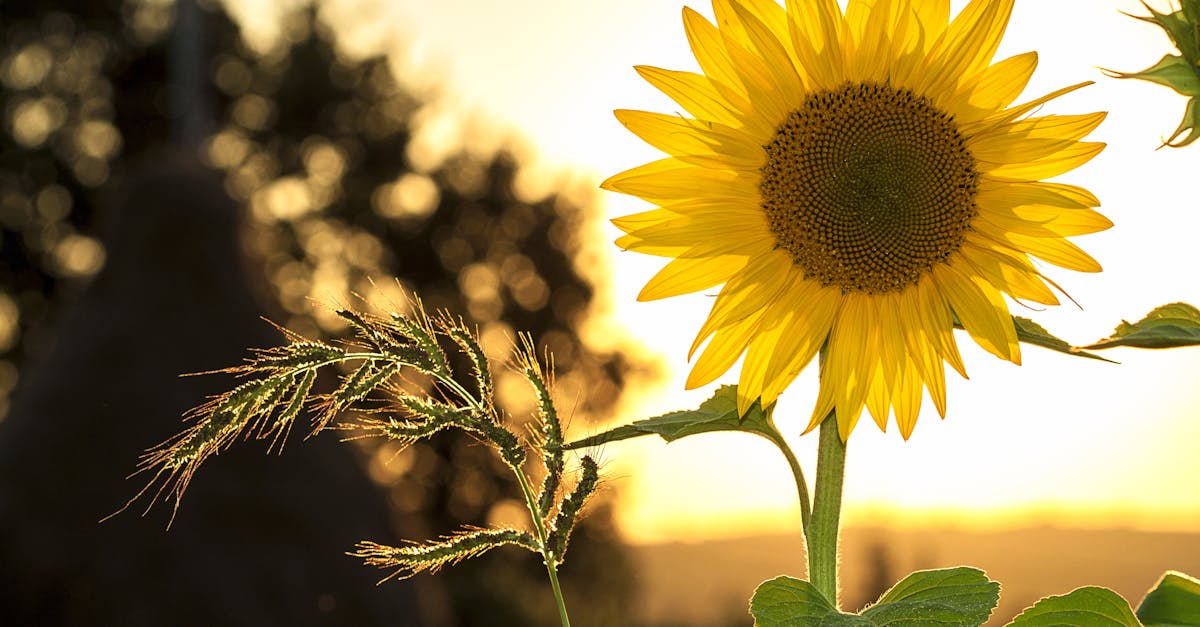
As summer unfolds, a vibrant tapestry of blooms paints the landscape in a kaleidoscope of colors. Roses, lilies, and sunflowers take center stage during this season of abundance, each with their own unique charm and requirements. Understanding their specific needs and employing a few simple techniques can help extend their blooming period, ensuring a continuous display of summer’s floral extravaganza.
Roses, with their timeless beauty and captivating fragrance, are a quintessential summer flower. They prefer well-drained soil, ample sunlight, and regular watering. Deadheading spent blooms encourages the production of new flowers, extending the blooming period. Mulching around rose bushes helps retain moisture and suppress weeds, further promoting healthy growth and abundant blooms.
Lilies, with their majestic blooms and elegant forms, add a touch of grandeur to the summer garden. They thrive in well-drained soil, rich in organic matter, and prefer full sun to partial shade. Watering lilies at the base of the plant, avoiding the foliage, helps prevent fungal diseases. Removing faded blooms and fertilizing regularly can encourage reblooming in some lily varieties, prolonging their display.
Sunflowers, with their cheerful faces and impressive height, are a symbol of summer’s warmth. They prefer well-drained soil and full sun. Deadheading sunflowers encourages the production of new flower buds, extending the blooming period. Additionally, planting sunflowers in succession, with new seeds sown every few weeks, ensures a continuous supply of blooms throughout the summer months.
Roses: The Quintessential Symbol of Beauty and Elegance
Roses, with their timeless beauty and captivating fragrance, have captured the hearts and imaginations of people for centuries. Their rich history and diverse range of varieties make them a beloved flower for gardens, homes, and special occasions. Roses are native to Asia, Europe, North America, and Africa, and have been cultivated for thousands of years. They are prized for their exquisite blooms, which come in a wide array of colors, shapes, and sizes.
Roses prefer well-drained soil, ample sunlight, and regular watering. They are relatively easy to care for, but do require some attention to ensure optimal growth and abundant blooms. Deadheading spent blooms encourages the production of new flowers, extending the blooming period. Mulching around rose bushes helps retain moisture and suppress weeds, further promoting healthy growth.
There are countless varieties of roses available, each with its own unique characteristics. Some popular types include hybrid tea roses, known for their large, showy blooms; floribunda roses, which produce clusters of smaller flowers; and climbing roses, which can be trained to grow on trellises or arbors. With so many varieties to choose from, there is sure to be a rose that suits every climate, preference, and garden style.
Lilies: Majestic Blooms with Enchanting Fragrance
Lilies, with their majestic blooms and enchanting fragrance, embody elegance and grace in the garden. Their diverse forms and rich symbolism make them a popular choice for bouquets, floral arrangements, and landscaping. Native to the Northern Hemisphere, lilies have been cultivated for centuries and hold cultural significance in many traditions.
Lilies prefer well-drained soil, rich in organic matter, and full sun to partial shade. They require regular watering, especially during the growing season. Removing faded blooms and fertilizing regularly can encourage reblooming in some lily varieties, prolonging their display. Lilies come in a wide range of forms, including trumpet lilies, with their large, flared blooms; oriental lilies, known for their intense fragrance and vibrant colors; and Asiatic lilies, which are typically smaller and earlier blooming.
Different varieties of lilies carry their own unique symbolism. White lilies are often associated with purity and innocence, while pink lilies represent affection and admiration. Yellow lilies symbolize joy and happiness, and orange lilies convey enthusiasm and warmth. With their diverse forms and rich symbolism, lilies offer a beautiful and meaningful addition to any garden or floral arrangement.
Sunflowers: Sun-worshipping Giants with Happy Faces
Sunflowers, with their cheerful faces and impressive height, are a symbol of summer’s warmth and abundance. Their ability to attract pollinators makes them a valuable addition to any garden. Native to North America, sunflowers have been cultivated for centuries for their seeds, oil, and ornamental value. They are known for their large, showy blooms, which can reach up to 12 inches in diameter, and their sturdy stems, which can grow up to 10 feet tall.
Sunflowers prefer well-drained soil and full sun. They are relatively easy to grow, but do require regular watering, especially during hot, dry weather. Deadheading sunflowers encourages the production of new flower buds, extending the blooming period. Sunflowers are also attractive to pollinators, including bees, butterflies, and birds, making them a beneficial addition to any garden.
In addition to their ornamental value, sunflowers are also a valuable source of food and oil. Sunflower seeds are a nutritious snack, rich in vitamins, minerals, and healthy fats. Sunflower oil is a popular cooking oil, known for its light, neutral flavor and high smoke point. With their cheerful blooms, impressive height, and ability to attract pollinators, sunflowers are a beautiful and beneficial addition to any garden.
3. Autumn’s Floral Farewell: A Display of Warm Hues
As summer fades into autumn, the landscape transforms into a tapestry of warm hues. Chrysanthemums, asters, and dahlias take center stage during this season of transition, adding a touch of color and resilience to the cooler temperatures. These captivating blooms are known for their ability to withstand the changing seasons, providing a beautiful farewell to the floral year.
Chrysanthemums, with their daisy-like blooms and vibrant colors, are a symbol of autumn’s arrival. They prefer well-drained soil and full sun to partial shade. Removing faded blooms encourages the production of new flowers, extending the blooming period. Asters, with their star-shaped flowers and delicate hues, add a touch of charm to the autumn garden. They prefer well-drained soil and full sun to partial shade. Deadheading asters encourages bushier growth and more abundant blooms.
Dahlias, with their dinner-plate-sized flowers and vibrant colors, are a showstopping addition to any autumn display. They prefer well-drained soil, rich in organic matter, and full sun. Dahlias require regular watering and fertilization for optimal growth and abundant blooms. With their resilience and ability to withstand cooler temperatures, chrysanthemums, asters, and dahlias provide a beautiful and heartwarming farewell to the floral season.
Chrysanthemums: Mums’ Enduring Beauty and Symbolic Meaning
Chrysanthemums, often referred to as “mums,” are prized for their enduring beauty and rich symbolic meaning. Their hardiness and ability to bloom in a wide range of colors make them a popular choice for autumn gardens and cultural celebrations. Native to Asia, chrysanthemums have been cultivated for centuries and hold significant cultural significance in many countries.
In China, chrysanthemums are associated with longevity and good fortune. They are often used to decorate homes and temples during the Chinese New Year. In Japan, chrysanthemums are the national flower and are revered for their beauty and resilience. The Chrysanthemum Throne is the symbol of the Japanese Imperial family.
Chrysanthemums prefer well-drained soil and full sun to partial shade. They are relatively easy to care for, but do require regular watering and fertilization for optimal growth and abundant blooms. Removing faded blooms encourages the production of new flowers, extending the blooming period. Chrysanthemums are available in a wide range of colors, including white, yellow, pink, red, and purple. Their blooms can be single, double, or pom-pom shaped, adding variety and interest to any garden display.
Asters: Star-Shaped Blooms that Defy the Cold
Asters, with their star-shaped blooms and daisy-like charm, add a touch of delicate beauty to the fall garden. Their ability to attract butterflies and their suitability for cooler temperatures make them a popular choice for autumn landscapes. Native to North America, Europe, and Asia, asters come in a wide range of species and varieties, offering a diverse array of colors and forms.
Asters prefer well-drained soil and full sun to partial shade. They are relatively easy to care for, but do require regular watering and fertilization for optimal growth and abundant blooms. Deadheading asters encourages bushier growth and more abundant blooms. Asters are attractive to butterflies and other pollinators, making them a beneficial addition to any garden.
With their star-shaped blooms and ability to withstand cooler temperatures, asters are a charming and resilient addition to the fall garden. They provide a valuable source of nectar for butterflies and other pollinators, and their diverse range of colors and forms adds interest and beauty to the autumn landscape.
Dahlias: Late-Season Bloomers with Dinner-Plate Flowers
Dahlias, with their impressive size and diversity, are a showstopping addition to any garden. Their extended blooming period and suitability for both gardens and cut flower arrangements make them a popular choice for late-season color. Native to Mexico and Central America, dahlias have been cultivated for centuries and have become a symbol of abundance and prosperity.
Dahlias prefer well-drained soil, rich in organic matter, and full sun. They require regular watering and fertilization for optimal growth and abundant blooms. Dahlias come in a wide range of sizes, shapes, and colors, with some varieties producing blooms that can reach up to 12 inches in diameter. Their unique and showy blooms make them a popular choice for cut flower arrangements, adding a touch of elegance and drama to any occasion.
With their impressive size, diversity, and extended blooming period, dahlias are a captivating addition to any garden. Their suitability for both gardens and cut flower arrangements makes them a versatile and valuable choice for gardeners and flower enthusiasts alike.
4. Winter’s Floral Resilience: Braving the Cold
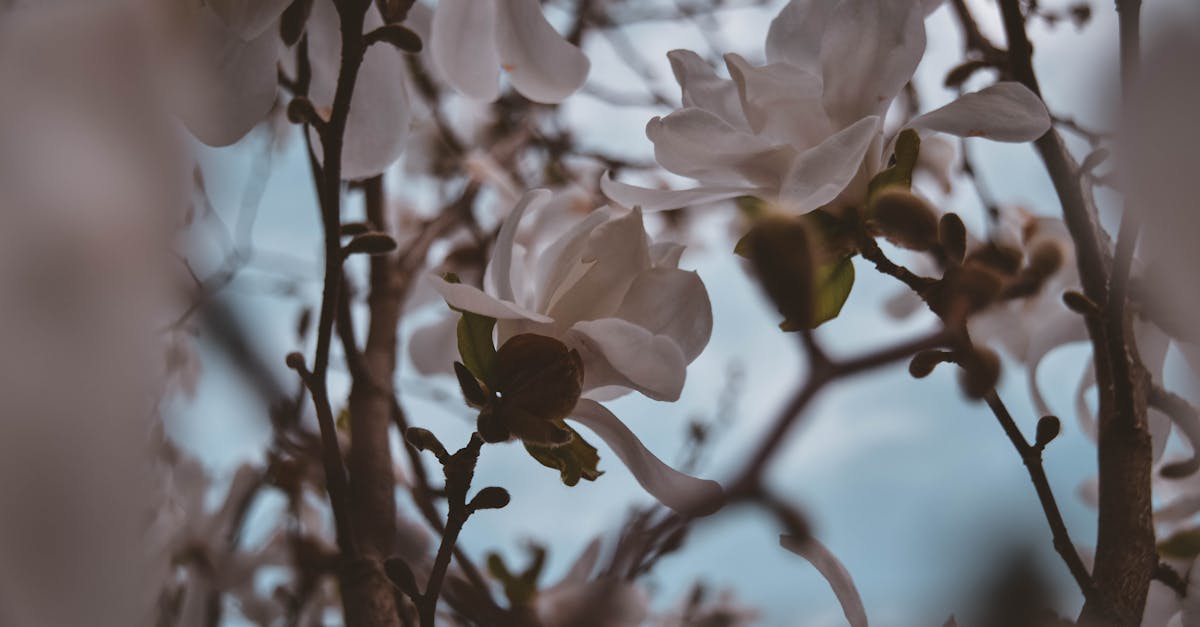
As winter’s icy grip descends, the landscape transforms into a seemingly barren world. Yet, amidst the cold and snow, there are resilient blooms that defy the odds, adding a touch of color and life to the darkest months. Hellebores, snowdrops, and witch hazel are just a few of the remarkable flowers that bloom during winter, showcasing nature’s indomitable spirit.
Hellebores, also known as Christmas roses, are known for their ability to bloom even under snow cover. Their cup-shaped flowers come in a range of colors, including white, pink, and burgundy, and add a cheerful touch to the winter garden. Snowdrops, with their delicate white bell-shaped flowers, are one of the earliest signs of spring. They often bloom in late winter, signaling the gradual return of warmth and light.
Witch hazel, with its fragrant yellow flowers, is another harbinger of spring. Its blooms appear on bare branches, adding a splash of color to the winter landscape. Witch hazel is also known for its medicinal properties and is often used in herbal remedies. With their resilience and ability to provide color even in the darkest months, these winter blooms offer a reminder of nature’s enduring beauty and the promise of spring to come.
Hellebores: Winter’s Jewels with Long-Lasting Blooms
Hellebores, also known as Christmas roses, are a testament to nature’s resilience and beauty. Their ability to bloom even under snow cover has earned them the title of “winter’s jewels.” Hellebores are prized for their long-lasting blooms, which come in a range of colors, including white, pink, burgundy, and green. Their cup-shaped flowers add a cheerful touch to the winter garden, brightening up the darkest months.
Hellebores are relatively easy to care for, preferring shade or partial shade and well-drained soil. Their tolerance for shade makes them a valuable addition to woodland gardens or areas under trees. Hellebores are also relatively low-maintenance, requiring minimal watering and fertilization. Once established, they can naturalize and spread over time, creating a beautiful and resilient groundcover.
With their beauty, resilience, and ability to provide color even in the darkest months, hellebores are a welcome sight in any winter garden. Their long-lasting blooms offer a reminder of nature’s enduring spirit and the promise of spring to come.
Snowdrops: Delicate Heralds of Spring’s Approach
Snowdrops, with their delicate white bell-shaped flowers, are one of the earliest signs of spring. Their ability to bloom even as snow melts makes them a welcome sight, heralding the gradual return of warmth and light. Snowdrops are not only beautiful but also valuable to the ecosystem, providing an early nectar source for pollinators such as bees and butterflies.
Snowdrops prefer moist, well-drained soil and partial shade. They are relatively easy to care for, naturalizing readily and spreading over time. Snowdrops can form large colonies, creating a stunning display of white blooms in early spring. Their ability to naturalize makes them a low-maintenance addition to any garden, providing year after year of delicate beauty.
With their delicate beauty, ability to naturalize, and value as an early nectar source for pollinators, snowdrops are a cherished part of the spring garden. Their presence signals the gradual return of spring and offers a reminder of nature’s resilience and the promise of new beginnings.
Witch Hazel: Fragrant Blooms Amidst Bare Branches
Witch hazel, with its fragrant yellow flowers and unique blooming habit, adds a touch of magic to the winter landscape. Unlike most other plants, witch hazel blooms on bare branches, often in the midst of winter’s icy grip. Its flowers are not only beautiful but also highly fragrant, filling the air with a sweet, spicy scent.
Witch hazel is not only a beautiful and fragrant plant but also has a long history of medicinal use. Its leaves and bark have been used for centuries to treat a variety of ailments, including skin irritation, inflammation, and hemorrhoids. Witch hazel extract is a common ingredient in over-the-counter skincare products, such as toners and astringents, due to its soothing and anti-inflammatory properties.
With its unique charm, fragrant flowers, and medicinal properties, witch hazel is a valuable addition to any garden or natural medicine cabinet. Its ability to bloom even in the harshest of conditions serves as a reminder of nature’s resilience and the beauty that can be found even in the coldest of months.
5. Tips for Year-Round Floral Abundance
Creating a garden that provides year-round floral abundance requires careful planning and expert care. Here are a few tips to help you achieve a continuous display of color in your garden:
1. Select the Right Plants: The key to year-round color is choosing a variety of plants with different bloom times. Consider the local climate and select plants that are known to thrive in your area. Research the specific blooming periods of each plant to ensure a succession of blooms throughout the year.
2. Companion Planting: Companion planting is a technique that involves planting compatible species together to enhance their growth and productivity. Certain plants can benefit each other by attracting pollinators, deterring pests, or providing nutrients to the soil. For example, planting marigolds alongside roses can help deter aphids, while planting lavender near tomatoes can improve their flavor.
3. Proper Care Practices: To ensure optimal growth and continuous blooms, it’s essential to provide proper care for your plants. This includes regular watering, fertilization, and pruning. Deadheading spent blooms encourages new flower production, extending the blooming period of many plants. Mulching around plants helps retain moisture, suppress weeds, and regulate soil temperature.
Planning for a Year-Round Bloom Cycle
Planning for a year-round bloom cycle in your garden requires careful consideration of plant selection, local climate, and companion planting techniques. Here are a few key points to keep in mind:
1. Plant Selection: Choosing a variety of plants with different bloom times is crucial for a continuous display of color. Research the specific blooming periods of each plant and select a mix that will provide a succession of blooms throughout the year. Consider both annuals and perennials to ensure a consistent supply of flowers.
2. Local Climate: The local climate plays a significant role in determining which plants will thrive in your garden. Choose plants that are well-suited to your climate zone and soil conditions. Consider factors such as temperature, rainfall, and sunlight availability when selecting plants.
3. Companion Planting: Companion planting can be a valuable strategy for extending blooming periods and enhancing the overall health of your garden. Planting compatible species together can provide mutual benefits, such as attracting pollinators, deterring pests, or improving soil fertility. For example, planting marigolds alongside roses can help deter aphids, while planting lavender near tomatoes can improve their flavor.
Companion Planting for Extended Color and Benefits
Companion planting is a gardening technique that involves planting different species together to create mutually beneficial relationships. By carefully selecting compatible plants, you can enhance their growth, improve their resilience to pests and diseases, and extend their blooming periods.
Benefits of Companion Planting:
-
Pest and Disease Control: Certain plants can act as natural pest deterrents or attract beneficial insects that prey on common pests. For example, planting marigolds alongside tomatoes can help deter aphids, while planting garlic near roses can help repel spider mites.
-
Improved Growth: Some plants can improve the growth and yield of their companion plants. For instance, planting nitrogen-fixing legumes, such as beans or peas, near heavy feeders, like corn or tomatoes, can help provide them with essential nutrients.
-
Extended Bloom Periods: By planting species with different bloom times together, you can create a continuous display of color in your garden. For example, planting early-blooming bulbs, such as tulips or daffodils, alongside late-blooming perennials, like coneflowers or asters, can ensure a succession of blooms throughout the growing season.
Choosing Compatible Species:
When choosing companion plants, consider their individual needs and compatibility. Factors to consider include:
-
Plant Size and Growth Habit: Choose plants that will complement each other in terms of size and growth habit. Avoid planting tall, aggressive growers next to smaller, more delicate plants.
-
Nutrient Requirements: Consider the nutrient needs of each plant and choose companions that have similar requirements. Avoid planting heavy feeders next to plants that prefer leaner soil.
-
Water Needs: Group plants with similar water requirements together to avoid overwatering or underwatering.
Essential Care Practices for Healthy and Continuous Blooms
Providing proper care for your plants is essential for ensuring healthy and continuous blooms throughout the growing season. Here are some key care practices to follow:
Watering Techniques:
-
Water deeply and infrequently: Water your plants deeply, allowing the water to penetrate the soil to the root zone. Avoid shallow watering, as this encourages surface roots and makes plants more susceptible to drought stress.
-
Water at the base of the plant: Avoid getting water on the leaves, as this can promote fungal diseases. Water directly at the base of the plant, where the roots can absorb it most effectively.
-
Adjust watering frequency based on weather and plant needs: Different plants have different water needs, and the frequency of watering will vary depending on the weather conditions. Monitor your plants and adjust the watering schedule accordingly.
Fertilization Needs:
-
Fertilize regularly during the growing season: Most plants benefit from regular fertilization to provide them with essential nutrients for growth and flowering. Use a balanced fertilizer that meets the specific needs of your plants.
-
Follow the instructions on the fertilizer label: Avoid over-fertilizing, as this can damage plants. Always follow the instructions on the fertilizer label carefully.
-
Fertilize less frequently in the fall and winter: As plants go dormant in the fall and winter, their nutrient needs decrease. Reduce the frequency of fertilization during these months.
Pruning Methods:
-
Prune to encourage new growth and flowering: Pruning can help promote new growth and encourage more blooms. Remove spent blooms, deadhead flowers, and prune back overgrown stems to keep plants healthy and productive.
-
Prune at the right time of year: The timing of pruning varies depending on the plant species. Research the specific pruning requirements for your plants to ensure you prune at the optimal time.
-
Use sharp, clean pruning tools: Always use sharp, clean pruning tools to make clean cuts and avoid damaging plants.
Quiz
1. Which of the following is a benefit of companion planting?
- (a) Pest and disease control
- (b) Improved growth
- (c) Extended bloom periods
- (d) All of the above
2. True or False: Watering plants deeply and infrequently is better than shallow watering.
3. When should you fertilize plants less frequently?
- (a) Spring
- (b) Summer
- (c) Fall and winter
- (d) Not at all
4. Why is it important to prune plants?
- (a) To encourage new growth and flowering
- (b) To remove dead or diseased plant material
- (c) To improve air circulation
- (d) Both (a) and (b)
5. Which of the following is a key insight from the article?
- (a) Year-round floral abundance requires planning and proper care.
- (b) Companion planting can enhance plant health and extend blooming periods.
- (c) Different seasonal blooms have specific care requirements.
- (d) All of the above
Answer Key
- (d)
- True
- (c)
- (d)
- (d)
Unlock the Greenery Potential of Your Balcony: A Guide to Thriving Plants in Compact Spaces Attention all balcony-dwelling plant enthusiasts! Read more
Transform Your Balcony into a Flourishing Garden Oasis: A Step-by-Step Guide Beginning a balcony garden can be a fulfilling endeavor, Read more
Unlocking the Potential of Vertical Gardening on Balconies Are you tired of your cramped balcony but still longing for a Read more
Aromatic Delights: Cultivating Herbs on Your Balcony Oasis Whether you're a seasoned gardener or just starting out, growing herbs on Read more