
Transform Your Balcony into a Year-Round Garden Haven

Unlock the Potential of Your Balcony: A Year-Round Guide to Seasonal Gardening
Transform your balcony into a vibrant oasis with our comprehensive guide to seasonal balcony gardening. This in-depth resource provides everything you need to create a flourishing urban garden, whether you have a spacious terrace or a cozy micro-balcony. Discover the secrets to planning your layout, selecting the perfect plants for each season, and nurturing your balcony garden to thrive throughout the year.
Embrace the joys of balcony gardening and witness the beauty of nature unfold right outside your door. With our expert tips and seasonal plant recommendations, you’ll be able to enjoy a thriving balcony garden that brings life, color, and freshness to your urban sanctuary.
1. Plan Your Balcony Oasis
Plan Your Balcony Oasis: Factors to Consider
Before embarking on your balcony gardening adventure, take the time to carefully plan your layout and select the perfect plants for your space. Here are some key factors to consider:
Sunlight Exposure: Determine the amount of sunlight your balcony receives throughout the day. This will help you choose plants that are well-suited to your conditions. If your balcony gets plenty of direct sunlight, you can grow a wider variety of plants, including sun-loving vegetables and flowers. If your balcony is mostly shaded, you’ll need to choose plants that can tolerate lower light levels.
Space Constraints: Make the most of your available space by utilizing vertical gardening techniques. Trellises, hanging planters, and vertical gardens are all great ways to add extra growing area without taking up too much floor space. Consider the size and shape of your balcony when selecting plants. Compact varieties and dwarf plants are ideal for smaller balconies, while larger plants can be accommodated on more spacious balconies.
Plant Selection: Choose plants that are well-suited to container gardening and balcony conditions. Consider factors like size, root depth, and sunlight requirements. Herbs, leafy greens, and compact vegetables are all good choices for balcony gardens. You can also grow flowers to add color and attract pollinators. When selecting plants, be sure to choose varieties that are resistant to pests and diseases.
Assess Sunlight Conditions
Assess Sunlight Conditions for Your Balcony Garden
Sunlight is essential for plant growth, so it’s important to determine how much sunlight your balcony receives before selecting plants. Here’s how to assess sunlight conditions:
Observe the Sunlight Patterns: Pay attention to how the sun moves across your balcony throughout the day. Note the times when your balcony is in direct sunlight and when it’s shaded. You can also use a sunlight calculator to estimate the amount of sunlight your balcony receives.
Consider the Surrounding Buildings and Structures: Buildings, trees, and other structures can block sunlight from reaching your balcony. Take these factors into account when assessing sunlight conditions. If your balcony is surrounded by tall buildings or dense foliage, you may have limited sunlight.
Group Plants According to Sunlight Needs: Once you know how much sunlight your balcony receives, you can choose plants that are well-suited to those conditions. Plants can be categorized into three main groups based on their sunlight requirements:
-
Full sun: These plants need at least 6 hours of direct sunlight per day.
-
Partial shade: These plants can tolerate 4-6 hours of direct sunlight per day.
-
Full shade: These plants can grow in areas that receive less than 4 hours of direct sunlight per day.
By choosing plants that are suited to your balcony’s sunlight conditions, you can ensure that they will thrive and produce abundant blooms and harvests.
Maximize Vertical Space
Maximize Vertical Space on Your Balcony
If you have a small balcony, or simply want to make the most of your available space, vertical gardening is a great way to increase your growing area. Here are some tips for maximizing vertical space on your balcony:
Trellises: Trellises are a great way to support climbing plants, such as tomatoes, cucumbers, and beans. You can train these plants to grow up the trellis, which saves space and allows them to receive more sunlight. Trellises can be made from a variety of materials, such as wood, metal, or bamboo.
Hanging Planters: Hanging planters are another great way to save space on your balcony. You can hang planters from the ceiling, walls, or railings. This is a good option for plants that trail or cascade, such as strawberries, petunias, and ferns. Hanging planters also add a decorative touch to your balcony.
Vertical Gardens: Vertical gardens are a great way to grow a lot of plants in a small space. Vertical gardens can be created using a variety of materials, such as pallets, fabric, or even old picture frames. You can mount vertical gardens on walls or fences. They are a great option for growing herbs, leafy greens, and other small plants.
By utilizing vertical gardening techniques, you can make the most of your balcony space and grow a thriving garden, even if you have limited square footage.
Select Suitable Plants
Selecting the Right Plants for Your Balcony Garden
When choosing plants for your balcony garden, it’s important to select varieties that are well-suited to container gardening and balcony conditions. Here are some factors to consider when selecting plants:
Size: Consider the size of your balcony and choose plants that are appropriately sized. Avoid planting large trees or shrubs on small balconies, as they can quickly become too large and unwieldy. Instead, opt for compact varieties and dwarf plants.
Root Depth: The depth of a plant’s roots is also an important consideration. Plants with deep roots can be more difficult to grow in containers, as they need more space to spread out. If your balcony has limited depth, choose plants with shallow roots.
Sunlight Requirements: As mentioned earlier, it’s important to assess the sunlight conditions on your balcony before selecting plants. Choose plants that are suited to the amount of sunlight your balcony receives. If your balcony gets plenty of direct sunlight, you can grow a wider variety of plants, including sun-loving vegetables and flowers. If your balcony is mostly shaded, you’ll need to choose plants that can tolerate lower light levels.
By considering these factors, you can choose plants that will thrive on your balcony and provide you with a beautiful and productive garden.
2. Seasonal Plant Guide
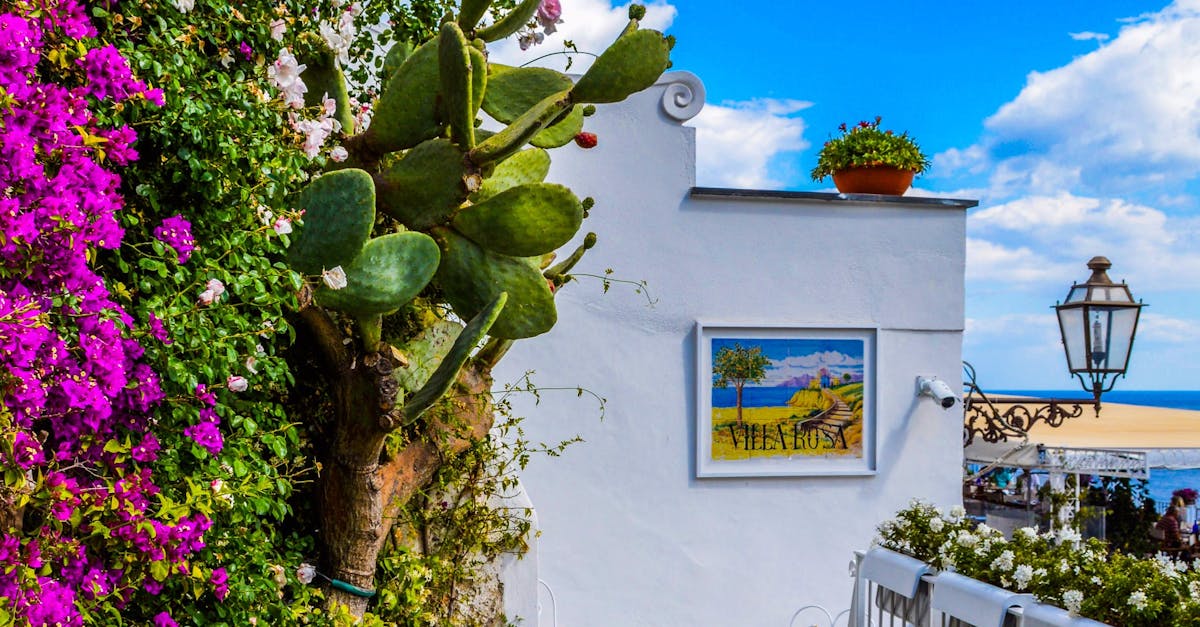
Seasonal Plant Guide for Balcony Gardeners
Choosing the right plants for each season is essential for a thriving balcony garden. Here’s a guide to some popular plants that are well-suited to balcony conditions, along with their growing requirements and care tips:
Spring:
-
Pansies: These cheerful flowers are a classic choice for spring balconies. They come in a wide range of colors and bloom profusely throughout the season. Pansies prefer cool temperatures and well-drained soil.
-
Violas: Violas are similar to pansies, but they are slightly smaller and have a more compact growth habit. They are also very easy to grow and bloom in a wide range of colors.
-
Lettuce: Lettuce is a great choice for beginner balcony gardeners. It is easy to grow and can be harvested in as little as 4 weeks. Lettuce prefers cool temperatures and moist, well-drained soil.
Summer:
-
Tomatoes: Tomatoes are a popular choice for balcony gardens, and they can be grown in containers or hanging baskets. They require plenty of sunlight and well-drained soil. Water tomatoes regularly and fertilize them every few weeks.
-
Peppers: Peppers are another good choice for balcony gardeners. They come in a variety of shapes and colors, and they are relatively easy to grow. Peppers prefer warm temperatures and well-drained soil.
-
Basil: Basil is a must-have herb for any balcony garden. It is easy to grow and can be used in a variety of dishes. Basil prefers warm temperatures and well-drained soil.
Spring Awakening
Spring Awakening: Flowers and Vegetables for Your Balcony Garden
As the days get longer and the temperatures start to rise, it’s time to start thinking about spring gardening. Here are some flowers and vegetables that thrive in spring and are perfect for balcony gardens:
Flowers:
-
Pansies: Pansies are a classic choice for spring gardens. They come in a wide range of colors and bloom profusely throughout the season. Pansies prefer cool temperatures and well-drained soil.
-
Violas: Violas are similar to pansies, but they are slightly smaller and have a more compact growth habit. They are also very easy to grow and bloom in a wide range of colors.
-
Primroses: Primroses are another popular choice for spring gardens. They come in a variety of colors, including yellow, pink, purple, and white. Primroses prefer cool temperatures and moist, well-drained soil.
Vegetables:
-
Lettuce: Lettuce is a great choice for beginner balcony gardeners. It is easy to grow and can be harvested in as little as 4 weeks. Lettuce prefers cool temperatures and moist, well-drained soil.
-
Radishes: Radishes are another easy-to-grow vegetable that is perfect for balcony gardens. They can be harvested in as little as 3 weeks. Radishes prefer cool temperatures and well-drained soil.
-
Spinach: Spinach is a nutritious leafy green that is easy to grow in containers. It prefers cool temperatures and moist, well-drained soil.
Summer Splendor
Summer Splendor: Heat-Tolerant Plants for Your Balcony Garden
As the summer temperatures soar, it’s important to choose plants that can withstand the heat and humidity. Here are some heat-tolerant plants that are perfect for balcony gardens:
-
Tomatoes: Tomatoes are a popular choice for balcony gardens, and they can be grown in containers or hanging baskets. They require plenty of sunlight and well-drained soil. Water tomatoes regularly and fertilize them every few weeks.
-
Peppers: Peppers are another good choice for balcony gardeners. They come in a variety of shapes and colors, and they are relatively easy to grow. Peppers prefer warm temperatures and well-drained soil.
-
Eggplant: Eggplant is a heat-loving vegetable that is perfect for balcony gardens. It requires plenty of sunlight and well-drained soil. Water eggplant regularly and fertilize it every few weeks.
-
Basil: Basil is a must-have herb for any balcony garden. It is easy to grow and can be used in a variety of dishes. Basil prefers warm temperatures and well-drained soil.
-
Oregano: Oregano is another heat-tolerant herb that is perfect for balcony gardens. It is easy to grow and can be used in a variety of dishes. Oregano prefers well-drained soil and full sun to partial shade.
Autumn Abundance
Autumn Abundance: Plants for a Vibrant Fall Balcony
As the days get shorter and the temperatures start to cool, it’s time to start thinking about fall gardening. Here are some plants that transition well into fall and are perfect for balcony gardens:
-
Chrysanthemums: Chrysanthemums are a classic choice for fall gardens. They come in a wide range of colors, including yellow, orange, red, and purple. Chrysanthemums prefer cool temperatures and well-drained soil.
-
Asters: Asters are another popular choice for fall gardens. They come in a variety of colors, including purple, pink, and white. Asters prefer cool temperatures and moist, well-drained soil.
-
Kale: Kale is a nutritious leafy green that is perfect for fall gardens. It is easy to grow and can be harvested throughout the fall and winter months. Kale prefers cool temperatures and well-drained soil.
-
Ornamental cabbage and kale: These plants are grown for their colorful foliage, which comes in a range of shades including purple, pink, white, and green. They are perfect for adding a splash of color to your balcony garden in the fall.
-
Pansies: Pansies are a cool-season flower that can also tolerate some frost. They come in a wide range of colors and are perfect for adding a touch of cheer to your balcony garden in the fall.
Winter Resilience
Winter Resilience: Plants for a Balcony Garden in Cold Climates
Even in cold climates, it’s possible to enjoy a beautiful balcony garden throughout the winter months. Here are some hardy plants that can withstand winter conditions:
-
Winter pansies: Winter pansies are a type of viola that blooms in the winter months. They come in a variety of colors, including purple, yellow, and white. Winter pansies prefer cool temperatures and well-drained soil.
-
Hellebores: Hellebores are a type of perennial that blooms in the late winter or early spring. They come in a variety of colors, including white, pink, and purple. Hellebores prefer shady or partially shady areas and moist, well-drained soil.
-
Evergreens: Evergreens are a type of plant that retains its leaves throughout the year. This makes them a great choice for adding some greenery to your balcony garden in the winter months. Some popular evergreen plants for balconies include boxwood, holly, and juniper.
-
Winterberry: Winterberry is a deciduous shrub that produces bright red berries in the winter months. These berries are a great source of food for birds.
-
Snowdrops: Snowdrops are a type of bulb flower that blooms in the early spring. They are one of the first flowers to bloom after the winter snow melts. Snowdrops prefer shady or partially shady areas and moist, well-drained soil.
3. Care and Maintenance Tips
Care and Maintenance Tips for a Thriving Balcony Garden
To keep your balcony garden looking its best all year round, it’s important to follow some basic care and maintenance tips. Here are some essential practices:
Watering Wisely:
Watering is one of the most important aspects of balcony gardening. The amount of water your plants need will vary depending on the type of plants, the size of the containers, and the weather conditions. In general, it’s best to water your plants deeply and infrequently, rather than shallowly and often. This encourages the roots to grow deep and strong.
Fertilizing for Growth:
Fertilizing your plants regularly will help them to grow healthy and strong. There are a variety of fertilizers available, so choose one that is appropriate for the type of plants you are growing. It’s important to follow the instructions on the fertilizer label carefully, as over-fertilizing can damage your plants.
Pest and Disease Management:
Unfortunately, pests and diseases can sometimes be a problem in balcony gardens. There are a variety of organic and chemical methods that can be used to prevent and treat pests and diseases. It’s important to identify the problem early on and take steps to control it before it spreads.
Watering Wisely
Watering Wisely for a Thriving Balcony Garden
Watering is one of the most important aspects of balcony gardening. The amount of water your plants need will vary depending on the type of plants, the size of the containers, and the weather conditions. Here are some tips for watering balcony plants wisely:
Frequency:
The frequency with which you water your plants will depend on a number of factors, including the type of plants, the size of the containers, the weather conditions, and the amount of sunlight your balcony receives. In general, it’s best to water your plants deeply and infrequently, rather than shallowly and often. This encourages the roots to grow deep and strong.
Techniques:
There are a few different techniques that you can use to water your balcony plants. The most common method is to use a watering can or hose. You can also use a drip irrigation system or a self-watering container.
Sunlight:
The amount of sunlight your balcony receives will also affect how often you need to water your plants. Plants that receive more sunlight will need to be watered more often than plants that receive less sunlight.
Fertilizing for Growth
Fertilizing for Growth in Balcony Gardens
Fertilizing your balcony plants regularly will help them to grow healthy and strong. There are a variety of fertilizers available, so it’s important to choose one that is appropriate for the type of plants you are growing. Here are some tips for choosing the right fertilizer and application schedule:
Choosing the Right Fertilizer:
The type of fertilizer you choose will depend on the type of plants you are growing. There are three main types of nutrients that plants need: nitrogen, phosphorus, and potassium. Nitrogen promotes leaf growth, phosphorus promotes root growth, and potassium promotes fruit and flower production. Most fertilizers will contain a balance of these three nutrients.
Application Schedule:
The frequency with which you fertilize your plants will depend on the type of fertilizer you are using and the type of plants you are growing. In general, it’s best to fertilize your plants every few weeks during the growing season. However, some fertilizers may need to be applied more or less frequently.
Organic vs. Chemical Fertilizers:
There are two main types of fertilizers: organic and chemical. Organic fertilizers are made from natural materials, such as compost, manure, and seaweed. Chemical fertilizers are made from synthetic materials. Organic fertilizers release nutrients slowly over time, while chemical fertilizers release nutrients quickly. Both types of fertilizers can be effective, so it’s up to you to decide which type you prefer.
Pest and Disease Management
Pest and Disease Management for Balcony Gardens
Unfortunately, pests and diseases can sometimes be a problem in balcony gardens. Here are some organic and chemical methods for preventing and treating common balcony garden pests and diseases:
Organic Methods:
- Companion planting: Planting certain plants together can help to deter pests. For example, planting basil next to tomatoes can help to repel tomato hornworms.
- Crop rotation: Planting different types of plants in the same location each year can help to prevent soil-borne diseases.
- Beneficial insects: Many insects are beneficial to gardens, such as ladybugs and lacewings. These insects prey on pests and can help to keep your plants healthy.
Chemical Methods:
- Insecticides: Insecticides can be used to kill pests. There are a variety of insecticides available, so it’s important to choose one that is appropriate for the type of pest you are trying to control.
- Fungicides: Fungicides can be used to kill fungi. There are a variety of fungicides available, so it’s important to choose one that is appropriate for the type of disease you are trying to control.
Prevention is Key:
The best way to control pests and diseases in your balcony garden is to prevent them from occurring in the first place. Here are a few tips for preventing pests and diseases:
- Start with healthy plants: When you purchase plants for your balcony garden, choose healthy plants that are free of pests and diseases.
- Water your plants regularly: Watering your plants regularly will help them to stay healthy and strong, which will make them more resistant to pests and diseases.
- Fertilize your plants regularly: Fertilizing your plants regularly will help them to grow healthy and strong, which will also make them more resistant to pests and diseases.
Quiz: Test Your Balcony Gardening Knowledge
-
True or False: It’s important to assess the sunlight conditions on your balcony before selecting plants.
-
Which of the following is NOT a factor to consider when choosing plants for your balcony garden?
- Size
- Root depth
- Sunlight requirements
- Plant color
- What type of plants are typically heat-tolerant and suitable for summer balcony gardens?
- Pansies and violas
- Tomatoes and peppers
- Chrysanthemums and asters
- Winter pansies and hellebores
- Which of the following is an organic method for pest control in balcony gardens?
- Using insecticides
- Companion planting
- Applying fungicides
- Chemical spraying
- True or False: Watering your balcony plants deeply and infrequently is better than watering them shallowly and often.
Answer Key:
- True
- Plant color
- Tomatoes and peppers
- Companion planting
- True
Markdown for answer keys of quiz questions
Unlock the Greenery Potential of Your Balcony: A Guide to Thriving Plants in Compact Spaces Attention all balcony-dwelling plant enthusiasts! Read more
Transform Your Balcony into a Flourishing Garden Oasis: A Step-by-Step Guide Beginning a balcony garden can be a fulfilling endeavor, Read more
Unlocking the Potential of Vertical Gardening on Balconies Are you tired of your cramped balcony but still longing for a Read more
Aromatic Delights: Cultivating Herbs on Your Balcony Oasis Whether you're a seasoned gardener or just starting out, growing herbs on Read more