
From Balcony to Canvas: Unleashing the Colorful Potential of Nature
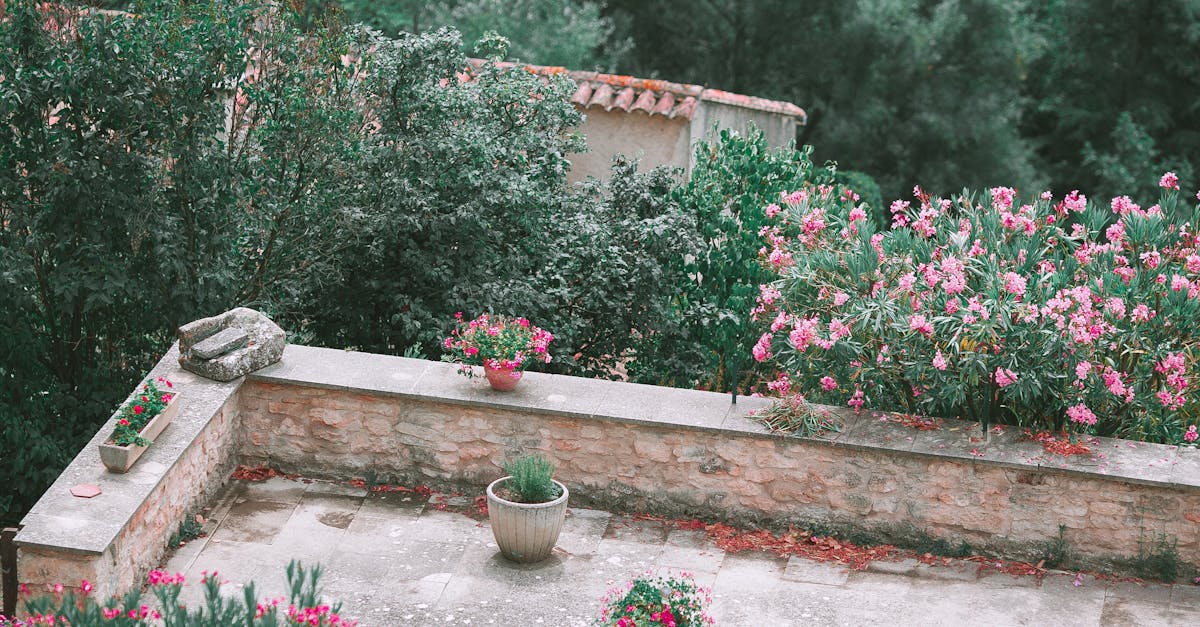
Unleash the vibrant power of nature and transform your crafting endeavors with “Natural Dyes from the Balcony: A Guide to DIY Gardening for Colorful Crafting”. Discover the secrets of extracting breathtaking hues from your own balcony garden, empowering you to create sustainable and eye-catching works of art.
Embark on a journey into the world of natural dyes, where plants become your palette and your balcony a haven of color. Learn to cultivate dye-producing wonders like sun-kissed marigolds and deep purple elderberries, unlocking a rainbow of possibilities for your creative expressions.
Immerse yourself in the art of harvesting and preparing plant materials, ensuring maximum dye yield and preserving their vibrant pigments. Master the techniques of immersion and decoction dyeing, controlling color intensity and achieving desired shades with precision. Explore the chemistry of pH and mordants, unlocking the secrets to color manipulation and enhancing the longevity of your creations.
1. 1. Choosing the Right Plants for Natural Dyes
Embark on a colorful journey by selecting the best balcony-friendly plants renowned for their dye-producing prowess. Discover the vibrant hues hidden within marigolds, elderberries, and other botanical wonders.
Marigolds, with their cheerful blooms, offer a range of golden yellow shades. Elderberries, with their deep purple berries, yield rich purples and blues. Explore the possibilities of coreopsis for warm yellows, cosmos for soft pinks, and dahlias for a spectrum of vibrant colors.
When choosing plants for natural dyes, consider their growing habits and compatibility with your balcony space. Opt for compact varieties that thrive in containers or hanging baskets. Remember that the availability of sunlight and water will influence the health and dye yield of your plants. With careful selection and nurturing, your balcony can transform into a vibrant palette of natural dyes, ready to inspire your creative endeavors.
Marigolds for Golden Yellows
Unlock the golden hues of nature with marigolds, cheerful and prolific flowers that bring a burst of sunshine to your balcony garden. These sun-worshipping plants are renowned for their vibrant yellow petals, which yield a beautiful range of golden yellow dyes.
To extract the golden pigments from marigolds, simply harvest the flower heads when they are fully open and in full bloom. Remove any green stems or leaves, as they can impart a greenish tint to the dye. Fresh marigold flowers produce the most intense colors, but dried flowers can also be used, although they may yield a slightly less vibrant shade.
Marigold dye is relatively easy to work with and can be applied to various natural fibers such as cotton, linen, wool, and silk. To achieve a deeper and more saturated yellow, mordanting the fabric with alum or vinegar before dyeing is recommended. Experiment with different mordants and techniques to create a range of golden yellow hues, from pale primrose to deep mustard.
Elderberries for Deep Purples and Blues
Discover the enchanting world of elderberries, where deep purples and rich blues await extraction. These versatile berries, borne on elderberry shrubs, offer a treasure trove of natural pigments that can transform your crafting projects into vibrant masterpieces.
To harness the color power of elderberries, harvest the ripe berries when they are plump and juicy. Remove any stems or leaves, as they can impart a bitter taste and unwanted tannins to the dye. Fresh elderberries yield the most intense colors, but dried berries can also be used, although they may produce a slightly less vibrant shade.
Extracting dye from elderberries is a relatively simple process. Simmer the berries in water until the liquid turns a deep purple or blue. The resulting dye can be used to color a variety of natural fibers such as cotton, linen, wool, and silk. Mordanting the fabric with alum or iron before dyeing can enhance the colorfastness and vibrancy of the dye.
2. 2. Harvesting and Preparing Plant Materials
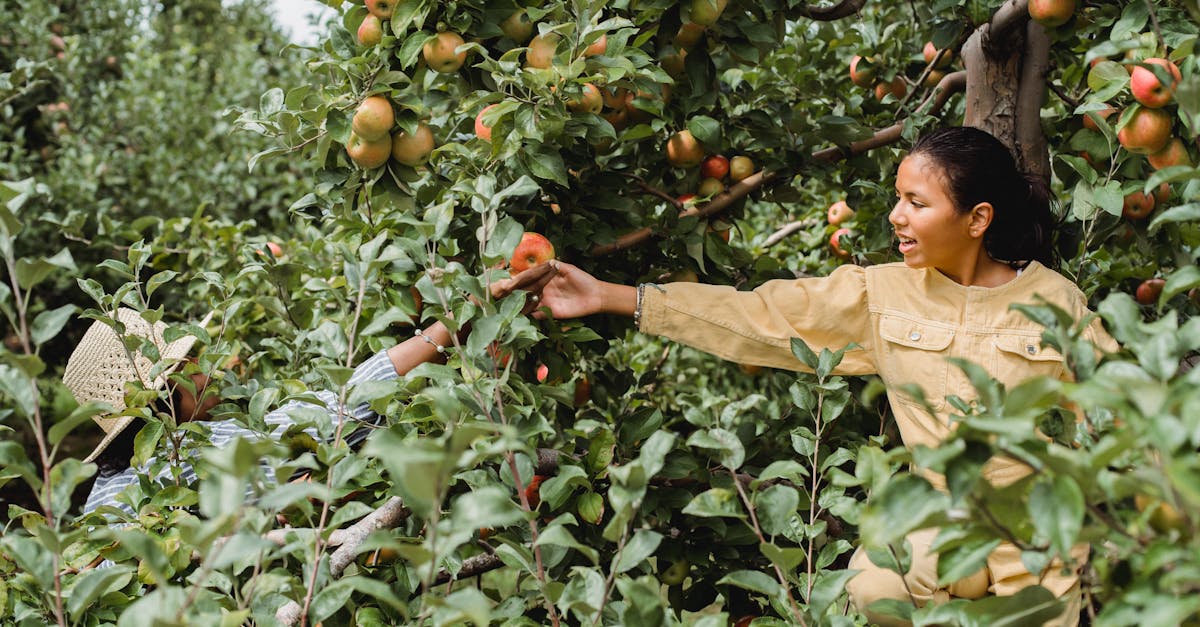
To ensure a bountiful harvest of vibrant plant materials for natural dyeing, timing is everything. Different plants have optimal harvesting times when their dye content is at its peak. For instance, marigolds are best harvested when the flowers are fully open, while elderberries should be picked when they are ripe and juicy. Research the specific plants you intend to use and determine the ideal harvesting window.
Once harvested, proper preparation of plant materials is crucial for successful dye extraction. Remove any unwanted stems, leaves, or debris that could compromise the dye quality. Fresh plant materials generally yield more vibrant colors, but drying can be necessary for long-term storage. Air-drying in a well-ventilated, shaded area is the preferred method to preserve the pigments while preventing mold growth.
For certain plants, fermentation can enhance dye yield and color intensity. This process involves soaking the plant materials in water for a period of time, allowing natural bacteria to break down the plant fibers and release more pigments. Experiment with fermentation techniques to discover their potential benefits for your chosen dye plants.
Harvesting Blooms and Berries
To achieve the most vibrant and colorfast results when using natural dyes, harvesting blooms and berries at the optimal time is essential. Different plant species have unique characteristics and ideal harvesting windows, so it’s important to research the specific plants you intend to use for dyeing.
For flowers, the general rule is to harvest them when they are fully open and in full bloom. This is when the petals are at their largest and contain the highest concentration of pigments. Avoid harvesting flowers that are wilted or damaged, as these will produce weaker and less vibrant dyes.
As for berries, it’s best to harvest them when they are ripe and have reached their full color potential. For example, elderberries should be picked when they are deep purple or black, while blackberries are ready when they are plump and juicy. Avoid harvesting unripe berries, as they may not produce a strong or long-lasting dye.
Drying and Storing Plant Materials
Properly drying and storing plant materials is essential for preserving their quality and ensuring successful dye extraction in the future. Drying removes moisture from the plant materials, preventing mold growth and preserving the pigments. Store the dried materials in airtight containers or bags in a cool, dark, and dry place to maintain their potency.
Air-drying is a simple and effective method for drying plant materials. Spread the materials in a single layer on a drying rack or screen in a well-ventilated area. Avoid direct sunlight, as it can fade the pigments. Alternatively, you can use a dehydrator at a low temperature to speed up the drying process.
Ovens can also be used for drying, but it’s crucial to keep the temperature low (below 120°F or 49°C) to prevent damage to the pigments. Regularly check the materials to ensure they don’t over-dry and become brittle.
3. 3. Dye Extraction Techniques: Immersion and Decoction
Immersion dyeing is a straightforward technique that involves submerging the plant materials in a dye bath and heating it gently. This method is suitable for delicate plant materials that may be damaged by boiling. To achieve deeper and more intense colors, decoction dyeing is recommended. This technique involves boiling the plant materials in water to extract the pigments. The longer the materials are boiled, the more concentrated the dye will be.
For both immersion and decoction dyeing, the ratio of plant materials to water will affect the color intensity. A higher ratio of plant materials to water will yield more vibrant colors, while a lower ratio will produce lighter shades. Experimenting with different ratios is key to achieving the desired color depth.
mordants can be added to the dye bath to enhance the colorfastness and vibrancy of the dyes. Mordants are substances that bind to the dye molecules and help them adhere better to the fabric. Common mordants include alum, vinegar, and iron. The type of mordant used will depend on the specific dye and the desired color outcome.
Immersion Dyeing: A Simple Approach
Immersion dyeing is a beginner-friendly technique that allows you to extract colors from plant materials using warm water. It’s particularly suitable for delicate plant materials that may be damaged by boiling. To begin, fill a pot or dyeing vessel with enough water to cover the plant materials and fabric or yarn you wish to dye. Bring the water to a simmering temperature (around 180-200°F or 82-93°C) and add the plant materials. Stir occasionally to ensure even extraction of the pigments.
The duration of the immersion process will vary depending on the desired color intensity and the type of plant materials used. Generally, the longer the materials are immersed, the deeper and more vibrant the color will be. Keep in mind that some plant materials may release their pigments quickly, while others may require a longer immersion time.
Once you’re satisfied with the color, remove the plant materials from the dye bath and rinse the dyed fabric or yarn thoroughly with cold water to remove any excess dye. Allow the dyed items to dry completely before using or washing them.
Decoction Dyeing: Intensifying Colors
Decoction dyeing is a technique that involves boiling plant materials in water to extract their pigments. This method is particularly effective for achieving deeper and more concentrated dye shades. To begin, fill a pot or dyeing vessel with enough water to cover the plant materials and fabric or yarn you wish to dye. Add the plant materials to the water and bring it to a boil. Reduce heat and simmer for 1-2 hours, or until the desired color depth is reached.
During the decoction process, the plant materials will release their pigments into the water. Stir occasionally to ensure even extraction. You may also add a mordant to the dye bath to enhance the colorfastness and vibrancy of the dye. Common mordants include alum, vinegar, and iron. The type of mordant used will depend on the specific dye and the desired color outcome.
Once you’re satisfied with the color, remove the plant materials from the dye bath and rinse the dyed fabric or yarn thoroughly with cold water to remove any excess dye. Allow the dyed items to dry completely before using or washing them.
4. 4. Modifying Dye Colors with pH and Mordants
The pH of the dye bath can significantly affect the color outcome. Acidic solutions (low pH) tend to produce brighter and more vibrant colors, while alkaline solutions (high pH) can produce duller and less intense colors. You can adjust the pH of the dye bath using pH modifiers such as vinegar (acidic) or baking soda (alkaline). Experimenting with different pH levels can help you achieve a wider range of colors from the same dye materials.
Mordants are another important factor that can influence the color and fastness of natural dyes. Mordants are substances that bind to the dye molecules and help them adhere better to the fabric. Common mordants include alum, vinegar, and iron. Different mordants can produce different color effects, so it’s worth experimenting to see what works best for your desired outcome. For example, alum tends to brighten colors and improve their lightfastness, while iron can create darker and more muted shades.
By understanding the chemistry behind color changes and using pH modifiers and mordants effectively, you can control and alter the colors of your natural dyes, opening up endless possibilities for creative expression.
Adjusting pH for Color Variations
The pH of the dye bath plays a crucial role in determining the color outcome of natural dyes. Acidic solutions (low pH) generally produce brighter and more vibrant colors, while alkaline solutions (high pH) tend to yield duller and less intense colors. Understanding the influence of pH on dye colors empowers you to manipulate acidity and alkalinity to achieve your desired hues.
To adjust the pH of the dye bath, you can use pH modifiers such as vinegar (acidic) or baking soda (alkaline). Start by testing the pH of your dye bath using pH test strips or a pH meter. Once you know the initial pH, you can gradually add the pH modifier until you reach the desired pH level. It’s important to make small adjustments and test the pH frequently to avoid over-correcting.
Experimenting with different pH levels can help you achieve a wider range of colors from the same dye materials. For example, if you’re using cochineal to dye wool, an acidic pH will produce a bright red color, while a neutral pH will yield a more muted burgundy shade. By understanding the relationship between pH and dye colors, you can tailor your dyeing process to create the exact colors you envision.
Using Mordants to Enhance Colorfastness
Mordants are essential allies in the art of natural dyeing, as they play a crucial role in enhancing colorfastness and preventing fading. These substances bind to the dye molecules and help them adhere better to the fabric, resulting in more durable and long-lasting colors. Common mordants include alum, vinegar, and iron, each offering unique properties and effects on the dyed colors.
Alum is a particularly effective mordant for protein fibers such as wool and silk. It helps brighten and intensify colors, while also improving their lightfastness. Vinegar, on the other hand, is a mild acid that can be used with both protein and cellulose fibers. It helps to preserve the natural hues of the dyes and can also be used to modify the pH of the dye bath, influencing the final color outcome.
Iron is a powerful mordant that can create a wide range of colors, from deep blacks to rusty browns. However, it’s important to note that iron can also react with the tannins in the plant materials, potentially resulting in color changes over time. Experimenting with different mordants and mordanting techniques allows you to explore a diverse palette of colors and create truly unique and lasting pieces.
5. 5. Creative Applications of Natural Dyes in Crafting
Natural dyes offer a vibrant and sustainable medium for unleashing your creativity in a multitude of crafting projects. From transforming fabrics into colorful masterpieces to creating unique artworks, the applications of natural dyes are as diverse as the colors they produce.
Dyeing textiles with natural dyes is a rewarding and eco-friendly way to create custom fabrics for clothing, accessories, and home décor. Experiment with different plant materials, mordants, and techniques to achieve a wide range of hues and patterns. Natural dyes impart a unique charm and depth of color to textiles, making each piece a one-of-a-kind creation.
Beyond textiles, natural dyes can be used to create stunning artworks on paper, canvas, and other surfaces. Explore the possibilities of painting, printing, and mixed media techniques to bring your artistic vision to life. The organic and unpredictable nature of natural dyes adds an element of surprise and beauty to your creations, making each piece a unique expression of your creativity.
Dyeing Textiles for Eco-Friendly Fashion
Embrace sustainable fashion by dyeing textiles with natural dyes. This eco-friendly approach not only reduces the environmental impact of textile production but also allows you to create unique and colorful clothing items that express your personal style. Natural dyes derived from plants, insects, and minerals offer a wide range of hues, from vibrant yellows to deep blues and earthy browns. Experiment with different dye sources, mordants, and techniques to achieve a diverse palette of colors and patterns.
When dyeing textiles with natural dyes, it’s important to consider the type of fabric you’re using. Natural fibers such as cotton, linen, silk, and wool take to natural dyes more easily than synthetic fibers. Prepare your fabrics properly by washing and mordanting them to ensure even dyeing and enhance colorfastness. The dyeing process can be as simple or complex as you like, from basic immersion dyeing to more elaborate shibori or batik techniques.
By choosing to dye textiles with natural dyes, you not only create sustainable and unique clothing items but also support traditional dyeing practices and reduce the environmental footprint of your wardrobe. Embrace the beauty and diversity of natural colors and let your creativity shine through your eco-friendly fashion choices.
Painting with Natural Dyes: A Canvas of Nature
Unleash your creativity and connect with nature through the art of painting with natural dyes. This unique and sustainable approach to painting allows you to capture the vibrant colors and organic beauty of the natural world on paper or canvas. Natural dyes, derived from plants, insects, and minerals, offer a rich and diverse palette that can inspire your artistic vision.
To create natural dye paints, simply extract the pigments from your chosen dye sources using water, vinegar, or other solvents. You can experiment with different extraction methods to achieve various consistencies and intensities of your paints. Once you have your natural dye paints, you can apply them to paper or canvas using brushes, sponges, or other painting tools. Embrace the unpredictable and organic nature of natural dyes, as they may flow and blend in unexpected ways, adding a unique charm to your artwork.
Painting with natural dyes is not only a beautiful and expressive art form but also a sustainable one. By utilizing natural and renewable resources, you reduce the environmental impact of your art supplies and create works that are both visually stunning and eco-conscious. Let the colors of nature inspire your creativity and embark on a journey of artistic exploration with natural dye painting.
Quiz
1. True or False: Marigolds are known for producing a wide range of colors, including blues and purples.
2. Which of the following is a benefit of using mordants in natural dyeing? (a) Enhancing colorfastness (b) Lightening the color shades (c) Reducing the amount of dye needed
3. What is the optimal time to harvest elderberries for natural dye extraction? (a) When they are green and unripe (b) When they are fully ripe and juicy (c) When they have started to dry out
4. Which dyeing technique involves boiling plant materials in water to extract pigments? (a) Immersion dyeing (b) Decoction dyeing (c) Shibori dyeing
5. What is the purpose of adjusting the pH of the dye bath? (a) To control the intensity of the color (b) To influence the final hue of the dye (c) To improve the solubility of the dye
Answer Key
- False
- (a) Enhancing colorfastness
- (b) When they are fully ripe and juicy
- (b) Decoction dyeing
- (b) To influence the final hue of the dye
Answer Key
- False
- (a) Enhancing colorfastness
- (b) When they are fully ripe and juicy
- (b) Decoction dyeing
- (b) To influence the final hue of the dye
Unlock the Greenery Potential of Your Balcony: A Guide to Thriving Plants in Compact Spaces Attention all balcony-dwelling plant enthusiasts! Read more
Transform Your Balcony into a Flourishing Garden Oasis: A Step-by-Step Guide Beginning a balcony garden can be a fulfilling endeavor, Read more
Unlocking the Potential of Vertical Gardening on Balconies Are you tired of your cramped balcony but still longing for a Read more
Aromatic Delights: Cultivating Herbs on Your Balcony Oasis Whether you're a seasoned gardener or just starting out, growing herbs on Read more