
Maximizing Small Gardens: Innovative Vertical Gardening Techniques

Maximize the potential of your limited outdoor space with these innovative ideas for using vertical space. From trellises and arbors to raised beds and living walls, discover clever ways to grow vertically and create a lush, verdant haven in any small garden. Elevate your gardening game and transform your cozy outdoor haven into a vertical paradise.
1. Maximize Vertical Gardening with Trellises and Arbors
Maximize Vertical Gardening with Trellises and Arbors
Maximize the vertical space in your small garden by utilizing trellises and arbors. These structures provide support for climbing plants, allowing them to grow upwards instead of taking up valuable ground space. Trellises can be installed against walls, fences, or even used as freestanding structures, and come in a variety of shapes and sizes to accommodate different plant varieties and garden aesthetics. Arbors, on the other hand, are typically freestanding structures that create a charming focal point in the garden while providing support for climbing plants to create a shaded walkway or seating area.
Vertical gardening with trellises and arbors offers numerous benefits. Firstly, it saves ground space, allowing you to grow more plants in a limited area. Secondly, it improves air circulation around the plants, reducing the risk of diseases and promoting healthy growth. Additionally, trellises and arbors can add height and visual interest to your garden, creating a sense of depth and grandeur. Whether you’re growing vegetables, flowers, or a combination of both, incorporating trellises and arbors into your garden design is a clever way to maximize space and enhance the overall beauty of your outdoor haven.
Vertical Trellises for Vines and Vegetables
Vertical Trellises for Vines and Vegetables
Vertical trellises are an excellent way to optimize vertical space in your garden and increase food production. By training climbing vines such as tomatoes, cucumbers, and beans to grow upwards on trellises, you can maximize the use of vertical space while keeping plants off the ground, reducing the risk of diseases and improving air circulation.
Installing trellises is relatively easy and can be done in various ways. You can attach trellises to walls, fences, or other structures, or use freestanding trellises that can be placed anywhere in the garden. When choosing a trellis, consider the height and weight of the plants you intend to grow, as well as the overall aesthetic of your garden.
Trellising vines and vegetables offers numerous benefits. Firstly, it saves valuable ground space, allowing you to grow more food in a limited area. Secondly, trellising improves air circulation around the plants, reducing the risk of diseases and promoting healthy growth. Additionally, trellising helps to support the weight of heavy fruits and vegetables, preventing them from breaking or falling to the ground. By utilizing vertical trellises, you can maximize your garden’s productivity and create a thriving vertical food garden.
Arbors as Living Gateways
Arbors as Living Gateways
Arbors are beautiful and functional structures that can transform the entrance to your small garden into a charming and inviting space. Covered in fragrant climbing plants such as roses, clematis, or wisteria, arbors add height, visual interest, and a welcoming ambiance to your outdoor haven.
Arbors are typically freestanding structures made of wood, metal, or vinyl, and come in a variety of shapes and sizes to complement different garden styles. They can be placed at the entrance of a walkway, path, or patio, creating a focal point and drawing attention to the garden beyond. Arbors can also be used to create a shaded seating area or a romantic spot for relaxation and contemplation.
In addition to their aesthetic appeal, arbors provide practical benefits as well. Climbing plants grown on arbors can help to create privacy and shade, and the flowers and foliage of these plants attract pollinators, beneficial insects, and birds to your garden. Arbors can also be used to support fruit-bearing vines such as grapes or kiwi, providing a delicious and space-saving way to grow your own fruit. By incorporating an arbor into your garden design, you can create a charming and welcoming entryway that adds both beauty and functionality to your outdoor space.
2. Elevate Gardens with Raised Beds and Planters

Elevate Gardens with Raised Beds and Planters
Raised beds and planters are a great way to elevate plants off the ground, improving drainage, extending the growing season, and adding dimension to small gardens. Raised beds are typically constructed from wood, metal, or concrete blocks, and can be built to any size or shape to accommodate your space and gardening needs. Planters, on the other hand, are typically made from plastic, ceramic, or terracotta, and come in a variety of shapes and sizes to complement different garden styles.
There are numerous benefits to using raised beds and planters in your garden. Firstly, they improve drainage, which is essential for healthy plant growth. Raised beds and planters allow excess water to drain away from the roots, preventing waterlogging and root rot. Secondly, raised beds and planters extend the growing season by providing a warmer environment for plants. The soil in raised beds and planters warms up faster in the spring and stays warmer later in the fall, allowing you to start planting earlier and extend your harvest. Additionally, raised beds and planters add height and dimension to your garden, creating visual interest and making it easier to tend to your plants.
Raised beds and planters are also a good option for gardeners with limited space. They can be placed on patios, balconies, or rooftops, allowing you to grow your own food even if you don’t have a traditional garden. Raised beds and planters can also be used to create vertical gardens, maximizing the use of vertical space and adding a unique touch to your outdoor space.
Stackable Vertical Planters
Stackable Vertical Planters
Stackable vertical planters are a great way to create vertical gardens on balconies, patios, or walls, saving space and adding greenery to your outdoor space. These planters are typically made from lightweight materials such as plastic or fabric, and can be easily stacked on top of each other to create a vertical tower of plants. Stackable vertical planters are available in a variety of shapes and sizes, allowing you to customize your vertical garden to suit your space and needs.
There are many benefits to using stackable vertical planters. Firstly, they are space-saving, making them ideal for small gardens, balconies, and patios. Secondly, stackable vertical planters improve air circulation around plants, reducing the risk of diseases and promoting healthy growth. Additionally, stackable vertical planters allow you to grow a variety of plants in a small space, making them a great option for urban gardeners or those with limited space.
Stackable vertical planters are also a versatile and stylish way to add greenery to your outdoor space. They can be used to create living walls, privacy screens, or simply to add a touch of color and life to your balcony or patio. Stackable vertical planters are also a great way to grow herbs, vegetables, and flowers, allowing you to enjoy fresh produce and beautiful blooms even in a small space.
Tiered Raised Beds
Tiered Raised Beds
Tiered raised beds are a great way to maximize space while enhancing drainage and soil aeration in your garden. These beds are constructed with multiple levels, allowing you to grow more plants in a smaller area. Tiered raised beds can be built from a variety of materials, such as wood, metal, or concrete blocks, and can be customized to fit any size or shape of garden.
There are many benefits to using tiered raised beds in your garden. Firstly, they save space, making them ideal for small gardens or urban areas. Secondly, tiered raised beds improve drainage and soil aeration, which promotes healthy plant growth and reduces the risk of diseases. Additionally, tiered raised beds allow you to grow a variety of plants in a small space, making them a great option for those who want to grow their own food or simply enjoy a variety of flowers and plants in their garden.
Tiered raised beds are also a versatile and attractive addition to any garden. They can be used to create focal points, add height and dimension to your garden, or simply to add a touch of style and sophistication. Tiered raised beds are also a great way to grow herbs, vegetables, and flowers, allowing you to enjoy fresh produce and beautiful blooms even in a small space.
3. Utilize Walls and Fences for Vertical Greenery
Utilize Walls and Fences for Vertical Greenery
Transform vertical surfaces in your garden into lush green spaces by installing living walls or utilizing fences as supports for climbing plants. Living walls are vertical gardens that are attached to walls or other structures, and can be used to create a variety of effects, from a simple splash of color to a full-fledged work of art. Climbing plants, on the other hand, can be trained to grow up fences, walls, or other structures, creating a beautiful and space-saving way to add greenery to your garden.
There are many benefits to utilizing walls and fences for vertical greenery. Firstly, it saves space, making it a great option for small gardens or urban areas. Secondly, vertical greenery improves air quality and reduces noise pollution, making it a great way to create a more comfortable and inviting outdoor space. Additionally, vertical greenery can help to insulate your home, reducing energy costs and making your home more sustainable.
Vertical greenery is also a versatile and attractive addition to any garden. It can be used to create privacy screens, add height and dimension to your garden, or simply to add a touch of beauty and life to your outdoor space. Vertical greenery is also a great way to grow herbs, vegetables, and flowers, allowing you to enjoy fresh produce and beautiful blooms even in a small space.
Green Walls: Nature’s Living Canvas
Green Walls: Nature’s Living Canvas
Green walls are vertical gardens that are installed on walls or other structures, and are a great way to add vibrant greenery and reduce air pollution in your garden. Green walls can be created using specialized systems or DIY methods, and can be customized to fit any size or shape of wall. There are many different types of plants that can be used in green walls, including ferns, mosses, succulents, and flowering plants.
There are many benefits to installing a green wall in your garden. Firstly, green walls improve air quality by removing pollutants from the air. Secondly, green walls help to regulate temperature and humidity, making your home more comfortable and energy-efficient. Additionally, green walls can reduce noise pollution, making your home a more peaceful and relaxing place.
Green walls are also a beautiful and unique addition to any garden. They can be used to create a variety of effects, from a simple splash of color to a full-fledged work of art. Green walls are also a great way to add privacy to your garden, or to create a living backdrop for your outdoor entertaining area.
Vertical Gardens on Fences
Vertical Gardens on Fences
Vertical gardens on fences are a great way to create privacy screens and add vertical interest to your garden. By training climbing plants, such as ivy, jasmine, or honeysuckle, up fences, you can create a beautiful and functional living wall that will add beauty and privacy to your outdoor space.
There are many benefits to creating a vertical garden on a fence. Firstly, it saves space, making it a great option for small gardens or urban areas. Secondly, vertical gardens on fences improve air quality and reduce noise pollution, making them a great way to create a more comfortable and inviting outdoor space. Additionally, vertical gardens on fences can help to deter pests and animals, making your garden a more peaceful and enjoyable place.
Vertical gardens on fences are also a beautiful and unique addition to any garden. They can be used to create a variety of effects, from a simple splash of color to a full-fledged work of art. Vertical gardens on fences are also a great way to add privacy to your garden, or to create a living backdrop for your outdoor entertaining area.
4. Hang Plants Creatively to Save Space
Hang Plants Creatively to Save Space
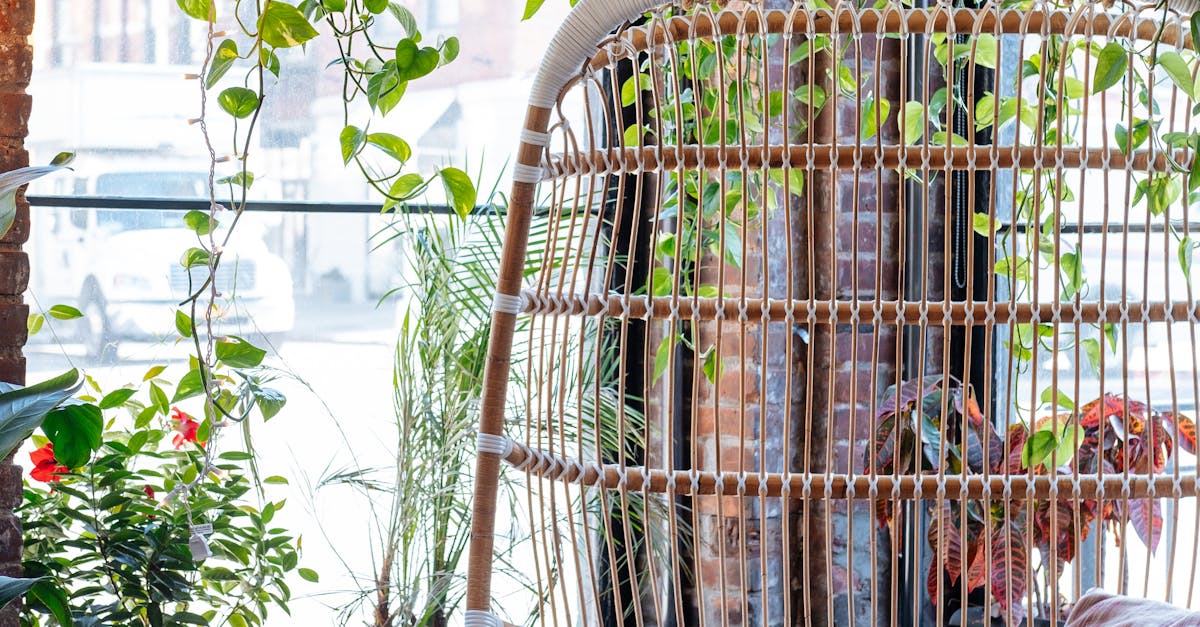
Hanging plants is a great way to add height and greenery to your garden without taking up valuable ground space. By suspending plants from ceilings, walls, or balconies using macrame hangers, hanging baskets, or wall-mounted planters, you can create a beautiful and space-saving vertical garden.
There are many benefits to hanging plants in your garden. Firstly, it saves space, making it a great option for small gardens or urban areas. Secondly, hanging plants improve air quality and reduce noise pollution, making them a great way to create a more comfortable and inviting outdoor space. Additionally, hanging plants can help to deter pests and animals, making your garden a more peaceful and enjoyable place.
Hanging plants is also a beautiful and unique way to add personality to your garden. You can use a variety of different plants, pots, and hangers to create a look that is all your own. Hanging plants are also a great way to add a touch of color and life to your balcony or patio.
Macrame Plant Hangers: Artistic Suspensions
Macrame Plant Hangers: Artistic Suspensions
Macrame plant hangers are a beautiful and unique way to suspend plants in your garden, adding a touch of bohemian charm to your outdoor space. Macrame is a type of knotting that can be used to create a variety of decorative items, including plant hangers, wall hangings, and jewelry. Macrame plant hangers are relatively easy to make, and there are many different patterns and styles to choose from.
There are many benefits to using macrame plant hangers in your garden. Firstly, they are a great way to add height and interest to your plants. Secondly, macrame plant hangers allow you to display your plants in a unique and stylish way. Additionally, macrame plant hangers are a great way to add a touch of personality to your garden.
Macrame plant hangers are also a versatile and affordable way to add greenery to your home. They can be used indoors or outdoors, and can be hung from ceilings, walls, or balconies. Macrame plant hangers are also a great way to upcycle old materials, such as yarn or twine.
Wall-Mounted Planters: Space-Saving Elegance
Wall-Mounted Planters: Space-Saving Elegance
Wall-mounted planters are a great way to add vertical greenery to your garden without compromising floor space. These planters can be used to display a variety of plants, including succulents, herbs, and trailing plants. Wall-mounted planters are available in a variety of shapes and sizes, so you can find the perfect one to fit your space and style.
There are many benefits to using wall-mounted planters in your garden. Firstly, they are a great way to save space, making them ideal for small gardens or urban areas. Secondly, wall-mounted planters improve air quality and reduce noise pollution, making them a great way to create a more comfortable and inviting outdoor space. Additionally, wall-mounted planters can help to deter pests and animals, making your garden a more peaceful and enjoyable place.
Wall-mounted planters are also a beautiful and unique way to add personality to your garden. You can use a variety of different plants, pots, and mounting brackets to create a look that is all your own. Wall-mounted planters are also a great way to add a touch of color and life to your balcony or patio.
5. Incorporate Vertical Elements into Garden Design
Incorporate Vertical Elements into Garden Design
When designing your garden, it is important to consider how you can use vertical space to your advantage. By incorporating vertical elements into your garden design, you can create a more cohesive and visually appealing space that maximizes every inch of available space.
There are many different ways to incorporate vertical elements into your garden design. You can use trellises, arbors, pergolas, and wall-mounted planters to add height and interest to your garden. You can also use climbing plants, such as vines and ivy, to create living walls and screens.
Incorporating vertical elements into your garden design has many benefits. Firstly, it saves space, making it a great option for small gardens or urban areas. Secondly, vertical elements can help to create a more private and secluded space. Additionally, vertical elements can add height and interest to your garden, making it more visually appealing.
Balance and Proportion in Vertical Design
Balance and Proportion in Vertical Design
When incorporating vertical elements into your garden design, it is important to consider the scale and balance of these elements. Vertical elements should complement the overall garden design and enhance its aesthetic appeal.
One way to achieve balance in your vertical design is to use a variety of heights and widths. For example, you could use a tall trellis to support a climbing vine, and a shorter trellis to support a smaller plant. You could also use a wide arbor to create a focal point in your garden, and a narrower arbor to create a more intimate space.
Another way to achieve balance in your vertical design is to use a variety of colors and textures. For example, you could use a dark-colored trellis to contrast with a light-colored wall, or a textured trellis to add interest to a plain wall. You could also use a variety of plants to create a more dynamic and visually appealing vertical display.
Creating Focal Points with Vertical Structures
Creating Focal Points with Vertical Structures
Vertical structures, such as trellises or arbors, can be used to create focal points and draw attention to specific areas of the garden. This can add visual interest and depth to your garden, and help to create a more cohesive design.
One way to create a focal point with a vertical structure is to use it to support a climbing plant. The plant will grow up the structure, creating a beautiful and eye-catching display. You can use a variety of climbing plants, such as roses, clematis, or ivy, to create a look that is unique to your garden.
Another way to create a focal point with a vertical structure is to use it to create a seating area. You can place a bench or chairs under the structure, and use the structure to provide shade and privacy. This can create a cozy and inviting space to relax and enjoy your garden.
Quiz
- True or False: Vertical gardening techniques can help save space in small gardens.
- Which of the following is NOT a benefit of using trellises and arbors in vertical gardening? (a) Improved air circulation (b) Increased food production (c) Reduced water consumption
- What type of plants are best suited for growing on vertical trellises? (a) Shrubs (b) Vines (c) Groundcovers
- True or False: Stackable vertical planters are ideal for balconies and patios.
- What is a key benefit of utilizing walls and fences for vertical greenery? (a) Noise reduction (b) Enhanced soil drainage (c) Improved sunlight exposure
Answer Key
- True
- (c) Reduced water consumption
- (b) Vines
- True
- (a) Noise reduction
Unlock the Greenery Potential of Your Balcony: A Guide to Thriving Plants in Compact Spaces Attention all balcony-dwelling plant enthusiasts! Read more
Transform Your Balcony into a Flourishing Garden Oasis: A Step-by-Step Guide Beginning a balcony garden can be a fulfilling endeavor, Read more
Unlocking the Potential of Vertical Gardening on Balconies Are you tired of your cramped balcony but still longing for a Read more
Aromatic Delights: Cultivating Herbs on Your Balcony Oasis Whether you're a seasoned gardener or just starting out, growing herbs on Read more