
Transforming Tiny Balconies: A Guide to Innovative Planters for Vertical Gardens and Aerial Displays

Imagine transforming your tiny balcony into a lush, verdant oasis without sacrificing precious floor space. Innovative planters have emerged as game-changers in small-space gardening, offering ingenious solutions that maximize vertical space and create captivating aerial displays. From stackable planters that defy gravity to hanging gardens that dance in the breeze, this comprehensive guide will unveil the secrets of transforming your balcony into a botanical wonderland.
Prepare to embark on a journey of vertical gardening artistry. Discover the wonders of wall-mounted and freestanding vertical planters, each offering unique advantages and design possibilities. Learn how to create a thriving vertical oasis that brings life and color to your balcony, maximizing every inch of vertical space.
As we delve into the realm of hanging planters, you’ll be enchanted by their graceful presence. Explore ceiling-mounted and wall-mounted hanging planters that add a touch of ethereal elegance to your balcony decor. We’ll provide expert tips on suspension methods, plant selection, and creative ways to showcase your aerial greenery, creating a captivating dance of colors and textures.
1. Vertical Gardens: A Space-Saving Symphony
In the realm of urban gardening, vertical gardens have emerged as ingenious space-saving solutions, transforming balconies into lush, verdant oases. By maximizing vertical space, these gardens offer a practical and aesthetically pleasing way to cultivate a variety of plants in limited areas.
Wall-mounted vertical planters are a popular choice, providing a vertical canvas for your botanical creations. These planters are typically made from durable materials such as metal, wood, or plastic, and can be easily attached to walls or fences. The vertical orientation allows for a wide range of plants, from trailing vines to cascading succulents, creating a captivating display that adds life and color to your balcony.
Freestanding vertical planters offer greater flexibility, allowing you to position your garden anywhere on your balcony. These planters come in a variety of designs and materials, from sleek metal frames to rustic wooden structures. Their mobility makes them ideal for creating dynamic displays that can be easily rearranged to suit your changing needs or preferences.
Wall-Mounted Vertical Planters: Embrace the Height
When space is at a premium on your balcony, wall-mounted vertical planters offer a brilliant solution for maximizing vertical space and creating a lush, verdant oasis. These planters are designed to be mounted directly onto walls or fences, providing a practical and visually appealing way to cultivate a variety of plants.
When choosing wall-mounted vertical planters, consider the material, size, and drainage capabilities. Durable materials such as metal, wood, or plastic can withstand the elements and provide long-lasting support for your plants. The size of the planter should be proportionate to the space available on your balcony, while proper drainage holes are essential to prevent waterlogging and root rot.
Selecting the right plants for your wall-mounted vertical garden is crucial. Consider plants that are well-suited to vertical growth, such as trailing vines, cascading succulents, and compact flowering plants. These plants will thrive in the limited space and create a visually stunning display. Regular watering and fertilization are essential to maintain the health and vitality of your vertical garden. Use a balanced liquid fertilizer diluted according to the manufacturer’s instructions and water your plants deeply, allowing the excess water to drain away.
Freestanding Vertical Planters: A Portable Oasis
Freestanding vertical planters offer a versatile and portable solution for creating a vertical garden on your balcony. These planters are not attached to walls or fences, giving you the freedom to position them anywhere on your balcony or even move them indoors when desired.
Freestanding vertical planters come in a wide range of designs and materials, allowing you to choose the perfect fit for your balcony decor. Metal planters offer a sleek and modern look, while wooden planters provide a more rustic and natural aesthetic. Plastic planters are lightweight and durable, making them a practical choice for balconies with limited weight capacity.
To incorporate freestanding vertical planters into your balcony decor, consider the overall style of your balcony and the plants you wish to grow. If you have a small balcony, a single freestanding planter can create a focal point and add a touch of greenery. For larger balconies, multiple planters can be arranged in a staggered or tiered fashion to create a lush vertical garden. Freestanding planters can also be used to define different areas on your balcony, such as a seating area or a dedicated gardening zone.
2. Hanging Planters: A Graceful Dance in the Air

Hanging planters are a graceful and elegant way to add greenery to your balcony without taking up valuable floor space. Suspended from the ceiling or mounted on walls, these planters create a captivating aerial display that draws the eye upward.
There are various types of hanging planters to choose from, each with its own unique style and functionality. Macrame hangers, for example, offer a bohemian touch, while metal chains provide a more modern look. Wall-mounted hanging planters are ideal for balconies with limited space, as they can be placed on walls or fences without taking up any floor area.
To create a visually stunning aerial display with hanging planters, consider the height and spacing of the planters. Staggering the planters at different heights adds depth and interest, while spacing them evenly creates a more uniform look. You can also mix and match different types of planters to achieve a unique and personalized design.
Ceiling-Mounted Hanging Planters: Soaring Elegance
Ceiling-mounted hanging planters are a charming and elegant way to maximize vertical space on your balcony. Suspended from the ceiling, these planters create a soaring display of greenery that adds a touch of drama to your outdoor space.
When choosing plants for ceiling-mounted hanging planters, consider the amount of sunlight your balcony receives. If your balcony is shaded, opt for low-light plants such as ferns, peace lilies, or pothos. For balconies with ample sunlight, you can choose a wider variety of plants, including flowering plants, succulents, and trailing vines.
Installing ceiling-mounted hanging planters is relatively easy. You will need to purchase a ceiling hook or bracket that is rated for the weight of the planter and the soil. Once the hook is installed, simply hang the planter from the hook and adjust the height to your liking. You can also use chains or ropes to suspend the planter from the ceiling, which allows for more flexibility in terms of height and placement.
Wall-Mounted Hanging Planters: A Vertical Tapestry
Wall-mounted hanging planters are a versatile and stylish way to create a vertical garden on your balcony. These planters can be mounted directly to walls or fences, making them a great option for balconies with limited floor space.
There are a variety of different wall-mounting options available for hanging planters. You can choose from simple hooks or brackets to more elaborate designs that incorporate trellises or other decorative elements. When choosing a mounting option, consider the weight of the planter and the plants you plan to grow.
When selecting plants for wall-mounted hanging planters, consider the amount of sunlight your balcony receives. If your balcony is shaded, opt for low-light plants such as ferns, peace lilies, or pothos. If your balcony receives ample sunlight, you can choose a wider variety of plants, including flowering plants, succulents, and trailing vines.
3. Stackable Planters: Maximize Space, Minimize Clutter
Stackable planters are a space-saving solution for small balconies where every inch of space is precious. These planters are designed to be stacked on top of each other, creating a vertical garden that maximizes vertical space while minimizing clutter.
There are different types of stackable planters available, including vertical stackable planters and horizontal stackable planters. Vertical stackable planters are designed to be stacked on top of each other in a vertical column, while horizontal stackable planters are designed to be stacked on top of each other in a horizontal row.
When choosing stackable planters, consider the size and weight of the planters, as well as the plants you plan to grow. You should also consider the overall design of the planters and how they will complement your balcony decor.
Vertical Stackable Planters: A Tower of Green
Vertical stackable planters are a great way to create a compact vertical garden on your balcony with minimal footprint. These planters are designed to be stacked on top of each other in a vertical column, allowing you to grow a variety of plants in a small space.
When selecting vertical stackable planters, consider the size and weight of the planters, as well as the plants you plan to grow. You should also consider the overall design of the planters and how they will complement your balcony decor.
To ensure stability and aesthetics when stacking vertical stackable planters, it is important to choose planters that are designed to be stacked and that have a sturdy base. You should also stack the planters in a way that creates a stable structure and that allows for proper drainage.
Horizontal Stackable Planters: A Tiered Display
Horizontal stackable planters are a clever solution for balconies with limited vertical space. These planters are designed to be stacked on top of each other in a horizontal row, creating a tiered display of greenery.
Horizontal stackable planters come in a variety of designs and materials, including plastic, metal, and wood. When choosing horizontal stackable planters, consider the size and weight of the planters, as well as the plants you plan to grow. You should also consider the overall design of the planters and how they will complement your balcony decor.
To create a tiered display with horizontal stackable planters, simply stack the planters on top of each other in a staggered fashion. You can create a variety of different tiered displays by varying the size and shape of the planters.
4. Multifunctional Planters: Form Meets Function
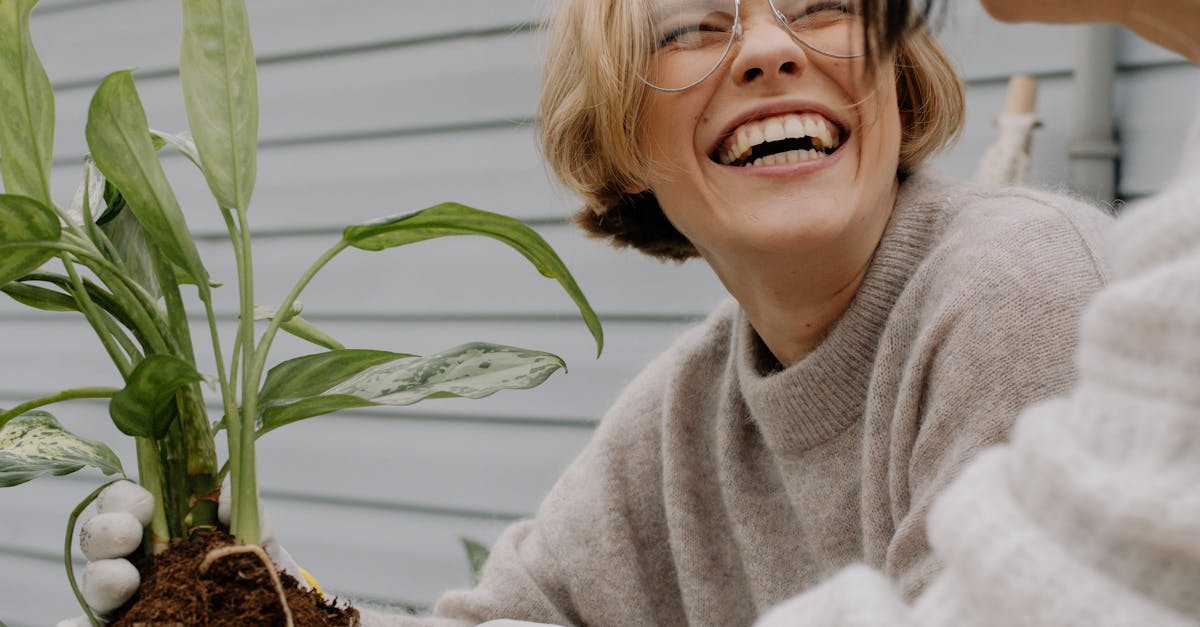
Multifunctional planters are a perfect blend of style and practicality, offering a unique way to add greenery to your balcony while also serving a specific function. These planters can double as seating, storage units, or even water features, making them a great option for small balconies where space is at a premium.
When choosing multifunctional planters, consider the size and weight of the planter, as well as the function you want it to serve. You should also consider the overall design of the planter and how it will complement your balcony decor.
To incorporate multifunctional planters into your balcony design, consider placing them in a focal point or using them to create a specific seating area. You can also use multifunctional planters to add height and interest to your balcony garden.
Planters with Built-In Seating: A Cozy Retreat
Planters with built-in seating are a convenient and stylish way to create a cozy seating area on your balcony without taking up extra space. These planters are designed with a built-in bench or seat, providing a comfortable place to sit and relax while enjoying the outdoors.
When choosing planters with built-in seating, consider the size and weight of the planter, as well as the style of the seating. You should also consider the overall design of the planter and how it will complement your balcony decor.
To arrange planters with built-in seating for maximum comfort, place them in a spot where you can enjoy the sun or shade. You can also add cushions to the seats for added comfort.
Planters with Storage: A Space-Saving Haven
Planters with built-in storage are a great solution for balconies where every inch of space counts. These planters are designed with a built-in compartment or shelf, providing a convenient place to store gardening supplies, tools, or other items.
When choosing planters with built-in storage, consider the size and weight of the planter, as well as the type of storage you need. You should also consider the overall design of the planter and how it will complement your balcony decor.
To maximize storage capacity in planters with built-in storage, use vertical space by stacking items or using shelves. You can also use hooks or baskets to store items on the sides of the planter.
5. Tips for Choosing and Maintaining Small Space Planters
Choosing and maintaining the right planters for your small balcony is essential for creating a healthy and beautiful outdoor space. Here are some expert tips to help you get started:
When choosing planters for small balconies, consider the size, shape, and material of the planter. You’ll also want to think about the type of plants you want to grow and the amount of sunlight your balcony receives.
Proper plant selection is also important for small balconies. Choose plants that are well-suited to container gardening and that won’t outgrow your planters. You may also want to consider using vertical gardening techniques to maximize space.
Watering and fertilizing your plants regularly is essential for keeping them healthy and looking their best. Be sure to water your plants deeply and regularly, and fertilize them according to the manufacturer’s instructions.
Choosing the Right Planters: Material, Size, and Drainage
When choosing planters for your balcony, it is important to consider the material, size, and drainage of the planter. The material of the planter will affect its durability, weight, and appearance. The size of the planter will determine how many plants you can grow and how much soil you will need. Drainage is essential for preventing waterlogged roots and promoting healthy plant growth.
There are a variety of different materials available for planters, including plastic, metal, wood, and ceramic. Plastic planters are lightweight and durable, but they can be susceptible to fading and cracking over time. Metal planters are durable and stylish, but they can be heavy and expensive. Wood planters are natural and attractive, but they require regular maintenance to prevent rot and decay. Ceramic planters are durable and attractive, but they can be heavy and breakable.
The size of the planter you choose will depend on the size of the plants you want to grow. It is important to choose a planter that is large enough to accommodate the root system of the plant, but not so large that the plant becomes rootbound.
Drainage is essential for preventing waterlogged roots and promoting healthy plant growth. Look for planters with drainage holes in the bottom. If the planter does not have drainage holes, you can drill your own.
Plant Selection for Small Spaces: Compact and Thriving Varieties
When choosing plants for your small balcony, it is important to select varieties that are well-suited to container gardening and that will not outgrow your planters. Compact varieties, vertical growers, and spiller plants are all good options for small spaces.
Compact varieties are plants that have been bred to be smaller than their standard counterparts. This makes them ideal for small planters and balconies. Some popular compact varieties include dwarf conifers, miniature roses, and compact succulents.
Vertical growers are plants that grow upwards, rather than outwards. This makes them a good choice for balconies with limited floor space. Some popular vertical growers include climbing roses, clematis, and morning glories.
Spiller plants are plants that have trailing or cascading stems. This makes them a good choice for hanging planters or for adding a touch of greenery to the edges of your balcony. Some popular spiller plants include petunias, lobelia, and vinca.
Quiz
-
True or False: Vertical gardens are a space-saving solution for balconies with limited floor space.
-
Which type of hanging planter is suspended from the ceiling?
(a) Wall-mounted hanging planter (b) Ceiling-mounted hanging planter (c) Freestanding hanging planter
- What is the main advantage of using stackable planters?
(a) They maximize vertical space. (b) They are easy to move around. (c) They can be used as seating.
- Which type of plant is well-suited for small spaces?
(a) Compact varieties (b) Vertical growers (c) Spiller plants (d) All of the above
- What is the importance of proper drainage in planters?
(a) To prevent waterlogged roots. (b) To promote healthy plant growth. (c) To prevent pests and diseases. (d) Both (a) and (b).
Answer Key
- True
- (b) Ceiling-mounted hanging planter
- (a) They maximize vertical space.
- (d) All of the above
- (d) Both (a) and (b).
Unlock the Greenery Potential of Your Balcony: A Guide to Thriving Plants in Compact Spaces Attention all balcony-dwelling plant enthusiasts! Read more
Transform Your Balcony into a Flourishing Garden Oasis: A Step-by-Step Guide Beginning a balcony garden can be a fulfilling endeavor, Read more
Unlocking the Potential of Vertical Gardening on Balconies Are you tired of your cramped balcony but still longing for a Read more
Aromatic Delights: Cultivating Herbs on Your Balcony Oasis Whether you're a seasoned gardener or just starting out, growing herbs on Read more