
Grow and Use Culinary Blooms on Your Balcony
Gardener’s have long used edible flowers to adorn dishes. While spectacular in appearances, edible blooms serve culinary value to many of our favorite foods and drinks. They add pops of color and subtle floral flavors to everything from salads to cocktails. Learn about the art of using edible flowers and improve your dishes with delightful aesthetics and gourmet quality.
Given the multitude of edible flowers, it’s important to know which ones to use and which are off-limits. Many of the flowers you see on the florists’ racks are cultivated with pesticides. These chemicals make store-bought blooms unsafe for consumption. Opt to grow your own or buy from sources specializing in organic, edible varieties.
Knowing this, you can enjoy a fresh-from-the-garden garnish and impress your dinner guest with a vibrantly adorned dish. Try freezing delicate blossoms in ice cubes for stunning summer beverages or infuse them in vinegar or oil for flavorful homemade dressings. Make your everyday foods into masterpieces with this easy guide to incorporating edible flowers into your culinary repertoire.
1. Choosing Edible Flowers
When it comes to choosing edible flowers, there are a number of factors to consider, including flavor, appearance, and safety. Some of the most popular edible flowers include nasturtiums, pansies, violas, and calendula. These flowers are all relatively easy to grow and have a mild flavor that makes them a good choice for beginners. Other edible flowers, such as lavender and rose, have a more pronounced flavor and should be used sparingly.
When selecting edible flowers, it is important to choose flowers that are free of pesticides and other chemicals. You should also avoid flowers that have been treated with herbicides or fungicides. If you are unsure whether or not a flower is safe to eat, it is best to err on the side of caution and avoid it.
Once you have chosen your edible flowers, you can use them to add a touch of beauty and flavor to a variety of dishes. Edible flowers can be used to garnish salads, soups, and desserts. They can also be used to make infused oils and vinegars. With a little creativity, you can use edible flowers to create dishes that are both beautiful and delicious.
Here are a few tips for using edible flowers in your cooking:
- Choose flowers that are in season. This will ensure that your flowers are at their peak flavor and appearance.
- Use edible flowers sparingly. A little goes a long way, so don’t overdo it.
- Rinse edible flowers gently before using them. This will remove any dirt or debris.
- Remove the pistil and stamens from edible flowers before using them. These parts of the flower can be bitter and unappetizing.
- Use edible flowers as a garnish or decoration. This is a great way to add a touch of elegance to your dishes.
Common Edible Flowers
Nasturtiums: Nasturtiums are one of the most popular edible flowers, and for good reason. They have a peppery flavor that adds a nice kick to salads, sandwiches, and other dishes. Nasturtiums also have beautiful, trumpet-shaped flowers that come in a variety of colors, including yellow, orange, and red.
Pansies: Pansies are another popular edible flower. They have a mild, sweet flavor that makes them a good choice for desserts and other sweet dishes. Pansies also have beautiful, delicate flowers that come in a wide range of colors, including purple, blue, yellow, and white.
Violas: Violas are very similar to pansies, but they are slightly smaller and have a more intense flavor. Violas are also edible, and they can be used in the same way as pansies.
Calendula: Calendula is a daisy-like flower that has a slightly bitter flavor. Calendula is often used in herbal teas and other medicinal preparations. However, it can also be used in culinary dishes, such as salads and soups.
These are just a few of the many edible flowers that are available. With a little creativity, you can use edible flowers to add a touch of beauty and flavor to any dish.
Selecting Flowers for Culinary Use
When selecting edible flowers for culinary use, there are a few things to keep in mind:
- Freshness: Edible flowers should be fresh and free of blemishes. Avoid flowers that are wilted or bruised.
- Appearance: Edible flowers should be visually appealing. Choose flowers that have a uniform color and shape.
- Absence of pesticides or chemicals: Edible flowers should be free of pesticides and other chemicals. Avoid flowers that have been treated with herbicides or fungicides.
It is also important to identify the specific species of flower that you are planning to eat. Some flowers are edible, while others are poisonous. If you are unsure whether or not a flower is edible, it is best to err on the side of caution and avoid it.
Here are a few tips for selecting edible flowers:
- Choose flowers that are in season. This will ensure that your flowers are at their peak flavor and appearance.
- Buy flowers from a reputable source. This will help to ensure that your flowers are free of pesticides and other chemicals.
- Inspect flowers carefully before eating them. Look for any signs of damage or disease.
- Wash flowers gently before using them. This will remove any dirt or debris.
- Remove the pistil and stamens from edible flowers before using them. These parts of the flower can be bitter and unappetizing.
By following these tips, you can safely enjoy the beauty and flavor of edible flowers in your culinary creations.
Toxic Flowers to Avoid
When selecting edible flowers for culinary use, there are a few things to keep in mind:
- Freshness: Edible flowers should be fresh and free of blemishes. Avoid flowers that are wilted or bruised.
- Appearance: Edible flowers should be visually appealing. Choose flowers that have a uniform color and shape.
- Absence of pesticides or chemicals: Edible flowers should be free of pesticides and other chemicals. Avoid flowers that have been treated with herbicides or fungicides.
It is also important to identify the specific species of flower that you are planning to eat. Some flowers are edible, while others are poisonous. If you are unsure whether or not a flower is edible, it is best to err on the side of caution and avoid it.
Here are a few tips for selecting edible flowers:
- Choose flowers that are in season. This will ensure that your flowers are at their peak flavor and appearance.
- Buy flowers from a reputable source. This will help to ensure that your flowers are free of pesticides and other chemicals.
- Inspect flowers carefully before eating them. Look for any signs of damage or disease.
- Wash flowers gently before using them. This will remove any dirt or debris.
- Remove the pistil and stamens from edible flowers before using them. These parts of the flower can be bitter and unappetizing.
By following these tips, you can safely enjoy the beauty and flavor of edible flowers in your culinary creations.
2. Growing Edible Flowers on a Balcony
Growing edible flowers on a balcony is a great way to add beauty and flavor to your culinary creations. With a little care and attention, you can grow a variety of edible flowers in even the smallest of spaces.
The first step is to choose the right flowers. Not all flowers are edible, so it is important to do your research before you start planting. Some good choices for edible flowers include nasturtiums, pansies, violas, and calendula. These flowers are all relatively easy to grow and they have a mild flavor that makes them a good choice for beginners.
Once you have chosen your flowers, you need to prepare your balcony for planting. Make sure that your balcony gets plenty of sunlight, as most edible flowers need at least 6 hours of sunlight per day. You will also need to choose the right containers for your flowers. Containers should be large enough to accommodate the roots of the plants, and they should have drainage holes to prevent the roots from rotting.
When planting your flowers, use a potting mix that is specifically designed for container gardening. Potting mix should be well-drained and it should contain plenty of organic matter. Once your flowers are planted, water them well and place them in a sunny location.
Edible flowers are relatively low-maintenance, but they do require some care. Water your flowers regularly, especially during hot weather. Fertilize your flowers every few weeks with a balanced fertilizer. And deadhead your flowers regularly to encourage new growth.
With a little care and attention, you can grow beautiful and delicious edible flowers on your balcony. Here are a few tips for growing edible flowers on a balcony:
- Choose the right flowers. Not all flowers are edible, so it is important to do your research before you start planting.
- Prepare your balcony for planting. Make sure that your balcony gets plenty of sunlight and that you have the right containers for your flowers.
- Plant your flowers in a potting mix that is specifically designed for container gardening.
- Water your flowers regularly, especially during hot weather.
- Fertilize your flowers every few weeks with a balanced fertilizer.
- Deadhead your flowers regularly to encourage new growth.
Container Selection and Soil Preparation
When choosing containers for your edible flowers, there are a few things to keep in mind:
- Size: The container should be large enough to accommodate the roots of the plants.
- Drainage: The container should have drainage holes to prevent the roots from rotting.
- Material: The container can be made of a variety of materials, including plastic, ceramic, or terracotta.
Plastic containers are lightweight and inexpensive, but they can be more prone to cracking and fading. Ceramic and terracotta containers are more durable, but they are also heavier and more expensive.
Once you have chosen your containers, you need to prepare the soil. Edible flowers need well-drained soil that is rich in organic matter. You can use a commercial potting mix that is specifically designed for container gardening, or you can make your own potting mix by combining equal parts compost, peat moss, and perlite.
If your soil is not well-drained, you can add some sand or gravel to help improve drainage. You can also adjust the pH level of your soil if necessary. Most edible flowers prefer a slightly acidic soil, with a pH of around 6.0 to 6.5.
Here are a few tips for choosing containers and preparing soil for edible flowers:
- Choose containers that are large enough to accommodate the roots of the plants and that have drainage holes.
- Use a potting mix that is specifically designed for container gardening or make your own potting mix by combining equal parts compost, peat moss, and perlite.
- If your soil is not well-drained, add some sand or gravel to help improve drainage.
- Adjust the pH level of your soil if necessary. Most edible flowers prefer a slightly acidic soil, with a pH of around 6.0 to 6.5.
Planting and Sunlight Requirements
Once you have chosen your containers and prepared your soil, you can start planting your edible flowers. You can either plant seeds or seedlings. If you are planting seeds, follow the instructions on the seed packet for planting depth and spacing. If you are planting seedlings, space the seedlings so that they are about 6 inches apart.
Once your flowers are planted, water them well and place them in a sunny location. Most edible flowers need at least 6 hours of sunlight per day. If your balcony does not get enough sunlight, you can supplement with artificial light.
Here are a few tips for planting and providing sunlight for edible flowers:
- Plant seeds or seedlings at the correct depth and spacing.
- Water your flowers well after planting.
- Place your flowers in a sunny location. Most edible flowers need at least 6 hours of sunlight per day.
- If your balcony does not get enough sunlight, you can supplement with artificial light.
Water and Fertilization
Watering and fertilizing your edible flowers is essential for healthy growth and abundant blooms. Water your flowers regularly, especially during hot weather. The soil should be moist but not soggy. You can check the soil moisture by sticking your finger in the soil. If the soil is dry up to your first knuckle, it is time to water.
Fertilize your flowers every few weeks with a balanced liquid fertilizer. Follow the instructions on the fertilizer package for the correct dosage. Fertilizing your flowers will help to promote growth and flower production.
Here are a few tips for watering and fertilizing edible flowers:
- Water your flowers regularly, especially during hot weather.
- The soil should be moist but not soggy.
- Fertilize your flowers every few weeks with a balanced liquid fertilizer.
3. Harvesting and Preserving Edible Flowers
Harvesting edible flowers at the right time is important to preserve their freshness and flavor. The best time to harvest edible flowers is in the morning, after the dew has dried but before the sun gets too hot.
To harvest edible flowers, use sharp scissors or shears to cut the flowers from the plant. Cut the flowers close to the base of the stem, but be careful not to damage the plant.
Once you have harvested your edible flowers, you can store them in a variety of ways. For short-term storage, you can store the flowers in a container of water in the refrigerator. The flowers will stay fresh for a few days in the refrigerator.
For long-term storage, you can dry or freeze the flowers. To dry the flowers, spread them out on a baking sheet and place them in a warm, dry place. The flowers will be dry in a few days. Once the flowers are dry, store them in an airtight container in a cool, dark place.
To freeze the flowers, place them in a single layer on a baking sheet and freeze them for several hours. Once the flowers are frozen, transfer them to an airtight container and store them in the freezer for up to 6 months.
Here are a few tips for harvesting and preserving edible flowers:
- Harvest edible flowers in the morning, after the dew has dried but before the sun gets too hot.
- Use sharp scissors or shears to cut the flowers from the plant.
- Store edible flowers in a container of water in the refrigerator for short-term storage.
- Dry or freeze edible flowers for long-term storage.
Harvesting at the Right Time
Harvesting edible flowers at the right time is essential to ensure their optimal freshness and flavor. The best time to harvest edible flowers is when they are fully open and free of any blemishes. This is typically in the morning, after the dew has dried but before the sun gets too hot.
When harvesting edible flowers, use sharp scissors or shears to cut the stems cleanly. Avoid pulling or tearing the flowers, as this can damage the delicate petals. Cut the flowers close to the base of the stem, but be careful not to damage the plant.
Once you have harvested your edible flowers, store them properly to preserve their freshness. For short-term storage, you can place the flowers in a container of water in the refrigerator. The flowers will stay fresh for a few days in the refrigerator.
For long-term storage, you can dry or freeze the flowers. To dry the flowers, spread them out on a baking sheet and place them in a warm, dry place. The flowers will be dry in a few days. Once the flowers are dry, store them in an airtight container in a cool, dark place.
To freeze the flowers, place them in a single layer on a baking sheet and freeze them for several hours. Once the flowers are frozen, transfer them to an airtight container and store them in the freezer for up to 6 months.
Here are a few tips for harvesting edible flowers at the right time:
- Harvest edible flowers when they are fully open and free of any blemishes.
- Use sharp scissors or shears to cut the stems cleanly.
- Store edible flowers in a container of water in the refrigerator for short-term storage.
- Dry or freeze edible flowers for long-term storage.
Short-Term Storage
For short-term storage, edible flowers can be stored in a cool, humid environment. This can be done by placing the flowers in a container of water in the refrigerator. The flowers will stay fresh for a few days in the refrigerator.
Another way to store edible flowers for short-term storage is to wrap them in damp paper towels. Place the wrapped flowers in a plastic bag or container and store them in the refrigerator. The flowers will stay fresh for a few days in the refrigerator.
It is important to note that edible flowers are delicate and should be handled with care. When storing edible flowers, avoid crushing or bruising the flowers.
Here are a few tips for short-term storage of edible flowers:
- Store edible flowers in a cool, humid environment, such as in a refrigerator or wrapped in damp paper towels.
- Avoid crushing or bruising the flowers.
- Edible flowers will stay fresh for a few days in the refrigerator.
Long-Term Preservation
For long-term preservation, edible flowers can be dried, frozen, or infused in oils or vinegars. Each method has its own advantages and disadvantages.
Drying is the most common method of preserving edible flowers. Dried flowers can be used in a variety of culinary applications, such as teas, potpourris, and sachets. To dry edible flowers, spread them out on a baking sheet and place them in a warm, dry place. The flowers will be dry in a few days. Once the flowers are dry, store them in an airtight container in a cool, dark place.
Freezing is another method of preserving edible flowers. Frozen flowers can be used in a variety of culinary applications, such as ice cubes, cocktails, and desserts. To freeze edible flowers, place them in a single layer on a baking sheet and freeze them for several hours. Once the flowers are frozen, transfer them to an airtight container and store them in the freezer for up to 6 months.
Infusing in oils or vinegars is a great way to preserve the flavor and aroma of edible flowers. Infused oils and vinegars can be used in a variety of culinary applications, such as dressings, marinades, and sauces. To infuse edible flowers in oils or vinegars, simply combine the flowers with the oil or vinegar of your choice in a jar. Seal the jar and store it in a cool, dark place for several weeks.
Here are a few tips for long-term preservation of edible flowers:
- Dry edible flowers in a warm, dry place.
- Freeze edible flowers in a single layer on a baking sheet.
- Infuse edible flowers in oils or vinegars in a sealed jar.
4. Culinary Applications of Edible Flowers
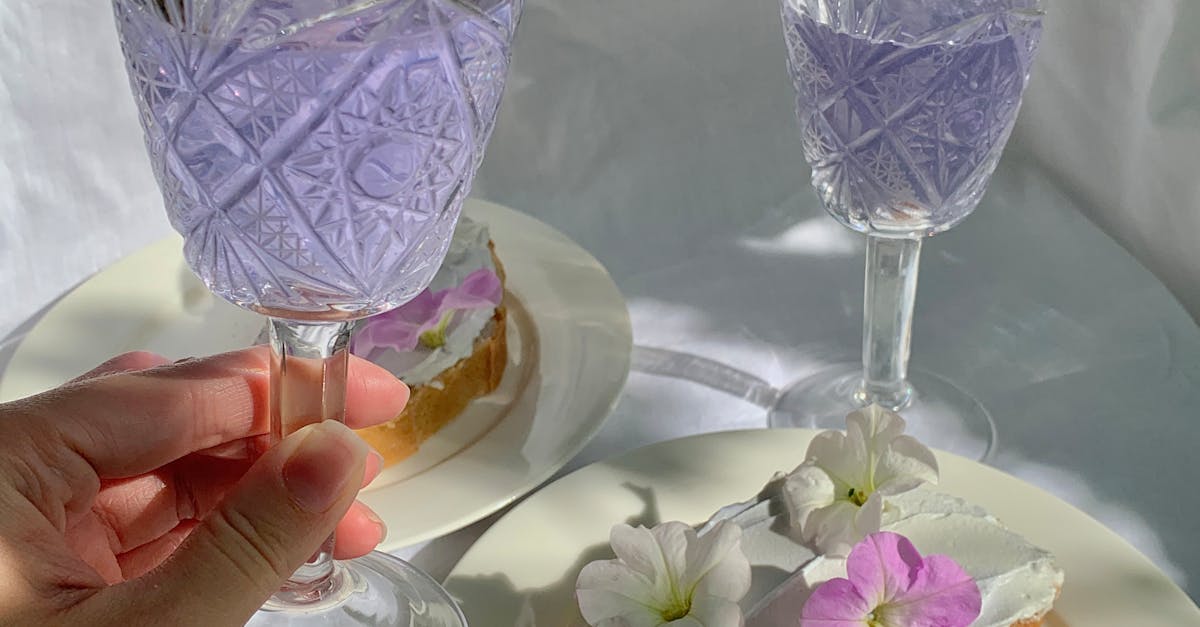
Edible flowers can be used in a variety of culinary applications to enhance dishes both visually and gastronomically. Here are a few ways to incorporate edible flowers into your recipes and beverages:
- Garnishing and decorating: Edible flowers can be used to add a touch of elegance and beauty to any dish. Use edible flowers to garnish salads, desserts, and cocktails.
- Adding flavor and aroma: Edible flowers can be used to add unique flavors and aromas to dishes. Use edible flowers in salads, sandwiches, and main courses.
- Infusing beverages and desserts: Edible flowers can be used to infuse beverages and desserts with delicate floral notes. Use edible flowers to make herbal teas, flavored syrups, and aromatic vinegars.
Here are a few specific examples of how to use edible flowers in your culinary creations:
- Add nasturtium flowers to a salad for a peppery flavor.
- Use pansy flowers to decorate a cake or cupcakes.
- Infuse lavender flowers in a simple syrup to make a lavender-flavored syrup.
- Add rose petals to a glass of champagne for a romantic touch.
When using edible flowers in your culinary creations, it is important to use flowers that are safe to eat. Avoid using flowers that have been treated with pesticides or other chemicals. Also, be sure to wash the flowers thoroughly before using them.
Edible flowers are a versatile and beautiful way to add flavor, aroma, and visual appeal to your dishes. Experiment with different edible flowers and find new ways to incorporate them into your culinary creations.
Garnishing and Decorating
Edible flowers can be used as vibrant garnishes to add a touch of elegance and color to any dish. Here are a few ideas for using edible flowers as garnishes:
- Salads: Edible flowers can be used to add a pop of color and flavor to salads. Try adding nasturtium flowers to a green salad for a peppery flavor, or use pansy flowers to add a touch of sweetness.
- Desserts: Edible flowers can be used to decorate cakes, cupcakes, and other desserts. Use rose petals to add a romantic touch to a wedding cake, or use lavender flowers to add a delicate floral flavor to a lavender cake.
- Cocktails: Edible flowers can be used to garnish cocktails and add a touch of sophistication. Try adding a hibiscus flower to a glass of champagne for a tropical twist, or use a lavender flower to add a floral note to a gin and tonic.
When using edible flowers as garnishes, it is important to choose flowers that are safe to eat. Avoid using flowers that have been treated with pesticides or other chemicals. Also, be sure to wash the flowers thoroughly before using them.
Here are a few tips for using edible flowers as garnishes:
- Choose edible flowers that are in season. This will ensure that your flowers are at their peak flavor and appearance.
- Use edible flowers sparingly. A little goes a long way, so don’t overdo it.
- Rinse edible flowers gently before using them. This will remove any dirt or debris.
- Remove the pistil and stamens from edible flowers before using them. These parts of the flower can be bitter and unappetizing.
Adding Flavor and Aroma
Edible flowers can be incorporated into salads, sandwiches, and main courses to infuse dishes with unique flavors and aromas. Here are a few ideas for using edible flowers to add flavor and aroma to your dishes:
- Salads: Edible flowers can be added to salads to add a variety of flavors and textures. Try adding nasturtium flowers to a green salad for a peppery flavor, or use rose petals to add a delicate floral flavor.
- Sandwiches: Edible flowers can be added to sandwiches to add a touch of elegance and flavor. Try adding lavender flowers to a grilled cheese sandwich for a unique twist, or use chive blossoms to add a mild onion flavor to an egg salad sandwich.
- Main courses: Edible flowers can be added to main courses to add a touch of sophistication and flavor. Try adding rose petals to a roasted chicken dish, or use lavender flowers to add a floral note to a grilled salmon dish.
When using edible flowers to add flavor and aroma to dishes, it is important to use flowers that are safe to eat. Avoid using flowers that have been treated with pesticides or other chemicals. Also, be sure to wash the flowers thoroughly before using them.
Here are a few tips for using edible flowers to add flavor and aroma to dishes:
- Choose edible flowers that are in season. This will ensure that your flowers are at their peak flavor and appearance.
- Use edible flowers sparingly. A little goes a long way, so don’t overdo it.
- Rinse edible flowers gently before using them. This will remove any dirt or debris.
- Remove the pistil and stamens from edible flowers before using them. These parts of the flower can be bitter and unappetizing.
Infusing Beverages and Desserts
Edible flowers can be used to infuse beverages and desserts with delicate floral notes. Here are a few ideas for using edible flowers to infuse beverages and desserts:
- Herbal teas: Edible flowers can be used to make refreshing and flavorful herbal teas. Try infusing lavender flowers in hot water to create a calming lavender tea, or use rose petals to create a delicate rose tea.
- Flavored syrups: Edible flowers can be used to make flavorful syrups that can be used in cocktails, mocktails, and desserts. Try infusing hibiscus flowers in simple syrup to create a tart and flavorful hibiscus syrup, or use lavender flowers to create a floral lavender syrup.
- Aromatic vinegars: Edible flowers can be used to make aromatic vinegars that can be used in dressings, marinades, and sauces. Try infusing lavender flowers in vinegar to create a floral lavender vinegar, or use rose petals to create a delicate rose vinegar.
Edible flowers can also be added to cakes, pastries, and other desserts to add a touch of elegance and flavor. Try adding lavender flowers to a vanilla cake batter for a unique twist, or use rose petals to add a delicate floral flavor to a panna cotta.
When using edible flowers to infuse beverages and desserts, it is important to use flowers that are safe to eat. Avoid using flowers that have been treated with pesticides or other chemicals. Also, be sure to wash the flowers thoroughly before using them.
Here are a few tips for using edible flowers to infuse beverages and desserts:
- Choose edible flowers that are in season. This will ensure that your flowers are at their peak flavor and appearance.
- Use edible flowers sparingly. A little goes a long way, so don’t overdo it.
- Rinse edible flowers gently before using them. This will remove any dirt or debris.
- Remove the pistil and stamens from edible flowers before using them. These parts of the flower can be bitter and unappetizing.
5. Benefits of Incorporating Edible Flowers
Incorporating edible flowers into your diet can provide a number of potential health and aesthetic benefits. Here are a few ways that edible flowers can enhance your well-being and add beauty to your garden and cuisine:
Health benefits:
- Edible flowers are a good source of vitamins and minerals. They are particularly high in vitamin C, which is an important antioxidant that can help protect your cells from damage. Edible flowers also contain flavonoids, which are antioxidants that have been linked to a number of health benefits, including reduced inflammation and improved heart health.
- Edible flowers can help to improve your digestion. Some edible flowers, such as dandelion flowers, have diuretic properties that can help to reduce bloating and water retention. Other edible flowers, such as chamomile flowers, have calming properties that can help to soothe an upset stomach.
- Edible flowers can help to boost your mood. Some edible flowers, such as lavender flowers, have calming and relaxing properties. Other edible flowers, such as rose petals, have uplifting and mood-boosting properties.
Aesthetic benefits:
- Edible flowers can add a touch of beauty to your garden. Many edible flowers are also beautiful flowers that can be used to add color and interest to your garden.
- Edible flowers can add a touch of elegance to your cuisine. Edible flowers can be used to garnish dishes, add flavor to salads and desserts, and make beautiful and delicious herbal teas.
Overall, incorporating edible flowers into your diet can provide a number of potential health and aesthetic benefits. So next time you’re looking for a way to add some color and flavor to your life, reach for some edible flowers.
Nutritional Value
Edible flowers are not only beautiful, but they are also packed with nutrients. Here is a look at the nutritional value of edible flowers:
- Antioxidant properties: Edible flowers are a good source of antioxidants, which can help protect your cells from damage. Some of the most common antioxidants found in edible flowers include vitamin C, vitamin E, and flavonoids.
- Vitamin content: Edible flowers are a good source of vitamins, including vitamin C, vitamin A, and vitamin K. Vitamin C is an important antioxidant that can help protect your cells from damage. Vitamin A is important for vision and immune function. Vitamin K is important for blood clotting and bone health.
- Potential medicinal uses: Some edible flowers have potential medicinal uses. For example, chamomile flowers have been used for centuries to treat anxiety and insomnia. Lavender flowers have been used to treat headaches and migraines. Rose petals have been used to treat skin conditions such as eczema and psoriasis.
It is important to note that the nutritional value of edible flowers can vary depending on the type of flower. However, all edible flowers are a good source of nutrients and can provide a number of health benefits.
Here are a few tips for incorporating edible flowers into your diet:
- Add edible flowers to salads.
- Use edible flowers to garnish desserts.
- Make edible flower tea.
- Add edible flowers to smoothies.
- Use edible flowers to make infused water.
Aesthetic Appeal
Edible flowers are not only delicious, but they are also beautiful. They can be used to add a touch of elegance and beauty to any dish. Here are a few ways to use edible flowers to add aesthetic appeal to your culinary creations:
- Add vibrant colors to your dishes. Edible flowers come in a variety of vibrant colors, from bright yellow to deep purple. You can use edible flowers to add a pop of color to salads, desserts, and even cocktails.
- Add delicate textures to your dishes. Edible flowers have a variety of delicate textures, from soft and velvety to crisp and crunchy. You can use edible flowers to add a touch of texture to salads, soups, and main courses.
- Transform dishes into works of art. Edible flowers can be used to create beautiful and unique works of art on your plate. You can use edible flowers to create patterns, designs, and even pictures.
Here are a few tips for using edible flowers to add aesthetic appeal to your dishes:
- Choose edible flowers that are in season. This will ensure that your flowers are at their peak flavor and appearance.
- Use edible flowers sparingly. A little goes a long way, so don’t overdo it.
- Rinse edible flowers gently before using them. This will remove any dirt or debris.
- Remove the pistil and stamens from edible flowers before using them. These parts of the flower can be bitter and unappetizing.
With a little creativity, you can use edible flowers to add beauty and elegance to any dish.
Promoting Biodiversity
Incorporating edible flowers into your garden can provide a number of ecological benefits. Here are a few ways that edible flowers can help to promote biodiversity and support a healthy ecosystem on your balcony:
- Attract pollinators. Edible flowers are a great way to attract pollinators to your garden. Pollinators, such as bees, butterflies, and hummingbirds, are essential for the reproduction of many plants. By providing edible flowers, you can help to support pollinator populations and ensure the continued health of your garden ecosystem.
- Support a healthy ecosystem. Edible flowers can help to support a healthy ecosystem on your balcony by providing food and shelter for a variety of insects and other small creatures. These creatures play an important role in the decomposition of organic matter and the cycling of nutrients. By providing edible flowers, you can help to create a more balanced and sustainable ecosystem on your balcony.
- Reduce the use of pesticides and herbicides. Edible flowers can help to reduce the use of pesticides and herbicides in your garden. This is because edible flowers are naturally resistant to many pests and diseases. By growing edible flowers, you can help to create a more sustainable and environmentally friendly garden.
Here are a few tips for incorporating edible flowers into your garden:
- Choose edible flowers that are native to your area. This will help to support local pollinators and other wildlife.
- Plant edible flowers in a variety of locations throughout your garden. This will help to attract pollinators and other beneficial insects.
- Allow edible flowers to go to seed. This will help to spread edible flowers throughout your garden and provide food for birds and other wildlife.
Quiz
1. True or False: Edible flowers are only safe to eat if they are grown organically.
2. Which of the following is NOT a benefit of incorporating edible flowers into your diet? (a) Antioxidants (b) Vitamins (c) Pesticides
3. What is an important thing to remember when using edible flowers in cooking? (a) Use them sparingly (b) Cook them thoroughly (c) Wash them thoroughly
4. How do edible flowers help to support a healthy ecosystem on your balcony? (a) By providing food and shelter for insects (b) By reducing the use of pesticides and herbicides (c) Both (a) and (b)
5. What is a good way to encourage edible flowers to spread throughout your garden? (a) Allow them to go to seed (b) Cut them back regularly (c) Fertilize them heavily
Answer Key
- False
- (c) Pesticides
- (c) Wash them thoroughly
- (c) Both (a) and (b)
- (a) Allow them to go to seed
Answer Key
- False
- (c) Pesticides
- (c) Wash them thoroughly
- (c) Both (a) and (b)
- (a) Allow them to go to seed
Unlock the Greenery Potential of Your Balcony: A Guide to Thriving Plants in Compact Spaces Attention all balcony-dwelling plant enthusiasts! Read more
Transform Your Balcony into a Flourishing Garden Oasis: A Step-by-Step Guide Beginning a balcony garden can be a fulfilling endeavor, Read more
Unlocking the Potential of Vertical Gardening on Balconies Are you tired of your cramped balcony but still longing for a Read more
Aromatic Delights: Cultivating Herbs on Your Balcony Oasis Whether you're a seasoned gardener or just starting out, growing herbs on Read more