
The Art of Color Psychology in Balcony Garden Design: Creating an Oasis of Tranquility and Vibrance
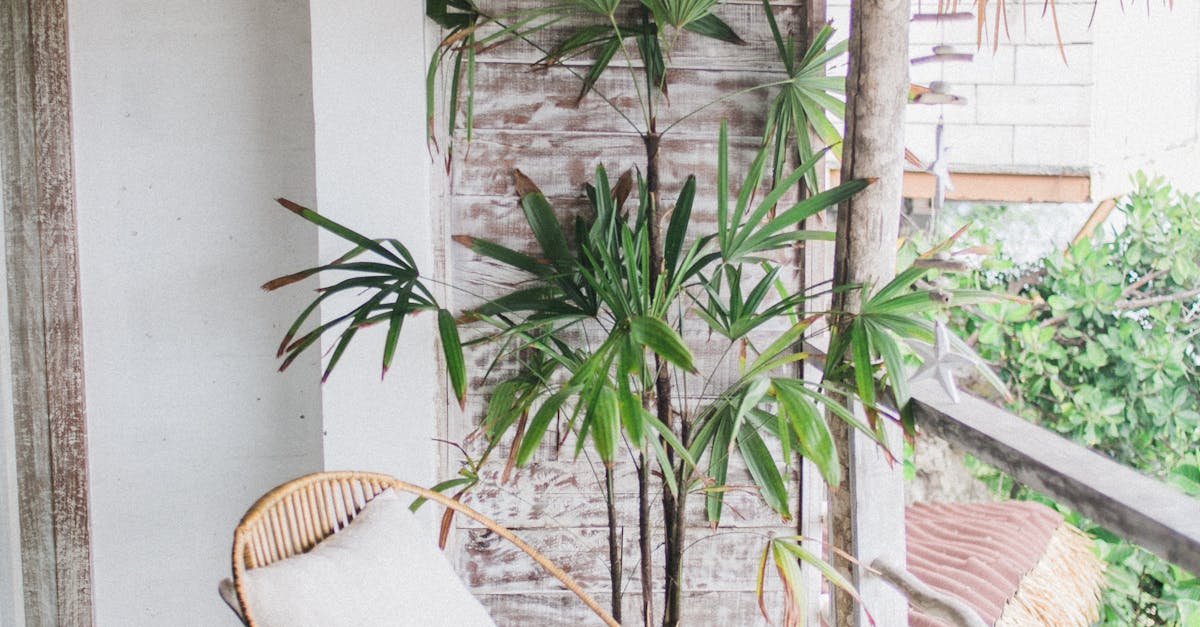
Color psychology is the study of how colors can influence our emotions and behaviors. When choosing colors for your balcony garden, it is important to consider the overall atmosphere you want to create and how the colors will impact your mood and behavior. Taking into account different color’s effects and the size and climate where the balcony is located can also be very beneficial.
The use of color psychology in design can create beautiful outdoor spaces.
Colors have different psychological effects on people. Red is associated with excitement and passion. Blue is seen as calming and peaceful. Yellow is known to create a more cheerful and optimistic atmosphere. Understanding the different associations that each color has can help one personalize the space to their own desire.
1. What is Color Psychology?
Color psychology is the study of how colors can influence our emotions and behaviors. Different colors can evoke different feelings, such as happiness, sadness, excitement, or calm. When designing your balcony garden, it is important to consider the colors you use and how they will impact the overall atmosphere of your space.
Colors have been shown to have a significant impact on our mood and behavior. For example, the color red has been shown to increase energy levels and heart rate, while the color blue has been shown to promote relaxation and sleep. Green is often associated with feelings of peace and tranquility, while yellow is known to create a more cheerful and optimistic atmosphere.
Understanding the different associations that each color has can help you to create a balcony garden that is both visually appealing and emotionally inviting. For example, if you want to create a space that is relaxing and calming, you might choose to use colors like blue, green, or lavender. If you want to create a space that is more stimulating and energizing, you might choose to use colors like red, orange, or yellow.
2. The Effects of Different Colors

Different colors have different effects on our mood and behavior. For example, red is a stimulating color that can increase energy levels and heart rate. Blue is a calming color that can promote relaxation and sleep. Green is a refreshing color that can boost creativity and productivity. Yellow is a cheerful color that can brighten your mood and make you feel more optimistic.
These effects are thought to be due to the way that different colors are processed by our brains. For example, red light has a shorter wavelength than blue light, so it is more stimulating to the brain. Blue light, on the other hand, has a longer wavelength, so it is more calming to the brain.
The effects of color can be used to create a variety of different atmospheres in a space. For example, using red in a room can create a sense of excitement and energy, while using blue in a room can create a sense of calm and relaxation. Using green in a room can create a sense of peace and tranquility, while using yellow in a room can create a sense of cheerfulness and optimism.
Red
Red is a stimulating color that can increase energy levels and heart rate. It is a good choice for areas where you want to create a sense of excitement or passion. However, it is important to use red in moderation, as too much red can be overwhelming.
Red is often associated with love, romance, and danger. It is a powerful color that can be used to create a variety of different effects in a space. For example, using red in a dining room can create a sense of excitement and energy, while using red in a bedroom can create a sense of passion and intimacy. Red can also be used to create a sense of danger or urgency, which is why it is often used in warning signs and traffic lights.
When using red in your balcony garden, it is important to consider the overall atmosphere you want to create. If you want to create a space that is energizing and exciting, you might choose to use red flowers, plants, or furniture. However, if you want to create a space that is more calming and relaxing, you might want to use other colors, such as blue, green, or lavender.
Blue
Blue is a calming color that can promote relaxation and sleep. It is a good choice for areas where you want to create a sense of peace and tranquility. Blue can also help to reduce stress and anxiety.
Blue is often associated with the sky, the ocean, and water. It is a cool and refreshing color that can be used to create a variety of different effects in a space. For example, using blue in a bedroom can create a sense of calm and relaxation, while using blue in a bathroom can create a sense of cleanliness and freshness. Blue can also be used to create a sense of space and openness, which is why it is often used in small rooms or in rooms with low ceilings.
When using blue in your balcony garden, it is important to consider the overall atmosphere you want to create. If you want to create a space that is calming and relaxing, you might choose to use blue flowers, plants, or furniture. You could also use blue paint or wallpaper to create a more immersive experience. However, if you want to create a space that is more energizing and exciting, you might want to use other colors, such as red, orange, or yellow.
Green
Green is a refreshing color that can boost creativity and productivity. It is a good choice for areas where you want to create a sense of calm and focus. Green can also help to improve your mood and reduce fatigue.
Green is often associated with nature, growth, and new beginnings. It is a cool and refreshing color that can be used to create a variety of different effects in a space. For example, using green in a home office can create a sense of calm and focus, while using green in a living room can create a sense of peace and tranquility. Green can also be used to create a sense of luxury and sophistication, which is why it is often used in high-end homes and businesses.
When using green in your balcony garden, it is important to consider the overall atmosphere you want to create. If you want to create a space that is calming and relaxing, you might choose to use green plants, flowers, and furniture. You could also use green paint or wallpaper to create a more immersive experience. However, if you want to create a space that is more energizing and exciting, you might want to use other colors, such as red, orange, or yellow.
Yellow
Yellow is a cheerful color that can brighten your mood and make you feel more optimistic. It is a good choice for areas where you want to create a sense of happiness and joy. Yellow can also help to improve cognitive function and memory.
Yellow is often associated with sunshine, happiness, and optimism. It is a warm and inviting color that can be used to create a variety of different effects in a space. For example, using yellow in a kitchen can create a sense of warmth and cheerfulness, while using yellow in a living room can create a sense of happiness and joy. Yellow can also be used to create a sense of energy and excitement, which is why it is often used in children’s rooms and playrooms.
When using yellow in your balcony garden, it is important to consider the overall atmosphere you want to create. If you want to create a space that is cheerful and inviting, you might choose to use yellow flowers, plants, and furniture. You could also use yellow paint or wallpaper to create a more immersive experience. However, if you want to create a space that is more calming and relaxing, you might want to use other colors, such as blue, green, or lavender.
3. How to Choose the Right Colors for Your Balcony Garden
When choosing colors for your balcony garden, it is important to consider the overall atmosphere you want to create. If you want to create a relaxing space, you should choose calming colors such as blue, green, or lavender. If you want to create a more stimulating space, you should choose brighter colors such as red, orange, or yellow.
In addition to the overall atmosphere, you should also consider the size of your balcony and the amount of sunlight it receives. If you have a small balcony, you should avoid using too many dark colors, as this can make the space feel even smaller. Instead, choose lighter colors that will make the space feel more open and airy. If your balcony receives a lot of sunlight, you can choose brighter colors that will not fade as quickly. However, if your balcony does not receive much sunlight, you should choose darker colors that will help to absorb the light and make the space feel warmer.
Once you have considered all of these factors, you can start to choose the specific colors for your balcony garden. If you are unsure of which colors to choose, you can always consult with a professional designer or landscape architect. They can help you to create a color scheme that is both beautiful and functional.
Consider the Size of Your Balcony
The size of your balcony will also impact the colors you choose. If you have a small balcony, you should avoid using too many dark colors, as this can make the space feel even smaller. Instead, choose lighter colors that will make the space feel more open and airy.
Dark colors can absorb light, making a small space feel even more cramped. Light colors, on the other hand, reflect light, making a small space feel more open and airy. If you have a small balcony, you might want to consider using white, cream, or light gray as your base color. You can then add pops of color with your plants and accessories.
In addition to the overall color scheme, you should also consider the size of your furniture and plants. If you have a small balcony, you should choose smaller furniture and plants that will not overwhelm the space. You should also avoid using too many large plants, as this can make the balcony feel cluttered and cramped.
Think About the Climate
The climate in your area will also impact the colors you choose. If you live in a warm climate, you may want to choose colors that are resistant to fading. If you live in a cold climate, you may want to choose colors that will help to reflect the sun and keep your balcony warm.
In warm climates, the sun can be very strong, which can cause colors to fade over time. If you live in a warm climate, you should choose colors that are resistant to fading, such as deep blues, greens, and reds. You should also avoid using light colors, as these can fade more easily.
In cold climates, the sun can be very weak, which can make it difficult to keep your balcony warm. If you live in a cold climate, you should choose colors that will help to reflect the sun and keep your balcony warm, such as light blues, greens, and yellows. You should also avoid using dark colors, as these can absorb heat and make your balcony feel colder.
Get Inspiration from Nature
One of the best ways to choose colors for your balcony garden is to get inspiration from nature. Take a look at the colors of the flowers, trees, and shrubs in your area. You can also find inspiration from online resources such as Pinterest or Houzz.
Nature is full of beautiful color combinations that you can use to create a stunning balcony garden. For example, you could create a calming space with blue and green plants, or a more energizing space with red and yellow plants. You could also create a more unique space by using plants with unusual colors, such as purple or black.
When choosing colors for your balcony garden, it is important to consider the overall atmosphere you want to create. If you want to create a relaxing space, you should choose calming colors such as blue, green, or lavender. If you want to create a more stimulating space, you should choose brighter colors such as red, orange, or yellow. You should also consider the size of your balcony and the amount of sunlight it receives. Once you have considered all of these factors, you can start to choose the specific colors for your balcony garden.
4. Tips for Using Color Psychology in Your Balcony Garden Design
Here are a few tips for using color psychology in your balcony garden design:
- Use a variety of colors. Don’t be afraid to use a variety of colors in your balcony garden. This will help to create a more visually interesting and inviting space. However, it is important to avoid using too many colors, as this can be overwhelming.
- Balance warm and cool colors. Warm colors, such as red, orange, and yellow, can create a sense of energy and excitement. Cool colors, such as blue, green, and purple, can create a sense of calm and relaxation. When designing your balcony garden, it is important to balance warm and cool colors to create a harmonious space.
- Use color to create focal points. You can use color to create focal points in your balcony garden. For example, you could plant a brightly colored flower in the center of a bed of green plants. You could also use colored pots or furniture to create a focal point in a seating area.
Use a Variety of Colors
Don’t be afraid to use a variety of colors in your balcony garden. This will help to create a more visually interesting and inviting space. However, it is important to avoid using too many colors, as this can be overwhelming.
A good way to use a variety of colors in your balcony garden is to choose a few main colors and then use different shades and tints of those colors. For example, you could choose blue, green, and yellow as your main colors. You could then use light blue, dark blue, turquoise, lime green, olive green, and yellow-green. This will create a more cohesive look than if you were to use a variety of completely different colors.
Another way to use a variety of colors in your balcony garden is to create a color scheme. A color scheme is a group of colors that go well together. There are many different color schemes that you can choose from, such as complementary colors, analogous colors, and monochromatic colors. Complementary colors are colors that are opposite each other on the color wheel, such as blue and orange. Analogous colors are colors that are next to each other on the color wheel, such as green, blue, and purple. Monochromatic colors are different shades and tints of the same color.
Balance Warm and Cool Colors
Warm colors, such as red, orange, and yellow, can create a sense of energy and excitement. Cool colors, such as blue, green, and purple, can create a sense of calm and relaxation. When designing your balcony garden, it is important to balance warm and cool colors to create a harmonious space.
One way to balance warm and cool colors is to use them in equal proportions. For example, you could use a red flowerpot and a blue flowerpot, or you could plant red and blue flowers in alternating rows. Another way to balance warm and cool colors is to use them in different areas of your balcony. For example, you could use warm colors in the seating area and cool colors in the dining area.
You can also use warm and cool colors to create different effects in your balcony garden. For example, you could use warm colors to create a focal point, or you could use cool colors to create a more relaxing space. By using warm and cool colors in different ways, you can create a balcony garden that is both beautiful and functional.
Use Color to Create Focal Points
You can use color to create focal points in your balcony garden. For example, you could plant a brightly colored flower in the center of a bed of green plants. You could also use colored pots or furniture to create a focal point in a seating area.
A focal point is an object or area that draws the eye. It can be anything from a brightly colored flower to a piece of sculpture. By creating a focal point in your balcony garden, you can draw attention to a particular area and make it the center of attention.
When choosing a color for your focal point, it is important to consider the overall atmosphere you want to create. If you want to create a relaxing space, you should choose a calming color, such as blue or green. If you want to create a more stimulating space, you should choose a brighter color, such as red or yellow. You should also consider the size of your balcony and the amount of sunlight it receives. If you have a small balcony, you should choose a smaller focal point. If you have a large balcony, you can choose a larger focal point.
Don’t Be Afraid to Experiment
The best way to learn how to use color psychology in your balcony garden design is to experiment. Try different colors and combinations until you find what works best for you. You can also get inspiration from online resources or from books on garden design.
There are no right or wrong answers when it comes to using color in your balcony garden. The best way to find out what works for you is to experiment. Try different colors and combinations until you find a scheme that you love. If you’re not sure where to start, you can always get inspiration from online resources or from books on garden design.
Once you’ve chosen a color scheme, don’t be afraid to experiment with different ways to use color in your balcony garden. You can use color to create focal points, to add interest to a particular area, or to simply create a more inviting space. The possibilities are endless!
5. Conclusion
Color psychology is a powerful tool that can be used to create a beautiful and inviting balcony garden. By understanding the effects of different colors, you can choose the right colors for your space and create a personalized oasis that reflects your own unique style.
When choosing colors for your balcony garden, it is important to consider the overall atmosphere you want to create. If you want to create a relaxing space, you should choose calming colors such as blue, green, or lavender. If you want to create a more stimulating space, you should choose brighter colors such as red, orange, or yellow. You should also consider the size of your balcony and the amount of sunlight it receives.
Once you have considered all of these factors, you can start to choose the specific colors for your balcony garden. If you are unsure of which colors to choose, you can always consult with a professional designer or landscape architect. They can help you to create a color scheme that is both beautiful and functional.
Quiz
Multiple Choice
- Which color is known to increase energy levels and heart rate?
(a) Blue (b) Red (c) Green (d) Yellow
- Which color is often associated with feelings of peace and tranquility?
(a) Blue (b) Red (c) Green (d) Yellow
- When choosing colors for a small balcony, it is important to:
(a) Use dark colors to make the space feel larger (b) Use light colors to make the space feel more open and airy (c) Use a variety of colors to create a visually interesting space (d) Use warm colors to create a more inviting space
True/False
- Color psychology has no impact on our emotions and behaviors.
- Using a variety of colors in your balcony garden can help to create a more visually interesting and inviting space.
- Warm colors, such as red and orange, can create a sense of calm and relaxation.
Answer Key
Multiple Choice
- (b) Red
- (a) Blue
- (b) Use light colors to make the space feel more open and airy
True/False
- False
- True
- False
Answer Key
Multiple Choice
- (b) Red
- (a) Blue
- (b) Use light colors to make the space feel more open and airy
True/False
- False
- True
- False
Unlock the Greenery Potential of Your Balcony: A Guide to Thriving Plants in Compact Spaces Attention all balcony-dwelling plant enthusiasts! Read more
Transform Your Balcony into a Flourishing Garden Oasis: A Step-by-Step Guide Beginning a balcony garden can be a fulfilling endeavor, Read more
Unlocking the Potential of Vertical Gardening on Balconies Are you tired of your cramped balcony but still longing for a Read more
Aromatic Delights: Cultivating Herbs on Your Balcony Oasis Whether you're a seasoned gardener or just starting out, growing herbs on Read more