
A Guide to Nurturing Citrus Trees in Balcony Gardens

With the rise of urban living and limited outdoor space, growing citrus trees on balconies has become an increasingly popular way to enjoy fresh, homegrown fruit. Whether you have a spacious balcony or a cozy nook, cultivating a citrus tree can be a rewarding experience, bringing a touch of nature and the satisfaction of homegrown produce to your living space.
Growing citrus trees on a balcony presents unique challenges and considerations. From choosing the right container and soil to providing adequate sunlight and protection from pests, understanding the specific needs of citrus trees is essential for their success. This comprehensive guide will delve into the key aspects of growing citrus trees on a balcony, empowering you with the knowledge and techniques to nurture thriving, fruit-bearing trees in the confines of your balcony.
To ensure the best possible outcomes, it’s important to tailor your approach to the specific variety of citrus tree you choose to grow. Different varieties have varying requirements in terms of sunlight, temperature, and watering, so research and select a variety that suits your balcony’s conditions. With careful attention to their needs and a bit of patience, you can enjoy the beauty and bounty of homegrown citrus fruits right on your balcony.
1. Choosing the Right Container and Soil
When it comes to growing citrus trees on a balcony, selecting the right container and soil is paramount to their health and productivity. The container should provide ample space for root development while ensuring proper drainage to prevent waterlogging and root rot. Choose a container that is at least 12-18 inches in diameter and depth, with multiple drainage holes at the bottom. Terracotta or plastic containers are commonly used for citrus trees, as they offer good drainage and aeration.
The soil mix is equally important, as it should be well-draining and rich in organic matter. A good potting mix specifically designed for citrus trees is a suitable option. You can also create your own mix by combining equal parts potting mix, compost, and perlite or pumice. This combination provides a balance of nutrients, drainage, and aeration, which are essential for healthy citrus tree growth. Avoid using heavy or compacted soils, as they can restrict drainage and hinder root development.
Once you have selected the right container and soil, carefully transfer your citrus tree into its new home. Gently loosen the roots from the original container and spread them out in the new soil mix. Fill the container with soil, leaving about an inch of space at the top for watering. Water the tree deeply and place it in a location that receives plenty of sunlight and warmth.
Container Size and Material
The size of the container you choose for your citrus tree will depend on the variety of tree and its root system. Dwarf citrus trees, which are ideal for balconies, can thrive in containers as small as 12-18 inches in diameter. Standard citrus trees, on the other hand, require larger containers, typically around 24-36 inches in diameter. When selecting a container, always choose one that has drainage holes at the bottom to prevent waterlogging.
The material of the container also plays a role in the health of your citrus tree. Terracotta containers are a popular choice because they are porous and allow for good drainage and aeration. However, they can be heavy and may need to be sealed to prevent water loss. Plastic containers are another option, as they are lightweight and durable, but they may not provide as much drainage as terracotta. When using plastic containers, choose ones with multiple drainage holes and consider adding a layer of gravel or broken pottery to the bottom of the container to improve drainage.
Regardless of the material you choose, make sure the container is large enough to accommodate the root system of your citrus tree and provides good drainage. Repotting your tree into a larger container may be necessary as it grows and develops.
Soil Preparation and Drainage
Proper soil preparation and drainage are crucial for the health and productivity of your container-grown citrus tree. The soil mix should be well-draining to prevent waterlogging, which can lead to root rot and other problems. A good potting mix specifically designed for citrus trees is a suitable option, as it will contain the right balance of nutrients and drainage materials.
If you prefer to create your own soil mix, you can combine equal parts potting mix, compost, and perlite or pumice. This combination provides a rich, well-draining medium that is ideal for citrus trees. Perlite and pumice are lightweight volcanic materials that help to improve drainage and aeration. You can also add a slow-release fertilizer to the soil mix to provide your tree with a steady supply of nutrients.
Before planting your citrus tree, make sure to check the drainage of the soil mix. To do this, fill a pot with the soil mix and water it thoroughly. The water should drain out of the pot within a few minutes. If the water drains too slowly, add more perlite or pumice to the mix. Once you are satisfied with the drainage, you can plant your citrus tree in the pot.
2. Light and Temperature Requirements

Citrus trees, like most fruit trees, thrive in ample sunlight and warm temperatures, mimicking their natural Mediterranean climate. Sunlight is essential for photosynthesis, the process by which plants convert sunlight into energy. Citrus trees need at least 6 hours of direct sunlight per day to produce healthy fruit. If your balcony does not receive enough sunlight, you may need to supplement with artificial light.
In terms of temperature, citrus trees prefer warm temperatures between 60-85°F (15-29°C). They can tolerate brief periods of cold down to 45°F (7°C), but prolonged exposure to cold temperatures can damage the tree and its fruit. If you live in a climate with cold winters, you may need to protect your citrus tree from the cold by moving it indoors or covering it with a frost blanket.
Providing your citrus tree with the right amount of sunlight and warmth will help it to grow and produce fruit successfully. However, it is important to avoid overexposure to direct sunlight, especially during the hottest part of the day, as this can scorch the leaves.
Sunlight Exposure
When positioning your citrus tree on your balcony, it is important to choose a spot that receives at least 6 hours of direct sunlight per day. This is essential for the tree’s growth and fruit production. If your balcony does not receive enough sunlight, your tree may not produce fruit, or the fruit may be small and sour. You can use a light meter to measure the amount of sunlight your balcony receives, or you can simply observe the sunlight patterns throughout the day.
If your balcony does not receive enough direct sunlight, you may need to supplement with artificial light. You can use grow lights to provide your tree with the light it needs to thrive. Grow lights are available in a variety of shapes and sizes, so you can choose one that fits your space and budget.
Once you have chosen a spot for your citrus tree, be sure to rotate the tree regularly so that all sides of the tree receive equal amounts of sunlight. This will help to prevent the tree from becoming lopsided.
Temperature Range
Citrus trees prefer warm temperatures between 60-85°F (15-29°C) and can tolerate brief periods of cold down to 45°F (7°C). The ideal temperature range for citrus trees is between 65-80°F (18-27°C). At temperatures below 45°F (7°C), citrus trees may experience damage to their leaves and fruit. If you live in a climate with cold winters, you may need to protect your citrus tree from the cold by moving it indoors or covering it with a frost blanket.
When temperatures are too high, citrus trees may experience heat stress. Heat stress can cause the leaves to wilt and drop, and it can also reduce fruit production. If your citrus tree is experiencing heat stress, you can try to cool it down by watering it more frequently and providing it with some shade.
Monitoring the temperature around your citrus tree is important. You can use a thermometer to measure the temperature, or you can simply observe the tree’s leaves. If the leaves are wilting or dropping, it may be a sign that the tree is too hot or too cold.
3. Watering and Fertilizing
Establishing a regular watering and fertilizing schedule is essential for maintaining the health and productivity of your balcony citrus tree. Watering needs will vary depending on the size of the tree, the climate, and the time of year. A good rule of thumb is to water your tree deeply and regularly, allowing the soil to dry out slightly between waterings. Overwatering can lead to root rot, so it is important to avoid keeping the soil constantly wet.
Fertilizing your citrus tree regularly will help to ensure that it has the nutrients it needs to grow and produce fruit. Choose a fertilizer that is specifically designed for citrus trees and follow the instructions on the package. Fertilize your tree every few months during the growing season.
By following a regular watering and fertilizing schedule, you can help your citrus tree to thrive and produce an abundance of delicious fruit.
Watering Frequency
Watering frequency for your citrus tree will vary depending on the size of the tree, the climate, and the time of year. However, a good rule of thumb is to water your tree deeply and regularly, allowing the soil to dry out slightly between waterings. Overwatering can lead to root rot, which is a serious problem that can kill your tree. It is important to avoid keeping the soil constantly wet, as this can also lead to problems such as fungal diseases.
The best way to determine when to water your citrus tree is to check the soil moisture. Stick your finger in the soil up to your first knuckle. If the soil feels dry, it is time to water your tree. If the soil is still moist, wait a few days before watering again.
During the hot summer months, you may need to water your citrus tree more frequently, especially if it is in a container. However, be careful not to overwater, as this can be just as harmful as underwatering.
Fertilizing Needs
Citrus trees benefit from regular fertilization with a balanced fertilizer. A balanced fertilizer will provide your tree with the essential nutrients it needs to grow and produce fruit. Choose a fertilizer that is specifically formulated for citrus plants, as these fertilizers will contain the right balance of nutrients for your tree.
When fertilizing your citrus tree, it is important to follow the application instructions carefully. Overfertilizing can damage your tree, so it is important to avoid using too much fertilizer. Fertilize your tree every few months during the growing season, and water the tree deeply after each application.
By following these tips, you can help your citrus tree to thrive and produce an abundance of delicious fruit.
4. Pollination and Fruit Production
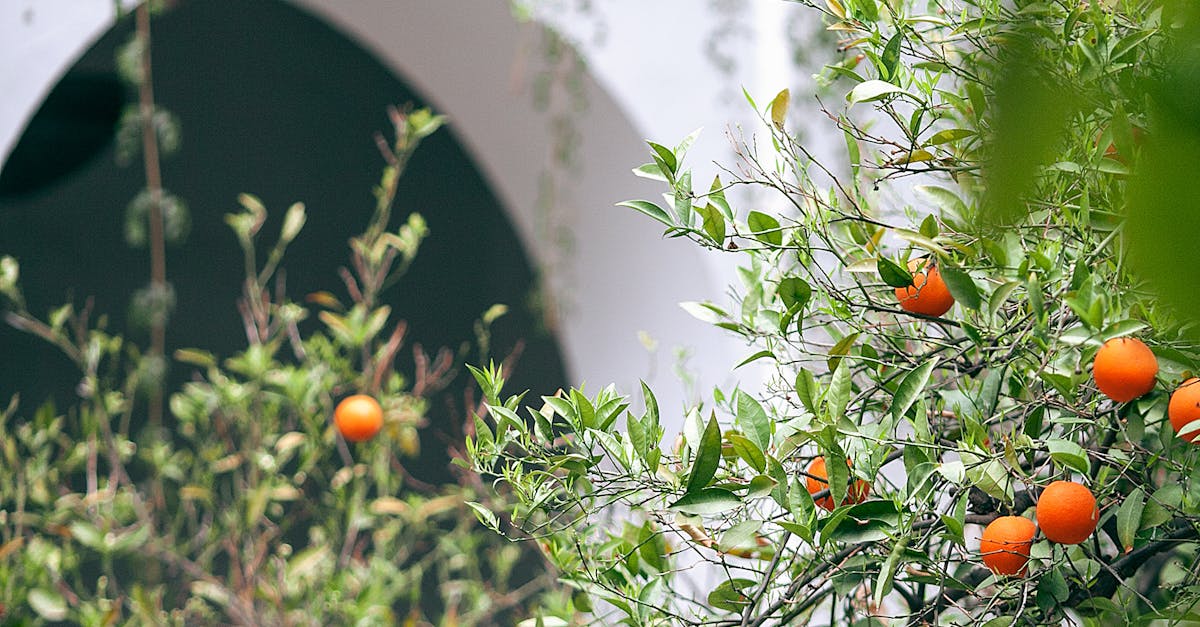
Citrus trees require pollination to produce fruit, and there are various methods to facilitate this process in a balcony setting. In nature, citrus trees are pollinated by insects such as bees and butterflies. However, if you are growing your citrus tree on a balcony, it is unlikely that these insects will be able to reach your tree. Therefore, you will need to hand-pollinate your tree in order to get fruit.
To hand-pollinate your citrus tree, you will need a small brush or cotton swab. Gently brush the pollen from the stamen of one flower to the stigma of another flower. Repeat this process for several flowers on your tree. You can also use a small paintbrush to transfer the pollen.
If you are successful in pollinating your citrus tree, you should see small fruits developing on the tree within a few weeks. These fruits will gradually grow and ripen over the next few months.
Natural Pollination
If you have a balcony that is accessible to insects and other pollinators, you may be able to rely on natural pollination to get fruit from your citrus tree. Bees, butterflies, and other insects are attracted to the flowers of citrus trees, and they will help to transfer pollen from one flower to another. This process is essential for fruit production.
To encourage natural pollination, make sure that your balcony is a welcoming place for pollinators. Avoid using pesticides or herbicides, and plant a variety of flowers that bloom at different times of the year. You can also provide a water source for pollinators, such as a shallow dish filled with water and pebbles.
If you have a balcony that is not accessible to pollinators, or if you want to increase your chances of getting fruit, you can hand-pollinate your citrus tree. Hand-pollination is a simple process that can be done with a small brush or cotton swab.
Hand Pollination
Hand pollination is a simple and effective way to encourage fruit development in citrus trees grown on balconies. To hand-pollinate your citrus tree, you will need a small brush or cotton swab. Gently brush the pollen from the stamen of one flower to the stigma of another flower. Repeat this process for several flowers on your tree.
The best time to hand-pollinate your citrus tree is in the morning, when the flowers are open and the pollen is dry. You can also hand-pollinate your tree in the evening, but the pollen may be less viable.
If you are successful in hand-pollinating your citrus tree, you should see small fruits developing on the tree within a few weeks. These fruits will gradually grow and ripen over the next few months.
5. Common Challenges and Troubleshooting
Growing citrus trees on a balcony can be a rewarding experience, but it also comes with its own set of challenges. However, by understanding and addressing these challenges, you can ensure the success of your endeavor.
One common challenge is pests and diseases. Citrus trees are susceptible to a variety of pests and diseases, including aphids, scale, and spider mites. It is important to regularly inspect your tree for signs of pests or diseases. If you find any pests or diseases, treat them promptly with an appropriate pesticide or fungicide.
Another challenge is nutrient deficiencies. Citrus trees need a variety of nutrients to grow and produce fruit. If your tree is not getting the nutrients it needs, it may show signs of nutrient deficiency, such as yellowing leaves or stunted growth. To prevent nutrient deficiencies, fertilize your tree regularly with a balanced fertilizer.
Pest and Disease Management
Citrus trees can be susceptible to various pests and diseases, which can affect their health and productivity. It is important to regularly inspect your tree for signs of pests or diseases. If you find any pests or diseases, take appropriate measures to control infestations or infections.
Common pests of citrus trees include aphids, scale, and spider mites. These pests can damage the leaves, stems, and fruit of your tree. To control pests, you can use a variety of methods, such as insecticidal soap, neem oil, or horticultural oil. You can also release beneficial insects, such as ladybugs or lacewings, into your garden to help control pests.
Common diseases of citrus trees include citrus greening, citrus tristeza virus, and citrus canker. These diseases can cause a variety of symptoms, such as yellowing leaves, stunted growth, and fruit drop. To control diseases, you can use a variety of methods, such as copper fungicides, sulfur fungicides, or biological control agents.
Nutrient Deficiencies
Nutrient deficiencies can occur when citrus trees do not receive the nutrients they need from the soil. This can lead to a variety of symptoms, including yellowing leaves, stunted growth, and fruit drop. To identify the specific nutrient that is lacking, you can use a soil test kit. Once you know which nutrient is deficient, you can supplement your tree accordingly.
Some common nutrient deficiencies in citrus trees include:
- Nitrogen deficiency: Nitrogen is essential for plant growth and development. Symptoms of nitrogen deficiency include yellowing leaves, stunted growth, and poor fruit production.
- Phosphorus deficiency: Phosphorus is essential for root growth and development. Symptoms of phosphorus deficiency include stunted growth, poor fruit production, and dark green leaves.
- Potassium deficiency: Potassium is essential for fruit quality and disease resistance. Symptoms of potassium deficiency include yellowing leaves, poor fruit production, and weak stems.
To supplement your citrus tree with the nutrients it needs, you can use a variety of methods, such as applying fertilizer, adding compost to the soil, or foliar feeding.
Overwatering and Underwatering
Overwatering and underwatering are two common problems that can harm citrus trees. Overwatering can lead to root rot, which is a serious condition that can kill your tree. Underwatering can also cause problems, such as stunted growth and poor fruit production.
To avoid overwatering, make sure to allow the soil to dry out slightly between waterings. You can check the soil moisture by sticking your finger in the soil up to your first knuckle. If the soil feels dry, it is time to water your tree. If the soil is still moist, wait a few days before watering again.
To avoid underwatering, make sure to water your tree deeply and regularly. This will help to encourage deep root growth and prevent your tree from drying out. The amount of water you need to give your tree will vary depending on the size of the tree, the climate, and the time of year.
Quiz
1. What is the ideal temperature range for citrus trees?
(A) 45-60°F (7-15°C) (B) 60-85°F (15-29°C) (C) 85-100°F (29-38°C) (D) 100-115°F (38-46°C)
2. How often should you water your citrus tree?
(A) Daily (B) Every few days (C) When the soil is dry to the touch (D) Only when the leaves start to wilt
3. What is a common nutrient deficiency in citrus trees that can cause yellowing leaves and stunted growth?
(A) Nitrogen (B) Phosphorus (C) Potassium (D) Calcium
4. True or False: Citrus trees require pollination to produce fruit.
(A) True (B) False
5. What is the best way to encourage natural pollination of citrus trees on a balcony?
(A) Using a paintbrush to transfer pollen (B) Attracting pollinators with flowers and a water source (C) Hand-pollinating each flower individually (D) Waiting for the wind to carry pollen
Answer Key
- B
- C
- A
- A
- B
Unlock the Greenery Potential of Your Balcony: A Guide to Thriving Plants in Compact Spaces Attention all balcony-dwelling plant enthusiasts! Read more
Transform Your Balcony into a Flourishing Garden Oasis: A Step-by-Step Guide Beginning a balcony garden can be a fulfilling endeavor, Read more
Unlocking the Potential of Vertical Gardening on Balconies Are you tired of your cramped balcony but still longing for a Read more
Aromatic Delights: Cultivating Herbs on Your Balcony Oasis Whether you're a seasoned gardener or just starting out, growing herbs on Read more